
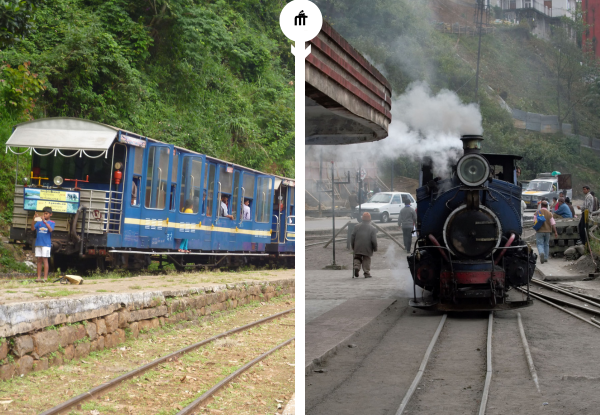
India has train routes where the journey quietly becomes the highlight. This article brings together 11 trains known for the most beautiful routes across the country, from the Kalka Shimla toy train with its tunnels and bridges to the Konkan Railway that runs past forests, rivers and the Arabian Sea.
You will pass tea gardens in Darjeeling, snow valleys in Kashmir, and rolling hills in the Western Ghats. Every route here is selected based on real geography, railway records, and what travellers consistently experience on the ground. You will also learn when to travel for the best views and what makes each route stand out, whether it is engineering, landscape or season. If you want a train journey that feels worth the time, this list helps you choose without second guessing.
1. Darjeeling Himalayan Railway
This is not just a train ride, it feels like watching a place unfold layer by layer.
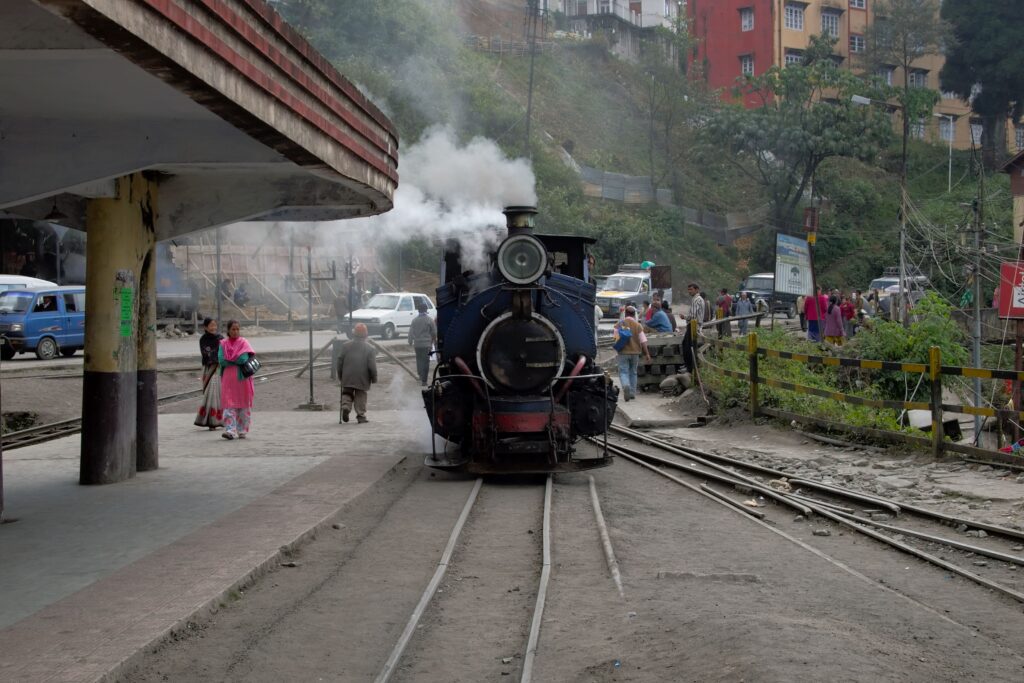
Starting from New Jalpaiguri, the train climbs steadily into Darjeeling, cutting through tea estates, small towns, and mist-covered slopes. The famous Batasia Loop gives you a full circular view of the mountains.
On clear days, you may even catch a glimpse of Kanchenjunga.
It moves slowly, but every turn feels intentional.
Best time: October to December for clearer skies
2. Kalka–Shimla Toy Train
If patience had a reward, this would be it.
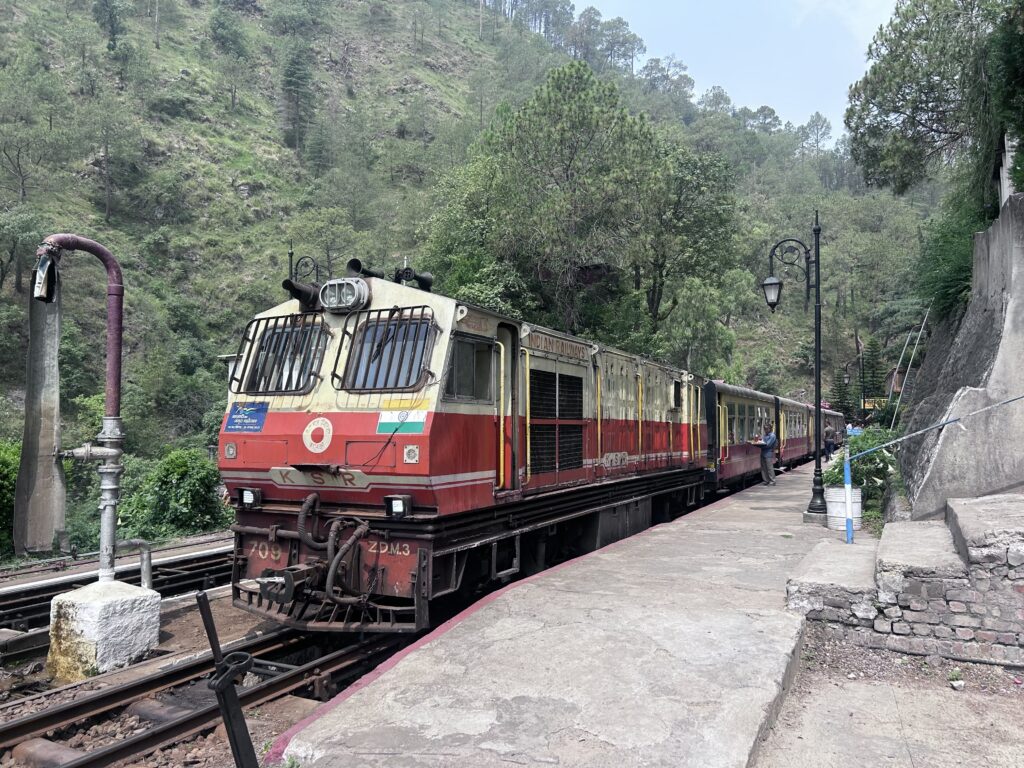
This narrow-gauge train climbs from Kalka to Shimla through the Shivalik hills, covering about 96 km. Along the way, it passes 103 tunnels and more than 800 bridges, many built during the British era.
The beauty here is slow and consistent. Pine forests, curved tracks, tiny hillside stations, and valleys that suddenly open up without warning.
It does not rush. And that’s exactly why it works.
Best time: March to June, September to November
3. Konkan Railway (Mumbai to Mangalore)
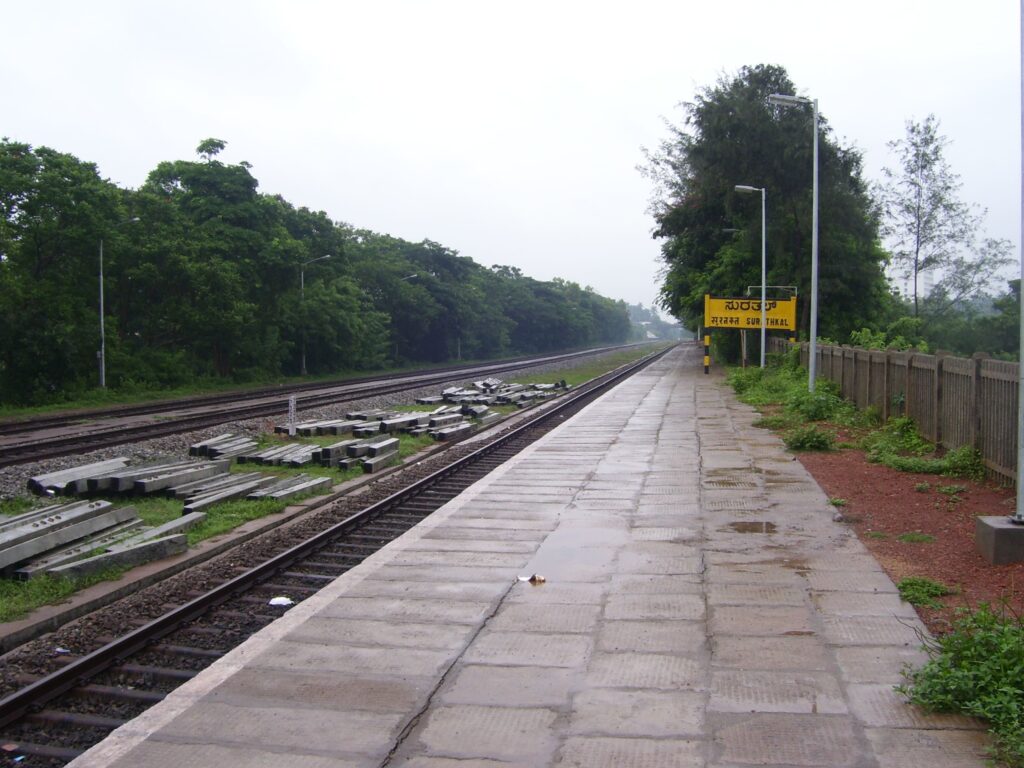
This is where the scenery refuses to stay the same one of the most unforgettable Indian Trains That Run Through Dangerous Routes.
The Konkan Railway runs along the western coast and through the Western Ghats. Expect over 2,000 bridges and around 90 tunnels, which is why the landscape keeps shifting every few minutes.
One moment you see dense green hills, the next moment rivers, then suddenly open views near the coast.
During monsoon, waterfalls appear almost everywhere. It feels less like a route and more like a moving window.
Best time: June to September if you like dramatic scenery
4. Kashmir Railway (Banihal to Baramulla)
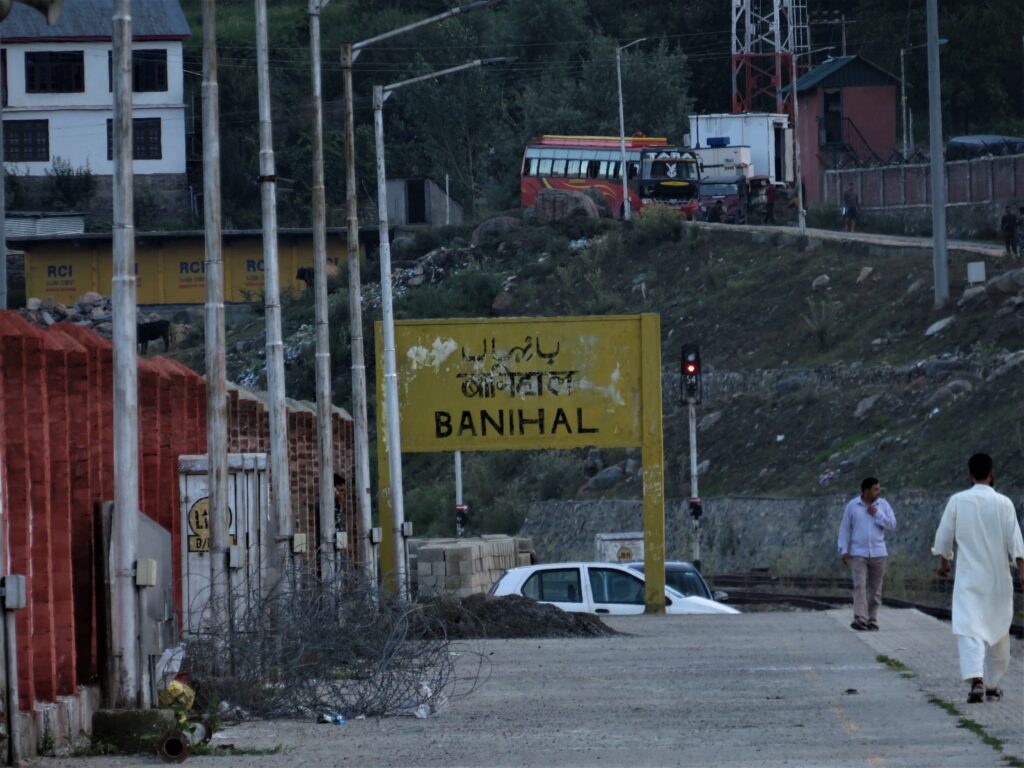
This route feels unreal, but it is very much real.
Running through the Kashmir Valley, this line connects Banihal to Baramulla and passes through snow-covered landscapes, wide valleys, and quiet villages.
The route is part of the Udhampur Srinagar Baramulla Rail Link project, which includes the Chenab Bridge, the highest railway bridge in the world.
Even without snow, the openness of the valley makes this journey stand out.
Best time: Winter for snow, spring for greenery
5. Matheran Hill Railway
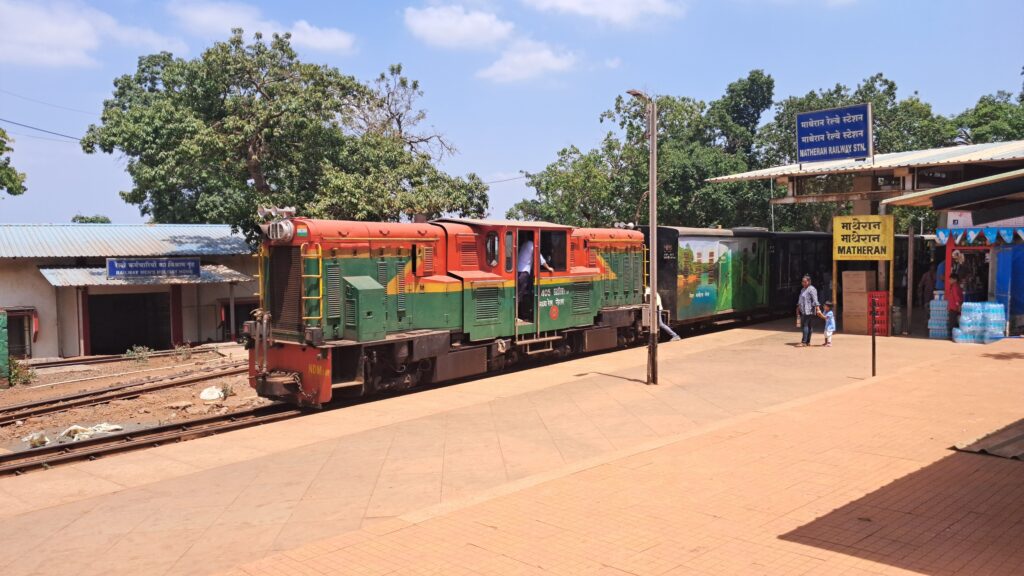
This one feels smaller, but somehow more personal.
Running between Neral and Matheran, this narrow-gauge train climbs slowly through forested hills with sharp turns and steep gradients.
What makes it unique is that Matheran itself is a vehicle-free hill station, so this train becomes part of the experience, not just transport.
It is quiet, green, and surprisingly calming.
Best time: October to May
6. Nilgiri Mountain Railway (Mettupalayam to Ooty)
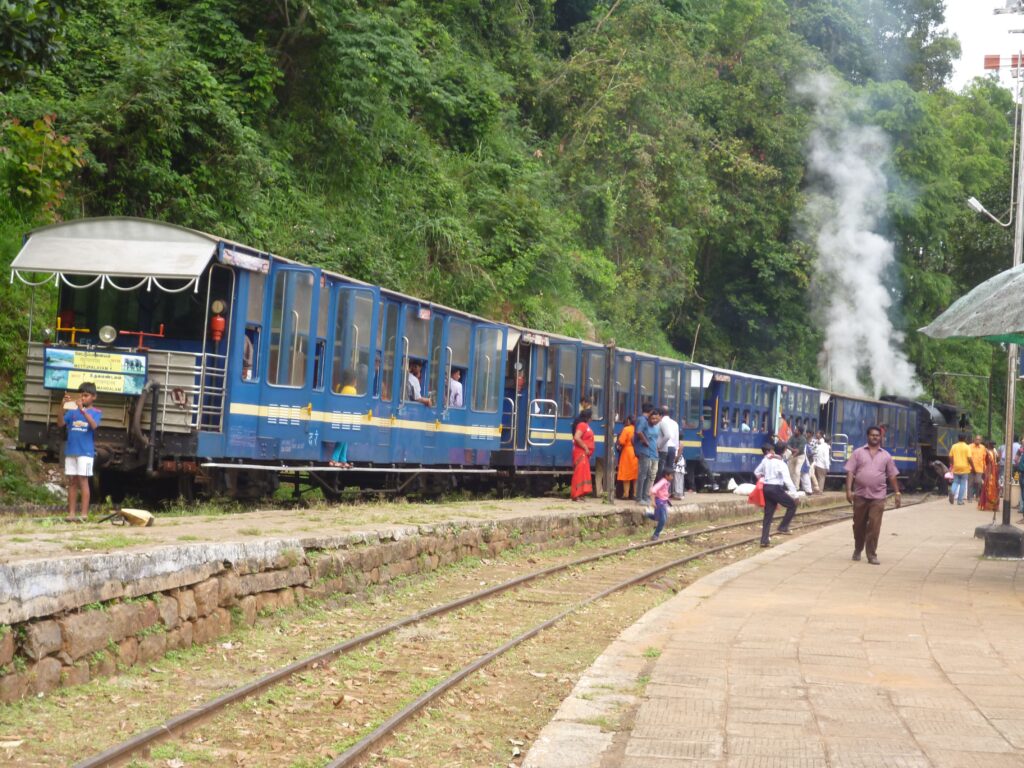
This is one of the few places in India where trains literally climb mountains using a rack and pinion system.
The journey from Mettupalayam to Ooty goes through dense forests, tea plantations, and steep slopes, with constant elevation gain.
You will notice the engine working harder, and that effort adds to the experience.
It is also a UNESCO recognized mountain railway, which says a lot.
Best time: September to March
7. Mandapam to Rameswaram (Pamban Bridge Route)
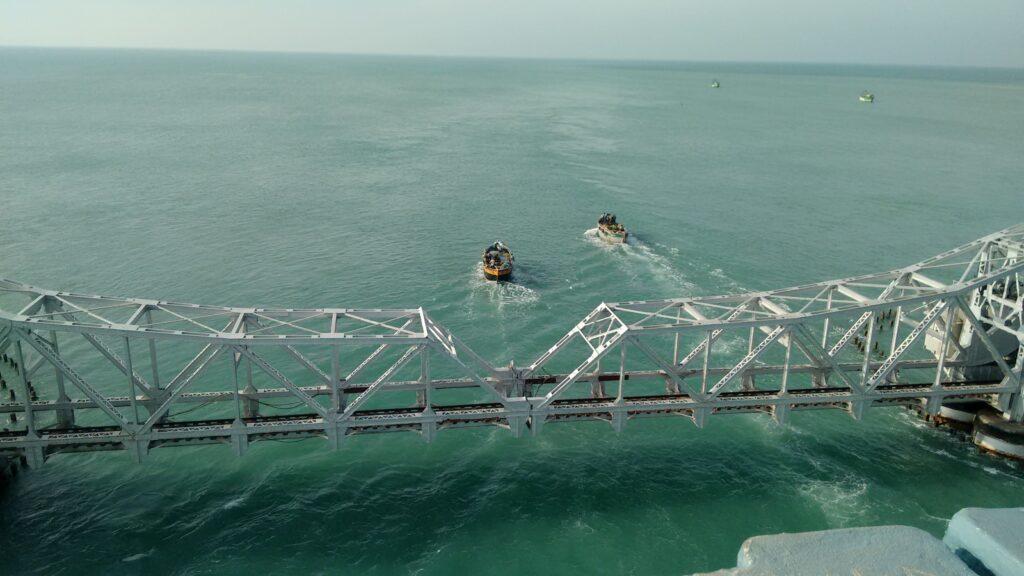
This is less about greenery and more about feeling surrounded by water.
The train crosses the Pamban Bridge, where the sea stretches endlessly on both sides. At certain points, it feels like the train is floating.
Strong winds, blue water, and fishing boats below create a completely different kind of scenery.
It is short, but memorable.
Best time: October to March
8. Visakhapatnam to Araku Valley
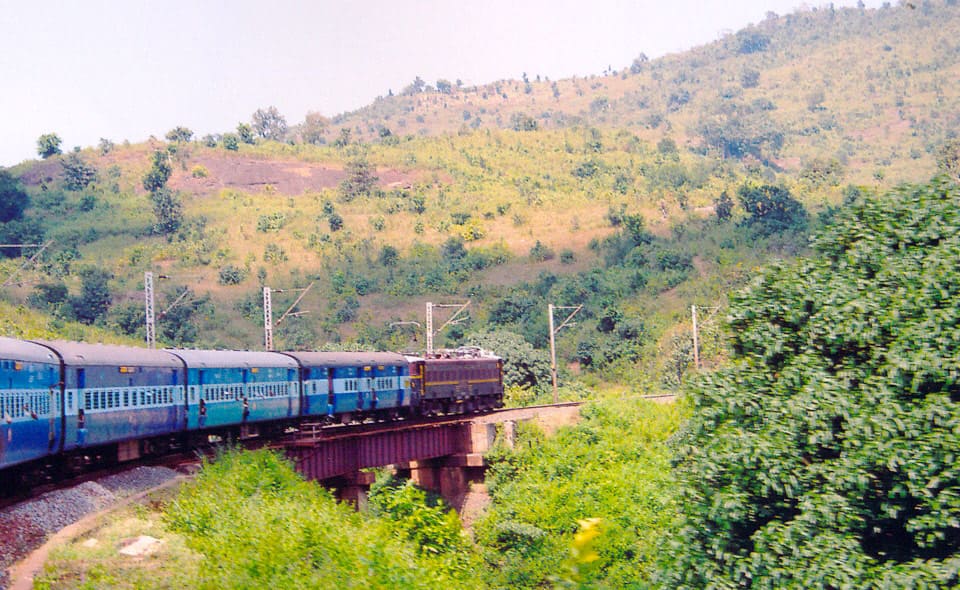
This route surprises people.
Starting from the coastal city of Visakhapatnam, the train climbs into the Eastern Ghats, passing through 50+ tunnels, bridges, coffee plantations, and tribal regions.
The transition from sea-level humidity to cool hill air happens gradually, and you actually feel it.
Araku itself is peaceful, but the journey is what most people remember.
Best time: October to February
| Route | Best For | Best Time | What Makes It Unique |
|---|---|---|---|
| Kalka – Shimla | Slow mountain views | Mar – Jun, Sep – Nov | 103 tunnels and heritage bridges |
| Darjeeling Himalayan | Tea gardens, hills | Oct – Dec | Batasia Loop and Kanchenjunga views |
| Konkan Railway | Coast and monsoon | Jun – Sep | 2000+ bridges and 90+ tunnels |
| Kashmir Valley | Snow and wide valleys | Dec – Mar, Apr – May | Includes Chenab Bridge region |
| Matheran Hill | Short forest ride | Oct – May | Access to vehicle-free hill station |
| Nilgiri Mountain | Tea estates, hills | Sep – Mar | Rack and pinion system |
| Pamban Bridge Route | Sea views | Oct – Mar | Train over open sea bridge |
| Visakhapatnam – Araku | Tunnels, greenery | Oct – Feb | 50+ tunnels through Eastern Ghats |
| Goa – Londa | Western Ghats forest | Jun – Sep | Waterfalls during monsoon |
| Jaisalmer – Jodhpur | Desert landscape | Nov – Feb | Thar desert views and open terrain |
| Guwahati – Silchar | Northeast greenery | Oct – Apr | Dense forests and multiple tunnels |
9. Goa Express (Vasco da Gama to Londa stretch)
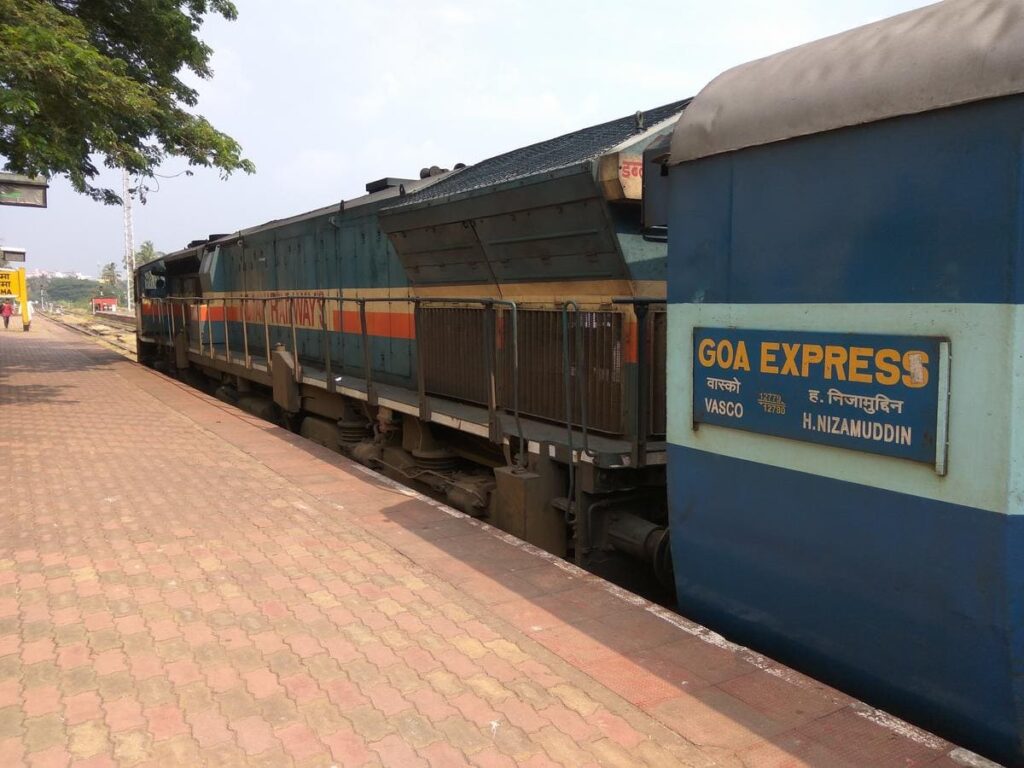
While Goa Express is known for long-distance travel, the stretch between Vasco da Gama and Londa is where things get interesting.
This section cuts through the Western Ghats with thick forests, deep valleys, and waterfalls, especially during monsoon.
It is not a tourist train, but that’s exactly why it feels raw and real.
Best time: June to September
10. Jaisalmer to Jodhpur (Desert Route)

Completely different from the rest.
This route takes you through the Thar Desert, where the landscape is open, dry, and endless. You will see sand dunes, small villages, and sometimes camels moving slowly in the distance.
There is a strange calm in the emptiness here.
It is not dramatic like mountains, but it stays with you.
Best time: November to February
11. Guwahati to Silchar (Barak Valley Route)
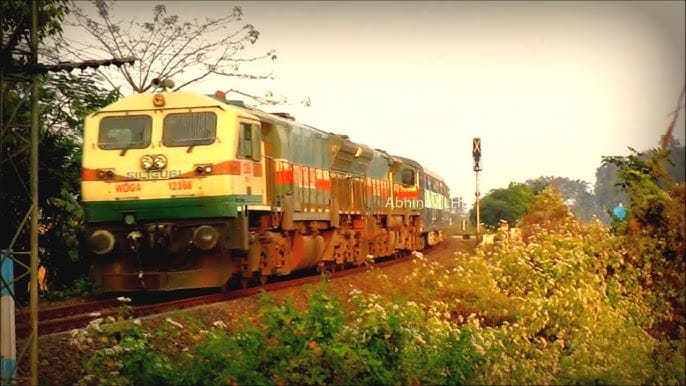
One of the lesser-known but incredibly scenic routes in Northeast India.
This line passes through lush forests, rolling hills, rivers, and multiple tunnels, especially in the Lumding to Silchar section.
It feels untouched compared to more popular routes.
The greenery here is not occasional, it is constant.
Best time: October to April