
Some Indian trains run at timings that feel almost wrong when you first see them. A train leaving at 11:55 PM or reaching at 2:40 AM is not rare, especially on long routes. This usually happens because these trains are fitted in between higher-priority services like Rajdhani, Shatabdi, and freight movements that dominate key corridors during the day.
On sections with heavy traffic like Delhi–Howrah or Chennai–Vijayawada, available time slots are limited, so many trains are scheduled during late-night windows when tracks are relatively freer. In other cases, long-distance trains maintain consistent average speeds by running through the night instead of waiting at stations. What looks inconvenient is often a deliberate scheduling choice to avoid bigger delays and keep journeys predictable over thousands of kilometres.
1. Dibrugarh – Kanyakumari Vivek Express
If there is one train that completely ignores the idea of “normal timing,” it is this one. The Vivek Express runs almost the entire length of India, and once a journey stretches beyond three days, time itself starts behaving differently. By the time it reaches central India, the schedule has already shifted so much that many stations fall in the middle of the night.
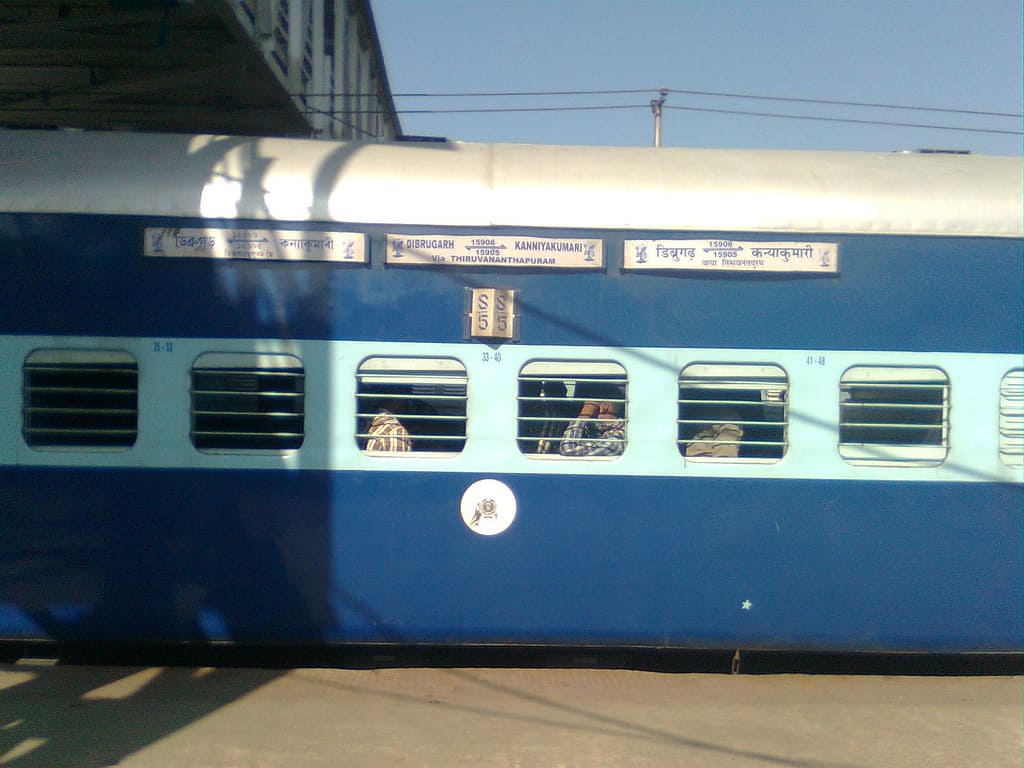
Passengers often wake up confused, checking their phones at 2 AM just to confirm they did not miss their stop. But the truth is simple. When a train runs for more than 4,000 kilometres, there is no way every station can get a convenient arrival. Some places will always get the “night shift.”
2. Guwahati – Thiruvananthapuram Express
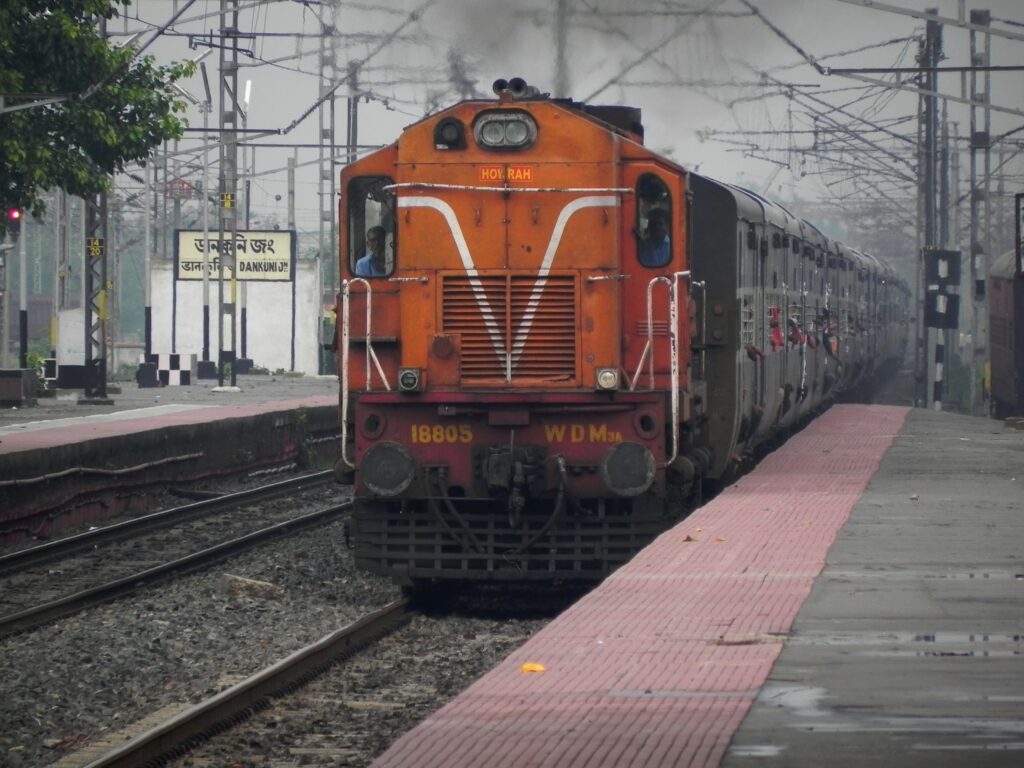
This train quietly crosses some of the busiest railway stretches in the country, and that is where its strange timings come from. It often reaches major junctions like Vijayawada early in the morning, sometimes before the city has fully woken up.
Instead of stopping and waiting for a better slot, the train keeps moving through the night. It is actually a smart trade-off. Running at night helps it avoid daytime congestion on shared tracks, especially where multiple long-distance trains compete for the same path.
3. Howrah – Amritsar Express
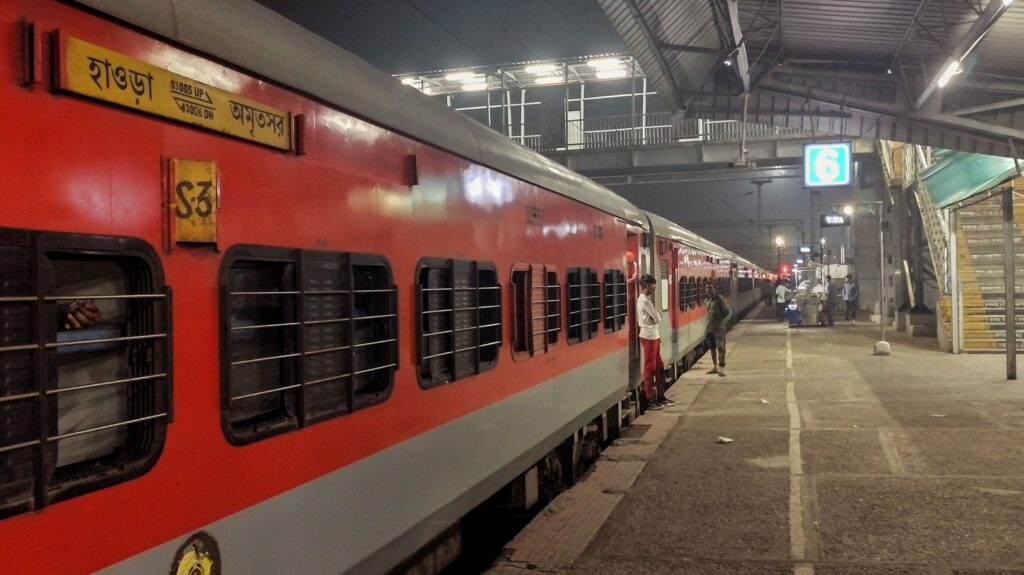
This is the kind of train where you might board at a normal time but find yourself stepping onto platforms at 3 AM somewhere in Uttar Pradesh or Bihar. It shares one of the busiest corridors in India, the Delhi–Howrah route, where premium trains regularly overtake slower ones.
So this train gets adjusted again and again, fitting into small gaps between faster services. Those gaps do not always happen during the day, which is why many of its stops fall deep into the night.
4. Chennai – Ahmedabad Navjeevan Express
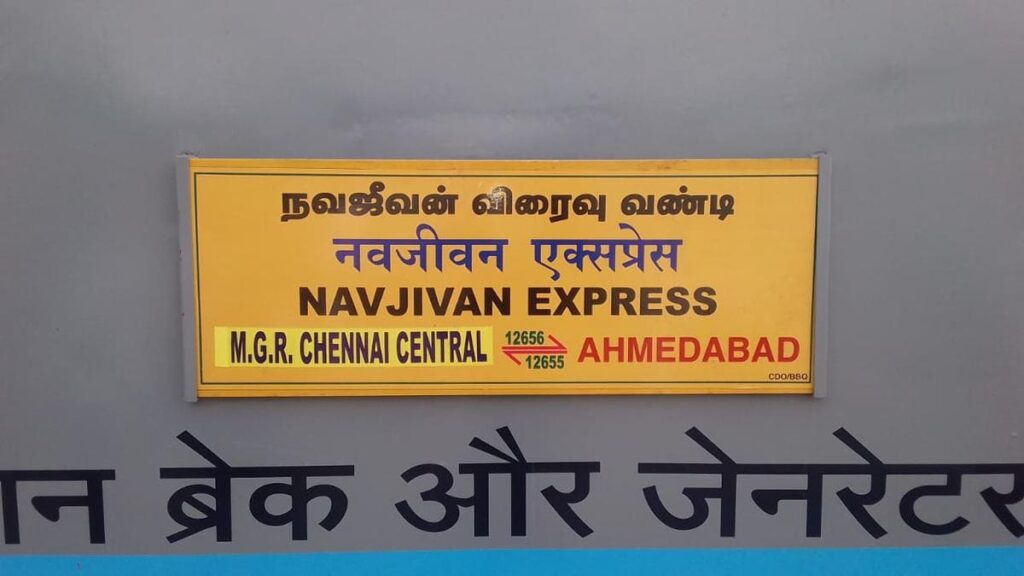
This train feels like it has its own clock. By the time it crosses Maharashtra and heads towards Gujarat, its schedule shifts into late-night and early-morning arrivals.
The reason is not random. Sections around Mumbai and western India are extremely crowded, and trains that are not high priority often move during off-peak hours. That usually means night running. For passengers, it might mean reaching a big city when everything is still closed, but for the railway, it keeps the train moving instead of waiting endlessly.
5. Gorakhpur – Yesvantpur Express
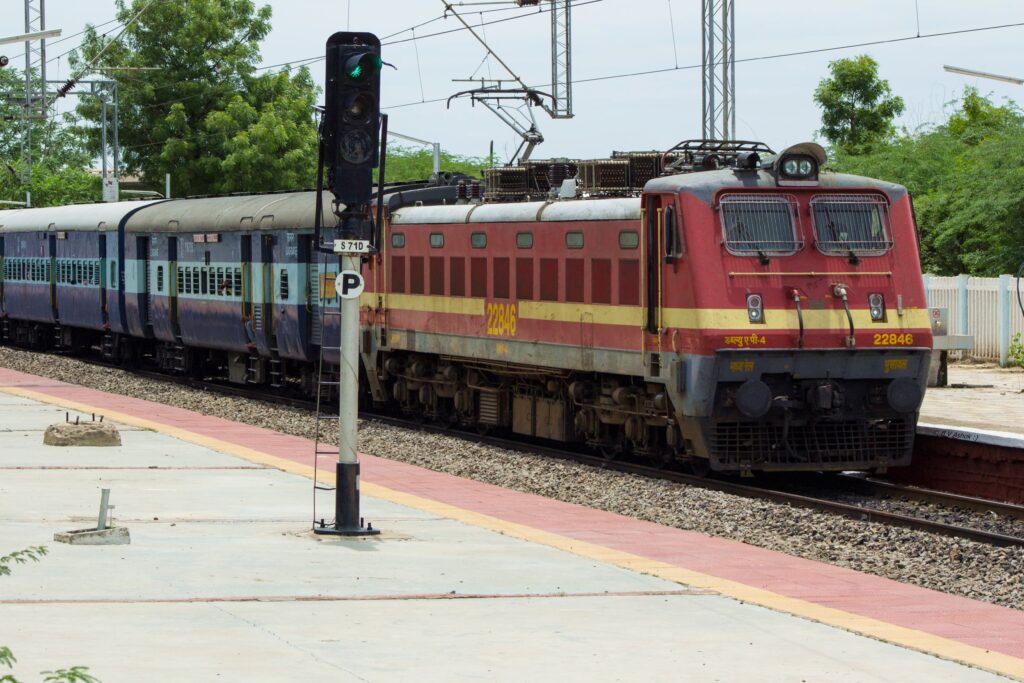
This one often catches people off guard. You might expect a daytime arrival somewhere in central India, but instead, the train rolls in past midnight.
A big reason is freight traffic. Many routes this train uses are shared with heavy goods trains, which take up large chunks of track time. Passenger trains like this one are then adjusted around those movements, and that often pushes them into odd hours.
6. Himsagar Express
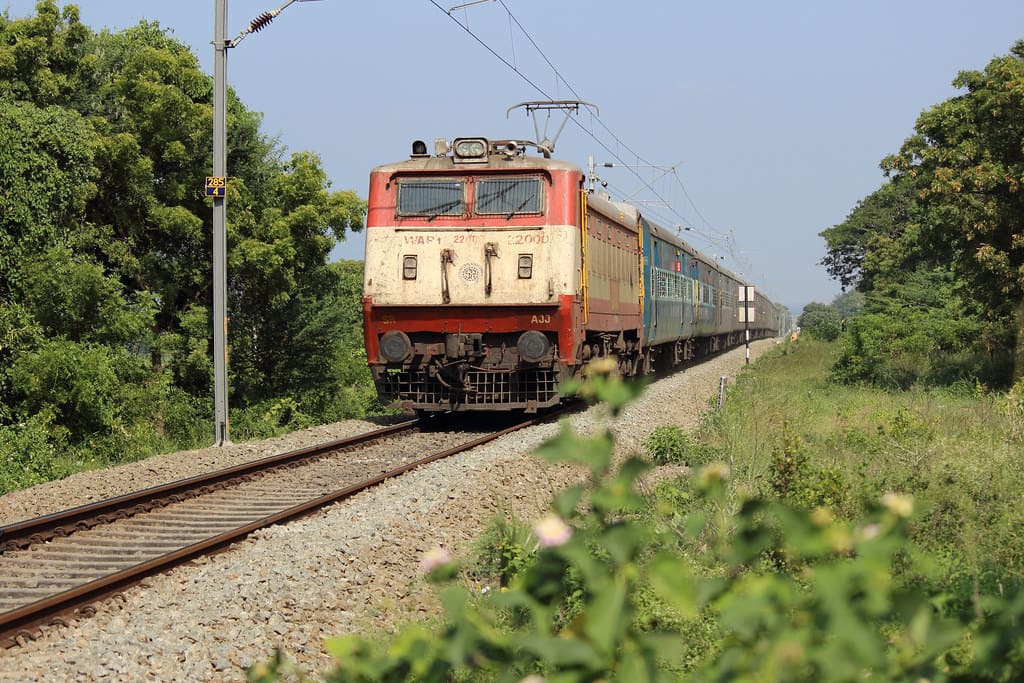
Running from Kanyakumari to Katra, this train crosses almost every kind of terrain and railway zone in India. Somewhere along its journey, night and day stop mattering.
It is very common for this train to reach certain stations before sunrise, sometimes when even the station lights feel dim. But again, it is not poor planning. Over such a long route, the schedule has to stay consistent overall, even if it means some stops happen at uncomfortable hours.
7. Kamakhya – KSR Bengaluru AC Express
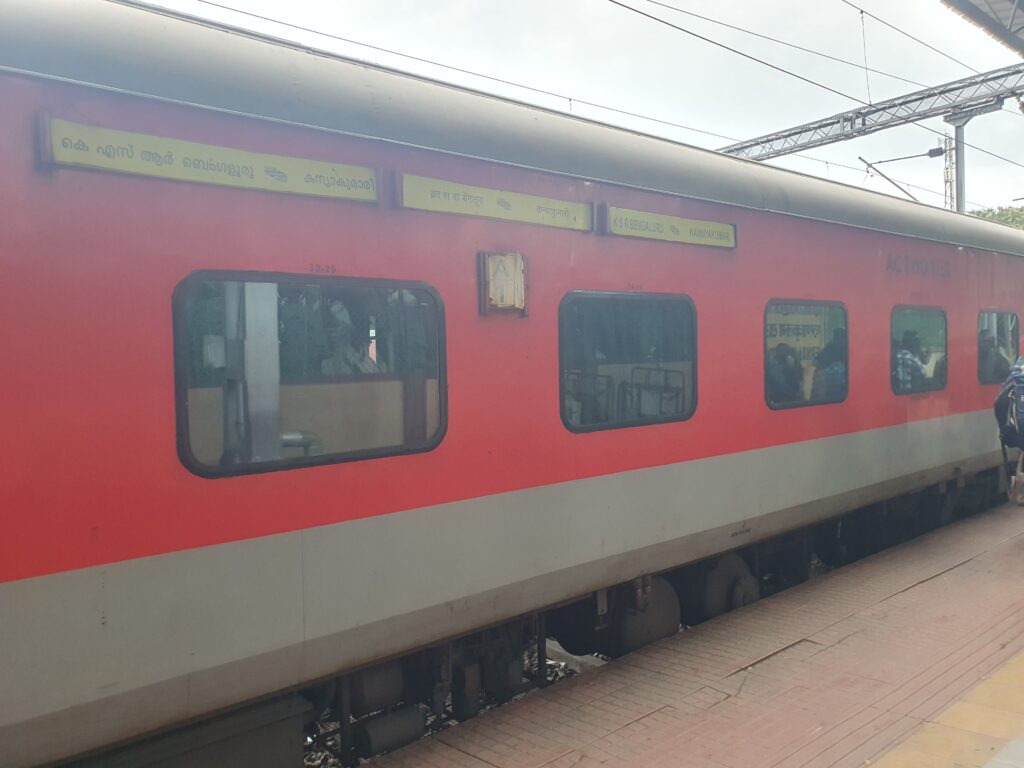
You would expect an AC express train to have better timings, but even this one cannot escape reality. As it moves from the eastern corridor into the south, it hits some of the most crowded railway sections.
To avoid delays, it often runs through the night on these stretches. So instead of waiting outside a busy junction for hours, it simply passes through at a time when the tracks are clearer, which usually means odd hours for passengers.
8. Okha – Rameswaram Express
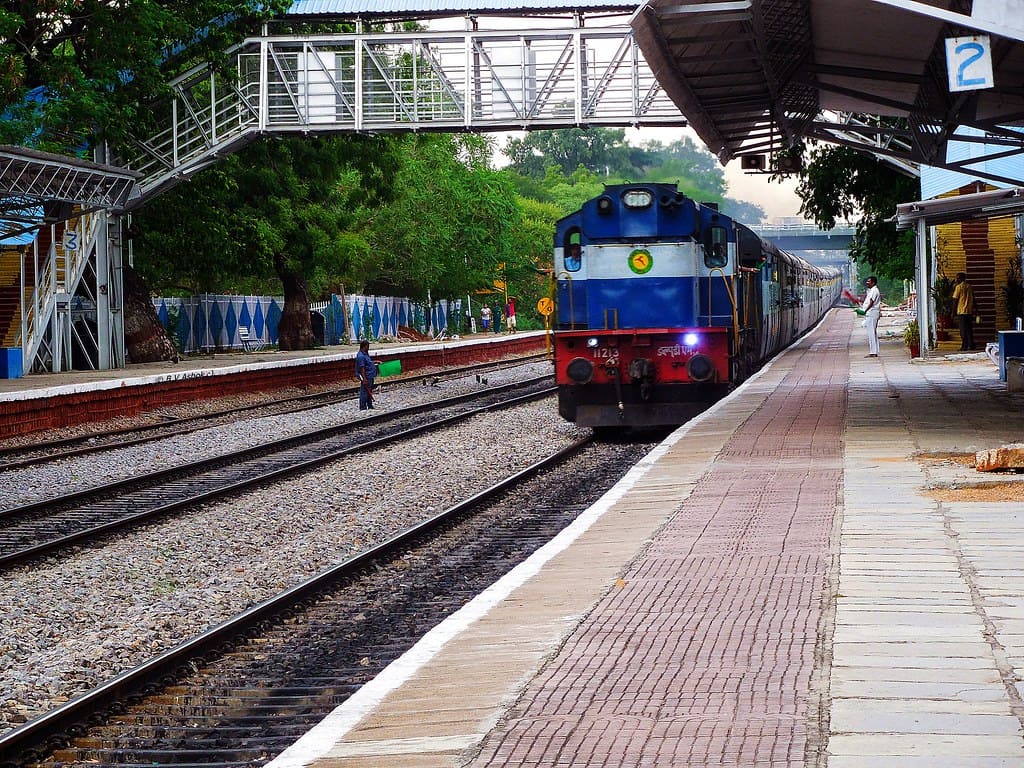
This train connects two very distant corners of India, and its timing feels like it keeps changing personality with each state it enters. In some places, it feels normal. In others, it suddenly becomes a late-night train.
That is because track capacity is not the same everywhere. Some sections are fast and double-lined, while others are slower and more crowded. In fact, journeys like this are often grouped with the slowest trains in India worth knowing, not because they are inefficient, but because they constantly adjust to different track conditions. The schedule shifts accordingly, and passengers experience that as unusual timings.
9. Silchar – Coimbatore Express
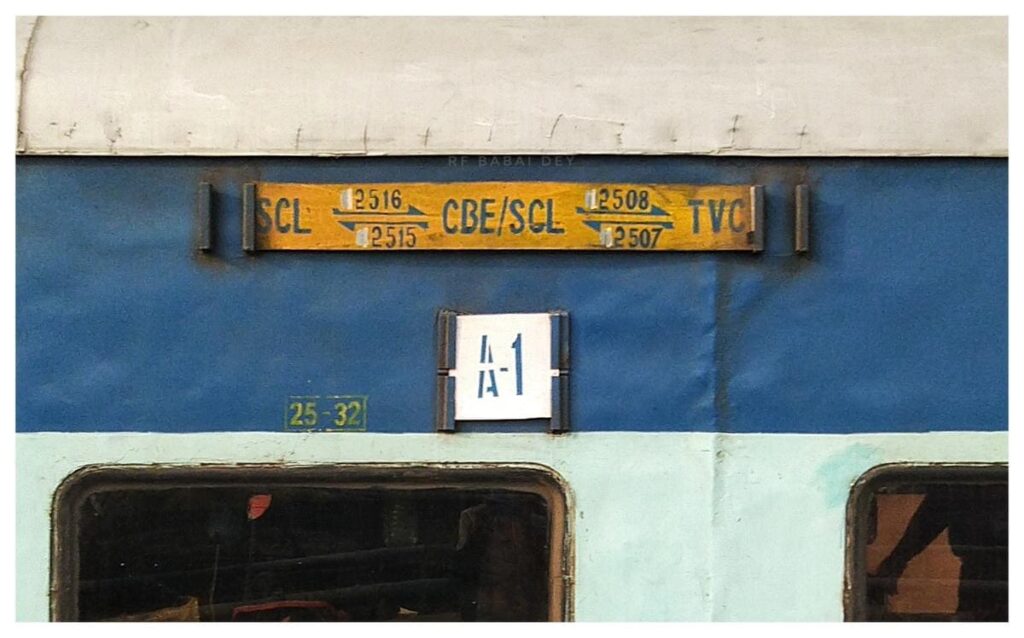
Starting from the Northeast, this train already deals with slower sections and terrain challenges. By the time it enters the main railway network, it has to adjust to completely different traffic conditions.
This shift often pushes its schedule into early morning or late-night arrivals. It is almost like the train has to “re-sync” itself with the rest of the network, and passengers feel that through its timings.
10. Jammu Tawi – Chennai Express
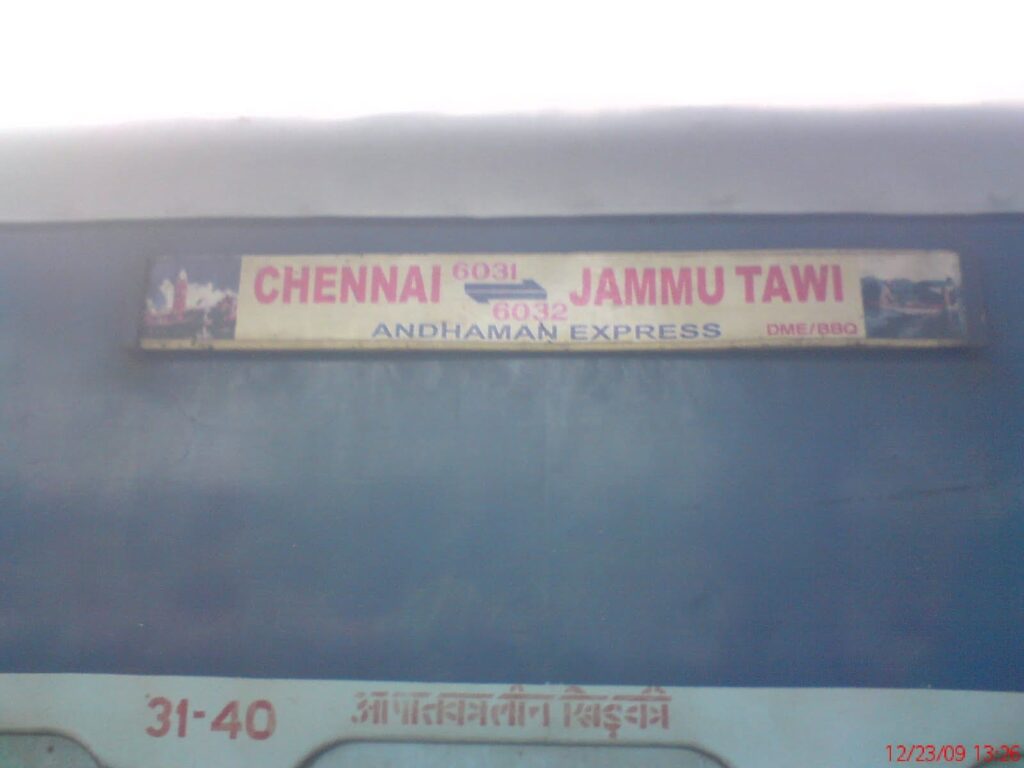
This train crosses multiple high-density zones, and that shows in its timing. Somewhere in the middle of the journey, normal-looking schedules turn into late-night arrivals.
It keeps getting adjusted to fit between faster north-south trains, especially on busy trunk routes. So what looks like an odd timing is actually the result of constant coordination across different railway zones.
11. Kolkata – Ajmer Express
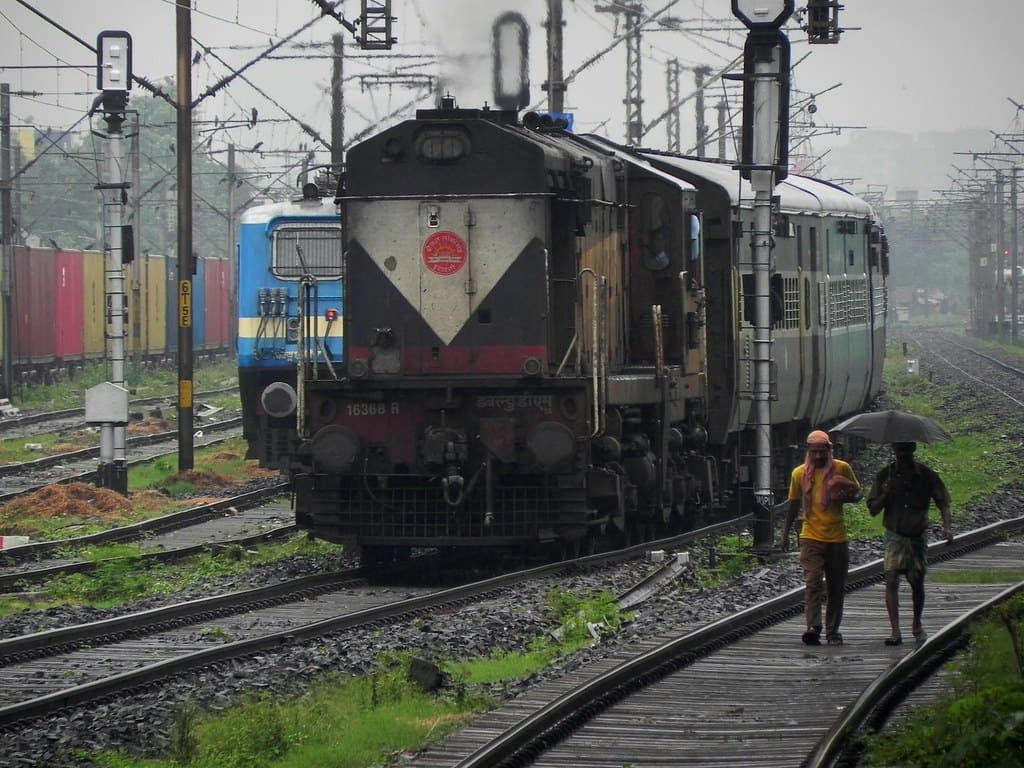
This train runs through freight-heavy regions in western India, and that has a direct impact on its schedule. Many of its halts fall late at night, especially at important junctions.
Instead of holding the train back for hours during the day, it is allowed to pass through when the tracks are relatively free. For passengers, it might mean stepping onto a platform at midnight, but it also means the train keeps moving without long delays.