
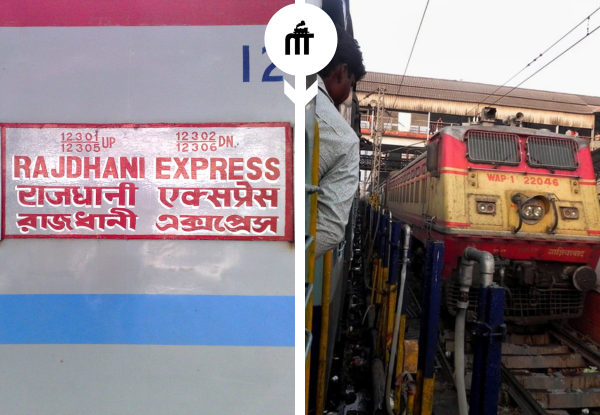
If you have ever tried booking certain trains in India, you already know the feeling. You open IRCTC right when booking starts, pick your train, and somehow you are still staring at WL 120. It is not bad timing. It is how these routes work.
Some trains are always packed because they connect cities where people are constantly on the move like Delhi, Mumbai, Patna, and Varanasi. These are not just travel routes, they are lifelines for students, job seekers, families, and migrant workers. Add a fast train like Rajdhani or Duronto into the mix, and the seats disappear even faster because people trust them to be on time.
The reality is simple. Demand is much higher than the number of seats available. That is why waiting lists on these trains often go into the hundreds, especially during festivals, exam seasons, and holidays.
In this article, we look at five such trains where getting a confirmed ticket feels like winning a small lottery, and more importantly, why it keeps happening.
That is why waiting lists often cross 200+ even on regular days.
1. Patna – New Delhi Rajdhani Express
If you ever want to see how serious train demand can get, try booking this one.
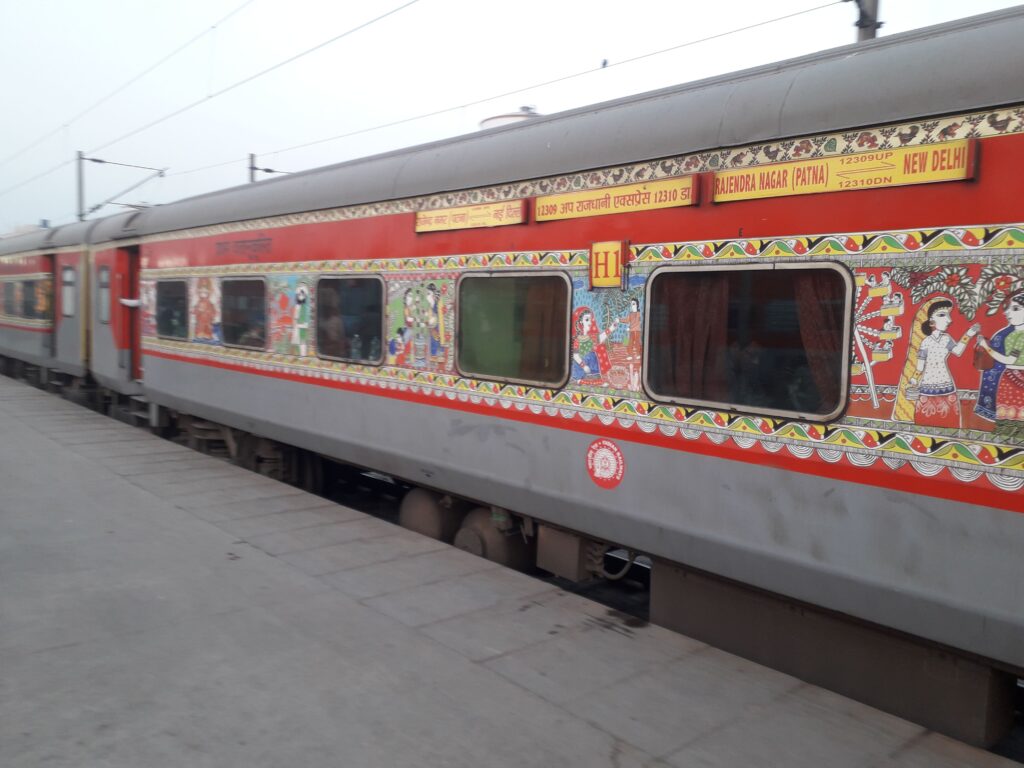
The Patna to Delhi route is always active. Students heading for coaching centres, people attending exams and interviews, families travelling for treatment, and a steady flow of regular passengers keep this route busy throughout the year. This is not seasonal demand. It is daily life.
Now add a Rajdhani train into this equation. It is faster, more reliable, and people trust it to reach on time. Naturally, everyone tries for this first.
That is why even if you log in right when bookings open, you might still end up staring at a waiting list number that already feels unfair. During busy periods, it is completely normal for the list to cross a few hundred.
It is not unlucky booking. It is just too many people chasing the same limited seats.
2. Mumbai – Varanasi Express (Kamayani / Mahanagari routes)
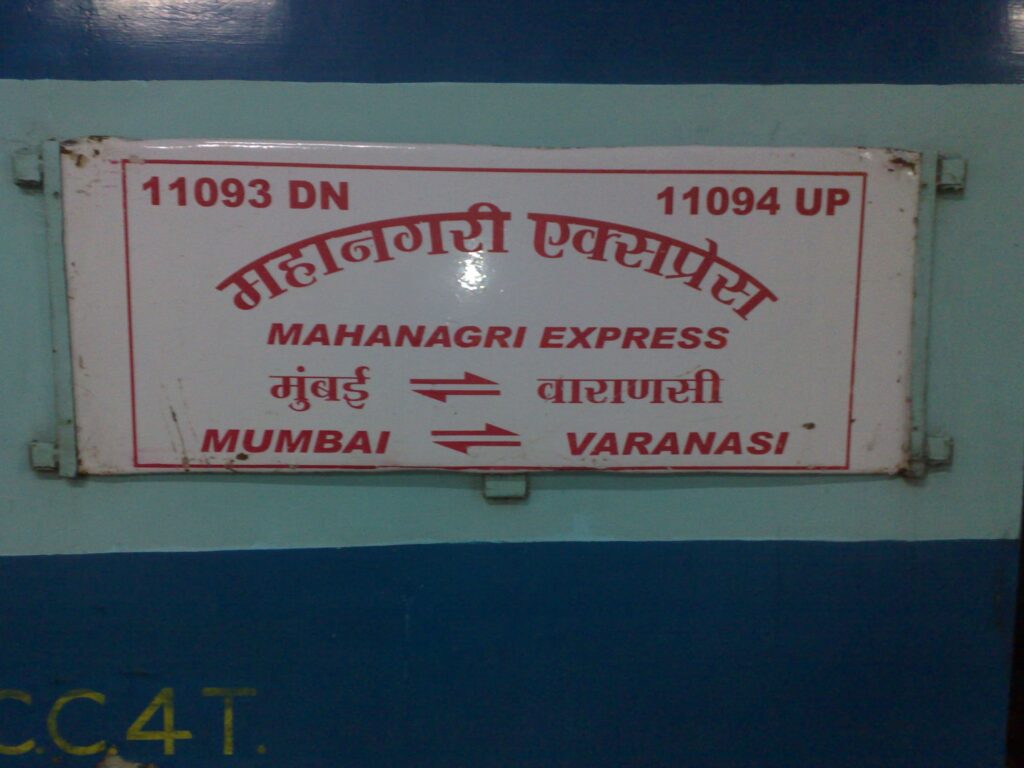
This route runs on emotion as much as it runs on demand.
Mumbai to eastern Uttar Pradesh is one of the busiest migration corridors in the country. People travel back home, return to work, attend family functions, and repeat the cycle again. It never really slows down.
Trains like Kamayani Express and Mahanagari Express have been carrying this load for years, and they are almost always full. Not sometimes. Almost always.
The reason is simple. People prefer a direct train for such long journeys. Changing trains midway sounds fine in theory, but after 20 plus hours of travel, nobody really wants that.
So everyone aims for these trains, and the waiting list quietly grows into the hundreds without much effort.
3. Howrah – New Delhi Rajdhani Express
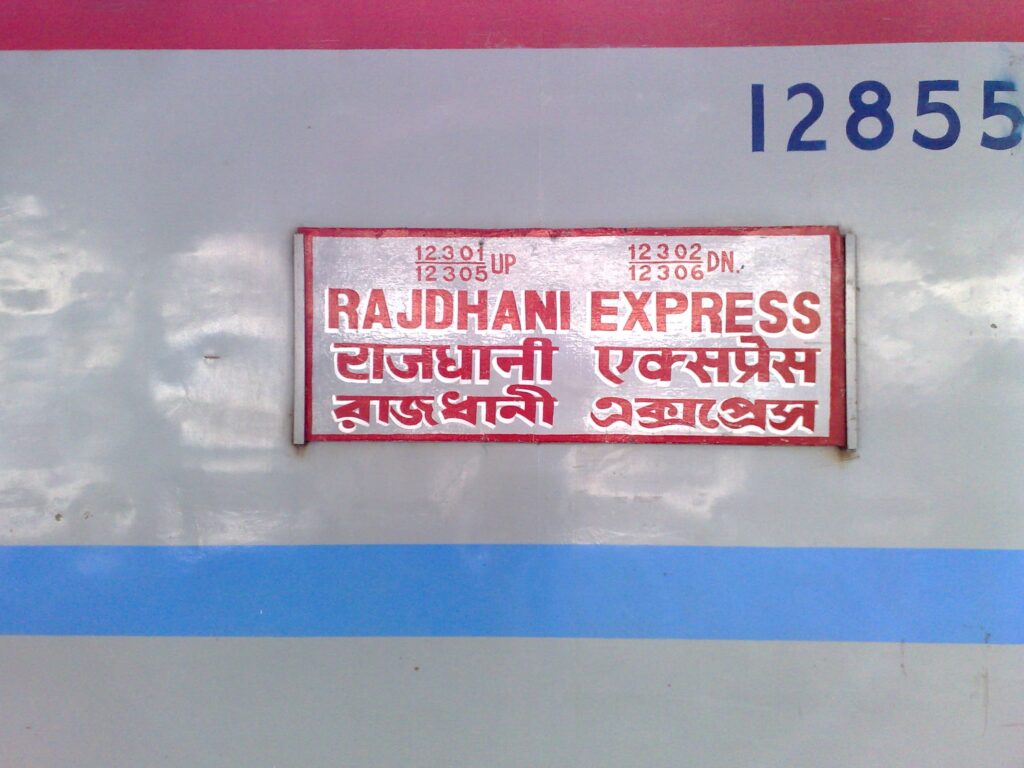
This one connects Kolkata to Delhi, which already tells you everything about the demand.
It is one of the most important long distance routes in India. Business travel, government work, education, tourism, family visits, everything flows through this corridor.
Now again, it is a Rajdhani. That means fewer stops, better speed, and a reputation for being dependable. So even though there are other trains on this route, many people still prefer this one.
The interesting part is how quickly it fills up. Tickets can move to waiting list within minutes of booking opening, especially during peak travel periods.
It is one of those trains where hesitation of even a few minutes can cost you a confirmed seat.
4. Yesvantpur – Gorakhpur Express
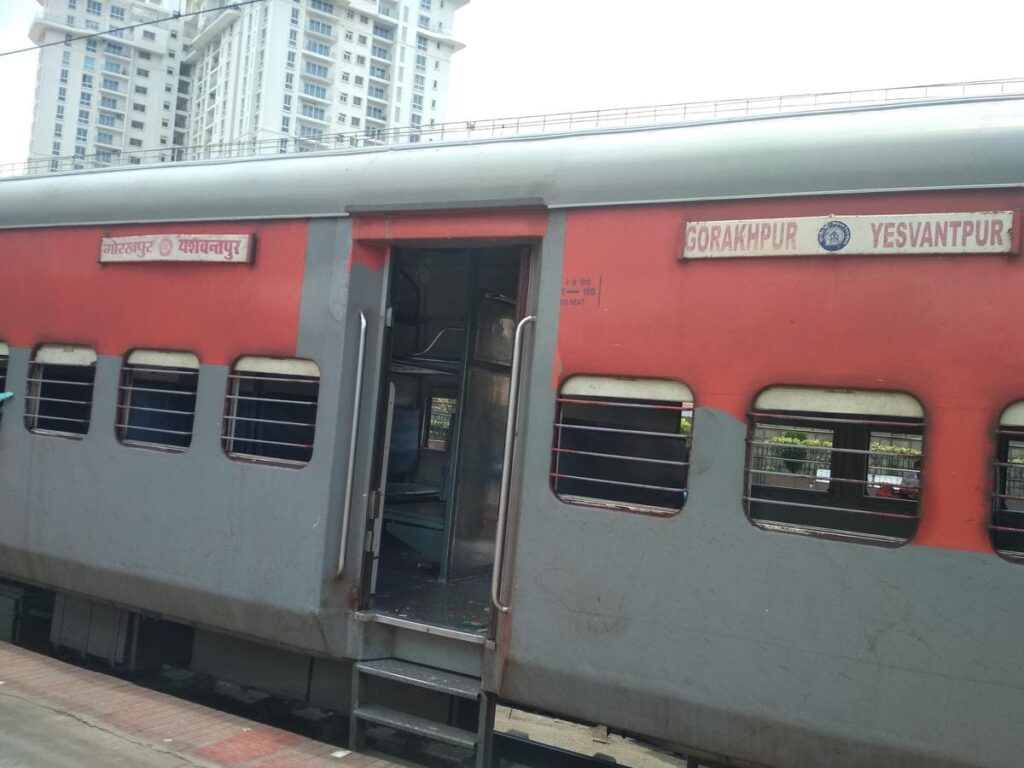
This train quietly handles one of the longest and most important connections in the country.
It links Bengaluru with eastern Uttar Pradesh, and that means a heavy flow of migrant workers and long distance travellers. These are not occasional passengers. Many of them travel regularly between work and home.
The journey itself is long, and direct options are limited. That changes how people book. Instead of experimenting with multiple trains and connections, most prefer to secure a single direct ticket, even if it is harder to get.
Because of the distance and crowd levels, it sometimes even gets mentioned among Indian Trains That Travelers Often Avoid, especially by those who are not used to such long journeys.
And that is exactly what makes this train so crowded.
Waiting lists here are not surprising at all. They are expected.
5. Sealdah – Ajmer Express
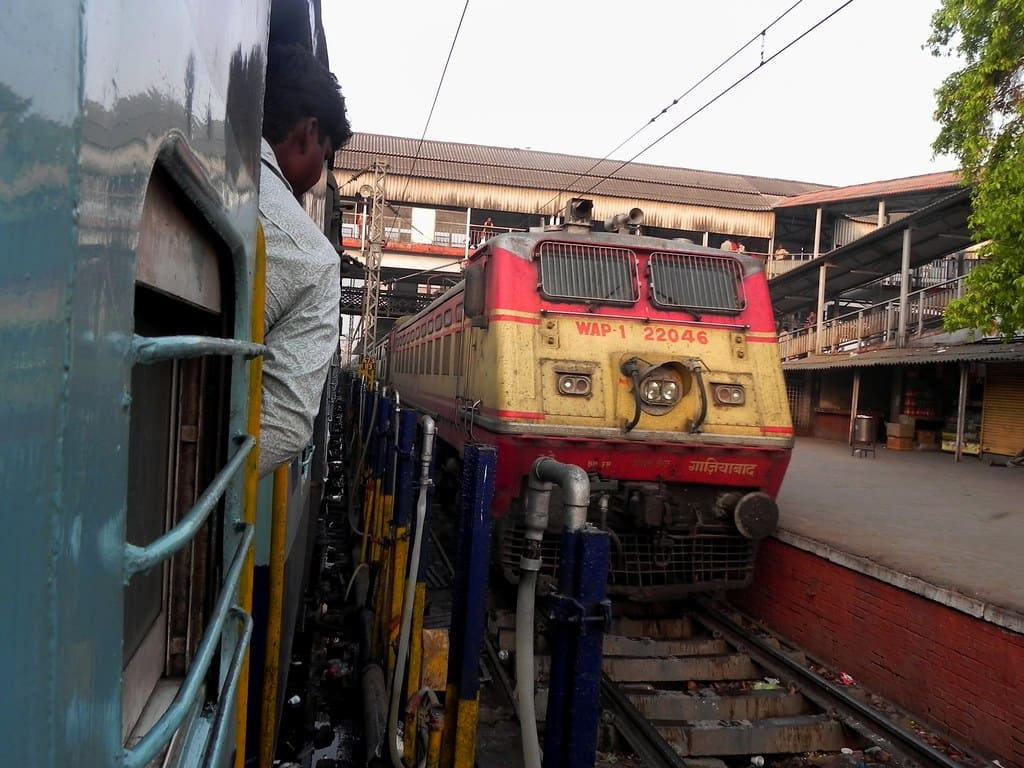
This train does not get the same attention as Rajdhani or Duronto, but its demand tells a different story.
It connects West Bengal to Rajasthan, covering a large stretch of the country. Along the way, it serves multiple regions where direct train options are not very frequent.
Passengers include pilgrims heading to Ajmer, families travelling long distances, and workers moving between states. It is a mix of purposes, but all of them depend on this single connection.
Because it is not a premium train, more people can afford it. And that naturally increases the pressure on available seats.
The waiting list here builds steadily and stays high, especially around holidays and travel seasons.