
Not every train in India is a “sit back and relax” experience, and regular travelers know this from experience. Some trains quietly earn a reputation for being avoided, usually because of very practical reasons.
Ultra long-distance trains that run across multiple railway zones often face delays, since they depend on busy tracks and tight schedules. Others run on high-demand routes where overcrowding is almost guaranteed, especially in sleeper and general coaches. There are also trains with odd timings that make boarding or arriving inconvenient.
None of this makes these trains bad or unsafe. In fact, they play an important role in connecting distant regions. But if you are short on time, prefer comfort, or want predictable arrivals, these are the services many travelers think twice about before booking.
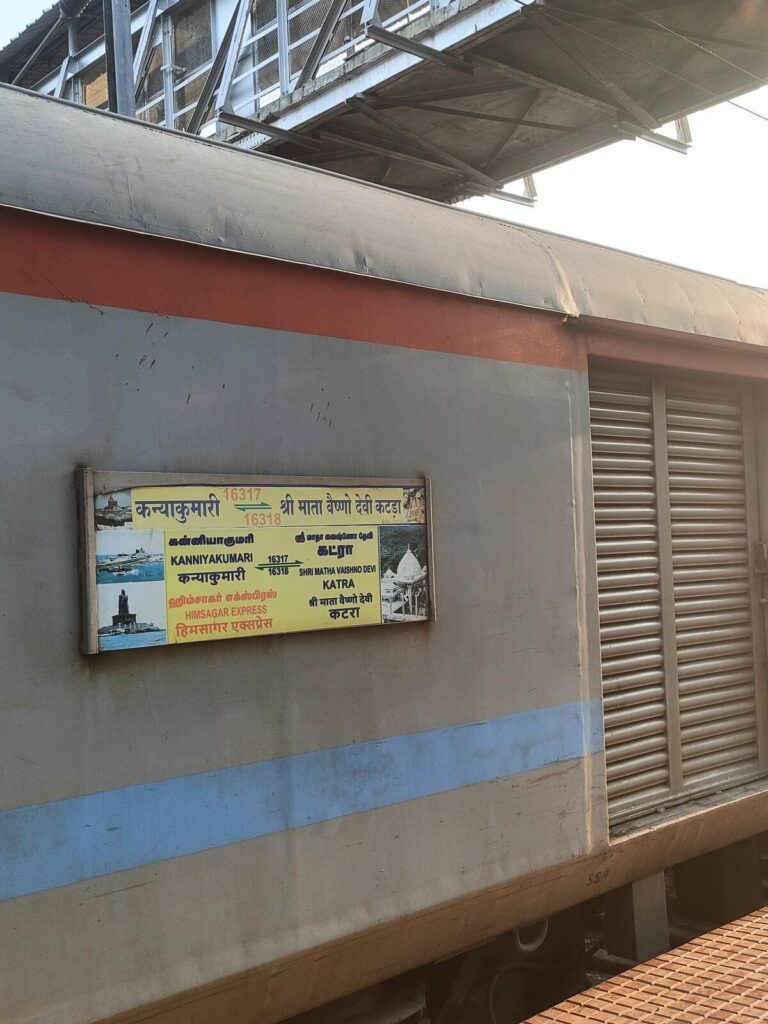
1. Himsagar Express (16317/16318)
If Indian Railways had a “marathon category,” the Himsagar Express would be leading it. It runs from Kanyakumari to Jammu Tawi, covering more than 3,700 km and taking well over 70 hours. That is nearly three full days on the same train.
The challenge here is not just the length. The train passes through multiple railway zones, and every zone has its own traffic and priorities. Even a small delay early on can quietly grow into a few hours by the time you are halfway through the journey. By the end, many passengers simply stop checking the arrival time and go with the flow.
It is an incredible route if you love long train journeys. But if you just want to reach on time, most people look for faster or broken-up alternatives.
2. Guwahati – Trivandrum Express (12508/12516)
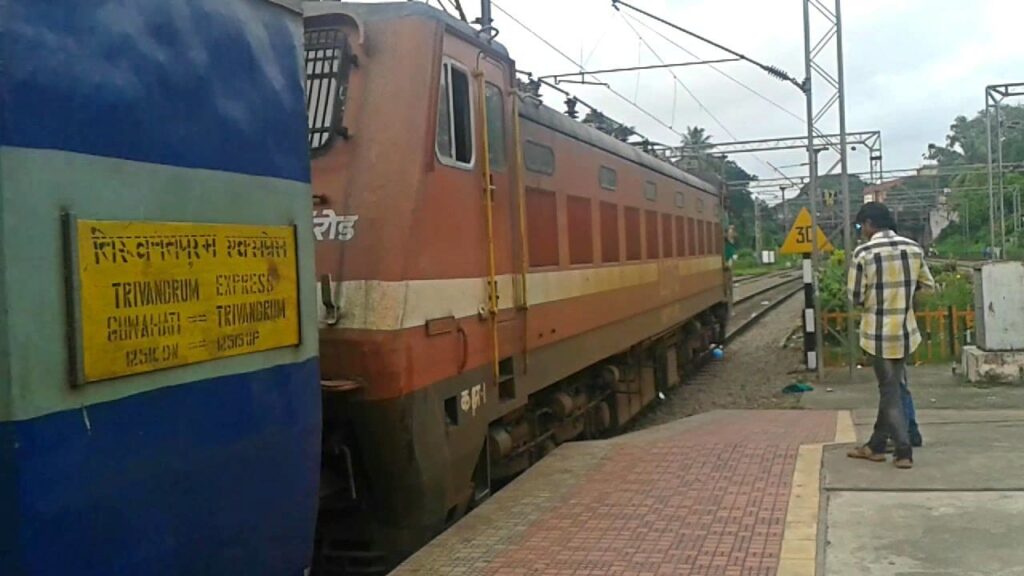
This is another train that connects two extreme ends of the country, from Assam to Kerala. It covers roughly 3,500 km and takes around 65 hours, depending on how the journey unfolds.
The reality with such long routes is simple. The train depends on busy tracks across several states, and delays are quite common. Add to that the fact that you are spending almost three days onboard, and things like cleanliness and food consistency start to matter a lot more than on shorter trips.
People still rely on it, especially for direct connectivity. But many experienced travelers prefer to split the journey or switch to faster options when possible.
3. Howrah – Amritsar Express (13005/13006)
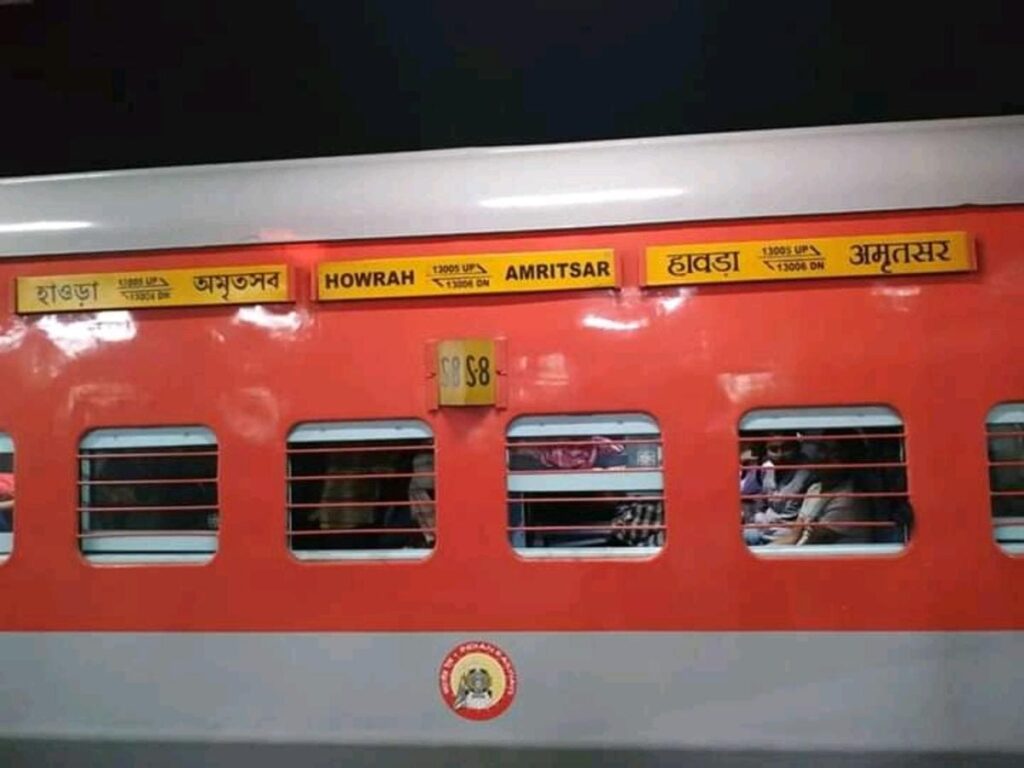
This train runs through some of the most crowded sections of the Indian Railways network. It connects major regions, which is great for accessibility but not always great for comfort.
What usually stands out here is the crowd. Sleeper and general coaches can get heavily packed, especially during festivals or peak travel seasons. The route itself is also busy, so delays are not unusual.
It is one of those trains where you are not surprised to see people standing near doors or adjusting somehow to fit in. Not ideal, but very real.
4. Gorakhpur – Mumbai LTT Superfast Express (20103/20104)
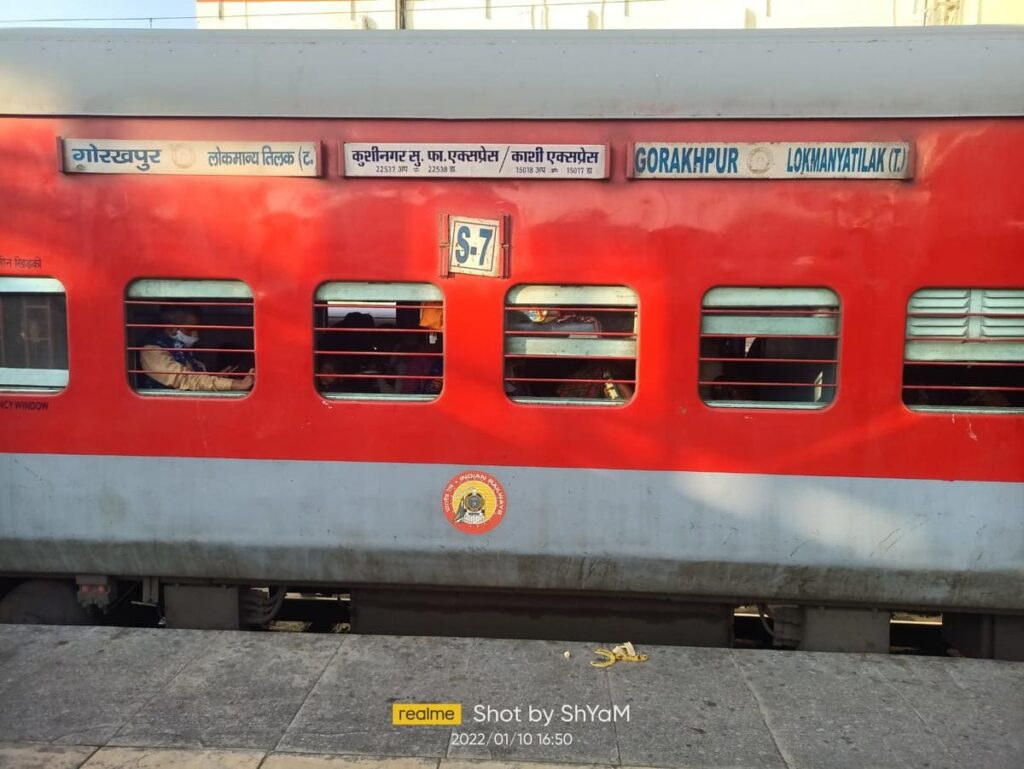
The word “superfast” in Indian Railways does not always mean what you think it means. This train connects Gorakhpur to Mumbai and runs on one of the busiest migration corridors in the country. It is often mentioned alongside discussions like Most Popular Trains in India Ranked by Travelers, but popularity here comes with its own challenges.
Tickets are in constant demand, and waiting lists can stretch quite far. Even after getting a confirmed seat, the journey can feel crowded, especially in non-AC classes. Delays also happen, mainly because the route itself handles a lot of traffic.
For many passengers, just getting on this train with a confirmed ticket already feels like a small victory.
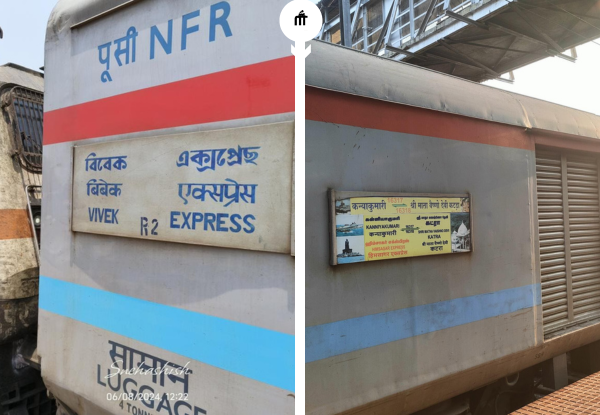
5. Vivek Express (Dibrugarh – Kanyakumari) (15905/15906)
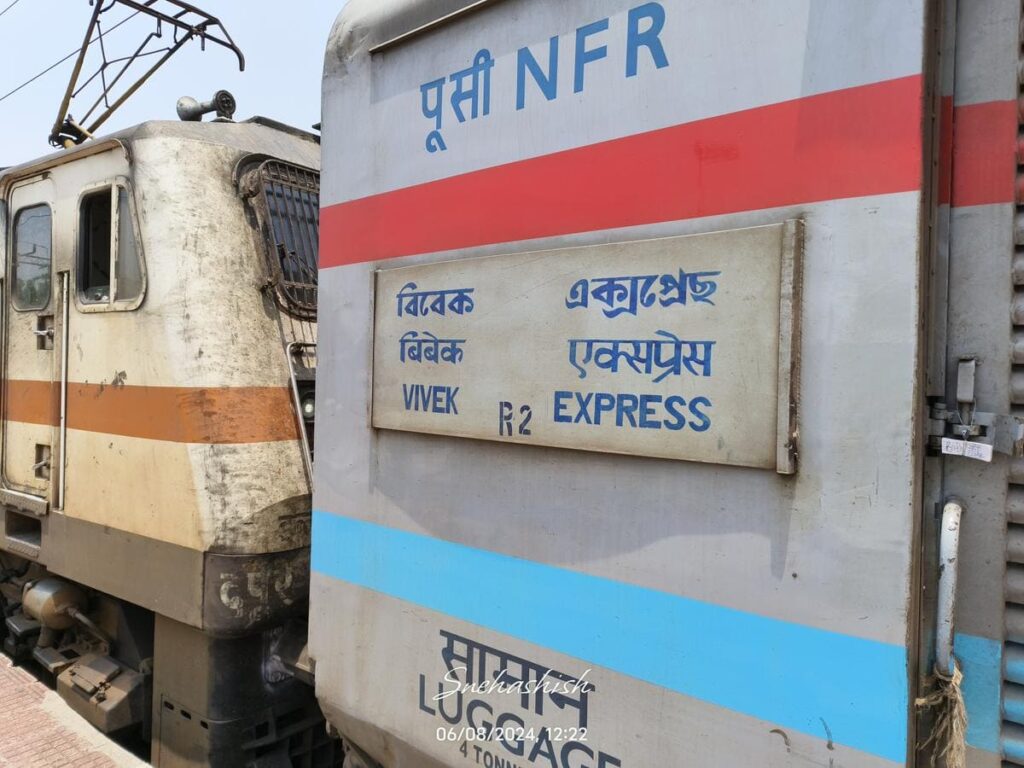
This train is often mentioned whenever people talk about the longest train journeys in India. It runs from Dibrugarh in Assam to Kanyakumari, covering an enormous distance and taking close to 80 hours.
It was introduced as part of a special series, and it does an important job of connecting distant regions. But practically speaking, spending more than three days on a train is not for everyone.
Like other ultra long routes, delays can build up along the way. By the second or third day, passengers tend to settle into a routine, almost like a temporary moving neighborhood.
6. Okha – Guwahati Express (15635/15636)
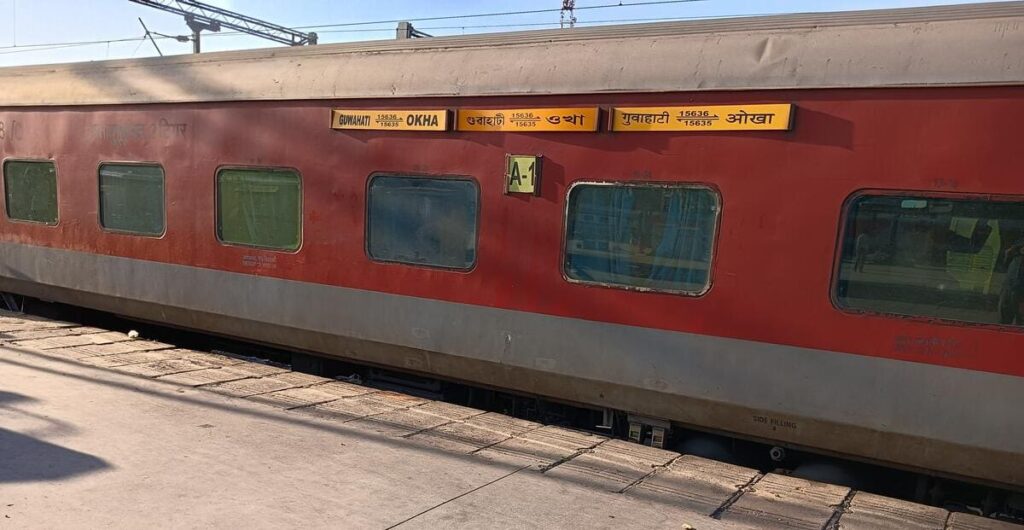
This train cuts across the country from Gujarat to Assam, linking the west coast to the Northeast. It is not as widely talked about, but among regular travelers, it has a familiar reputation.
The journey is long, and like most cross-country trains, it passes through several busy sections. Delays can happen, and the full end-to-end journey is rarely taken by most passengers. Instead, people use it in parts, hopping on and off at different points.
It is useful, no doubt. But committing to the full journey is something only a few travelers actually choose to do.
1 thought on “6 Indian Trains Travelers Avoid Due to Delays and Crowds”