
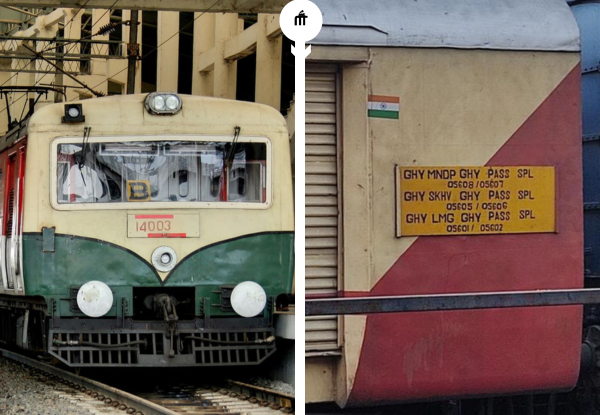
Many of these trains stop at almost every small station, run on older or busy tracks, or pass through places where speed simply is not possible. In a few cases, like hill railways, going slow is the only safe way to run.
This article breaks down 9 of the slowest trains in India and explains what is really happening behind that low speed. No exaggeration, no assumptions. Just clear reasons backed by how Indian Railways actually operates.
And honestly, not all slow trains are a bad experience. Some are slow because they are doing a job that faster trains simply cannot.
1. Kalka to Shimla Passenger (Toy Train)
Average speed: about 18 to 22 km/h
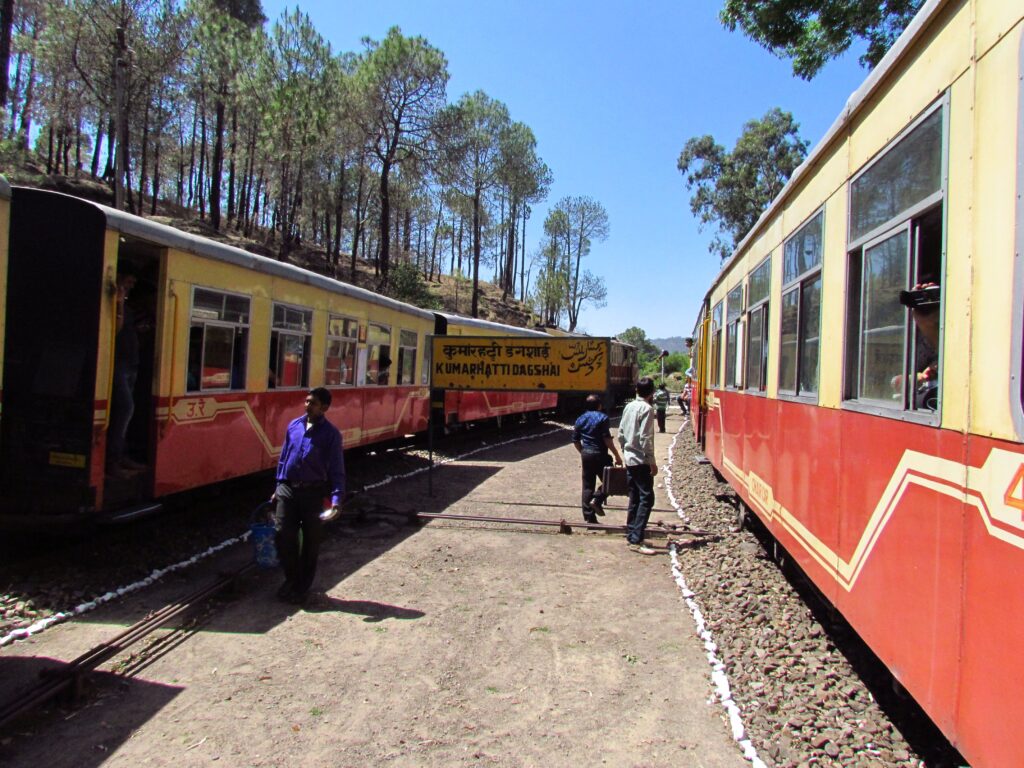
This train spends most of its time turning rather than running straight.
The route includes more than 100 tunnels and hundreds of bridges. The narrow gauge track and sharp curves naturally limit speed. Even if the train wanted to go faster, the track simply does not allow it.
After a while, you stop thinking about speed and start noticing the scenery instead.
2. Mettupalayam to Udagamandalam (Ooty) Passenger
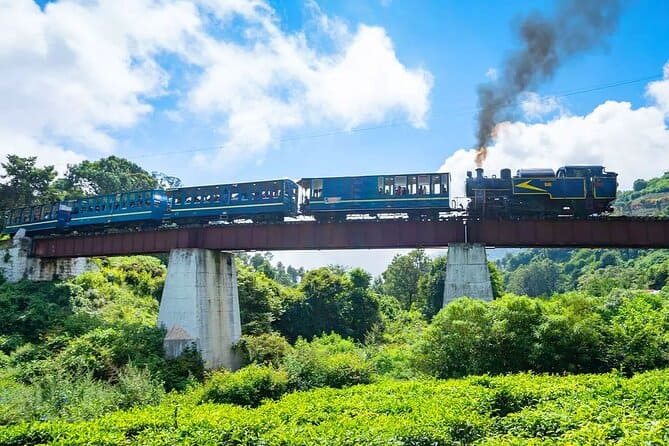
Average speed: about 10 to 13 km/h
This is one train where calling it slow is almost missing the point.
Running on the Nilgiri Mountain Railway, it climbs steep gradients using a rack and pinion system. That system physically controls how fast the train can move, especially on uphill sections.
At this speed, you are not really travelling in a hurry. You are watching the hills, forests, and curves unfold slowly. And that is exactly how this railway was designed to be experienced.
3. New Jalpaiguri to Darjeeling Passenger (Darjeeling Himalayan Railway)
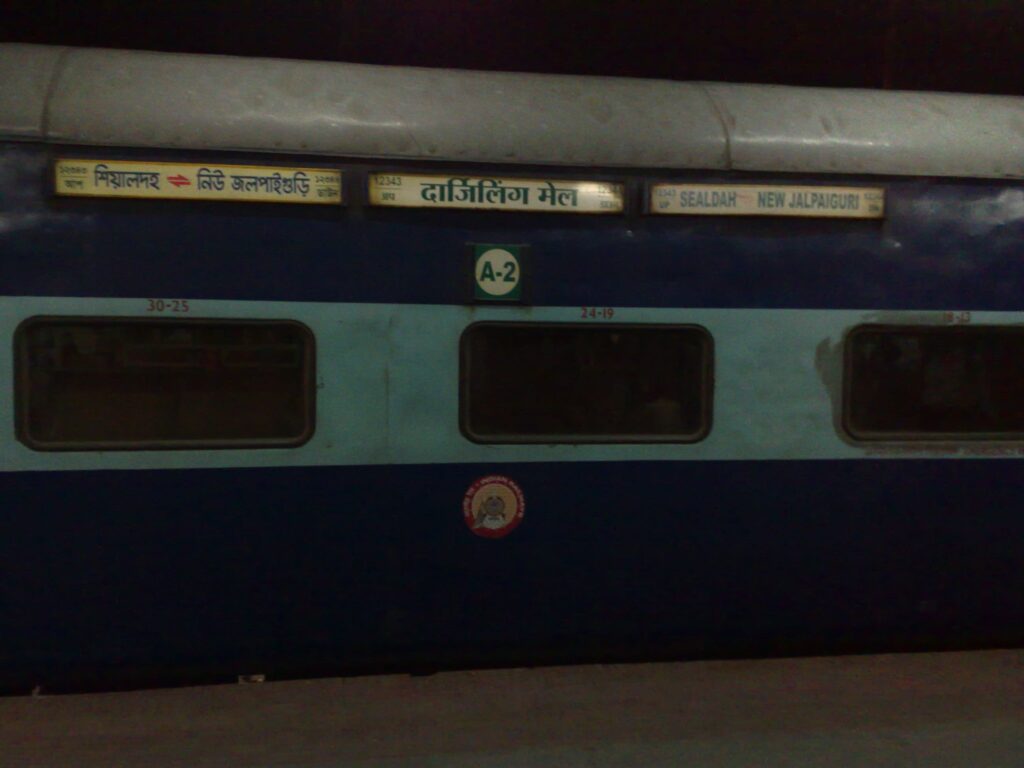
Average speed: about 10 to 15 km/h
This is probably one of the few trains where walking alongside it for a short stretch would not feel impossible.
The train climbs using loops and zigzag reversals, which are necessary for gaining height in steep terrain. In some sections, it runs right next to roads and local markets.
It feels slow, but it is actually operating exactly the way it was engineered to.
4. Island Express (Kanyakumari to Bengaluru)
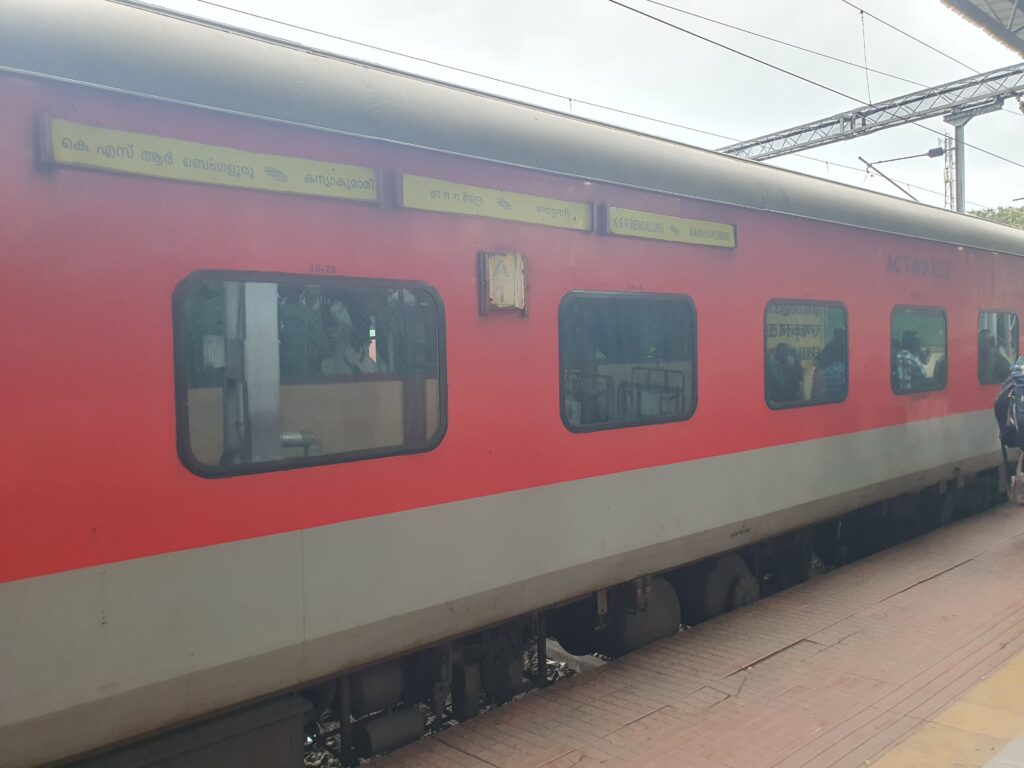
Average speed: about 35 km/h
Now this is a regular express train, but its average speed often surprises people.
The route passes through some of the busiest railway sections in Tamil Nadu and Kerala. With frequent stops and heavy traffic, the train rarely gets long uninterrupted runs.
So even though it is capable of higher speeds, the overall journey feels slower because of waiting time and operational adjustments.
5. Himsagar Express (Kanyakumari to Shri Mata Vaishno Devi Katra)
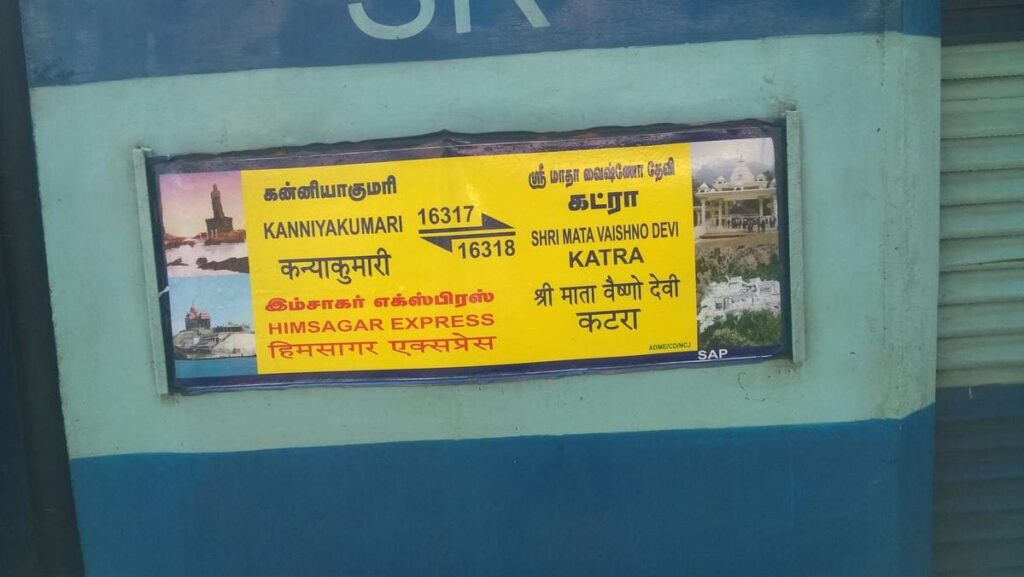
Average speed: about 50 km/h
One of the longest train routes in India.
When a train travels across multiple states and railway zones, delays naturally build up. There are more stops, more checks, and more chances of being held for other trains.
It is not slow in short stretches, but when you look at the full journey, the average speed drops.
6. Guwahati to Lumding Passenger
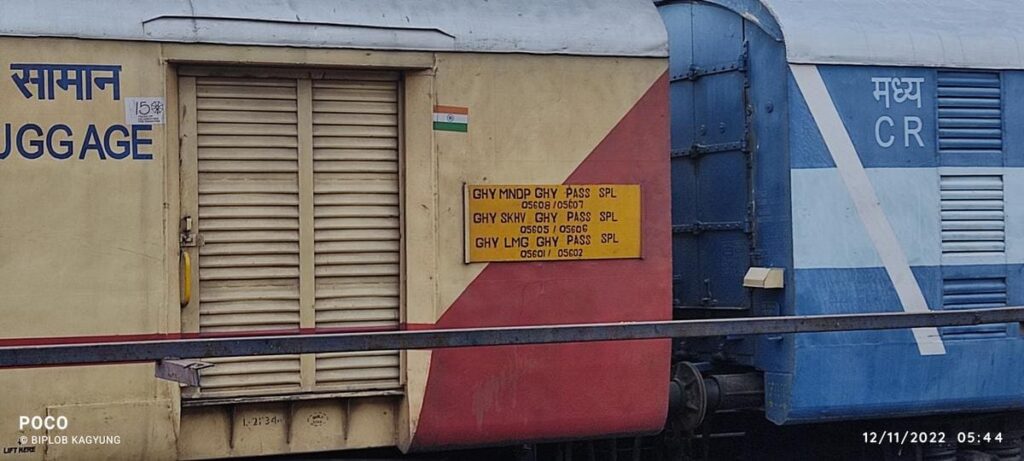
Average speed: about 30 km/h
This train is built for connectivity, not speed.
It stops at many smaller stations and runs through sections where track capacity is limited. In some areas, trains still operate on single lines, which means waiting for crossings.
For many passengers, this train is not slow. It is necessary.
7. Jodhpur to Jaisalmer Passenger
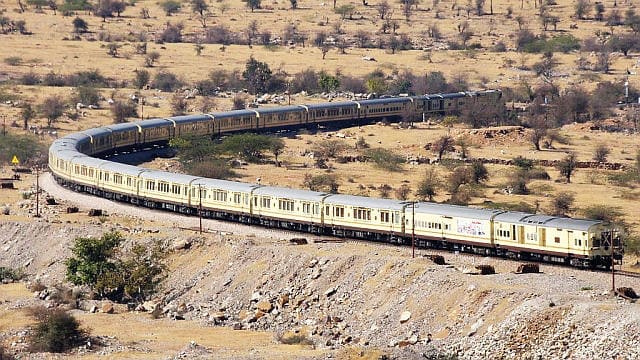
Average speed: about 30 to 35 km/h
A desert route with its own pace.
The train stops at multiple small stations and often waits for crossings on single line sections. These short waits may not seem like much, but they add up over the journey.
So even if parts of the route feel open and fast, the overall timing tells a different story.
8. Howrah to Amta Local
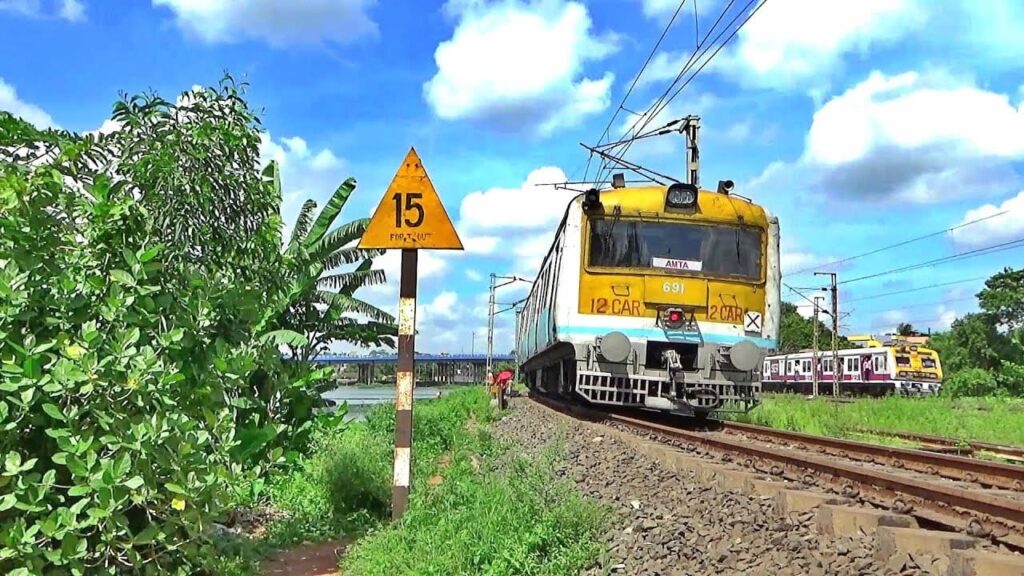
Average speed: about 25 to 30 km/h
This is a suburban EMU train, and speed is not what it is designed for. Compared to the Fastest Trains in India, which focus on covering long distances quickly, these trains are built for frequent stops and daily commuting.
Stations are very close to each other, so the train barely accelerates before it has to slow down again. Add heavy daily passenger movement, and the schedule stays tightly controlled.
In this case, going faster would actually reduce efficiency, not improve it.
9. Chennai Beach to Velachery MRTS
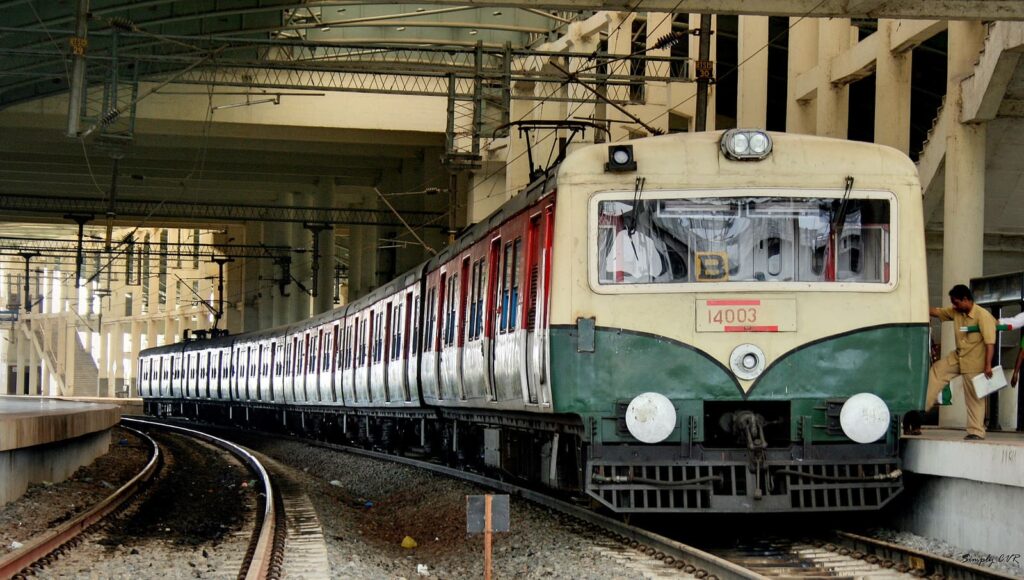
Average speed: about 30 km/h
If you have travelled in Chennai, this one will feel familiar.
This train runs through a dense urban corridor with closely spaced stations. The goal here is accessibility and frequency, not high speed.
It is built to move people within the city, and for that purpose, this speed works perfectly.