

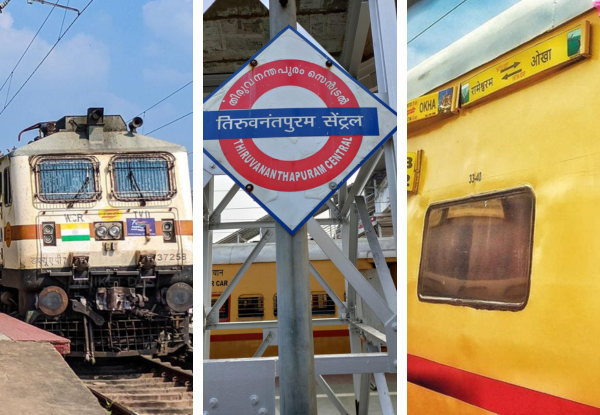
Some trains in India don’t run every day, and it’s not a mistake or poor planning. It’s actually how the system stays efficient. These once-a-week trains are usually on very long routes that take two or even three days to finish, or they serve routes where people travel regularly but not in huge numbers daily. You’ll often see them connecting far corners of the country or running between important pilgrimage spots.
Instead of running empty coaches every day, Indian Railways groups that demand into one weekly service. It works well, as long as your timing is right. Because if you miss it, there’s no quick backup the next day. You either change your entire plan or wait it out for a week, which is something most first-time travelers learn the hard way.
1. Vivek Express (Dibrugarh to Kanyakumari)
This one is almost legendary. It runs between the Northeast and the southern tip of India and is known as the longest train route in the country.
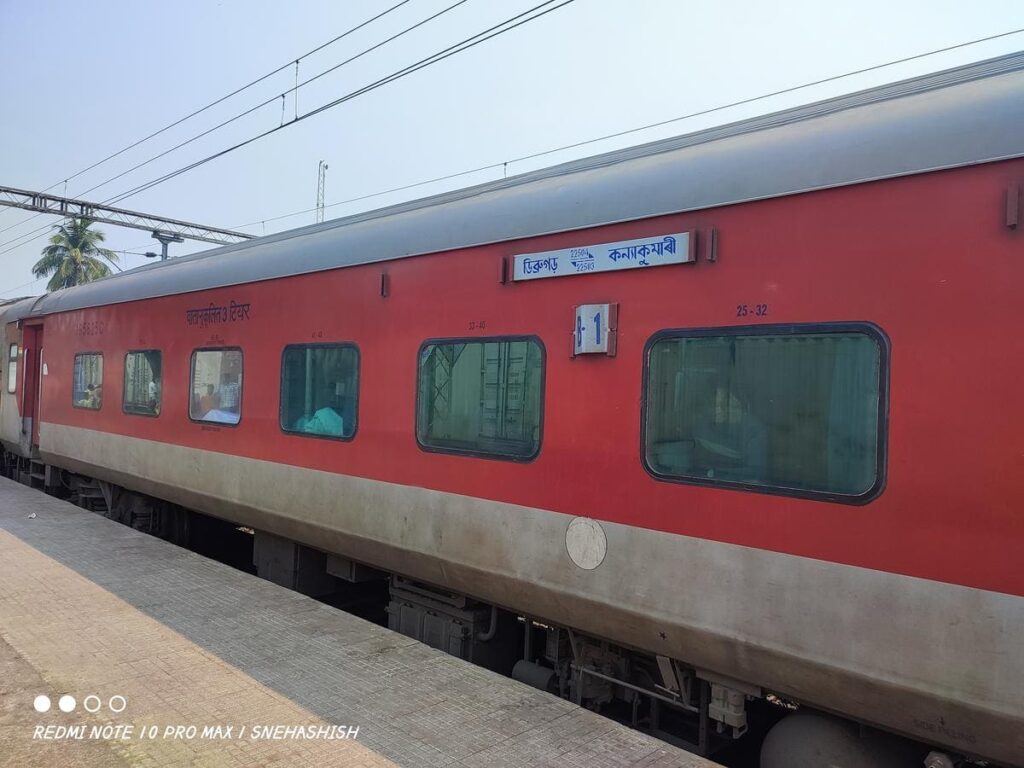
The journey itself takes more than three days. By the time the train reaches the destination, rests, and prepares for the return trip, most of the week is already gone. Running it more frequently would be difficult without adding extra train sets, which is not always practical.
2. SMVT Bengaluru to Howrah Humsafar Express
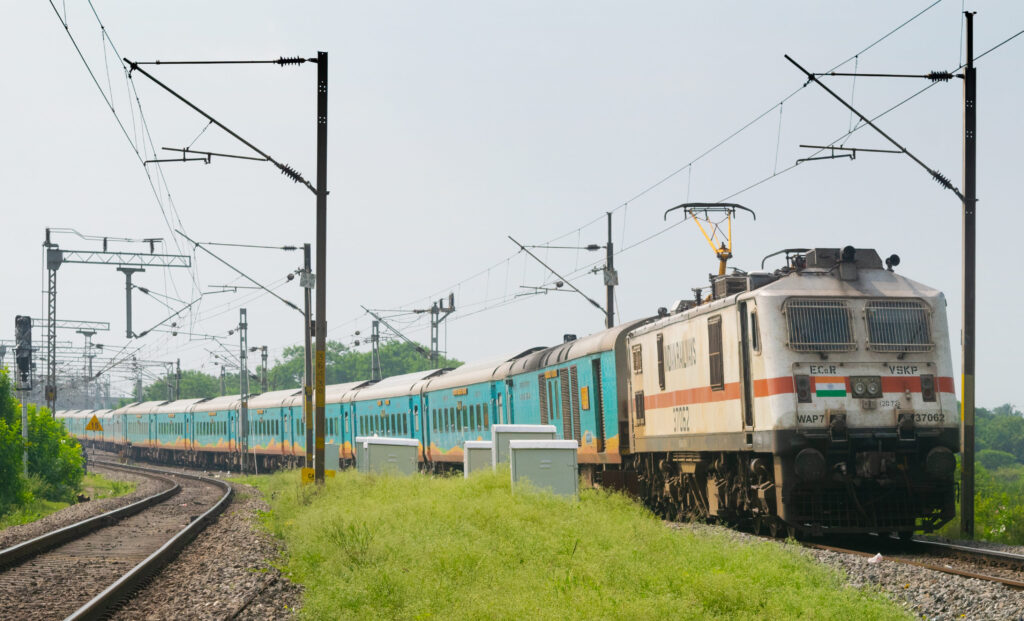
This is a modern, fully AC train, and you would expect it to run daily on such a busy route.
But here’s the catch. There are already plenty of trains between Bengaluru and Howrah. This one exists as an additional option, not the main one. So instead of crowding the schedule, it runs once a week and still finds its passengers.
3. Kamakhya to Shri Ganganagar Express
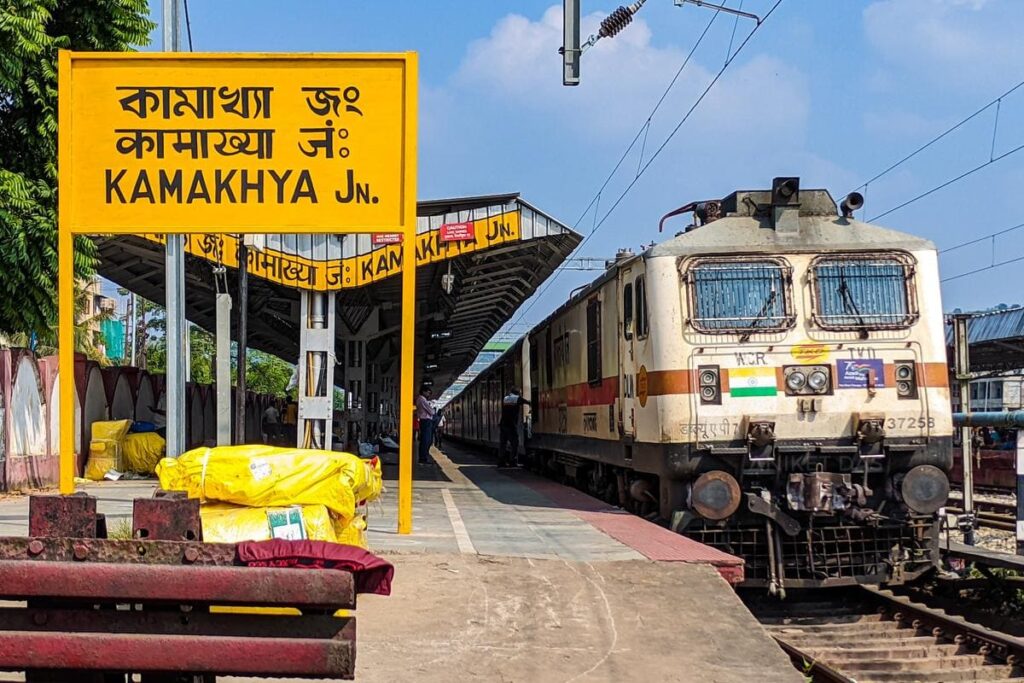
This train connects Assam to Rajasthan, which already tells you how wide its coverage is.
Very few people actually travel from start to end. Most passengers get in and out at different points along the way. That scattered demand doesn’t justify a daily service, so a weekly run works better.
4. Yesvantpur to Muzaffarpur Express
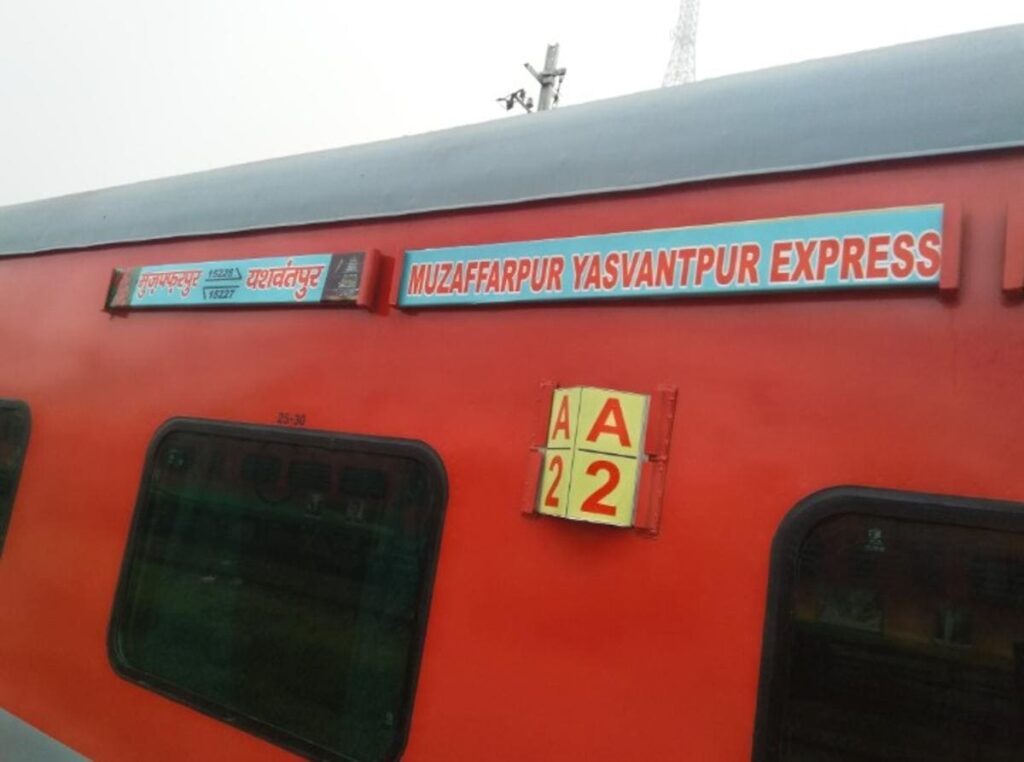
If you look at who uses this train, you’ll notice a pattern. A lot of passengers are migrant workers traveling between South India and Bihar.
During festivals or holidays, this train gets packed. On regular days, not so much. A weekly schedule balances both situations without running empty coaches most of the time.
5. Okha to Guwahati Express
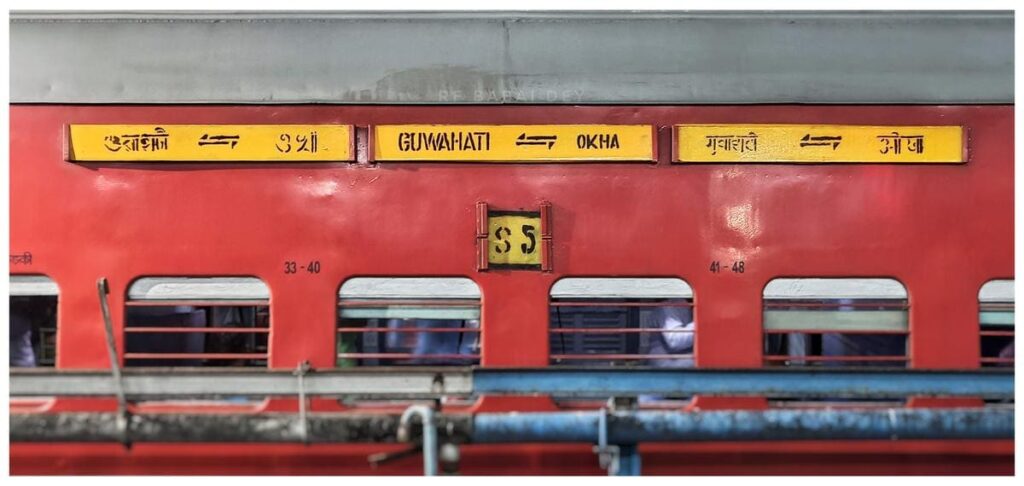
This is another cross-country train, running from Gujarat all the way to Assam. It’s also often mentioned among Trains With the Weirdest Timings in India, mainly because of how its schedule stretches across multiple regions and time slots.
Like many long-distance trains, people rarely take it for the full journey. It’s more of a moving corridor where passengers join and leave at different stations. That kind of usage doesn’t need a daily train.
6. Rameswaram to Okha Express
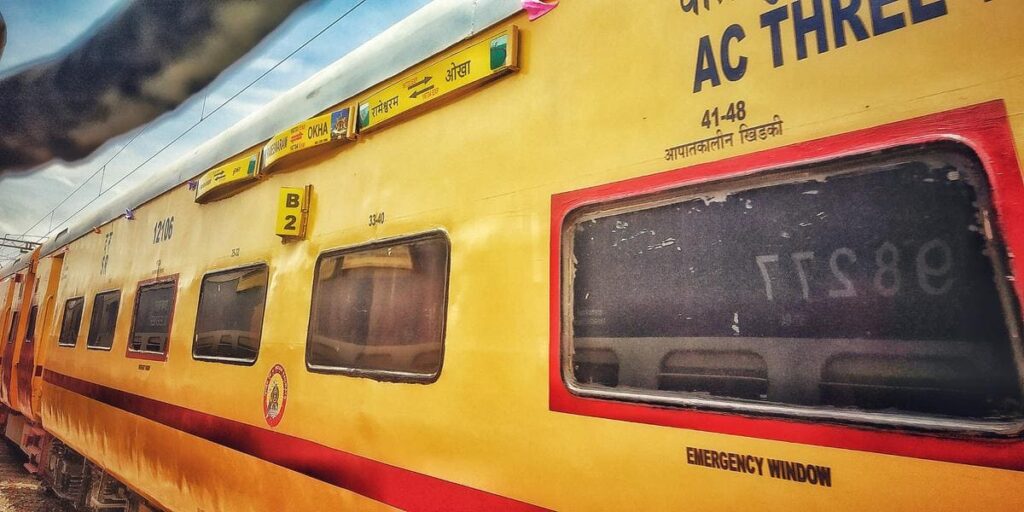
This one quietly connects two important pilgrimage regions, Rameswaram in Tamil Nadu and the Dwarka area in Gujarat.
Travel on this route is not evenly spread throughout the week. It peaks during religious seasons and drops otherwise. A weekly train is enough to handle that flow.
7. Silchar to Thiruvananthapuram Express
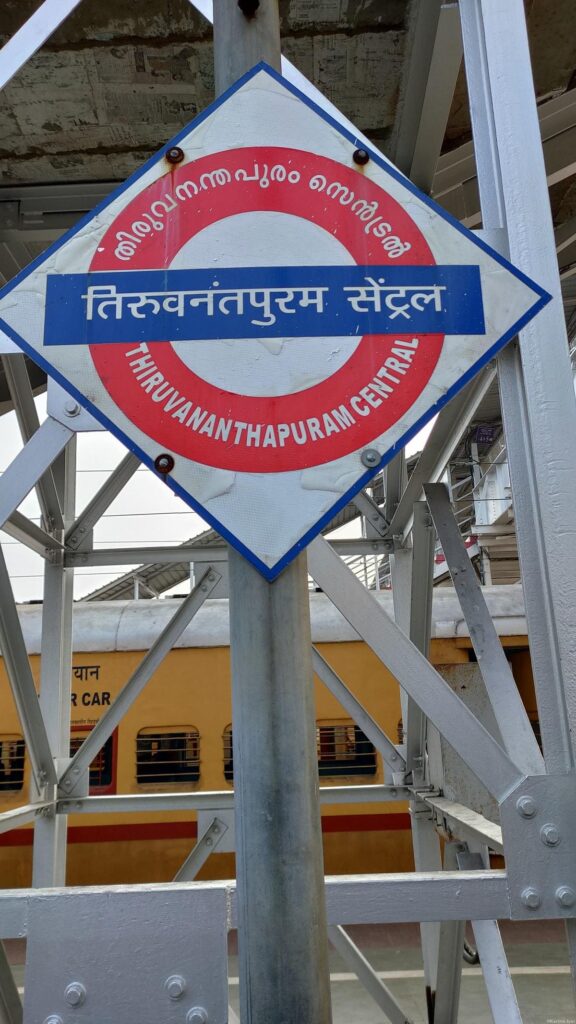
This is one of those trains that makes you realize how vast the country really is. It connects Assam to Kerala, covering a huge distance.
The demand exists, but not consistently across the entire route. So instead of running it daily with low occupancy, it operates once a week and still does its job.
8. Gorakhpur to Yesvantpur Express
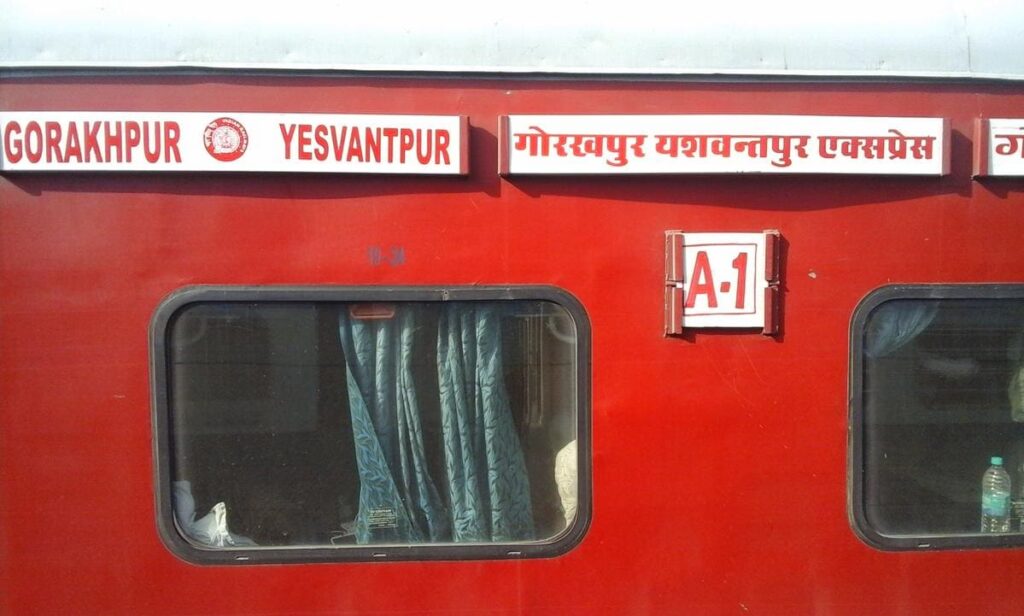
This train is quite popular among students and workers traveling between North and South India.
But the demand is uneven. Some days are busy, others are not. A weekly service keeps it efficient without overloading the system.
9. Ajmer to Ernakulam Marusagar Express
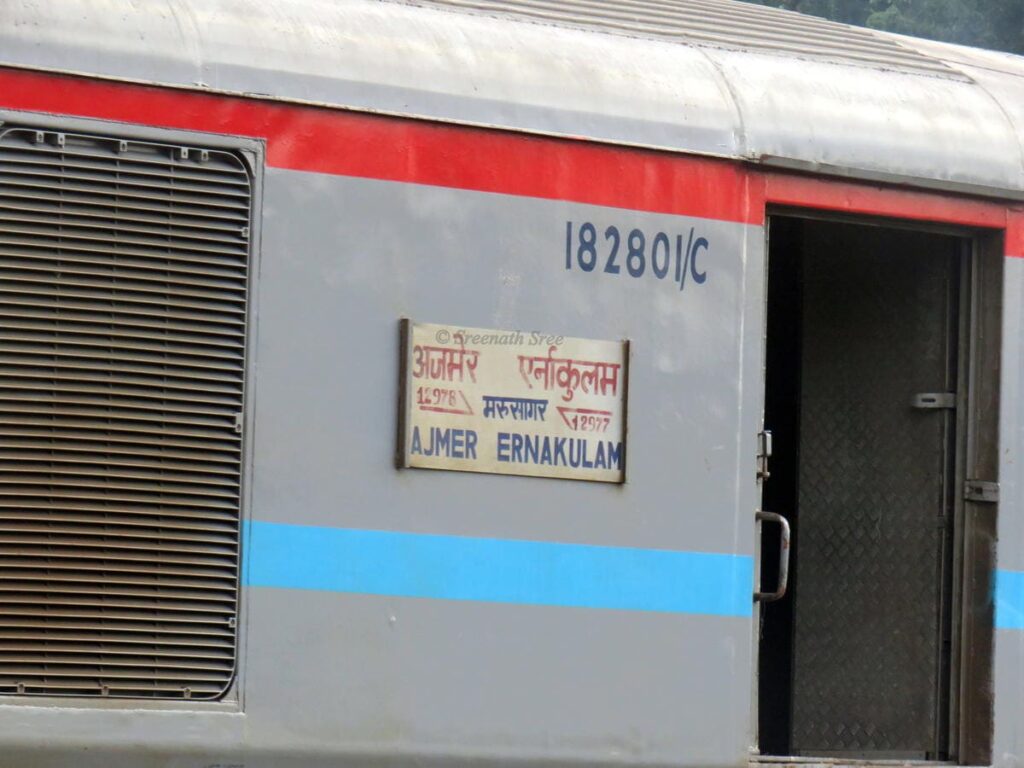
This train connects Rajasthan to Kerala and carries a mix of passengers, including tourists, workers, and long-distance travelers.
There are alternative routes available, so this train doesn’t need to run daily. Instead, it complements the network with a weekly trip.
And once you understand that, they stop feeling rare and start making a lot more sense.