
Most train journeys in India are smooth, predictable, and honestly a bit routine. But a few routes are different. They pass through places where the land itself does not sit still for long. Think falling rocks in the Himalayas, tracks that disappear under floodwater during monsoon, sharp curves that slow trains to a crawl, and bridges that stretch across deep valleys.
This article looks at nine real Indian trains that run on such challenging routes. Not dangerous in a reckless way, but routes where nature clearly has the upper hand and the railway has learned to work around it.
You will see what actually makes these routes tough, where the risks come from, and how trains still manage to run every day without turning it into a disaster movie. It is less about fear and more about respect for the terrain and the engineering that quietly handles it.
In hilly regions, loose rocks can fall onto tracks after rain. It is not dramatic every day, but common enough that trains never take it lightly.
In flood-prone areas, tracks can get surrounded by water. The train still runs, but only after careful checks.
Some routes are so steep that trains need special systems or very controlled speeds just to move uphill safely.
In young mountain regions, the ground itself shifts over time. That makes long-term stability harder.
Snow, heavy rain, fog, or heat can slow things down. Sometimes nature just decides the schedule.
Tight curves and narrow paths mean trains cannot rush. Slower speed is not a limitation, it is safety.
1. Jammu–Baramulla Line Trains
If there is one place where trains and mountains are constantly negotiating with each other, it is Kashmir.
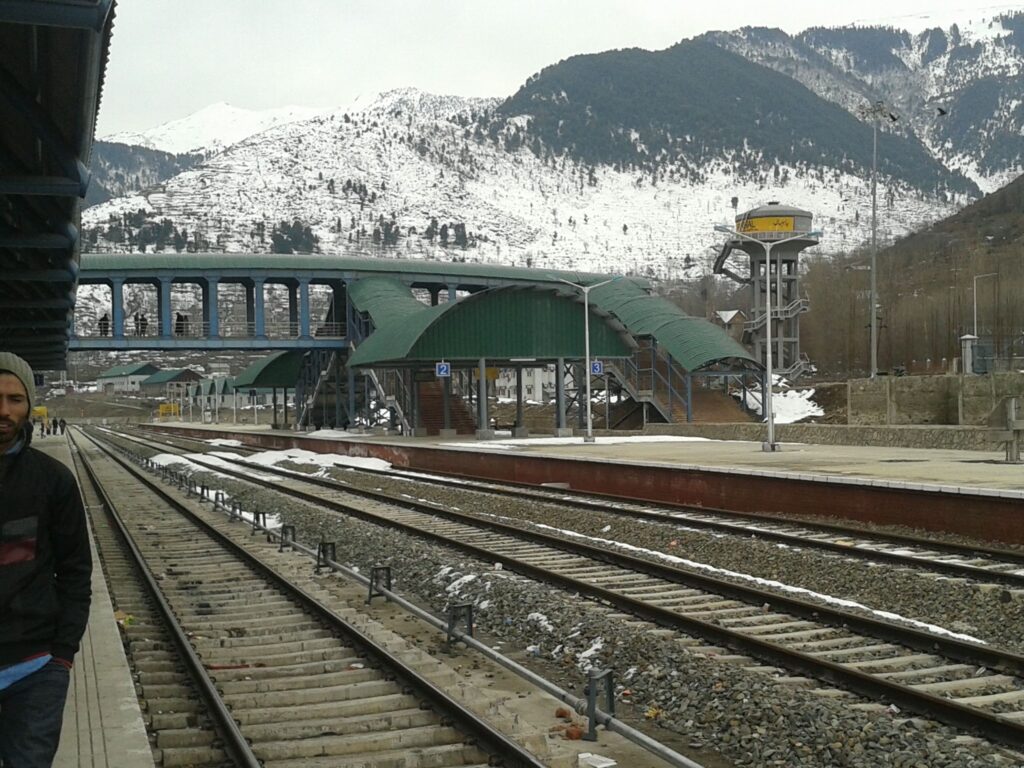
The Jammu to Baramulla railway line cuts through the Himalayas, a region that is still geologically active. That simply means the land here is not fully settled. Landslides are not rare events, they are part of the landscape. Add heavy snowfall in winter, and you begin to see why building and running trains here is not straightforward.
A major reason trains can even operate here is the Pir Panjal Railway Tunnel near Banihal. It allows trains to avoid surface routes that would otherwise be buried under snow for weeks. Even then, operations depend heavily on weather conditions. If the mountains decide to shift or shed rocks, trains slow down or stop. No arguments.
This is less of a “dangerous ride” and more of a quiet reminder that nature is still in charge.
2. Kalka–Shimla Toy Train
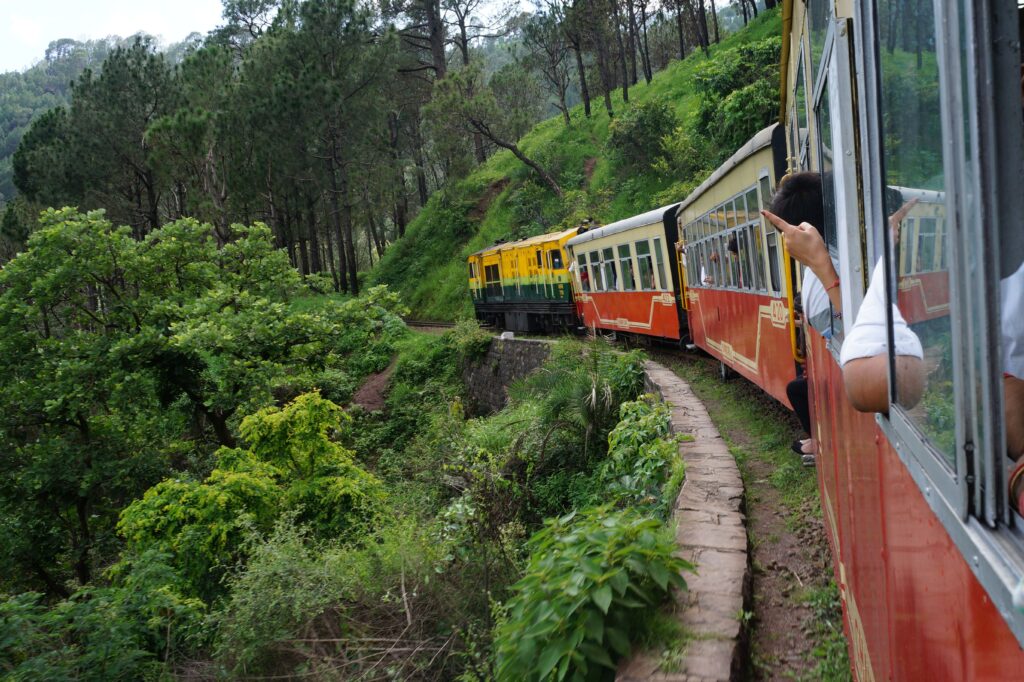
At first glance, this feels like a gentle hill journey. Small train, slow pace, nice views. Then you realize what it is actually doing.
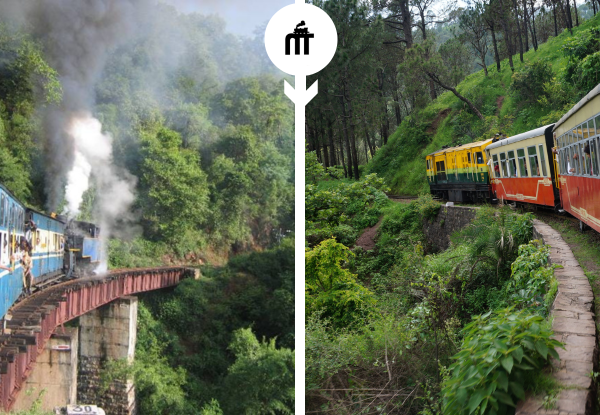
The Kalka to Shimla line climbs through the Shivalik hills using over a hundred tunnels and hundreds of bridges. The curves are so sharp that the train almost feels like it is folding into itself. During monsoon, these hills can become unstable, and landslides are a real concern.
The reason this route works is because it does not rush. Speeds are low, inspections are frequent, and the old engineering still holds strong. It is the kind of journey where patience is not optional, it is built into the system.
3. Darjeeling Himalayan Railway
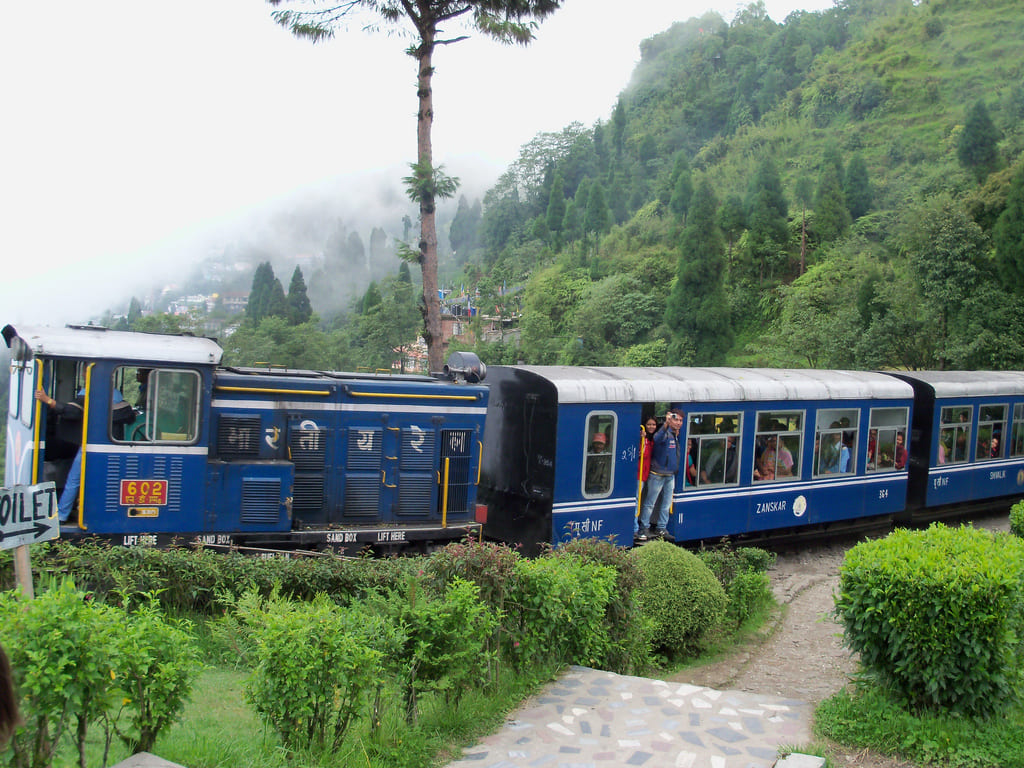
This is one of those routes where you might question if a train should even be there.
The Darjeeling toy train often runs alongside roads, sometimes inches away from shops and houses. In places like Pagla Jhora, landslides have historically disrupted the track again and again, especially during heavy rains.
There are moments where it feels less like a railway line and more like a shared path that just happens to include a train. But that is exactly how it was designed. It adapts to the terrain instead of forcing the terrain to adapt to it.
It is unpredictable, occasionally interrupted, but never boring.
You will enjoy this if…
You like journeys where the route matters more than the destination. These trains are slow at times, but they take you through landscapes most people never see up close.
If you enjoy mountains, changing weather, long tunnels, or just watching how trains adapt to difficult terrain, this is your kind of travel.
Maybe skip it if…
You prefer speed, strict schedules, and zero delays. These routes sometimes slow down because safety comes first, not timing.
If you get impatient with unexpected stops or want a predictable journey, these routes might feel longer than they actually are.
4. Nilgiri Mountain Railway (Mettupalayam to Ooty)
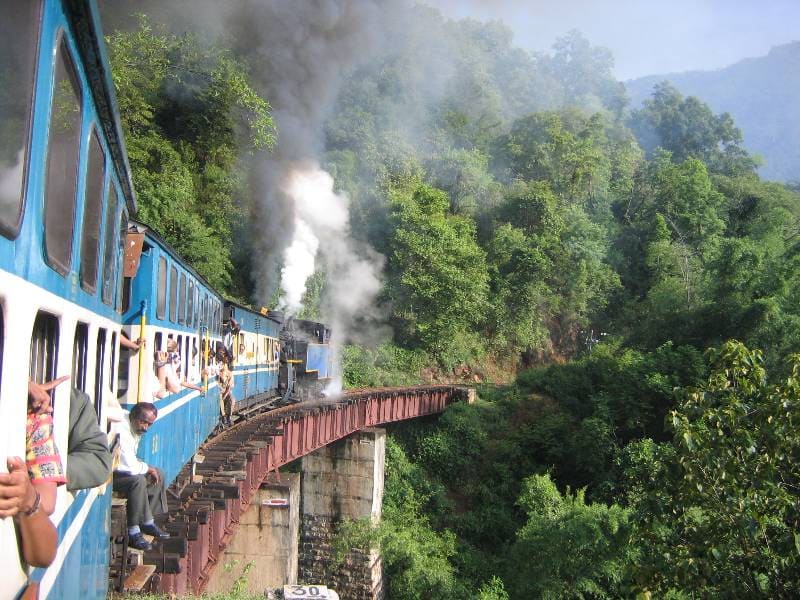
This one does not try to hide how difficult it is. It openly admits it by using a completely different system.
The climb from Mettupalayam to Ooty is steep enough that a normal train would struggle to maintain grip. That is why this route uses a rack-and-pinion system, where a central rail helps the train climb like a gear instead of relying only on friction.
Rain makes things more complicated. Wet tracks reduce traction, and the surrounding forested slopes can become slippery. But the design of the railway accounts for this. The train moves slowly, steadily, and with a level of control that feels almost mechanical in the best way.
It is not fast, but it is reliable in terrain that does not forgive mistakes.
5. Konkan Railway Trains
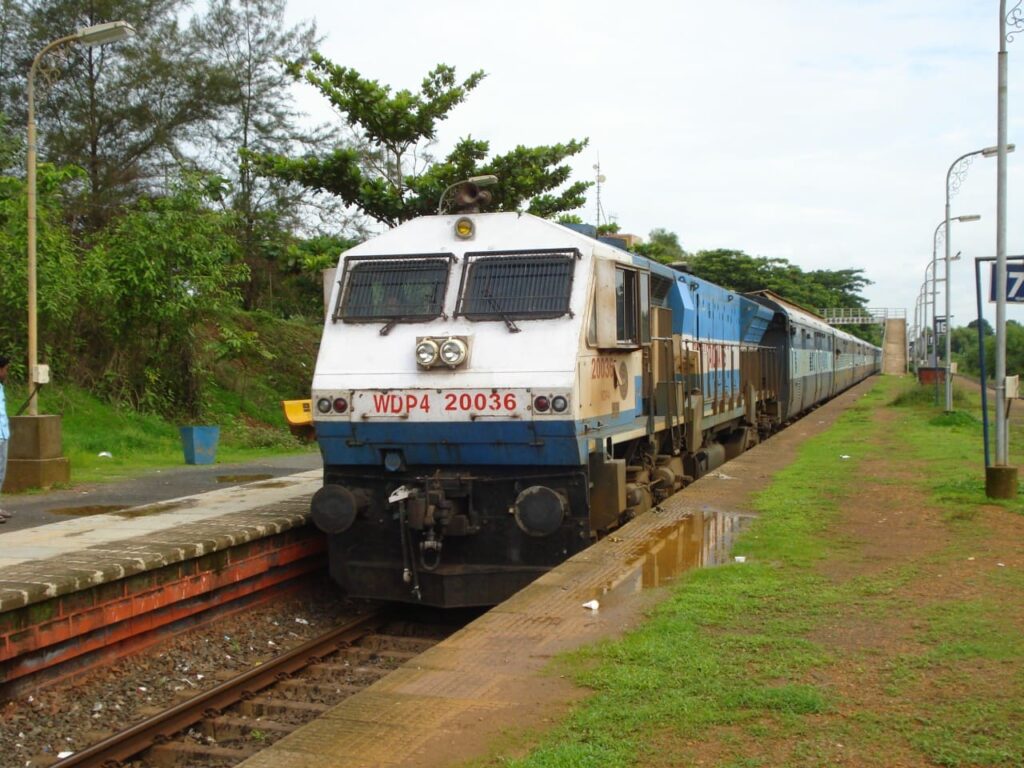
The Konkan Railway is often described as an engineering success story. It is. It is also a constant maintenance challenge.
Running along the western coast between Maharashtra, Goa, and Karnataka, this route deals with some of the heaviest rainfall in India. During monsoon, the soil loosens, slopes weaken, and landslides become a serious concern. There have been real incidents in the past where falling debris affected tracks.
This is why trains on this route slow down significantly during heavy rains. Patrol teams check the tracks, and systems are in place to detect obstacles. It might feel like the train is being overly cautious, but on this route, caution is the only reason everything keeps moving.
6. Assam Floodplain Routes (Tinsukia to Dibrugarh side)
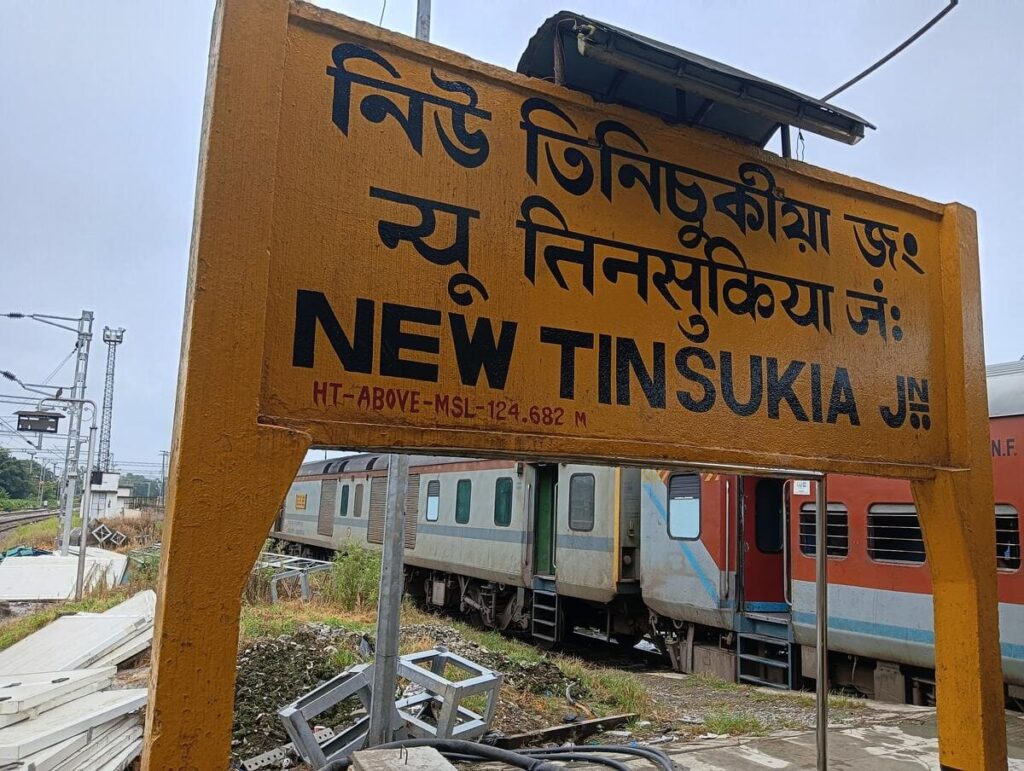
In Assam, the challenge is not height. It is water.
Routes in this region run close to the Brahmaputra and its floodplains. Every year, monsoon brings rising water levels that can submerge nearby land. Tracks are often built slightly elevated, but during peak flooding, it can look like the train is moving through an endless stretch of water.
This is also why some of these routes are often listed among Indian Trains Known for Frequent Delays, not because of operational issues, but because the environment itself demands caution.
The real issue here is not dramatic, it is persistent. Soft soil, waterlogging, and shifting ground require constant maintenance. Trains continue to run, but always with an eye on the river’s mood.
7. Mumbai to Goa Trains (Konkan Section)
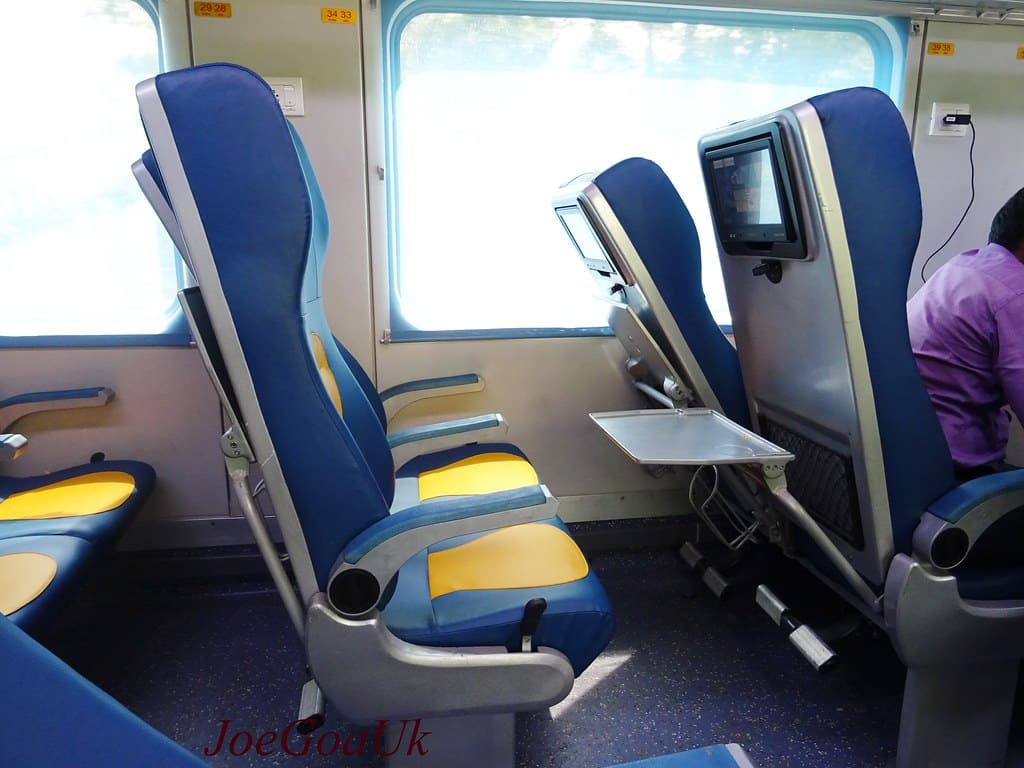
If you have ever taken a train from Mumbai to Goa during monsoon, you know the feeling.
Waterfalls appear out of nowhere, hills turn deep green, and everything looks perfect. But behind that scenery is extremely heavy rainfall, sometimes among the highest recorded in the country.
This affects visibility, track stability, and surrounding slopes. Landslides are not guaranteed, but they are possible enough that the railway prepares for them every season.
So when your train slows down here, it is not ruining the view. It is making sure you get to Goa to actually enjoy it.
8. Jaisalmer to Barmer Desert Route
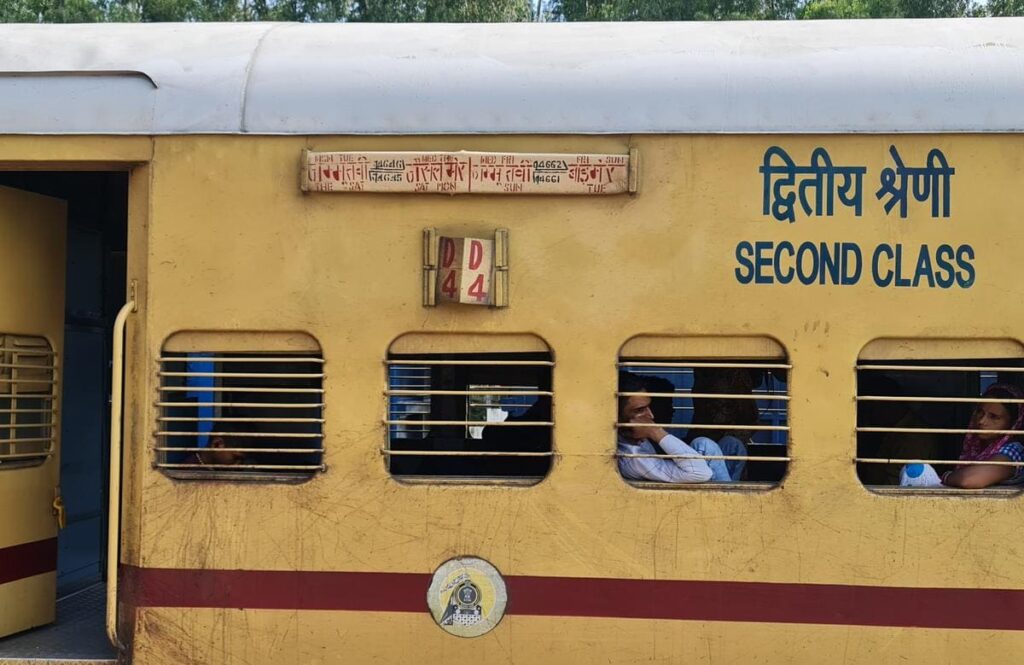
Not all difficult routes are dramatic. Some are just quietly harsh.
In the desert regions of Rajasthan, the challenge comes from sand and heat. Strong winds can blow sand onto the tracks, and extreme temperatures can cause rails to expand. Both need careful management.
There is no mountain, no tunnel, no valley. Just open land that looks calm but requires constant attention to keep trains running smoothly.
It is a different kind of difficulty. Less visible, but very real.
9. Lumding to Badarpur Section (Assam Hills)
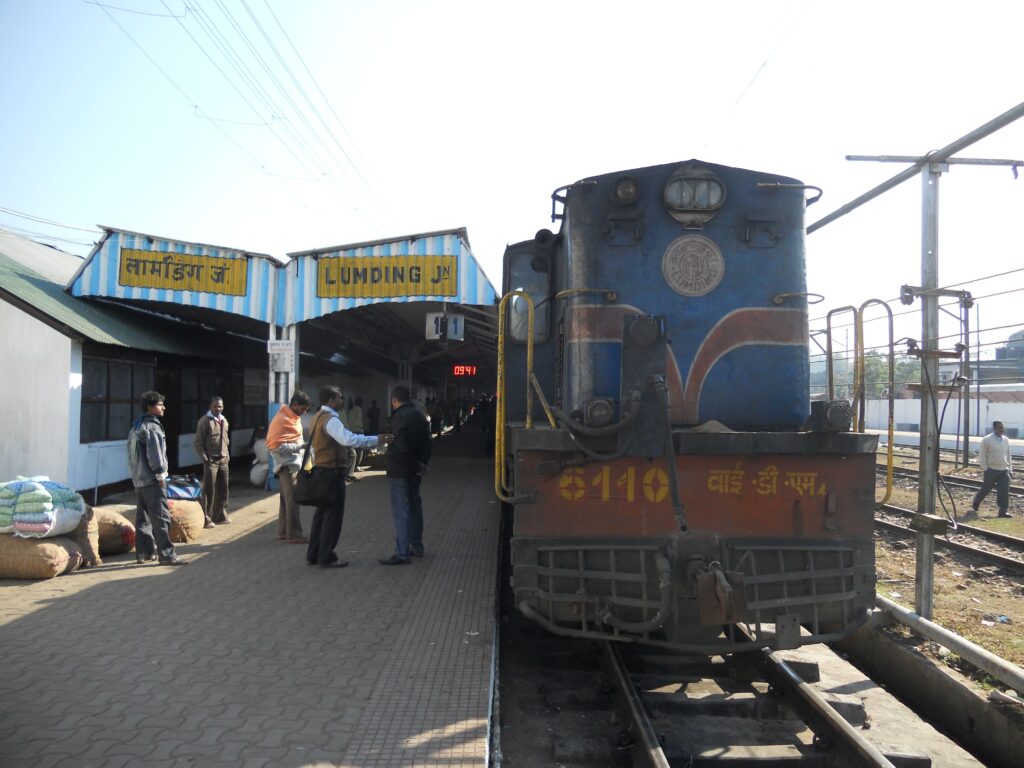
This section in the Northeast has a long history of landslides.
The route passes through hilly terrain with heavy rainfall, especially during monsoon. Before upgrades and gauge conversion, disruptions were frequent. Even now, the geography remains the same. Rain weakens slopes, and debris can find its way onto the tracks.
What has improved is how the railway handles it. Better drainage, stronger track structures, and closer monitoring have made operations more reliable.
Still, this is one of those routes where the weather always gets the final say.
1 thought on “9 Indian Trains That Pass Through the Most Dangerous Routes”