
Warangal District, Pin – 506003
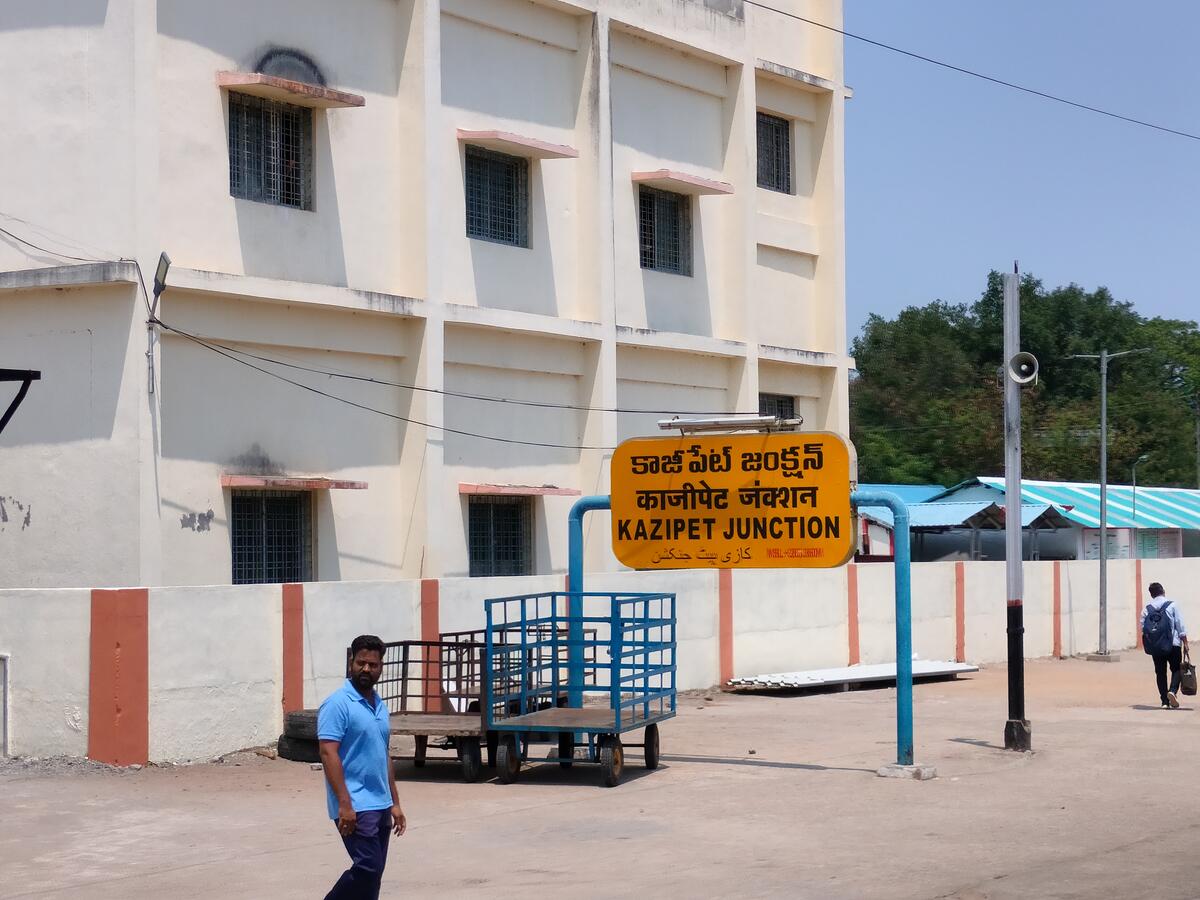
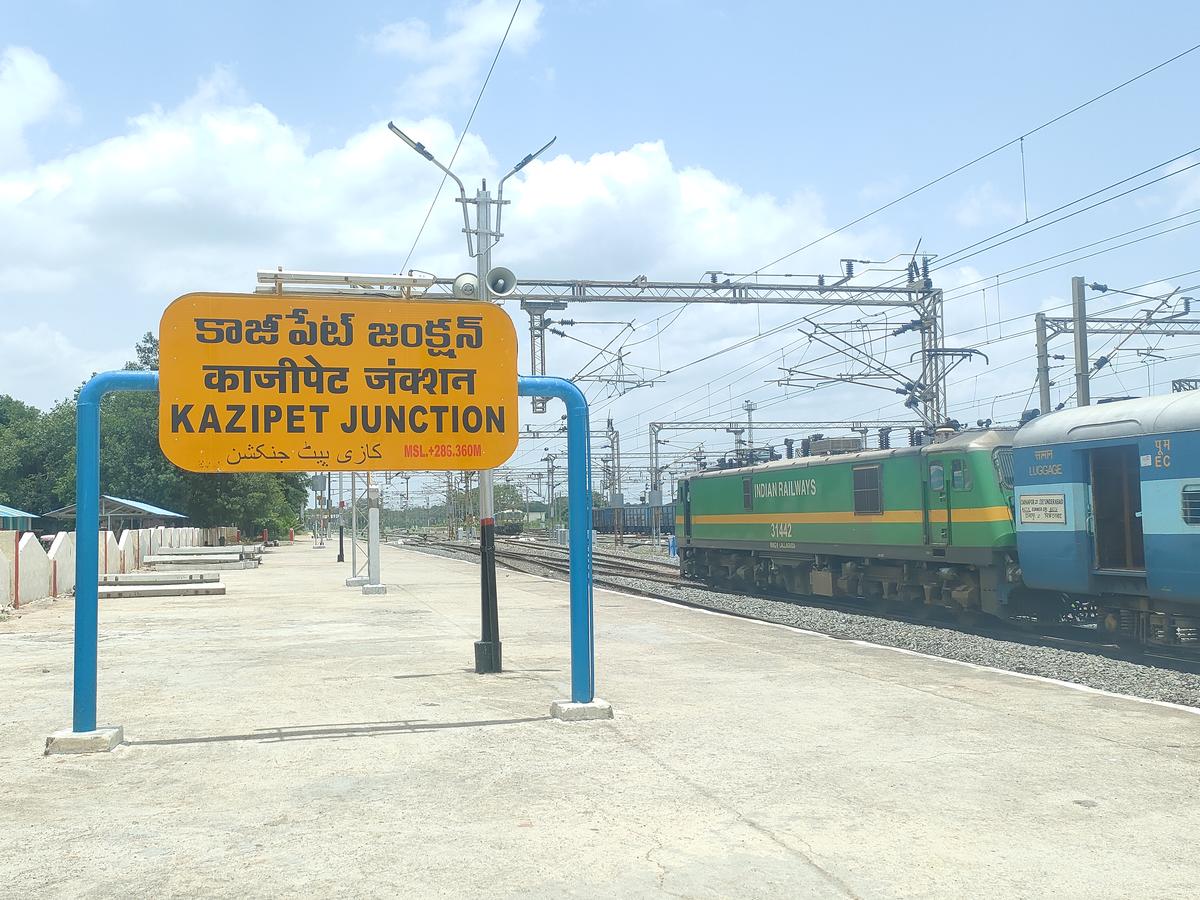
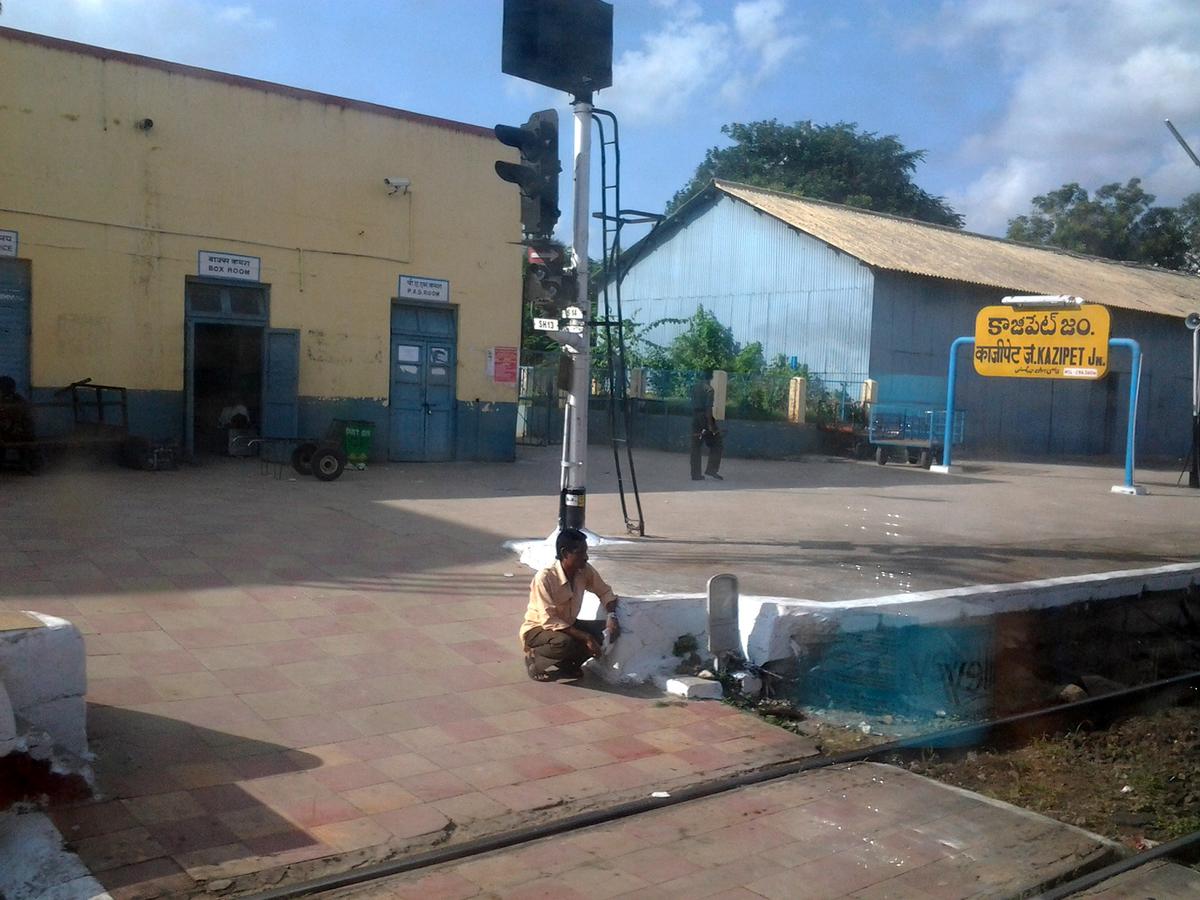
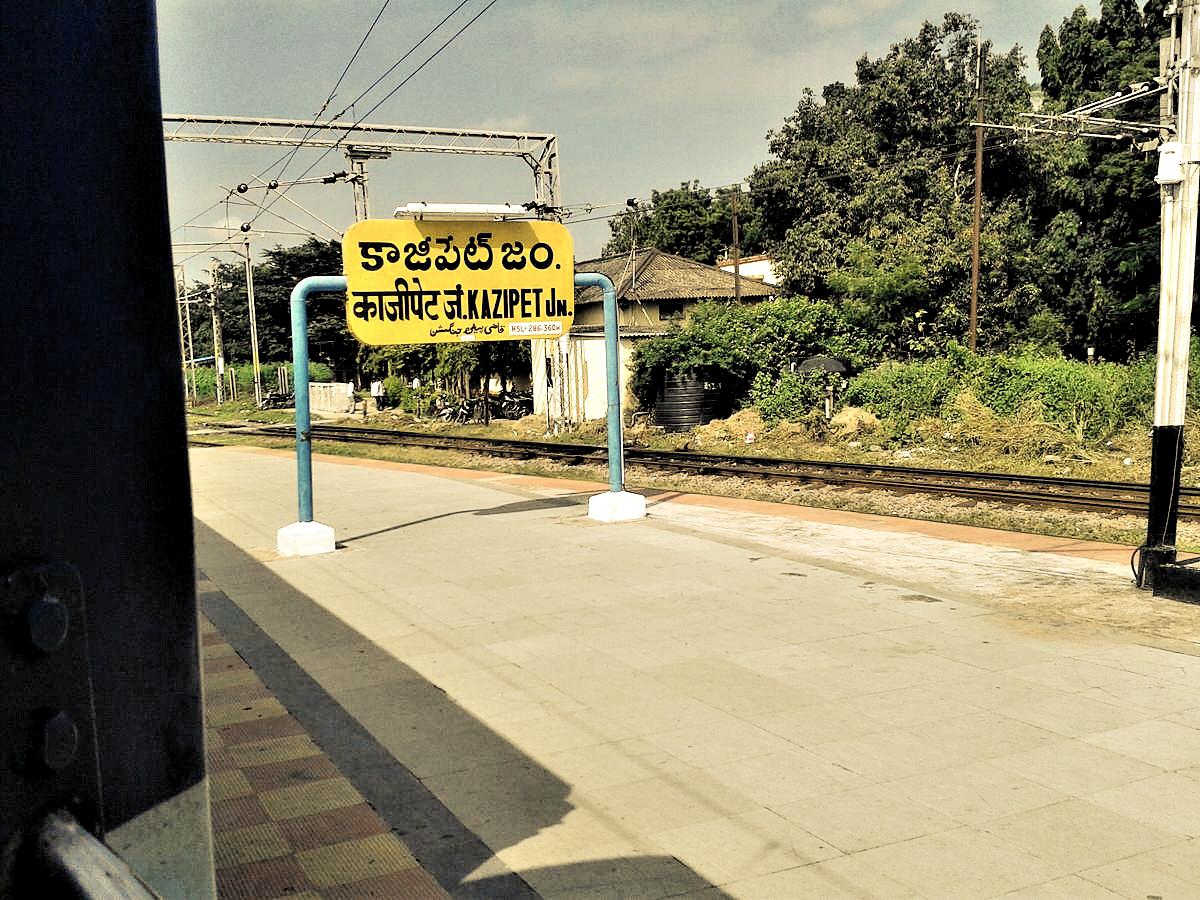
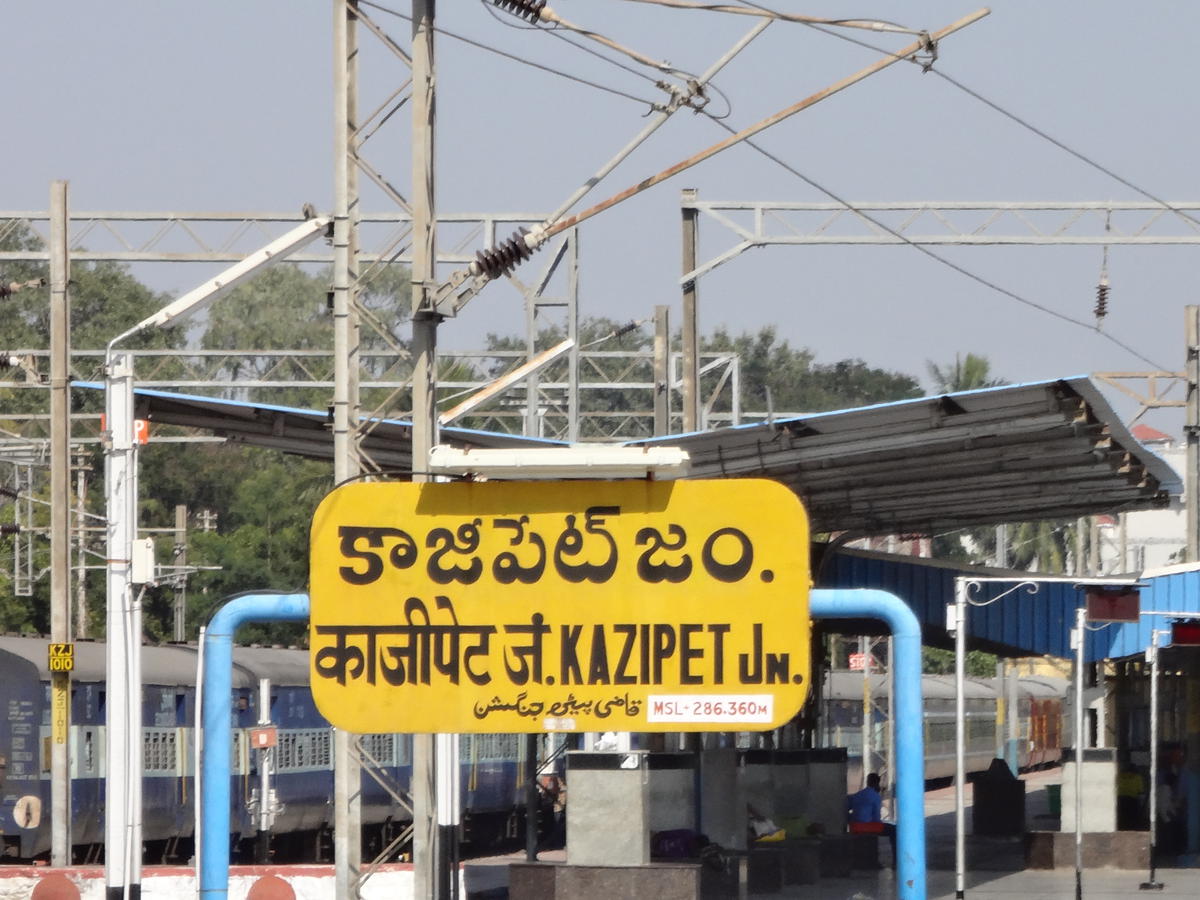
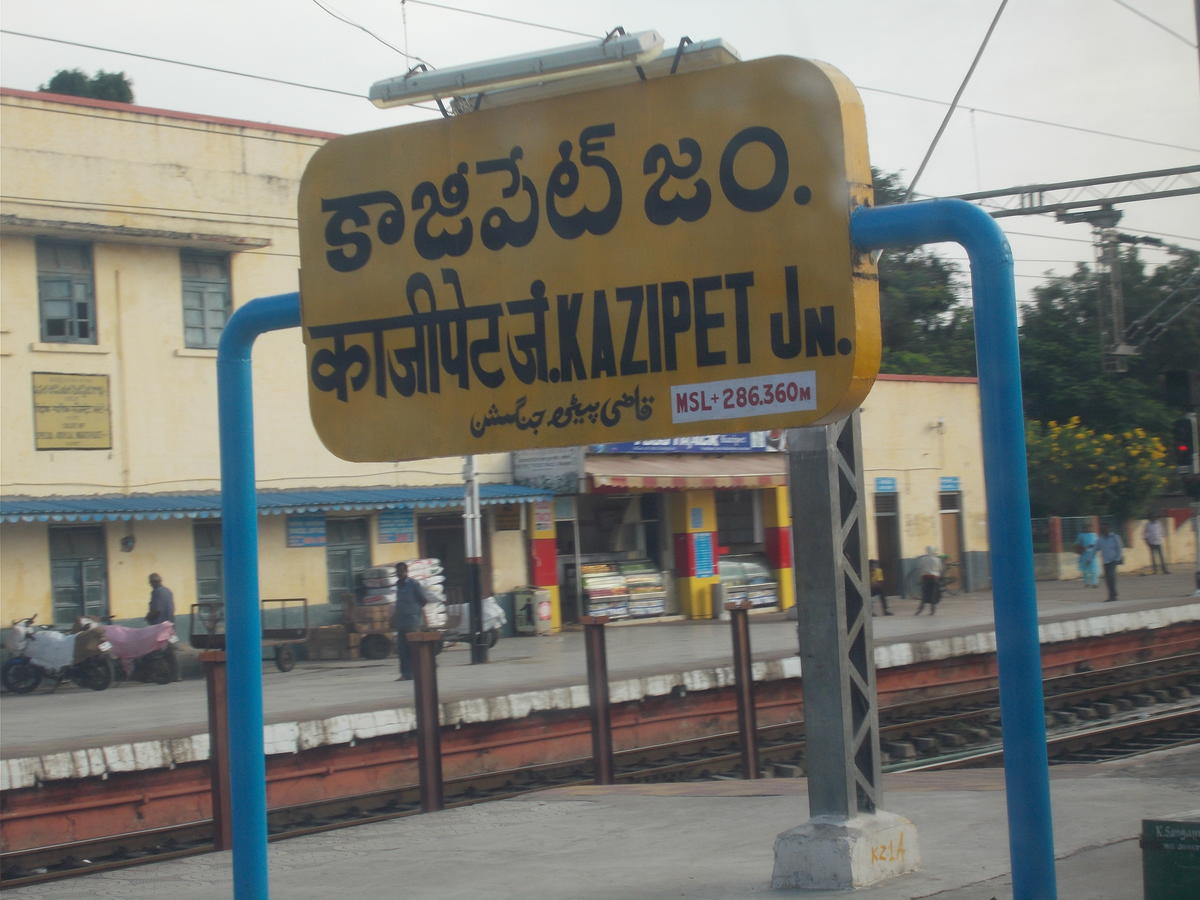
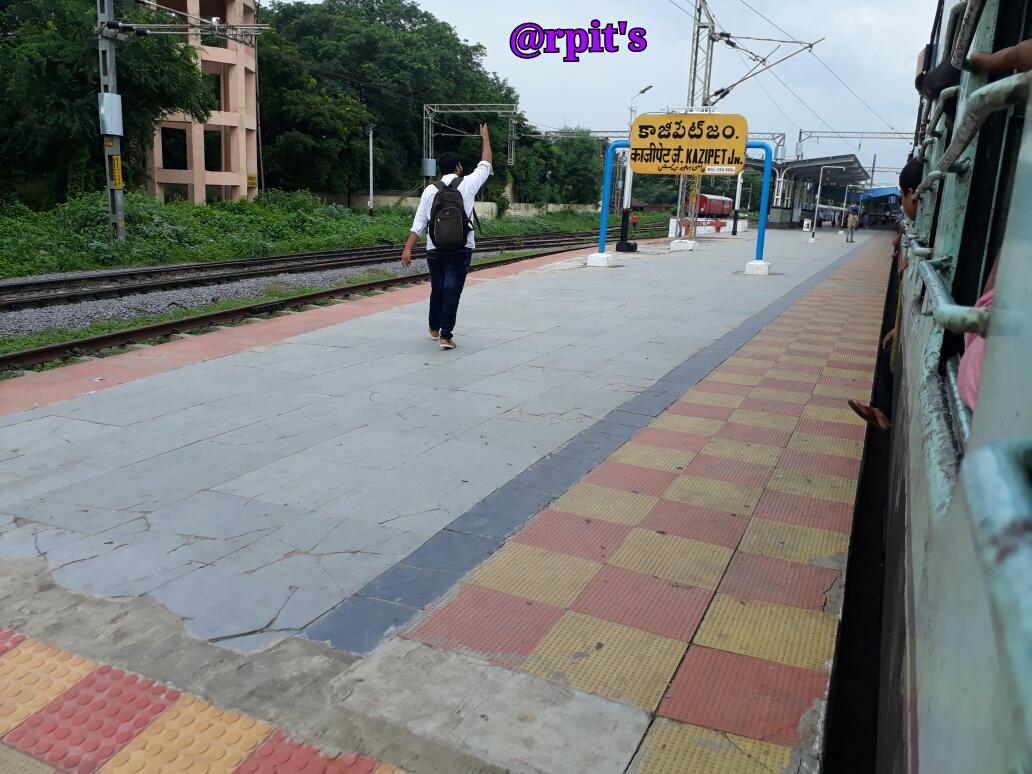
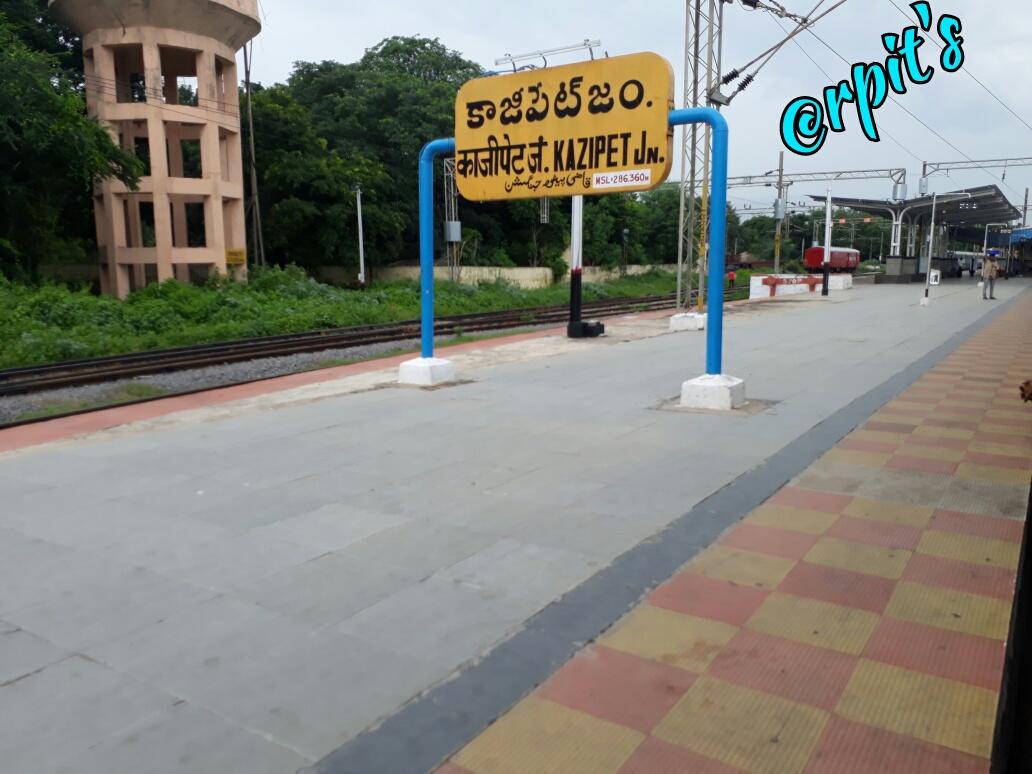
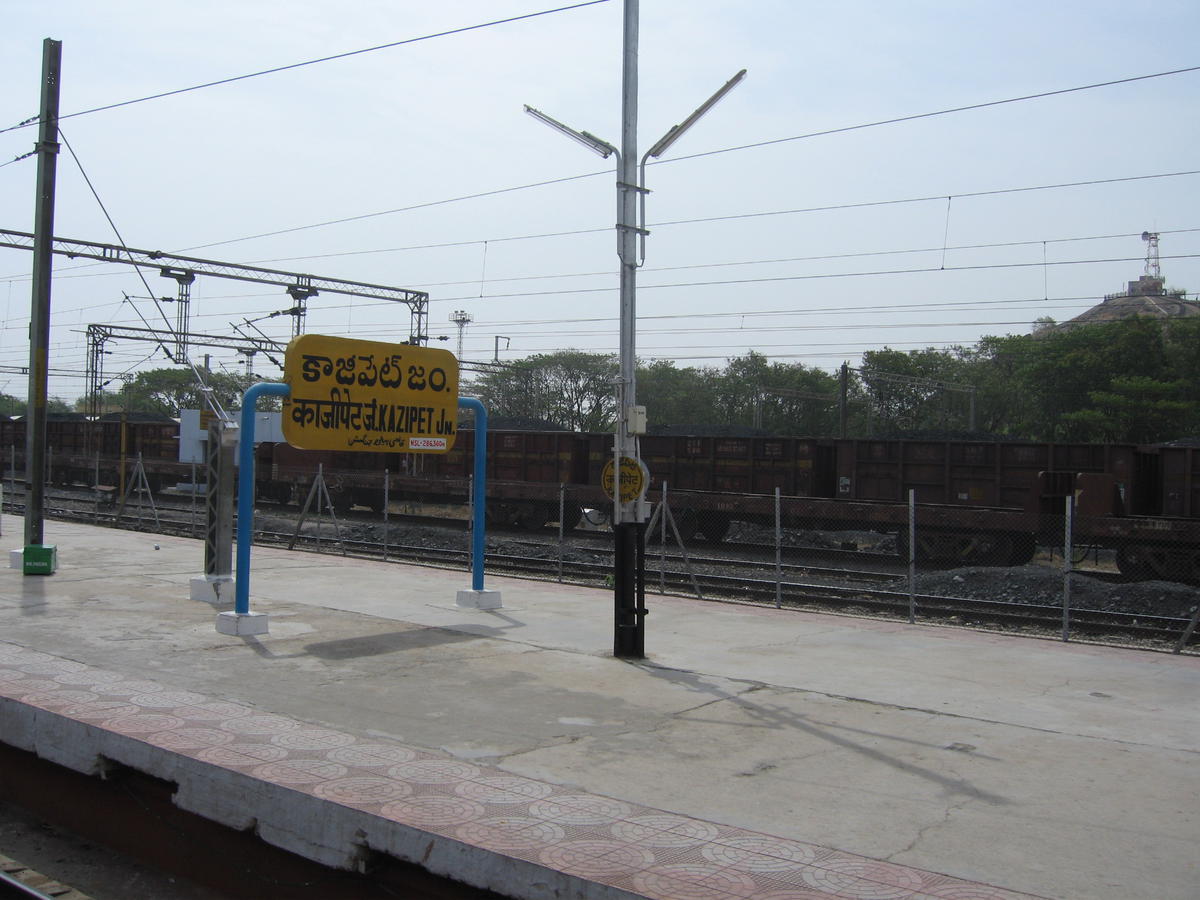
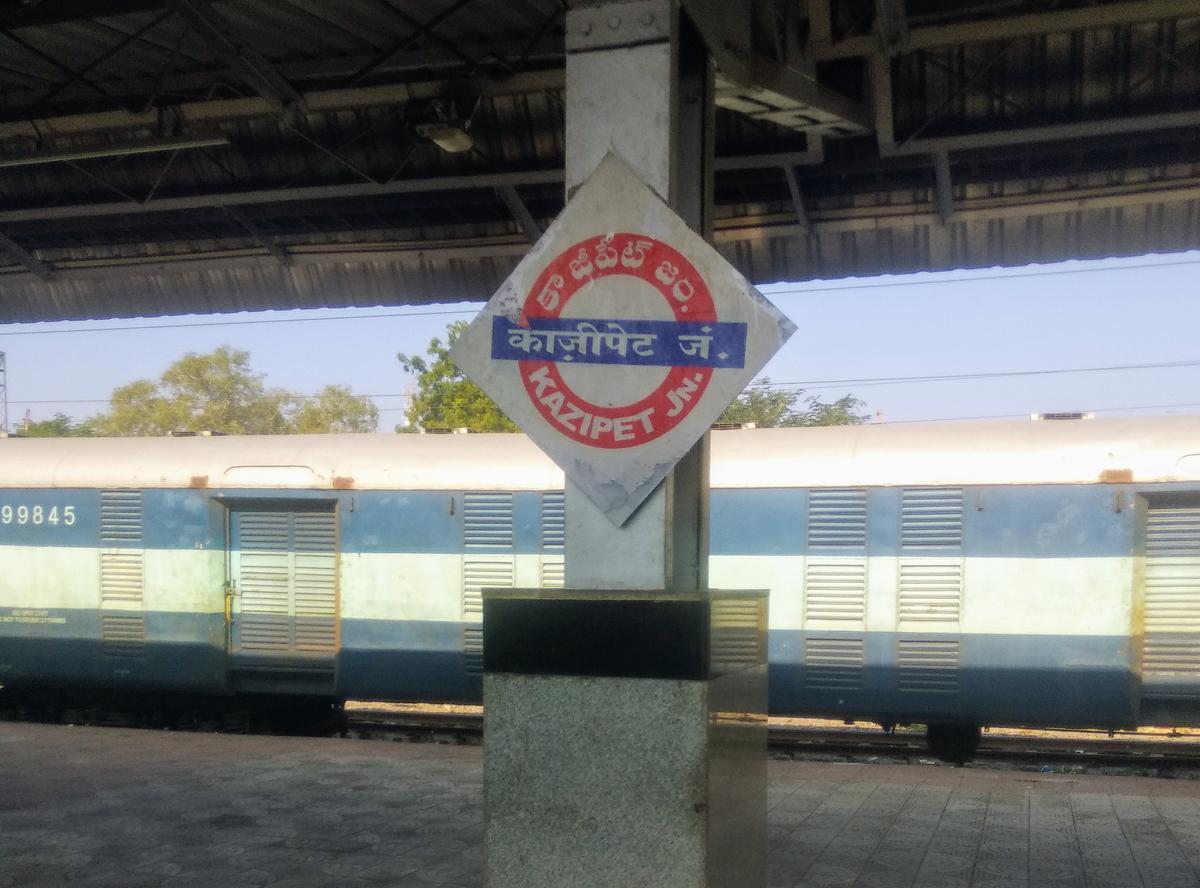
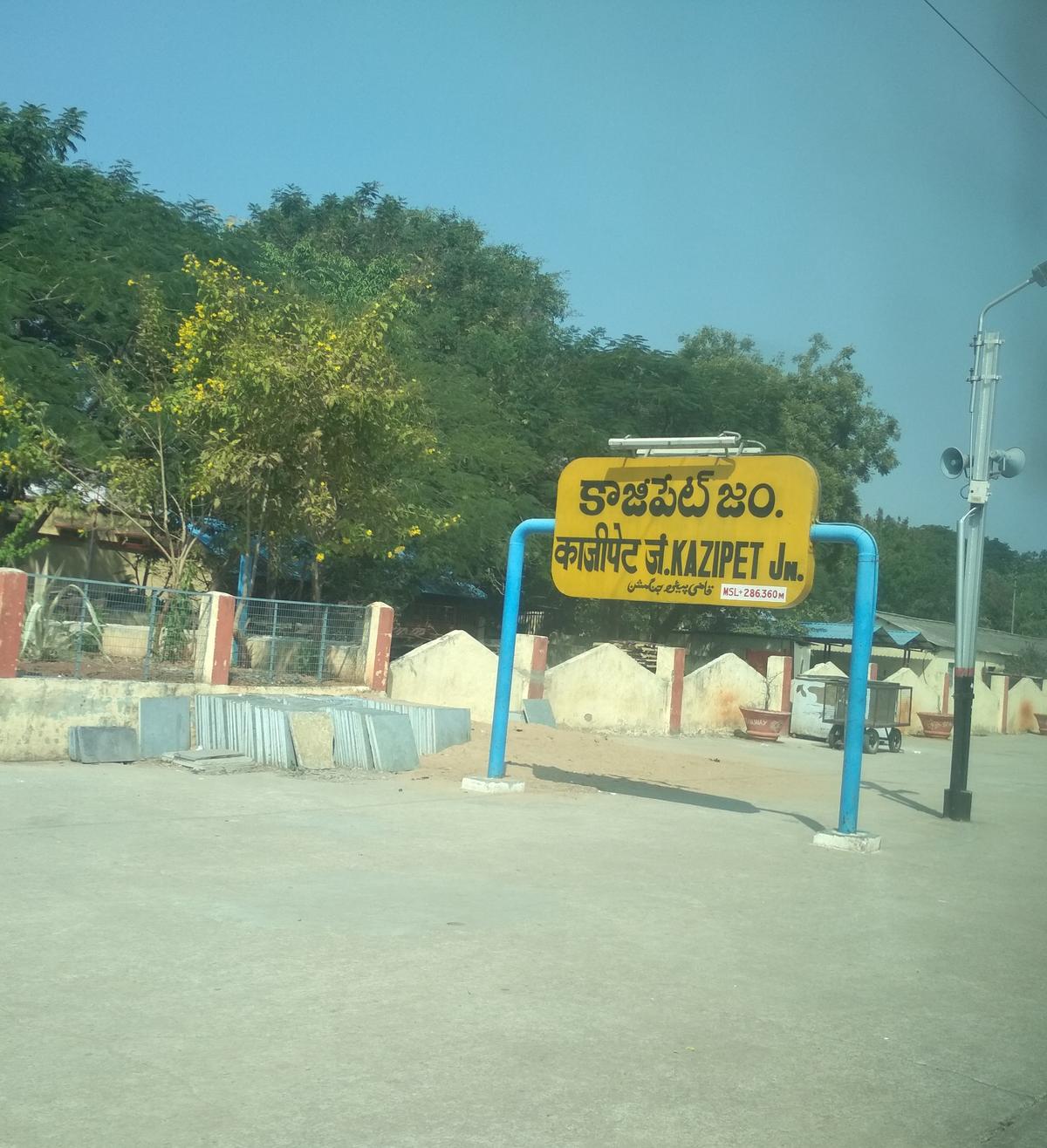
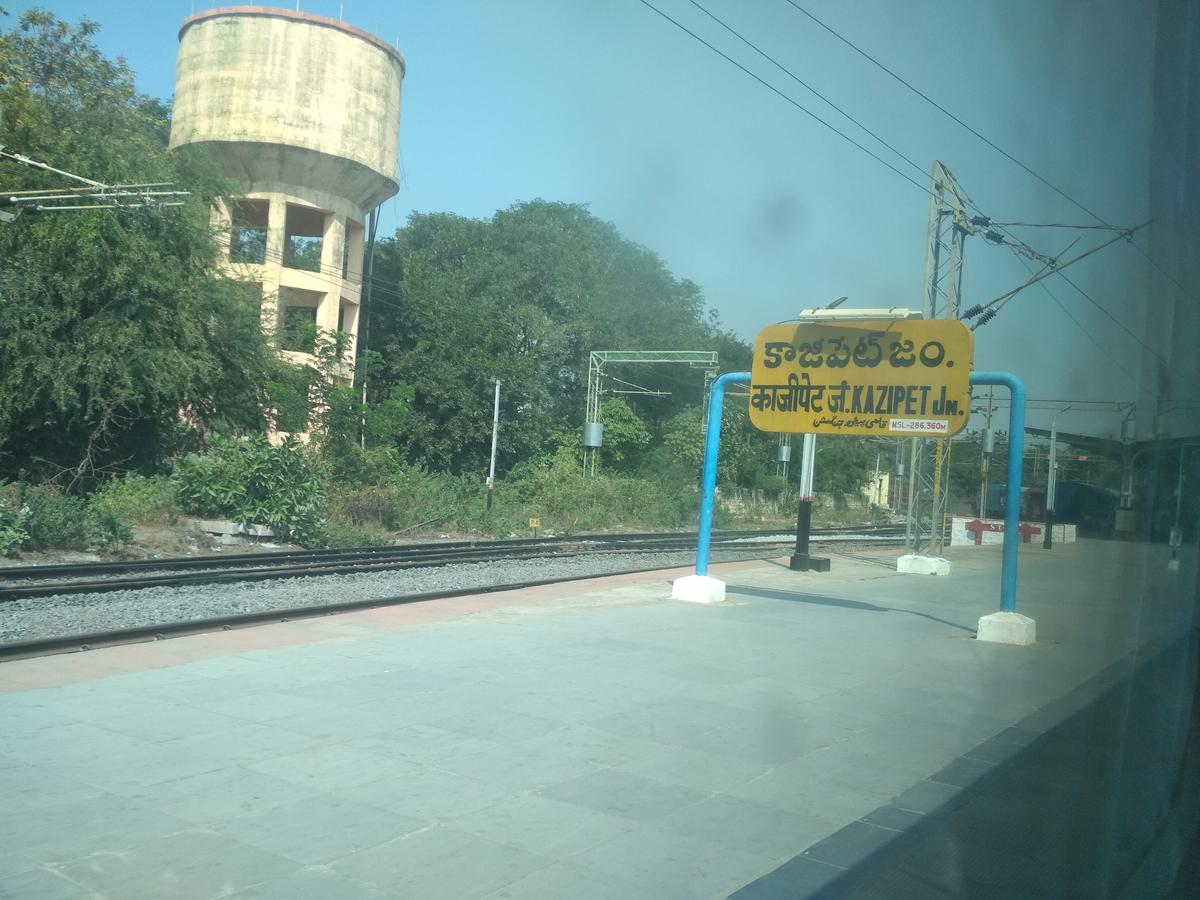
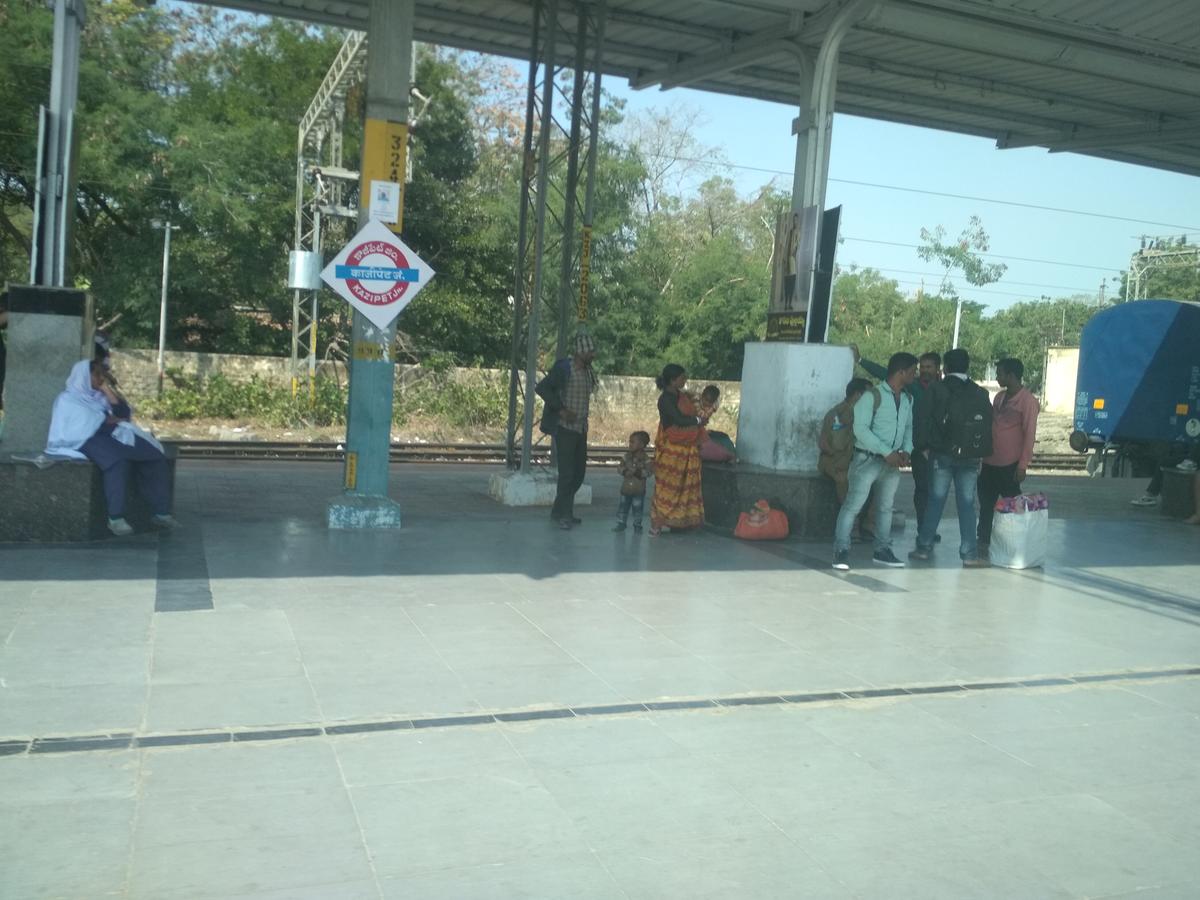
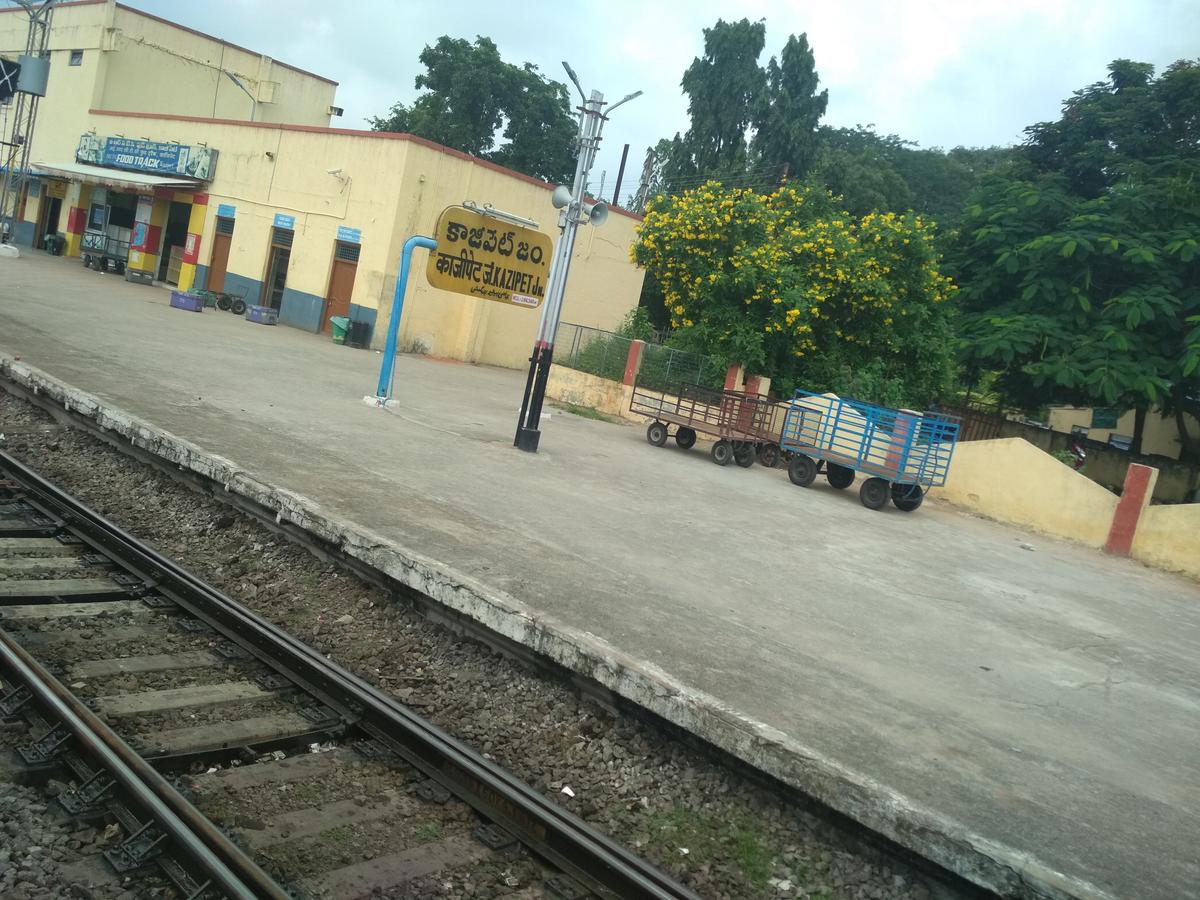
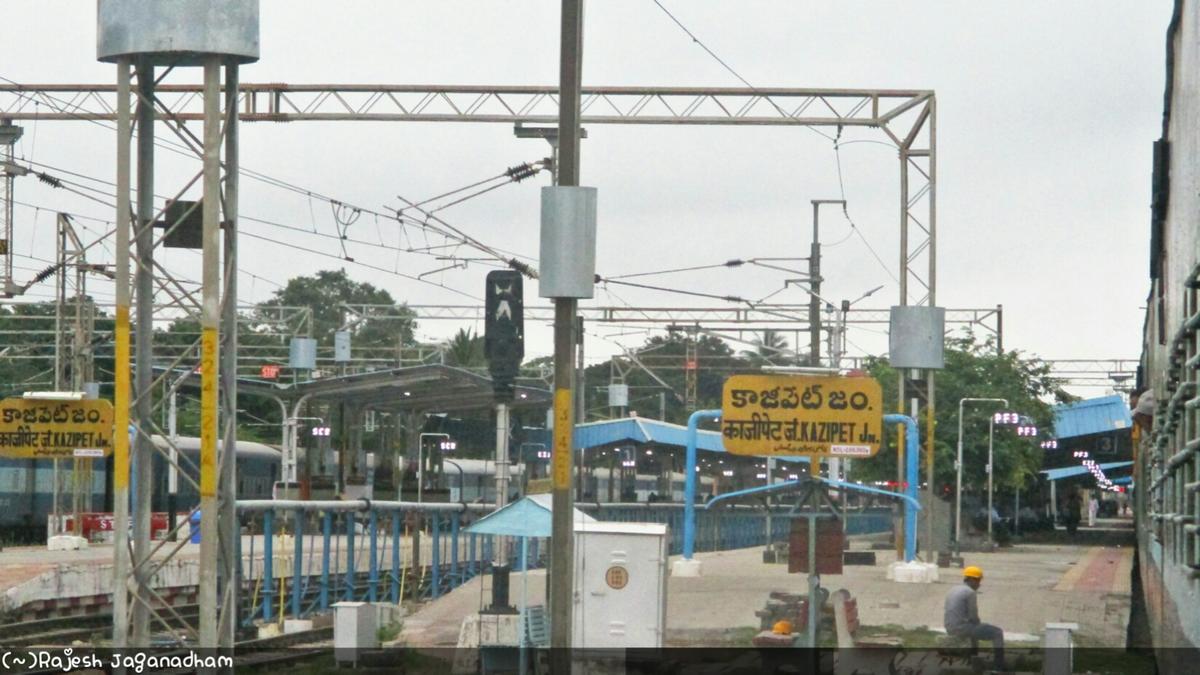
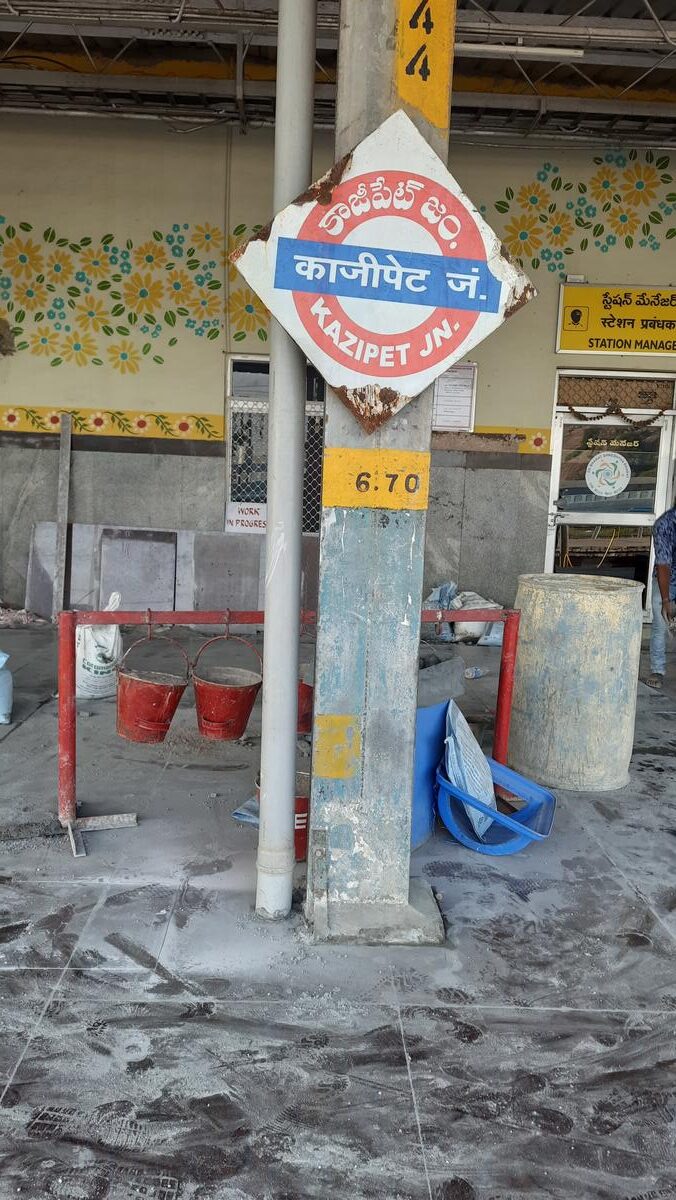
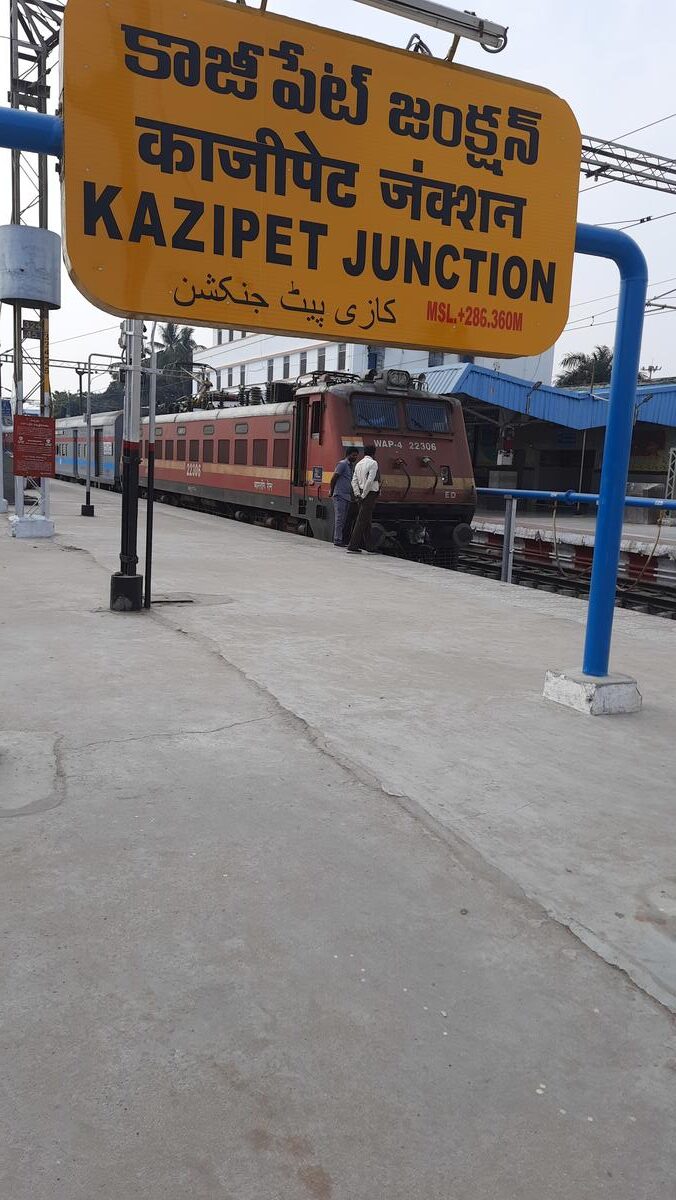
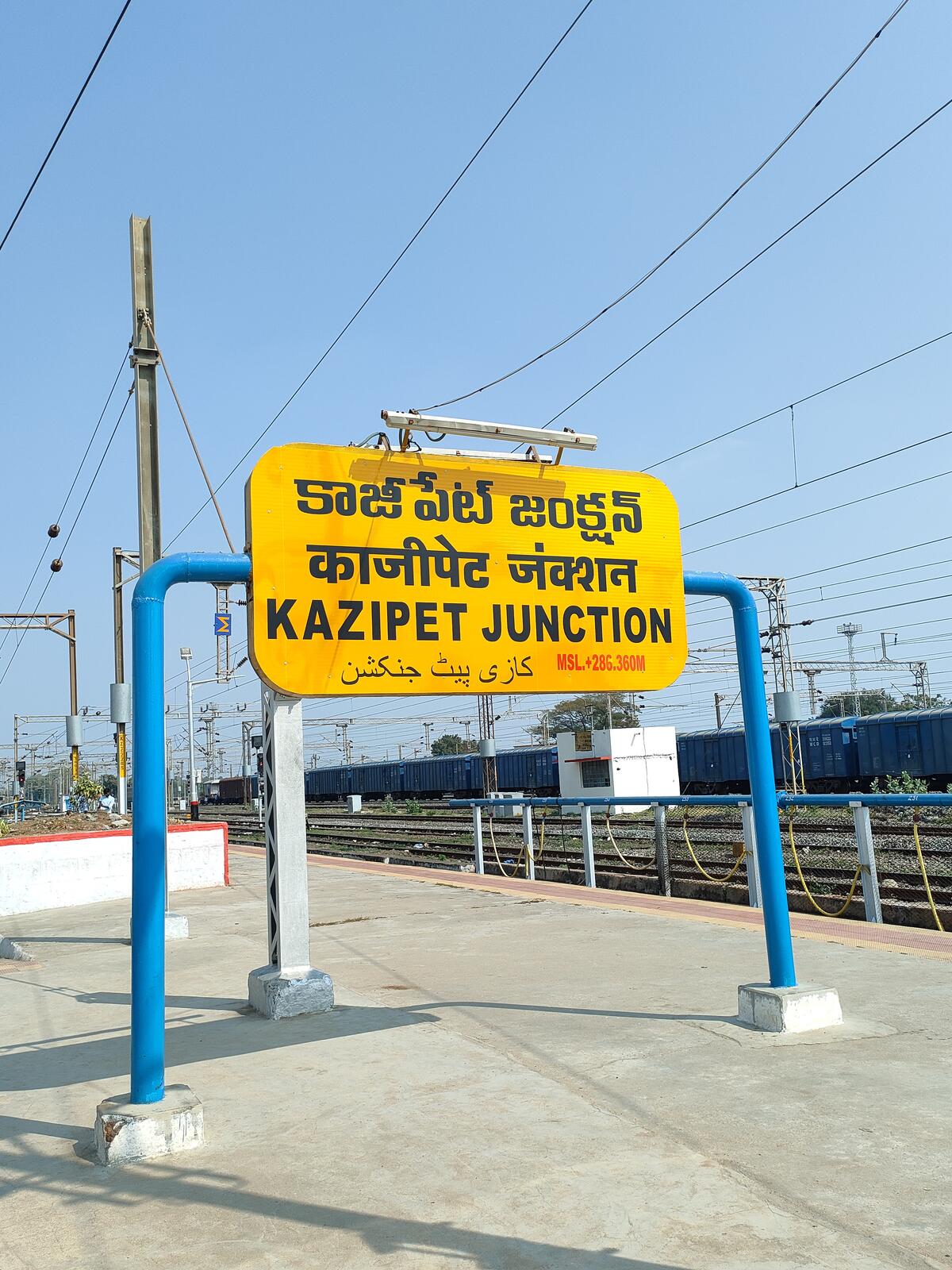
If you ever trace a long-distance train route between Delhi and Chennai, there is a very good chance it quietly passes through Kazipet. That alone tells you how important this station is. Located in Telangana’s Hanamkonda district, Kazipet Railway Station serves both Kazipet and nearby Warangal, which means it is almost always active without feeling chaotic.
Its importance is not random. Back in 1929, when the Kazipet to Balharshah line was completed, it created a direct rail link between North and South India. Since then, Kazipet has remained a key junction in that network. It comes under the South Central Railway zone and handles not just passengers but also a significant amount of freight, especially coal from nearby mining areas like Ramagundam and Bellampalli.
Today, with upgrades planned under the Amrit Bharat Station Scheme, Kazipet is slowly getting better facilities, but its core role remains the same. It keeps trains moving smoothly across one of the busiest rail corridors in the country.
Location and Railway Connectivity
Kazipet sits in a spot that railway planners would probably call “perfect timing and perfect placement.” It is in Hanamkonda district, right next to Warangal, and over time these areas have blended so closely that most passengers don’t really separate them.
What makes Kazipet special is how naturally it connects different directions. One line takes you towards Secunderabad and Hyderabad, another moves up towards Balharshah and further to Nagpur and Delhi, and a third heads towards Vijayawada and the coastal side. Because of this, trains don’t have to “adjust” their routes much. They just pass through.
If you have ever been on a long journey and noticed your train stopping at Kazipet at some odd hour, there is a reason. It sits right in the middle of some of the busiest rail corridors in the country.
History That Still Matters Today
Kazipet did not become important overnight. Its role was built step by step, long before modern railway upgrades.
The early railway lines in this region were developed under the Nizam’s administration. The Wadi to Secunderabad line came up in 1874, and by 1889, the network extended towards Vijayawada. These were not small expansions. They were shaping how trains would move across this part of India.
But the real turning point came in 1929, when the Kazipet to Balharshah connection was completed. This created a direct and much more efficient link between northern and southern India, especially between Delhi and Chennai.
Even today, trains are still using that same backbone. That is why Kazipet has stayed relevant without needing to reinvent itself.
Station Layout and What It Feels Like
Kazipet is not a station that tries to confuse you. And that is honestly a relief.
The platforms are laid out in a straightforward way, and once you understand the basic direction of movement, it becomes easy to navigate. There are foot overbridges connecting the platforms, and most regular passengers move around without much trouble.
During busy hours, especially when multiple long-distance trains arrive close together, the station does get crowded. But it is not the kind of chaos where you feel lost. It is more like a steady rush that keeps moving.
If you have handled stations like Secunderabad or Vijayawada, Kazipet will feel simpler.
Facilities Without Overdoing It
Kazipet has all the essential facilities you would expect, and it sticks to that.
There are computerized reservation counters, waiting rooms, retiring rooms, and food stalls that serve both vegetarian and non-vegetarian options. You will also find book stalls, which somehow still survive even in the age of mobile screens.
It is not trying to be luxurious, and that actually works in its favour. Most passengers come here for connectivity, not comfort experiments. And the station delivers what is needed without making things complicated.
Train Movement and Daily Rhythm
Spend some time at Kazipet and you will notice something interesting. There is almost always a train either arriving, departing, or passing through.
It is not a place where things go silent for long.
Because of its location, the station sees a constant mix of express trains, superfast services, passenger trains, and freight movement. Many of these routes also connect onward to major hubs like Guntur Junction Railway, which adds to the steady movement of trains through this section.
It is more like a steady heartbeat. Not dramatic, but always active.
The Freight Side You Don’t Notice Much
While passengers focus on platforms and announcements, a big part of Kazipet’s importance runs quietly in the background.
A significant share of freight passing through this section is coal. Nearby mining regions like Singareni, Ramagundam and Bellampalli contribute heavily to this movement. In fact, coal alone makes up a large portion of the goods traffic handled along the Kazipet to Balharshah route.
So while someone is waiting for a passenger train, long freight trains are also moving through the network, doing work that most people never really notice.
• Telangana Express (Hyderabad – New Delhi)
• AP Express (Hyderabad – New Delhi)
• Tamil Nadu Express (New Delhi – Chennai)
• Dakshin Express (Hyderabad – Hazrat Nizamuddin)
• Secunderabad – Visakhapatnam Express
Classification vs Reality
On paper, Kazipet is classified as an NSG 3 station under Indian Railways. That simply means it falls into a certain category based on earnings and passenger numbers.
But if you judge it only by that label, you might underestimate it.
In actual railway operations, Kazipet plays a much bigger role. Its importance comes from where it is and how it connects the network, not just from how many tickets are sold at the counters.
Electrification and Better Efficiency
The routes connected to Kazipet were electrified in stages between the late 1980s and early 1990s. This includes the lines towards Ramagundam, Dornakal and Secunderabad.
This shift from diesel to electric traction made a noticeable difference. Trains could run more efficiently, speeds improved, and long-distance operations became smoother.
Today, most trains passing through Kazipet run on electric power, which keeps things consistent and reliable.
What’s Changing Now
Kazipet is part of the Amrit Bharat Station Scheme, which focuses on improving selected stations across India.
The idea is not to completely change the identity of the station, but to make it more comfortable and better organized for passengers. Improvements are expected in areas like amenities, accessibility, and overall station design.
At the same time, a new railway line between Kazipet and Balharshah has been approved. This is aimed at reducing congestion and improving both passenger and freight movement in the long run.
So while Kazipet has always been important, it is now slowly being prepared for even higher traffic in the future.