
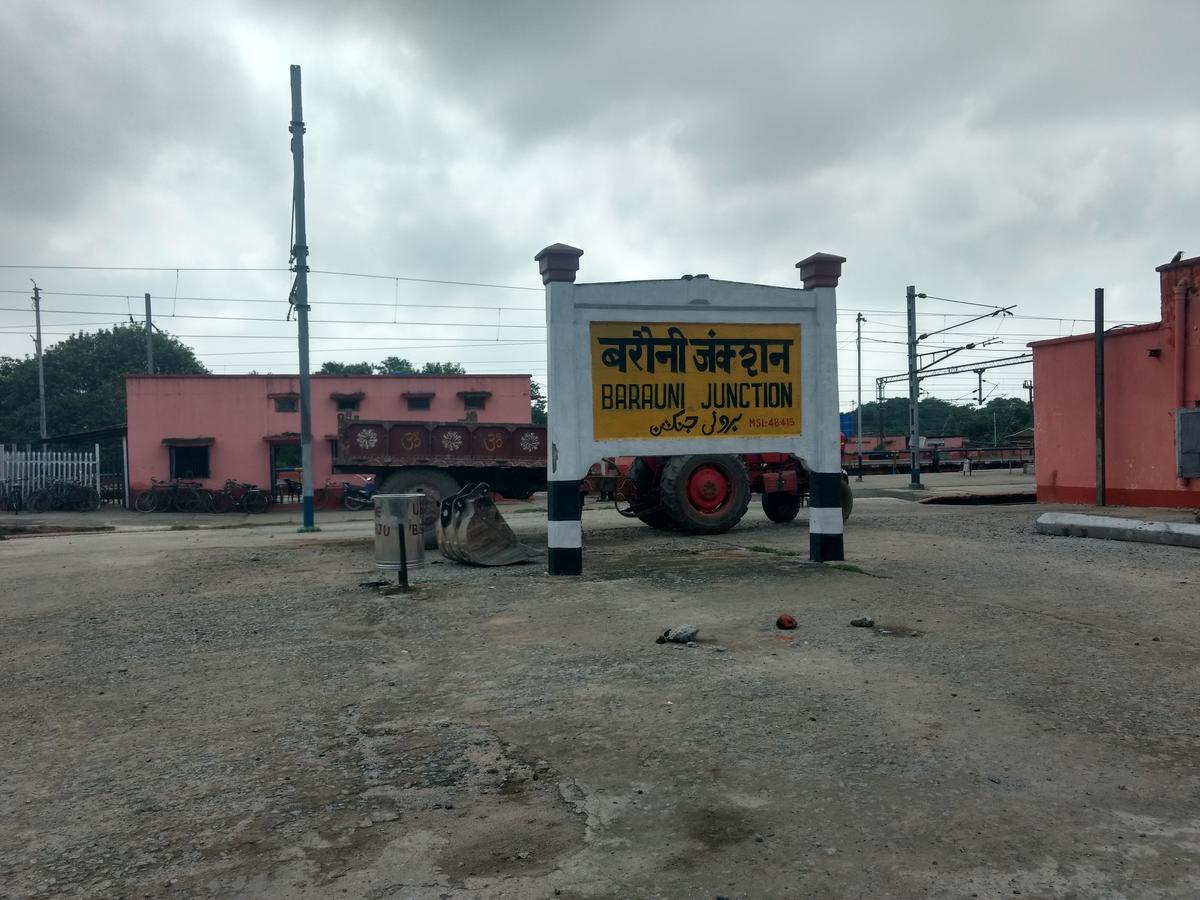
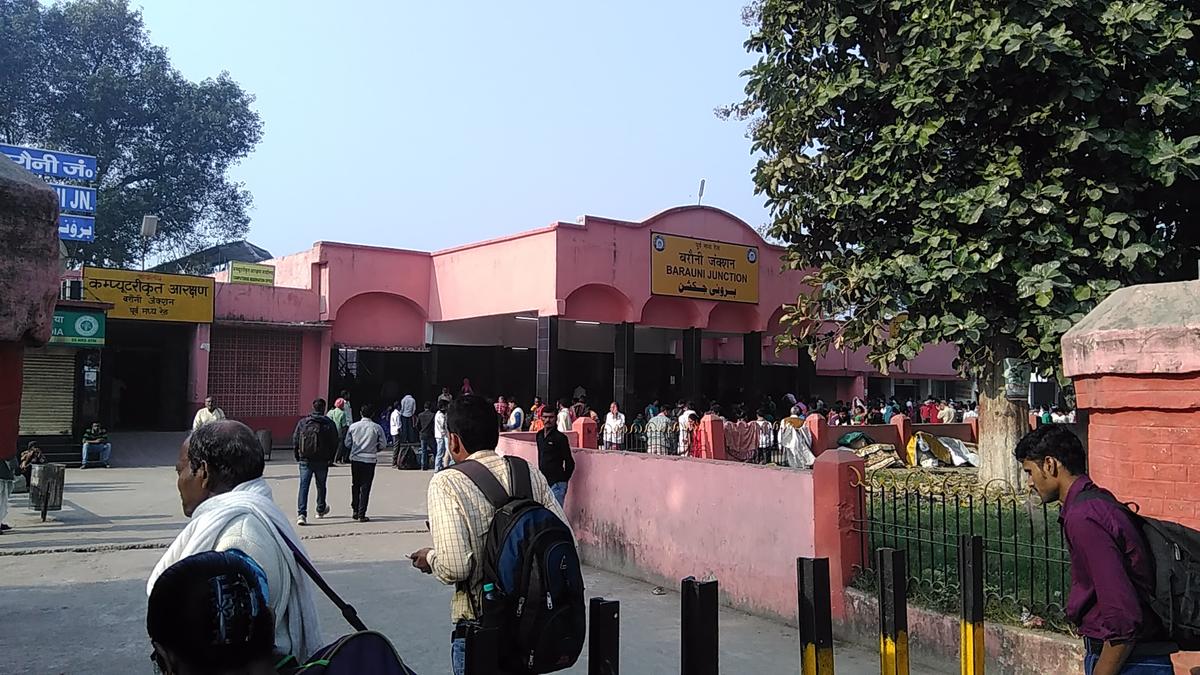
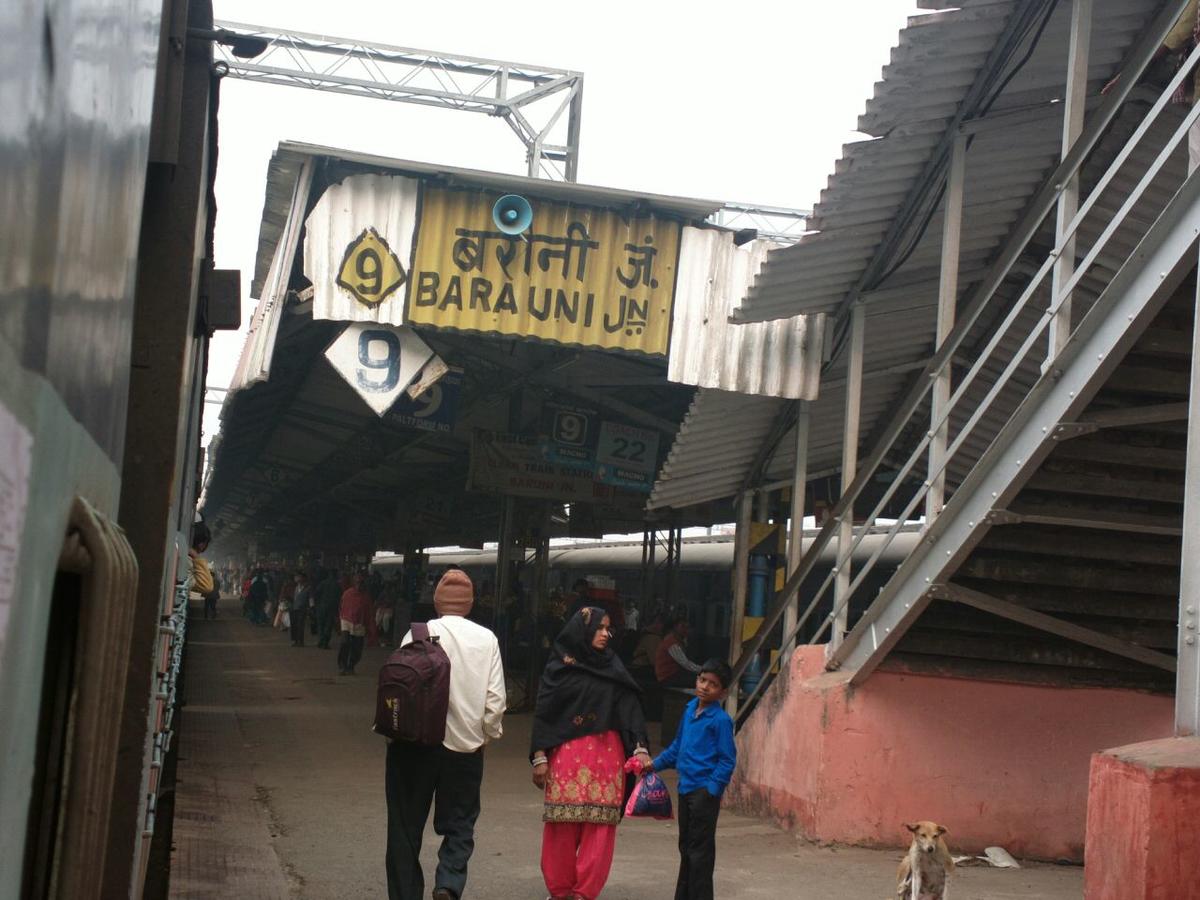
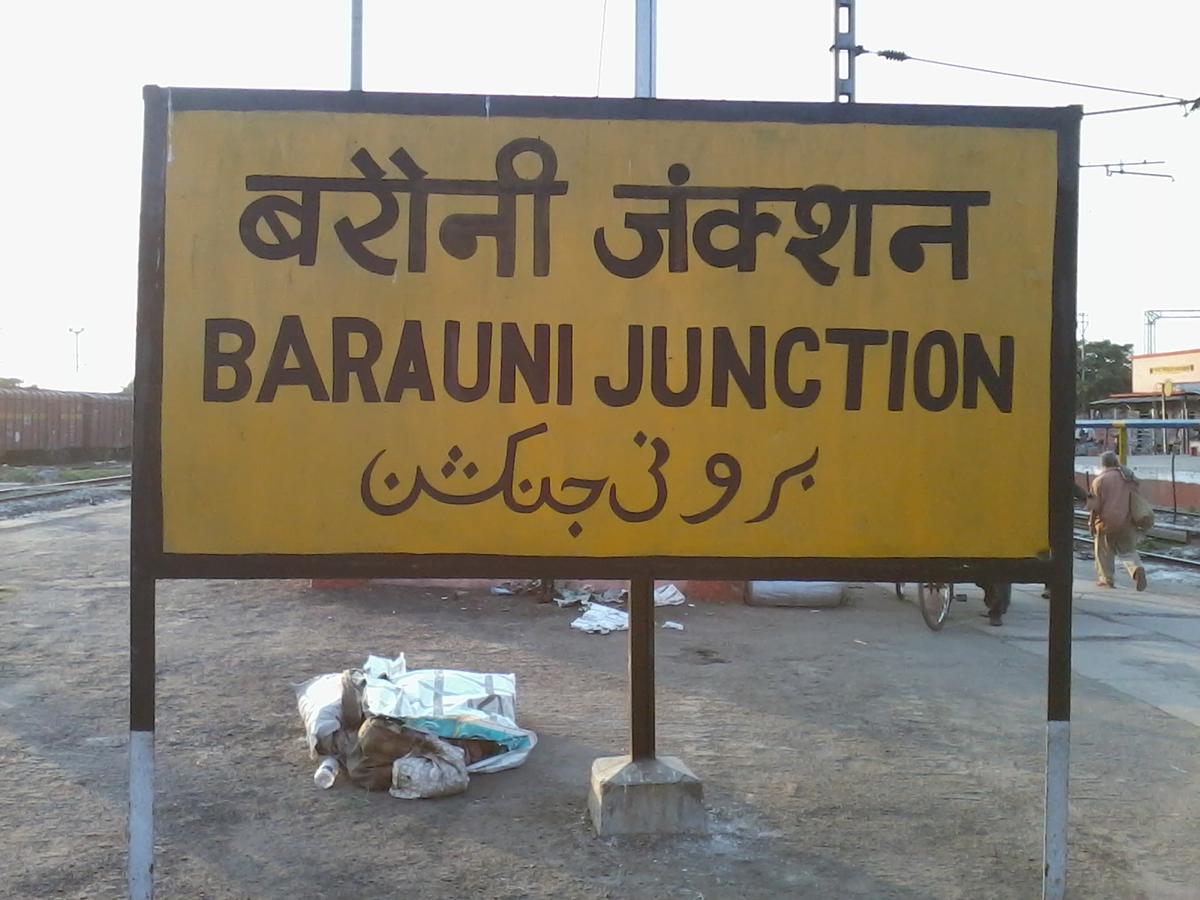
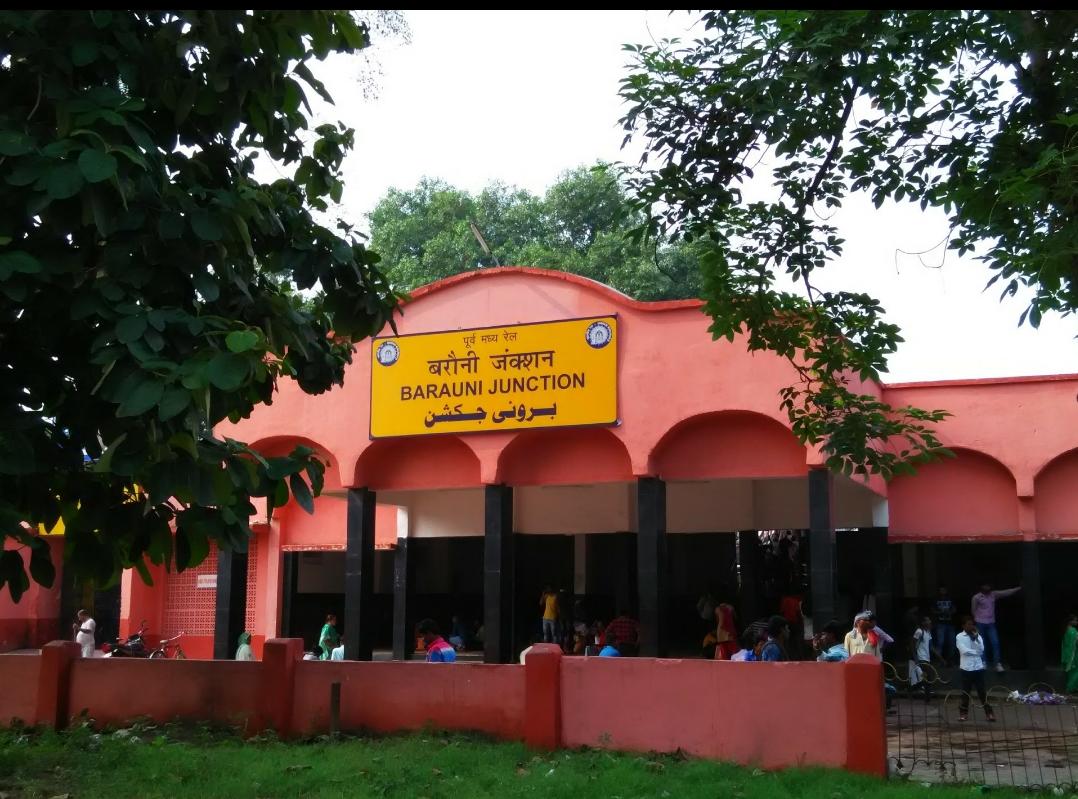
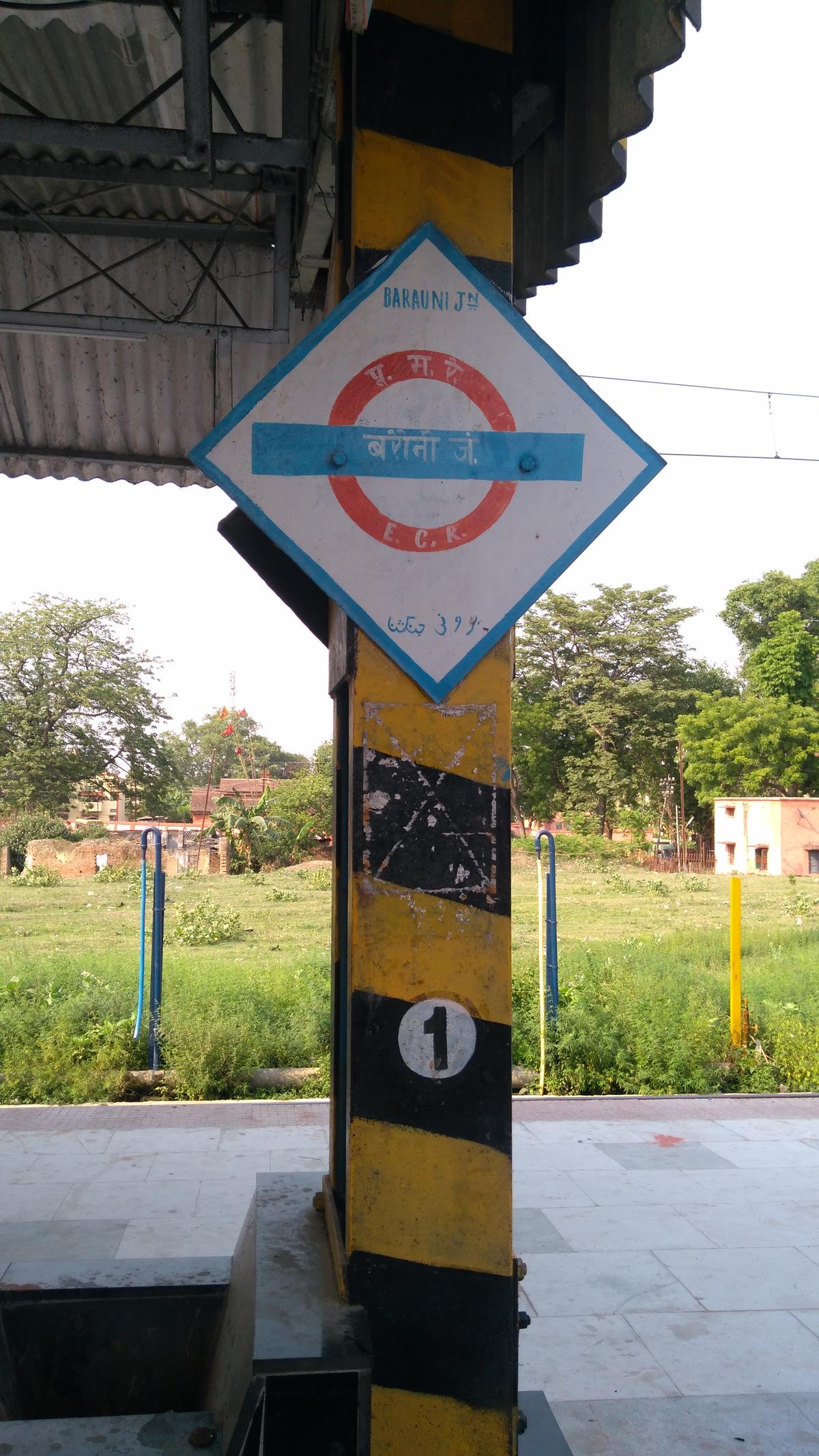
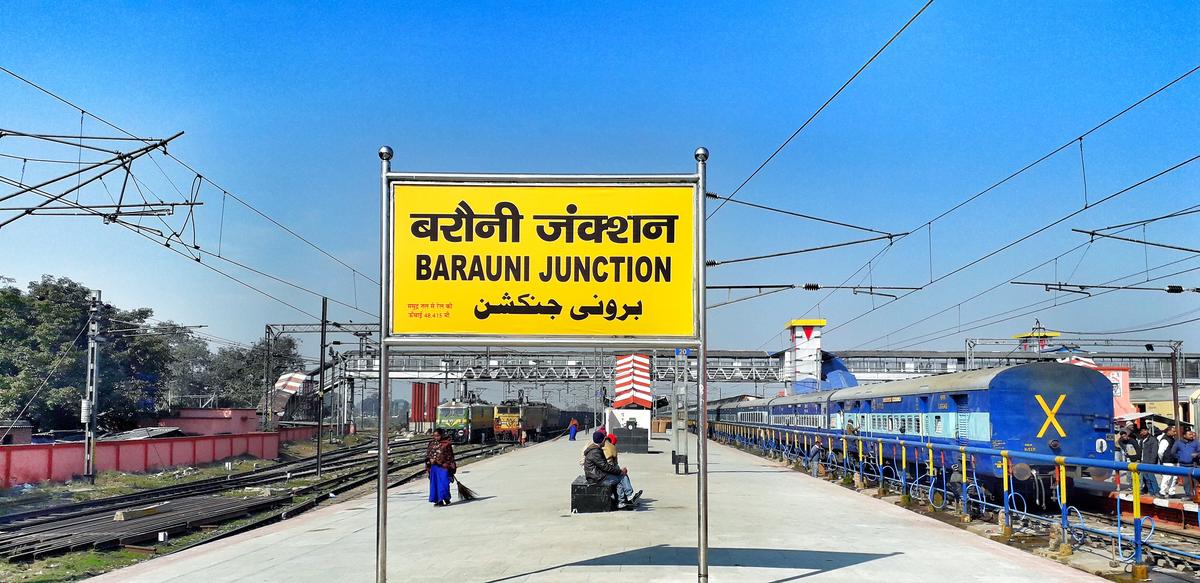
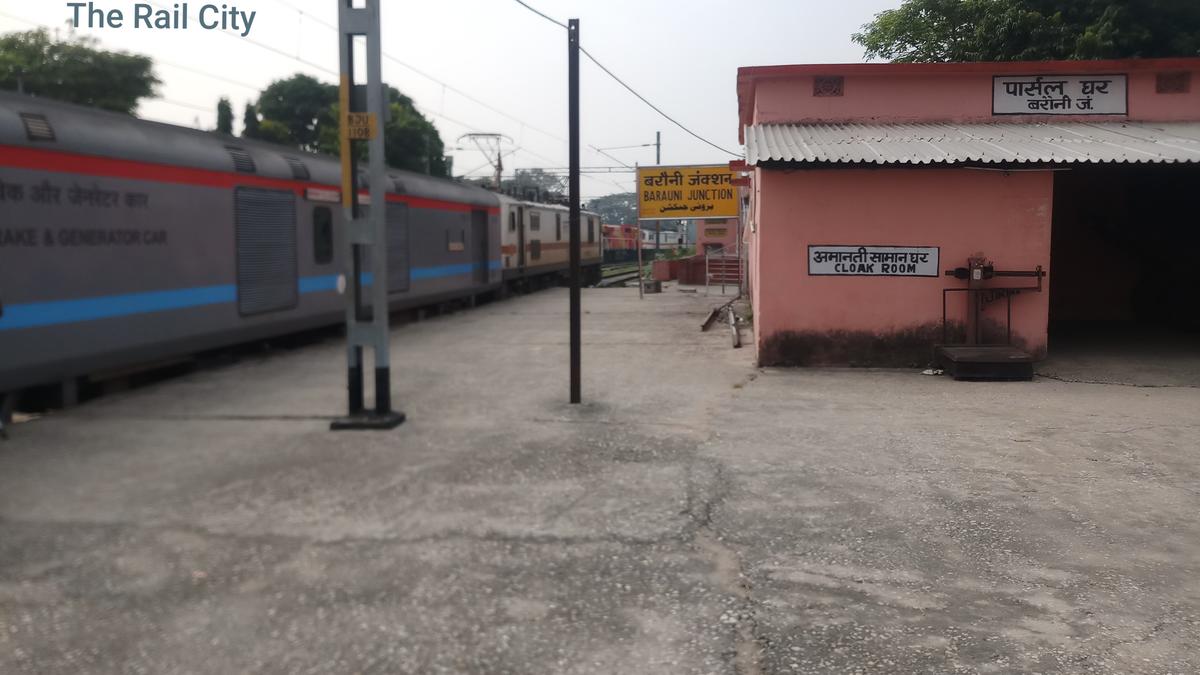
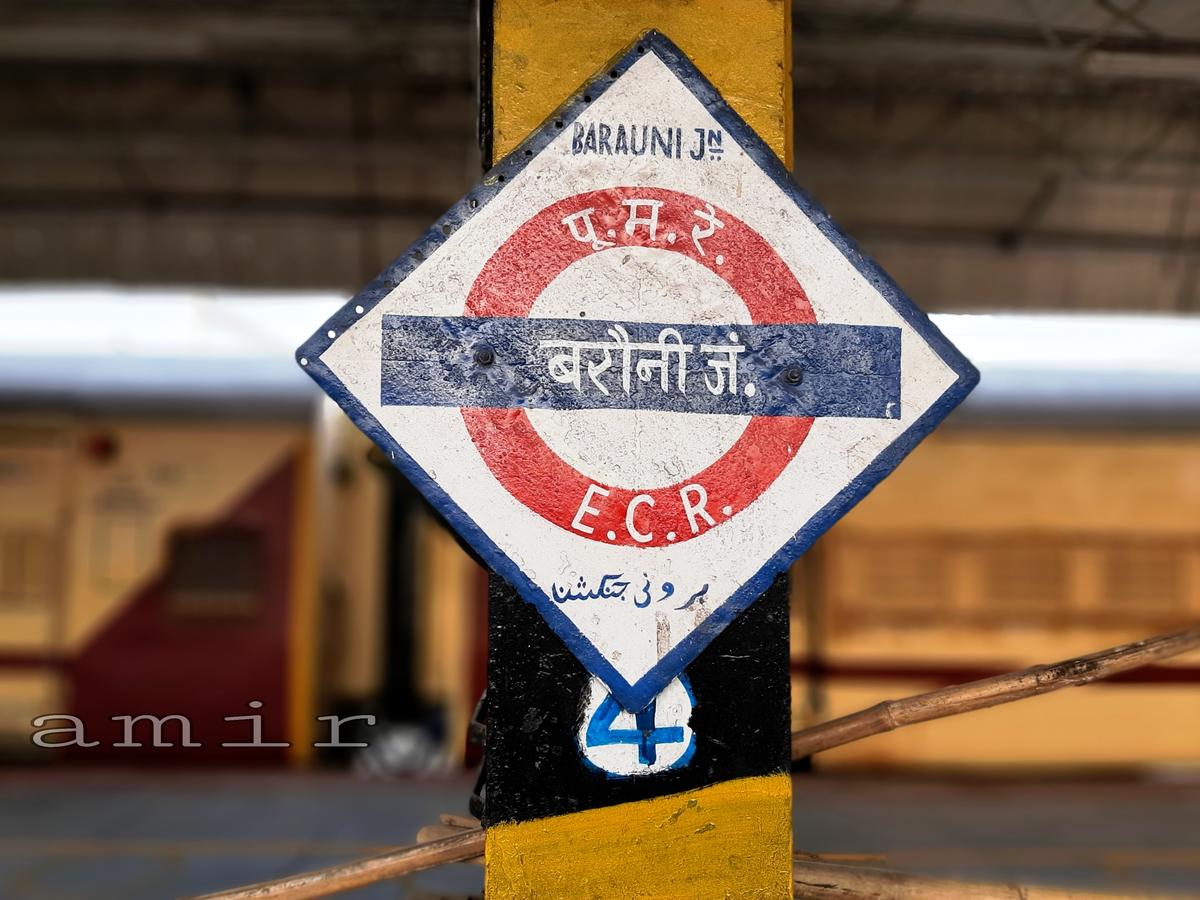
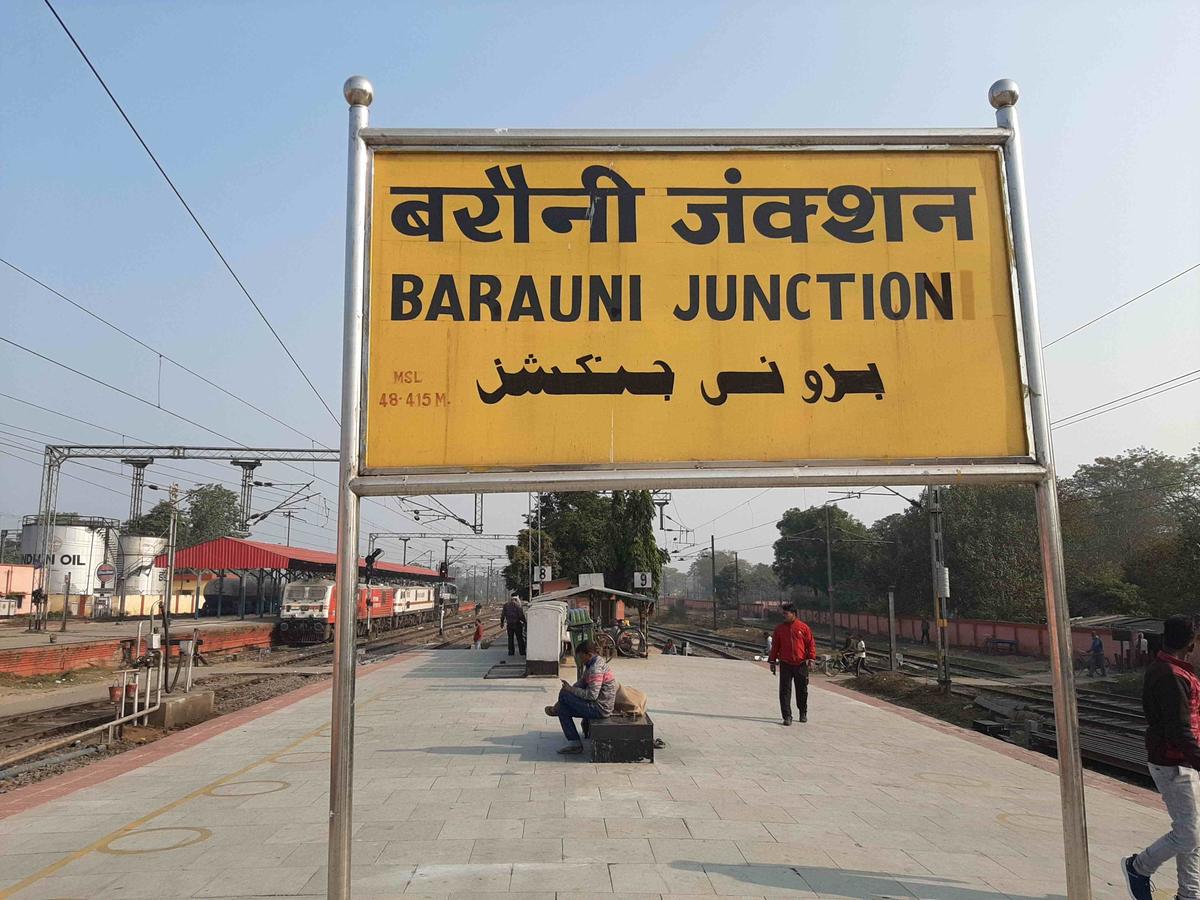
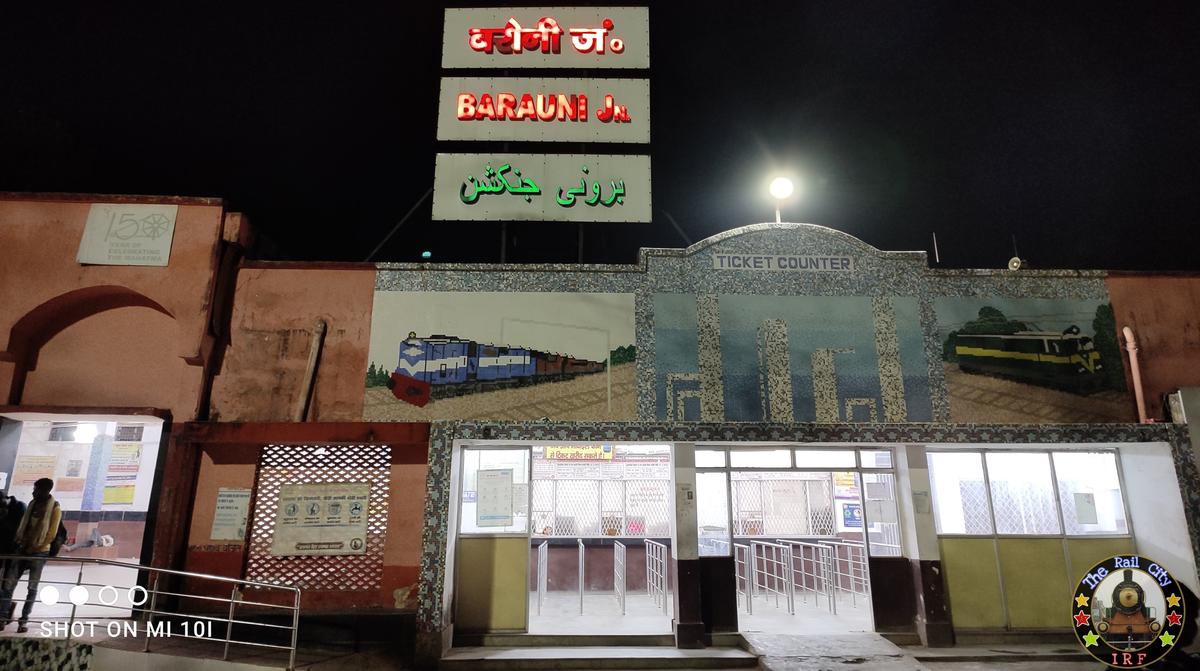
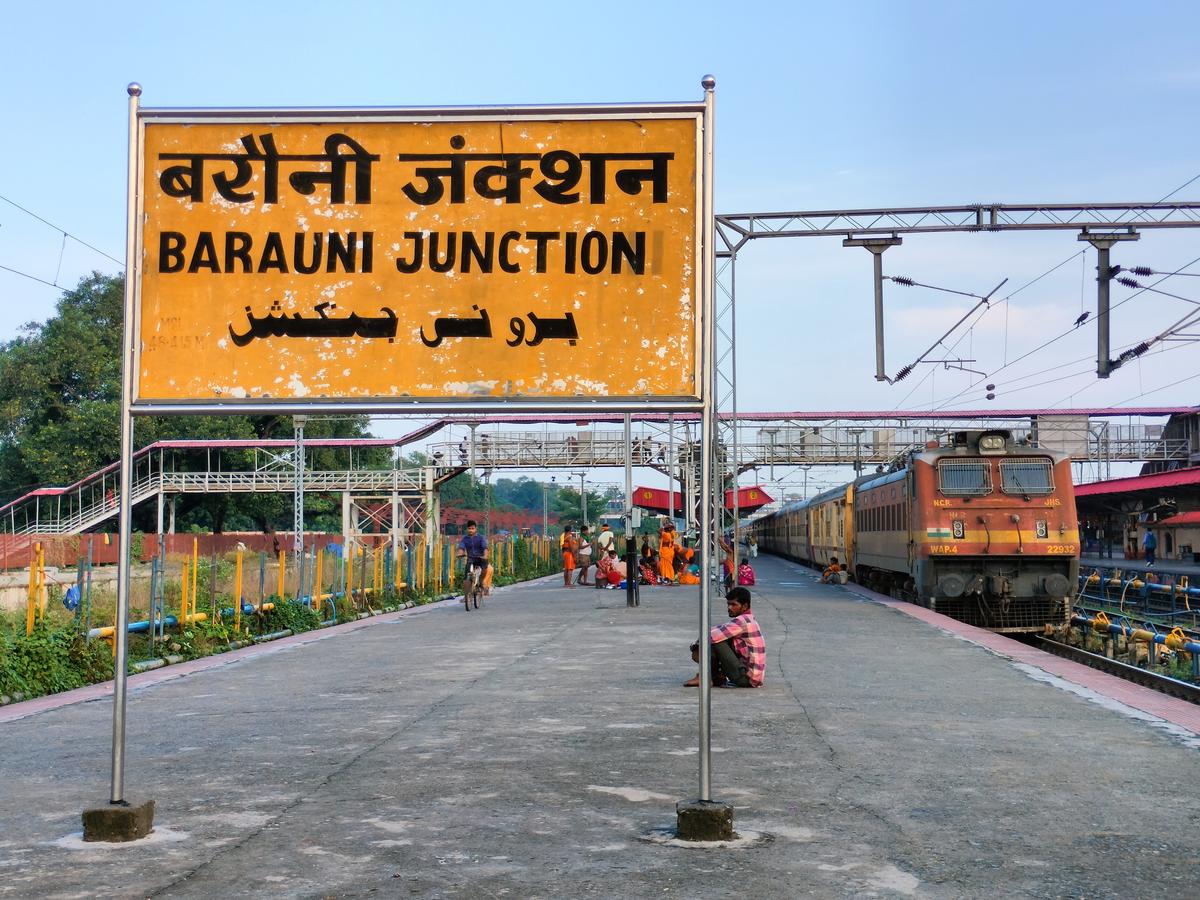
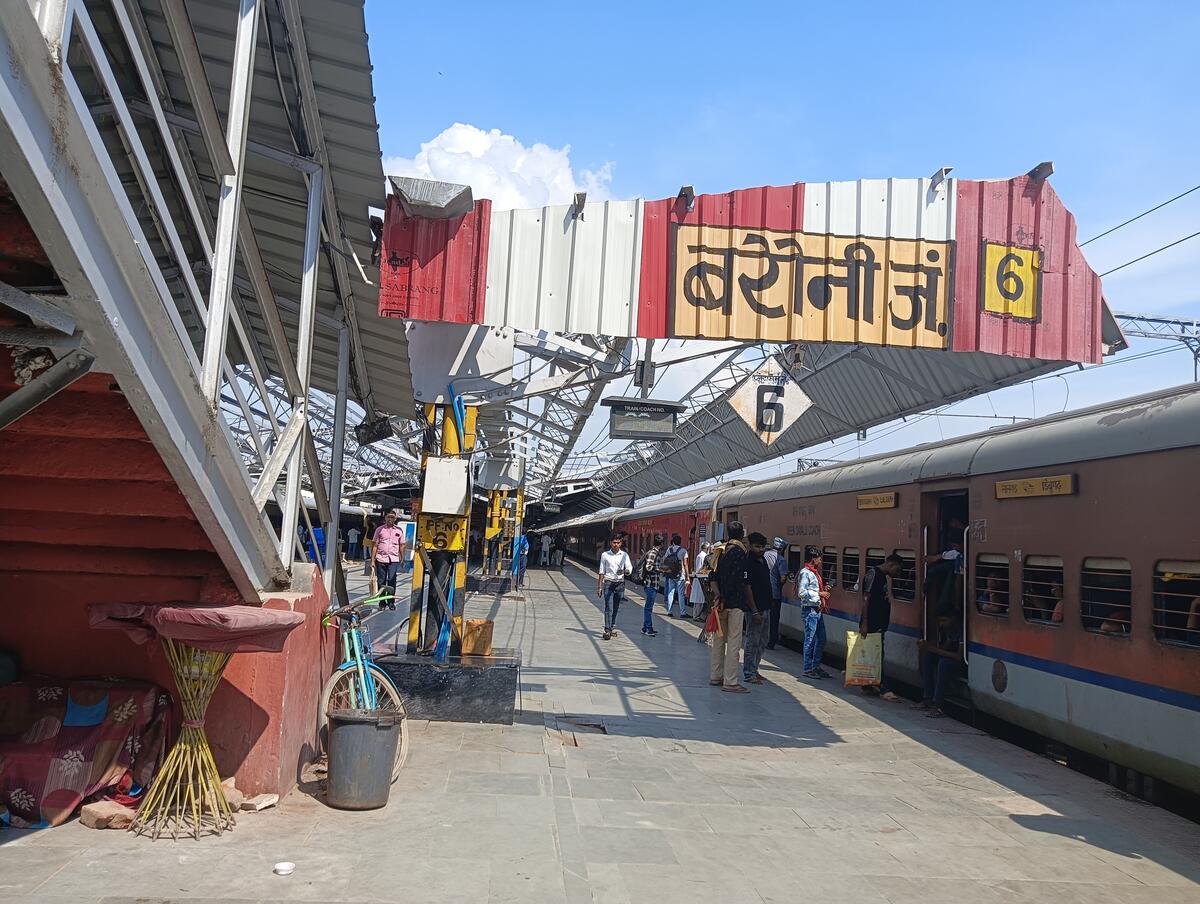
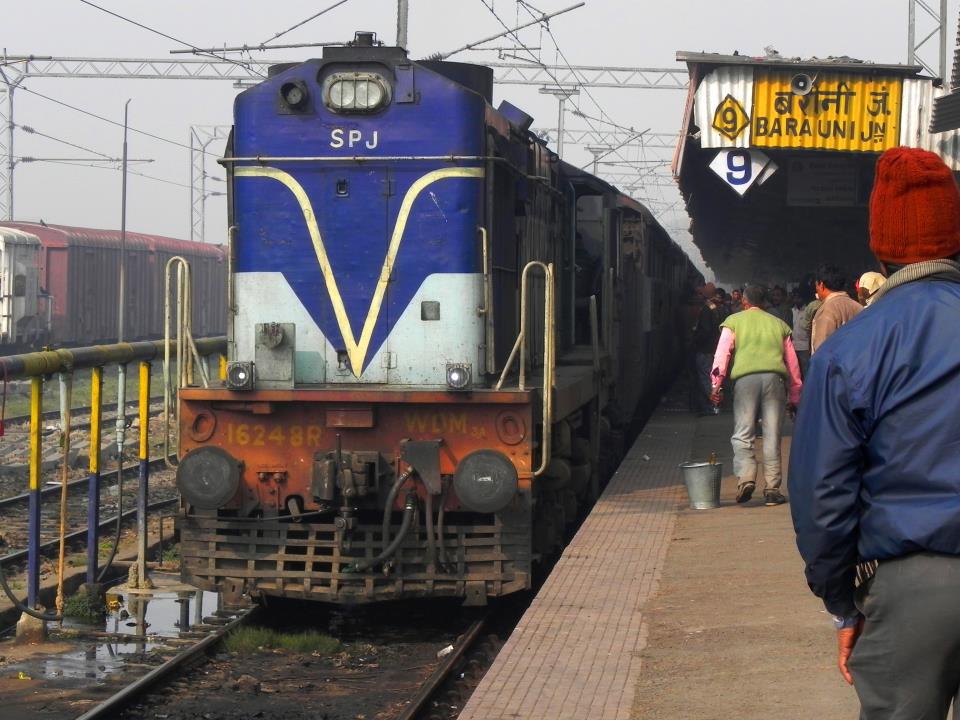
Barauni Junction railway station is the kind of place you understand only after watching it for a while. On paper, it sits in Begusarai district of Bihar under the East Central Railway. In reality, it acts like a crossroads where trains from very different directions pause, adjust, and move on again.
Routes toward Patna, Delhi, Kolkata, and the Northeast all pass through here, which naturally brings a steady mix of long distance travelers and local passengers onto the same platforms. With around nine platforms, the station is built to handle this constant flow without overcomplicating things.
There is also an electric locomotive shed nearby, quietly taking care of engine maintenance in the background. Barauni does not try to impress at first glance, but once you notice how many routes depend on it, you start to see why it matters so much.
About Barauni Junction Railway Station
Barauni Junction railway station is one of those stations that makes more sense when you look at the railway map than when you just stand on the platform. It sits in Begusarai district of Bihar under the East Central Railway, and what gives it importance is not appearance but position. Multiple railway lines meet here, which means trains are constantly being routed, adjusted, and sent in different directions. In simple terms, Barauni is less of a stop and more of a working junction that keeps trains flowing where they need to go.
Strategic Location and Network Connectivity
Barauni’s strength comes from where it is placed. It connects key directions across eastern and northern India without forcing trains to take long alternative routes. Lines from Barauni link toward Patna and further into the Delhi corridor, toward Katihar and the Northeast, and toward Samastipur and other parts of North Bihar. There is also connectivity toward Jhajha, which connects to one of the busiest main lines between Delhi and Howrah.
Because of this, many trains pass through Barauni not just to pick up passengers, but to continue their journey in a different direction. That is why it often feels active even when it does not look crowded in the way metro stations do.
Historical Growth and Development
Barauni’s importance is not something that appeared suddenly. It grew step by step as railway lines across Bihar were expanded to connect different regions more efficiently. When routes linking North Bihar with major corridors like the Delhi–Howrah line became more active, Barauni naturally turned into a meeting point for these lines. Over time, what started as a regular station became a junction simply because more trains needed a place to cross, switch directions, and continue their journey.
This kind of growth is common in Indian Railways, but at Barauni it is especially visible. The station developed because of necessity, not planning on paper. As traffic increased, its role became more defined and more important.
In recent years, initiatives by bodies such as the Indian Railway Stations Development Corporation have aimed to improve stations like Barauni. The idea is not to change their core function, but to make them more comfortable and efficient for passengers while they continue handling heavy train movement in the background.
Station Layout and Platform Arrangement
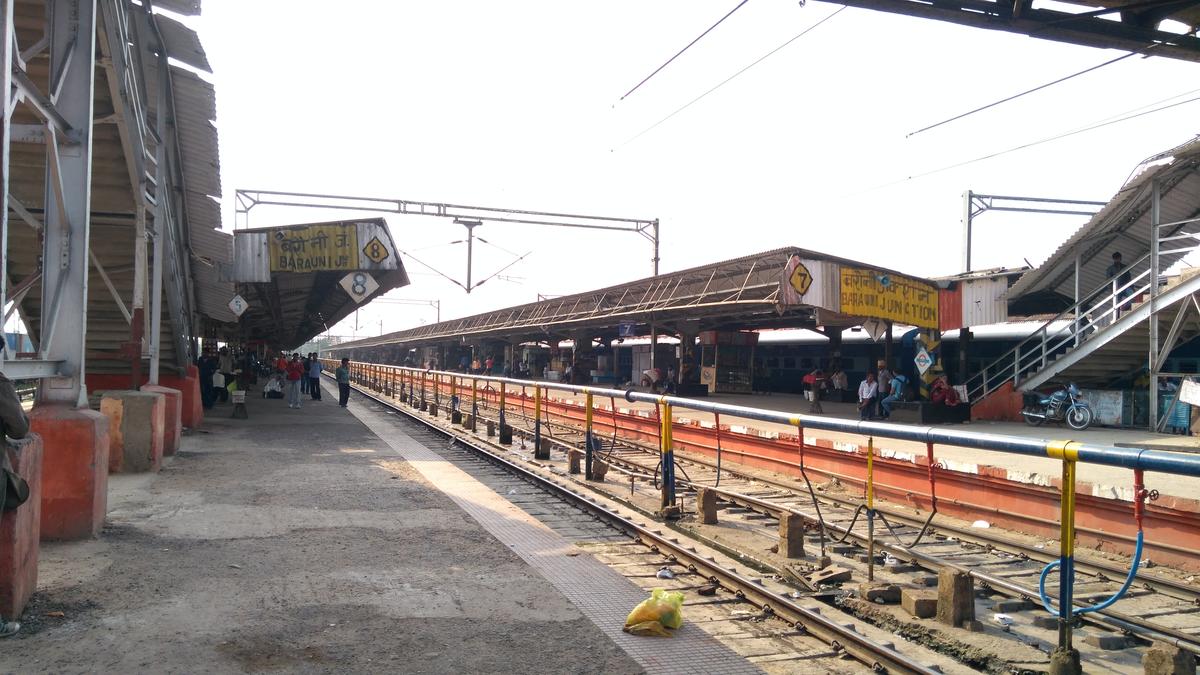
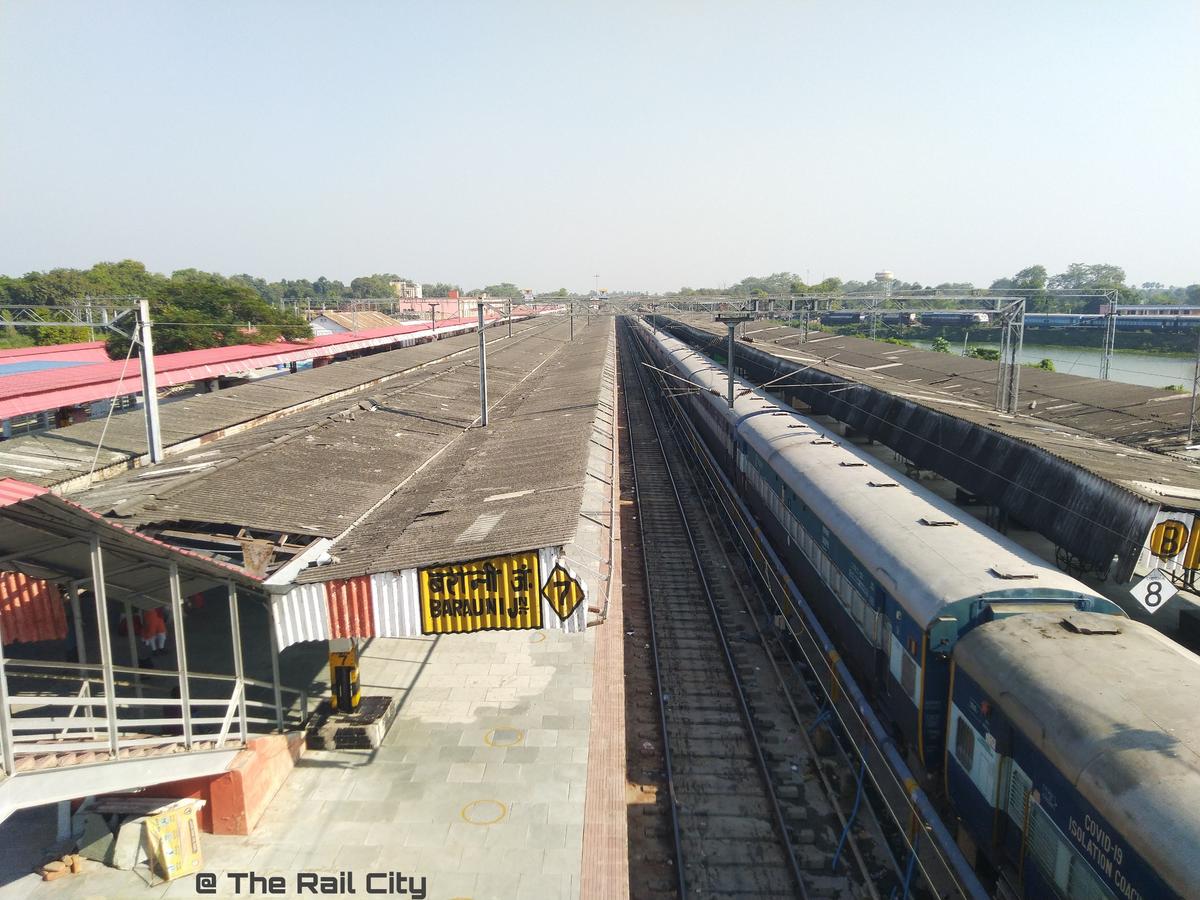
What stands out is how the tracks are arranged. Multiple lines run parallel, allowing trains to arrive and depart without waiting too long for clearance. At a busy junction, that matters more than anything else. Compared to a smaller stop like Valliyur Railway Station, where movement is simpler and less crowded, Barauni feels more like a system that is constantly managing flow rather than just handling arrivals. You will notice that even when trains come in close intervals, things keep moving without much visible chaos.
What stands out is how the tracks are arranged. Multiple lines run parallel, allowing trains to arrive and depart without waiting too long for clearance. At a busy junction, that matters more than anything else. You will notice that even when trains come in close intervals, things keep moving without much visible chaos.
Passenger Facilities and On-Ground Experience
Barauni focuses on getting the basics right. It offers waiting rooms, reservation counters, drinking water facilities, and standard sanitation services. There are small stalls on the platforms selling tea, snacks, and quick meals, which become especially active when trains arrive.
It is not a station built for luxury, and it does not try to be one. But for most travelers, whether they are catching a long-distance train or commuting locally, the facilities are sufficient and reliable. In a way, Barauni follows a simple rule: give people what they need, and keep everything moving.
Train Operations and Traffic Flow
At Barauni Junction, train movement feels less like a schedule and more like a continuous cycle. You will see long distance express trains passing through alongside passenger services that connect nearby towns, and in between, freight trains quietly doing their job. This mix is what keeps the station active almost all day without long empty gaps.
The busiest moments usually come in the early morning and again in the evening. That is when multiple trains arrive within short intervals, and platforms start filling up with a mix of travelers. It can look hectic for a few minutes, but the flow rarely breaks down.
What helps is the way Barauni is set up as a junction. Trains are not all heading in the same direction, so traffic naturally spreads out across different lines. Small delays do happen, which is normal at a junction of this scale, but operations are generally adjusted quickly. It is one of those places where things may look busy on the surface, yet keep moving with surprising consistency.
Role of the Electric Loco Shed
Just a short distance from the station, the Electric Loco Shed Barauni works quietly in the background, doing a job most passengers never notice. This facility is responsible for the maintenance and servicing of electric locomotives, ensuring that engines running through this region stay reliable and ready for long journeys.
Its presence makes a practical difference. When a locomotive needs inspection or minor repairs, it does not have to be sent far away, which helps reduce delays and keeps operations smoother. For a junction that handles trains coming from multiple directions, that kind of support matters more than it might seem.
In simple terms, Barauni is not just where trains arrive and depart. It is also one of the places that helps keep those trains in working condition. Think of it as a junction with its own backstage crew making sure the show keeps running on time.
Station Classification and Operational Importance
Within the structure of Indian Railways, Barauni Junction railway station is treated as a major junction because of what it handles every day. Its importance comes from consistent train movement, multiple route connections, and its role in linking North Bihar with larger national corridors.
It may not have the scale or crowd levels of big city terminals, but that is not really the point here. Barauni’s value shows up in how often trains depend on it to switch directions, continue toward different regions, or simply pass through without disruption. That kind of reliability is what keeps a large network functioning smoothly.
If the railway system were compared to a road network, Barauni would be one of those busy intersections where traffic never really stops, but somehow keeps flowing without turning into a jam.
Passenger Movement and Accessibility
Moving through Barauni Junction railway station is surprisingly straightforward for a junction of its importance. The station does not try to do anything complicated with its layout, and that actually works in its favor. Platforms are connected through foot overbridges, so crossing tracks is safe and fairly direct, without long detours.
What you will notice is that distances are manageable. You are not walking endlessly from one end to another like at some large city terminals. Even during busy hours, the flow of people remains steady because entry points, platforms, and exits are arranged in a practical way.
For first-time visitors, this simplicity makes a difference. You do not need to decode the station. A quick look around, a glance at the platform indicators, and you are usually on the right track. It is one of those places where getting around feels natural, which is not something every busy junction can claim.
Future Improvements and Modernization
Like many junctions under Indian Railways, Barauni Junction railway station is slowly moving through a phase of practical upgrades rather than dramatic transformation. The focus is on things passengers actually notice during a journey. Cleaner platforms, better seating in waiting areas, clearer train information displays, and improved basic facilities are all part of this gradual shift.
Efforts linked to bodies such as the Indian Railway Stations Development Corporation reflect a wider plan to make stations more user friendly without changing how they function at their core. Barauni is not being redesigned to look like a metro terminal, and honestly, it does not need to be.
The idea is simple. Keep the trains running as efficiently as they do now, but make the time passengers spend at the station a little more comfortable. Small upgrades, done right, tend to matter more here than big promises.