
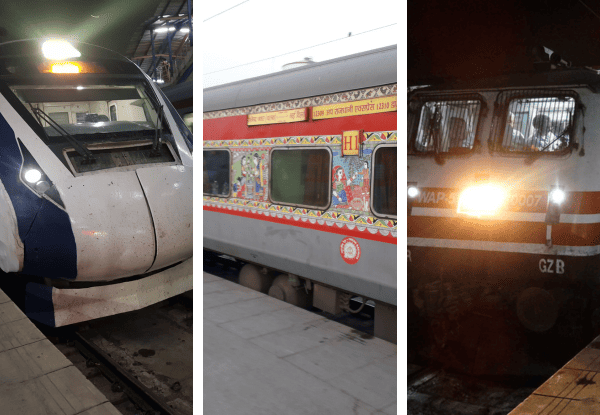
India’s fastest trains are not just about reaching early, they show how Indian Railways is quietly getting a serious speed upgrade. Leading the pack is the Vande Bharat Express, built in India and designed to touch 180 km per hour, though it currently runs up to 160 km per hour. Then comes the Gatimaan Express, India’s first semi high speed train, also clocking 160 km per hour on select routes. Trains like Rajdhani, Shatabdi, and Tejas Express follow closely, usually running between 130 to 150 km per hour depending on the track.
Here is the twist, many of these trains are capable of going faster, but tracks, safety systems, and signaling keep things controlled. So yes, no bullet train yet, but India is definitely picking up speed, one upgrade at a time.
Speed Visual Comparison
1. Vande Bharat Express
Top Speed: 180 km per hour
Operational Speed: up to 160 km per hour
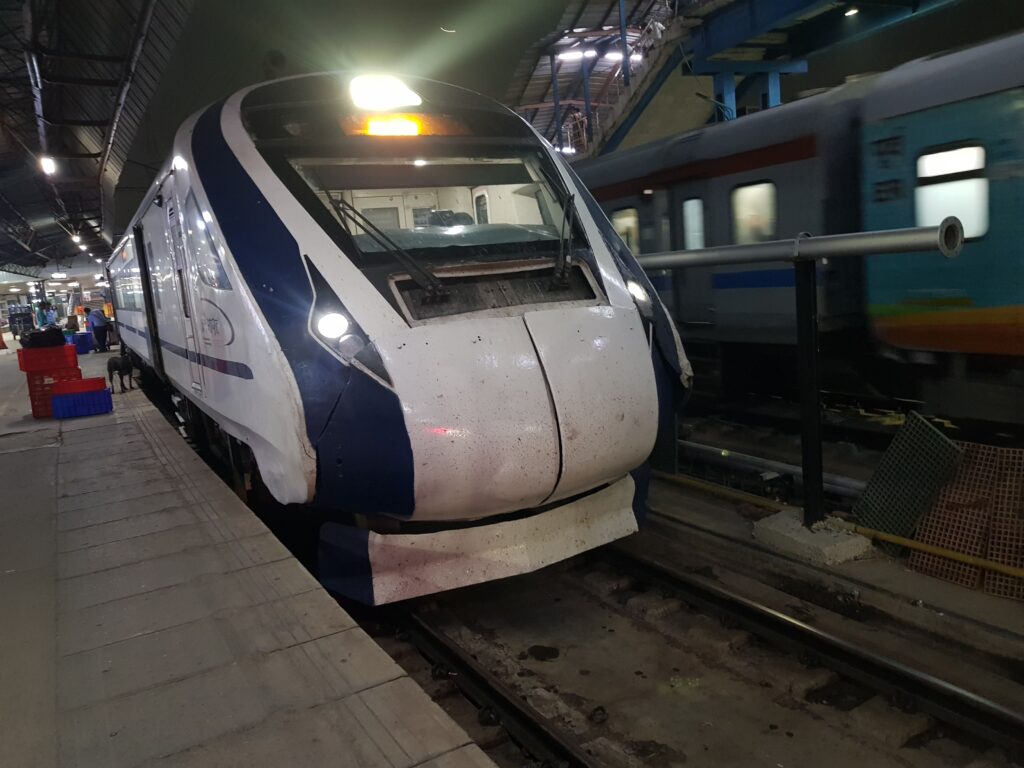
If you ever wanted to see what the future of Indian Railways looks like without waiting for a bullet train, this is it. The Vande Bharat Express is not your usual engine plus coaches setup. It is a train where the power is distributed across coaches, which is exactly why it accelerates much faster than traditional trains.
This matters more than people think. In India, trains stop frequently, and the ability to pick up speed quickly after every halt actually saves a lot of time. That is one reason why routes like Delhi to Varanasi and Delhi to Bhopal saw noticeable time reductions after Vande Bharat was introduced.
It is officially designed for 180 km per hour, but right now Indian tracks and signaling systems allow a maximum of 160 km per hour on select routes. Still, even at that speed, it is among the fastest and most efficient trains running today.
And yes, the automatic doors, quieter ride, and overall smoothness make you feel like you accidentally boarded something from the next decade.
2. Gatimaan Express
Top Speed: 160 km per hour
Operational Speed: up to 160 km per hour
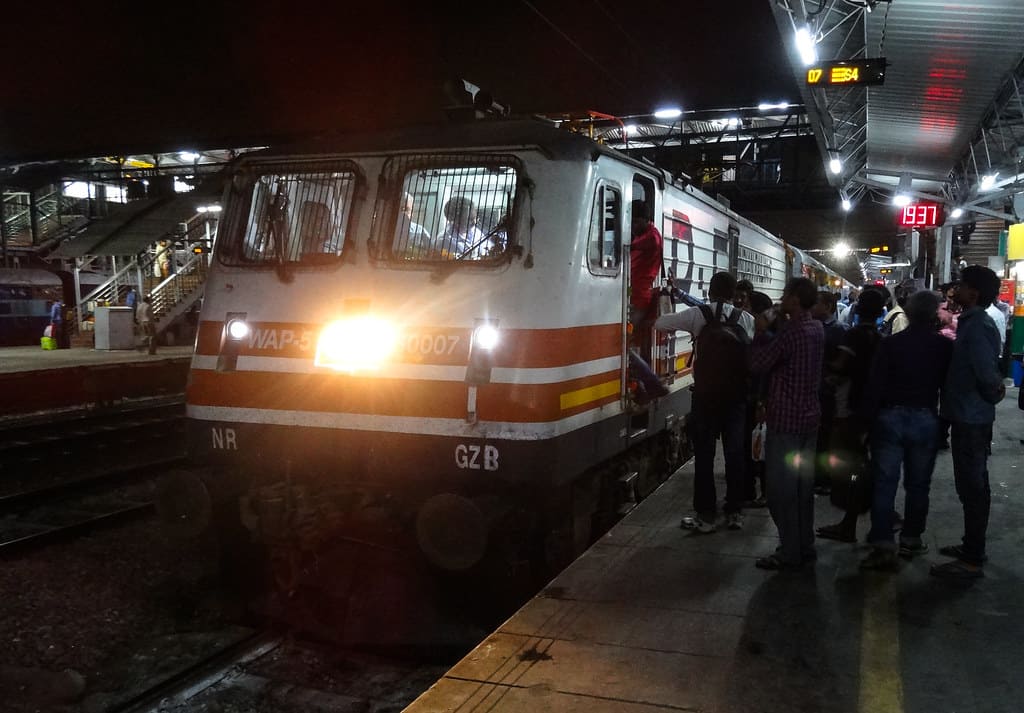
Before Vande Bharat became the headline, Gatimaan Express was the train that proved India could actually run at 160 km per hour in real conditions.
It runs between Delhi and Jhansi, covering the famous Delhi to Agra stretch. This route was one of the first to be upgraded for higher speeds, which is why Gatimaan could consistently hit its top operational speed.
What makes Gatimaan interesting is not just the number 160, but the fact that it actually uses that speed on a regular basis, unlike many trains that are capable on paper but restricted in reality.
If you are heading to Agra, this train can get you there in about 100 minutes. That is faster than most people can finish a proper breakfast at home.
3. Rajdhani Express
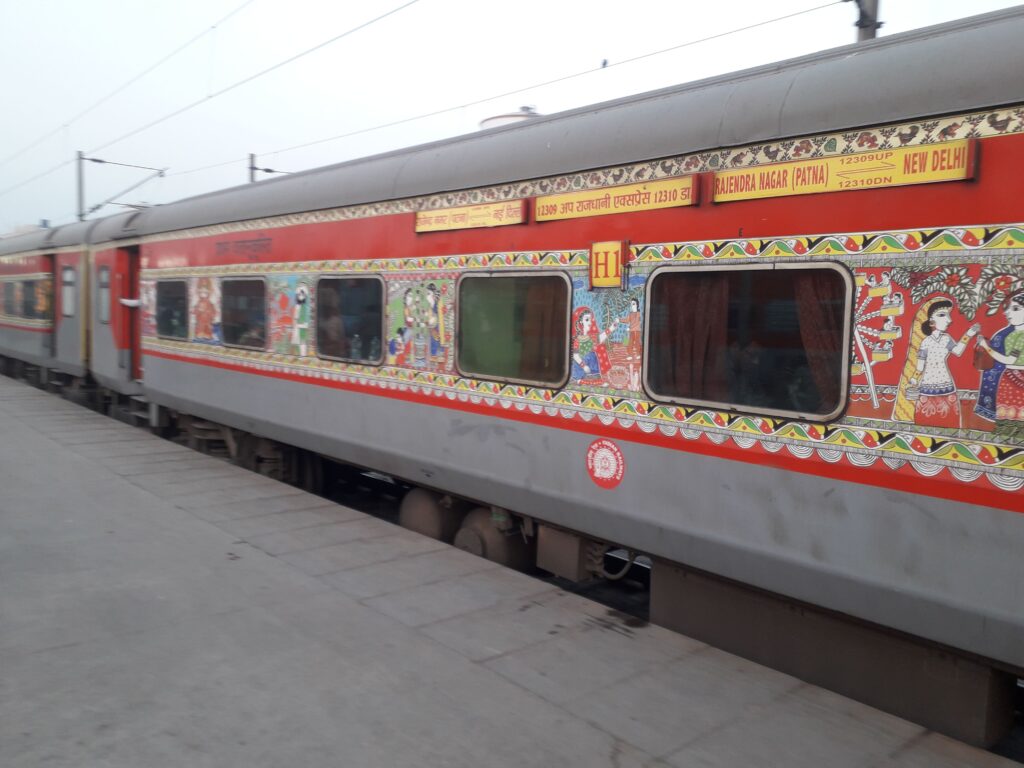
Top Speed: up to 130 to 140 km per hour
Operational Speed: around 120 to 130 km per hour
Rajdhani Express trains are not new, not flashy, and definitely not trying to impress anyone. But when it comes to serious long distance speed, they quietly do the job better than most.
Introduced in 1969, Rajdhani trains connect Delhi with major cities across India, and they are given the highest priority on tracks. That priority is the real secret behind their speed. Fewer delays, fewer stops, and smoother movement across busy routes.
While their top speed is lower than Vande Bharat or Gatimaan, their average speed over long distances is often very strong. Covering hundreds of kilometers overnight while maintaining consistency is not easy, especially on one of the busiest rail networks in the world.
In simple words, Rajdhani is less about sprinting and more about running a clean, uninterrupted marathon.
4. Shatabdi Express
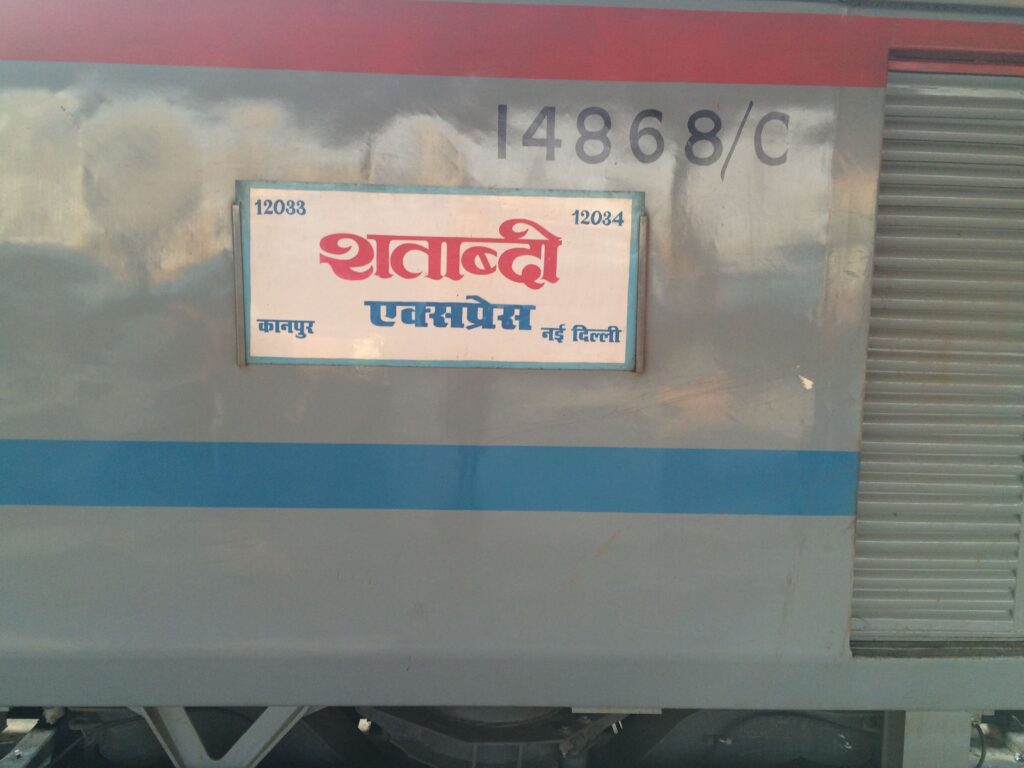
Top Speed: up to 150 km per hour
Operational Speed: around 120 to 130 km per hour
Shatabdi Express trains are built for people who want to go fast and come back the same day. These are day trains connecting major cities over medium distances, and they have been doing that job reliably for decades.
Some routes, like the Delhi to Bhopal Shatabdi, are among the fastest in terms of average speed. The train does not just reach high speeds, it maintains them efficiently because of limited stops and well maintained routes.
Unlike long distance trains, Shatabdi focuses on quick, comfortable, and time efficient travel. You board in the morning, reach your destination, finish your work, and can even return the same day.
It is not trying to break records, but it quietly saves hours of travel time for thousands of people every day.
5. Tejas Express
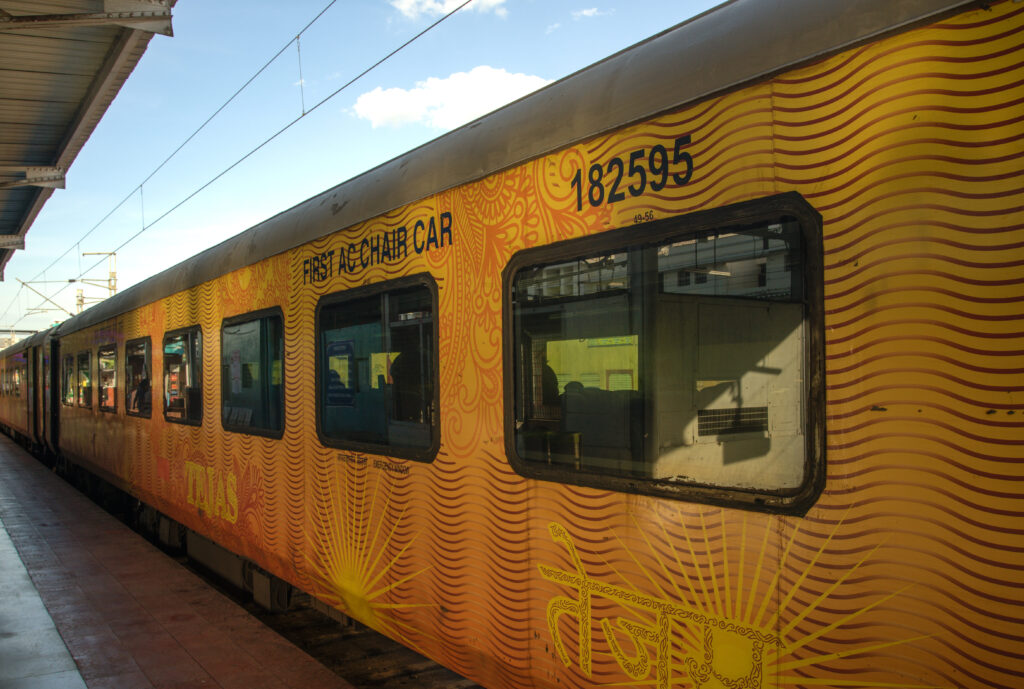
Top Speed: 160 km per hour (design)
Operational Speed: around 130 to 140 km per hour
Tejas Express is what happens when Indian Railways decides speed alone is not enough and adds a bit of style to the mix.
While it shares similar speed capabilities with trains like Shatabdi and Rajdhani, Tejas focuses more on passenger experience. Routes like Mumbai to Goa and Lucknow to Delhi made it popular not just for how fast it runs, but for how comfortable the journey feels.
The train is designed for 160 km per hour, but like others, actual speeds depend on track conditions. What you do get, though, is a smoother ride, modern interiors, and features that feel closer to airline travel than traditional rail.
It is basically Indian Railways saying, “we can go fast, and we can make it look good too.”
| Train | Top Speed | Operational Speed | Type |
|---|---|---|---|
| Vande Bharat Express | 180 km/h | 160 km/h | Semi High Speed |
| Gatimaan Express | 160 km/h | 160 km/h | Semi High Speed |
| Rajdhani Express | 140 km/h | 130 km/h | Long Distance |
| Shatabdi Express | 150 km/h | 130 km/h | Day Train |
| Tejas Express | 160 km/h | 140 km/h | Premium Train |
1 thought on “5 Fastest Trains in India with Their Real Top Speeds”