
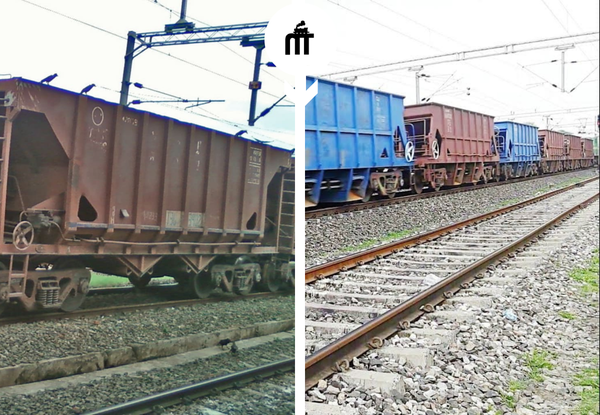
Most people think trains are about travel, but the real action happens behind the scenes. Indian Railways moves massive amounts of coal, iron ore, steel, and cement every single day, and coal alone makes up nearly half of its total freight. These long, heavy freight trains are what keep power plants running and cities growing.
Based on Indian Railways freight data, coal contributes nearly half of total freight loading.
In this article, we look at 7 of the most important freight train systems actually used in India, like BOXN coal wagons and high-capacity freight corridors. You will see where they run, what they carry, and why they matter more than we usually notice. It is simple, real, and straight to the point, because without these trains, daily life would slow down faster than a delayed express.
BOXN / BOXNHL Wagons
Used for: Coal
Role: Power plant supply
Routes: Eastern mining belts
High VolumeBOBRN Wagons
Used for: Coal
Role: Fast unloading
Where: Automated plants
Fast UnloadingBOBY / BOBSN Wagons
Used for: Iron ore
Role: Heavy transport
Routes: Mines to steel plants
Heavy LoadBOST Wagons
Used for: Steel
Role: Safe delivery
Where: Industrial routes
Protected CargoBCN / BCNA Wagons
Used for: Cement
Role: Moisture protection
Where: Nationwide
Covered WagonDedicated Freight Corridors
Used for: Multi-cargo
Role: Faster trains
Where: Eastern & Western
High CapacityMGR System
Used for: Coal loop
Role: Continuous supply
Where: Mine to plant
Continuous Flow1. BOXN / BOXNHL Wagons – Primary Coal Transport Wagons
If you strip Indian Railways down to what truly matters for daily life, you’ll find coal at the center of it. And moving that coal is mostly the job of BOXN wagons. These open wagons are built to carry bulk coal from mining regions like Jharkhand, Odisha, and Chhattisgarh to thermal power plants across the country.
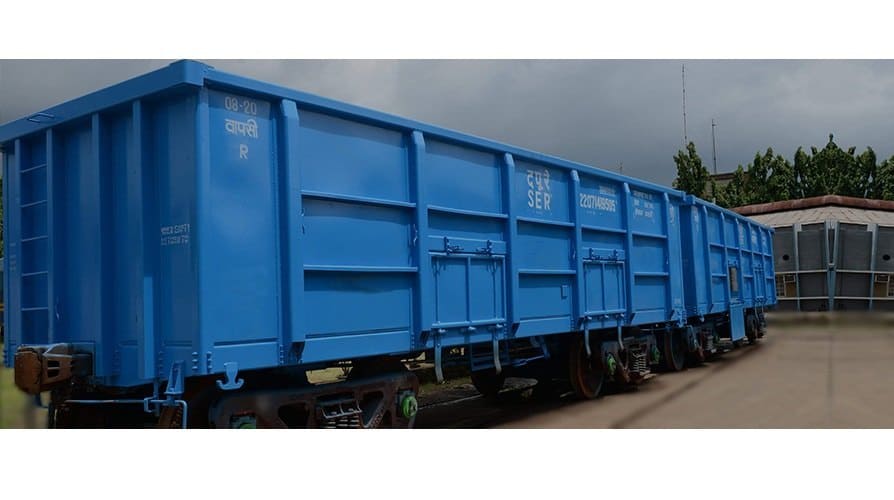
Coal alone contributes close to half of Indian Railways’ total freight loading, which tells you how critical these wagons are. The newer BOXNHL version simply carries more load, making each trip more efficient. Nothing fancy here, just long, dusty trains doing one very important job, making sure your fan and lights actually work.
2. BOBRN Wagons – Rapid Discharge Coal Wagons
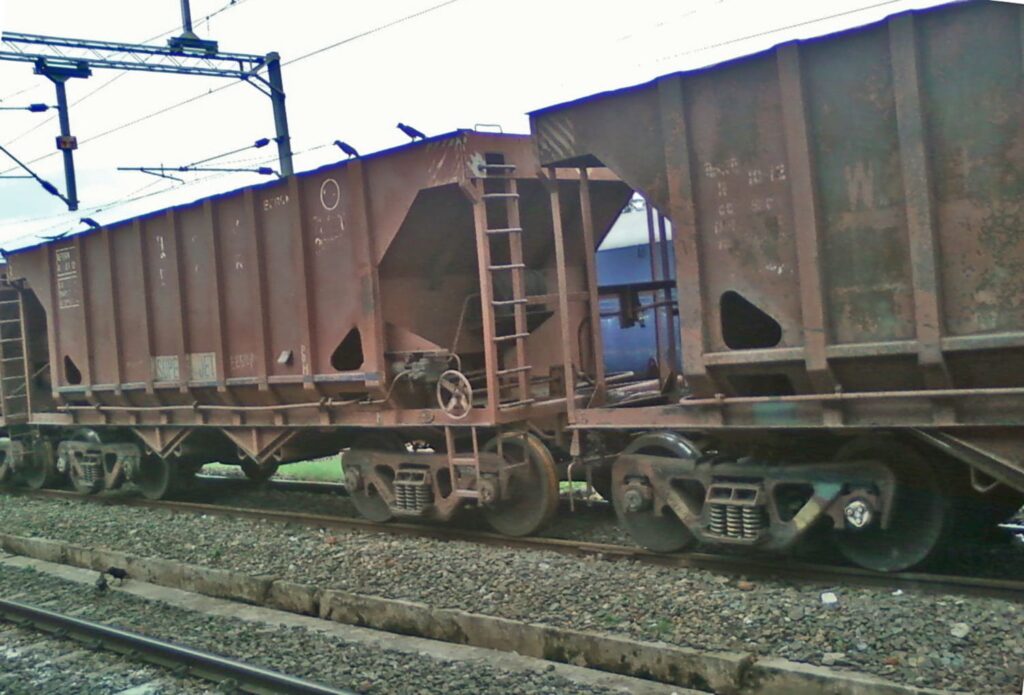
Coal transport is only half the story. Getting it off the train quickly matters just as much. That’s where BOBRN wagons come in. These are designed with bottom discharge systems, which means coal can be unloaded directly into pits without the slow manual process.
You’ll usually find them at power plants with automated handling systems. Instead of waiting for hours, these trains unload in a fraction of the time. It’s the kind of upgrade you don’t notice, but it quietly saves time, labour, and keeps the entire supply chain moving without delays.
3. BOBY / BOBSN Wagons – Iron Ore Transport Wagons
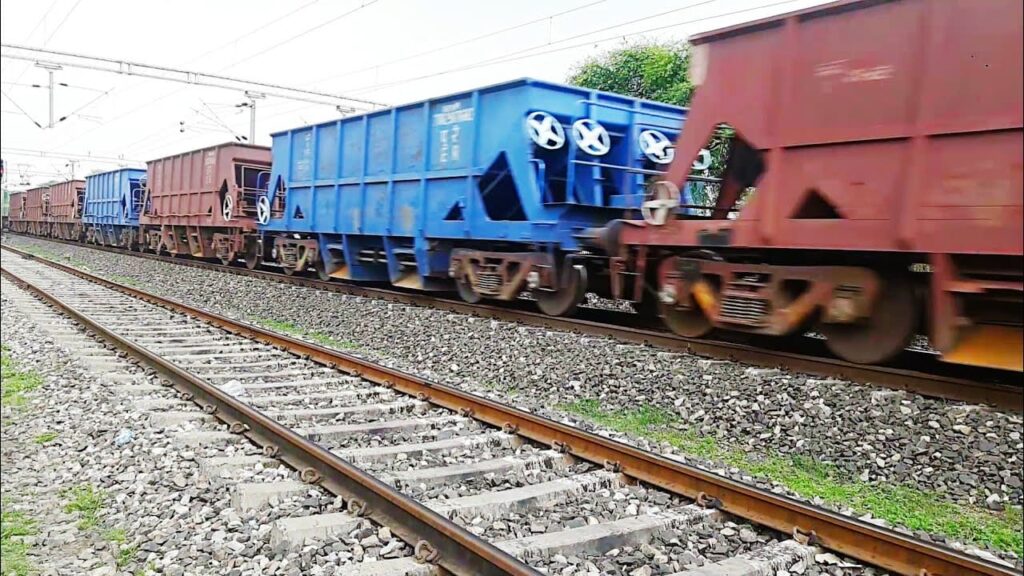
Before steel becomes bridges, buildings, or railway tracks, it starts as iron ore. And iron ore is heavy. Really heavy. That’s why Indian Railways uses wagons like BOBY and BOBSN, designed to handle dense mineral loads.
These trains run heavily in mineral corridors, especially from Odisha and Jharkhand towards steel plants and ports. Without them, steel production would slow down long before it even begins. They may not look different at first glance, but they handle some of the toughest loads on the network.
4. BOST Wagons – Steel Coil and Finished Steel Transport Wagons
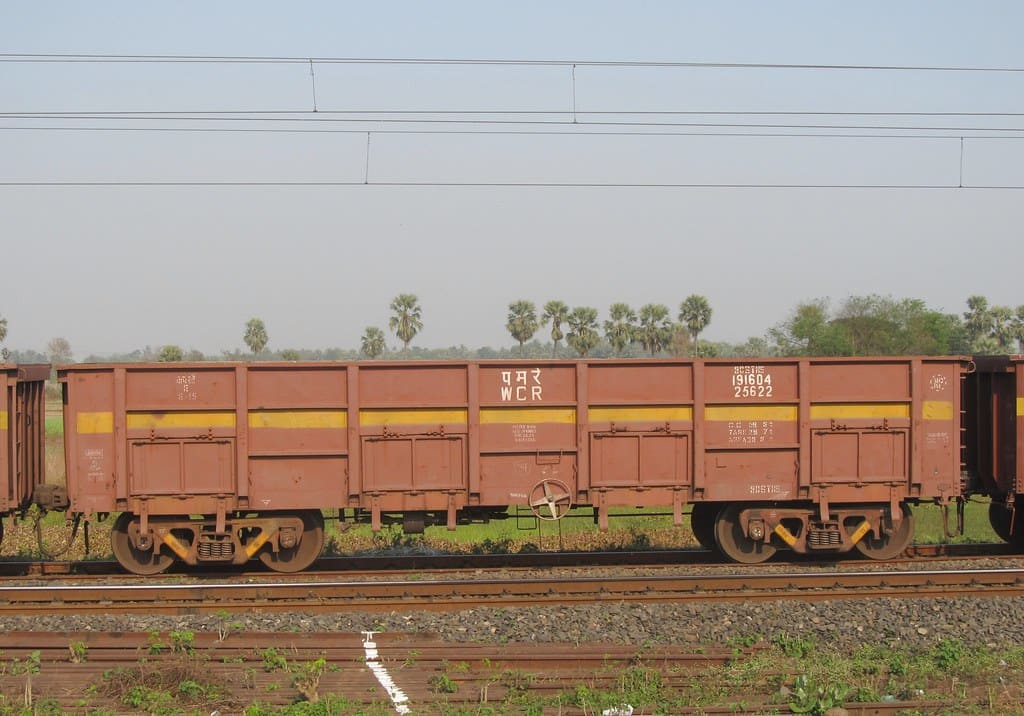
Transporting iron ore is one thing, but finished steel needs more care. Steel coils and plates are valuable and need protection during transit. That’s where BOST wagons come into play.
Used by major steel producers like SAIL and Tata Steel, these wagons are built to carry finished products across long distances without damage. Every rail, beam, or coil you see at a construction site likely spent some time in one of these wagons. It’s a quieter part of the process, but a very important one.
5. BCN / BCNA Wagons – Covered Wagons for Cement and Bagged Cargo
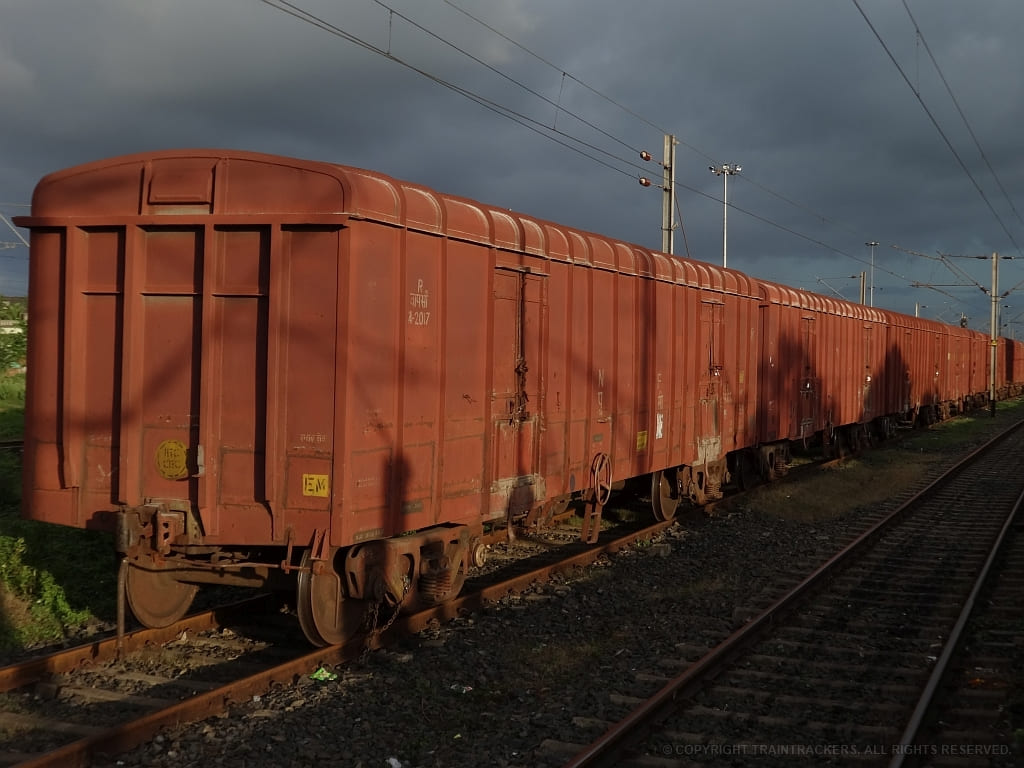
Cement has one big weakness. Moisture. And in a country with unpredictable weather, that’s a real problem during transport. BCN and BCNA wagons solve that by being fully covered.
They carry cement, fertilizers, and other bagged materials across the country. It might not sound exciting, but imagine receiving a shipment of cement that’s already hardened. These wagons make sure that doesn’t happen. Sometimes the simplest design solves the biggest problem.
6. Dedicated Freight Corridors (DFC) – High-Capacity Freight Rail Network
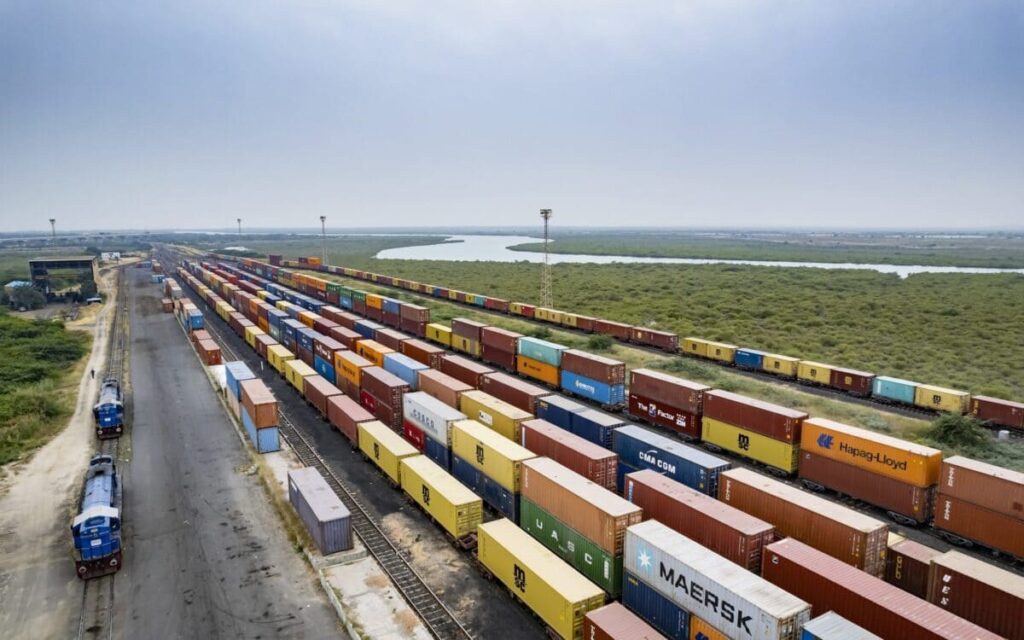
For years, freight trains had to share tracks with passenger trains, which often meant delays. The Dedicated Freight Corridors changed that completely.
The Eastern and Western DFC routes are built specifically for freight, allowing heavier and longer trains to run faster and more reliably. Speeds can go up to around 100 km per hour, which is a big deal for freight movement.
This isn’t just an upgrade, it’s a shift in how India moves goods. Less congestion, better timing, and more capacity. It’s like finally giving trucks their own highway, but on rails.
7. MGR System (Merry-Go-Round) – Closed-Loop Coal Transport System
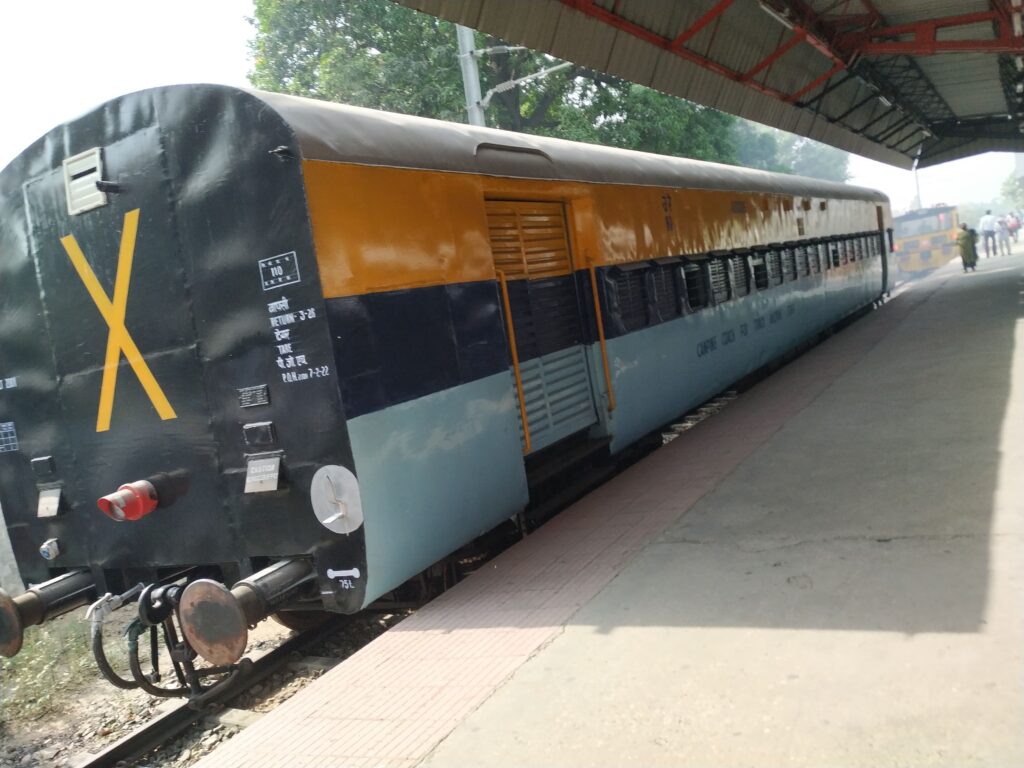
This one feels almost like a clever shortcut. The Merry-Go-Round system is a closed loop setup between coal mines and nearby power plants. Instead of trains going back and forth across long routes, they keep moving in a continuous cycle.
They load coal, deliver it, unload, and head back without the usual delays of the broader network. Large thermal power plants rely heavily on this system because it ensures a steady and uninterrupted supply of coal.
It’s not something you’ll notice on a regular journey, but it’s one of the most efficient freight systems in operation.