

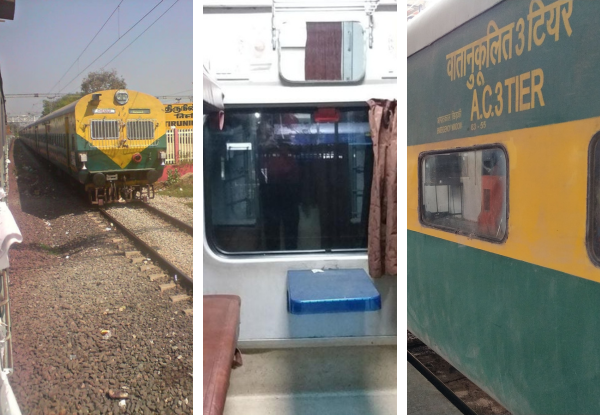
Traveling with a patient by train is not about speed or scenery. It is about one simple thing, keeping the journey as easy as possible. Anyone who has done this knows even a small jerk, delay, or crowded coach can feel ten times worse when someone is unwell. The good part is, not all trains feel the same. Some routes are smoother, some trains run more on time, and AC coaches usually stay cleaner and less crowded, which actually matters more than people think.
Trains connecting major medical cities like Chennai, Delhi, and Mumbai are often better maintained for this reason. This article picks 11 such trains based on real factors like ride comfort, cleanliness, and reliability. Because when you are traveling with a patient, a slightly smoother journey is not a luxury, it is a necessity.
There is no official label in Indian Railways that says “best train for patients.” So this list is built the practical way, the way people actually experience journeys.
Choose the right train based on the situation
Short Journey (4–6 hrs)
If the patient can sit and you want a smoother, faster trip.
Vande BharatOvernight Travel
If rest and lying down comfortably matters more.
Rajdhani ExpressBudget with AC Comfort
If you need decent comfort without high cost.
Humsafar ExpressLess Stops, Less Disturbance
If frequent halts make the journey uncomfortable.
Duronto Express1. Vande Bharat Express
If you ask someone who has travelled on Vande Bharat, the first thing they’ll usually say is, “It doesn’t feel like a typical train.” And that is exactly why it works well for patients.
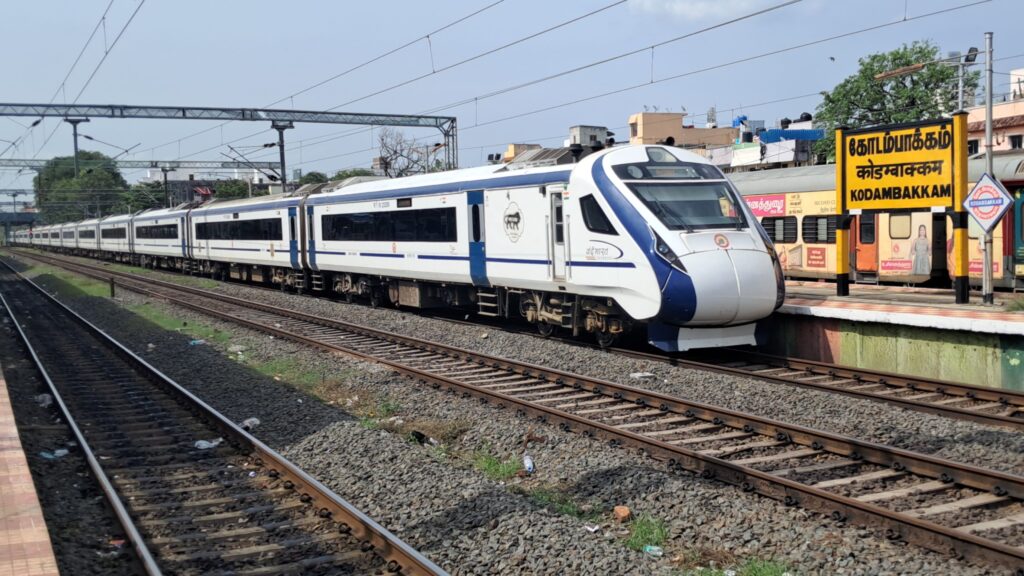
The train uses a distributed power system, which in simple words means less jerky starts and stops. The ride feels more controlled. Fully air-conditioned coaches, sealed windows, and better cleanliness also help maintain a stable environment.
The only catch is simple. It is all seating. So if a patient needs to lie down, this may not be the best option. But for shorter journeys, it is easily one of the most comfortable rides available today.
2. Rajdhani Express
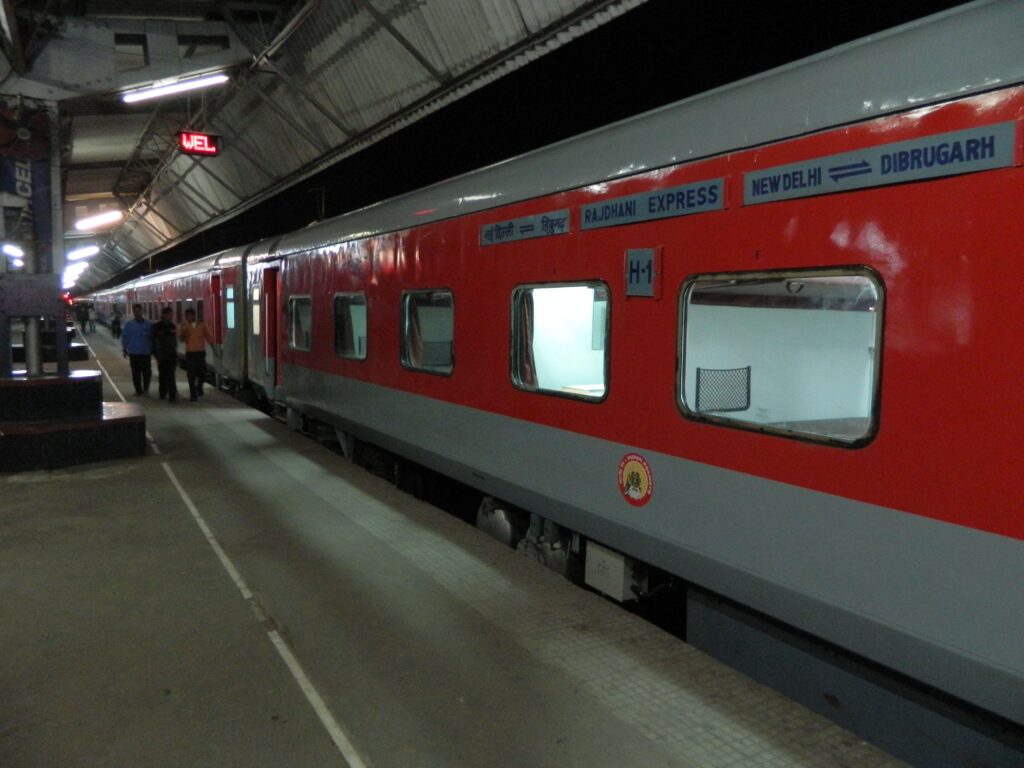
Rajdhani is one of those trains people trust without thinking twice, especially for long journeys.
It runs with high priority across the network, which means it is less likely to get stuck waiting for other trains. That alone reduces a lot of travel stress. The coaches are fully air-conditioned, and bedding is provided, which makes overnight travel much easier for someone who needs rest.
It is not perfect, delays can still happen, but compared to most long-distance trains, Rajdhani tends to be more reliable. And when you are traveling with a patient, predictability matters more than speed.
3. Duronto Express
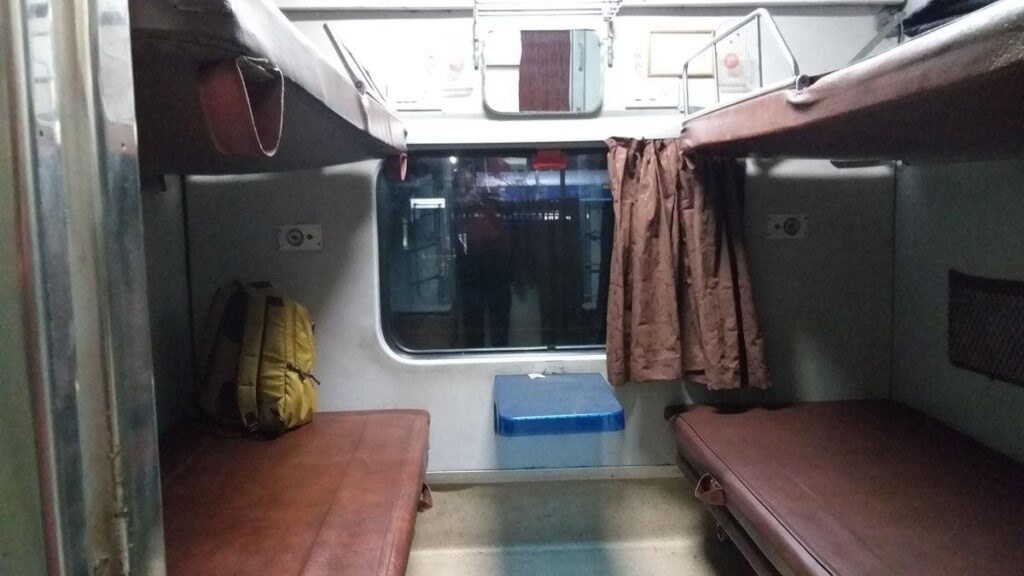
Duronto trains were introduced to reduce travel time by cutting down unnecessary stops. And that idea still holds value.
Fewer stops mean fewer sudden brakes, fewer interruptions, and a more continuous journey. For a patient who finds constant movement uncomfortable, this can actually make a noticeable difference.
It is not as premium as Rajdhani in every case, but when it comes to getting from point A to B with fewer disturbances, Duronto does its job well.
4. Shatabdi Express
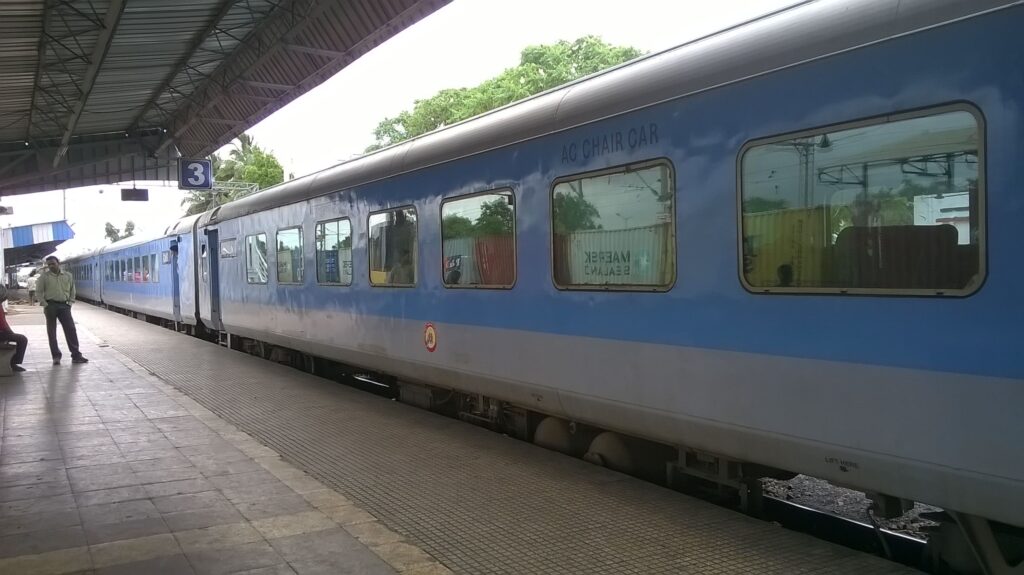
Shatabdi trains have been around for years, and they have quietly built a reputation for being dependable day trains.
They run mostly on well-maintained routes and are known for relatively better punctuality. The seating is comfortable for daytime travel, and the journey is usually smooth enough for patients who do not need to lie down.
Think of it as a practical choice. Not fancy, not stressful, just reliable.
5. Tejas Express
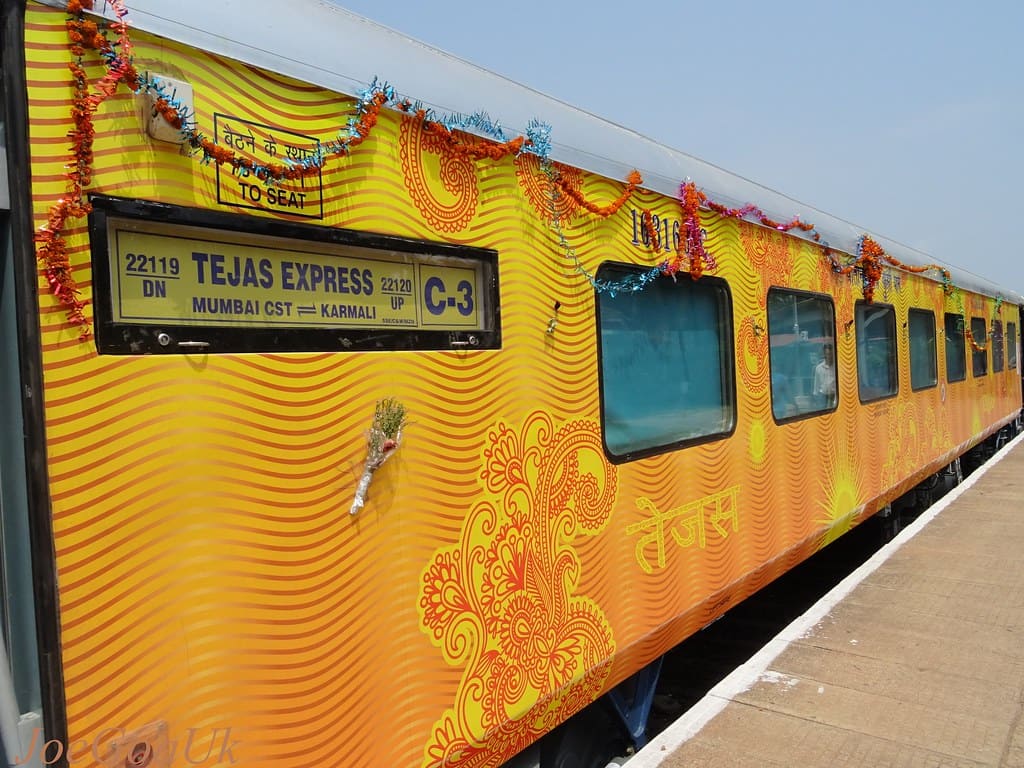
Tejas trains were introduced to improve onboard experience, and that shows.
Cleaner interiors, better lighting, and slightly more attention to service create a calmer environment. And when you are traveling with a patient, even small things like a cleaner washroom or quieter coach start to matter a lot more than usual.
It is not available on every route, but where it runs, it is a good option.
6. Garib Rath Express
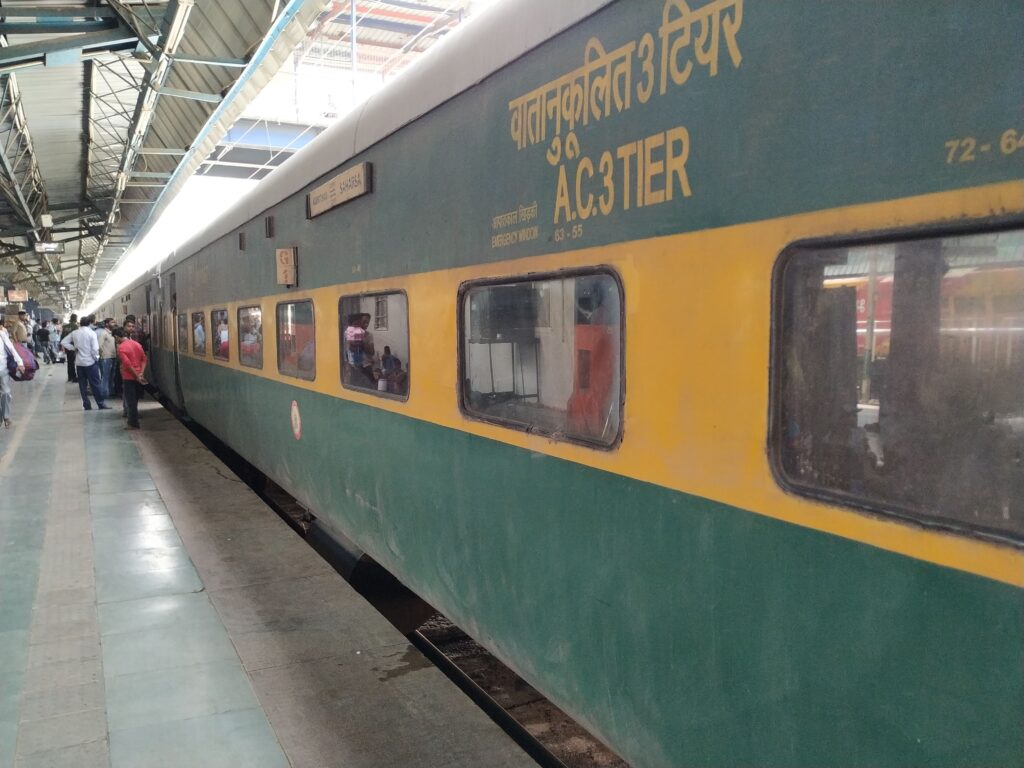
Now this one is a bit of a mixed bag, but still worth mentioning.
Garib Rath trains are fully air-conditioned, which is a big advantage. They are more affordable than premium trains, making them accessible for many families.
But yes, they can get crowded. So this is one of those choices where you trade a bit of space for cost. If budget is a concern, it is still far better than non-AC travel for a patient.
7. Humsafar Express
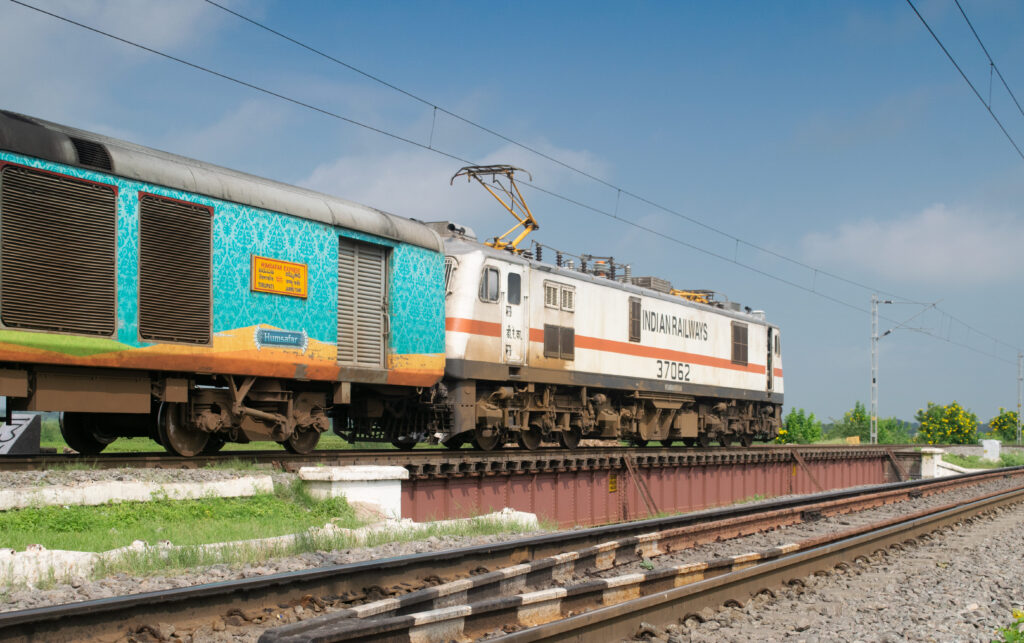
Humsafar trains sit somewhere in between budget and premium.
They usually run with only 3AC coaches and have slightly more modern interiors. For long-distance travel, they offer a decent balance between comfort and affordability.
They are not as high-priority as Rajdhani, but they are still a solid option when chosen carefully.
8. Chennai to Vellore Route Trains
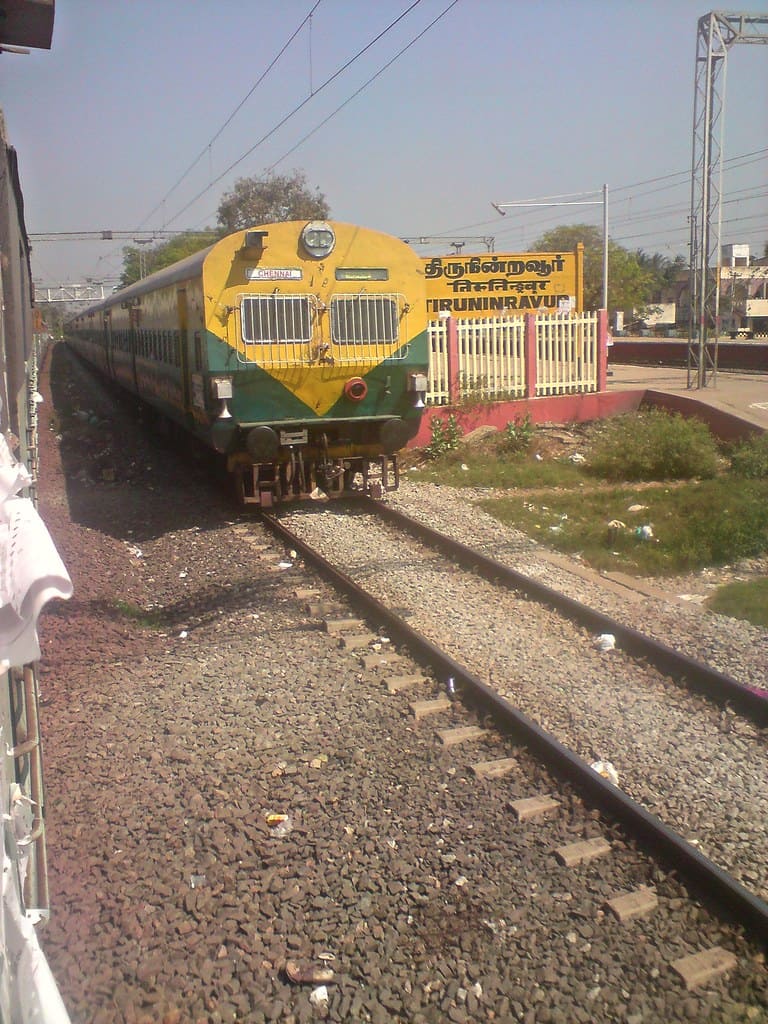
This is not about one train, but about a route that matters a lot.
The Chennai to Vellore stretch is one of the most important medical corridors in India, mainly because of CMC Vellore. Because of this, there are frequent trains, and travel time is relatively short.
For patient travel, frequency itself becomes comfort. You are not stuck waiting for one specific train. You have options, and that reduces pressure.
9. Kerala Express
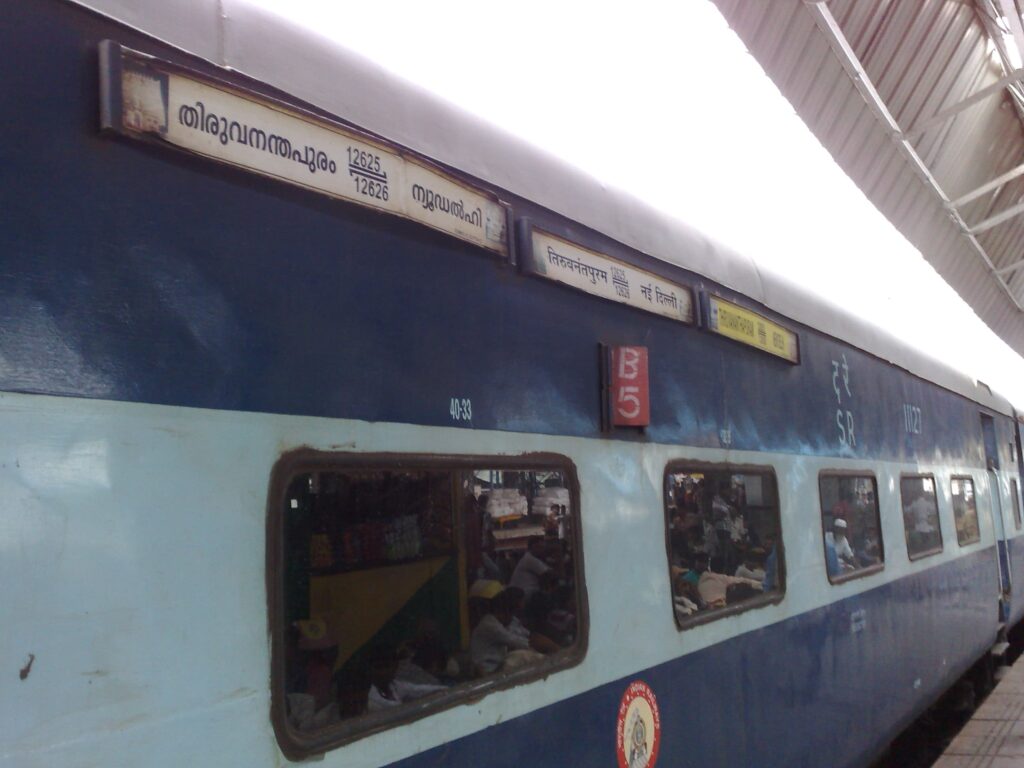
Kerala Express is a long-distance train that connects multiple major cities across the country.
It is not the fastest, but it is consistent and widely used. For patients traveling across states, especially when direct premium trains are not available, this becomes a practical option.
It offers multiple AC classes, which gives flexibility depending on the patient’s needs.
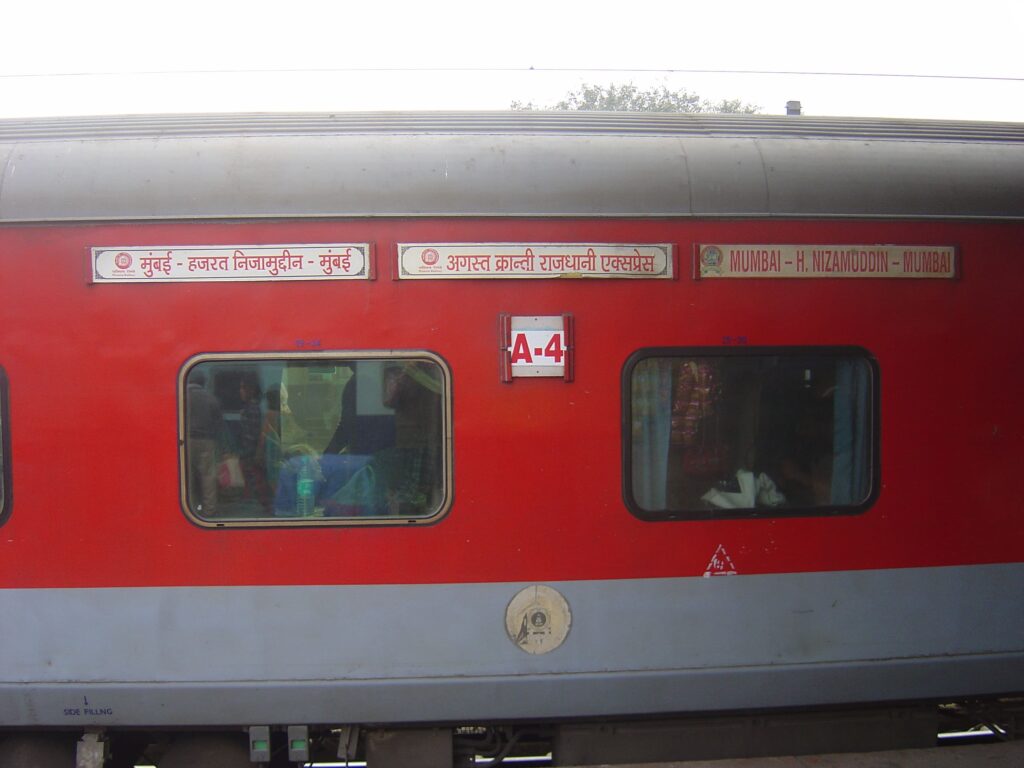
10. Mumbai Routes via Rajdhani and Mail Trains
Mumbai is home to some of India’s most important hospitals, including Tata Memorial.
Because of this, routes connecting Mumbai are well-served by Rajdhani and other long-distance trains. Choosing a higher-priority train here can make a big difference in reducing delays and overall travel stress.
Sometimes, the right route matters more than the train name itself.
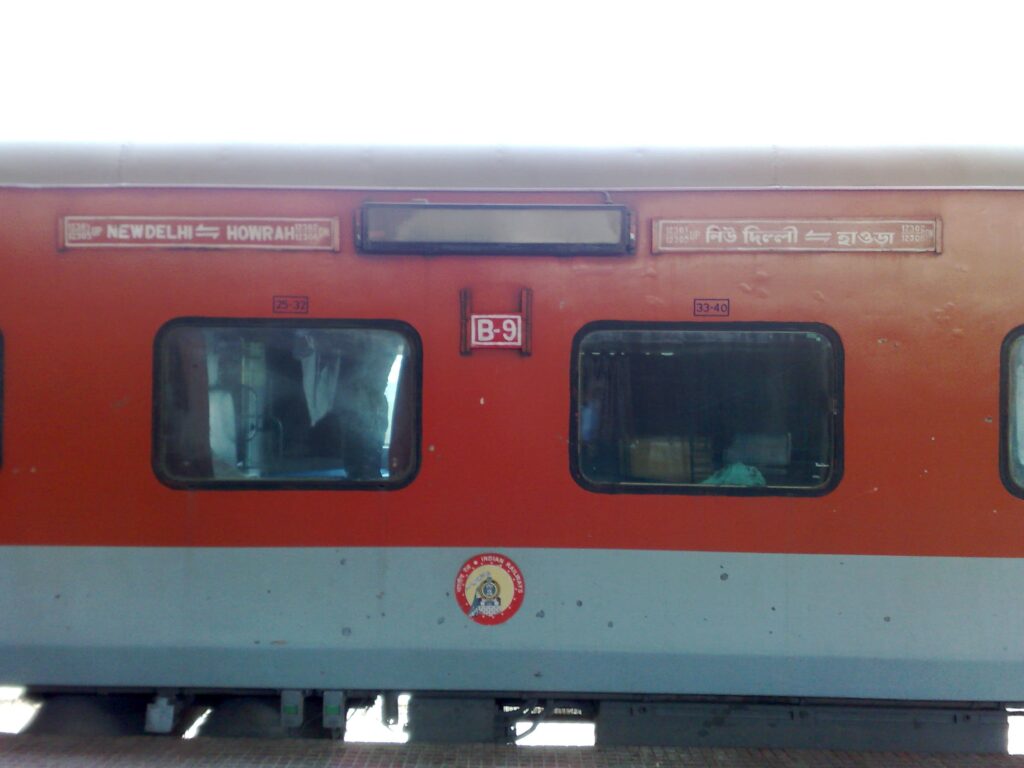
11. Howrah Rajdhani
The Howrah Rajdhani runs on one of the busiest corridors in India, yet it manages to stay relatively reliable.
It operates on high-priority tracks and generally maintains good timing compared to many other long-distance trains. For eastern India, this is one of the more dependable options for patient travel.
Traveling with a patient is rarely simple. You are not thinking about views or speed, you are just hoping everything stays calm and manageable.
No train is perfect. Delays can happen, and every journey comes with its own challenges. But choosing the right train and coach quietly removes many of the small problems that make travel harder.
And sometimes, a slightly smoother journey is all it takes to make a difficult situation feel a little easier.
1 thought on “11 Indian Trains Ideal for Patients Traveling by Rail”