
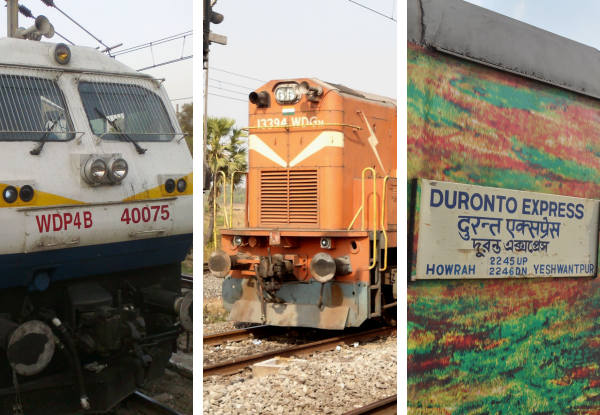
Ever stood near a railway track and felt like the train was louder than your thoughts? That’s not your imagination. Some Indian trains are genuinely built to be loud. It mostly comes down to the locomotives behind them. Powerful engines like WAP-7 electric and WDP-4 diesel produce strong traction noise, air compressor bursts, and horns that can go above 110 decibels, which is comparable to a rock concert.
Add higher speeds, longer trains, and heavy loads, and the sound only grows. Premium trains like Rajdhani and Duronto stay consistently loud because they run fast with fewer stops, while freight trains can sound even heavier due to weight and braking friction. In this guide, you will see which trains are the loudest and what actually makes them sound that way.
1. Rajdhani Express – High-Speed Electric Power (WAP-7)
If you’ve ever stood near a track and suddenly felt the air shift, chances are a Rajdhani was about to fly past. Most Rajdhani trains today run with WAP-7 electric locomotives, and these machines are seriously powerful, built to handle high speeds and long trains without struggling.
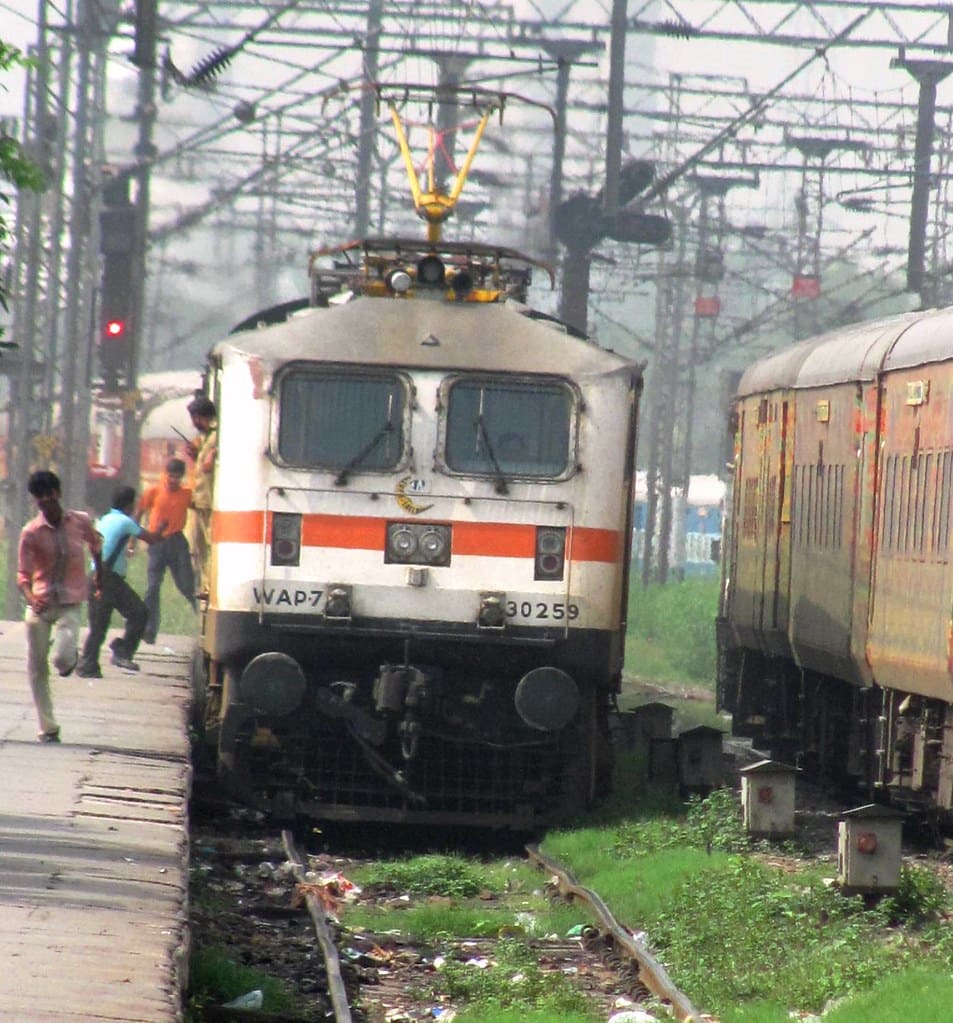
What makes Rajdhani loud is not just one thing. As it picks up speed, the traction motors start producing that rising electric hum. Then comes the rush of air as it cuts through at over 110 km/h. Add to that the compressor sounds and a horn that can easily cross 110 decibels, and you get a train that does not pass quietly. It arrives like it has something important to say.
2. Duronto Express – Long-Distance Non-Stop Running
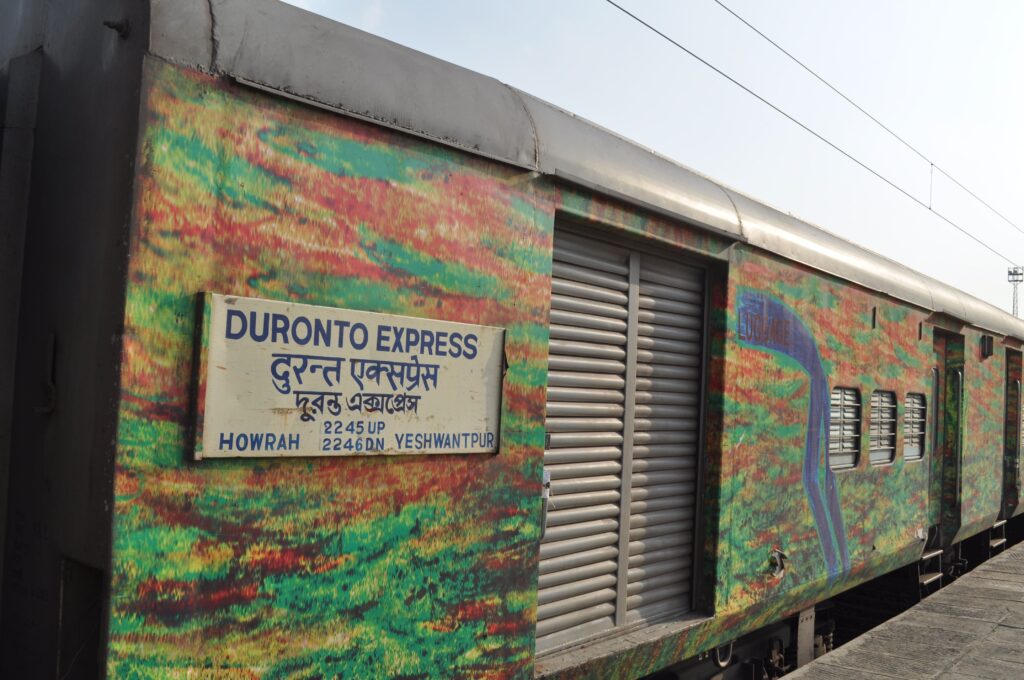
Duronto trains feel different. Not louder in a sudden way, but more like a sound that just keeps going.
Because these trains are designed to run with very few stops, they spend more time at higher speeds. That means the traction noise, the wheel-on-track rhythm, and the airflow do not get many breaks. Instead of hearing a quick loud moment, you experience a steady build-up that lasts longer than expected.
It is the kind of train where you think, “Okay, it should be gone by now,” but the sound is still stretching down the track.
3. WAG-9 Freight Trains – Heavy Load Electric Freight
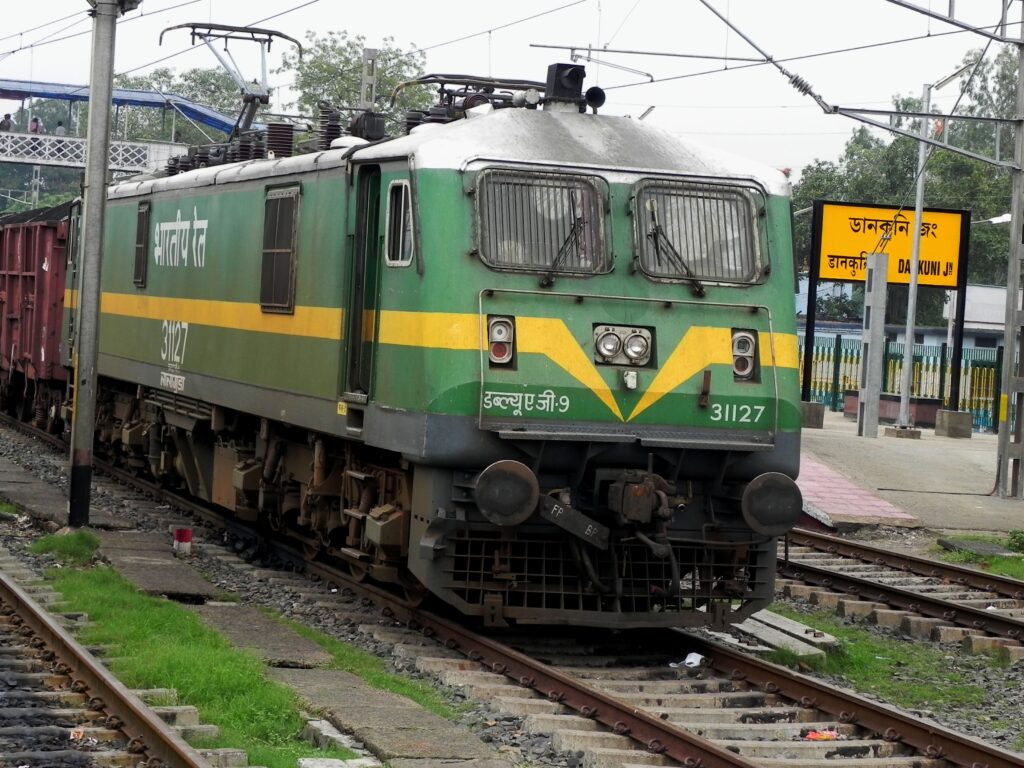
Passenger trains are loud, no doubt. But freight trains are on a different level altogether.
A WAG-9 locomotive is built to pull massive loads like coal and steel. When something that heavy starts moving, it does not do it quietly. You hear a deep electric growl from the motors, mixed with the grinding sound of steel wheels carrying thousands of tonnes.
And when it brakes, especially near stations or curves, that sharp metallic screech cuts through everything. It is not just noise you hear, sometimes you actually feel it through the ground. That slight vibration under your feet is very real.
4. WDP-4 Diesel Express Trains – High-Power Diesel Locomotive
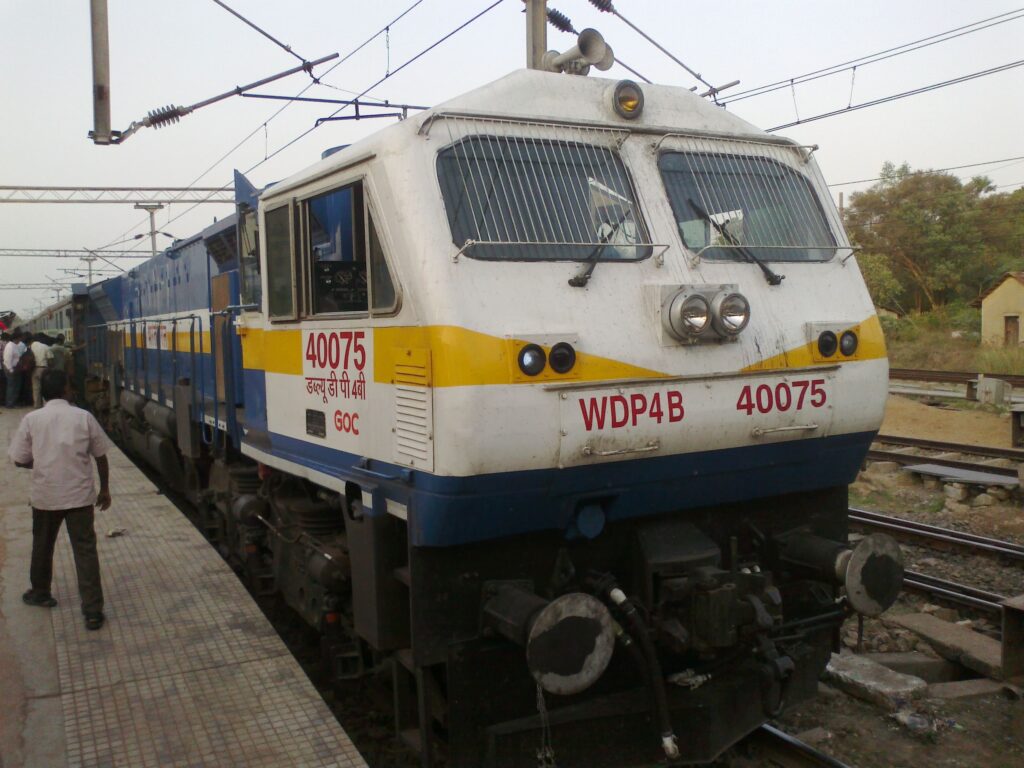
Diesel trains bring their own personality. If electric trains sound sharp and clean, diesel ones sound raw.
The WDP-4 locomotive, widely used for long-distance trains, has a large diesel engine with a turbocharger. When it accelerates, you hear that deep, throaty rumble building up. It is not just loud, it has depth.
The interesting part is that lower frequency sounds from diesel engines travel farther. So even when the train is still some distance away, you can already hear it coming. It is almost like a slow warning… and then suddenly it is right there.
5. Garib Rath Express – Lightweight High-Speed Coaches
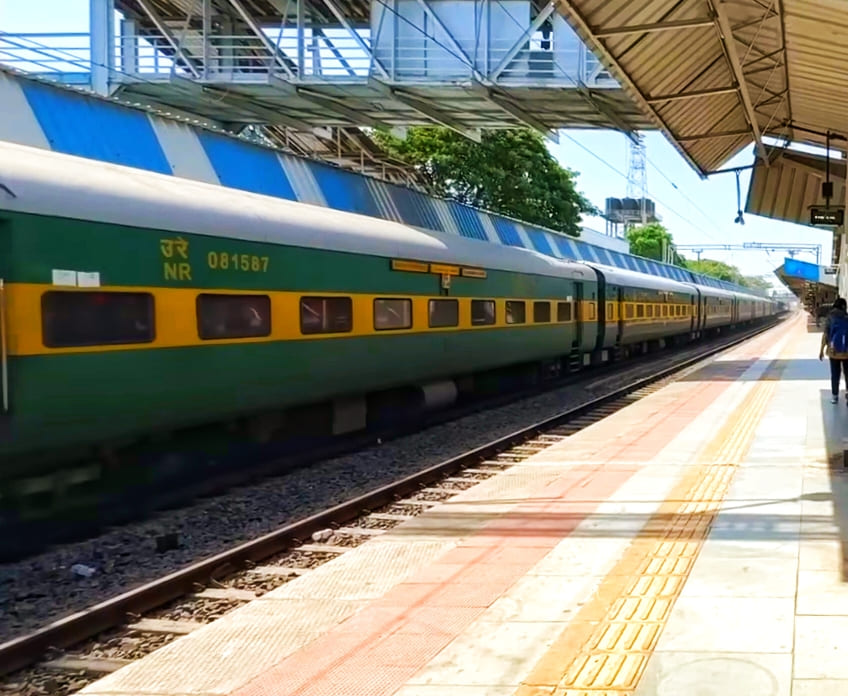
Garib Rath trains might not look intimidating, but they can surprise you.
They use LHB coaches, which are lighter and designed for higher speeds. When a lighter coach moves fast, it tends to pass more vibration and sound compared to older, heavier coaches.
So at higher speeds, the wheel and track interaction becomes more noticeable. It is not a deep roar like freight trains, but more of a sharper, faster sound that feels a bit more “alive” as it rushes past.
6. LHB Passenger Trains – High-Speed Coach Design
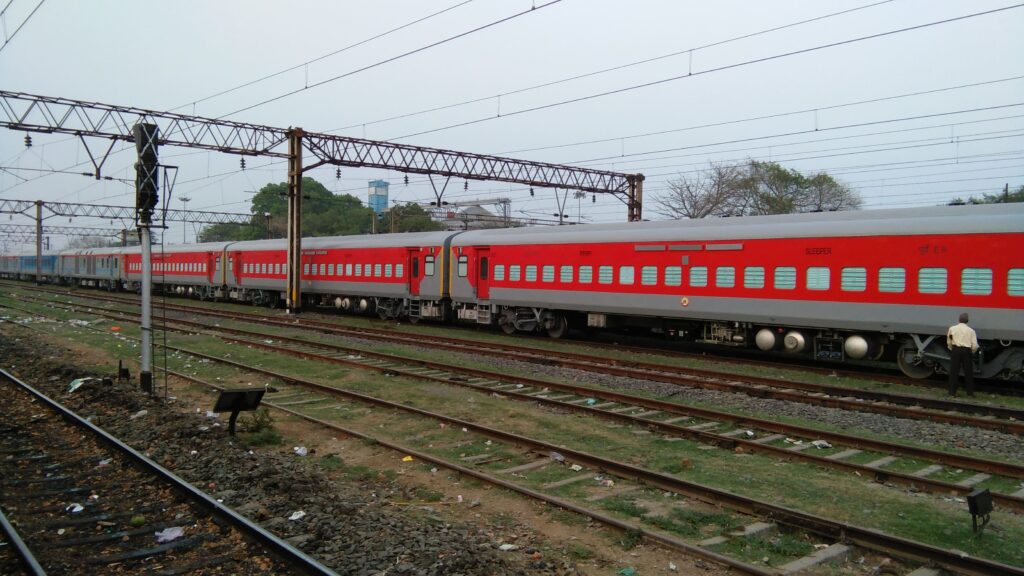
Modern Indian trains with LHB coaches are built for safety and speed. But once they cross around 100 km/h, something interesting happens.
The sound is no longer just from the wheels or engine. The air itself becomes part of it. As the train moves faster, it pushes and cuts through air, creating a loud whooshing noise. Mix that with the rhythmic clatter of wheels, and you get a sound that grows quickly and disappears just as fast.
It is the kind of moment where you instinctively step back a little, even if you are at a safe distance.
7. Multi-Locomotive Freight Trains – Multiple Engine Operation
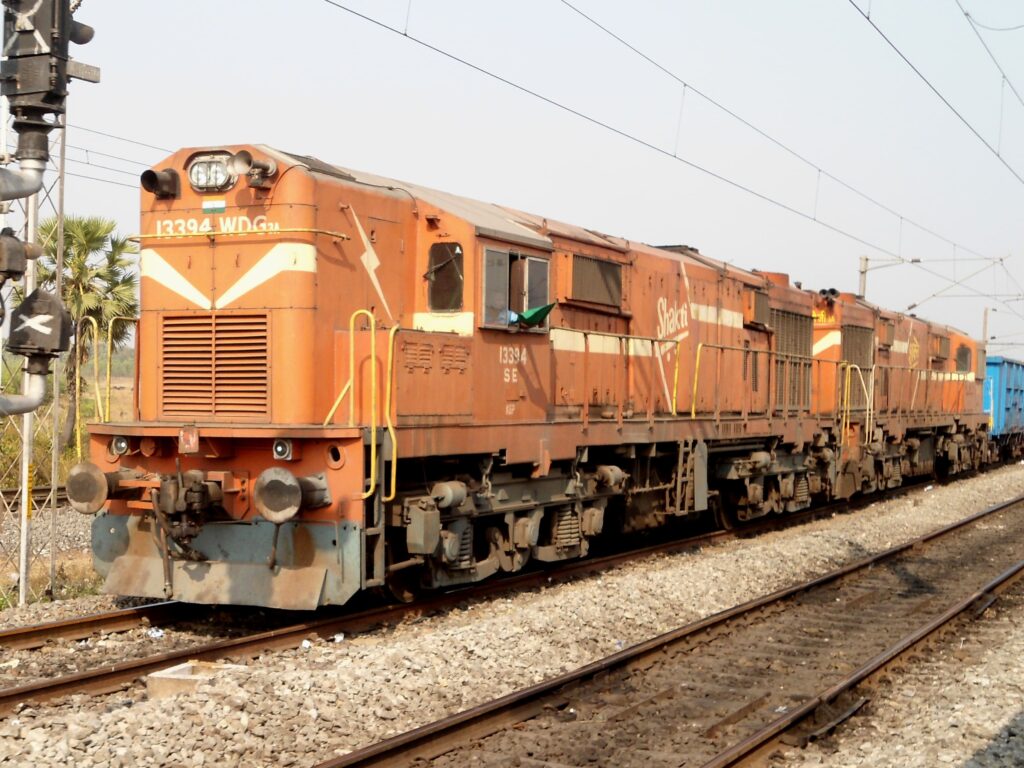
Sometimes one engine is not enough, especially for steep routes or very heavy loads. So Indian Railways uses two or even more locomotives together.
Now imagine all that power running at once. Multiple traction motors, multiple compressors, and sometimes multiple horns. The sound does not just increase, it layers up.
Instead of a single source, it feels like the entire train is producing noise. It is loud, complex, and honestly, a bit overwhelming if you are standing close.
1 thought on “7 Loudest Indian Railways Trains That Shake the Tracks”