
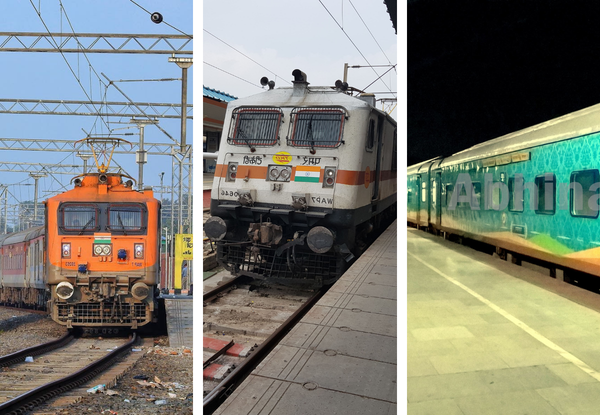
Indian Railways is no longer just about getting from one place to another. It is quietly turning into a showcase of modern engineering. Today’s most advanced trains focus on three things that actually matter to passengers speed, safety, and comfort.
Leading this shift is the Vande Bharat Express, India’s first indigenously built semi high speed train that can run up to 160 km per hour and comes with automatic doors, better suspension, and smart onboard systems. Close behind are trains like Tejas Express and upgraded Rajdhani services, offering airline style features, GPS based information, and improved safety systems.
These trains are not just faster. They are smoother, quieter, and far more reliable than older ones. In simple terms, Indian train travel is slowly moving from basic necessity to a more premium and tech driven experience.
1. Gatimaan Express
Before Vande Bharat arrived, Gatimaan Express was India’s fastest train.
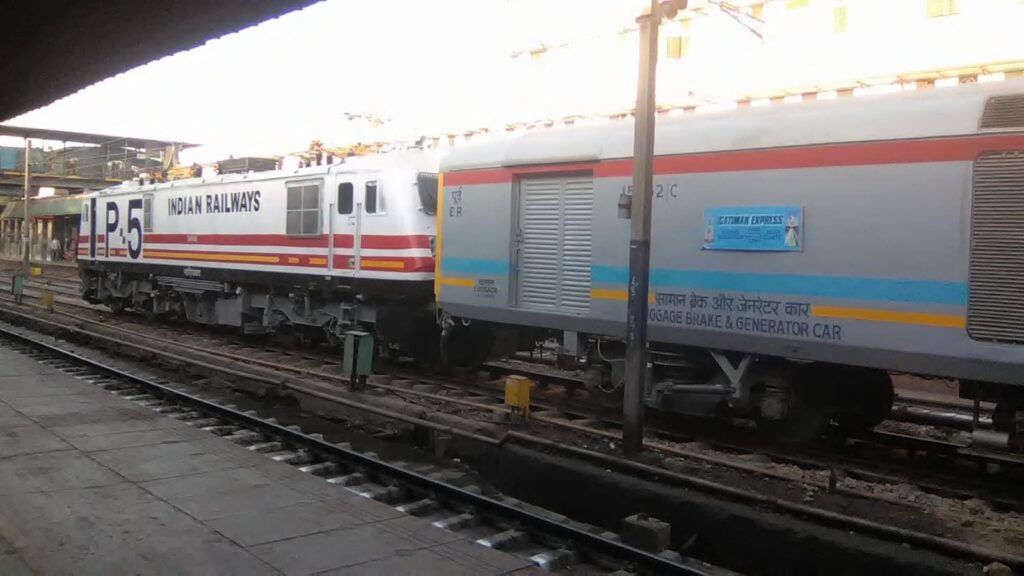
Running between Delhi and Jhansi, it operates at speeds up to 160 km per hour. While it uses a conventional locomotive setup, the train introduced several upgrades in comfort and safety.
You get improved bio vacuum toilets, better seating, onboard catering, and host services. It also helped Indian Railways test higher speed operations on existing tracks.
Think of it as the stepping stone that prepared the network for faster trains like Vande Bharat.
2. Vande Bharat Express
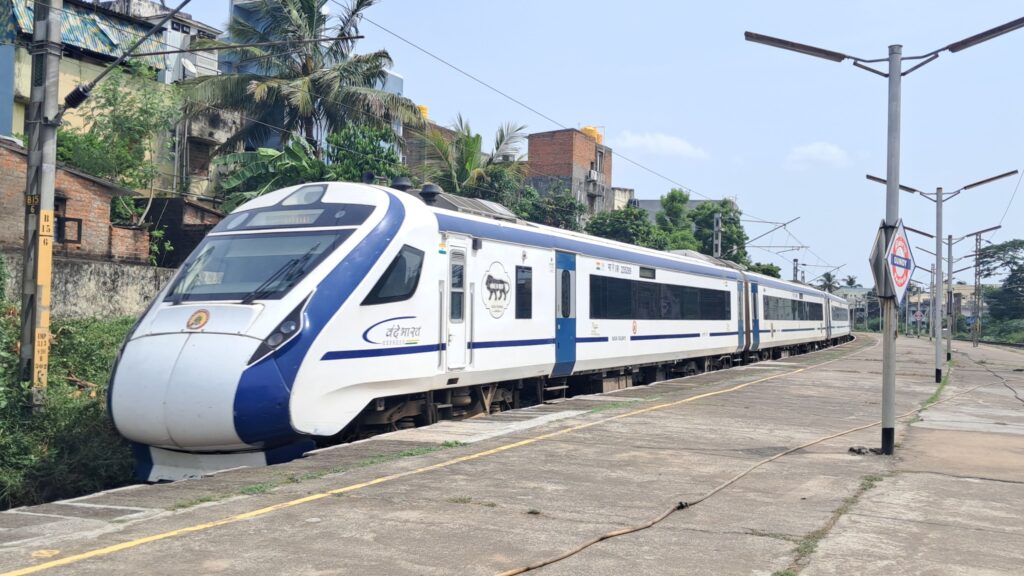
If Indian Railways had a “future-ready” face, this would be it.
Manufactured by the Integral Coach Factory in Chennai, Vande Bharat is India’s first semi high speed train built completely in the country. It can operate at speeds up to 160 km per hour, although most routes currently run slightly lower due to track limits.
What actually makes it advanced is not just speed. It is the way the train is built. Instead of a separate engine, power is distributed across multiple coaches. This allows faster acceleration and smoother braking.
You also get automatic sliding doors, GPS based passenger information, better ride quality through improved suspension, and regenerative braking that feeds energy back into the system.
In simple terms, this is the closest India has come to a modern high speed train experience.
3. Tejas Express
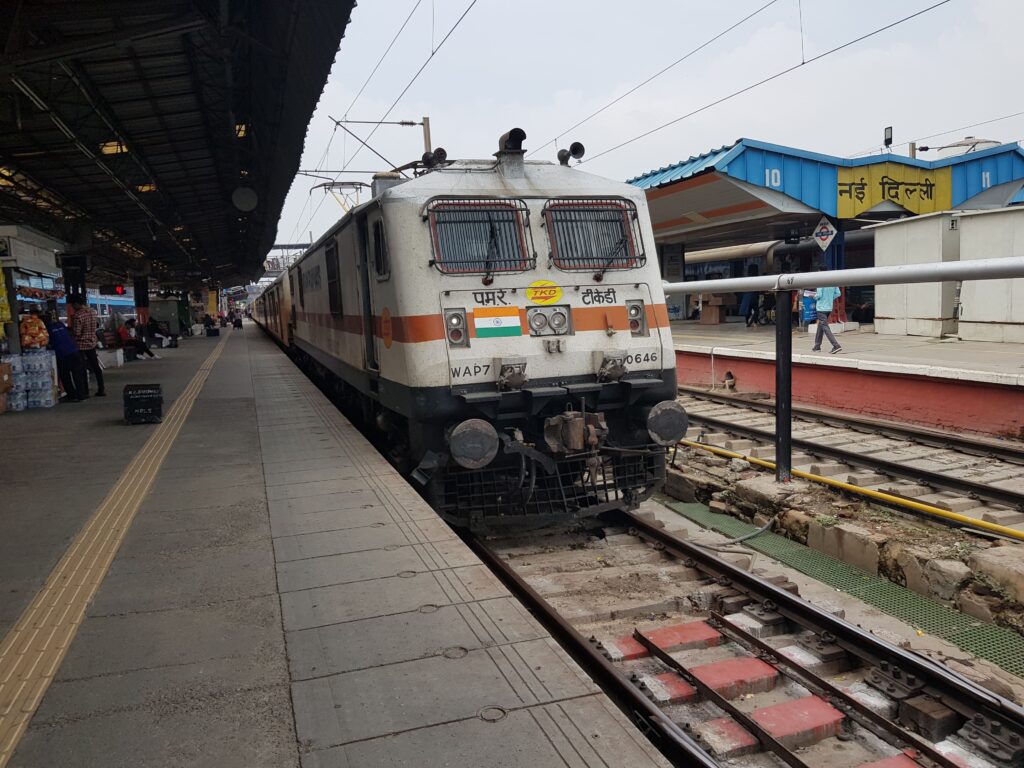
Tejas Express was the first train in India to truly focus on passenger experience.
Operated partly by IRCTC on some routes, this train introduced features that were rare in Indian Railways earlier. It can run up to 160 km per hour and is designed for both speed and comfort.
Inside, you will notice aircraft style seating, onboard entertainment screens, LED lighting, and automatic doors. It also includes CCTV cameras and a modern fire detection system for safety.
One interesting shift Tejas brought was service quality. Onboard staff, catering, and punctuality were treated more like airline standards.
It showed that trains in India can be fast and also feel premium.
4. Rajdhani Express (Upgraded LHB Version)
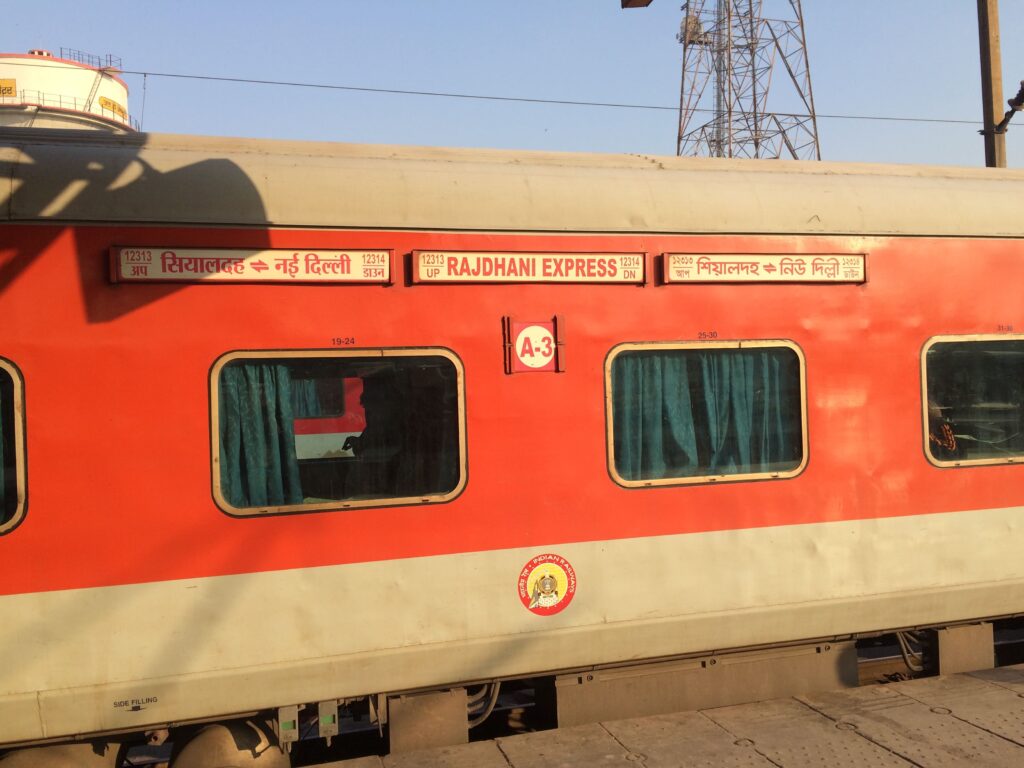
Rajdhani trains have always been premium, but the modern versions are significantly more advanced than before.
Most Rajdhani trains now use LHB coaches, which are lighter, safer, and designed for higher speeds up to 130 to 160 km per hour depending on the route.
They come with features like improved crash protection, better suspension, bio toilets, LED lighting, and enhanced fire safety systems.
While they may not look futuristic from the outside, these upgrades make them far more reliable and comfortable than older generations.
5. Shatabdi Express (Modern Coaches)
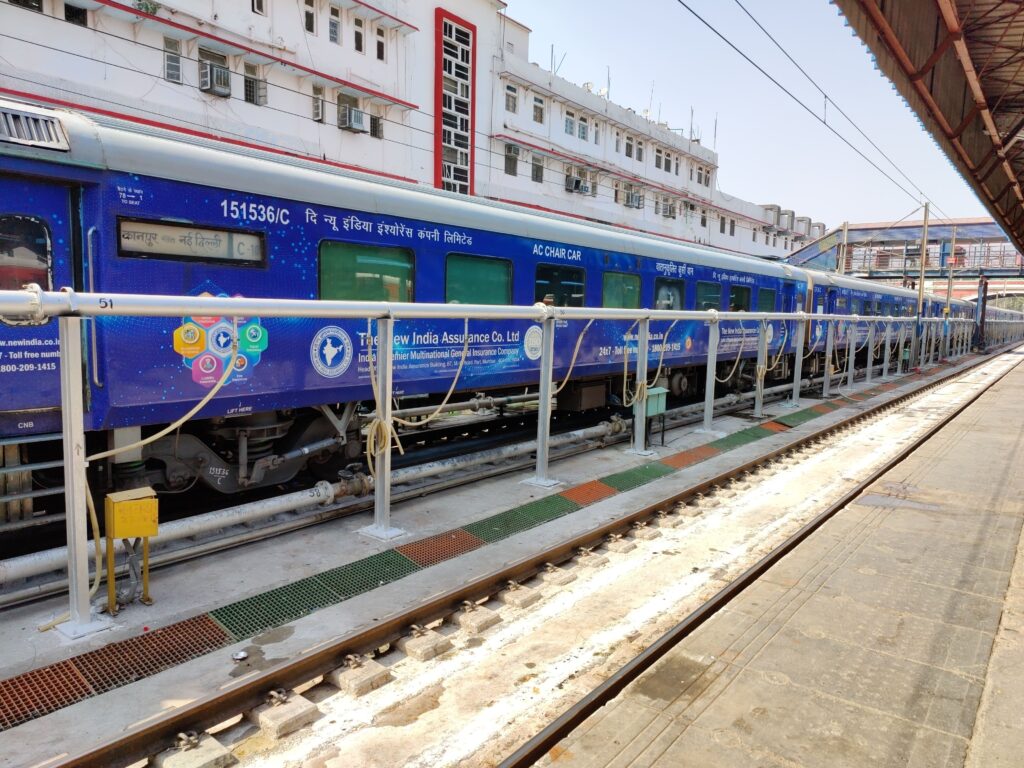
Shatabdi trains are among the fastest day trains in India, and the newer versions are quite advanced.
With LHB coaches and improved interiors, they can operate up to 150 km per hour on certain routes. They focus on short distance high speed travel with quick turnaround times.
Passengers benefit from comfortable seating, large windows, onboard catering, and smooth ride quality.
They may not have the flashy features of Tejas, but in terms of efficiency and consistency, they are still among the best.
6. Humsafar Express
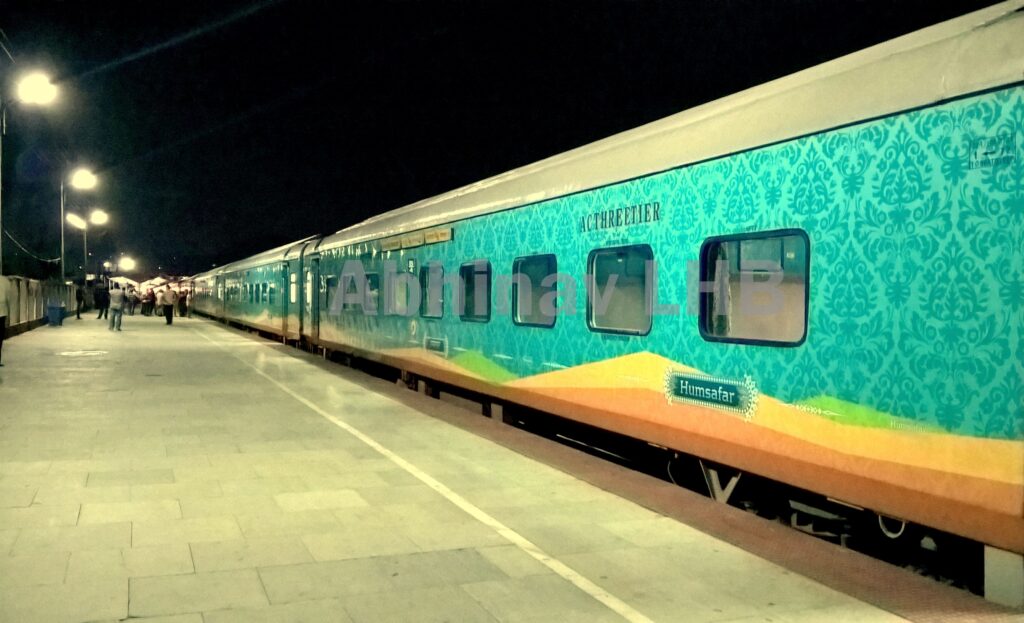
Humsafar Express brought a different kind of advancement. It focused on making long distance sleeper travel more modern. These fully AC 3 tier trains include features like GPS based passenger information, LED display boards, CCTV cameras, and improved fire and smoke detection systems.
They also use LHB coaches for better safety and ride quality. It is not about speed here. It is about making long journeys safer, cleaner, and more comfortable for regular passengers, which also makes it one of the Indian Trains Ideal for Patients Traveling.
7. Amrit Bharat Express
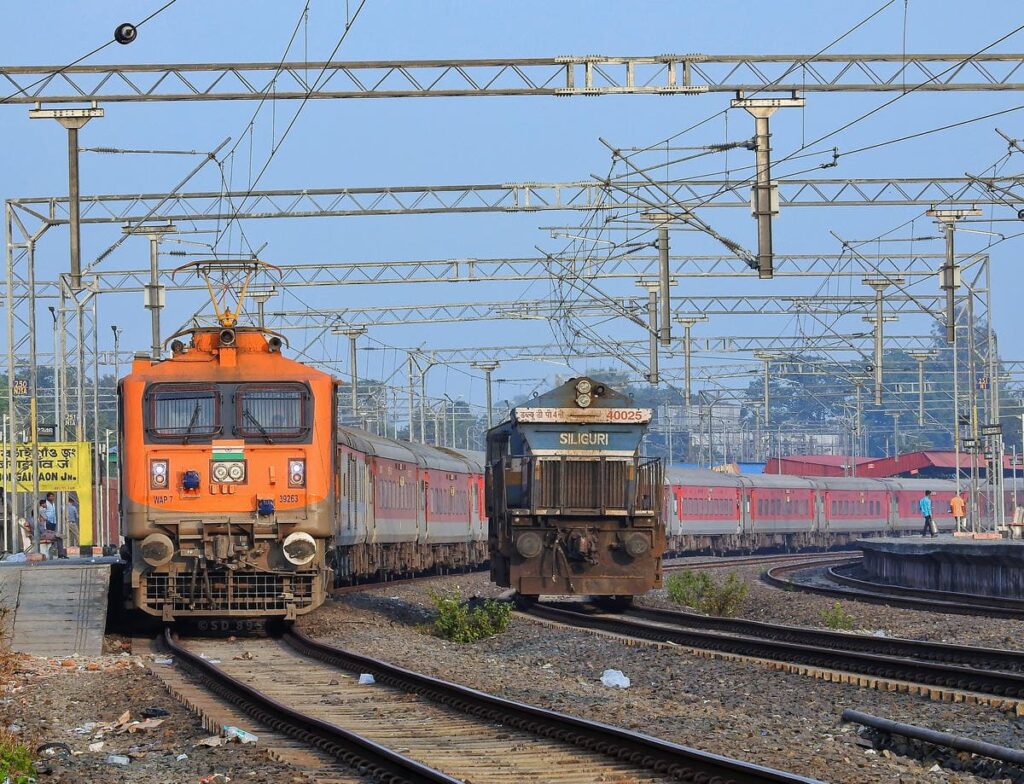
This is one of the newest additions and a sign of where Indian Railways is heading next.
Amrit Bharat trains are designed as upgraded non AC high speed push pull trains. They use two locomotives at both ends, which improves acceleration and reduces travel time.
They can operate at speeds up to 130 km per hour and include modern features like better seating design, mobile charging points, LED lighting, and improved luggage space.
What makes it important is accessibility. It brings modern design and better performance to non AC passengers, not just premium travelers.
FAQ
Source
1 thought on “7 Indian Trains That Bring the Future to Your Journey”