
If you’ve taken a long train journey in India, you already know one thing for sure, the timetable is more of a suggestion than a promise. And some trains seem to test that patience more than others. This article talks about five such trains that are known to run late quite often, and not without reason. Many of them cover huge distances, pass through some of the busiest railway routes, or get affected by winter fog in North India.
Add to that the way Indian Railways gives priority to faster trains, and delays start to make sense. Instead of just naming trains, this article breaks down the real reasons behind it, so you know what to expect before you even step onto the platform.
1. Guwahati – Trivandrum Express (12508)
This train is not just long-distance, it’s extremely long-distance. It runs from the Northeast all the way to Kerala, taking close to three days to complete the journey.
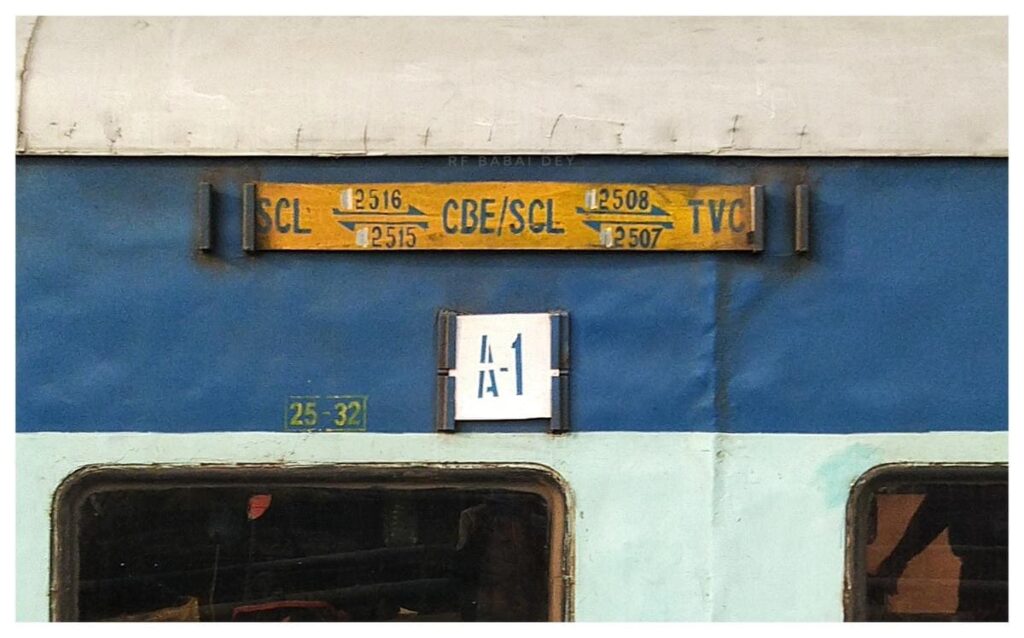
Because of that, delays are almost built into the trip. Even if it starts on time, small hold-ups at different stations slowly pile up. Somewhere in West Bengal, it might lose 15 minutes. In Bihar, another 20. By the time it reaches Tamil Nadu or Kerala, it’s often running late by one to three hours. On tougher days, especially when the route is crowded, that delay can stretch to five hours or more.
It’s less about one big problem and more about a hundred small ones adding up.
2. Dibrugarh – Kanyakumari Vivek Express (15906)
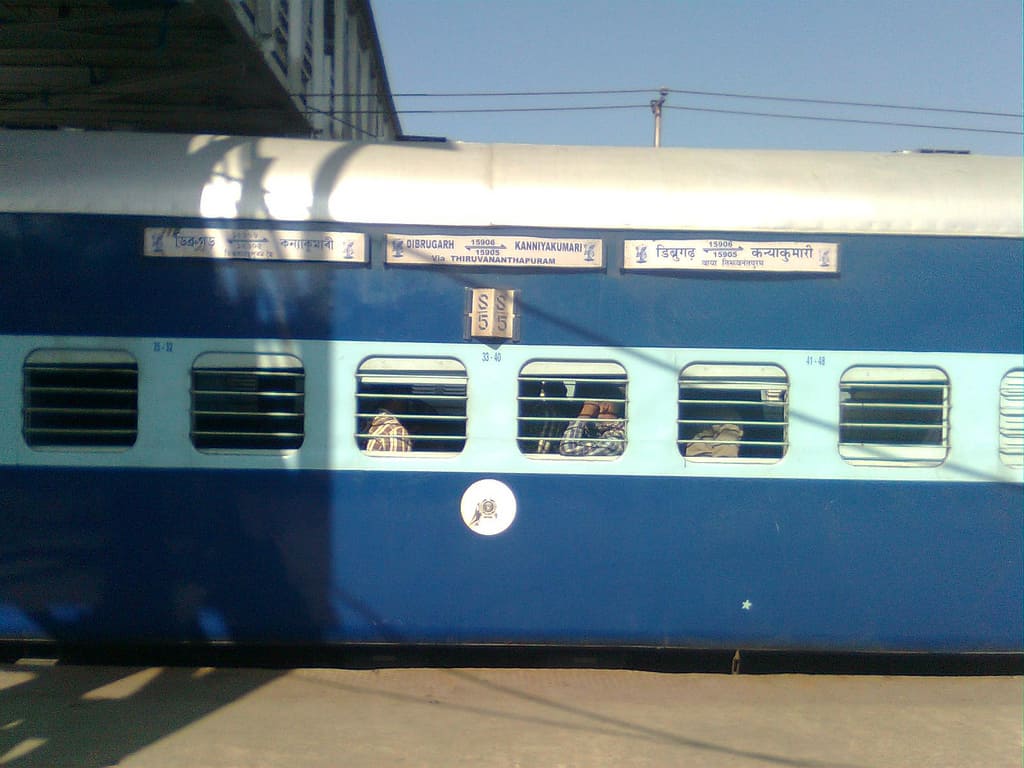
If distance had a face in Indian Railways, this train would be it. Covering over 4,000 km, it’s among the longest routes in the country.
And honestly, expecting perfect timing on a journey like that is a bit optimistic. This train passes through multiple high-traffic sections, and each one has its own challenges. Even if everything runs “almost fine,” it still tends to arrive two to five hours late. In some cases, especially when congestion or operational issues stack up, delays of six to eight hours are not unheard of.
At that scale, time just slips away gradually.
3. Howrah – Amritsar Express (13005)
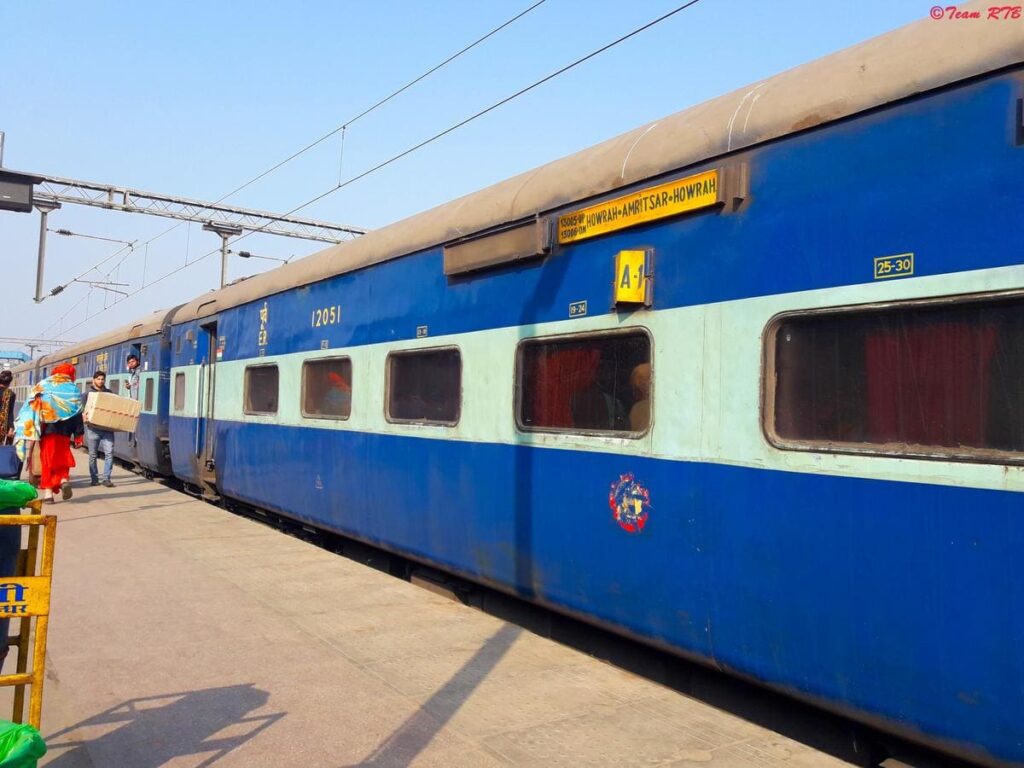
This one runs through some of the busiest railway stretches in India, especially across Bihar and Uttar Pradesh.
The issue here isn’t distance alone, it’s competition for tracks. Premium trains like Rajdhani and Shatabdi are given priority, which means trains like this often have to wait. Not dramatically, just a few minutes here and there. But over hundreds of kilometers, those minutes add up.
Passengers often report delays of one to three hours, and in peak congestion, it can go beyond that. It’s a classic case of being stuck in railway traffic without actually seeing the traffic.
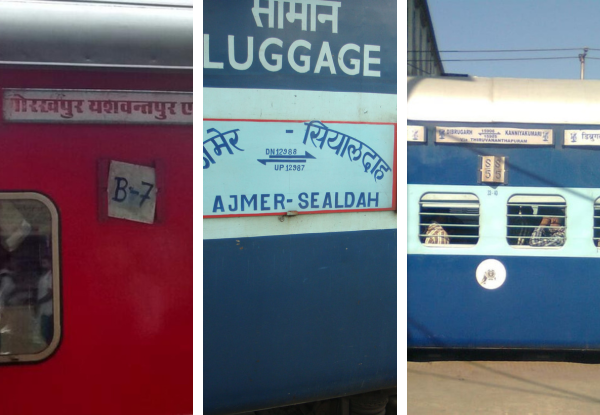
4. Sealdah – Ajmer Express (12988)
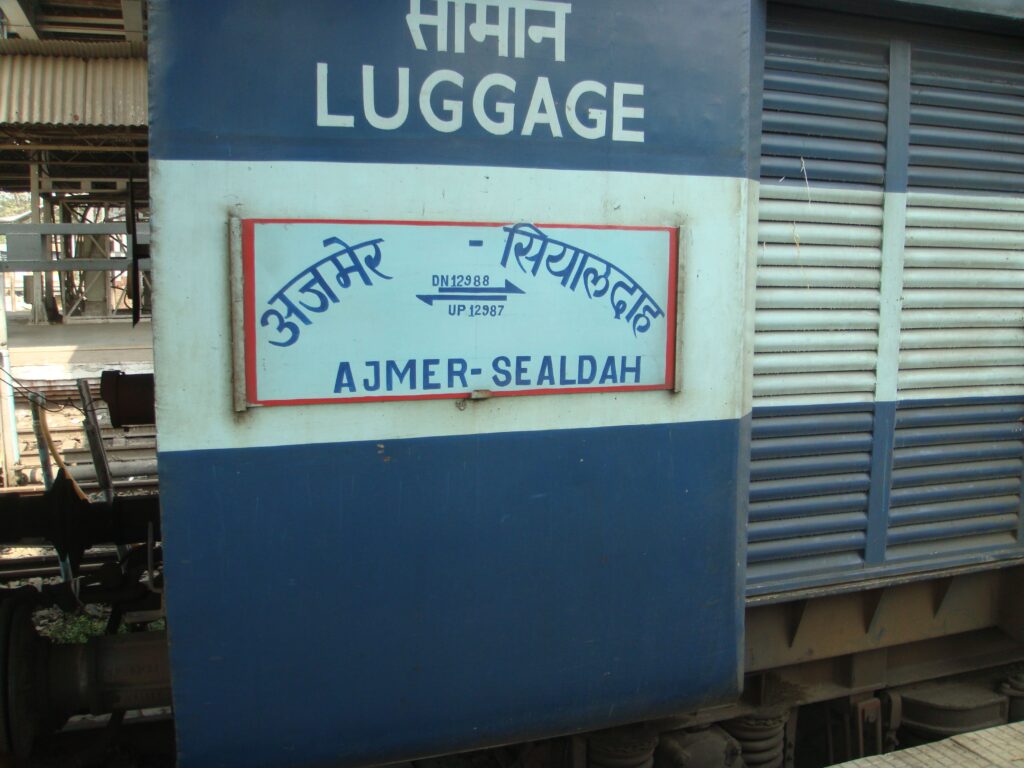
This train’s delays are very seasonal. For most of the year, it might run one to two hours late, nothing too extreme by Indian standards.
But winter changes everything.
As the train moves into North India, fog becomes a serious factor. Visibility drops, trains slow down for safety, and schedules begin to fall apart. During these months, delays can easily stretch to four or even six hours.
It’s not poor planning, it’s just the reality of running trains safely in dense fog conditions.
5. Gorakhpur – Yesvantpur Express (15015)
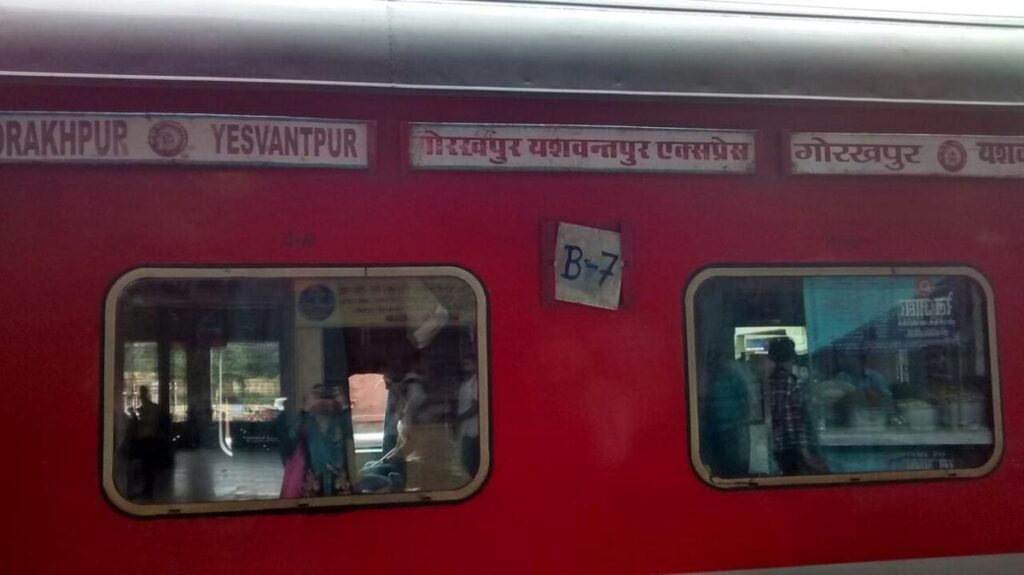
This train connects North India to the South, crossing several important and busy sections along the way.
What makes it tricky is that it runs on mixed-traffic routes. That means passenger trains and freight trains are sharing the same tracks. If a delay starts early in the journey, it tends to continue throughout, because recovering lost time isn’t easy on such crowded lines.
Most of the time, it runs late by one to three hours. On more difficult days, it can cross four hours without much surprise.