

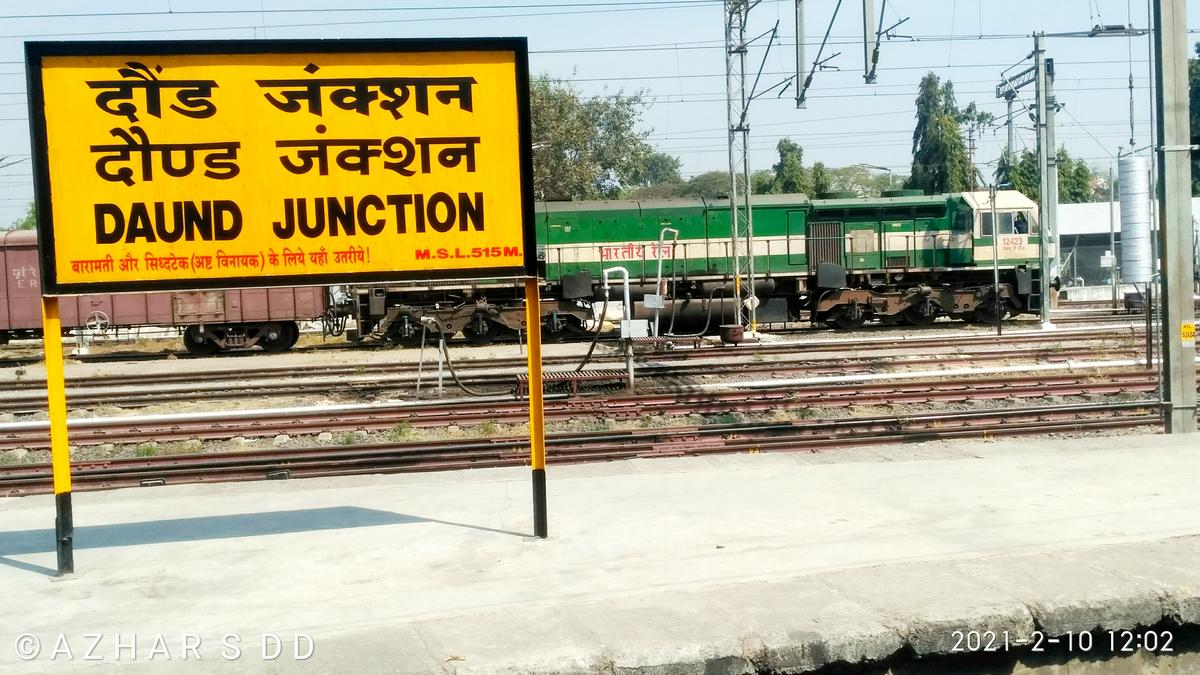
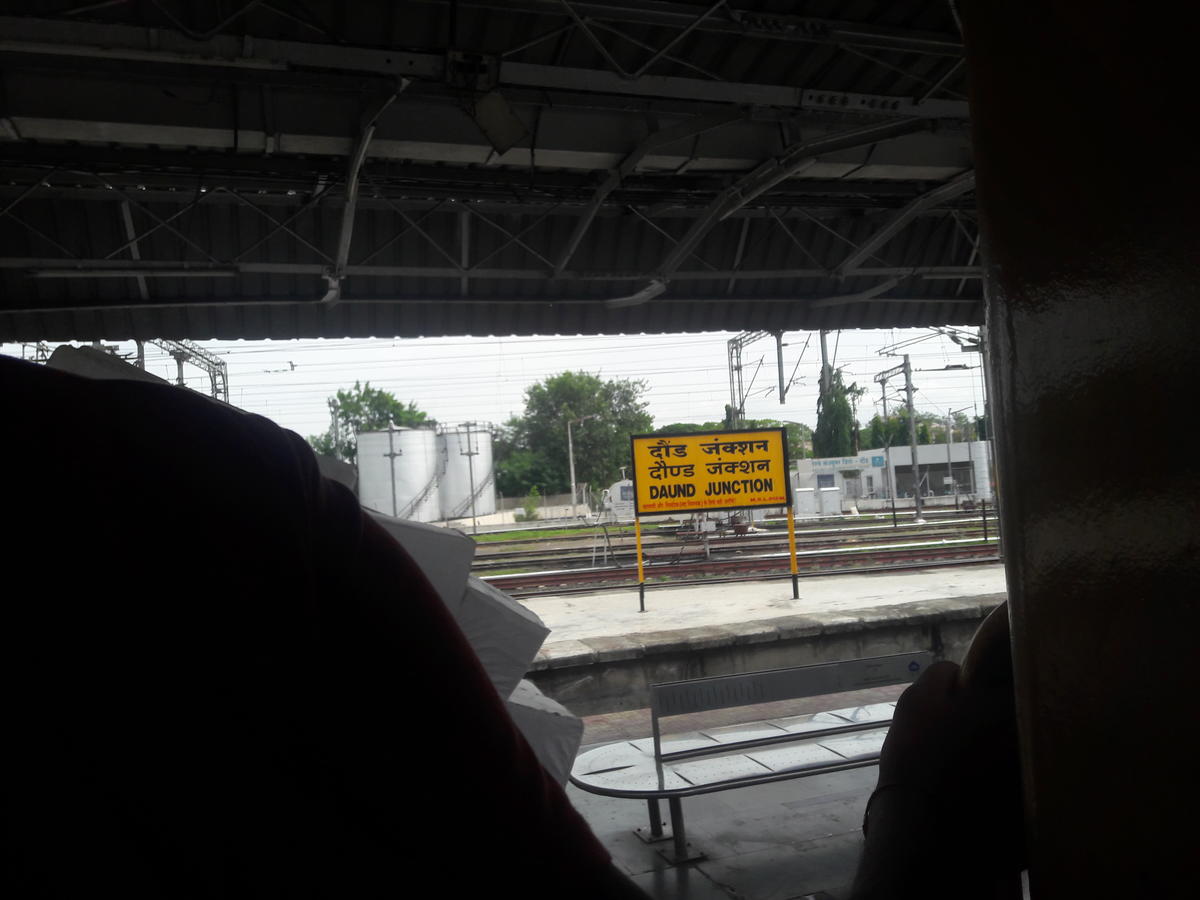
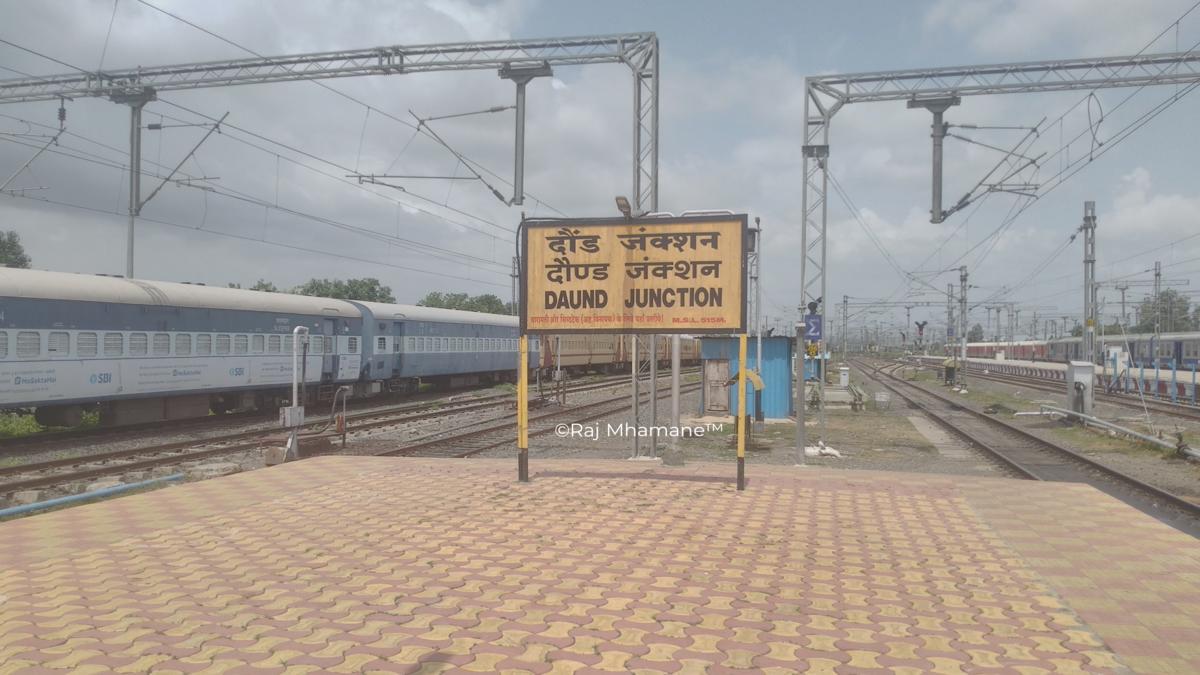
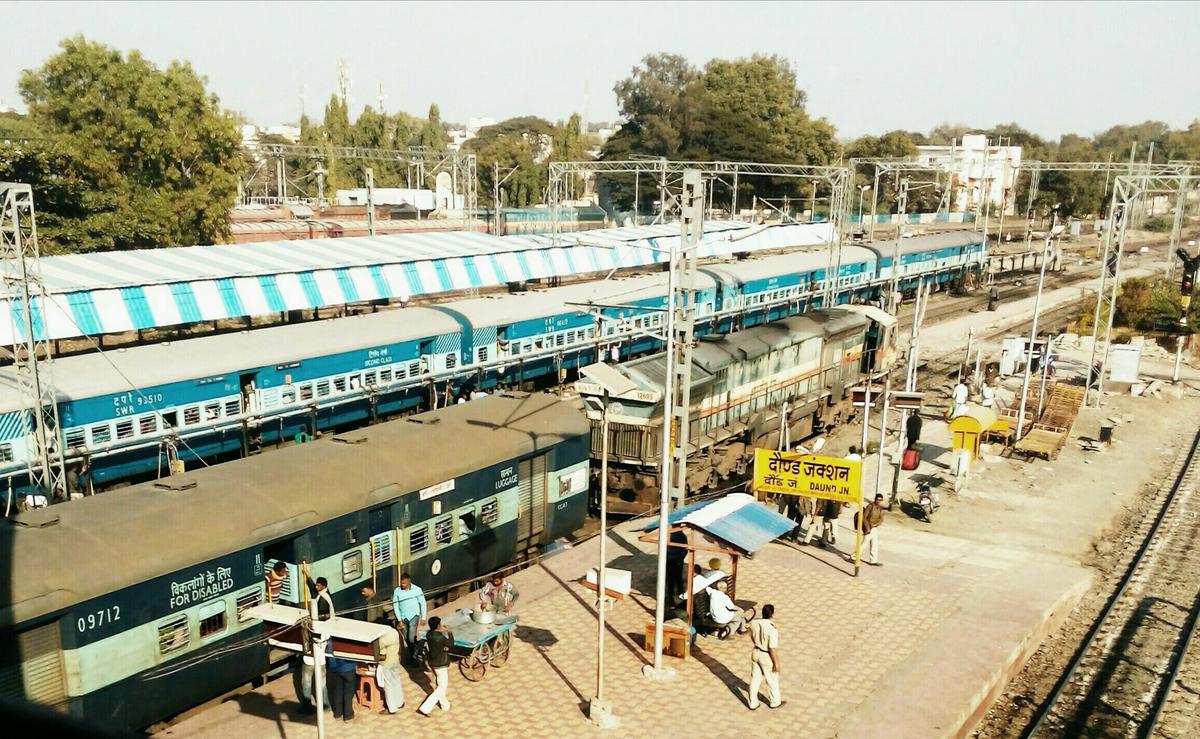
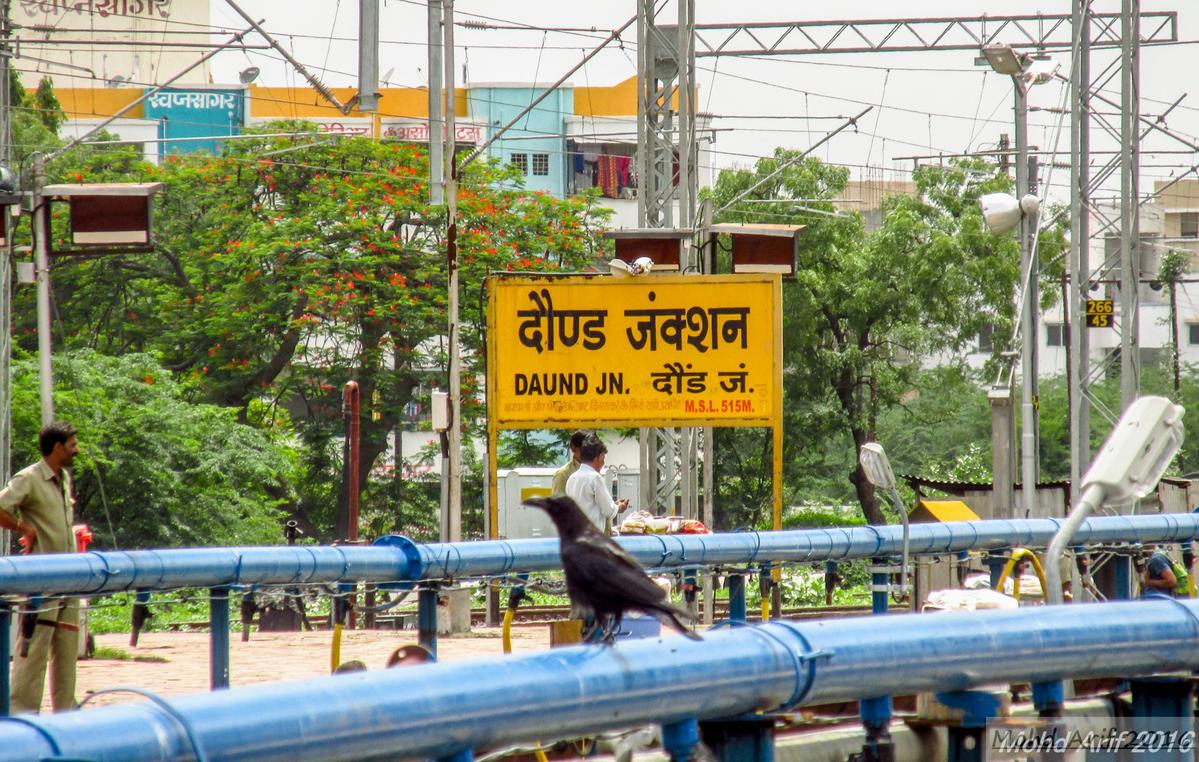
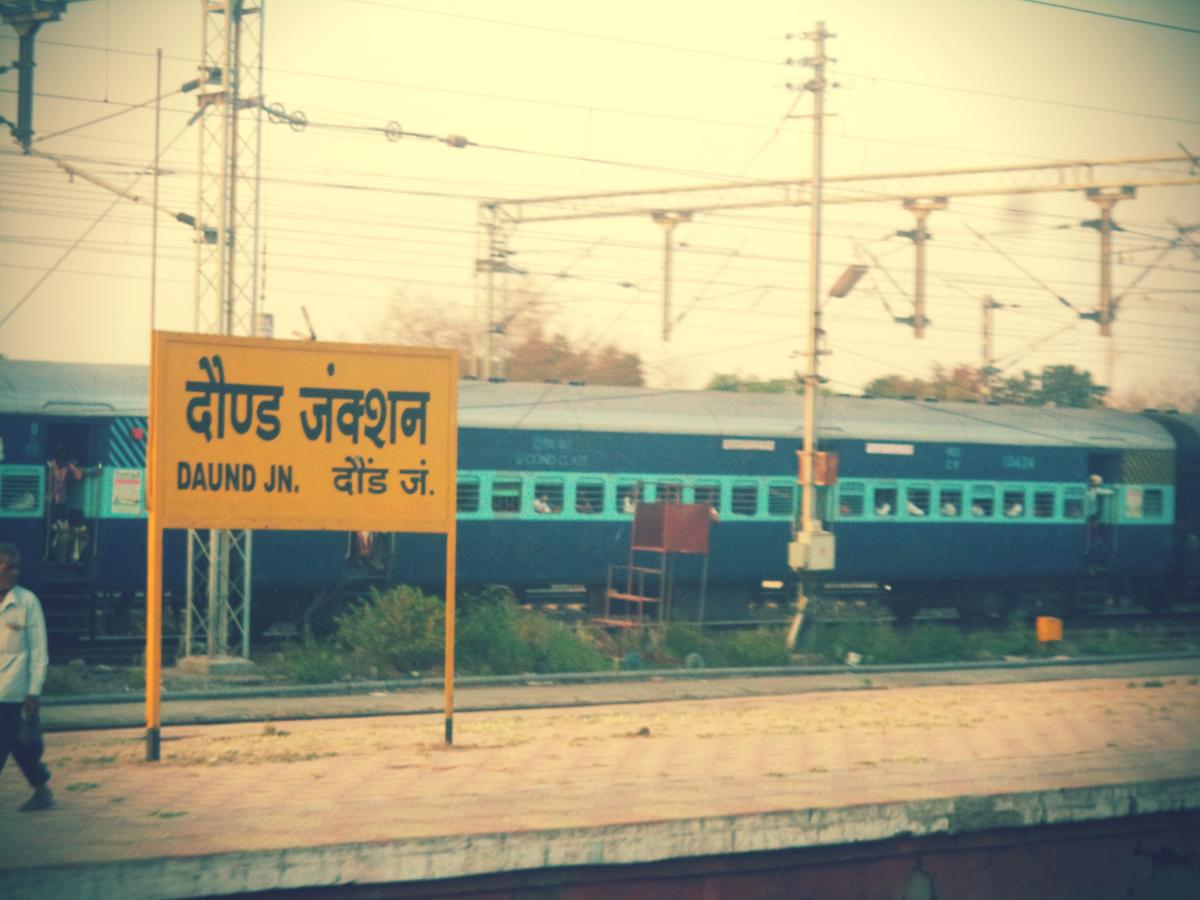
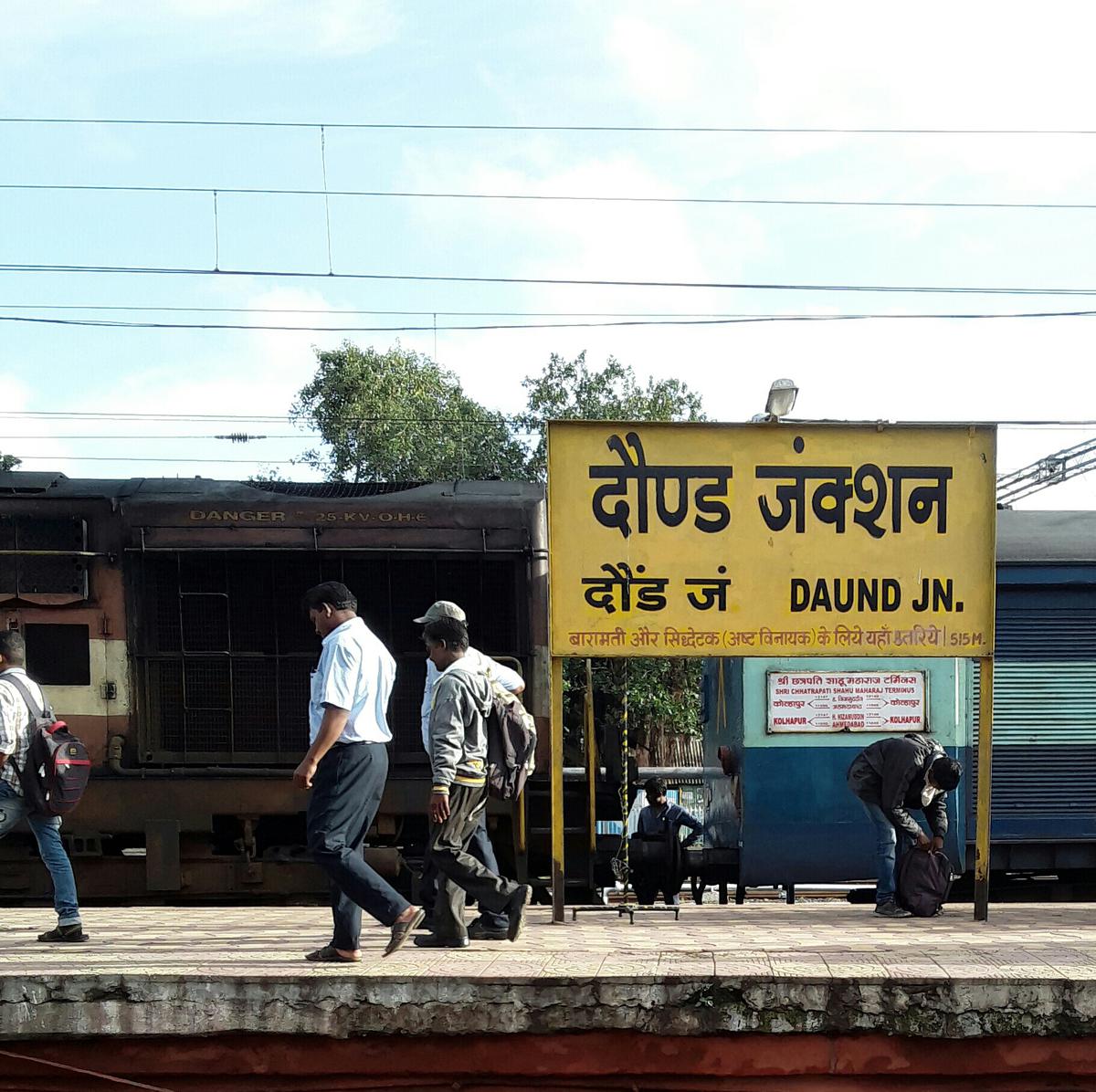
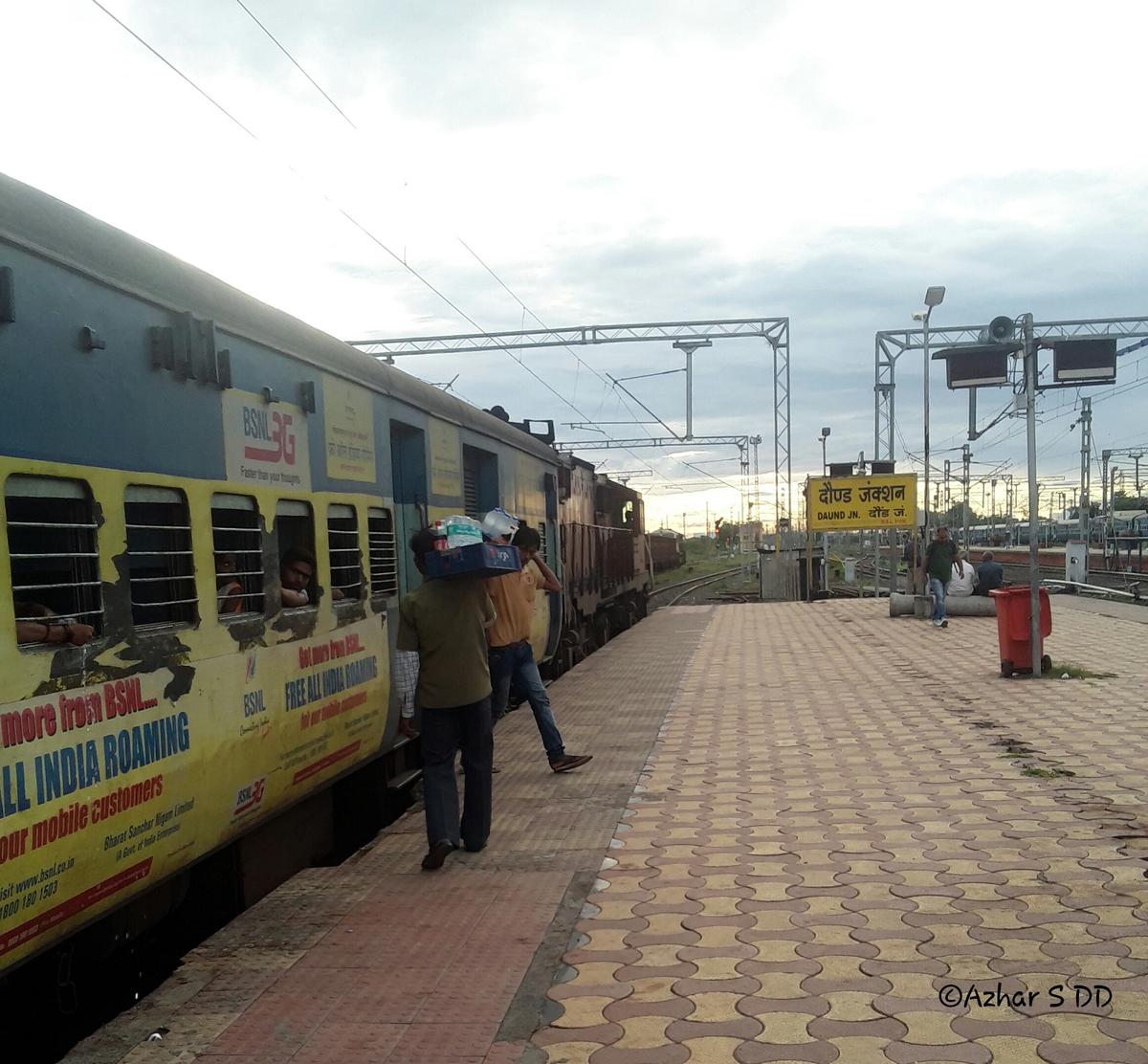
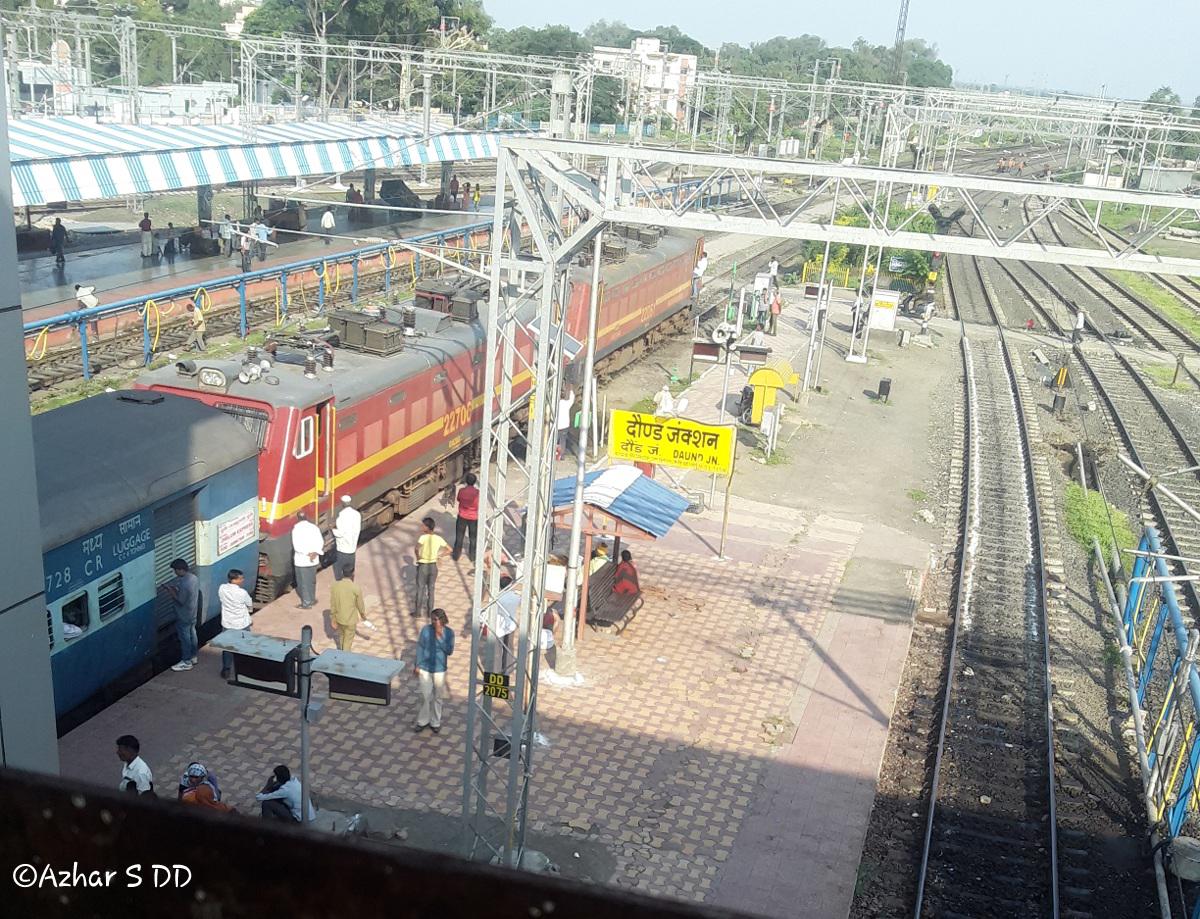
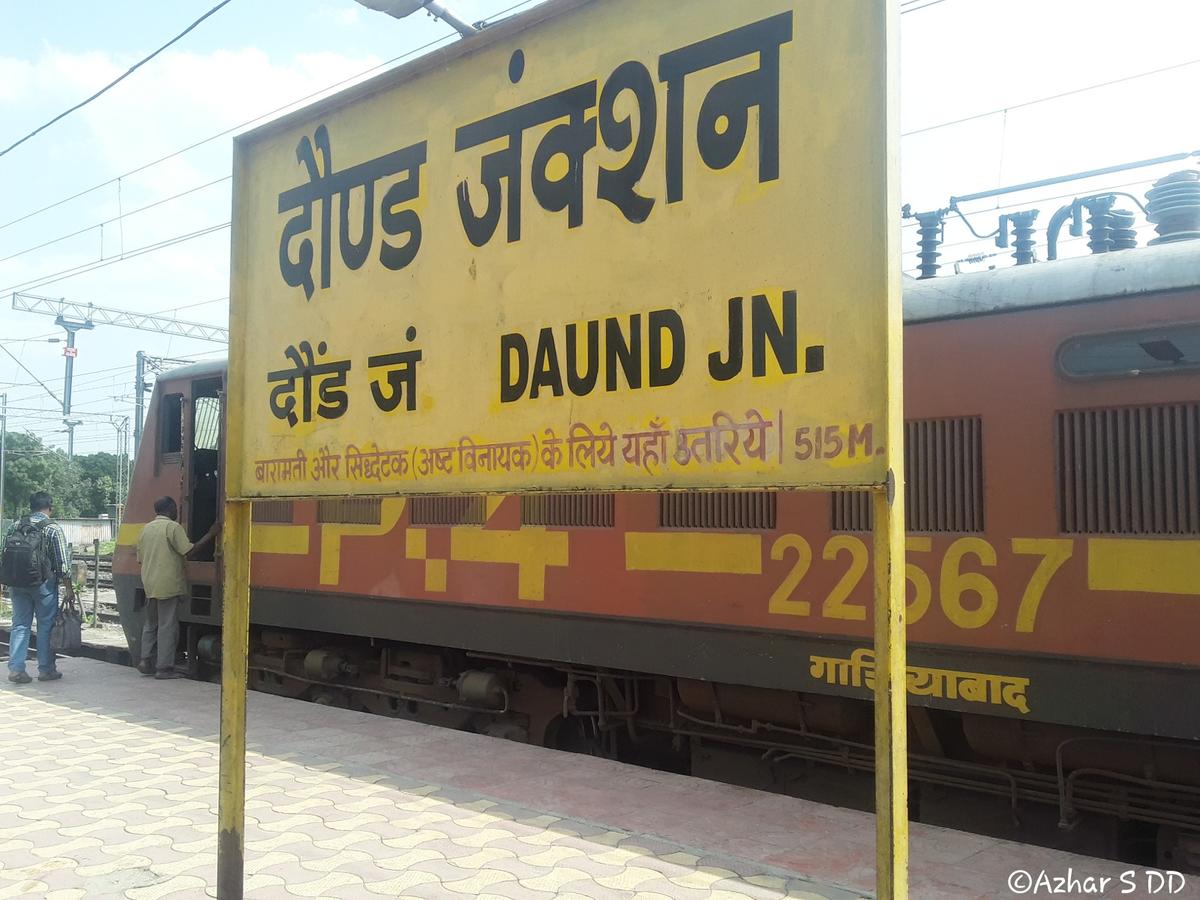
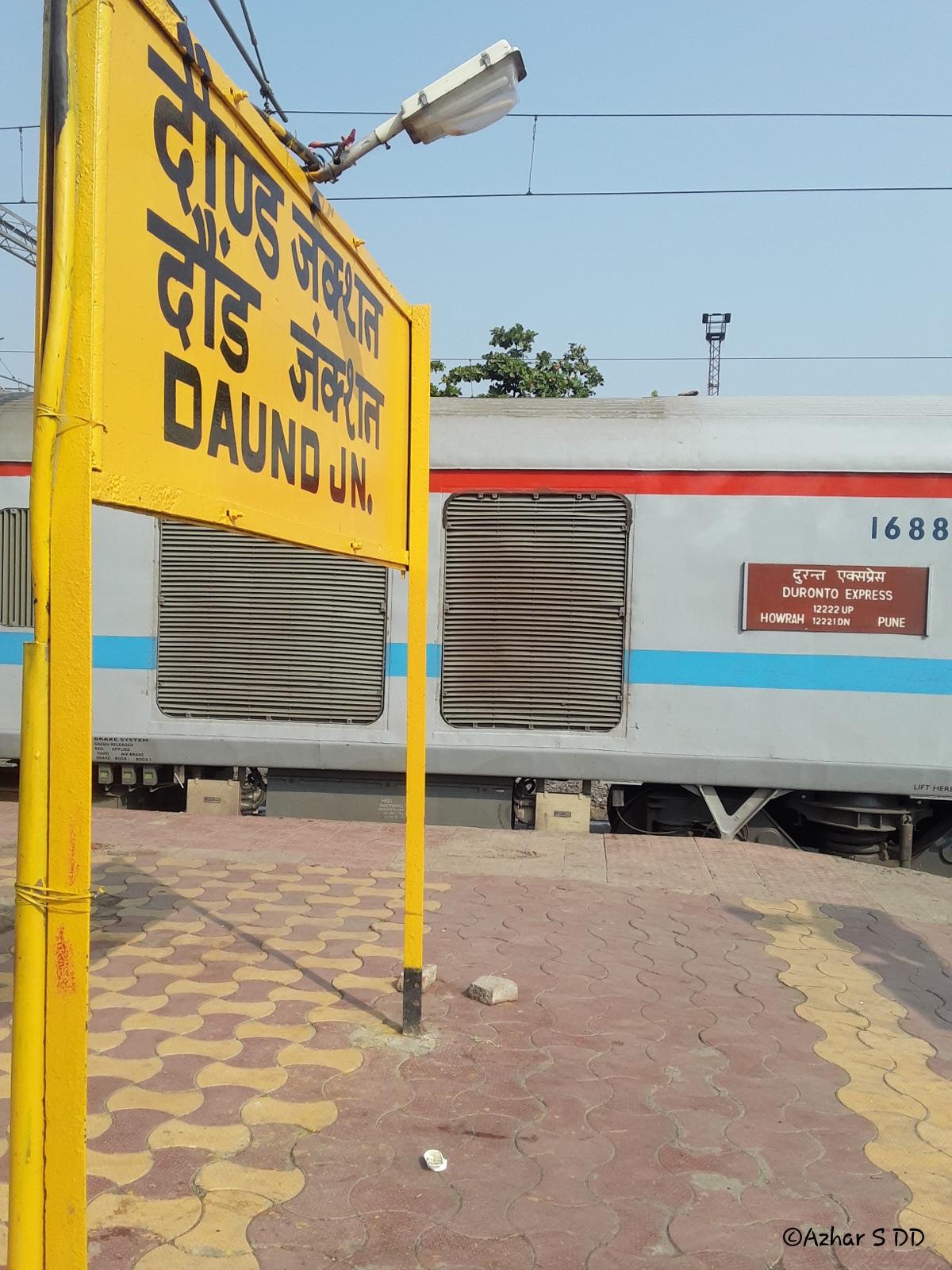
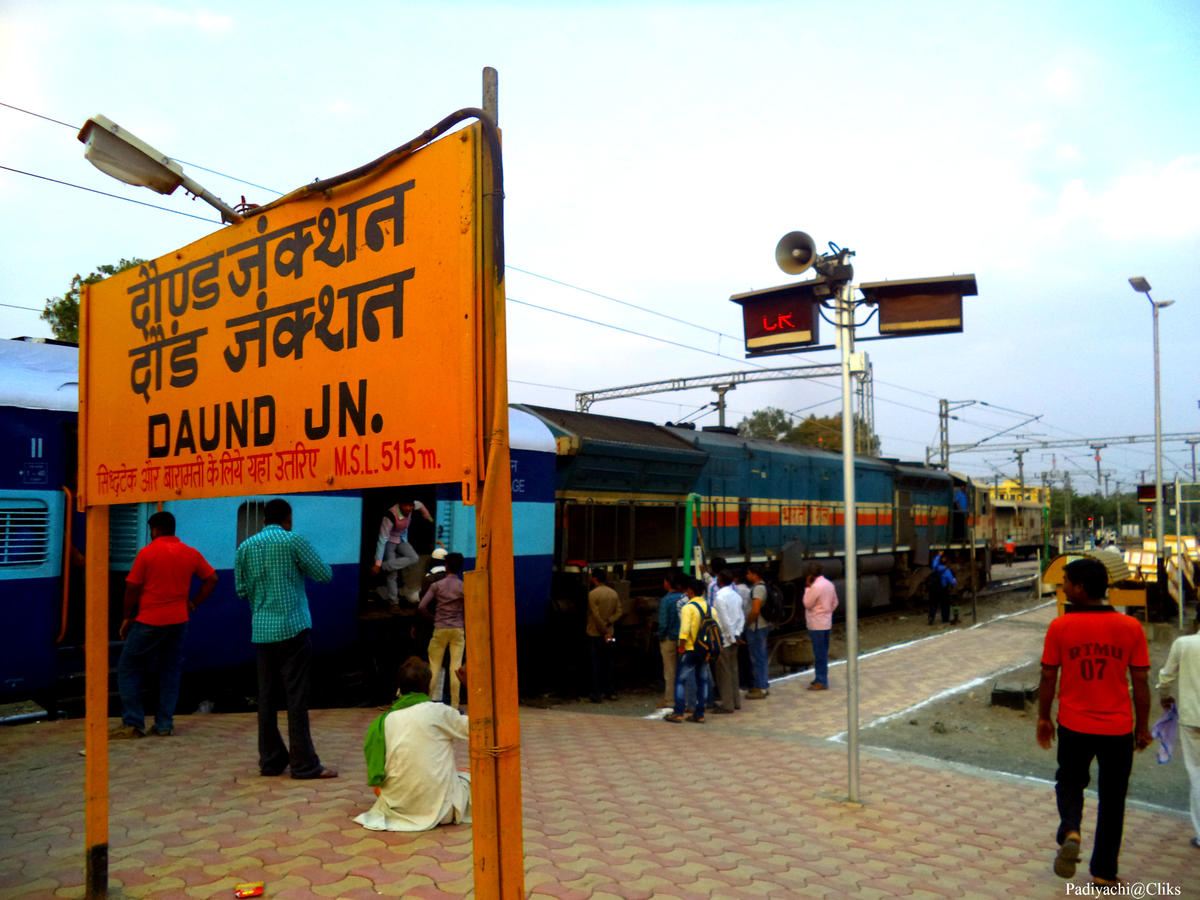
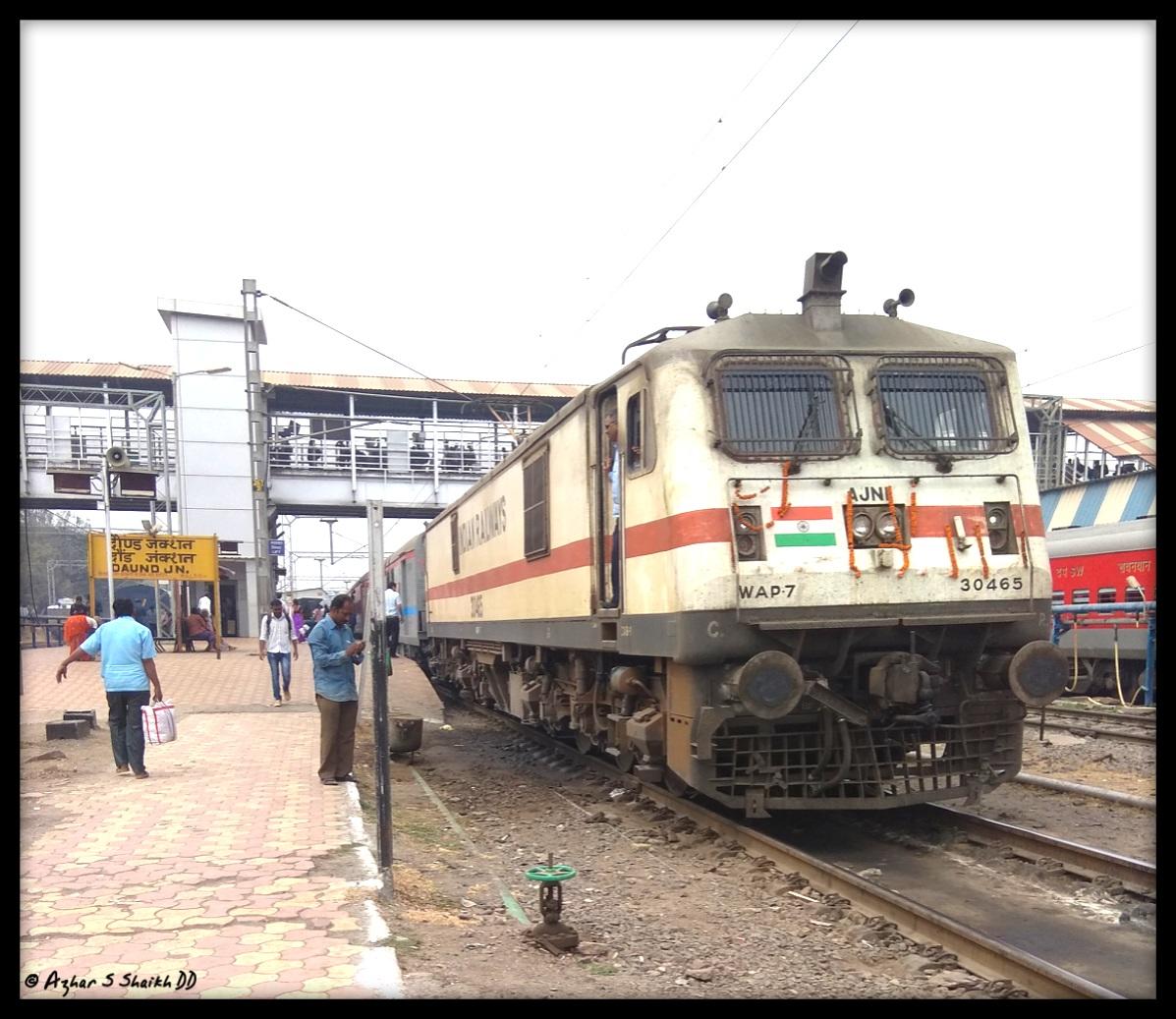
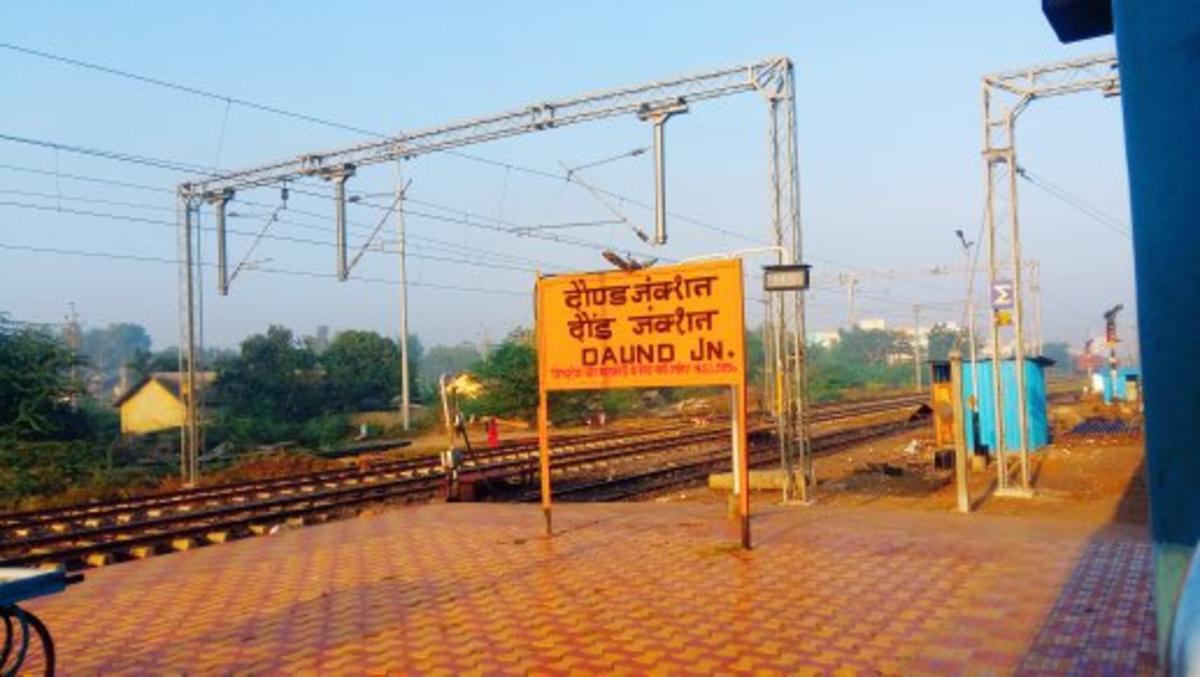
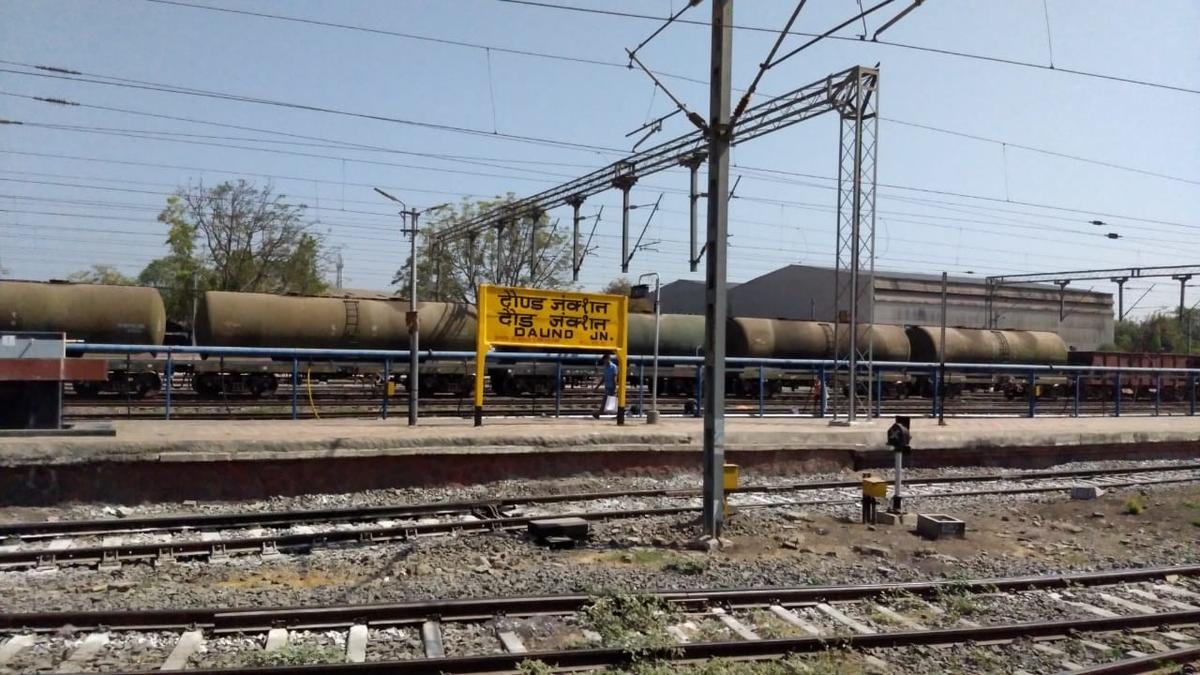
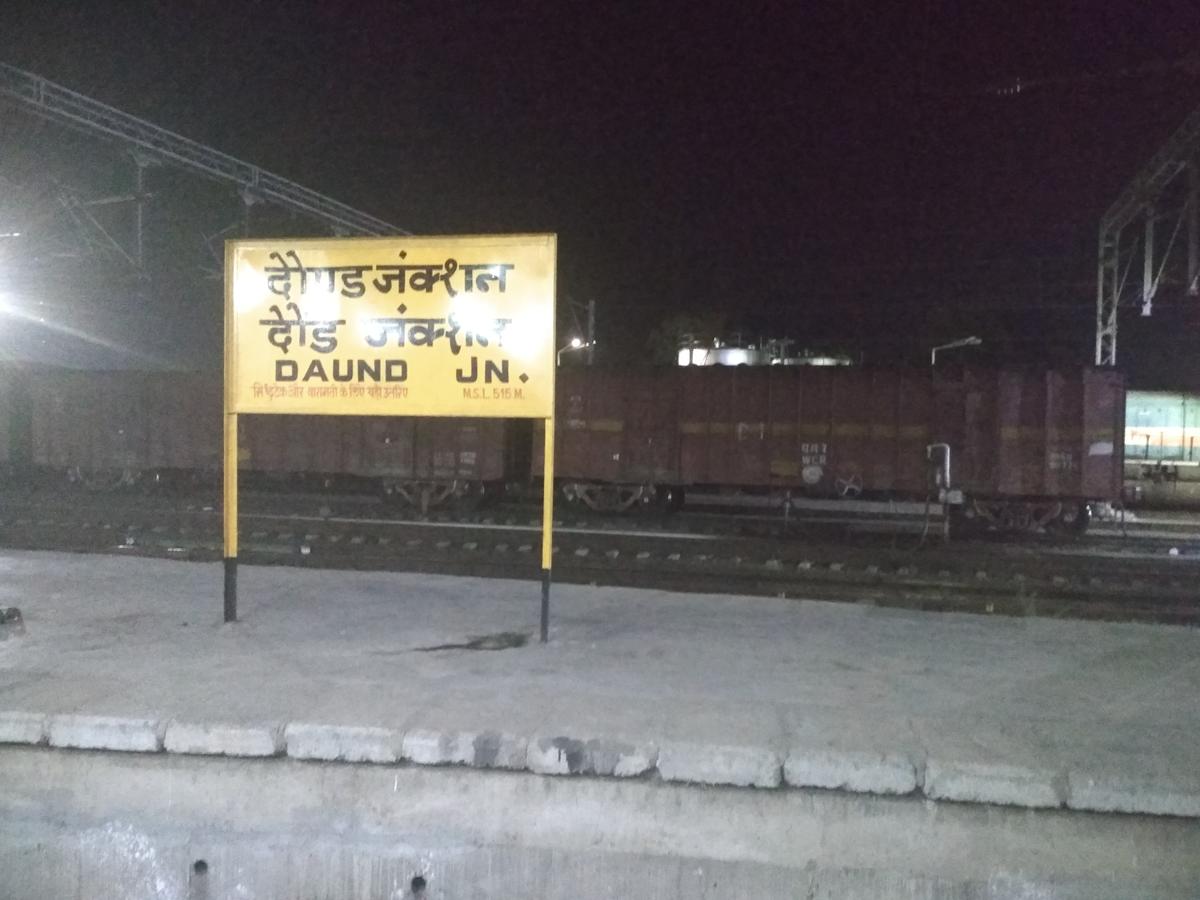
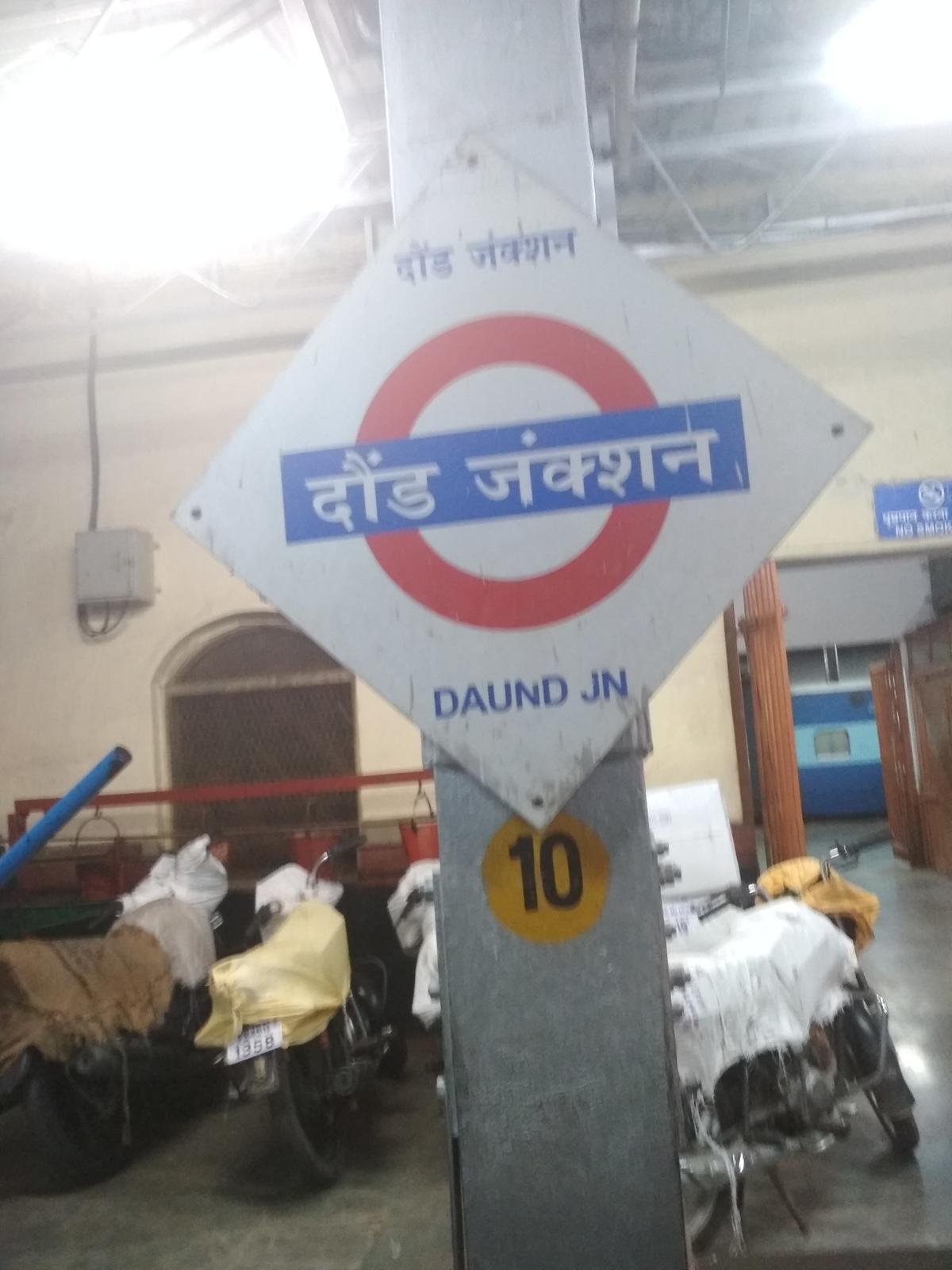
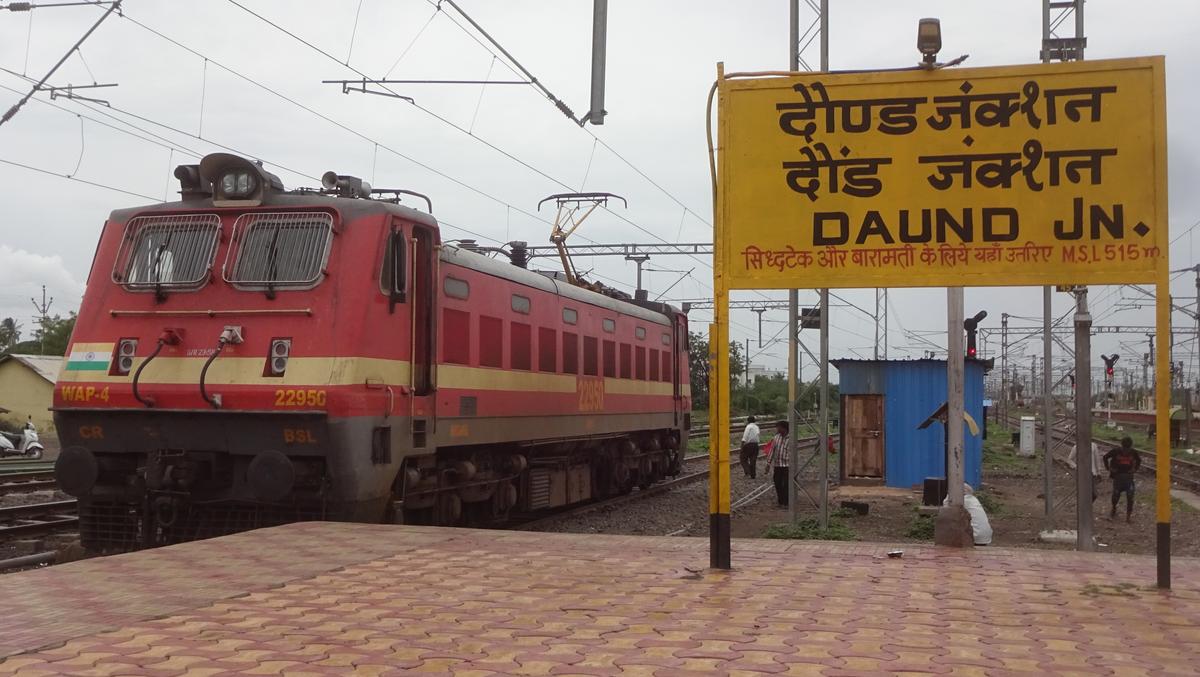
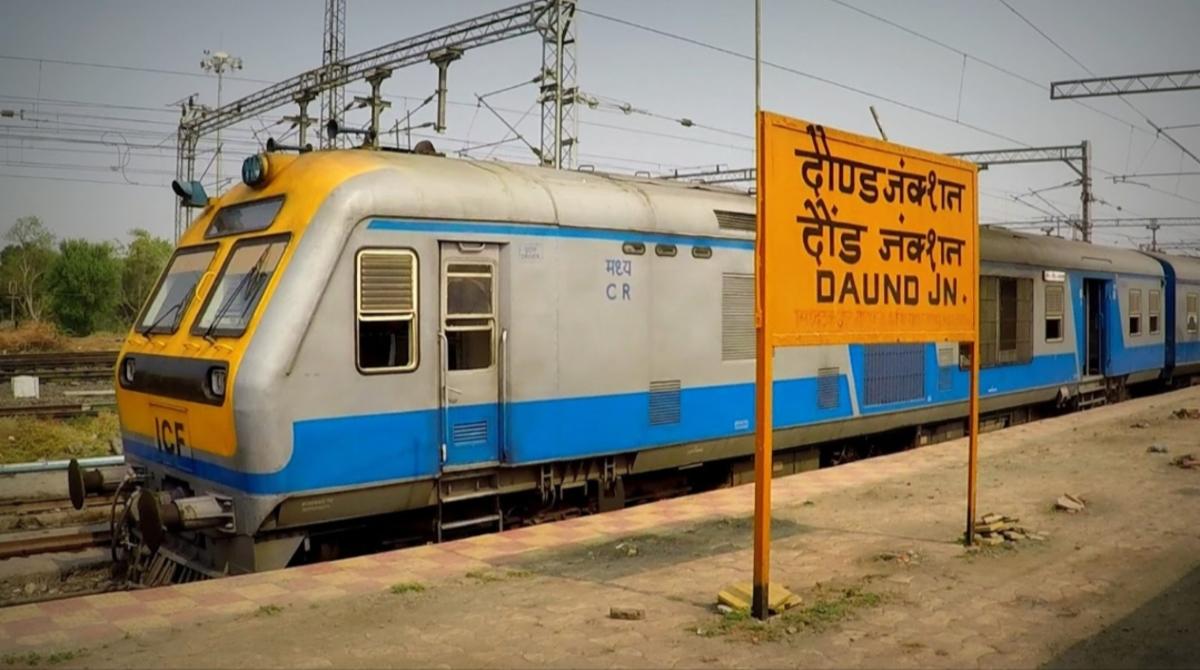
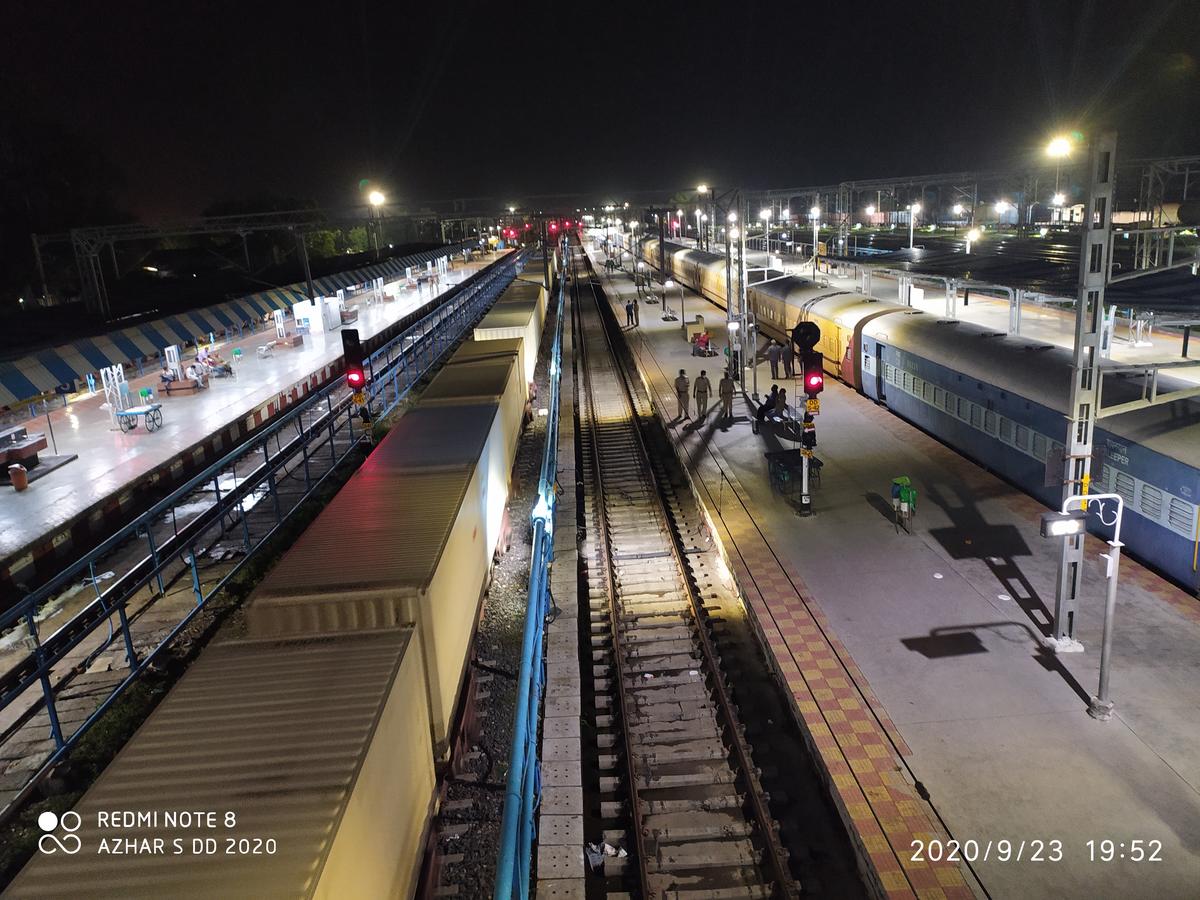
Daund Junction is one of those stations that makes more sense when you think about how trains move, not how stations look. It sits on the Mumbai–Chennai main line and connects routes towards Pune, Solapur, Manmad, and Baramati, which is why trains from very different directions end up crossing paths here.
The station has been around since the late 1850s, growing step by step as new lines were added. At one point, it had a slightly unusual job. Many long-distance trains had to stop here and change direction before moving ahead, which meant Daund was less about passengers and more about railway operations.
That changed in 2020 with the Daund Chord Line, which allows several of those trains to continue without that stop-and-reverse routine. Even now, Daund remains an important working junction where routes connect and trains keep moving without unnecessary delays.
About Daund Junction Railway Station
At first glance, Daund Junction feels simple. No flashy design, no overwhelming rush like metro city stations. But stay there for a few minutes and you begin to notice a pattern. Trains keep moving in and out, not randomly, but with clear purpose.
This is not a station built to impress passengers. It is built to keep trains moving efficiently. Routes split here, merge here, and continue in completely different directions. That is what gives Daund its real importance.
There is also a certain rhythm to the place. It never feels silent for long. Even when platforms are not crowded, the tracks are active. That constant movement tells you that the station is doing more work than it appears on the surface.
Location and Railway Connectivity
Daund’s location is the main reason it matters so much.
It lies on the Mumbai to Chennai main line, one of the busiest railway corridors in the country. But more importantly, it connects multiple directions from a single point. From here, trains move towards Pune, continue to Solapur and further south, head towards Manmad for connections to North India, or take the branch line to Baramati.
Because of this setup, Daund becomes a meeting point for different routes. Trains that are traveling across completely different regions still pass through the same junction.
If you trace routes on a map, you will notice that Daund sits at a point where lines don’t just run straight, they interact. That interaction is what makes it important.
Historical Background
The story of Daund Junction goes back to the early days of Indian Railways.
The railway line passing through Daund, part of the Mumbai to Chennai route, was constructed in stages between 1859 and 1871. The station itself dates back to around 1858 or 1859, placing it among the older stations in the network.
Its role grew gradually as more connections were added. The Baramati line was introduced in 1906, and the link towards Manmad helped establish it as a proper junction.
Another small but important development was the construction of a road bridge over the Bhima River in 1928, which improved connectivity to surrounding areas.
Daund did not become important overnight. It grew into that role step by step as the network expanded around it.
Station Layout and Platform Details
The layout here is straightforward, and that is actually helpful.
There are multiple platforms, but the design is easy to understand even for first-time visitors. Trains can pass through without interruption or move onto different routes when required.
What stands out is that everything is arranged with movement in mind. It may not look modern, but it works smoothly, much like what you would notice at Lar Road Railway Station, where simplicity makes navigation easier. You do not see unnecessary complications in how trains are handled.
Passenger Facilities and Amenities
Facilities at Daund Junction are basic, but they cover the essentials.
You will find ticket counters, waiting areas, drinking water, and food stalls. It is not a place designed for long, comfortable stays, but it serves passengers who are either passing through or waiting for a connection.
Most people here are in transit, so the station focuses more on function than comfort.
Train Movement and Operations
If there is one thing Daund does consistently, it is keeping trains moving.
You will see a mix of express trains, passenger services, and freight trains passing through at regular intervals. It is not chaotic, but it is rarely still.
Earlier, the station had a very specific operational role. Many long-distance trains had to stop here and reverse direction before continuing their journey. This added time, but it was necessary because of how the tracks were arranged.
It made Daund a compulsory halt for several important routes.
The Daund Chord Line Change
This situation changed in 2020 with the introduction of the Daund Chord Line.
With this new connection, trains that earlier needed to enter the station and reverse direction can now bypass that process. This has reduced delays, especially for long-distance trains traveling between Pune and northern routes.
Some trains now skip the main junction area entirely, which has changed how traffic flows through Daund.
Even with this change, the station continues to handle a steady flow of trains. The role has shifted slightly, but the importance remains.
Suburban and Regional Connectivity
Daund is also linked closely with Pune and nearby regions.
The Pune to Daund section was electrified in 2017, and DEMU services operate on this route. There are also regular connections between Daund and Baramati.
These services are important for daily travel, not just long-distance journeys. They connect smaller towns to a larger city like Pune.
There have been discussions about introducing EMU services in the future, which could make travel even more frequent and convenient.
Freight and Economic Importance
One part of Daund that most passengers do not notice is its role in freight movement.
The station acts as a redistribution point for goods trains. Because of its location, freight can be routed efficiently across different directions without unnecessary detours.
This makes Daund important not just for passengers, but also for the movement of goods across regions.
Why Daund Junction Still Matters
Daund Junction does not depend on appearance or scale to stay relevant. Its importance comes from how the railway network uses it.
It connects multiple routes, supports both passenger and freight movement, and has adapted over time as operations changed.
Even after the introduction of the chord line, which reduced the need for train reversals, Daund continues to function as a key link between different parts of the network.
It is the kind of station that quietly does its job well. You may not remember much about how it looks, but chances are your train journey has depended on it at some point.