

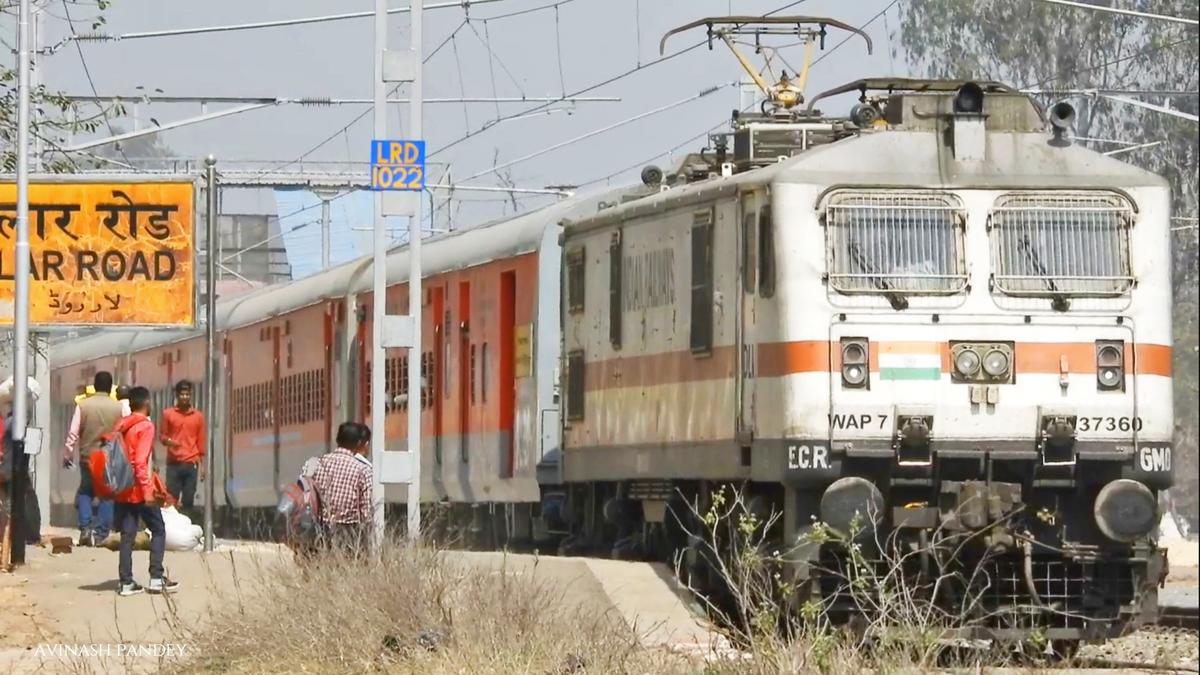
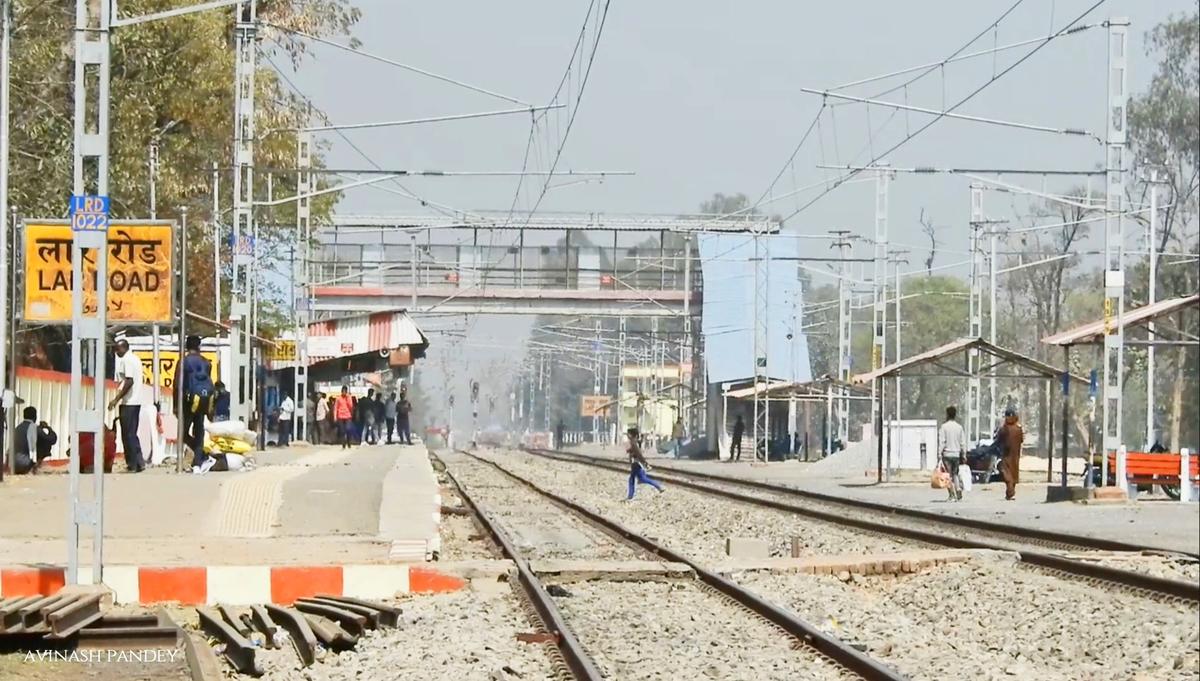
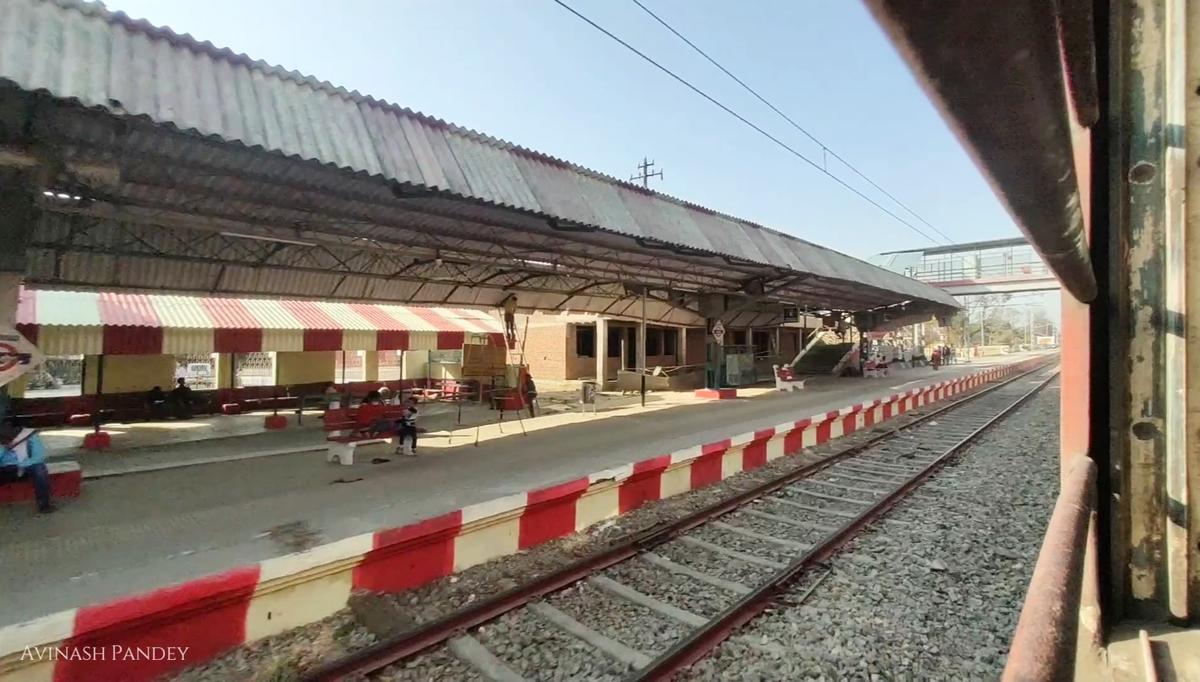
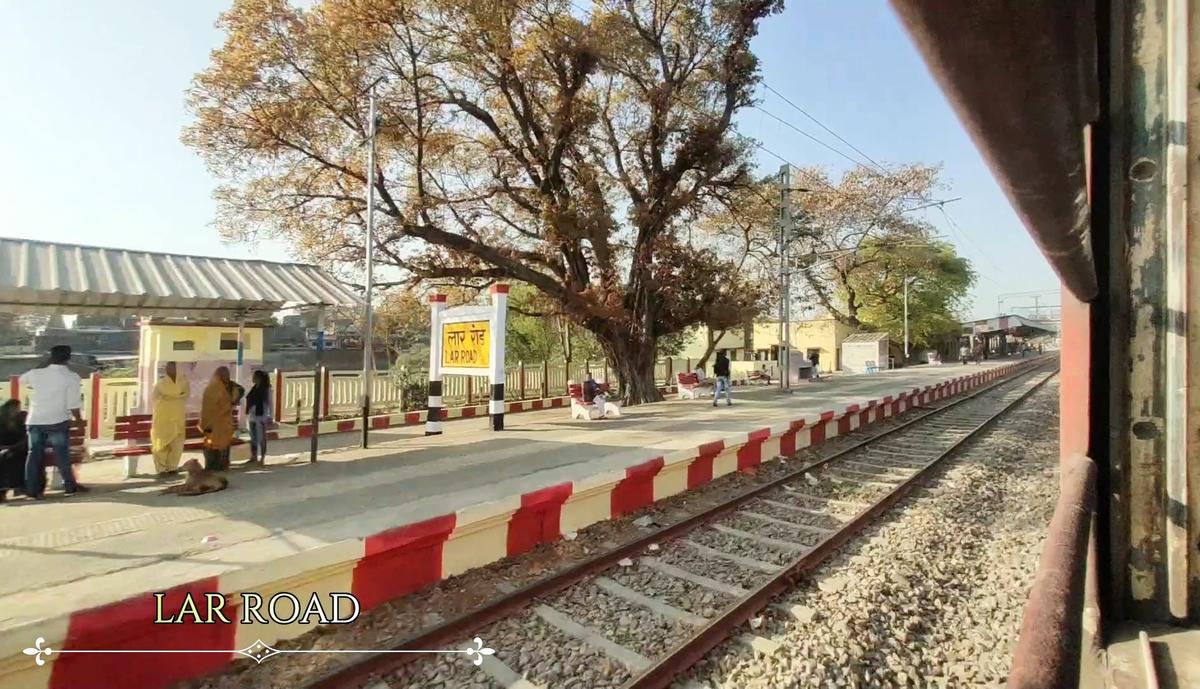
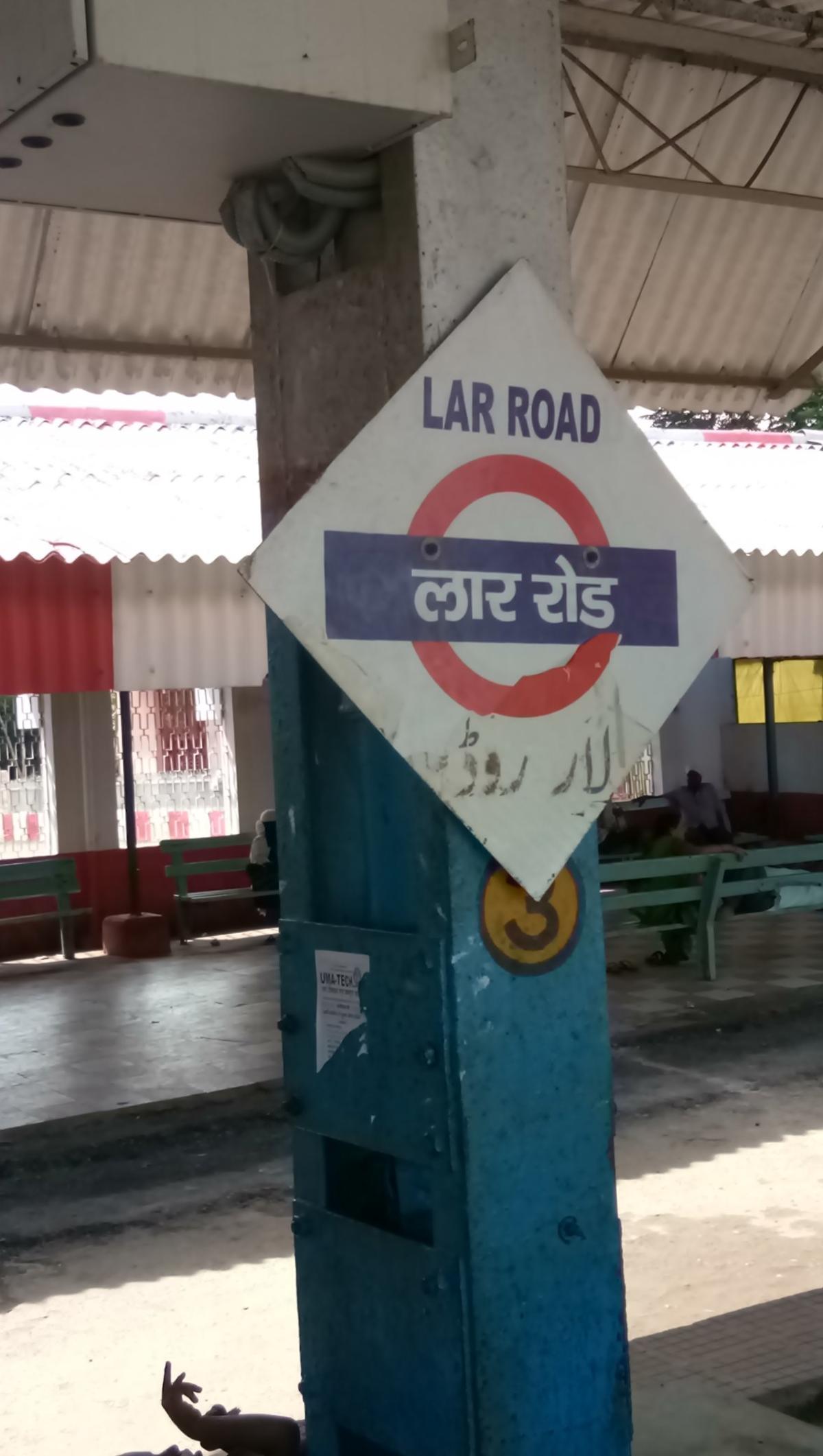
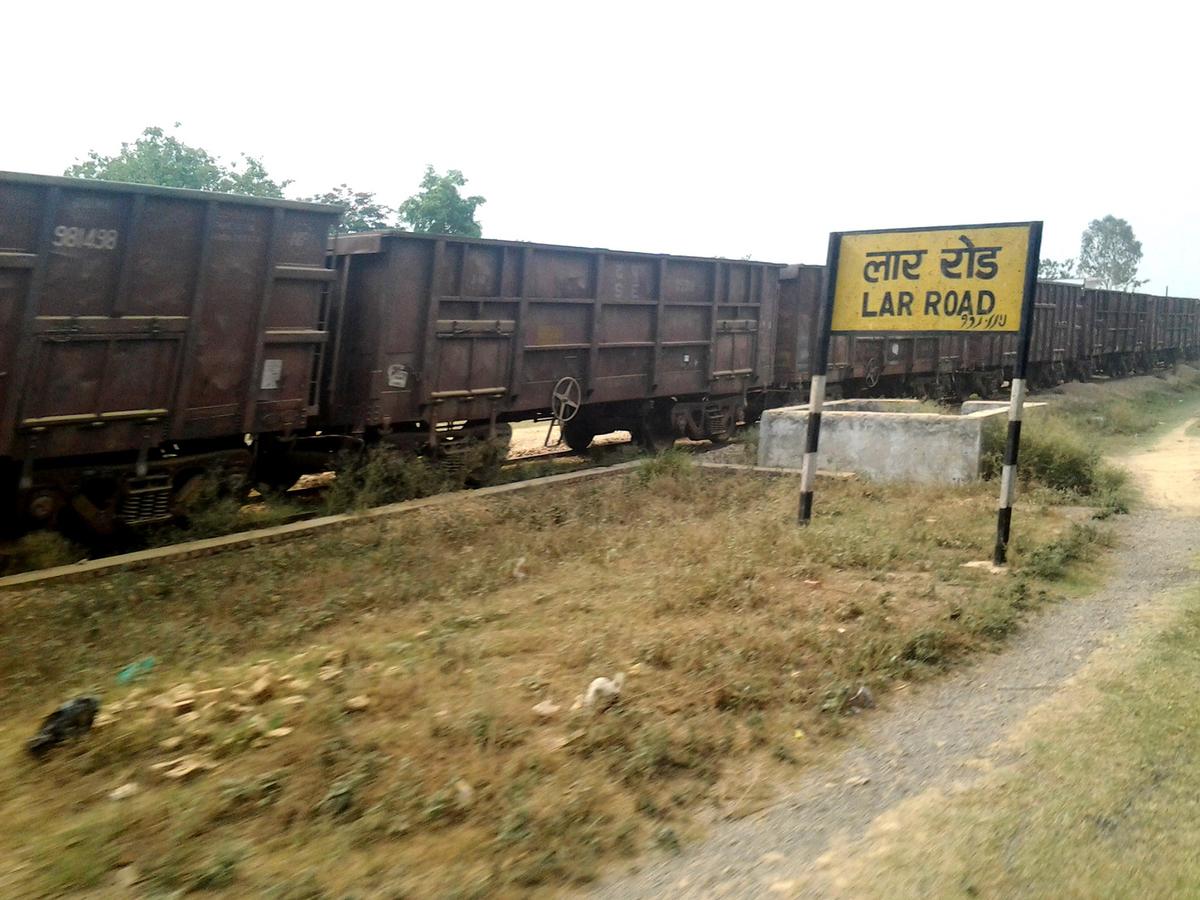
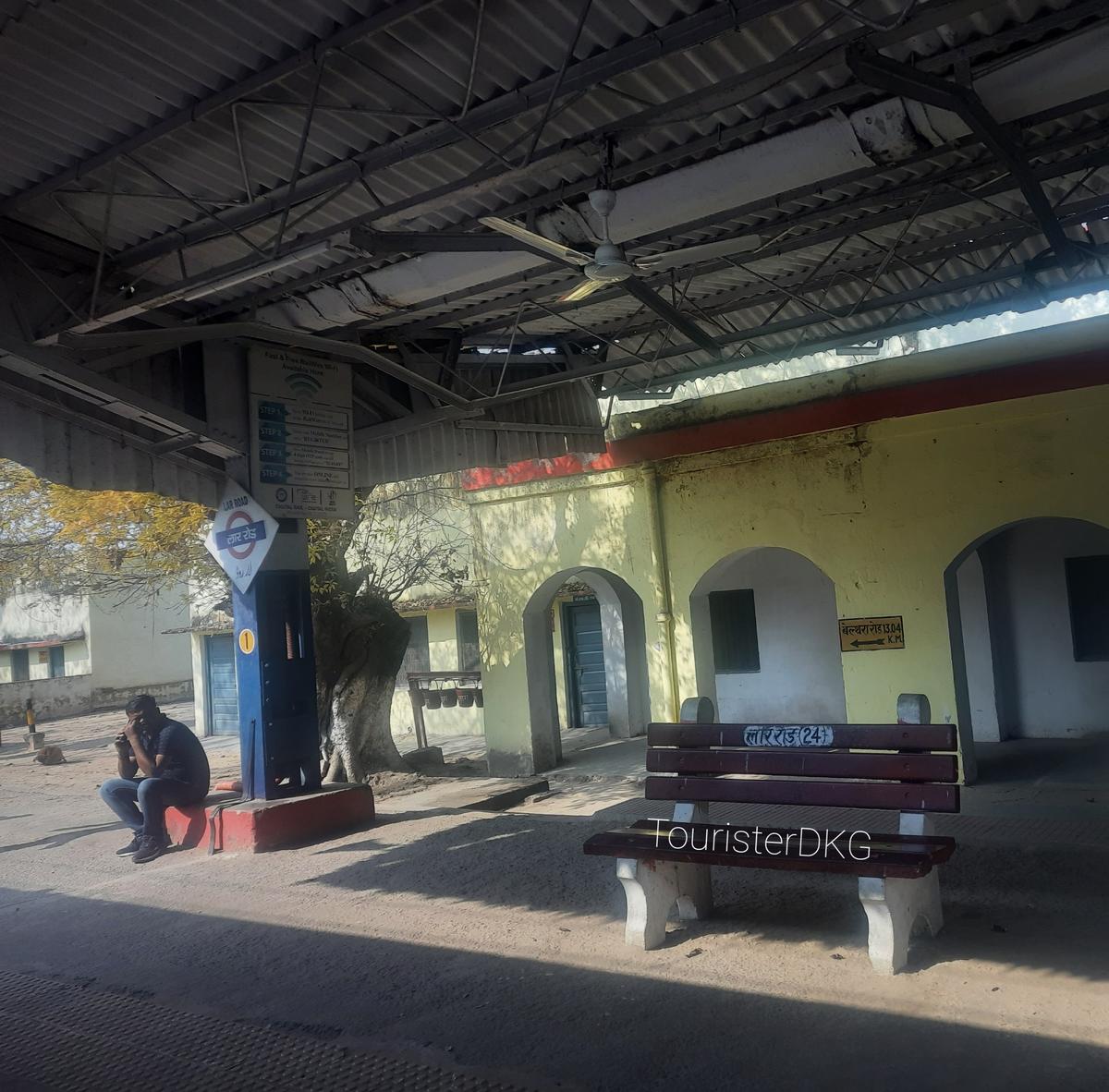
Lar Road Railway Station is the kind of place you would probably miss if you were only looking at big railway maps. But on the ground, it tells a very different story. Located in Deoria district of Uttar Pradesh, and identified by the code LRD, this station sits on the Gorakhpur to Varanasi route, where trains keep moving almost all day.
There is a certain rhythm here. Regular passengers arrive without checking the time twice, chai stalls know their customers, and most people are not in a hurry to figure things out because they already have. It mainly serves nearby towns and villages, giving them direct access to bigger cities without needing to travel far just to catch a train.
You will not find luxury here, but you will find reliability. And sometimes, for daily travel, that matters a lot more than anything else.
About Lar Road Railway Station
Lar Road Railway Station feels less like a “station” and more like a familiar stop in people’s daily routine. It serves Lar town and the nearby villages of Deoria district, where trains are not occasional plans but part of everyday life. If you stand on the platform for a while, you will notice something interesting. Most people are not confused or rushing around. They already know where to stand, which train is coming, and roughly when it will arrive.
There is no attempt here to look modern or polished. And honestly, it does not need to. The station exists for a very clear reason, to connect people from smaller places to bigger cities without making the journey complicated. That purpose shows in everything, from the simple layout to the kind of passengers you see daily.
History of Lar Road Railway Station
Lar Road does not have a widely documented or celebrated history like big junctions, but its story follows a familiar pattern seen across eastern Uttar Pradesh. The station developed as part of the expansion of railway lines that connected Gorakhpur, Varanasi, and nearby regions during the late colonial period and continued to evolve under Indian Railways.
Instead of dramatic changes, its growth has been steady and practical. As nearby towns and villages became more dependent on rail travel, the station adapted to handle increasing passenger movement. It never transformed into a major hub, but it became something equally important, a reliable local connector.
Location and Railway Connectivity
Lar Road is located in Deoria district, Uttar Pradesh, and lies on the Gorakhpur to Varanasi railway line, which is an important route in this part of North India. This line connects several towns and feeds into larger junctions, making even a small station like Lar Road surprisingly useful.
From here, passengers can easily travel towards Gorakhpur, which is a major railway hub with connections across India, or head towards Varanasi, one of the busiest and most well-connected stations in the region. Mau is another nearby junction that adds flexibility to travel plans.
What makes Lar Road practical is that people do not need to travel far just to catch a train. They can start their journey from here itself, which saves both time and effort. For daily commuters and short-distance travelers, that convenience matters more than anything else.
Station Layout and Platform Details
The layout of Lar Road Railway Station is straightforward, and that is actually one of its strengths. There are a few platforms, typically two to three, handling trains in both directions. A foot overbridge connects them, making it easy to move across without confusion. You will not find long walks, complicated signage, or the need to double-check everything.
Even if you are visiting for the first time, it takes only a few minutes to understand how the station works. Compared to larger stations like Yesvantpur Railway Station, where navigating platforms and crowds can take a bit more effort, Lar Road keeps things refreshingly simple.
Passenger Facilities and Amenities
Facilities here are basic, but they cover what most passengers actually need. There are ticket counters, seating areas, drinking water, and small stalls selling tea and snacks. Nothing feels excessive, but nothing essential is missing either.
If you are expecting waiting lounges or branded food outlets, you will not find them here. But if all you need is a place to sit, a cup of chai, and a train that arrives without too much confusion, the station does its job well. For regular passengers, that balance is more valuable than fancy additions.
Passenger Traffic and Train Operations
Lar Road sees a steady flow of passengers throughout the day. It is not overcrowded like major junctions, but it is rarely empty. The crowd here is mostly made up of daily commuters, students, and people traveling short to medium distances.
Passenger trains and MEMU services are quite common, connecting nearby towns. Some express trains also stop here, depending on the route and demand. The pace is consistent. Not too slow, not too chaotic. Just enough movement to keep things active without overwhelming the station.
Station Classification and Importance
In official terms, Lar Road is considered a small station under Indian Railways. But numbers and categories do not always tell the full story. Its real importance comes from how many people depend on it daily.
For many villages around Lar, this station is the nearest and most practical access point to the railway network. It acts as a bridge between rural areas and larger cities. Without it, even a simple journey would require extra travel just to reach a bigger station.
Navigation and Passenger Movement System
One of the most noticeable things about Lar Road is how easy it is to navigate. You do not see people constantly checking boards or asking for directions. Most of the movement feels natural and familiar.
The station is small enough to understand quickly, and that reduces stress for passengers. In a way, it proves that not every station needs complex systems. Sometimes, simplicity works better.
Future Developments and Expansion Plans
There are no major redevelopment projects widely reported for Lar Road, but like many smaller stations, it is likely to see gradual improvements over time. These usually include better platform maintenance, cleaner surroundings, and small upgrades in passenger facilities.
The focus here is not on turning it into a large junction, but on making daily travel smoother and more comfortable. And for a station like this, that approach makes more sense.
3 thoughts on “Lar Road Railway Station (LRD) – Train Details, Routes and Booking Info”