
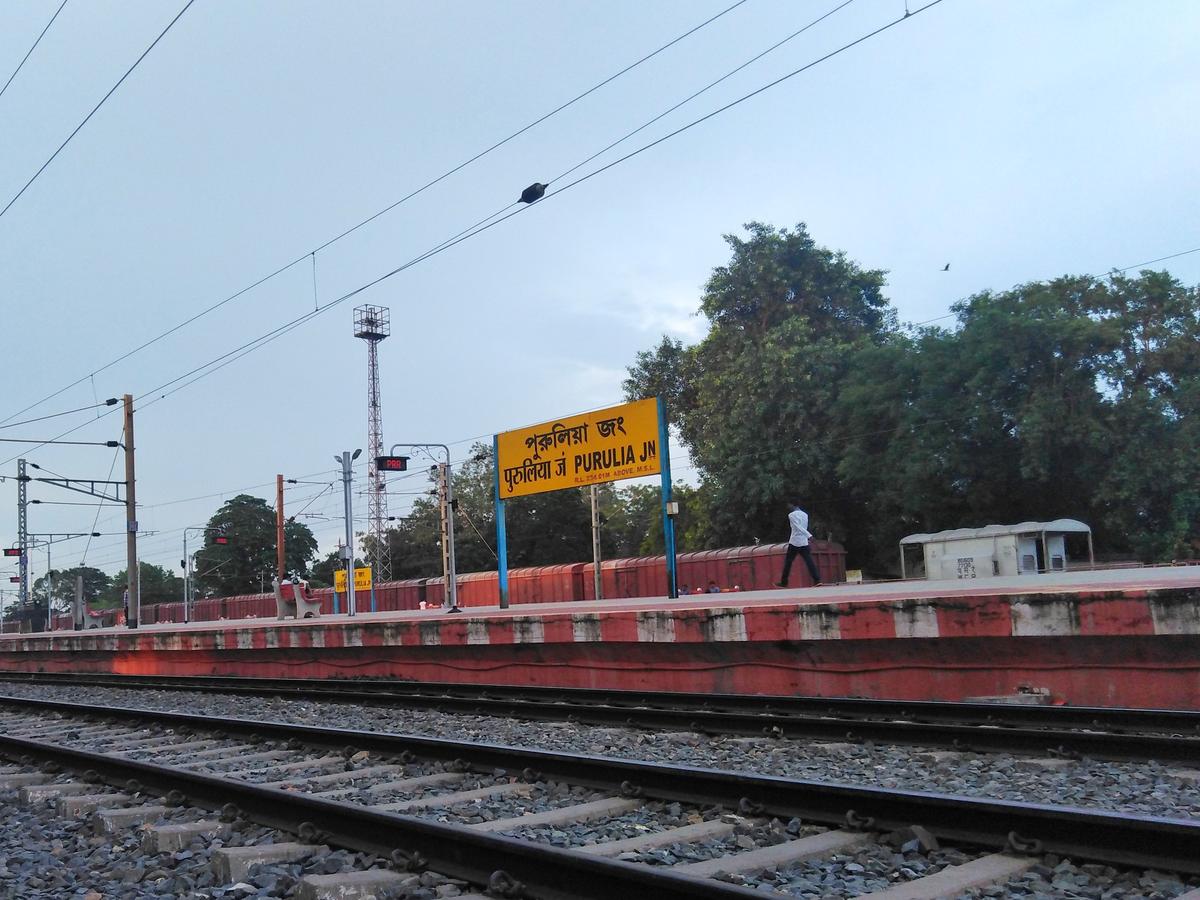
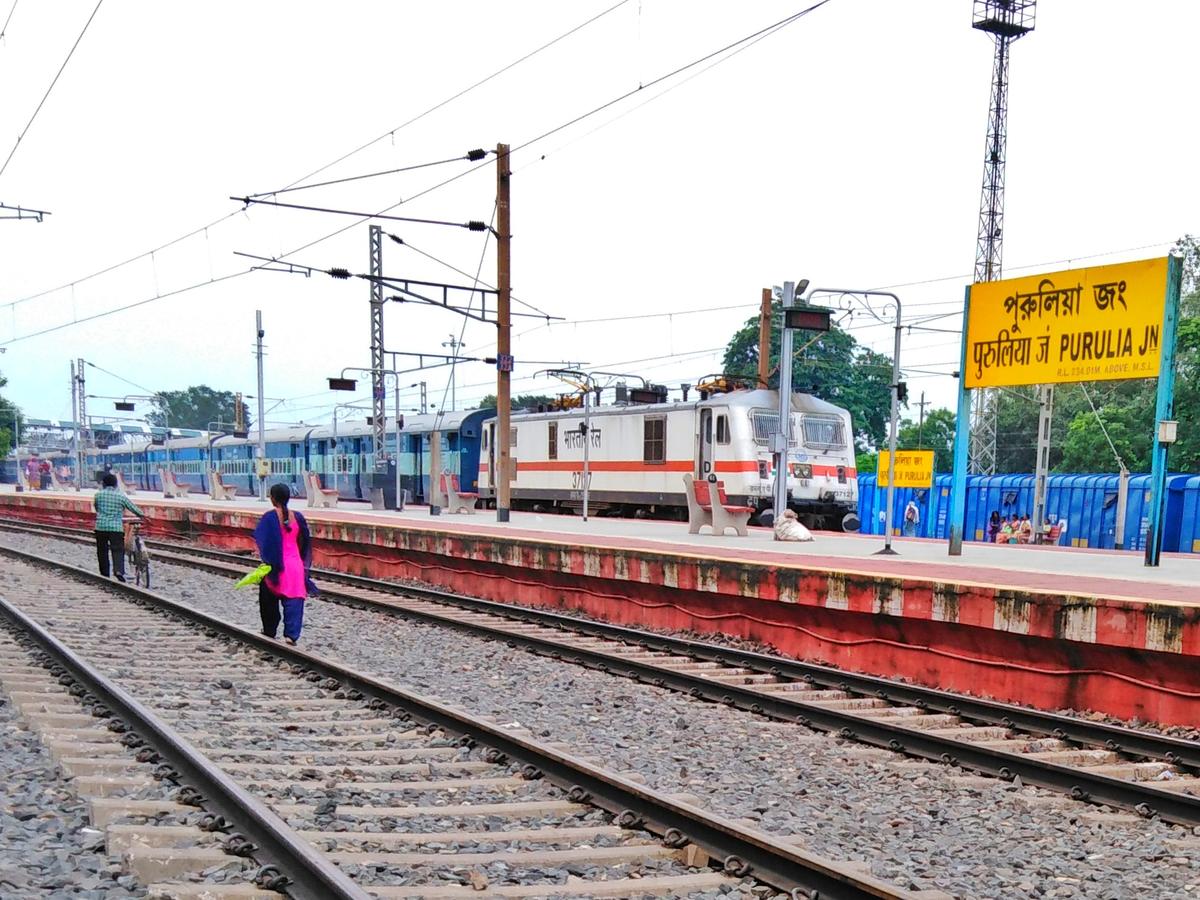
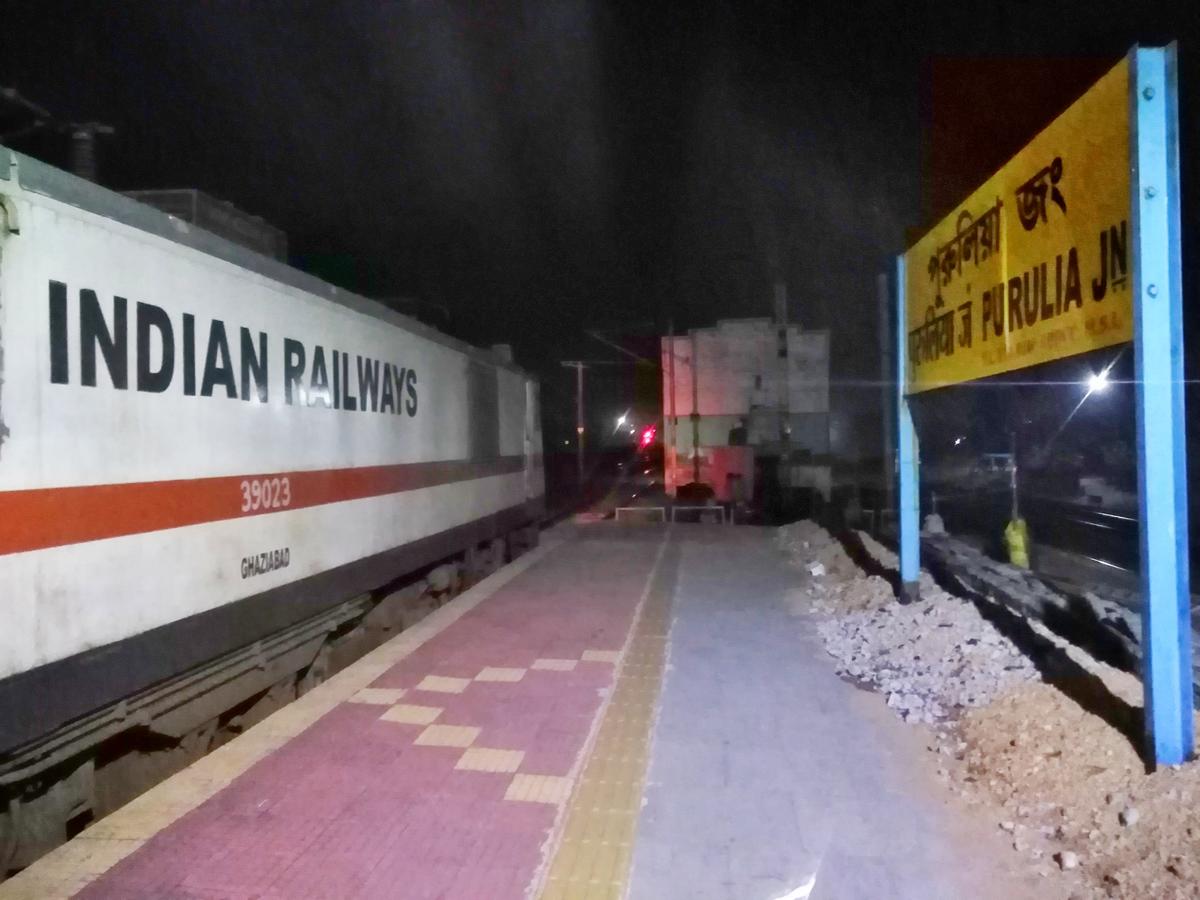
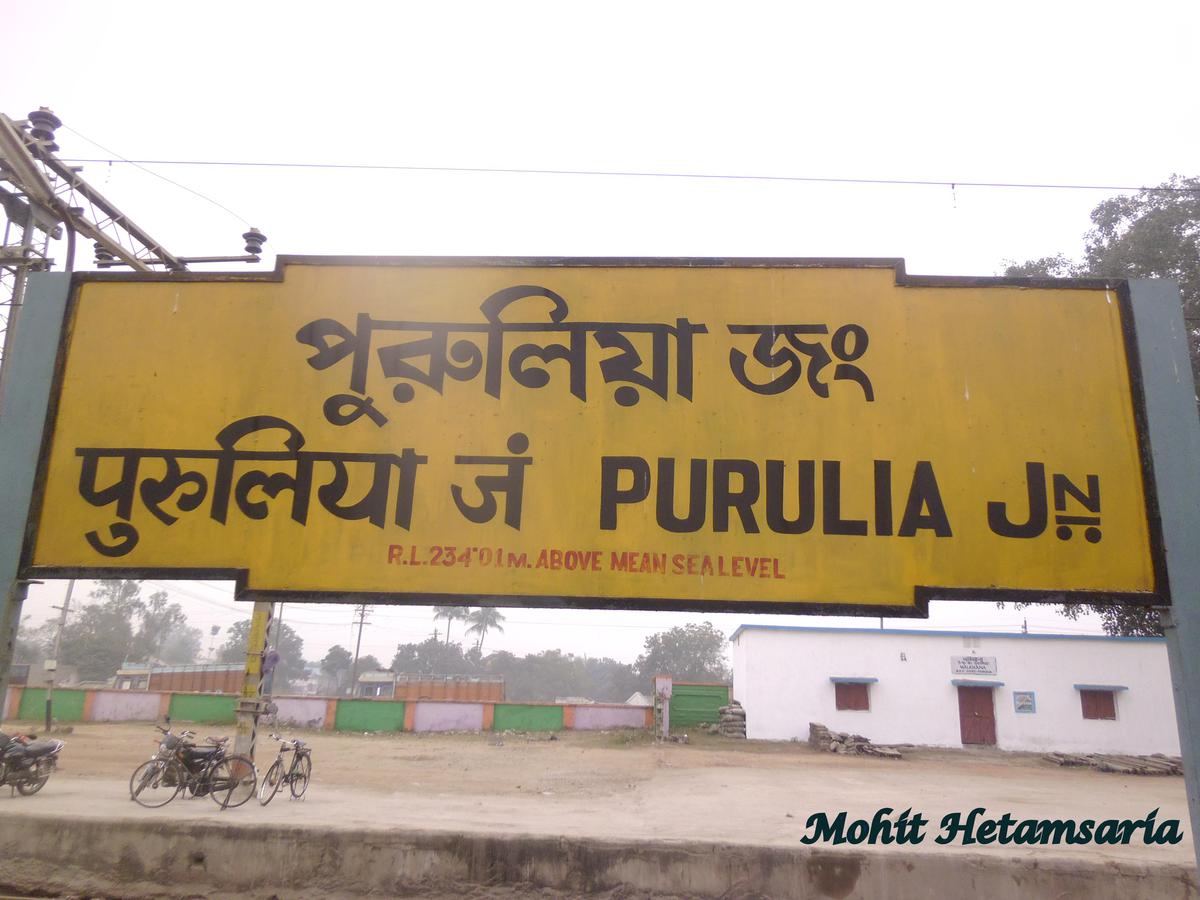
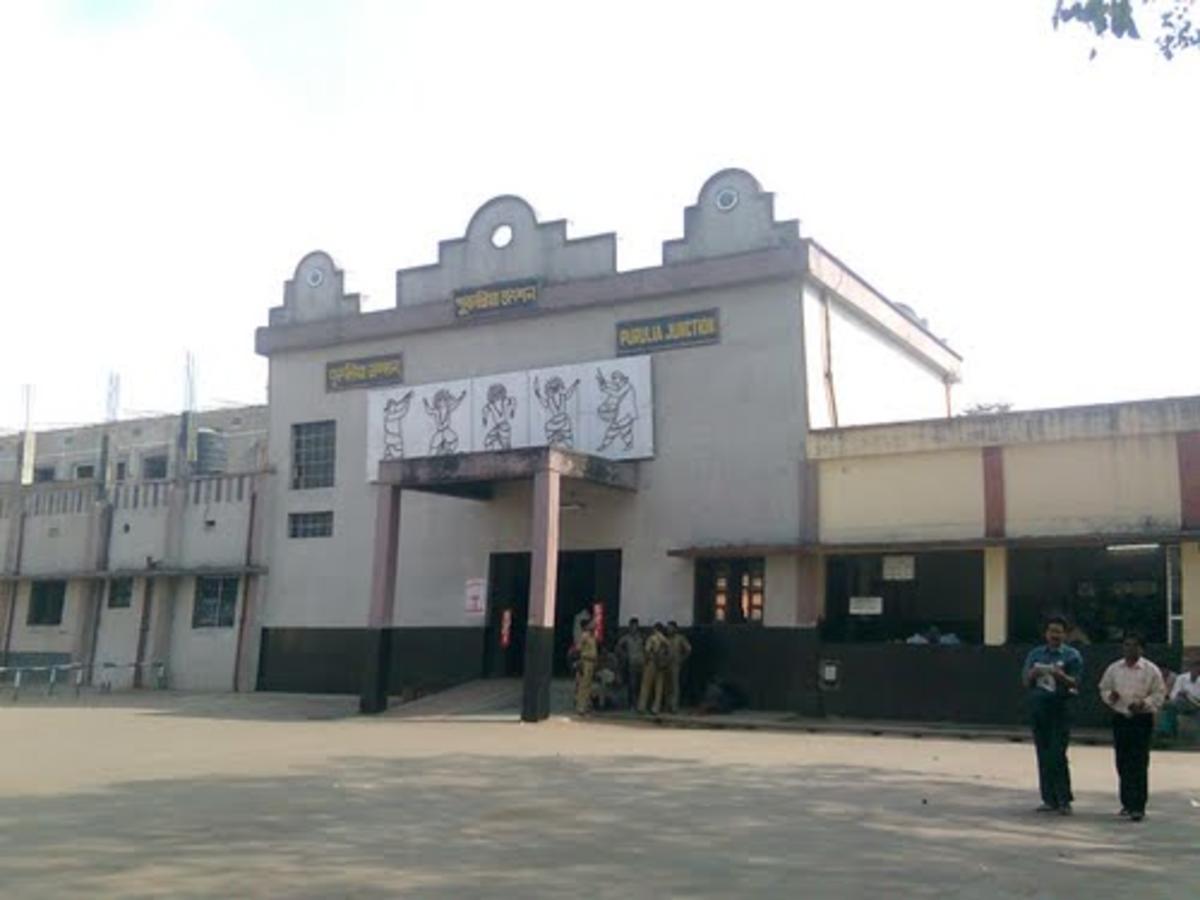
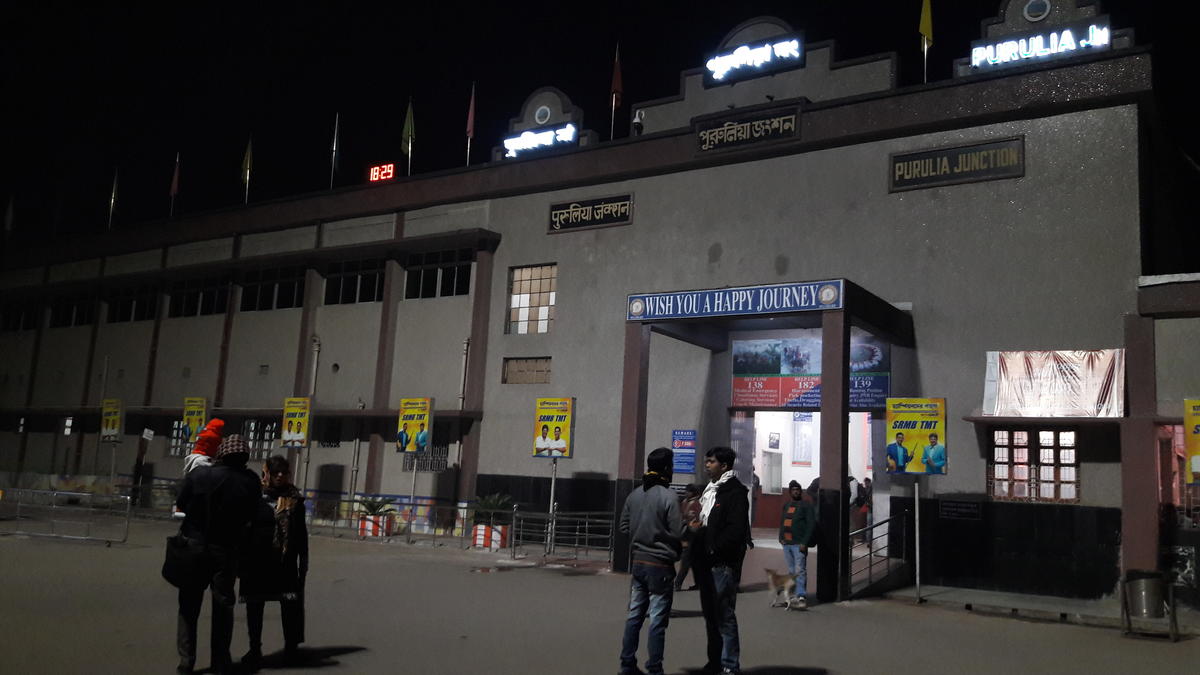
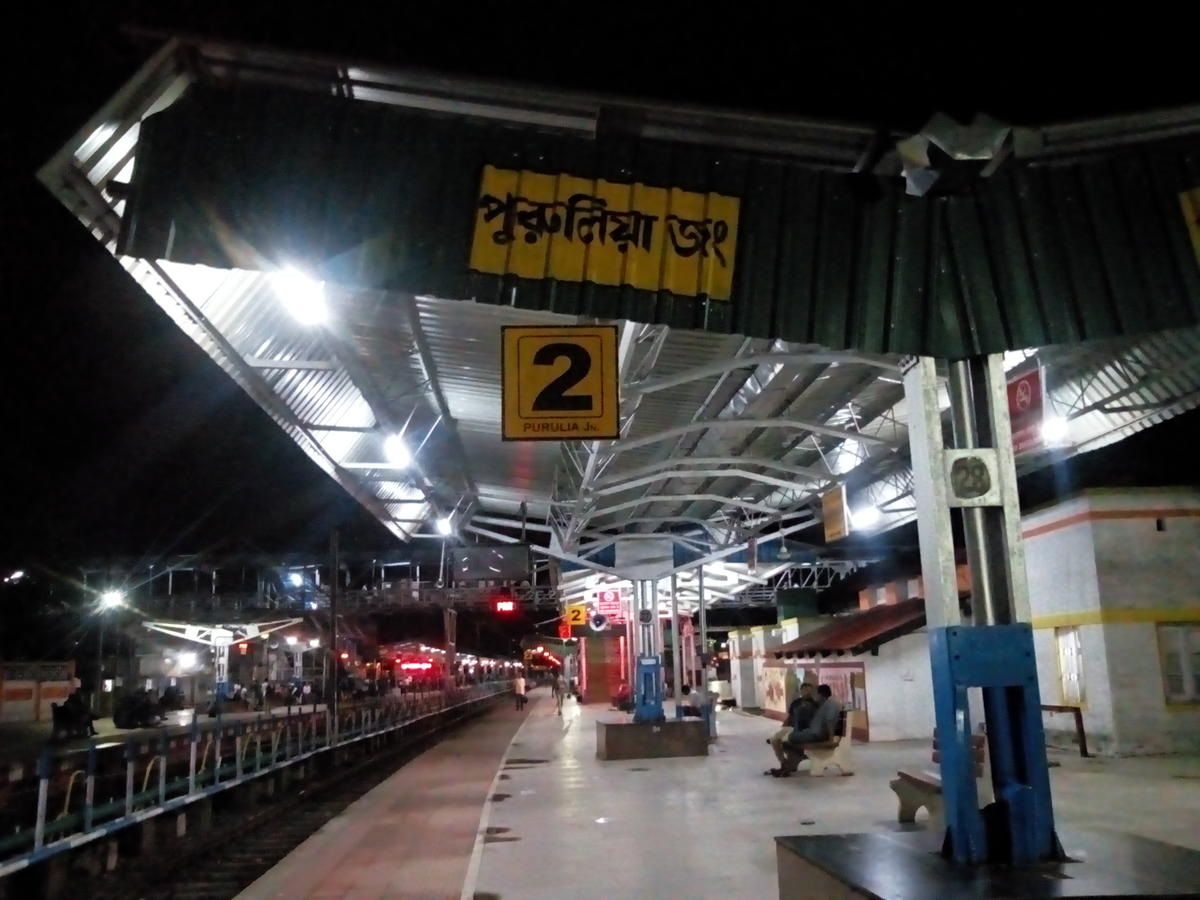
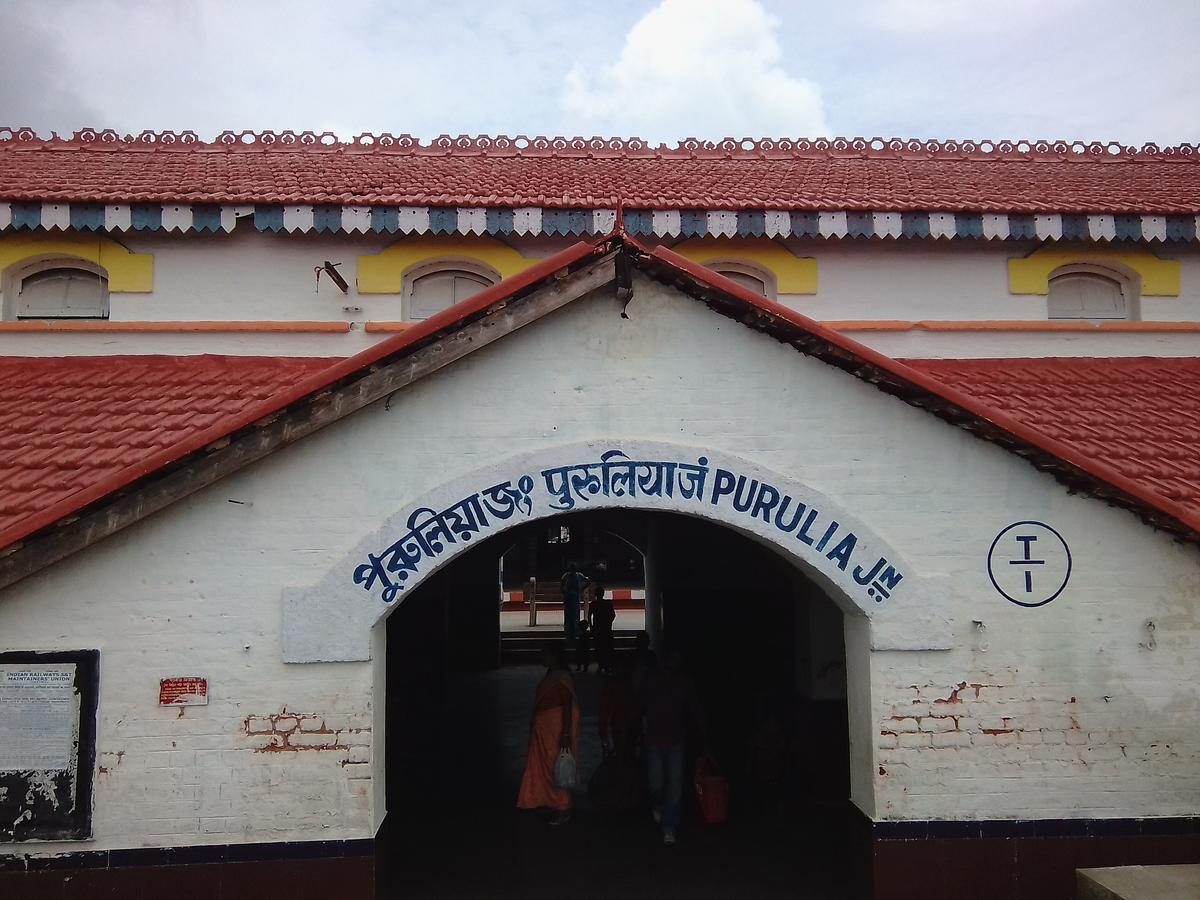
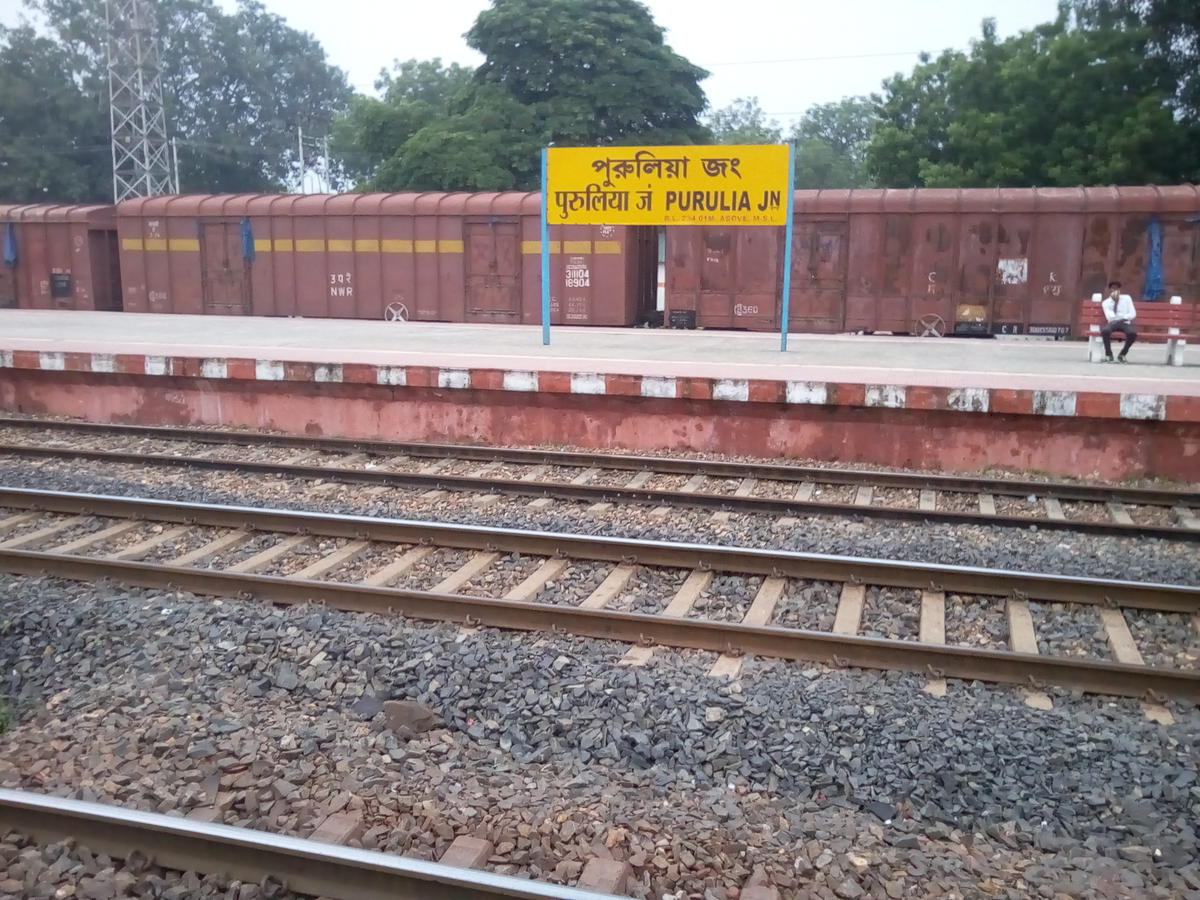
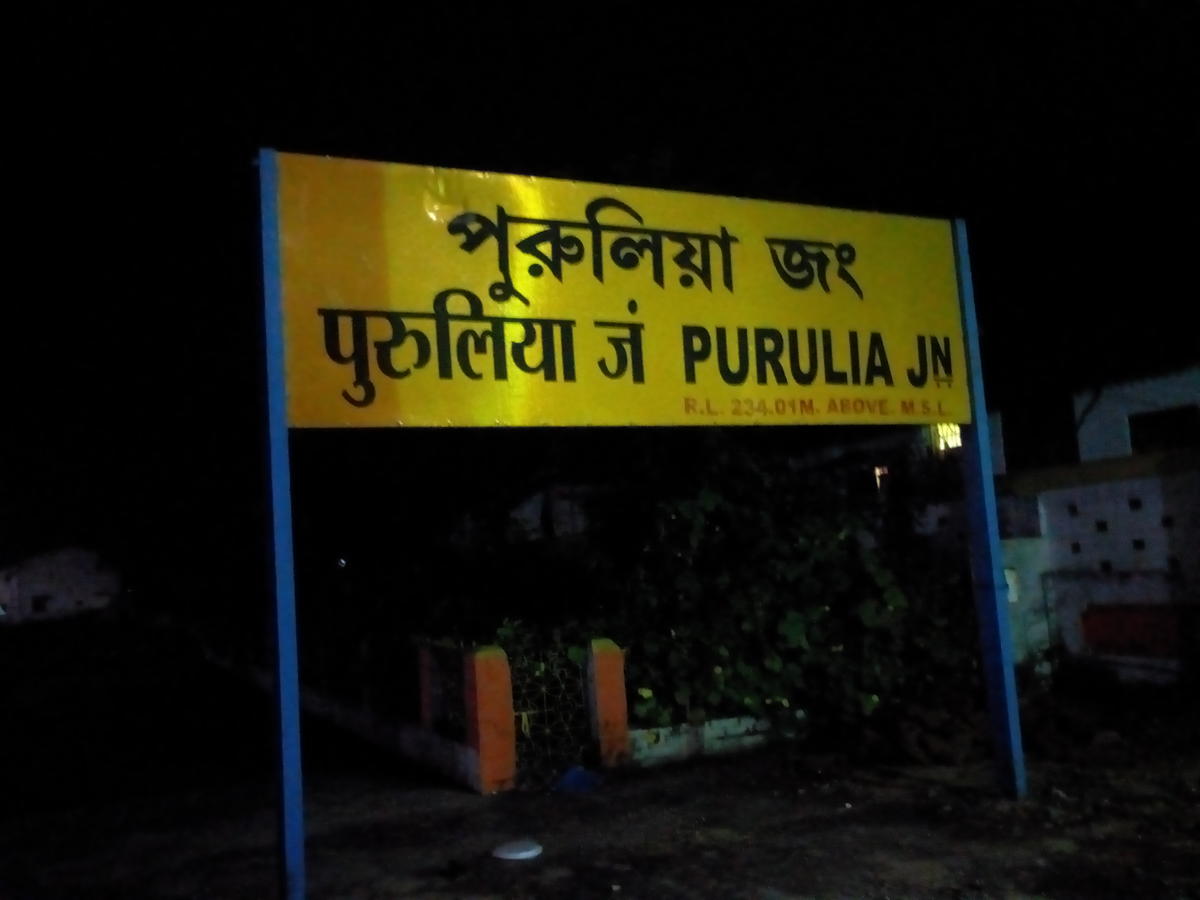
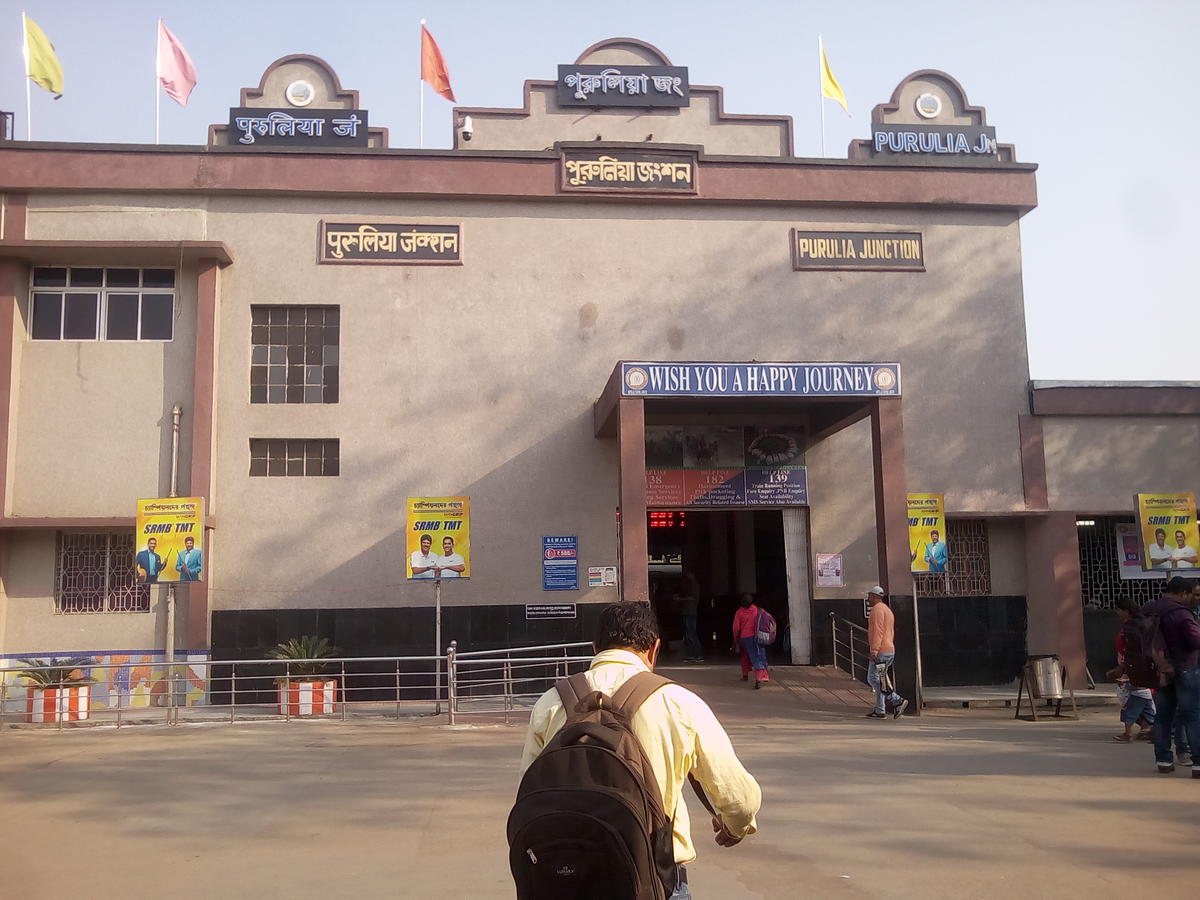
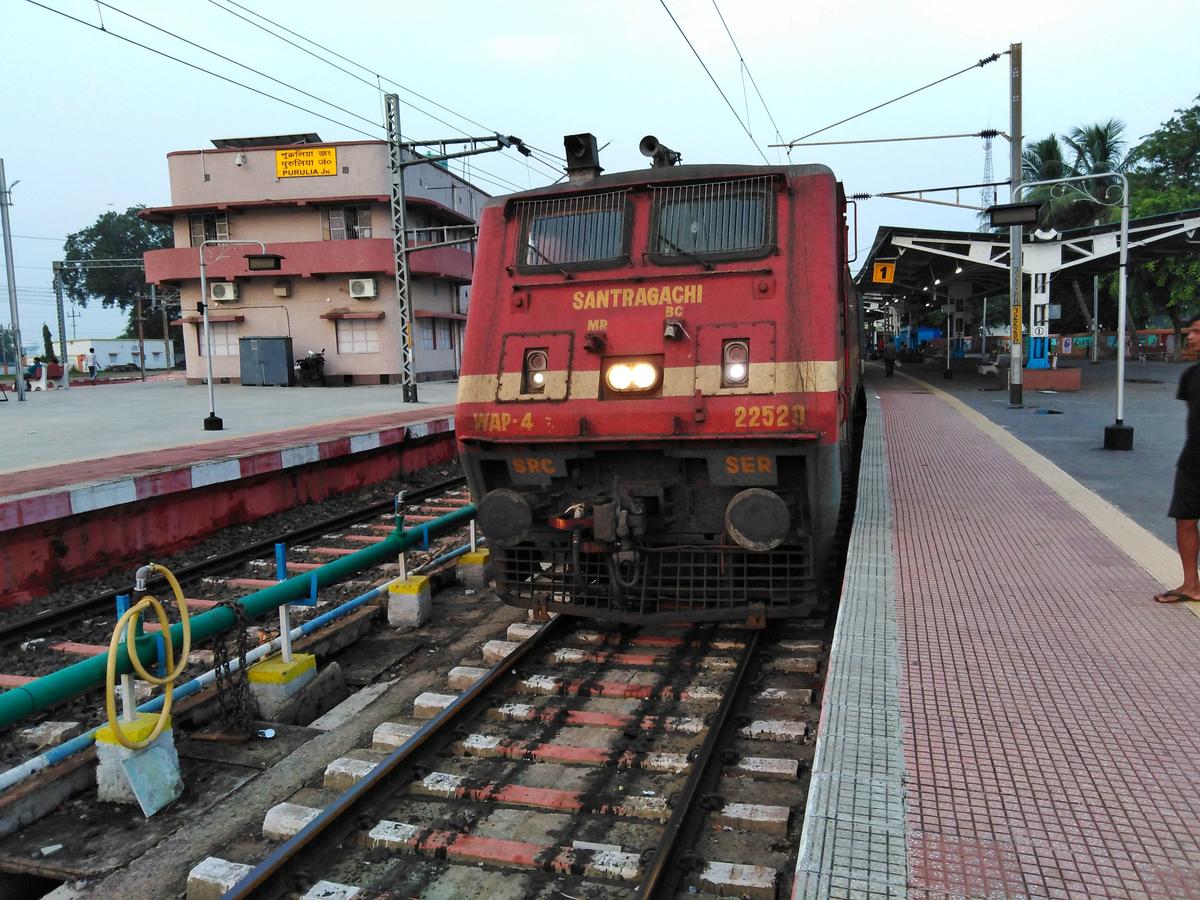
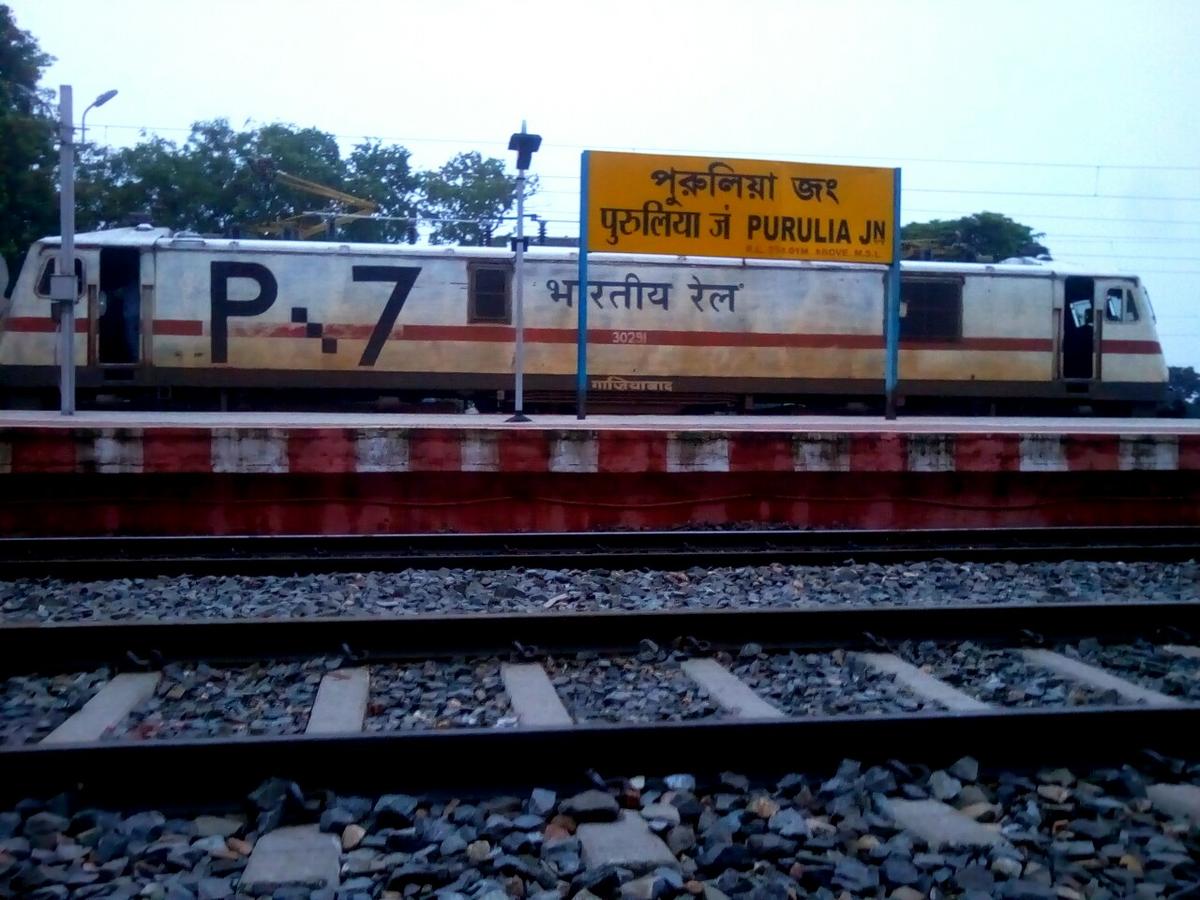
Purulia Junction is one of those stations that quietly does a lot more than it shows. Located in Purulia city of West Bengal, it serves as a key rail link connecting routes toward Asansol and Adra, Ranchi and Bokaro, and Tatanagar. That makes it a proper three way junction, not just a name on the board.
Its roots go back to the Bengal Nagpur Railway era, which helped shape important east west connections in India. Over time, gauge upgrades and electrification improved how trains move through this region, especially for both passengers and freight.
The station is classified under NSG 3, which means it handles steady traffic without the chaos of bigger junctions. You will find important trains connecting Kolkata, Delhi, Mumbai, and even southern India passing through or starting here.
It is not flashy, but it works. And honestly, that reliability is what makes it important.
About Purulia Junction Railway Station
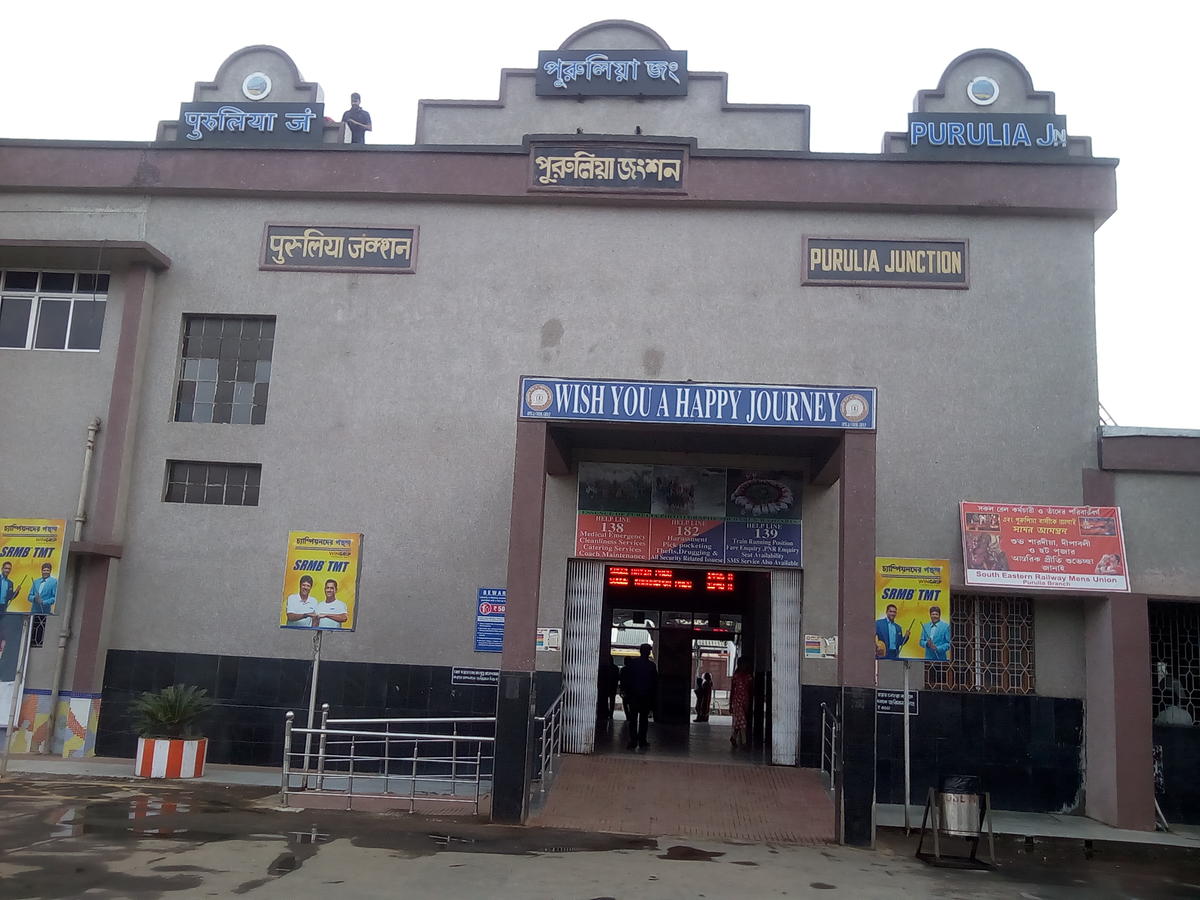
Purulia Junction is one of those stations that feels grounded in real railway life. It serves Purulia city in West Bengal, and while it may not look grand, it plays a very real role in keeping this part of the state connected. You will notice railway quarters nearby, a small detail that quietly tells you this is a working station, not just a stop for passing trains.
It falls under the NSG 3 category, which basically means it handles a steady number of passengers and trains without turning into a crowded mess. There is movement, but it rarely feels overwhelming.
Location and Railway Connectivity
Purulia Junction sits on the eastern side of the city, making it fairly accessible for locals. But what makes it truly important is how it connects in three different directions.
From here, trains move toward Asansol and Adra, linking to major trunk routes. Another line heads toward Muri, Bokaro, and Ranchi, opening access to Jharkhand. The third direction goes toward Tatanagar and Chakradharpur, connecting further into important railway corridors.
This three way connectivity is what gives the station its “junction” identity in a very practical sense. It is not just a label, it actually works like one.
History That Still Shapes the Station
The story of Purulia Junction goes back to the days of the Bengal Nagpur Railway. In the late 19th century, this railway company was focused on building a shorter and more efficient route between Howrah and Mumbai. By 1891, the main line connecting Nagpur to Asansol was already in use for goods traffic.
Later, the Purulia to Ranchi line started in 1907 as a narrow gauge route. Over time, like many such lines in India, it was upgraded to broad gauge to handle more traffic and faster trains.
So when you stand on the platform today, you are not just looking at a station. You are standing on layers of railway history that slowly shaped what it is now.
Electrification and Operational Strength
One of the major upgrades in this region came in the early 1960s when several nearby sections were electrified. Routes connecting areas like Chakradharpur, Tatanagar, and beyond became part of the electric network.
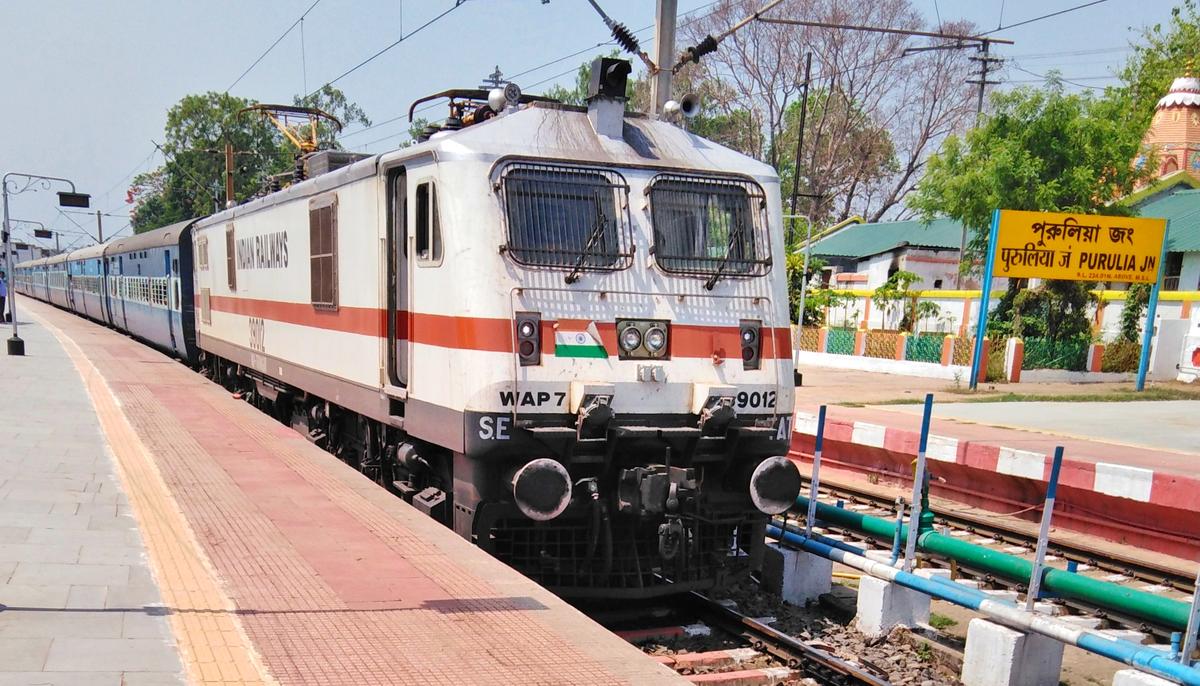
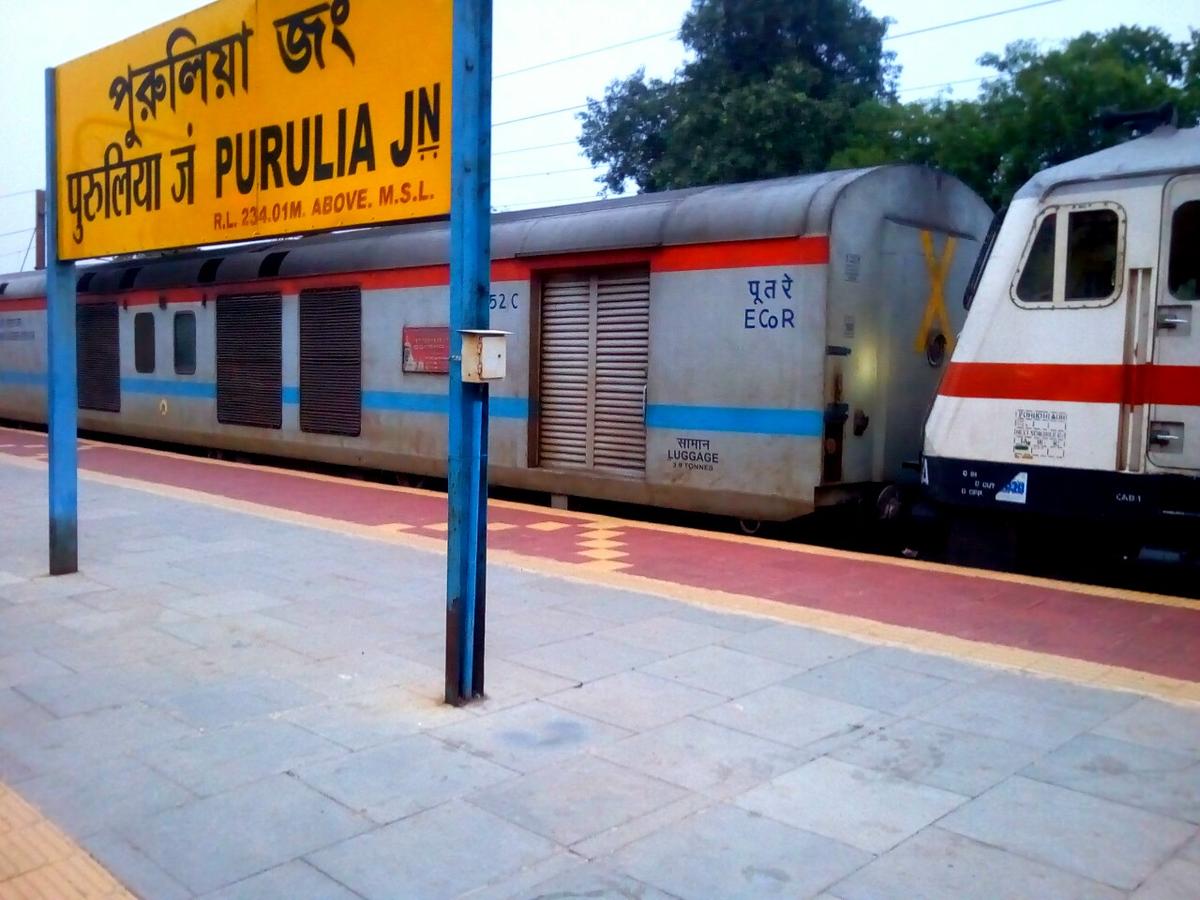
This changed how trains operated. Electric locomotives brought better speed, smoother movement, and more efficient handling of both passenger and freight trains. Even today, that upgrade continues to support the station’s daily operations without much noise about it.
Station Layout and Platform Experience
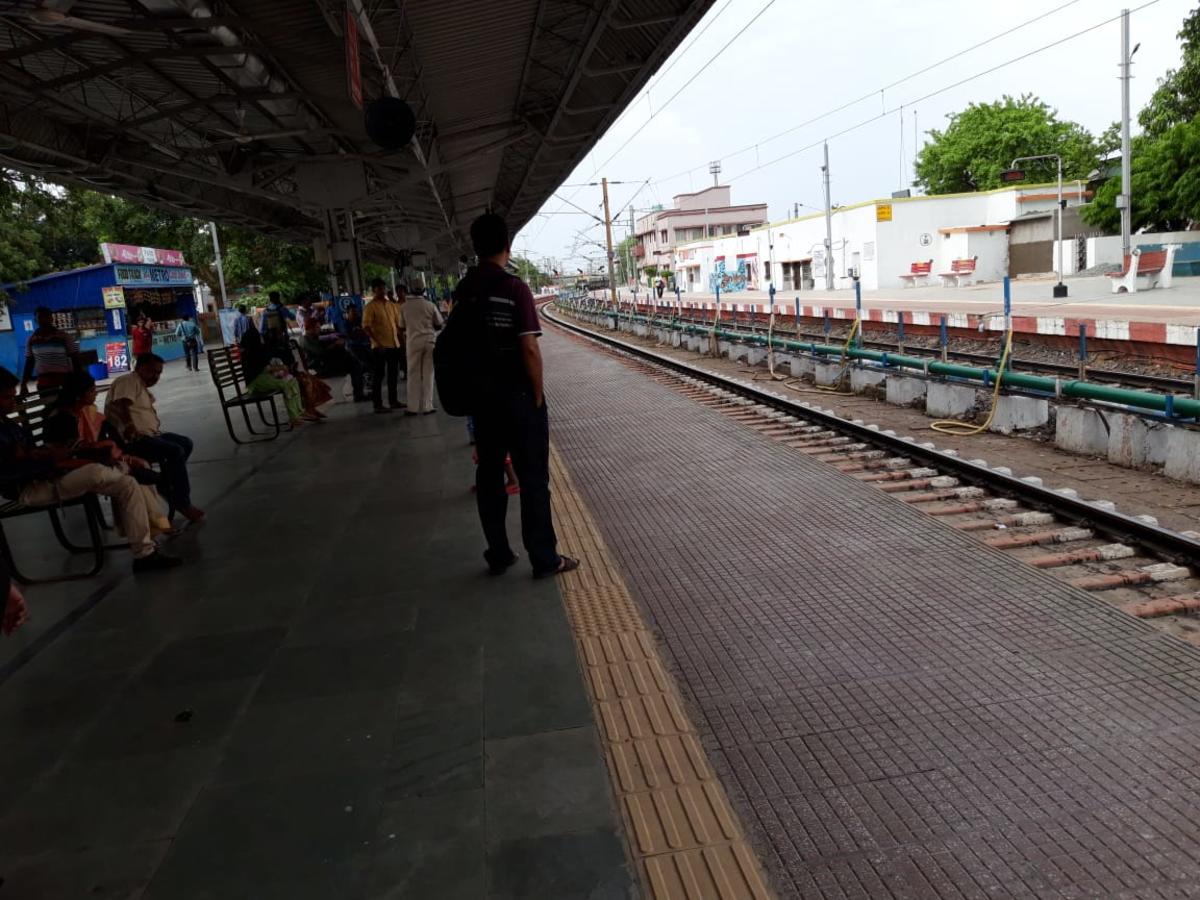
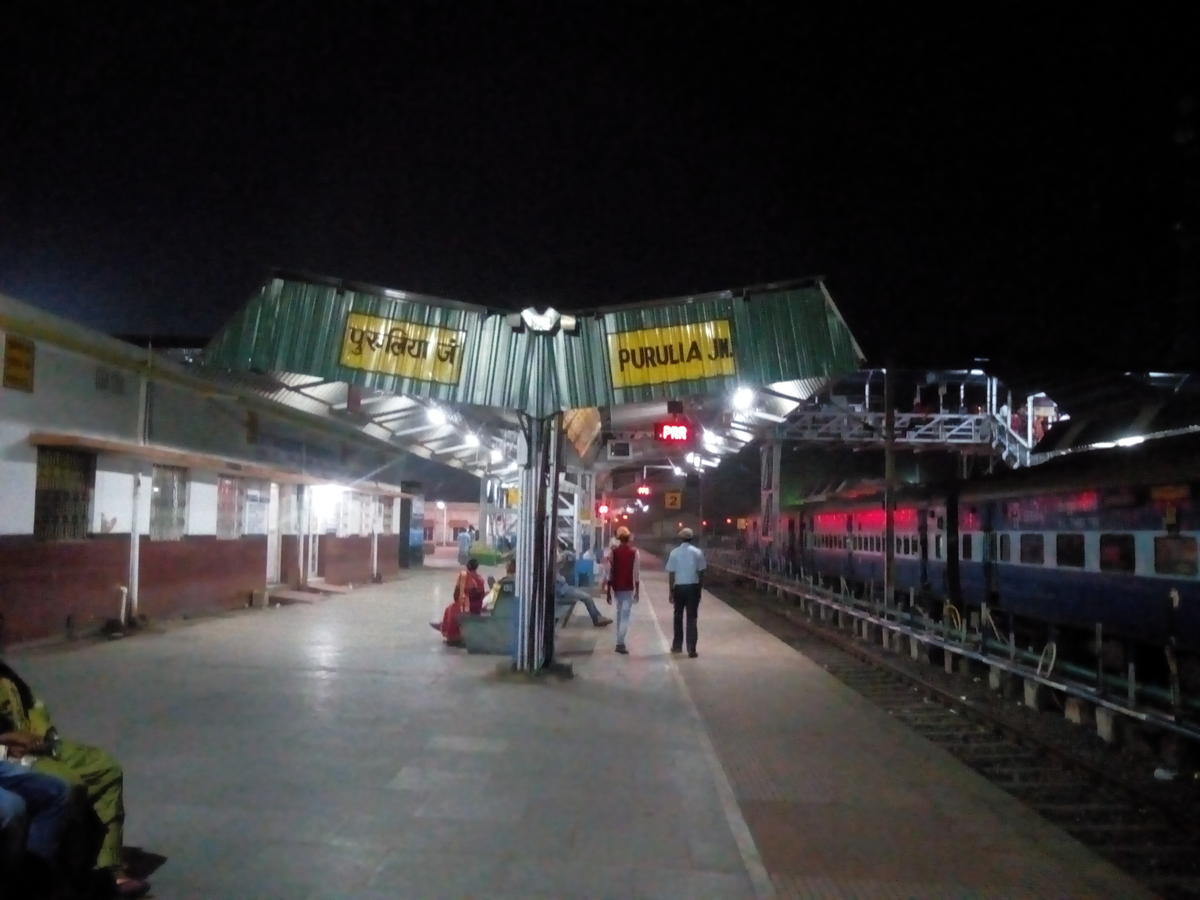
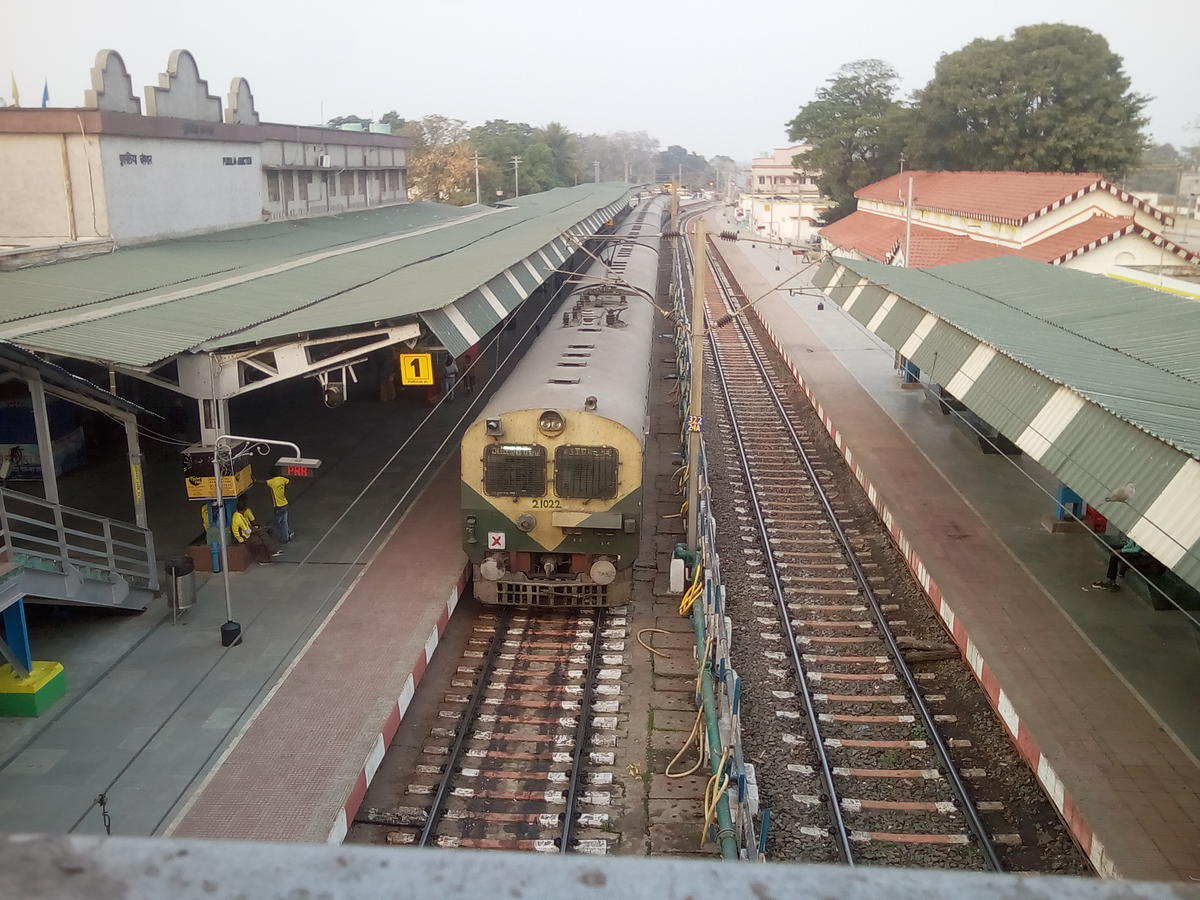
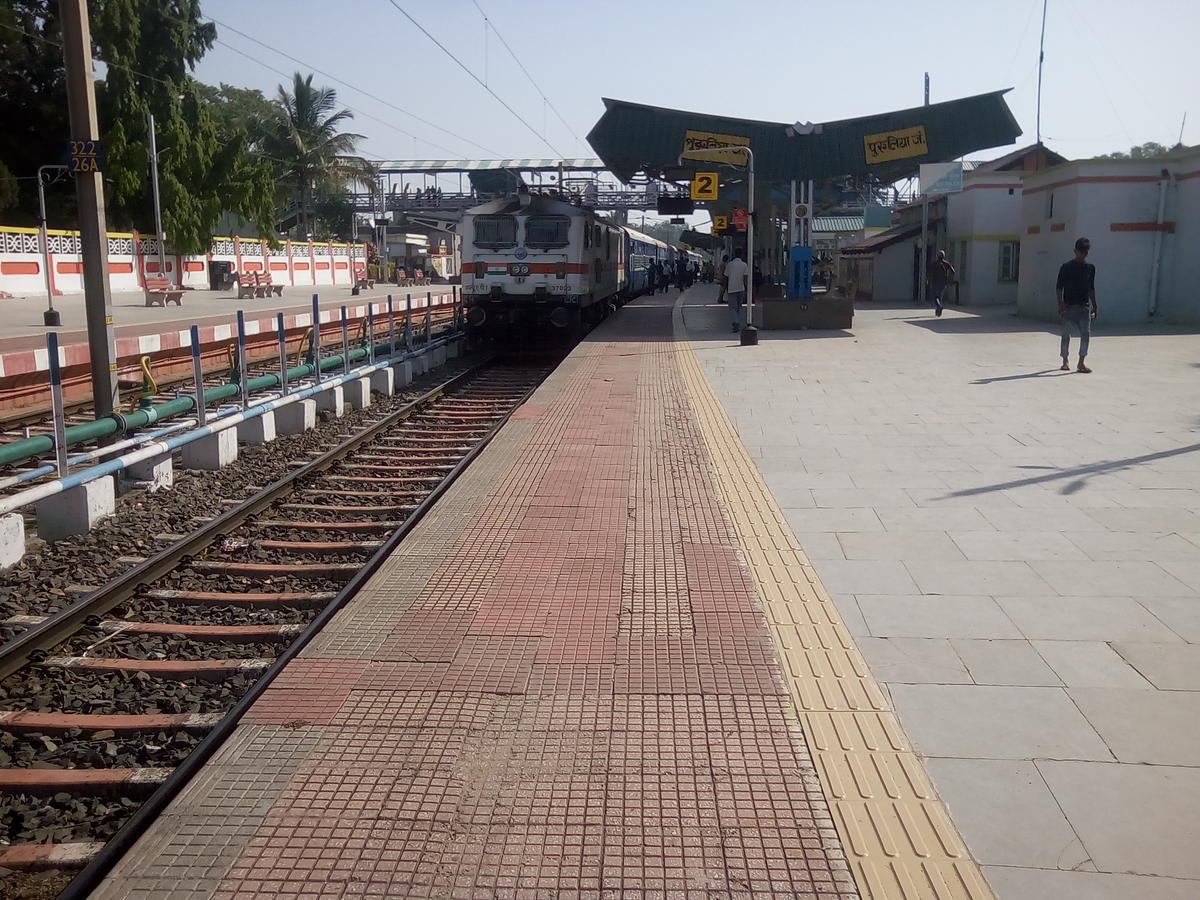
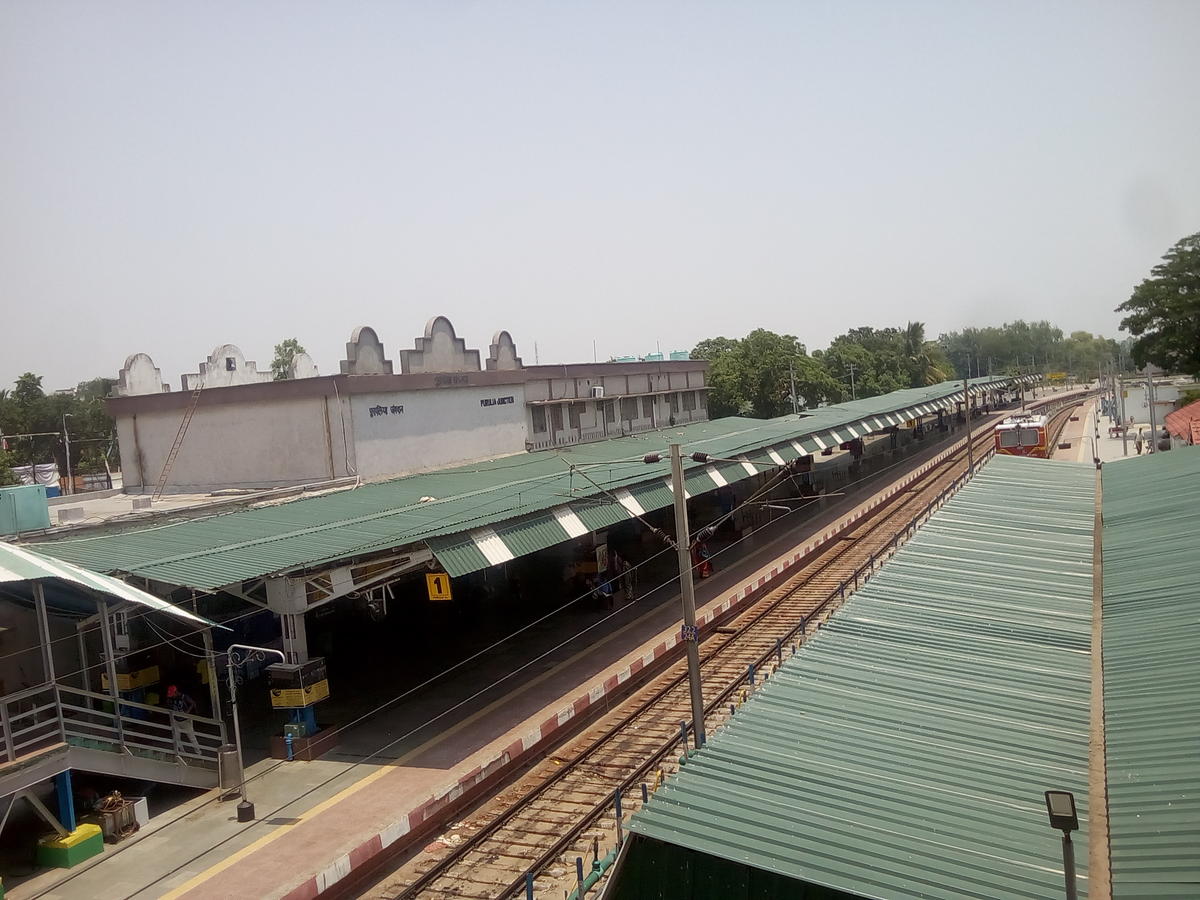
The layout of Purulia Junction is refreshingly simple. You do not have to decode it like a puzzle.
There are multiple platforms, arranged in a way that naturally supports trains coming from different directions. Since it is a junction, tracks split and merge around the station, but from a passenger’s point of view, it still feels manageable. In fact, compared to slightly busier junctions like Kazipet Railway Station, the movement here feels more straightforward and easier to follow.
You might not find ultra modern design elements here, but you will also not find confusion. And for most travelers, that is actually a bigger win.
Facilities and Everyday Comfort
Purulia Junction provides the kind of facilities that match its role. There are waiting areas, ticket counters, basic food stalls, drinking water, and restrooms. Nothing feels excessive, but nothing feels missing either.
Step outside, and you will easily find totos, which are electric rickshaws commonly used for short distances. For longer trips, taxis are available. It is a simple system, but it works smoothly for most passengers.
Passenger Flow and Station Rhythm
What stands out at Purulia Junction is its rhythm. It is not silent, but it is not chaotic either.
There is usually a train arriving, departing, or passing through, which keeps the station active throughout the day. You will see a mix of daily commuters, students, and long distance travelers. But unlike bigger junctions, you are not constantly pushing through crowds.
It feels like a station that knows its pace and sticks to it.
Important Train Connections
Even though it is not a major metro station, Purulia Junction connects to some very important destinations.
There are direct trains to Howrah, which is crucial for reaching Kolkata. The Purushottam Superfast Express provides a daily link to New Delhi. There are also connections toward Mumbai and even southern India through weekly services.
So while the station may look modest, its reach is surprisingly wide.
Why This Station Matters More Than It Looks
Purulia Junction is not just about passenger trains. Its location also makes it useful for freight movement, especially considering the industrial and mineral rich areas around Jharkhand and West Bengal.
This combination of passenger and freight importance is what keeps the station relevant in the larger railway network.