

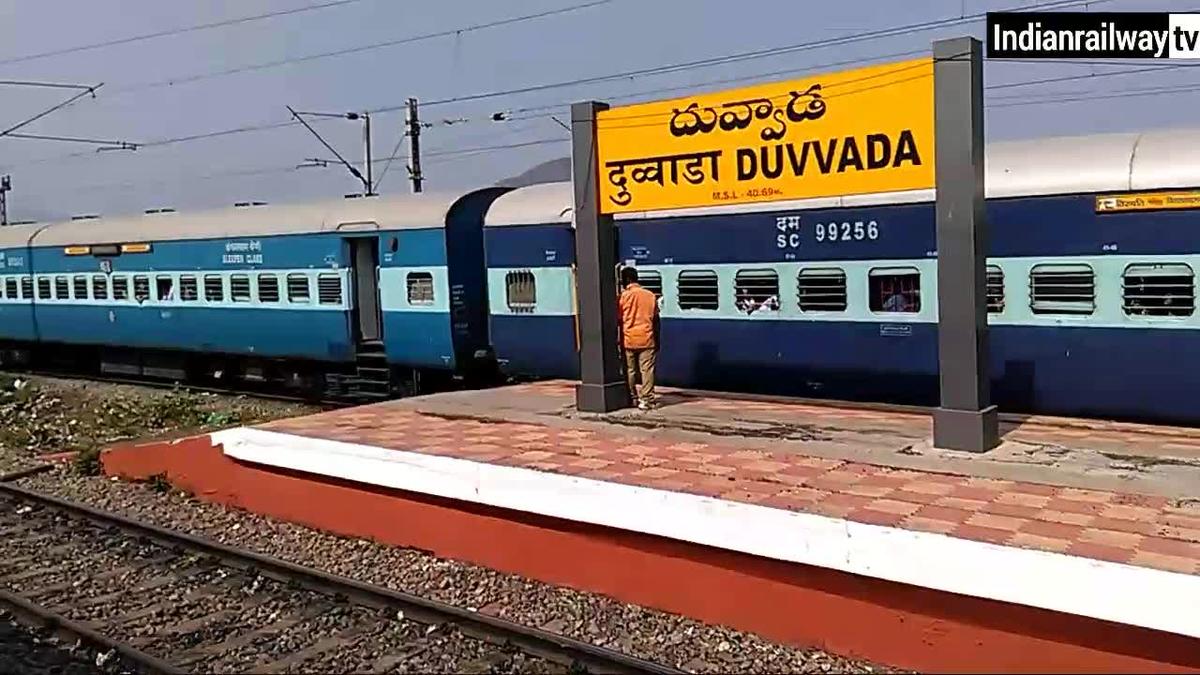
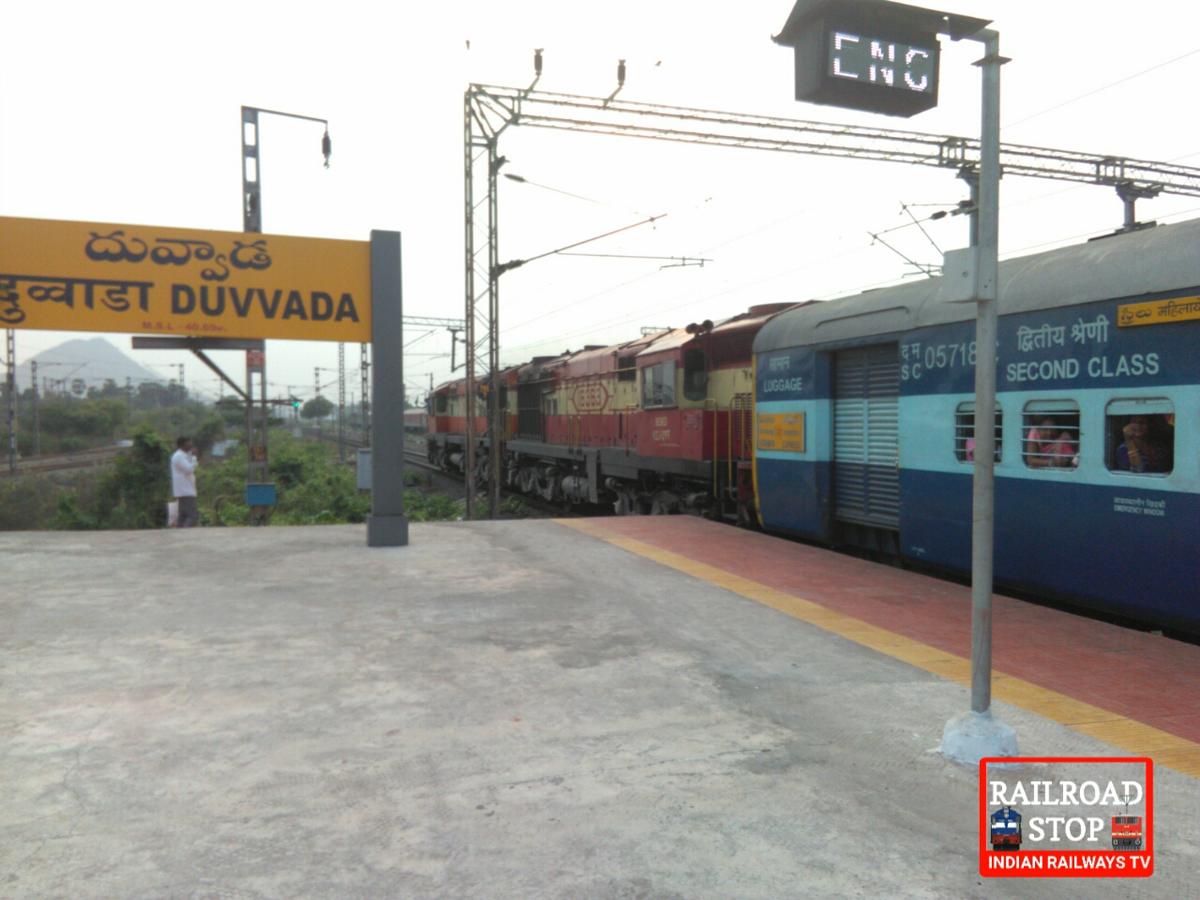
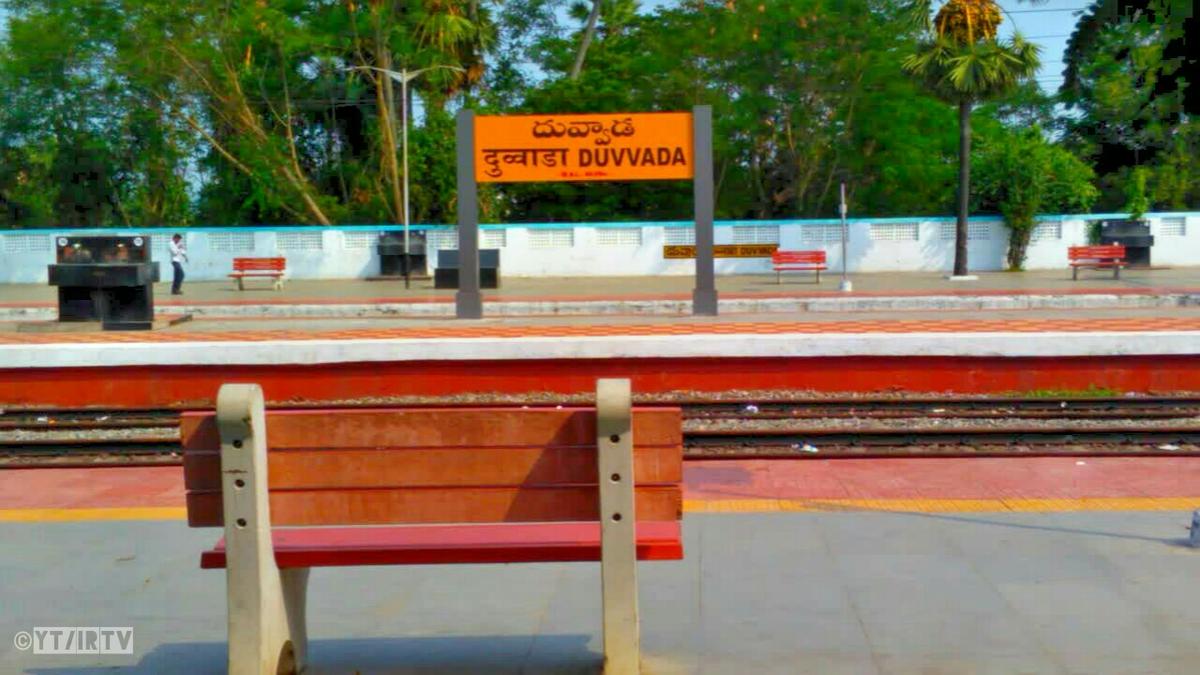
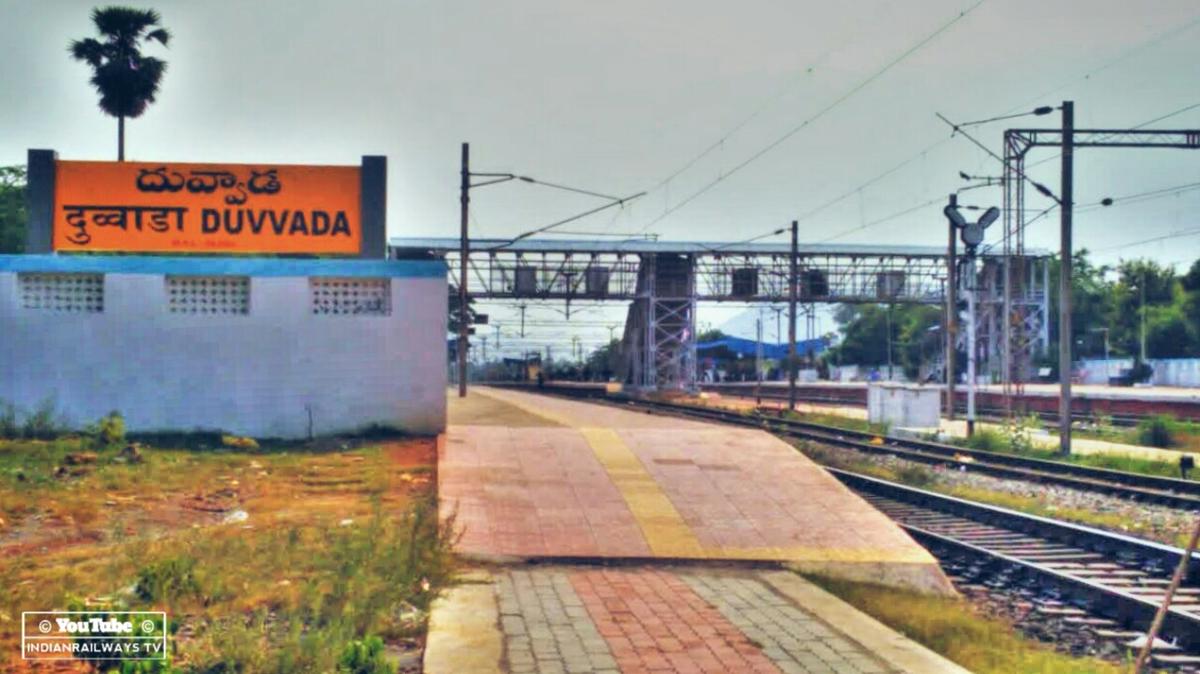
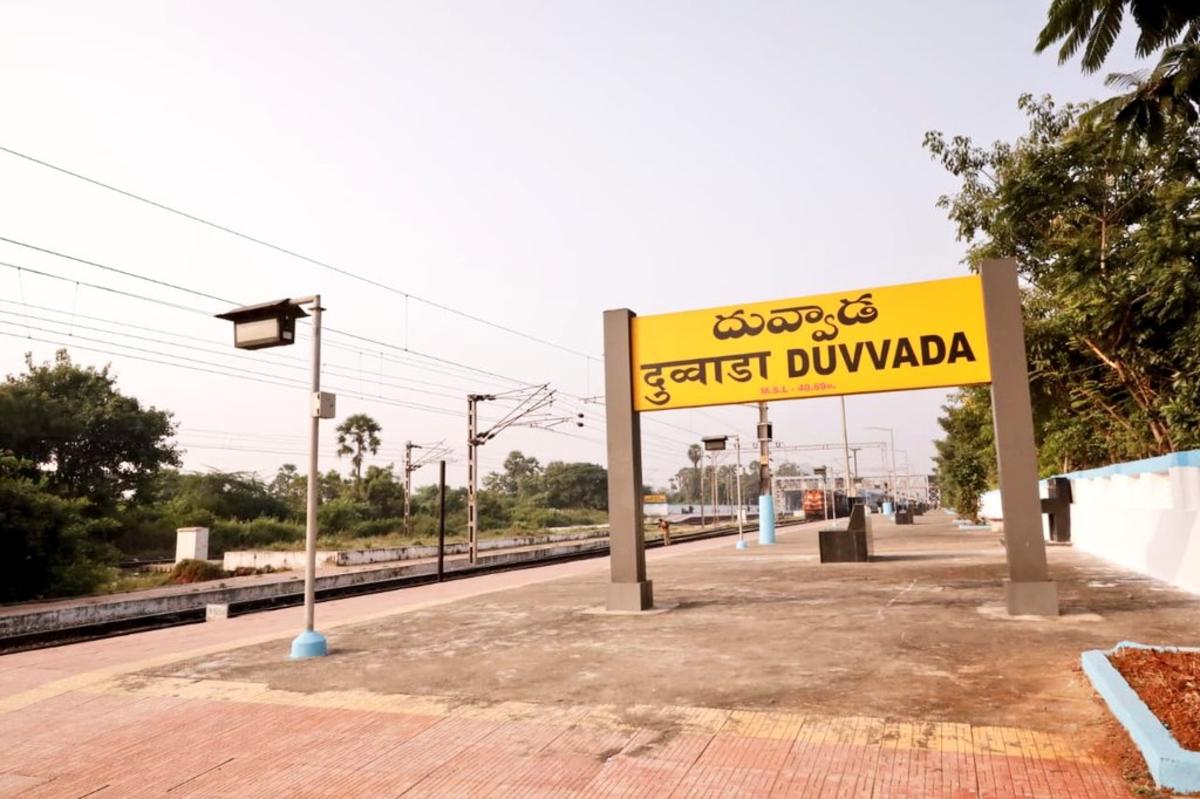
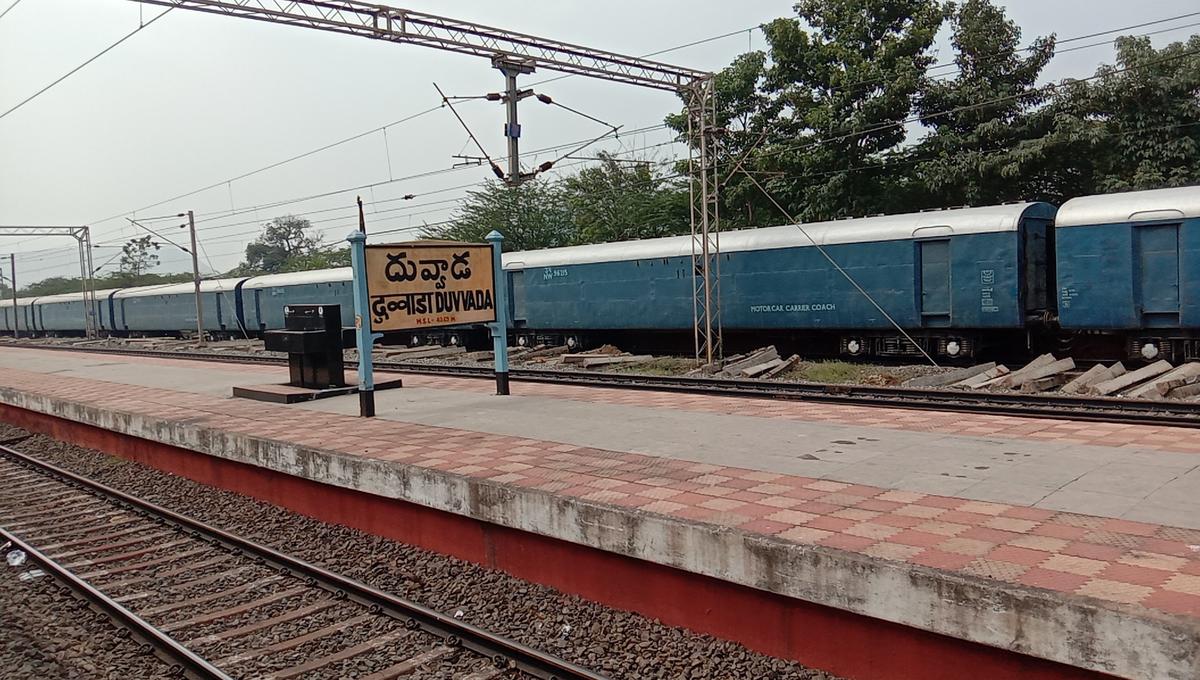
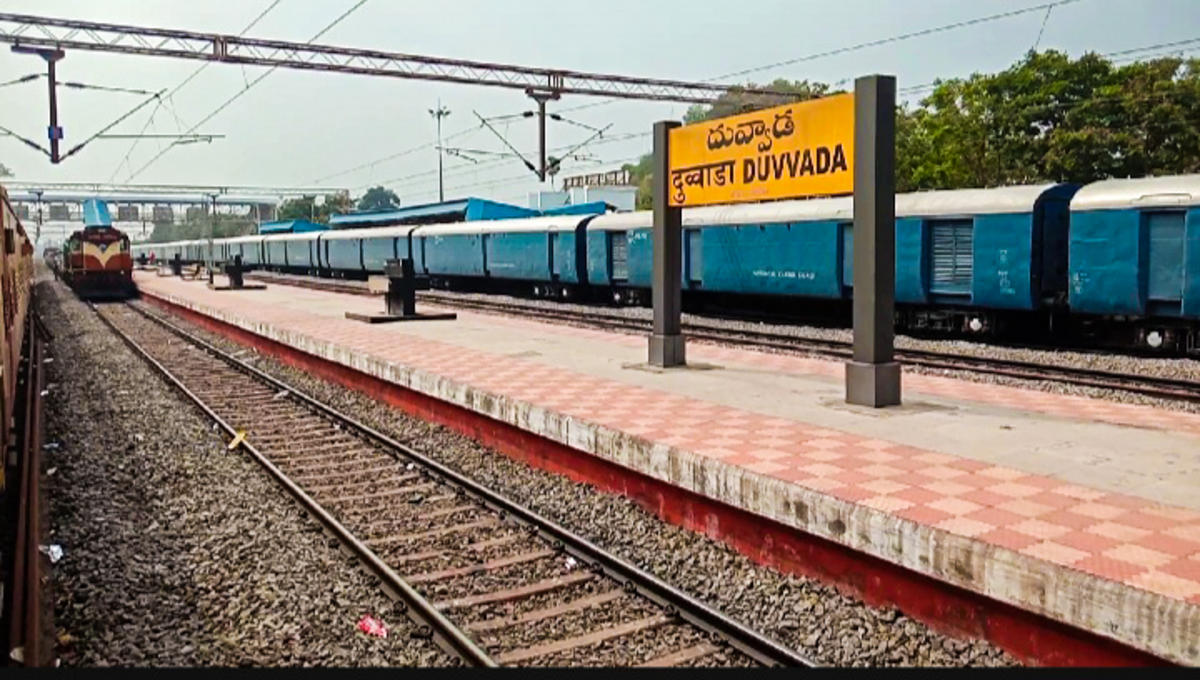
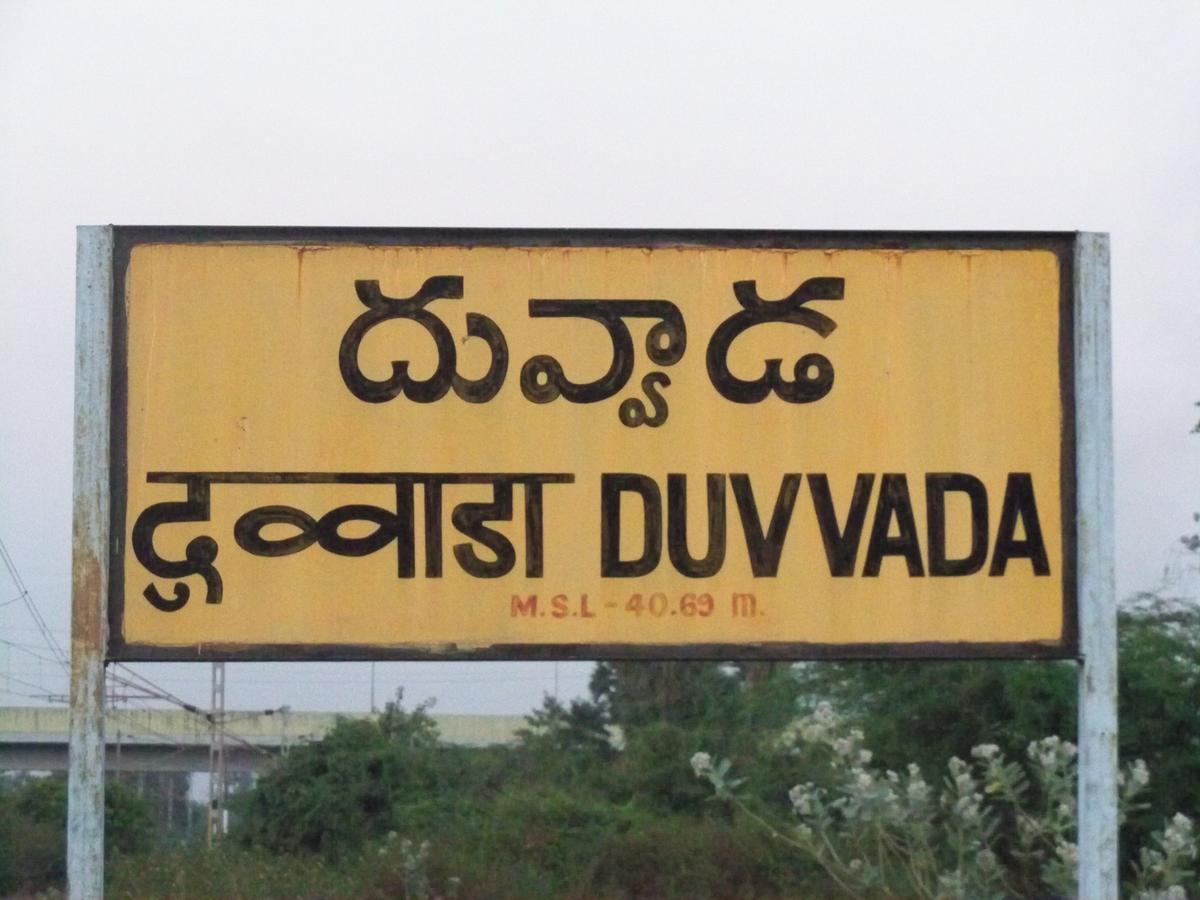
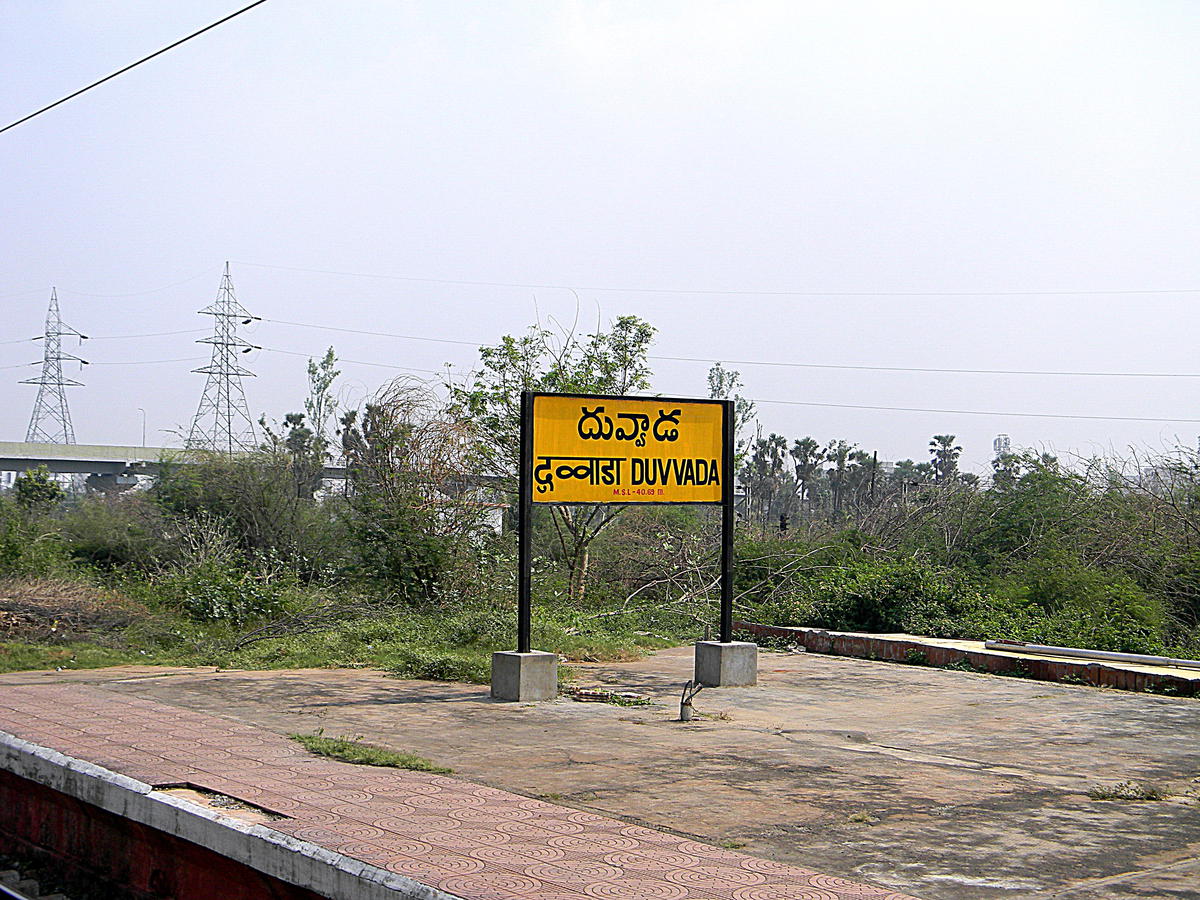
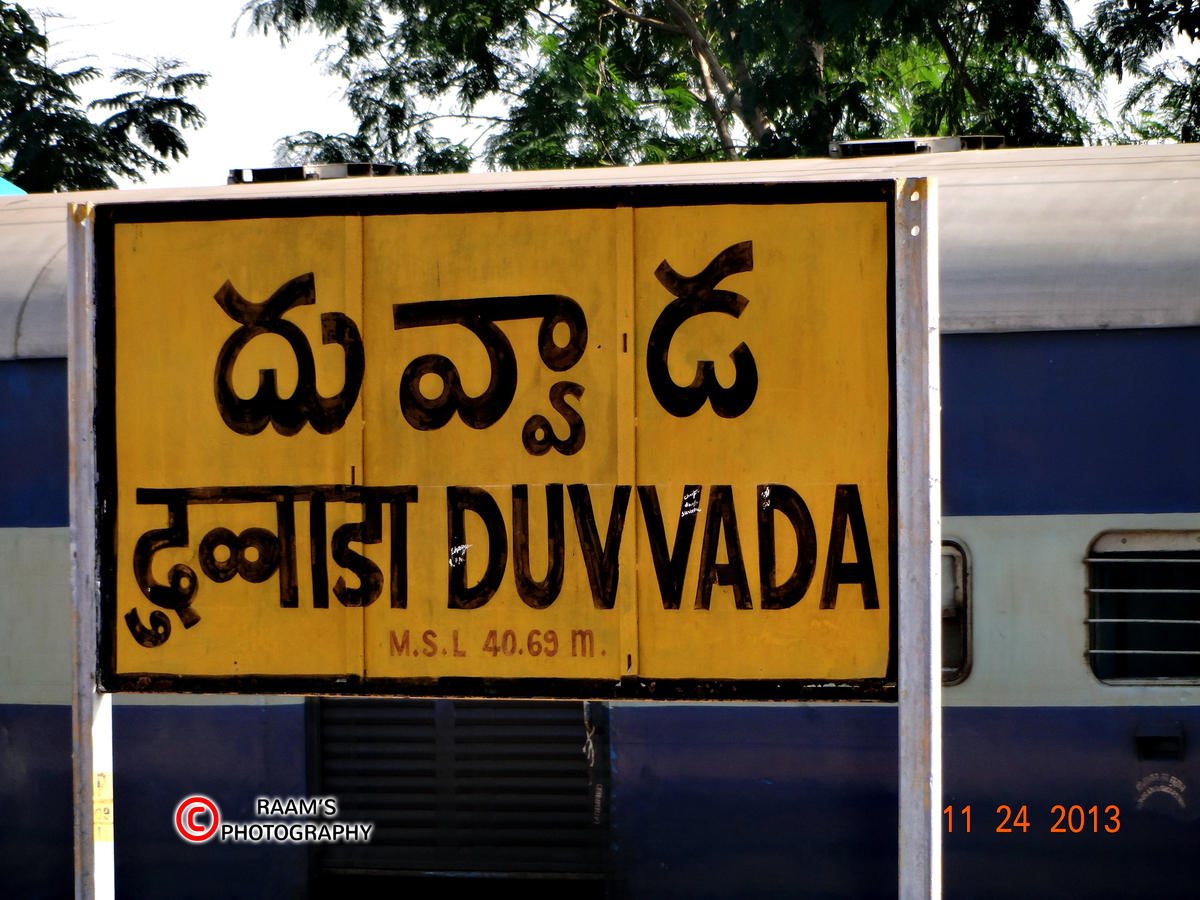
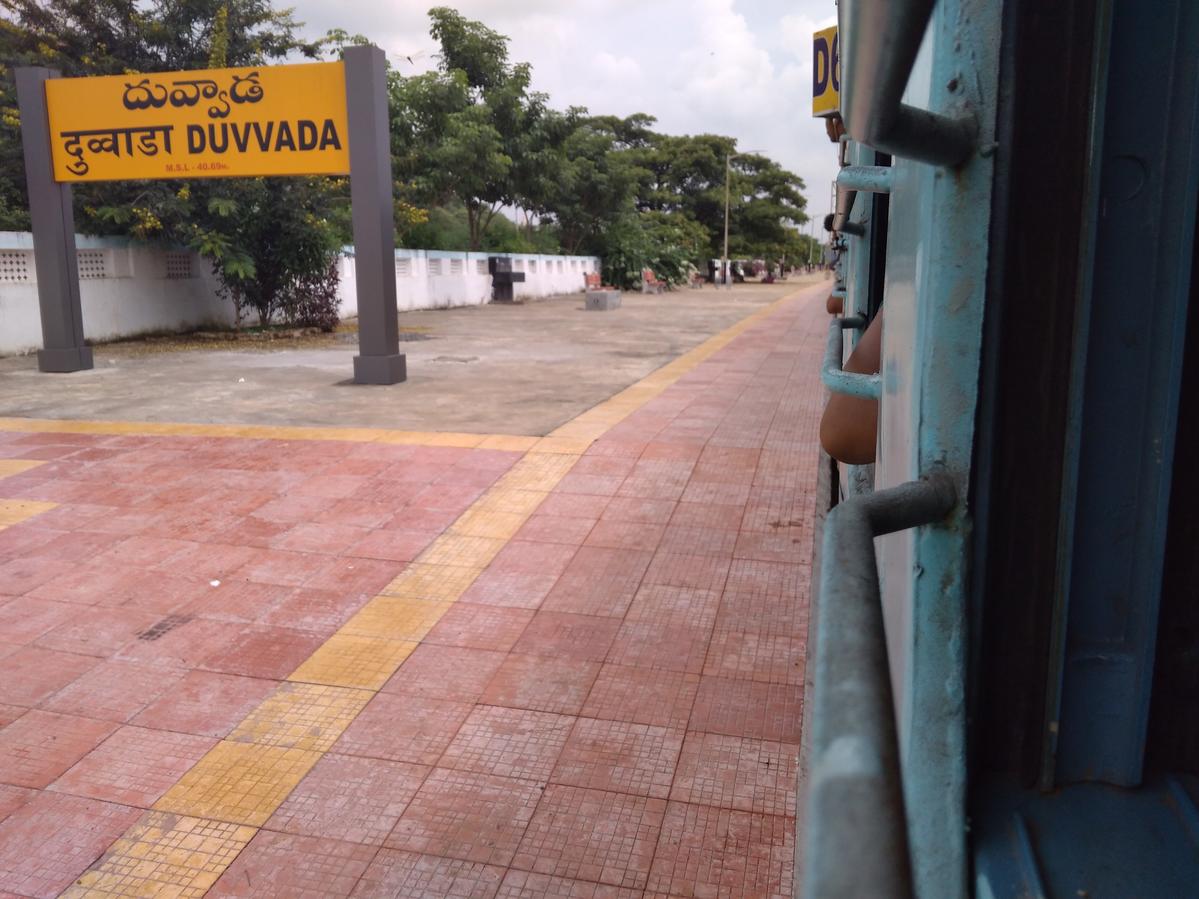
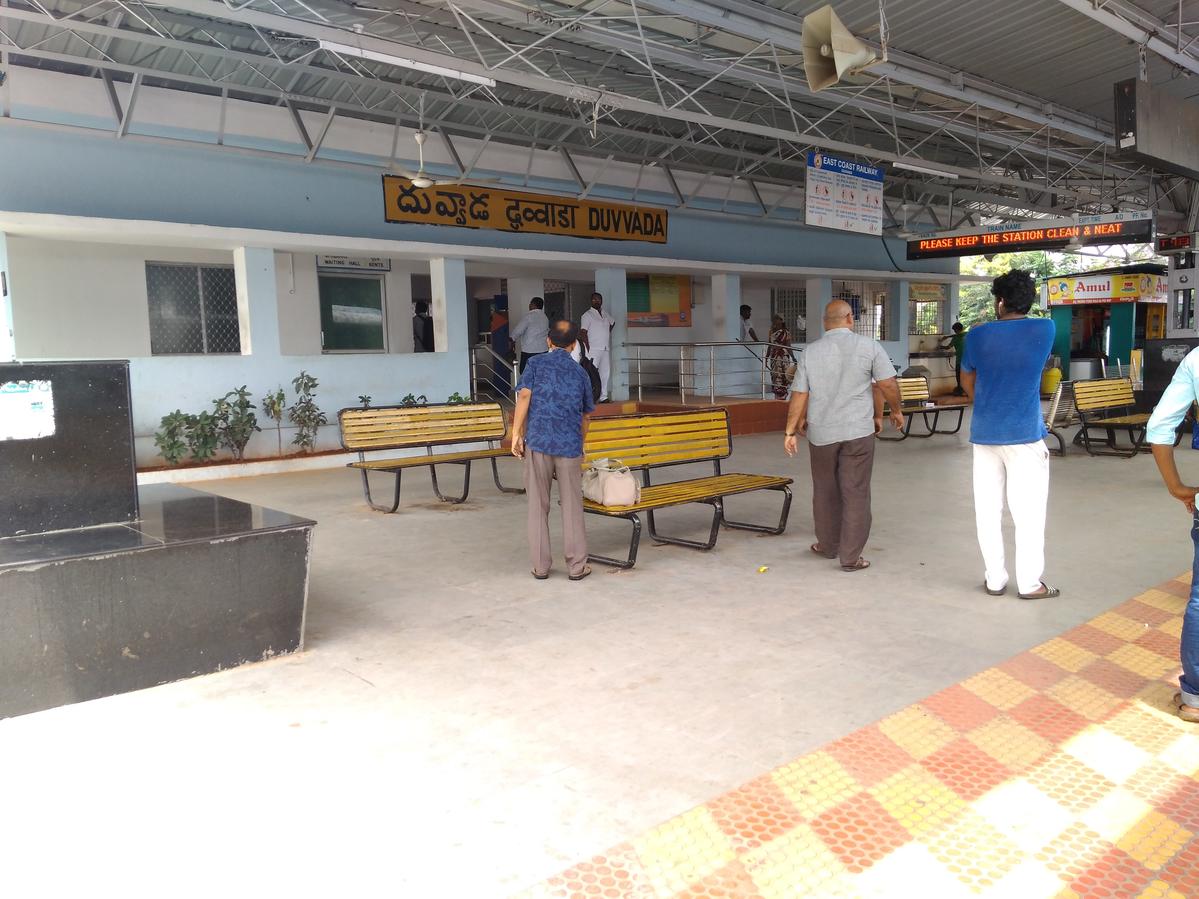
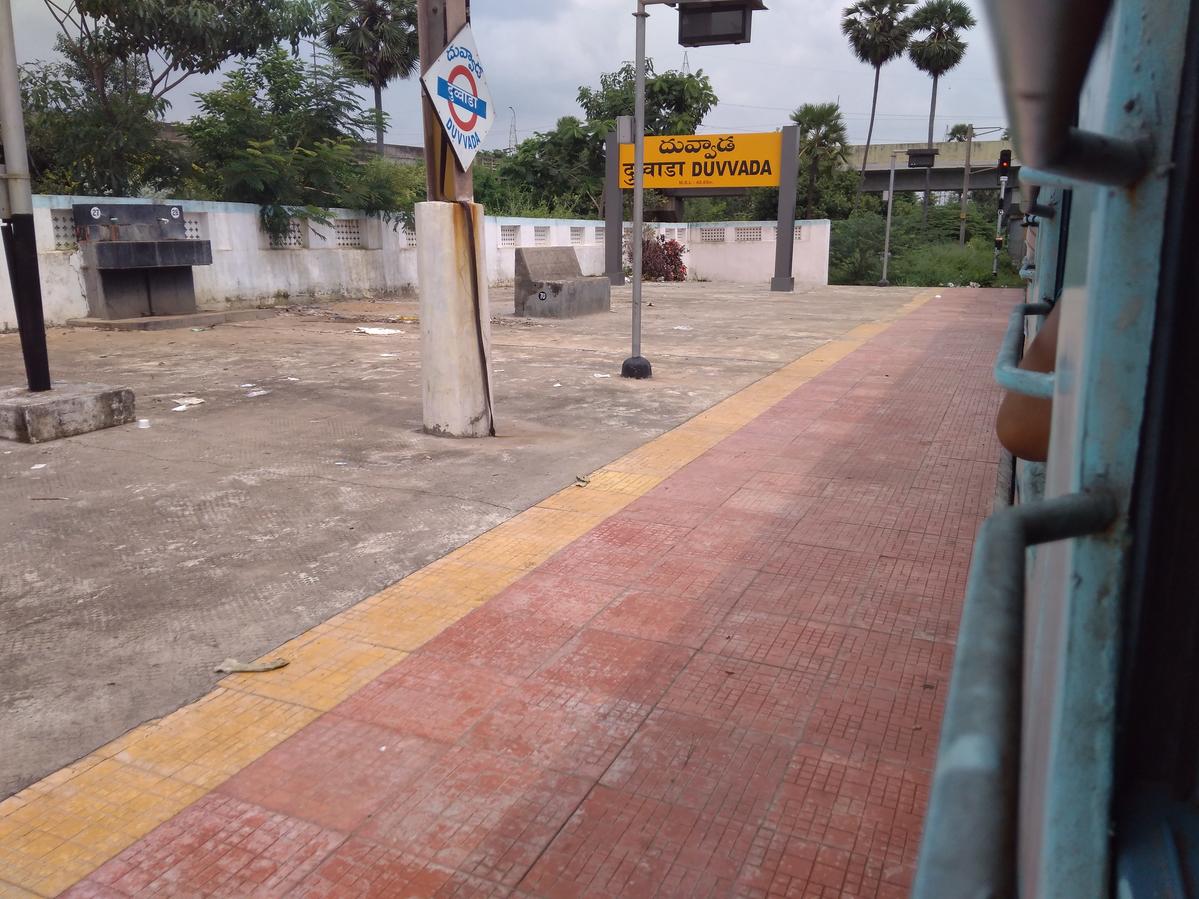
Duvvada Railway Station sits along the busy Howrah to Chennai main line and mainly serves the southern side of Visakhapatnam. It became important as the city expanded outward, especially after the development of the Visakhapatnam Steel Plant and nearby residential areas like Ukkunagaram, Paravada, and Aganampudi.
For people living in these parts, traveling all the way to Visakhapatnam Junction is simply not practical every time. That is where Duvvada comes in. It offers a closer boarding point for both daily commuters and long distance travelers heading towards cities like Vijayawada and Secunderabad.
The station handles a significant number of passengers every day, which shows how much it is actually used, even if it does not always get the same attention as bigger stations. It is not designed to impress, but to work efficiently for the people who rely on it, and in that role, it does its job quite well.
Location and Railway Connectivity
Duvvada sits on the Howrah to Chennai main line, which is basically one of those railway routes where trains don’t really take long breaks. Something is always moving.
What makes the station useful is where it is placed. It serves the southern side of Visakhapatnam, especially areas like Ukkunagaram, Paravada, Aganampudi and nearby townships. These are not exactly next door to the main Visakhapatnam station, and anyone who has dealt with city traffic knows that even a few extra kilometers can feel like a lot.
So instead of going all the way into the city, many people just use Duvvada. It is closer, simpler, and gets the job done.
It is also about 8 km from Visakhapatnam Airport, which makes it convenient if your travel plan involves both train and flight.
How Duvvada Became Important
Duvvada did not become important overnight, and it was not built with big expectations in the beginning.
Its real growth is tied to the development of the Visakhapatnam Steel Plant in the 1980s. Once that came up, people started moving into nearby areas in large numbers. Entire residential pockets developed around industrial zones.
Now imagine thousands of people needing daily transport but the main railway station being far away. That situation does not last long before something changes.
Duvvada became that change. It slowly turned into the go-to station for people living in these outskirts. Not because it was fancy, but because it was necessary.
Station Layout and Platform Experience
The layout here is simple, and honestly, that is a good thing.
You are not dealing with a maze. The platforms are arranged in a way that supports both passing trains and those that stop. Since this is a busy main line, trains need to keep moving, and the station is designed with that in mind, much like what you see at places such as Guntur Junction Railway where efficiency matters more than complexity.
If you have ever been to overly complicated stations where you feel like you need directions every five minutes, Duvvada is the opposite of that.
You arrive, you understand the place quickly, and you move on. No drama.
Passenger Facilities and What You Actually Get
Duvvada is not trying to impress anyone with luxury, and it does not pretend to be something it is not.
You will find the basic things you need. There are waiting areas, ticket counters, seating spaces, and a foot overbridge to move between platforms. That covers what most people are actually looking for.
There have also been developments like lifts being added, which makes a difference for elderly passengers or anyone carrying luggage.
It is not a station where you go to spend time. It is a station where you come, catch your train, and leave without unnecessary hassle.
Passenger Movement and Train Flow
This is where Duvvada feels more active than it looks.
The station handles a large number of passengers every day, mainly because of daily commuters and people traveling to nearby cities. Trains like Janmabhoomi Express and Ratnachal Express pass through here, connecting important places like Vijayawada and Secunderabad.
The movement does not feel chaotic, though. It is steady. There is almost always something happening, but it rarely feels overwhelming.
It is the kind of place where trains keep coming and going, and people just move along with that rhythm.
Why the Station Actually Matters
On paper, Duvvada may not sound like a big deal compared to major junctions. But in real life, it plays a very practical role.
It reduces the load on Visakhapatnam Junction and gives people in the southern outskirts a closer option. That alone saves time, energy, and daily frustration.
If this station did not exist, a lot of people would be forced to depend entirely on the main city station, which would not be ideal for anyone.
So its importance is not about size or status. It is about how many people rely on it every single day.
Moving Around the Station
Getting around Duvvada is fairly straightforward.
You do not have to figure things out again and again. Once you visit, you pretty much understand the layout. The foot overbridge connects platforms clearly, and there are no unnecessary complications.
For regular travelers, this simplicity is actually a big advantage. Nobody wants to think too much when they are already thinking about catching a train on time.