
District Ranchi
Phone: 06522-222444
PIN: 835101
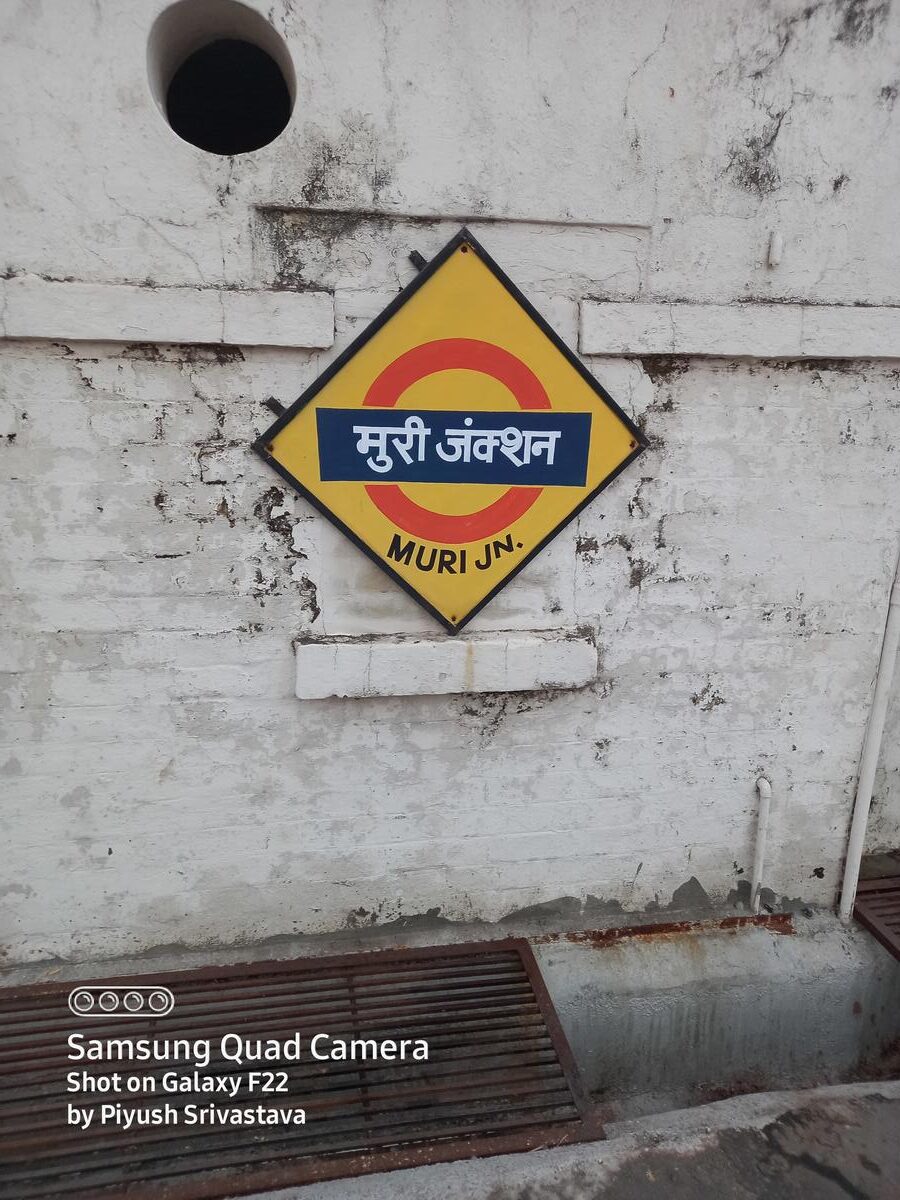
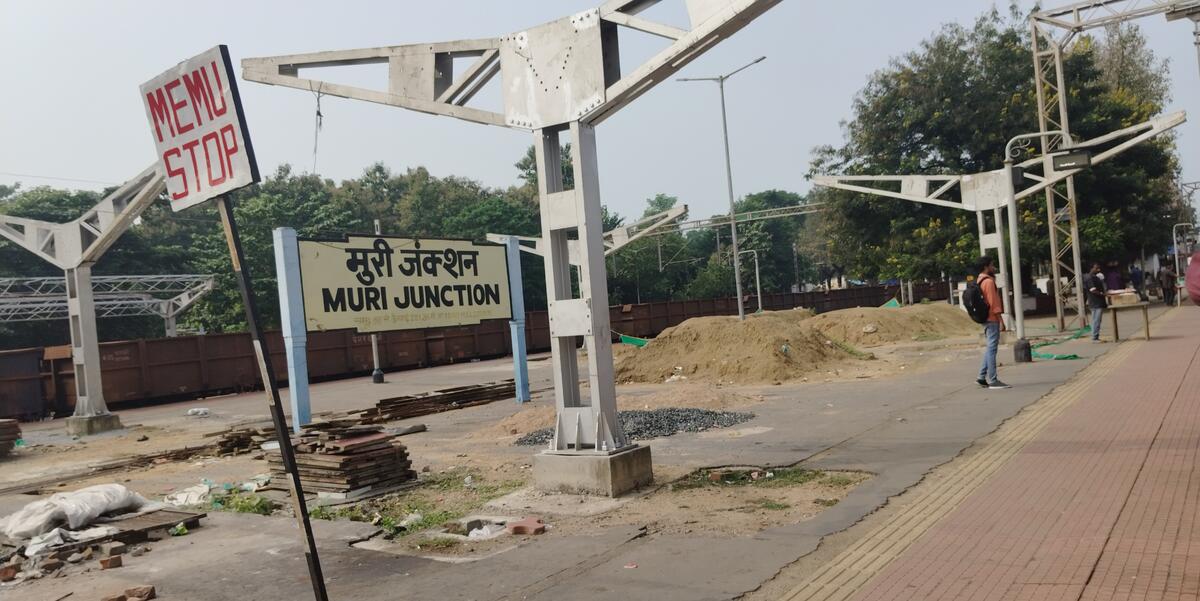
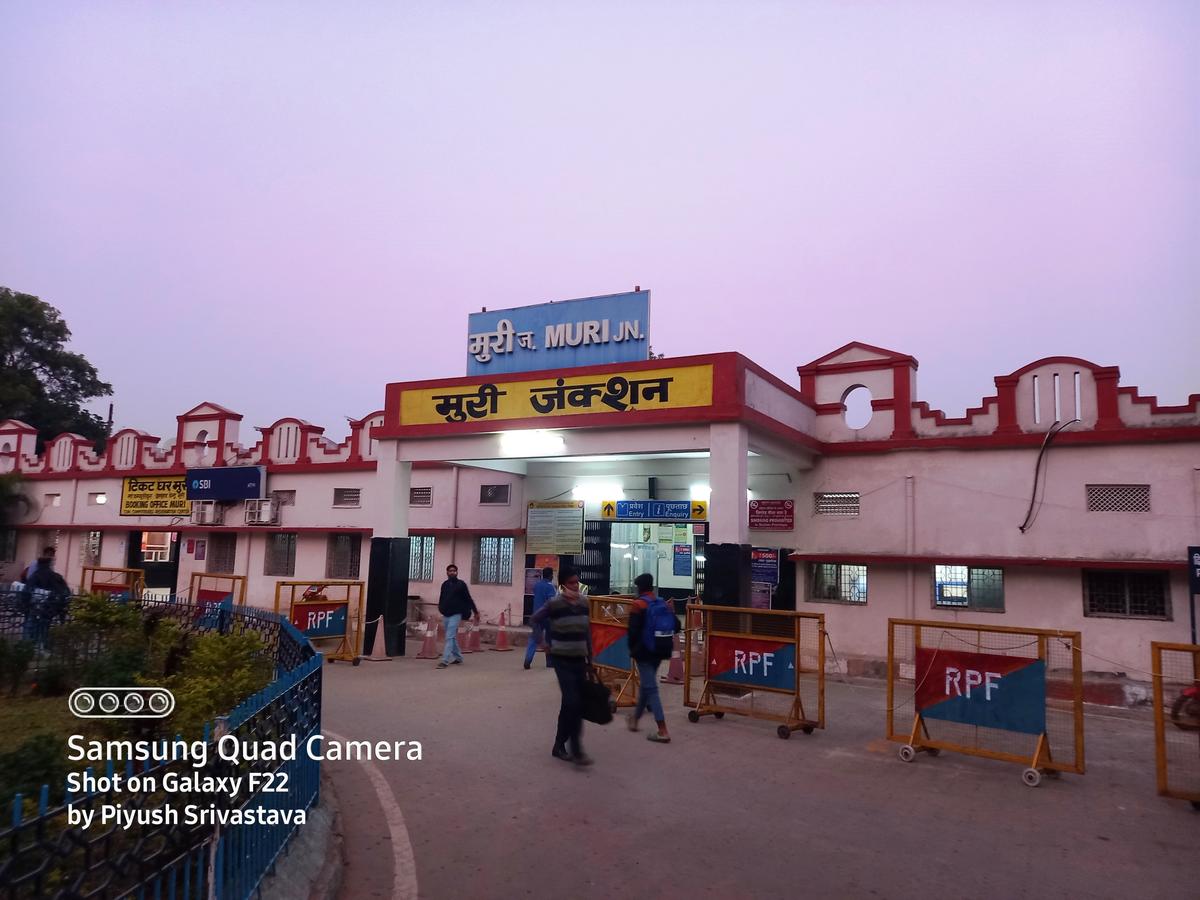
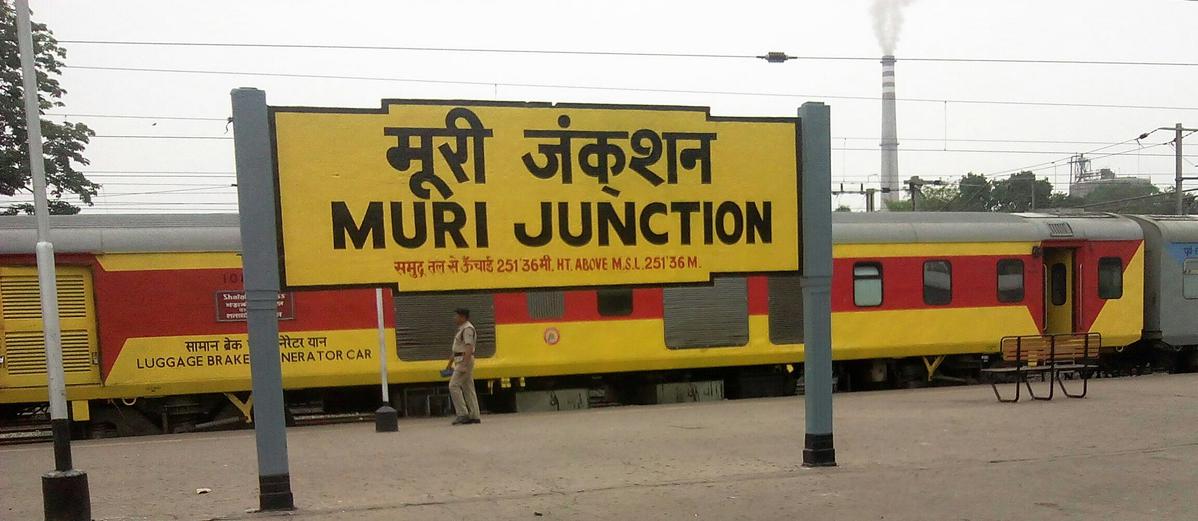
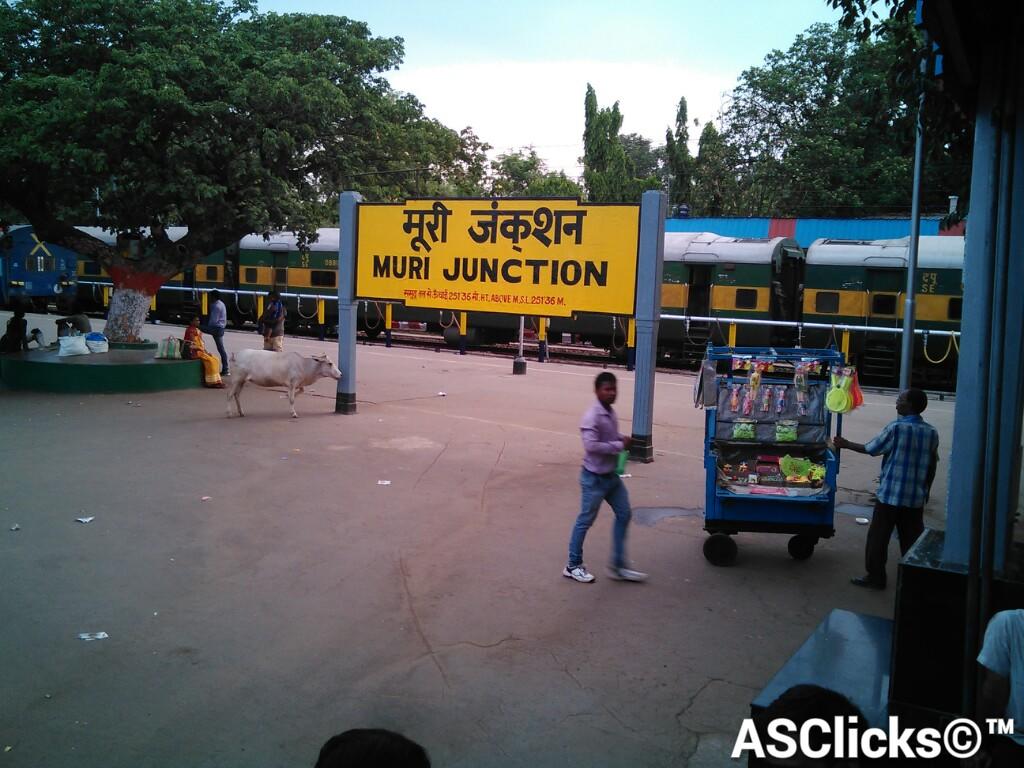
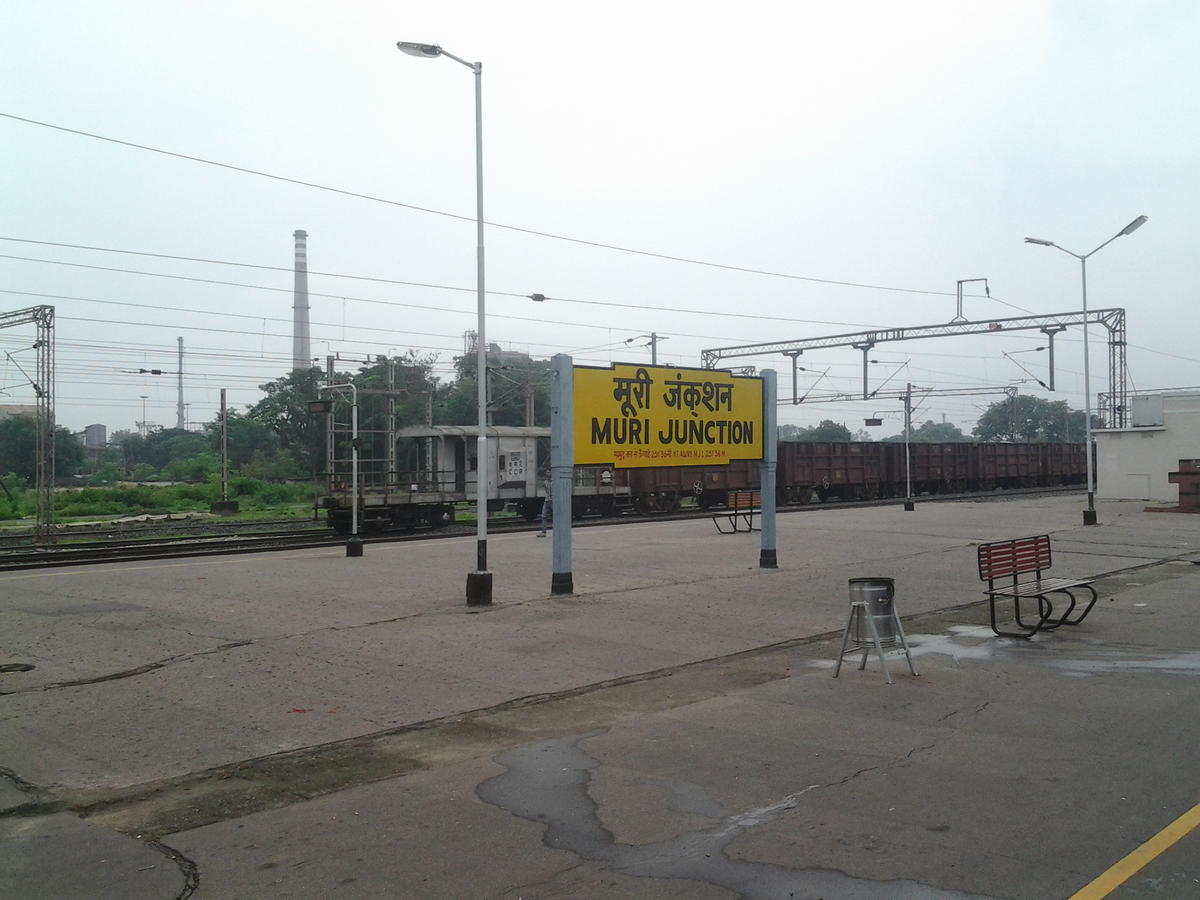
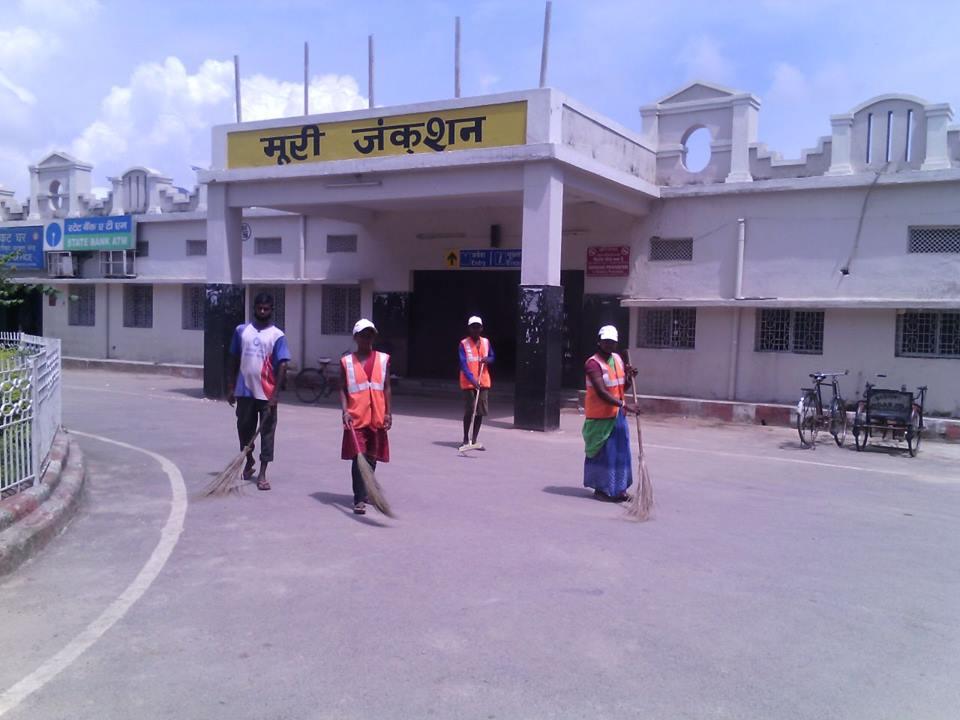
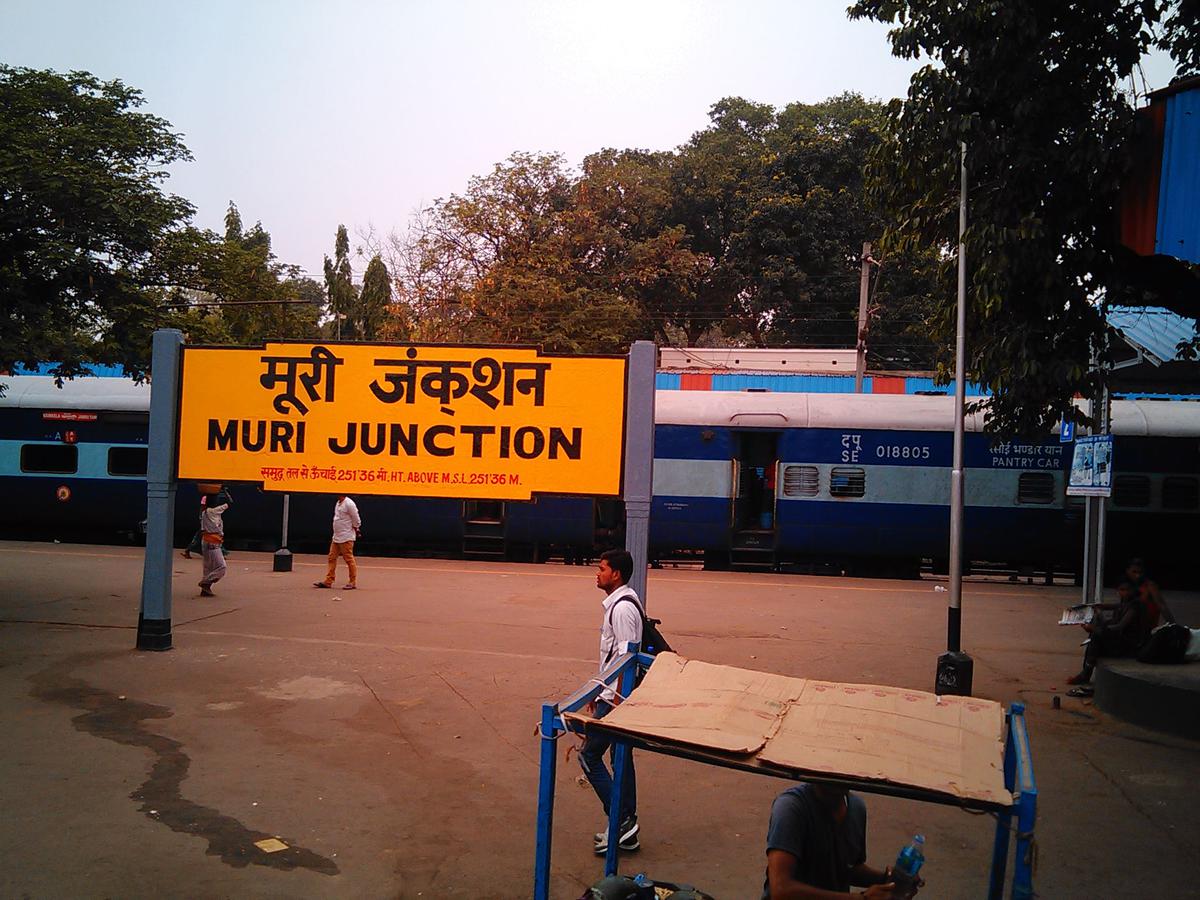
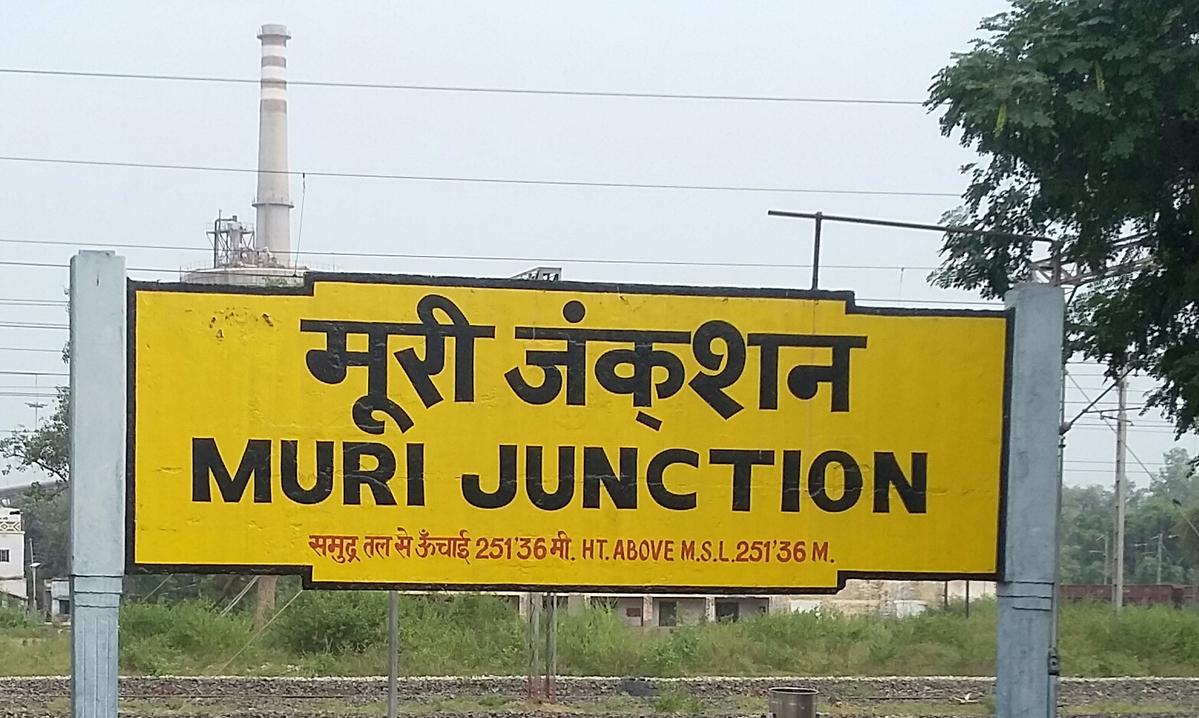
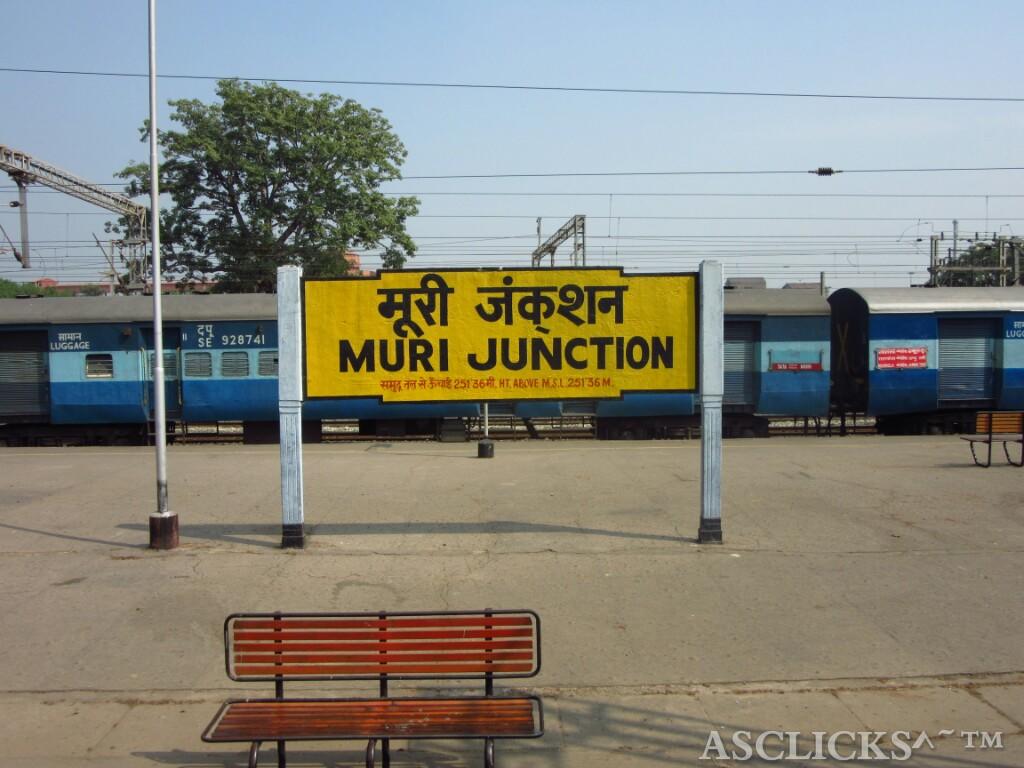
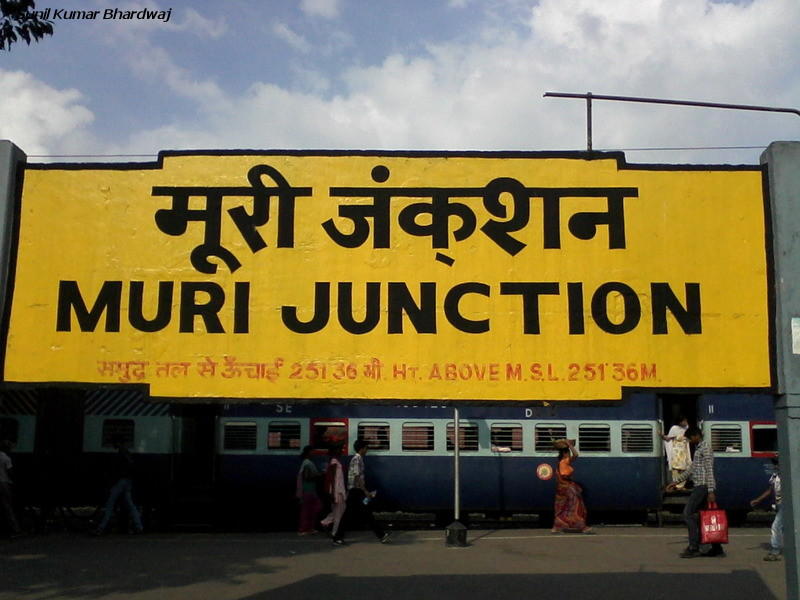
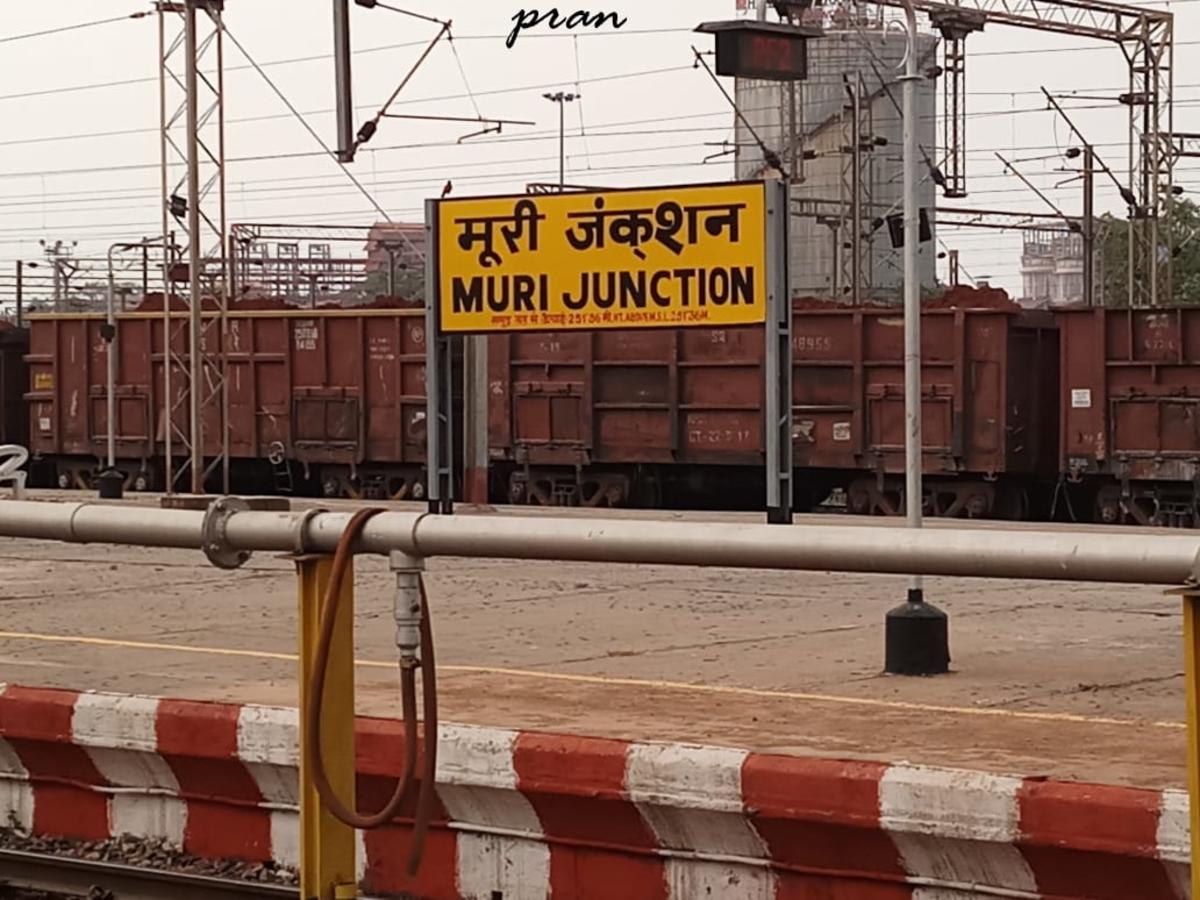
Muri Junction Railway Station, code MURI, is a small but operationally important railway junction in Ranchi district of Jharkhand under the South Eastern Railway zone. At first glance, it may look like a quiet station, but its real role shows up when trains start changing direction here. Because multiple railway lines meet at this point, some trains require a locomotive reversal, which can add a short delay but keeps larger routes connected smoothly.
The station has a history going back to the early 1900s when lines like Purulia to Ranchi and later Chandil to Barkakana were developed, eventually shaping Muri into a junction. It has three platforms connected by a foot overbridge and offers basic facilities like waiting rooms, reservation counters, parking, and security.
In simple terms, Muri Junction is less about crowd and more about control. It quietly keeps trains moving in the right direction without making a big show of it.
About Muri Junction Railway Station
Muri Junction does not try to act like a big city station, and honestly, that is part of its charm. It is a working junction in the Ranchi district of Jharkhand, operating under the South Eastern Railway zone. The station code is MURI, and while the name might not ring loud across India, the work it does is quietly important.
What really defines Muri is its role in routing trains. Multiple railway lines meet here, which means trains often need to adjust their direction or path. So while passengers may just see a short halt, the station is actually handling small but critical decisions in the background.
Location and Railway Connectivity
Muri Junction sits at a connecting point between several important railway lines in eastern India. It links routes toward Ranchi, Purulia, Tatanagar, and Bokaro, which naturally makes it a useful stop for both local and long distance trains.
This is why you will find trains here that are not just passing through Jharkhand but connecting to cities like Kolkata, Delhi, Mumbai, Chennai, Patna, and Dhanbad. The station itself may feel calm, but the network it connects to is anything but small.
For many smaller towns nearby, Muri acts as a practical gateway to reach larger cities without complicated travel changes.
Historical Background and Railway Development
Muri Junction did not become important overnight. Its role grew step by step as new railway lines were added in this region over several decades.
The early foundation goes back to 1907, when the Purulia to Ranchi line was opened as a narrow gauge route under the Bengal Nagpur Railway. At that time, the focus was simply to connect remote areas and improve basic transport.
Things expanded further in 1927 with the opening of the Chandil to Barkakana section. This added another layer of connectivity and slowly increased the relevance of Muri as a meeting point of routes.
The real shift happened between 1957 and 1961, when the Chandrapura Muri Ranchi Hatia line was completed. This project effectively turned Muri into a proper junction, where trains could arrive from one direction and continue toward another.
Later developments like gauge conversion and electrification made operations faster and more reliable. But the core idea never changed. Muri remained a place built to connect lines and keep trains moving in the right direction, quietly doing its job without much attention.
Station Layout and Platform Details
If you walk into Muri Junction expecting a maze, you will be disappointed, in a good way. The station is simple to understand.
There are three platforms, and they are connected by a foot overbridge. That is pretty much it. No long confusing corridors, no endless platform numbers. You can usually figure out where to go within a minute or two.
The tracks are arranged in a way that supports both straight movement and direction changes. This is important because Muri handles locomotive reversals, which means trains sometimes need to switch direction before continuing.
Passenger Facilities and Amenities
Muri Junction covers all the basics that a traveler actually needs. It may not have luxury features, but it does not leave you stranded either.
There are waiting rooms where passengers can sit comfortably, and retiring rooms for those who need a short stay. Ticket booking is handled through computerized reservation counters. Parking is available near the station, which helps if you are arriving by vehicle.
Security is maintained by the Government Railway Police, and there is also a small railway medical unit nearby for basic health support.
In short, it gives you what you need without trying too hard to impress.
Train Operations and Movement Pattern
This is the part where Muri Junction quietly does its most important work. On paper, it handles a mix of express trains, passenger services, and local trains, which is true. But what really makes this station stand out is how trains behave here, not just how many pass through.
Because of the way the railway lines are laid out, Muri acts like a turning point for certain routes. Some trains cannot simply pass straight through. Instead, they need to reverse direction. This is done through a locomotive reversal, where the engine is detached and repositioned so the train can head out on a different line.
In real terms, this usually takes around 20 to 30 minutes depending on the train and operational conditions. It is a standard railway process, not a delay caused by mismanagement.
For passengers, it can feel like the train has paused longer than expected. You might look outside, see no obvious activity, and wonder what is going on. Behind the scenes, though, the crew is coordinating the engine movement and ensuring the train is correctly aligned for its next route.
This system exists because building separate direct lines for every route is not always practical. Junctions like Muri solve that problem by allowing trains to switch direction using existing tracks.
So if your train takes a slightly longer halt here, it is not stuck. It is simply being set up for the next leg of its journey, quietly and efficiently.
Station Importance and Role in the Network
Muri Junction is a good reminder that in railways, size and importance are not always the same thing. It may look like a small station on the map, but operationally, it sits at a point where routes meet and decisions are made, much like how stations such as Salempur Junction quietly handle routing in their regions.
Because it connects lines toward Ranchi, Purulia, Tatanagar, and Bokaro, Muri acts as a linking point that helps trains move between different corridors without needing entirely separate tracks for every route. This is especially important in a network like Indian Railways, where efficiency often depends on how well these junctions handle routing.
Its role becomes even more clear when you look at locomotive reversals. The station is designed in a way that allows trains to change direction and continue toward a different line. That may seem like a small task, but it is what keeps several long distance routes connected.
Without junctions like Muri, trains would either need longer detours or additional infrastructure, both of which would increase travel time and complexity. Here, things stay simple, and trains quietly get where they need to go.
Navigation and Passenger Movement
Getting around Muri Junction is about as straightforward as it gets, and that is not by accident. The station has only three platforms, and they are connected by a single foot overbridge, which means there are no complicated routes or confusing detours to deal with.
Because the station is relatively small and not heavily crowded compared to major junctions, you can usually see most of the layout the moment you step in. That alone makes a big difference. You are not guessing where your platform might be, you can often spot it or figure it out within a minute.
Basic signboards are in place, and for most trains, platform changes are not overly frequent. Even when they happen, moving across is quick since everything is close by.
In practical terms, this is the kind of station where you spend less time navigating and more time just waiting for your train. And honestly, that is exactly how it should be.
Future Developments and Proposed Changes
Muri Junction works efficiently for what it was designed to do, but there has been a long standing idea to make things even smoother, especially for trains that currently have to stop here just to change direction.
One such proposal is the Silli to Iloo railway line. The purpose of this line is quite practical. Right now, certain trains coming from Ranchi toward routes like Tatanagar or Howrah need a locomotive reversal at Muri because of how the tracks are aligned. That process takes time and slightly slows down the overall journey.
The proposed line is meant to act as a bypass, allowing those trains to continue without entering Muri for a direction change. In simple terms, it removes the need for that extra stop and saves around half an hour in some cases.
If this project gets completed, it will not make Muri less important, but it will change how it is used. The station will continue to handle trains and serve passengers, but some of the operational pressure related to reversals could reduce, making movement across this region more efficient overall.