Passenger trains stop at almost every station on the route. At Salempur Junction, these are commonly used for short-distance travel toward nearby stations like Bhatni, Deoria, and Mau.
MEMU Trains
+
MEMU trains are electric local services designed for daily travel. They are faster than passenger trains and are often used by commuters moving between Gorakhpur, Bhatni, and nearby sections.
Express Trains
+
Express trains connect Salempur with important cities like Varanasi and Gorakhpur. They stop at selected stations and are commonly used for medium-distance travel across eastern Uttar Pradesh.
Superfast Trains
+
Superfast trains have fewer halts and higher average speeds. A few long-distance trains passing through this route fall into this category, connecting the region with larger railway networks.
Freight Trains
+
Freight trains regularly pass through this section carrying goods across the network. While they do not stop for passengers, they are an important part of overall railway traffic here.
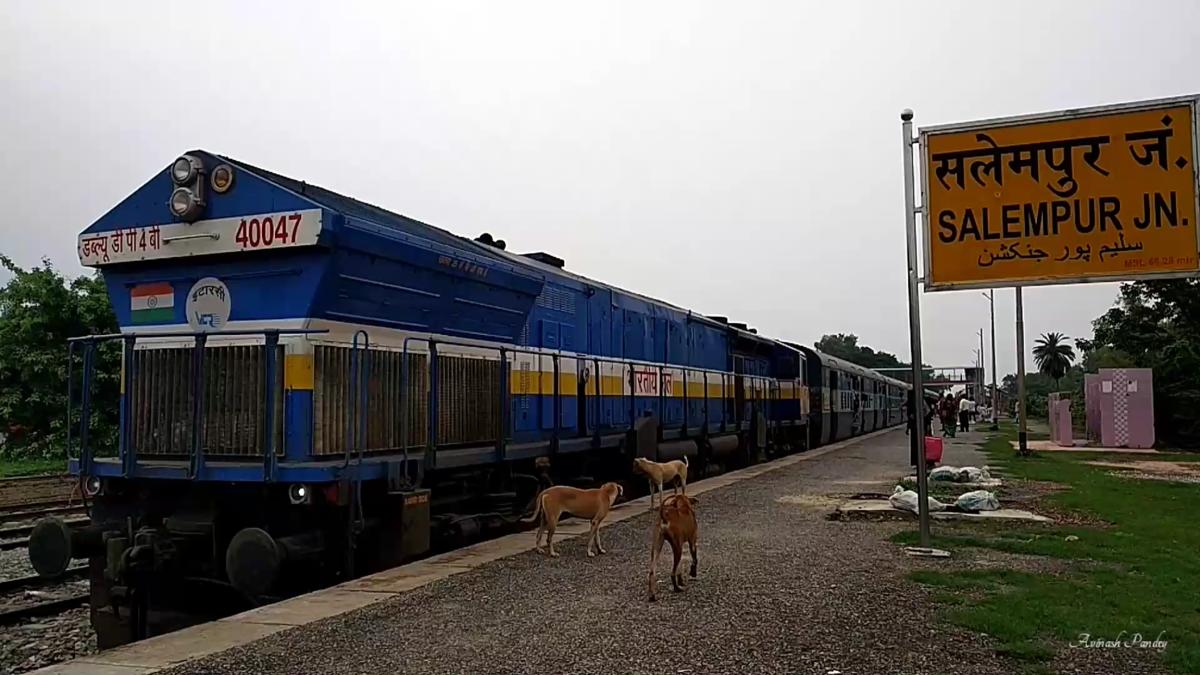
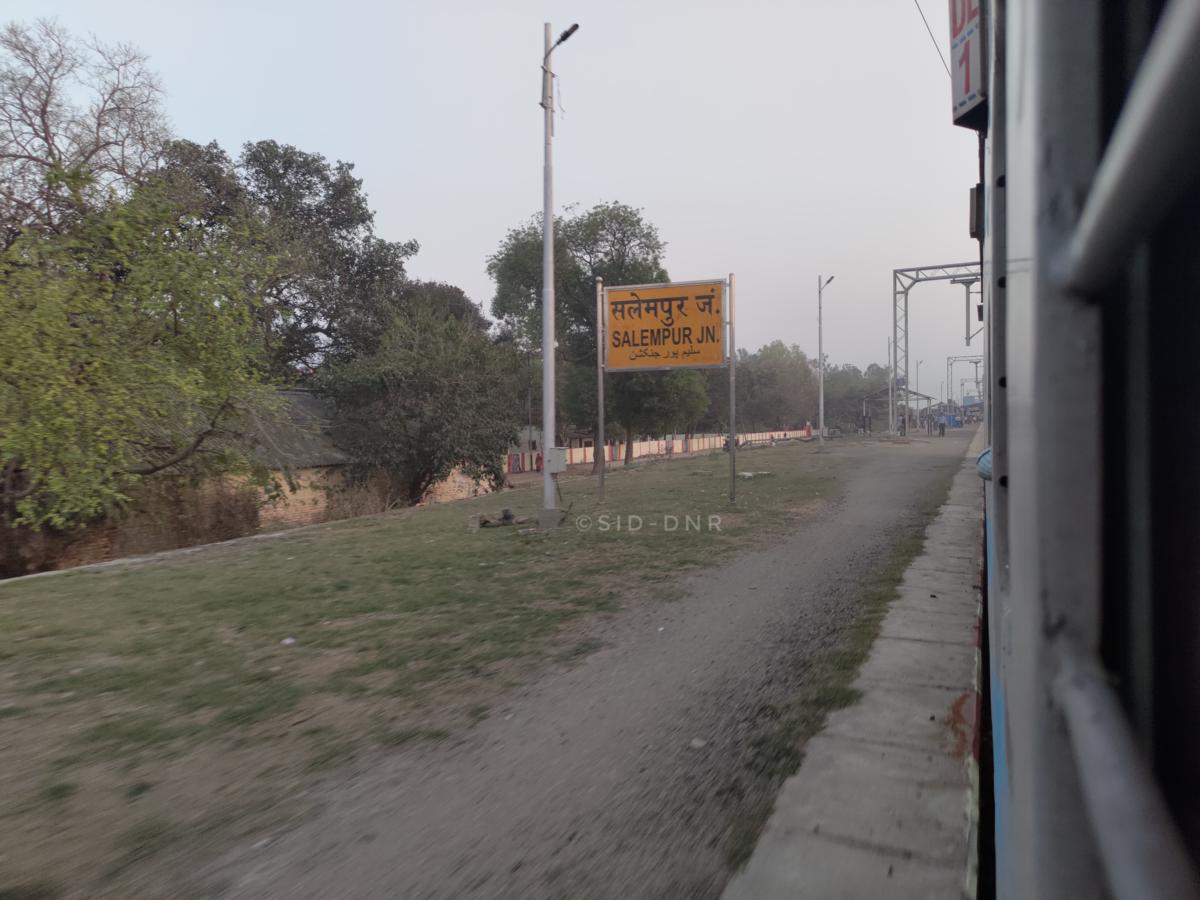
This junction plays a vital role in eastern Uttar Pradesh, even if it does not look like much at first glance. Salempur Junction Railway Station sits in Deoria district and quietly handles a steady flow of trains every single day. It comes under the North Eastern Railway zone and carries the station code SRU, something you will spot quickly if you ever check a ticket or timetable.
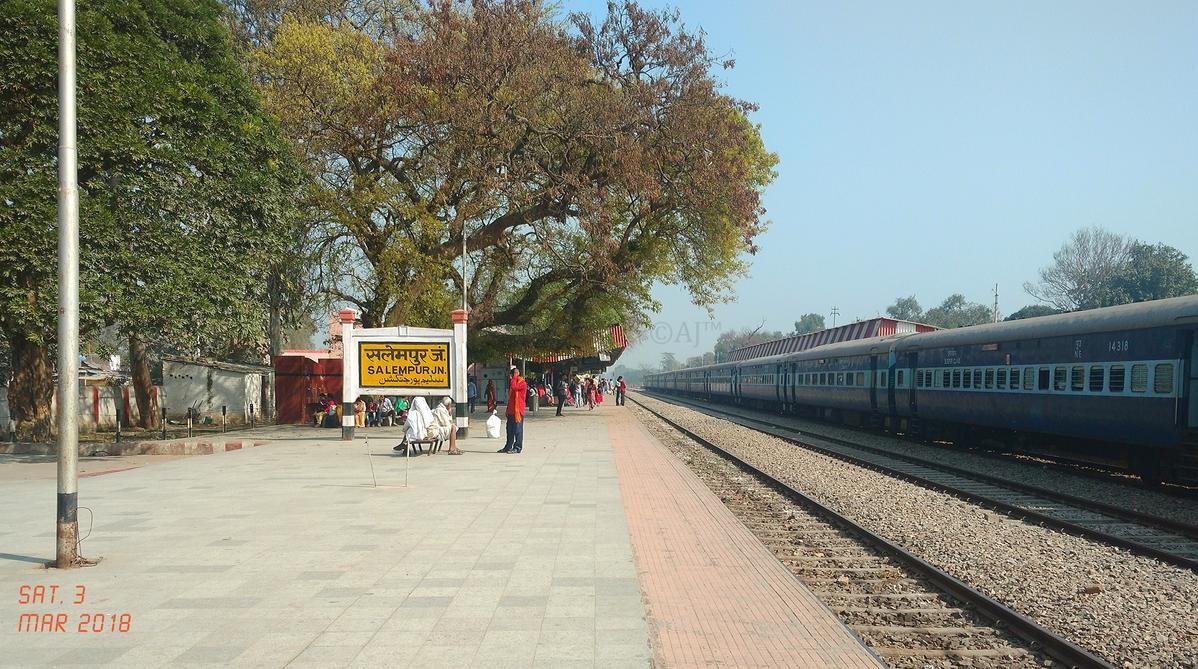
The station has just two platforms, so you are not dealing with a confusing layout or long walks. Yet, despite its size, around 50 to 60 trains pass through daily, connecting this region with important places like Gorakhpur and Varanasi. It is one of those stations where things keep moving without much noise or drama.
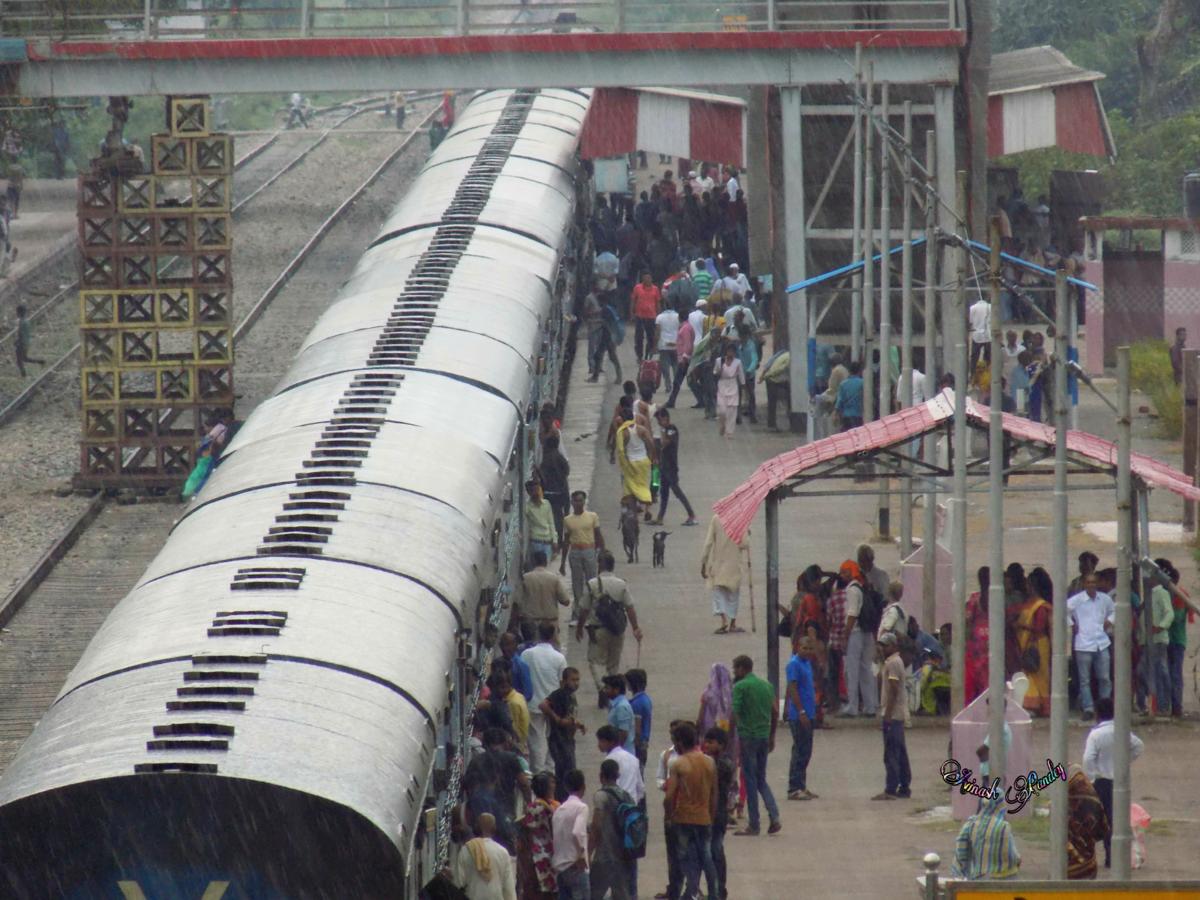
If you spend a little time here, you will notice a pattern. Trains arrive, people move, and within minutes everything resets again. It may not be grand, but it works exactly the way it should.
This junction plays a practical role in eastern Uttar Pradesh, especially for people who rely on trains for daily travel. Salempur Junction Railway Station is not a place that tries to impress you in the first five minutes, but give it a little time and you start to understand why it matters.
It comes under the North Eastern Railway zone and carries the station code SRU. More importantly, it connects smaller towns with bigger railway hubs like Gorakhpur and Varanasi. For many passengers, this is not the main destination. It is the station that helps them get there.
If you stand on the platform for a while, you will notice something simple but important. There is always some movement. Not rushed, not chaotic, just steady.
Location and Connectivity
Salempur Junction is located in Deoria district of Uttar Pradesh, in a region where trains are still the most dependable way to move around.
The station sits on routes that link important railway centers like Gorakhpur and Varanasi, while also connecting nearby towns that depend on these lines every day. That is why you will see a mix of passengers here. Some are traveling far, but many are just going about their routine.
It is not about how far the trains go. It is about how regularly they run, and here, they do.
Station Layout and Platform Structure
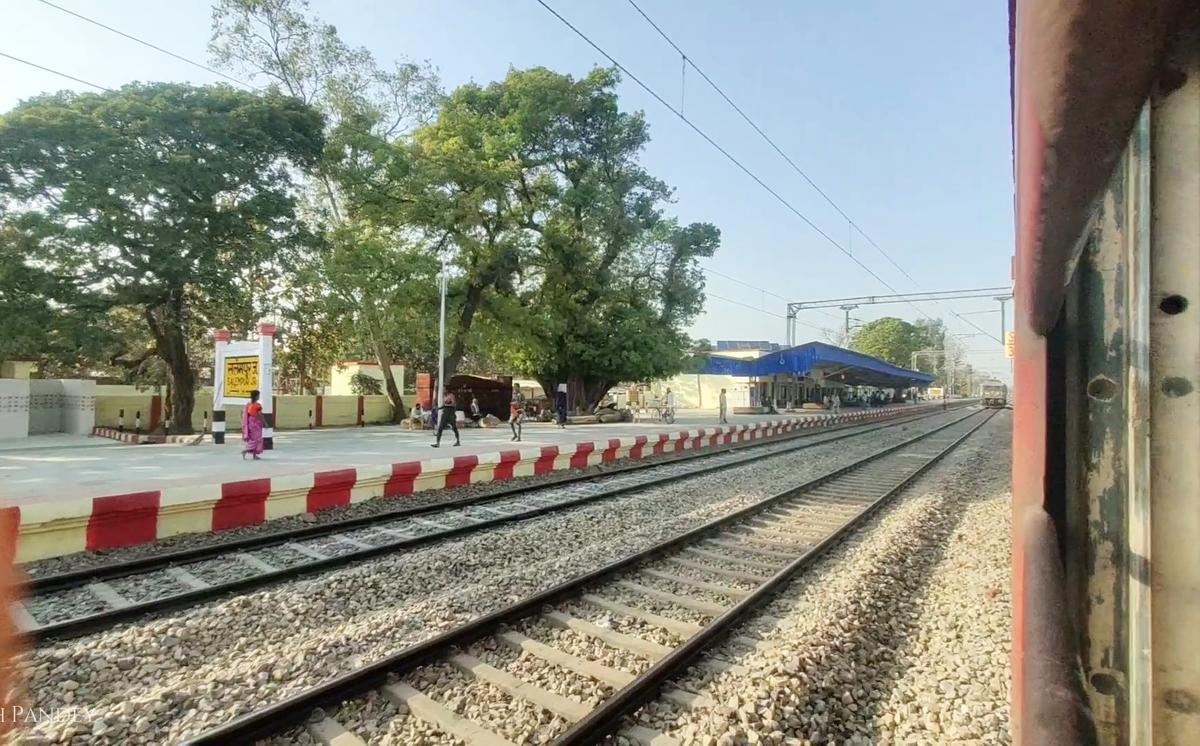
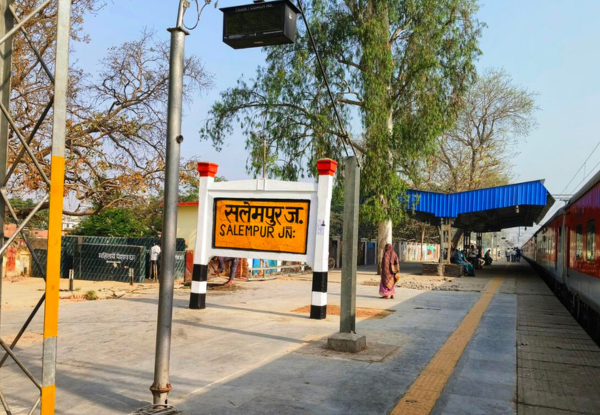
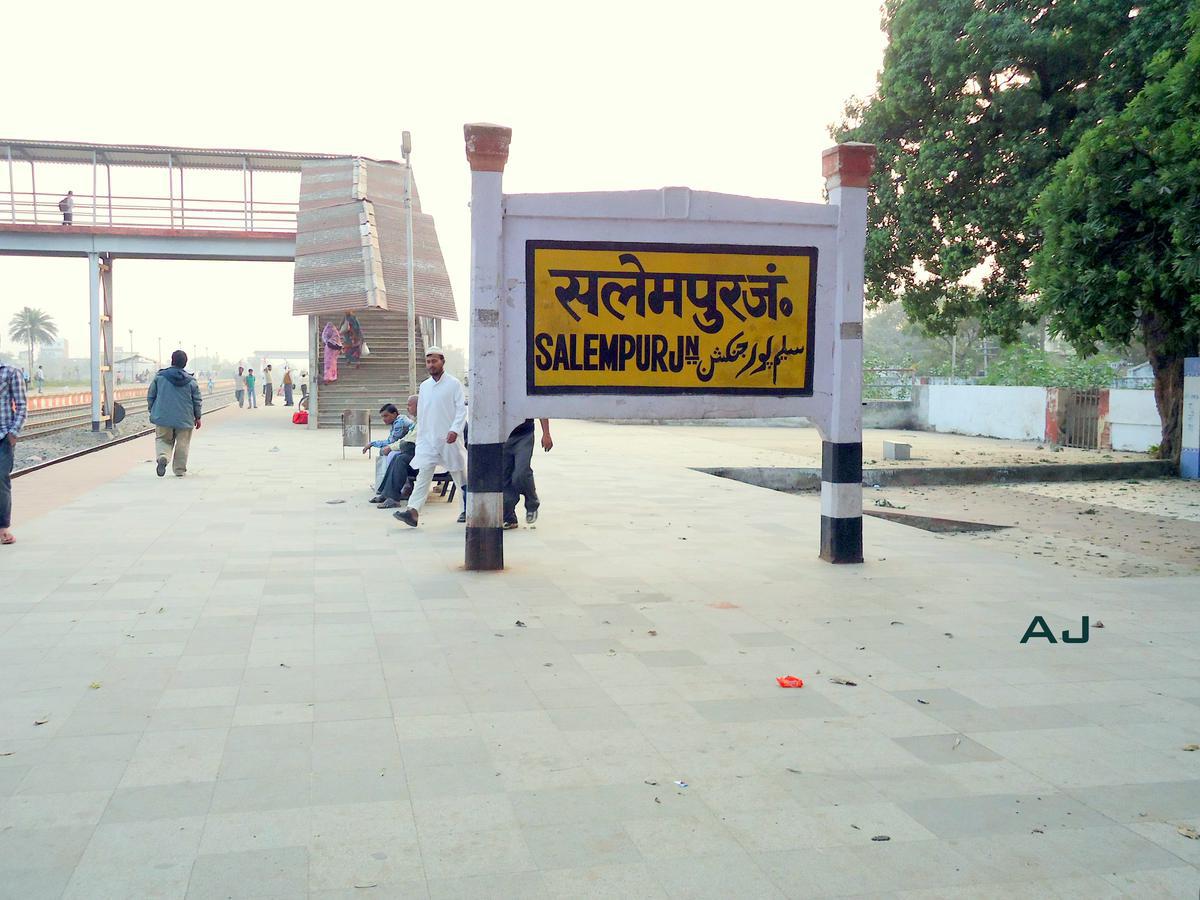
The station has two platforms, and once you see them, you pretty much understand the whole place.
There is no overthinking required. You are not checking boards again and again or wondering if you are standing in the wrong place. Everything is visible, everything is close, and that makes a difference.
In bigger stations, you walk more than you travel. Here, you mostly just wait for your train and board it. It has a kind of simplicity you might notice at places like Daund Junction Railway, where the layout is easy to follow and movement feels natural rather than confusing.
Passenger Facilities and Amenities
The facilities here are simple and practical.
There are ticket counters, basic waiting areas, drinking water, and seating. Nothing feels overdone, but nothing feels missing either for regular travel.
You are not going to find fancy food courts or premium lounges, and honestly, most people coming here are not expecting that. They just want a station that works, and this one does.
Daily Train Flow at Salempur Junction
Early Morning
The day usually starts early with passenger and MEMU trains connecting nearby stations like Bhatni, Deoria, and Mau. You will see local commuters and regular travelers during this time, but the crowd stays manageable.
Late Morning to Afternoon
This is the quieter part of the day. Fewer trains stop compared to morning and evening, and the station feels more relaxed. Some express trains pass through, and occasional freight movement continues in the background.
Evening Hours
Activity picks up again as people return from work or travel onward. Passenger and express trains toward Gorakhpur and Varanasi bring a noticeable but still controlled increase in movement.
Night
The station becomes quieter, but it never fully stops. A few long-distance trains and through services continue to pass, along with freight trains moving across the network.
Train Movement and Daily Activity
Salempur Junction stays active throughout the day with a steady flow of trains.
On average, around 50 to 60 trains pass through, including passenger and express services. Some trains stop briefly, some stay a little longer, and some just pass through without much pause.
The interesting part is the rhythm. It never feels empty, but it also never feels overwhelming. It is somewhere in between, which actually makes the experience easier.
Railway Zone and Operational Importance
The station falls under the North Eastern Railway zone, which manages railway operations across this region.
Even though Salempur Junction is not a major junction in terms of size or revenue, it plays an important role in connecting smaller towns to the broader railway network. Stations like this are not always highlighted, but they are necessary for the system to function smoothly.
Passenger Movement and Ease of Navigation
Getting around the station is straightforward.
With only two platforms and a clear layout, passengers do not have to deal with confusion or long navigation. You can enter, find your platform, and be ready for your train without much effort.
It is one of those stations where you do not need to ask for directions every few minutes, which is always a good sign.
Future Scope and Possible Improvements
Like many stations of this scale, there is room for improvement.
Better seating, cleaner waiting areas, and more updated information systems could make the experience smoother. With the number of trains and passengers it handles, even small upgrades would go a long way.
Frequently Asked Questions
Where is Salempur Junction Railway Station located
+
Salempur Junction is located in Deoria district of Uttar Pradesh. It serves as an important station for nearby towns and villages in eastern Uttar Pradesh.
What is the station code of Salempur Junction
+
The station code for Salempur Junction is SRU. You will see this code on tickets, train boards, and railway apps.
How many platforms are there at Salempur Junction
+
Salempur Junction has 2 platforms. The layout is simple, so passengers can easily move between platforms without confusion.
Which major stations are connected from Salempur Junction
+
The station connects to important railway hubs like Gorakhpur, Varanasi, Bhatni Junction, and Mau. These connections help passengers travel further across the railway network.
Are trains available regularly from Salempur Junction
+
Yes, around 50 to 60 trains pass through Salempur Junction daily, including passenger and express trains. This keeps the station active throughout the day.
Is local transport easily available outside the station
+
Yes, auto rickshaws, e-rickshaws, and shared vehicles are easily available outside the station for travel within Salempur and nearby areas.

2 thoughts on “Salempur Junction Railway Station (SRU) – Train Timings, Route & Booking”