

NH 222, Jintur Road
Near District Court
Parbhani – 431401
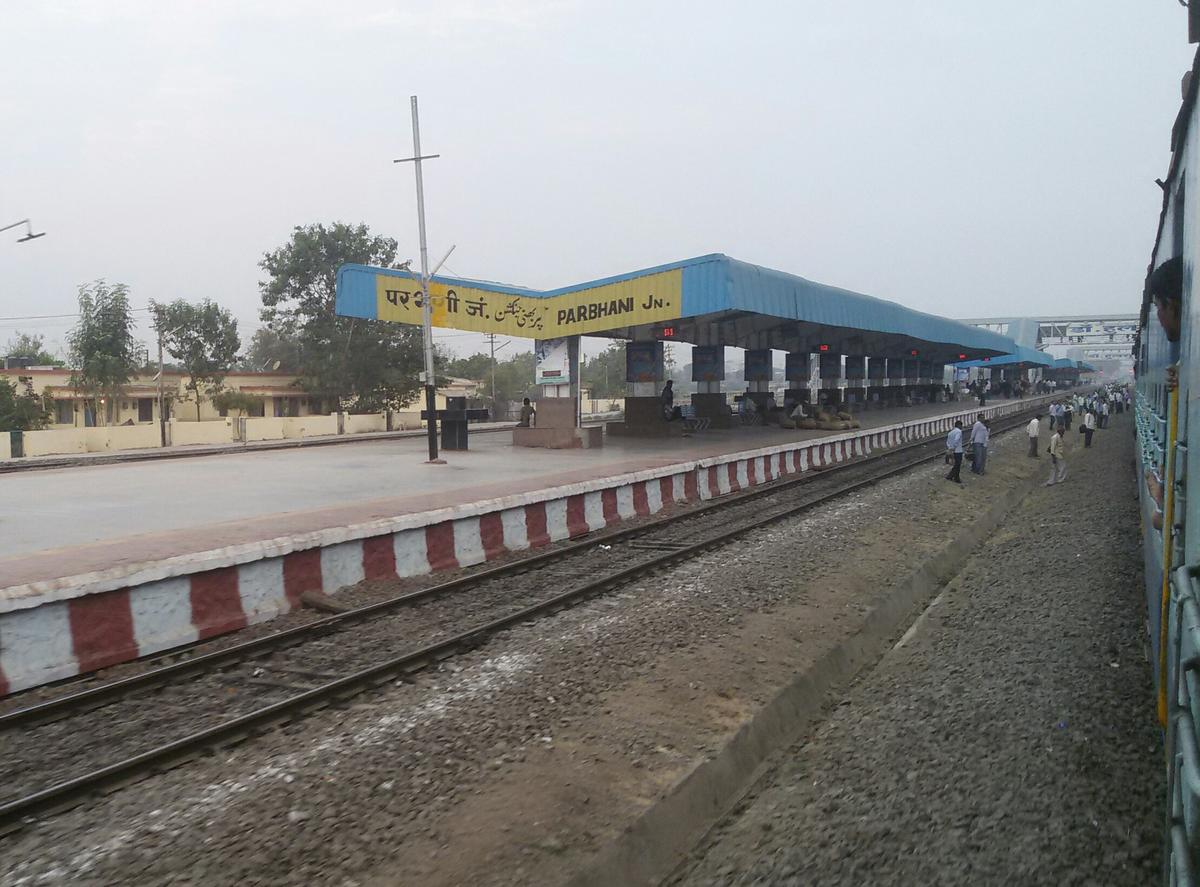
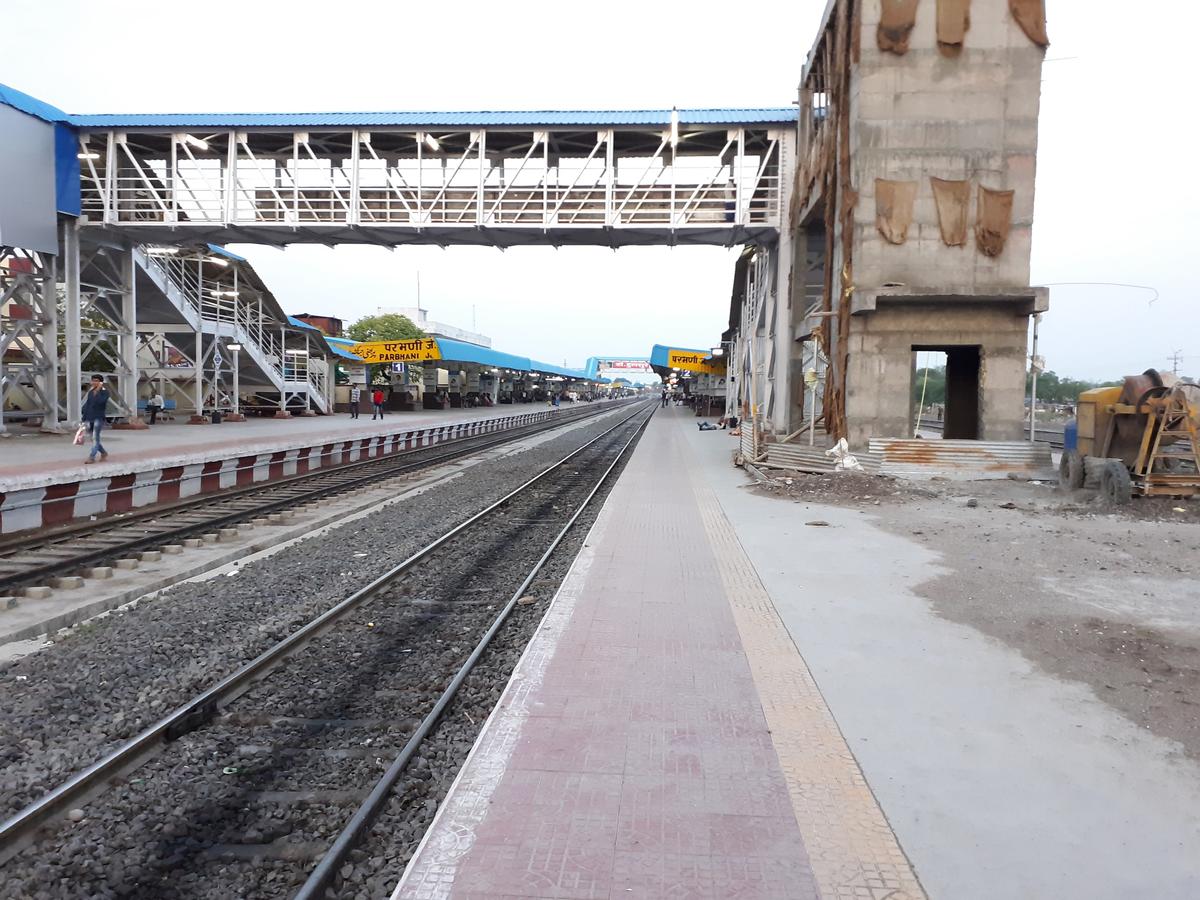
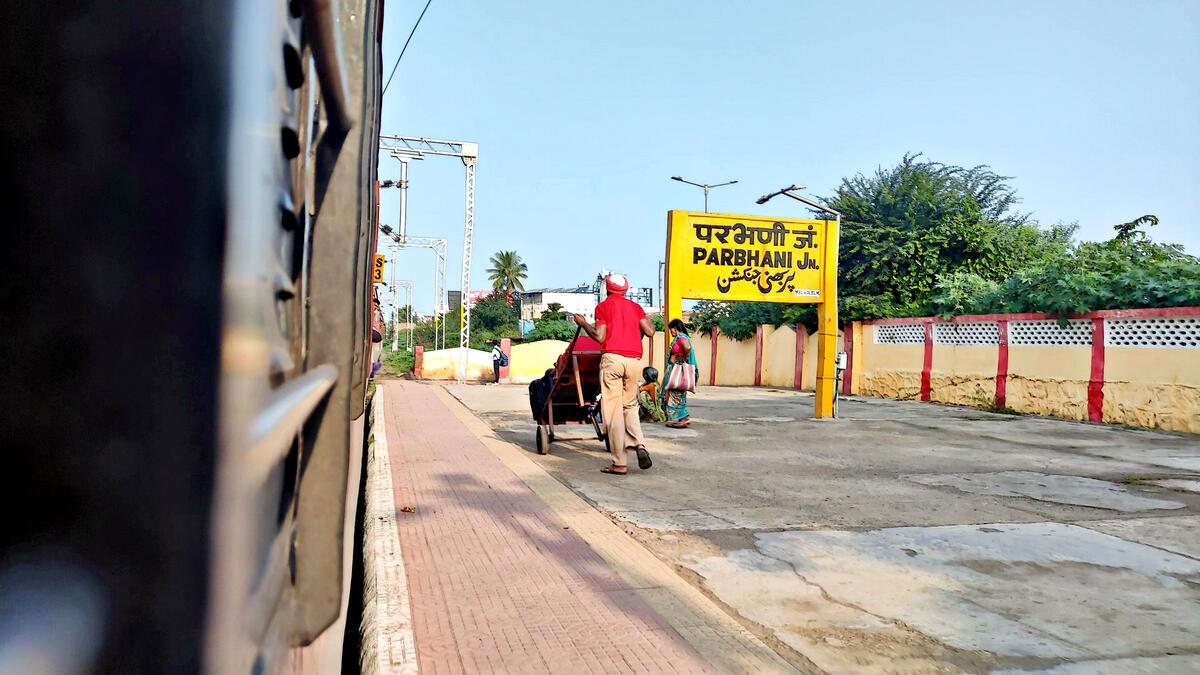
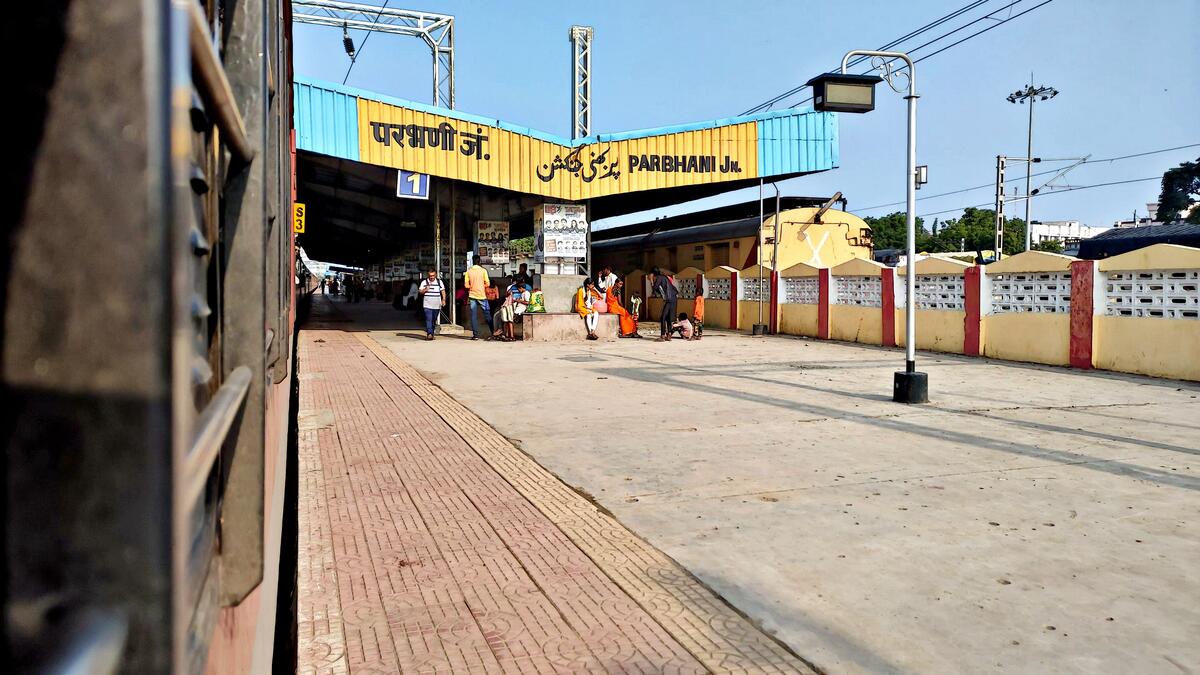
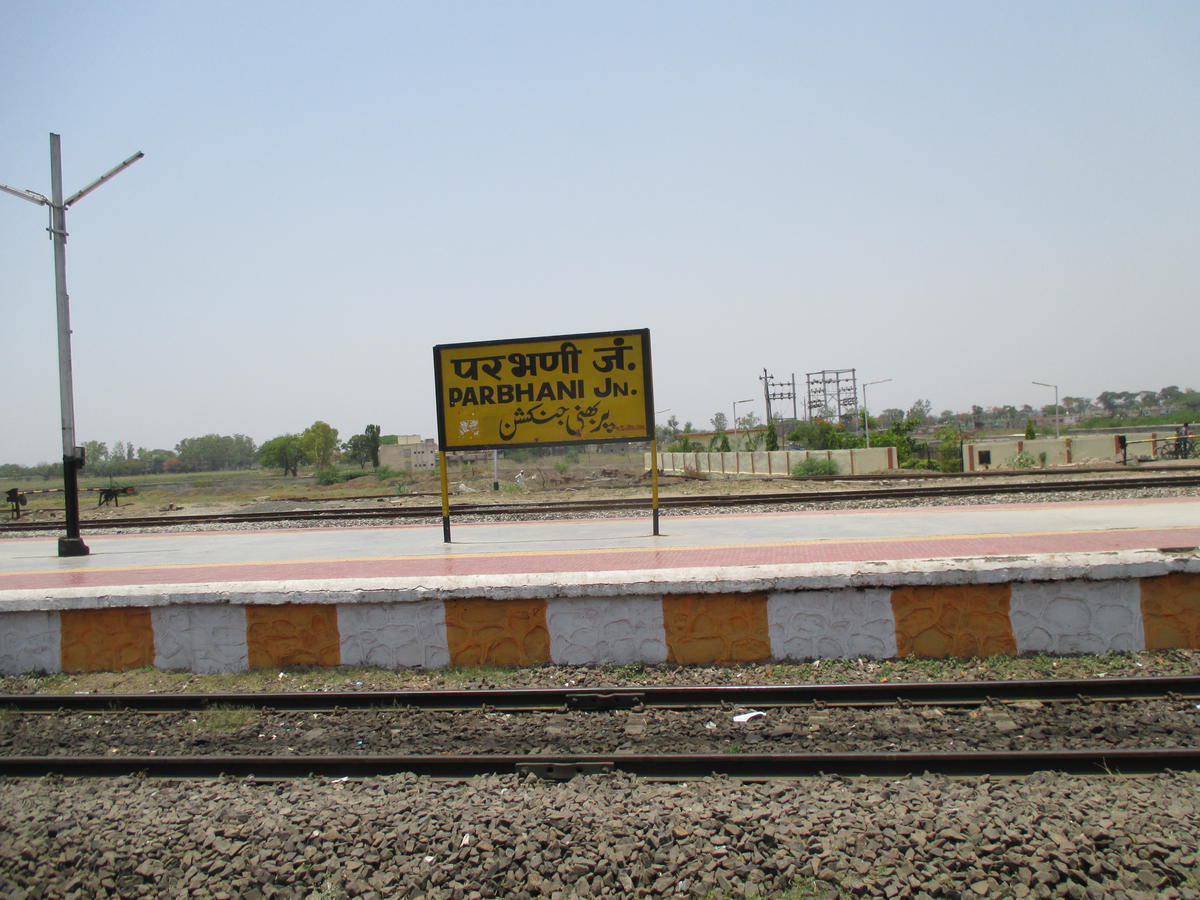
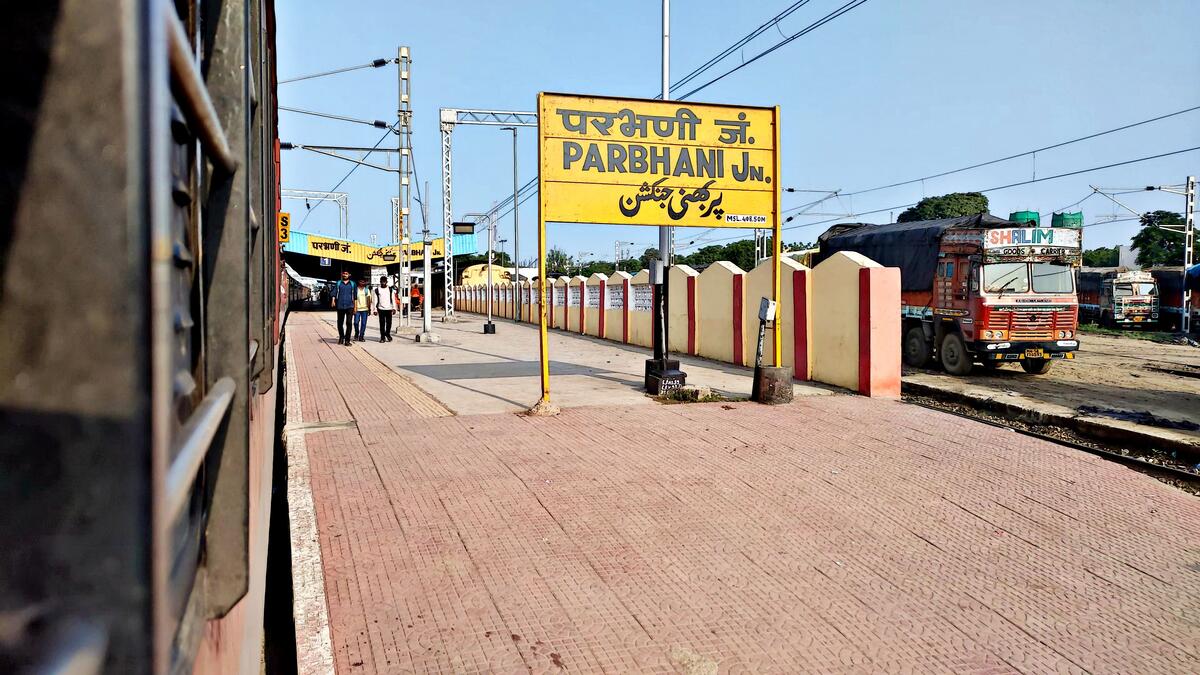
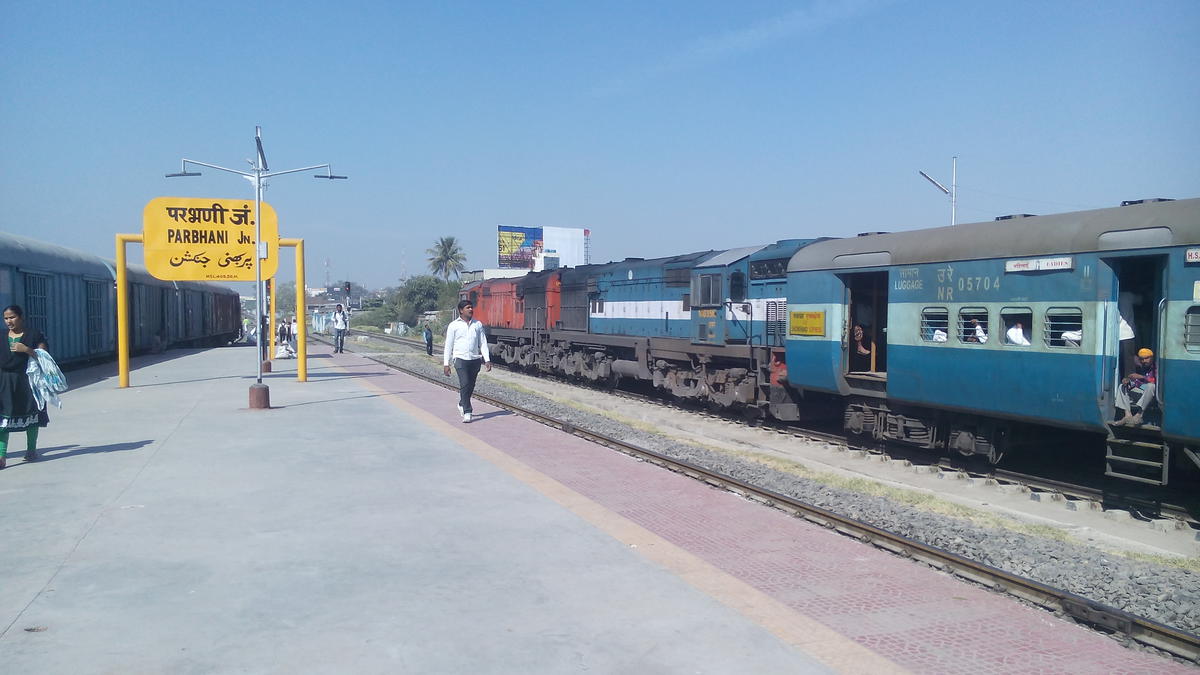
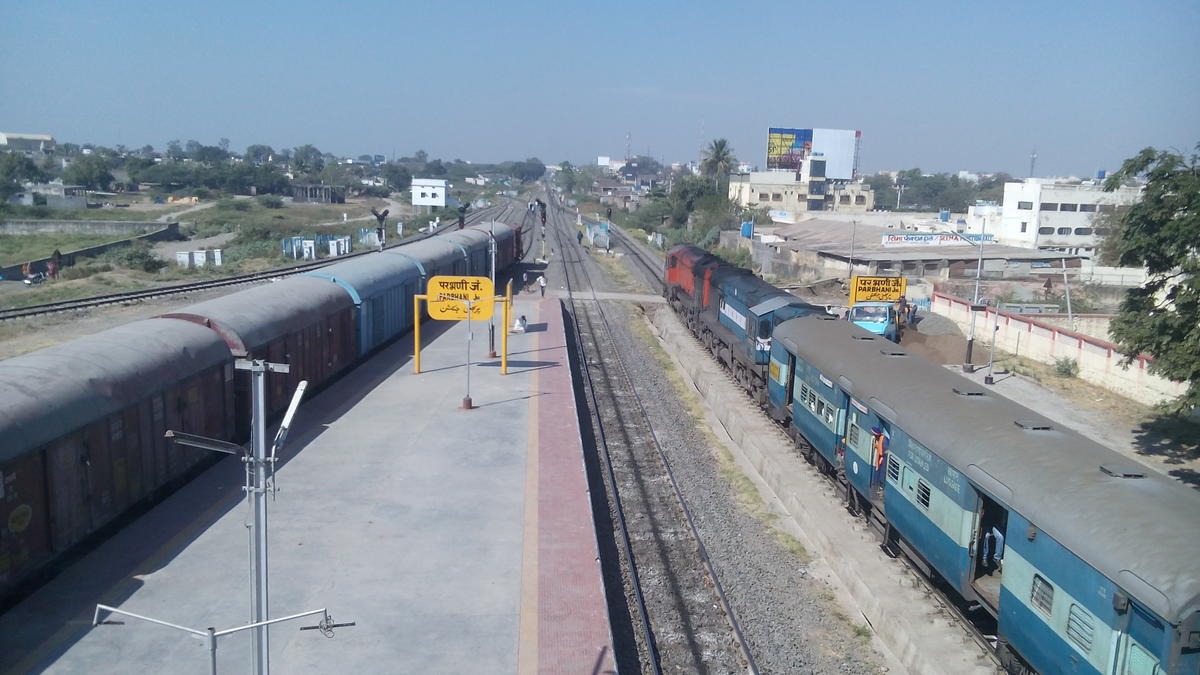
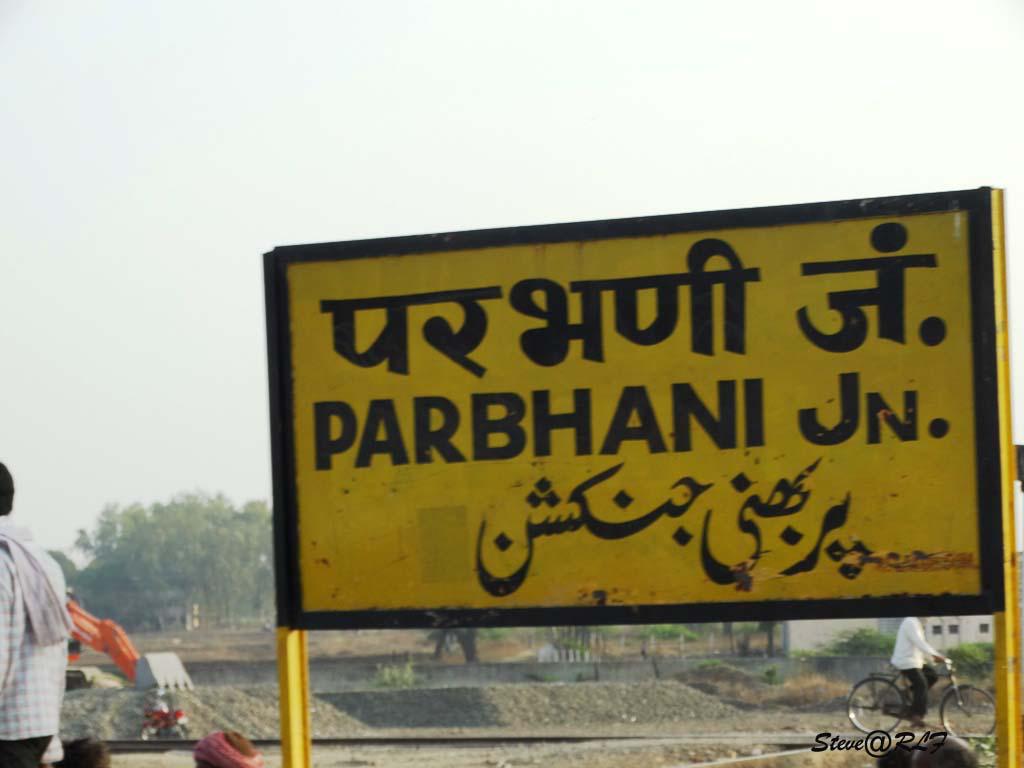
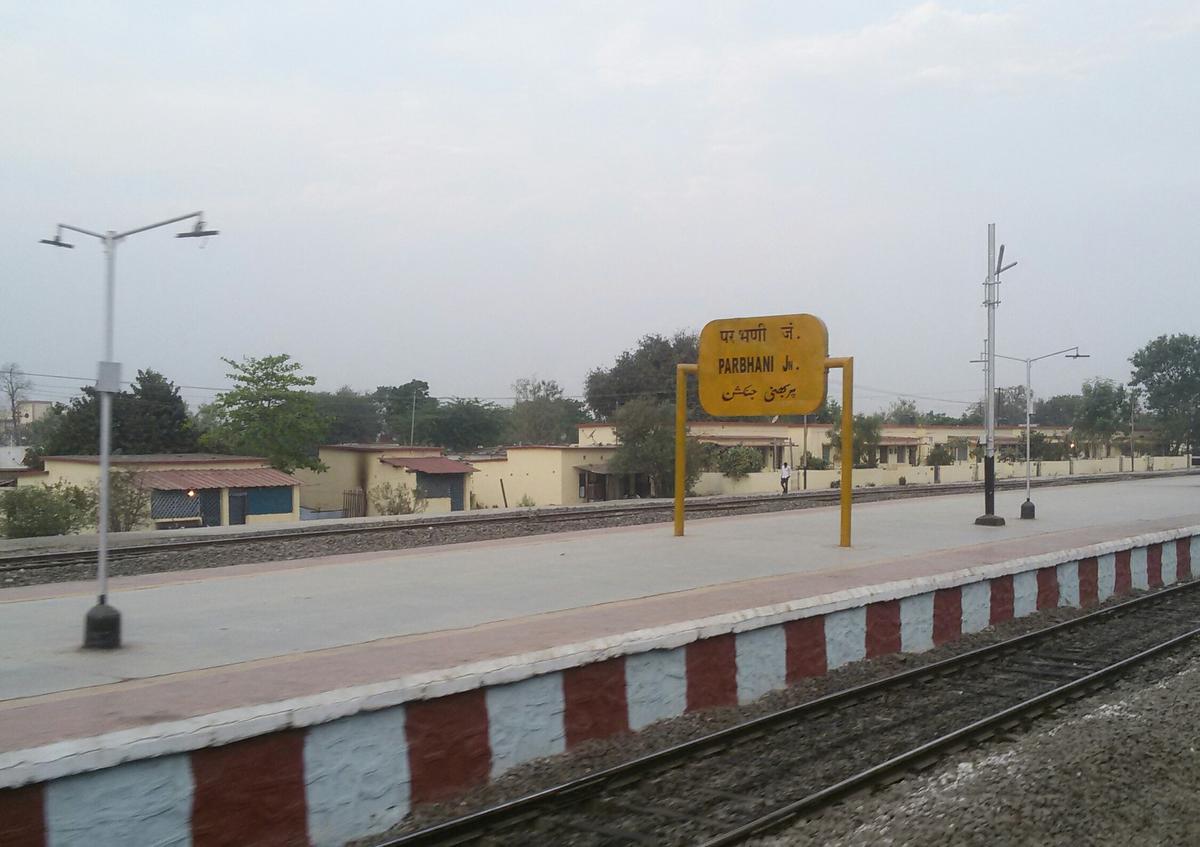
Parbhani Junction railway station with station code PBN is the main railway station serving Parbhani city in Maharashtra and comes under the Nanded division of South Central Railway. It is located on the Secunderabad to Manmad railway line, an important route that connects southern India with central and western parts of the country.
Because of this, the station handles a mix of long distance express trains and regular passenger trains linking cities like Mumbai, Hyderabad, Pune, Nagpur and Delhi. Well known trains such as Sachkhand Express and Devagiri Express pass through here, which keeps the station active throughout the day. For people in and around Parbhani, this station is simply the most practical way to travel out of the city, whether it is for work, studies or visiting family.
About Parbhani Junction Railway Station
Parbhani Junction railway station is the main railway station of Parbhani district and one of the key rail access points in the Marathwada region. It is not a flashy or oversized station, but it handles a steady and meaningful flow of passengers every day.
What makes it stand out is its balance. You will see long distance travelers waiting for reserved coaches alongside daily passengers using unreserved trains for short trips. The station serves both without feeling overwhelmed, which is not always easy on a busy route like this.
Location and Railway Connectivity
Parbhani Junction is located on the Secunderabad to Manmad railway line, one of the important north south connectors in the Indian Railways network. This line links Telangana with Maharashtra and further connects to routes going toward central and northern India.
Because of this position, the station gets direct trains to a wide range of cities. Major Maharashtra cities like Mumbai, Pune, Nagpur, Aurangabad and Nashik are connected, along with cities such as Hyderabad, Secunderabad, Delhi, Bangalore and Visakhapatnam.
This is why even though Parbhani is not a metro city, its railway map looks quite extensive.
History and Role in the Network
The role of Parbhani Junction railway station makes more sense when you look at the route it sits on. The Secunderabad to Manmad line has been an important link for moving trains between southern India and Maharashtra for many years, and stations along this stretch were never just “stops”, they were part of how the whole route functions.
Parbhani grew along with this line. As more trains were added and traffic increased, the station had to handle more than just passengers getting on and off. It became a point where train movements are managed, especially when multiple trains need to pass, cross or continue in different directions.
Being called a junction is not just a label here. It reflects that the station plays a role in keeping trains moving on schedule across this section. Along with passenger services, freight trains also use this route, which adds to the overall load.
So even if the station itself looks fairly simple, its role is not. It is one of those places that keeps the network running smoothly without drawing much attention to itself.
Station Layout and Platform Details
The layout at Parbhani Junction railway station is simple enough that you do not need a few minutes to figure things out. You step in, look around once, and you more or less know where to go.
The station has multiple platforms that handle both trains that stop and those that pass through. Since it sits on a busy route, the track arrangement is designed to keep trains moving without unnecessary waiting. Crossings and overtakes happen regularly, but from a passenger point of view, it all feels quite smooth.
Platforms are connected by foot overbridges, so moving from one side to another is straightforward and safe. You will still see people rushing when their train is announced at the last minute, but that is more about human habit than station design.
Overall, the station sticks to a practical setup. No confusing layout, no long detours, just a structure that does its job without slowing you down.
Passenger Facilities and Amenities
At Parbhani Junction railway station, the focus is clearly on covering the basics properly rather than adding features people rarely use. You will find waiting areas, ticket counters, reservation services and drinking water facilities, all set up in a way that supports regular passenger flow. Stations like Itarsi Junction might be known for heavy interchange traffic, but Parbhani works in a simpler, more straightforward way that still meets everyday needs.
On the platforms, small food stalls and vendors take care of the usual needs. Tea, snacks and quick bites are easy to find, especially during the busy hours when trains are arriving one after another. It is the kind of setup where you may not have endless options, but you will not be left searching either.
Cleanliness is maintained at a practical level. The station is regularly managed to handle daily crowds, though like most busy stations, it depends on timing and rush.
It is not trying to feel like an airport lounge, and honestly it does not need to. Everything you actually need while waiting for a train is available without much effort.
Train Operations and Passenger Flow
The station handles a mix of express trains, mail trains and passenger services. This combination creates different rush patterns during the day.
Mornings and evenings are usually the busiest, with daily commuters and short distance travelers using passenger trains. Long distance trains bring in periodic spikes in crowd, especially when major express trains arrive.
Important trains that pass through or stop here include Sachkhand Express, Devagiri Express, Marathwada Express and several services connecting to Nanded, Hyderabad, Pune and beyond.
Station Classification and Importance
Parbhani Junction is categorized among the higher traffic stations in its division and is often referred to as an A category station within the Indian Railways classification system.
Its importance comes from the volume of passengers it handles and the number of long distance trains that pass through. It acts as a central rail point for nearby towns and rural areas, making it a key part of everyday transport in the region.
Navigation and Passenger Movement
Getting around Parbhani Junction railway station is fairly straightforward, even if it is your first visit. The station does not try to do anything complicated with its layout, which actually works in its favor.
Signboards are placed where you expect them to be, near entry points, platforms and foot overbridges. If you have your platform number, you can usually reach it without second guessing yourself. Changing platforms is also direct, thanks to the foot overbridge connecting all sides.
During peak hours, especially when multiple trains are scheduled close together, things do get crowded. But it is more of a busy crowd than a confusing one. People know where they are going, and the flow keeps moving. You might have to walk a bit faster, but you will not feel lost.
Future Developments and Upgrades
At Parbhani Junction railway station, changes do not usually come as big announcements or overnight upgrades. Instead, they happen slowly, the kind you notice only if you have been using the station for a while.
Under Indian Railways, stations like this are upgraded in phases. The focus stays on things that actually affect day to day travel. That means cleaner platforms, better lighting, more reliable water facilities, and improvements in ticketing through digital systems like online booking and automated services.
You might also see small but useful changes over time, like clearer signboards, improved seating in waiting areas, or better platform surfaces. These are not headline grabbing upgrades, but they directly improve the passenger experience.
Since the Secunderabad to Manmad line continues to handle regular train traffic, the station will keep getting attention where needed. It is less about turning it into something modern looking and more about keeping it dependable for the people who use it every day.