
Foot Over Bridge, Venkatesh Colony
Itarsi, District Narmadapuram
PIN – 461111
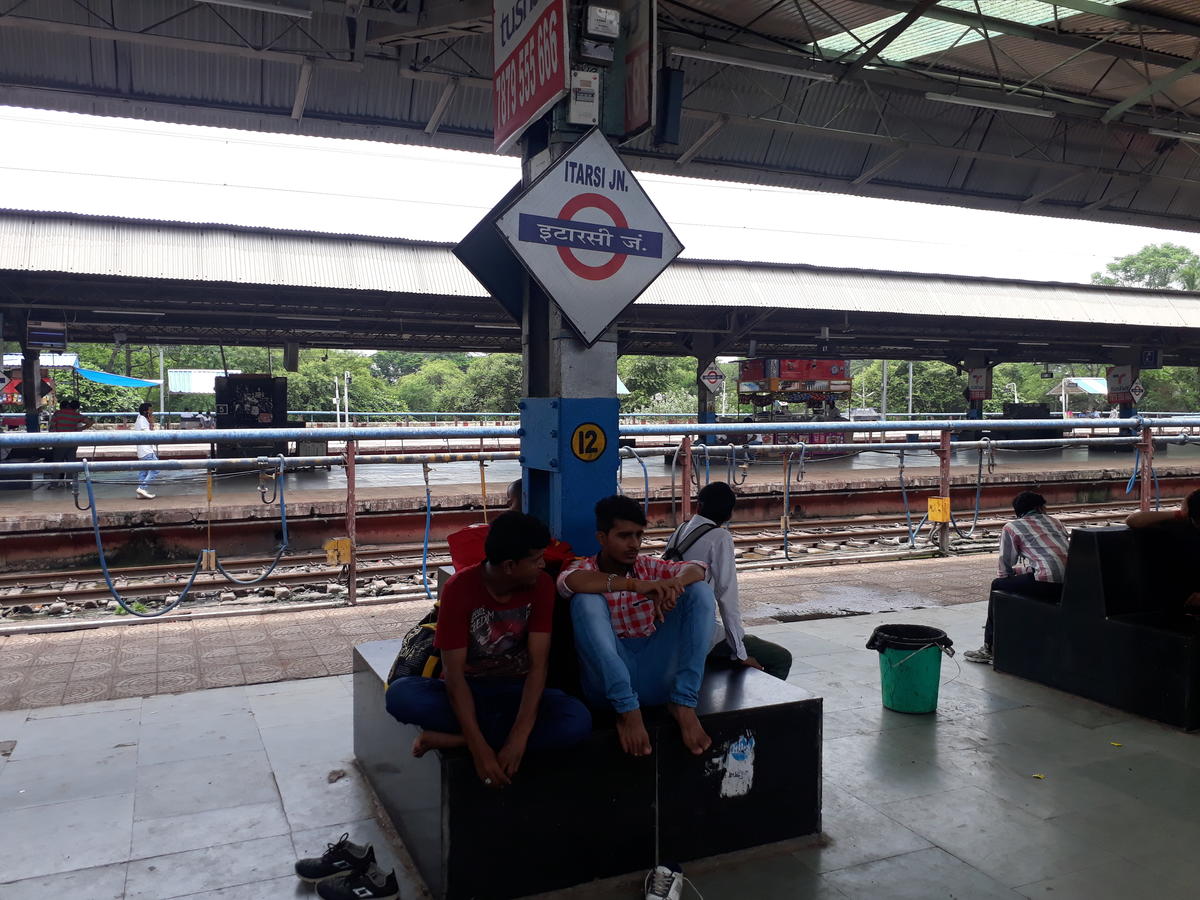
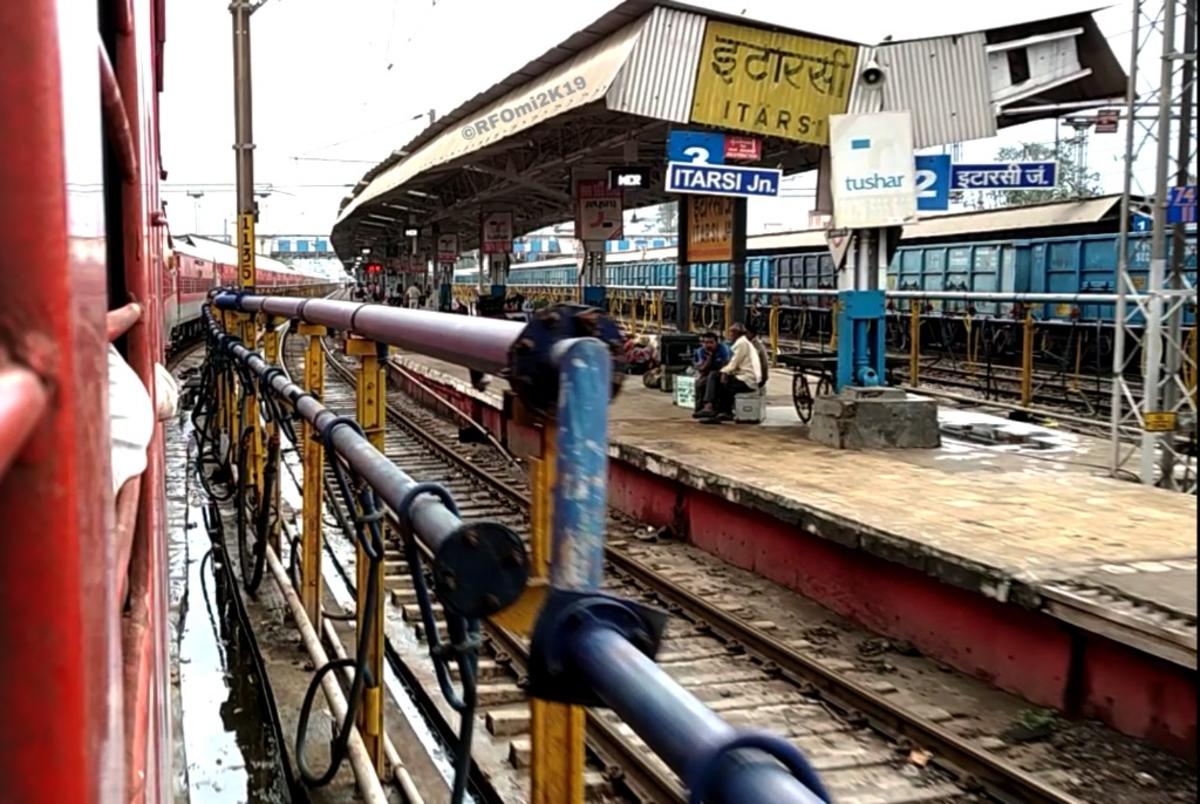
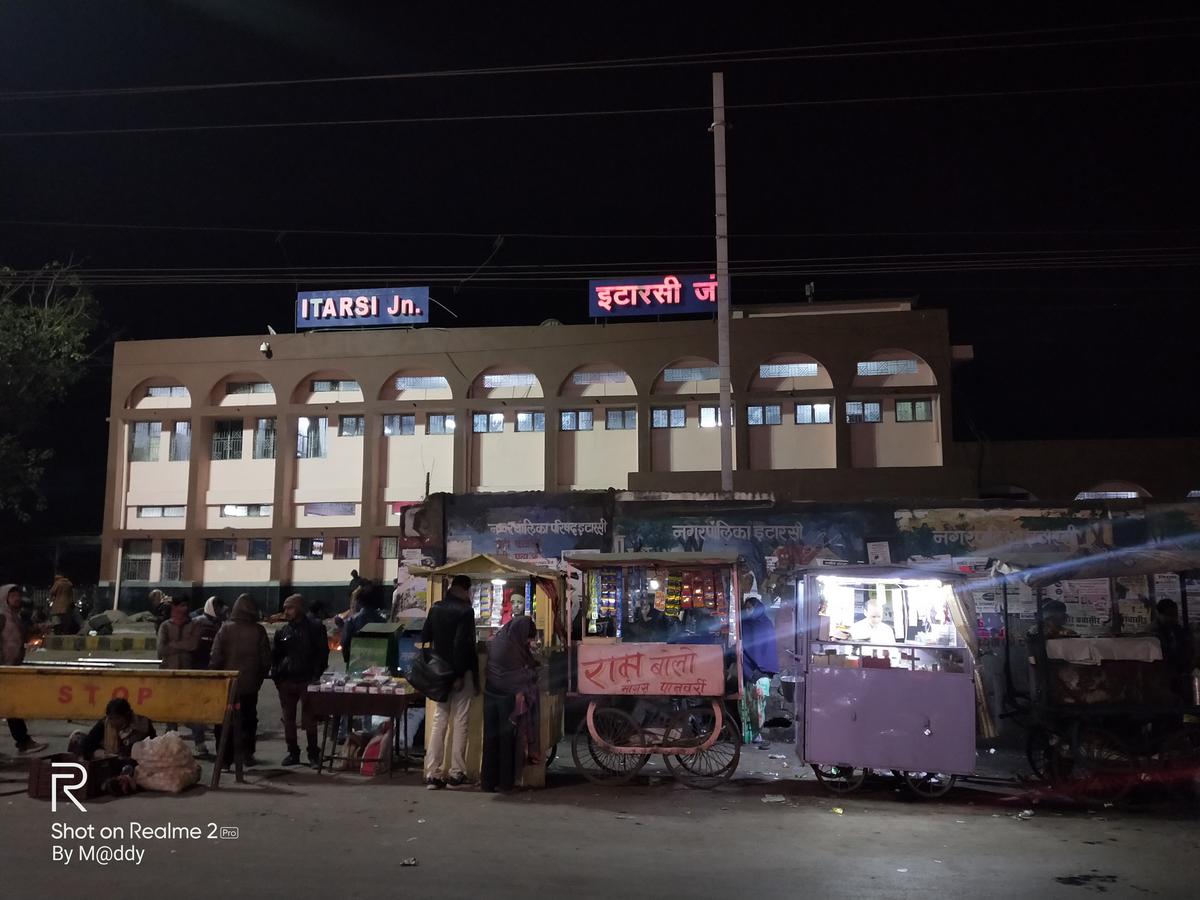
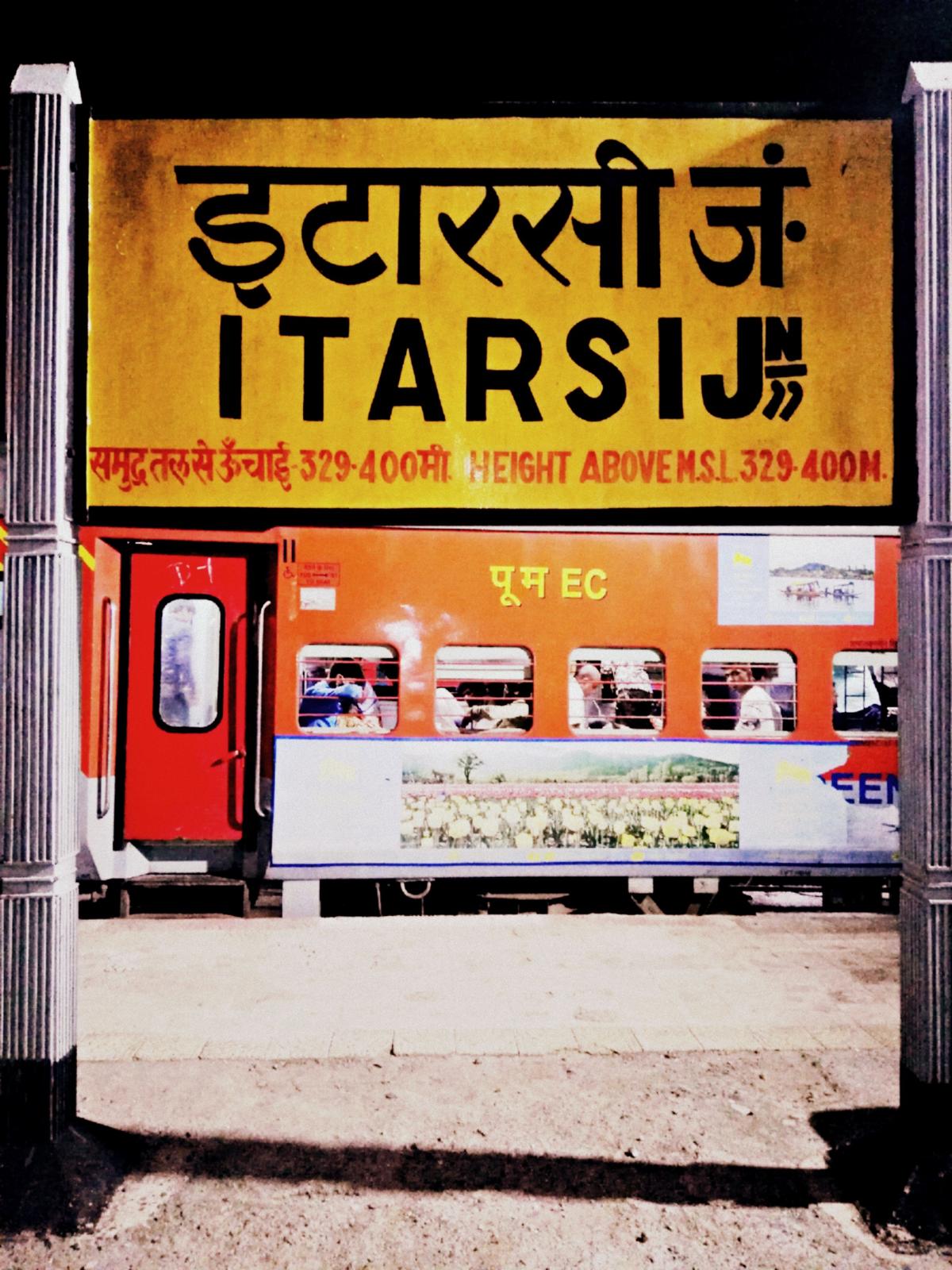
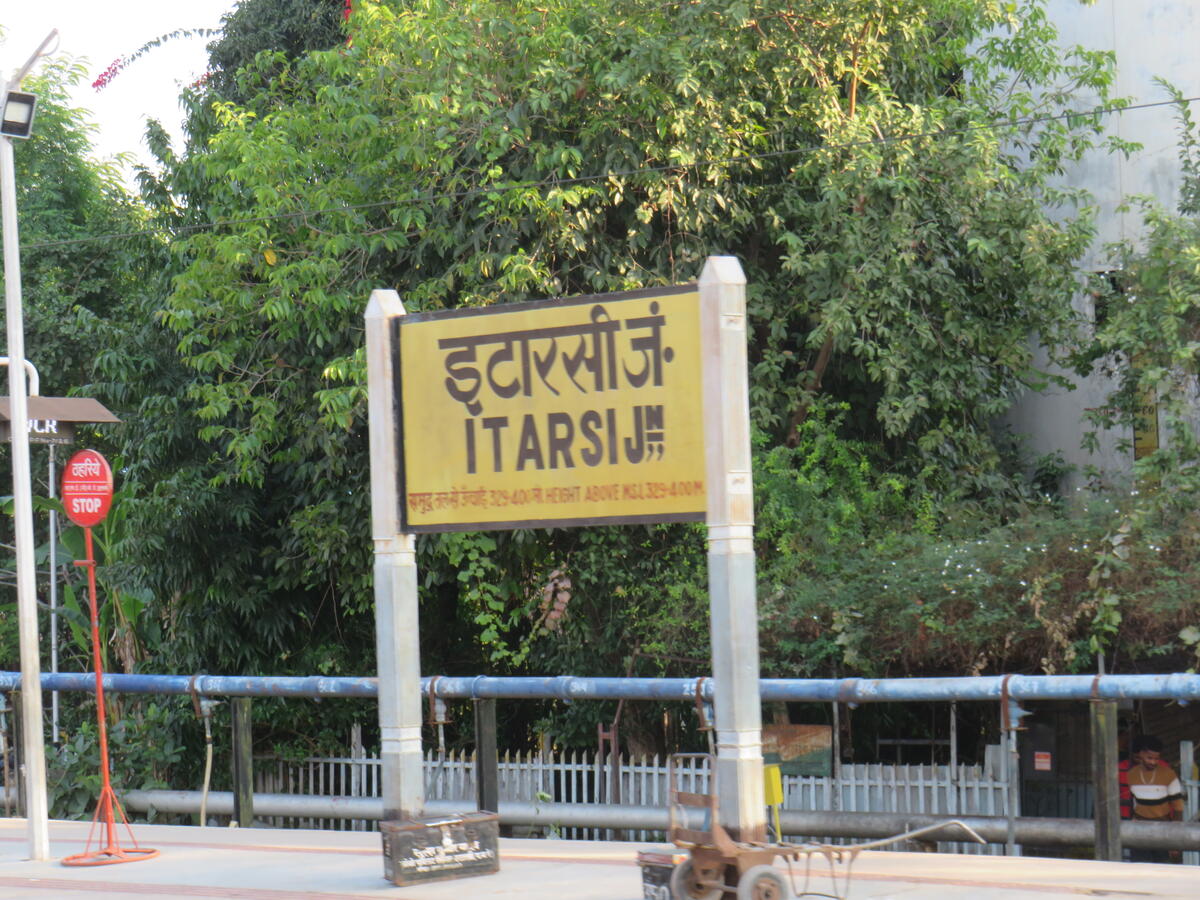
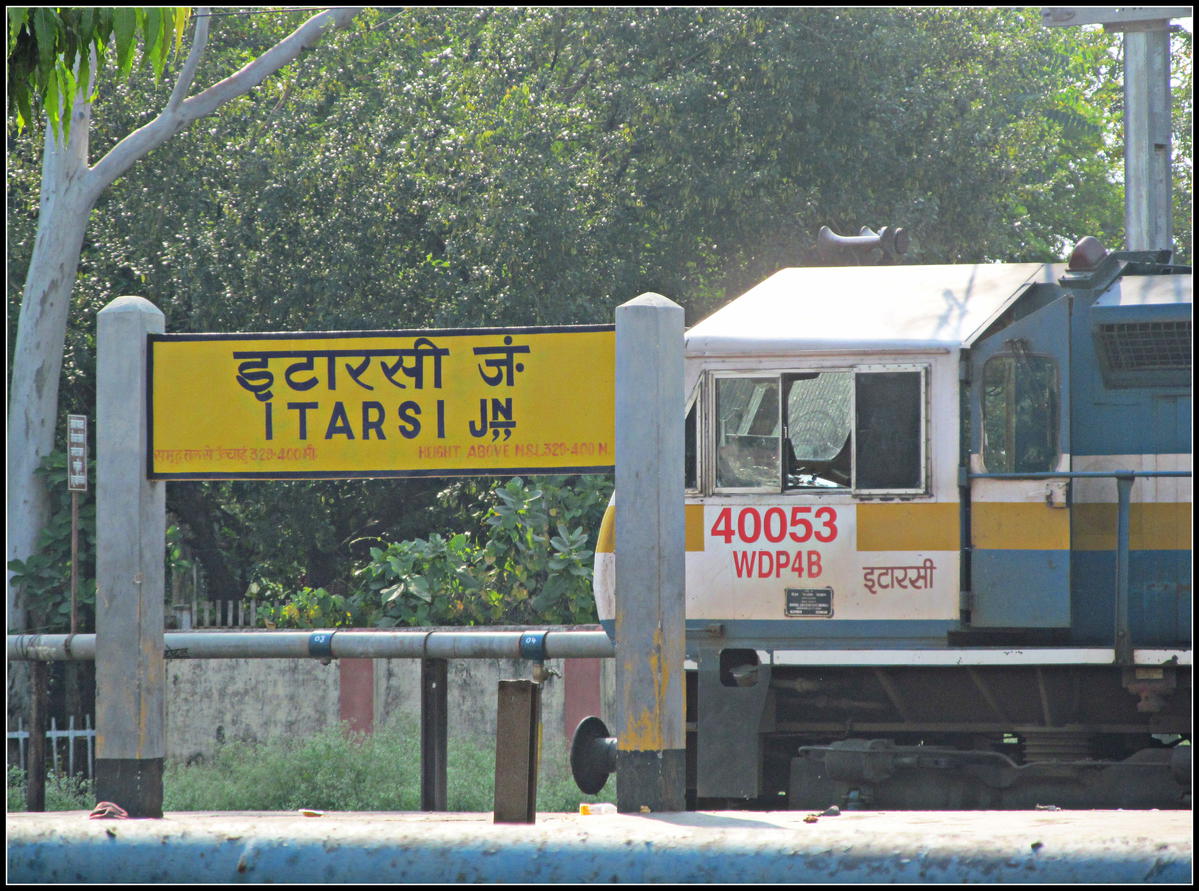
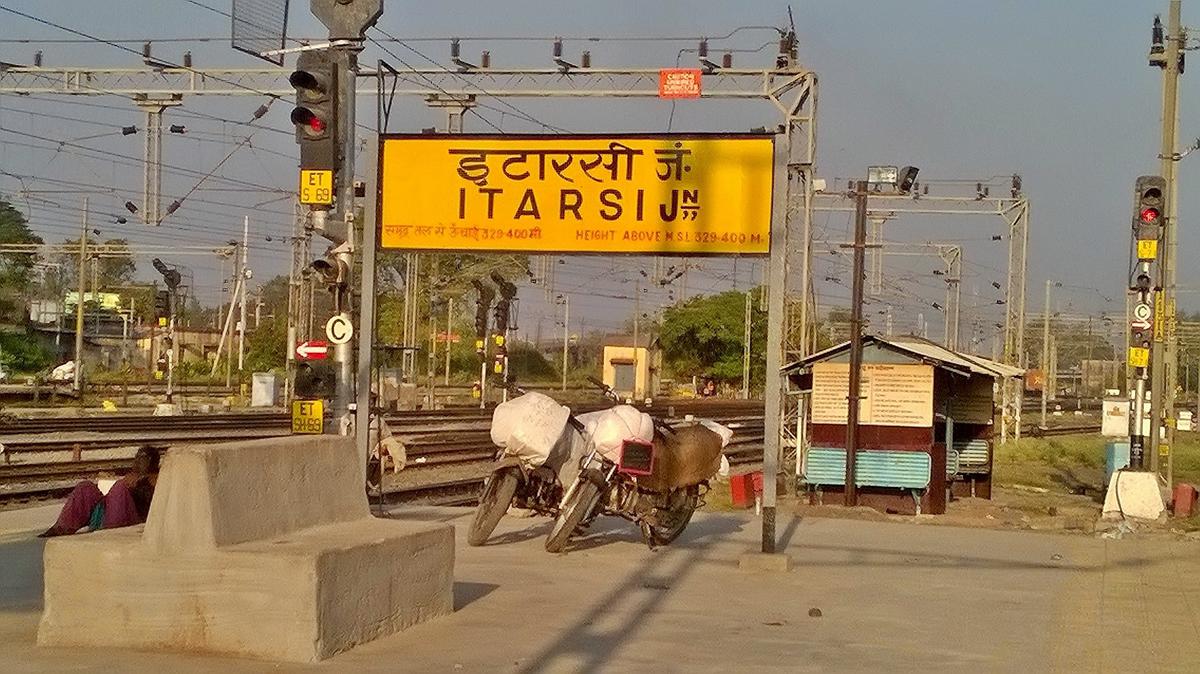
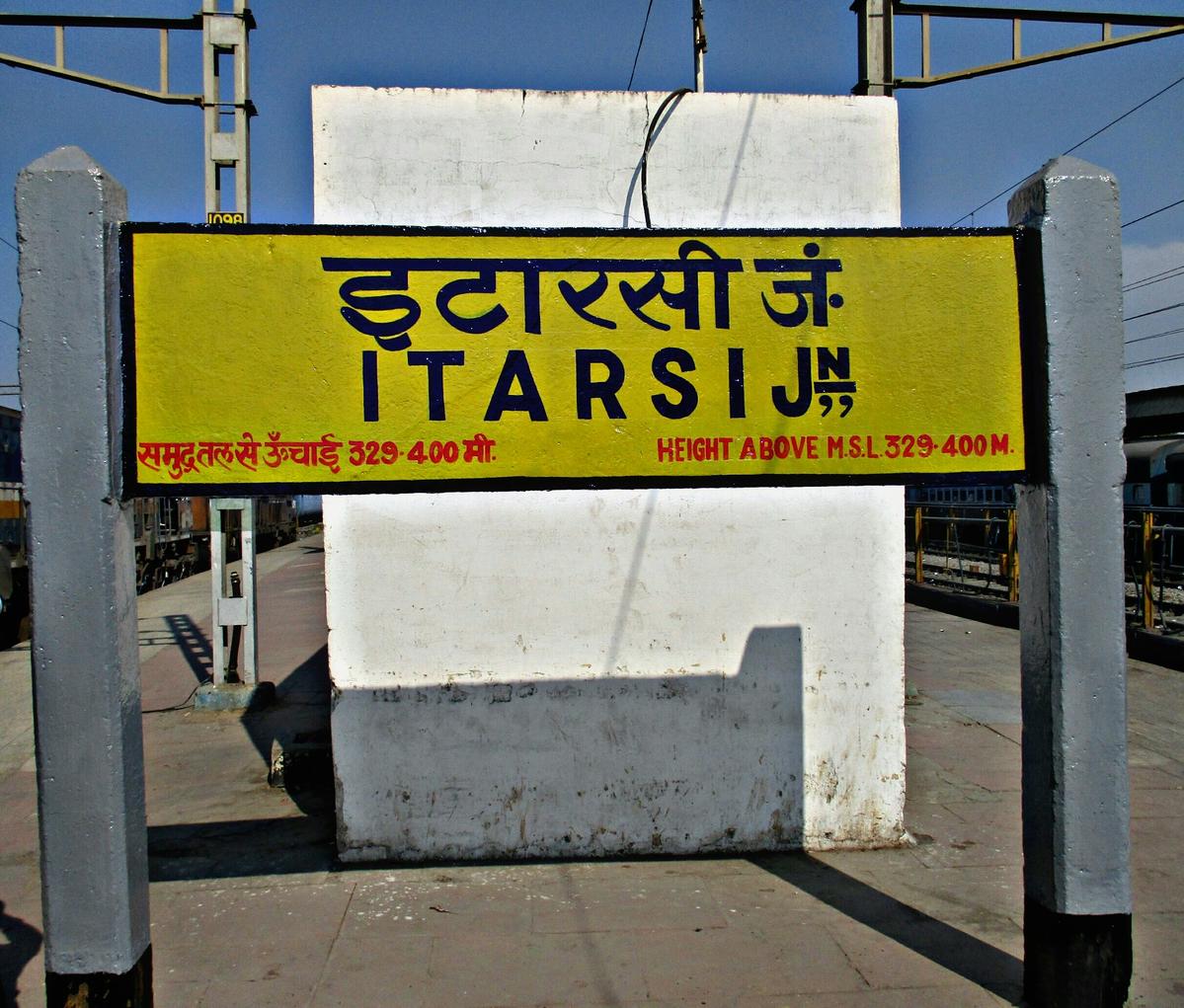
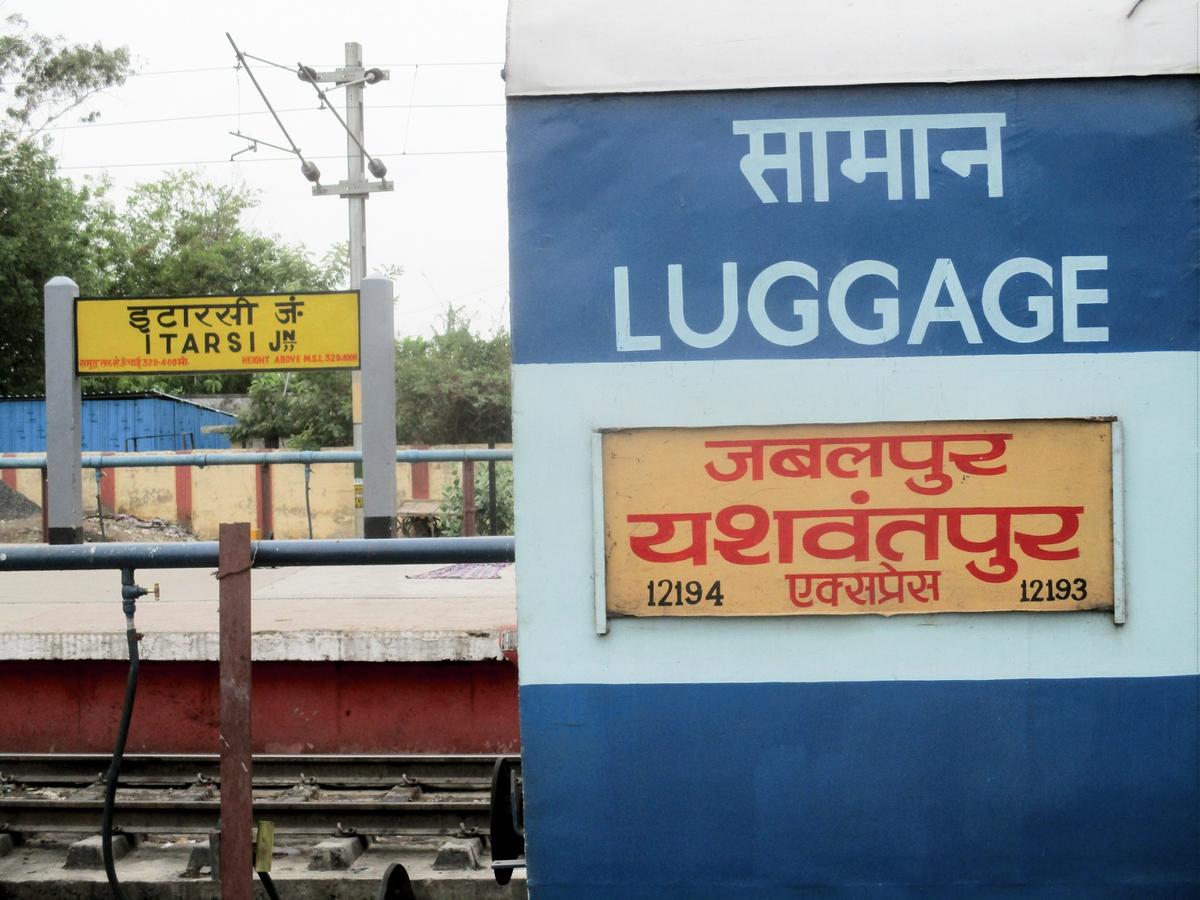
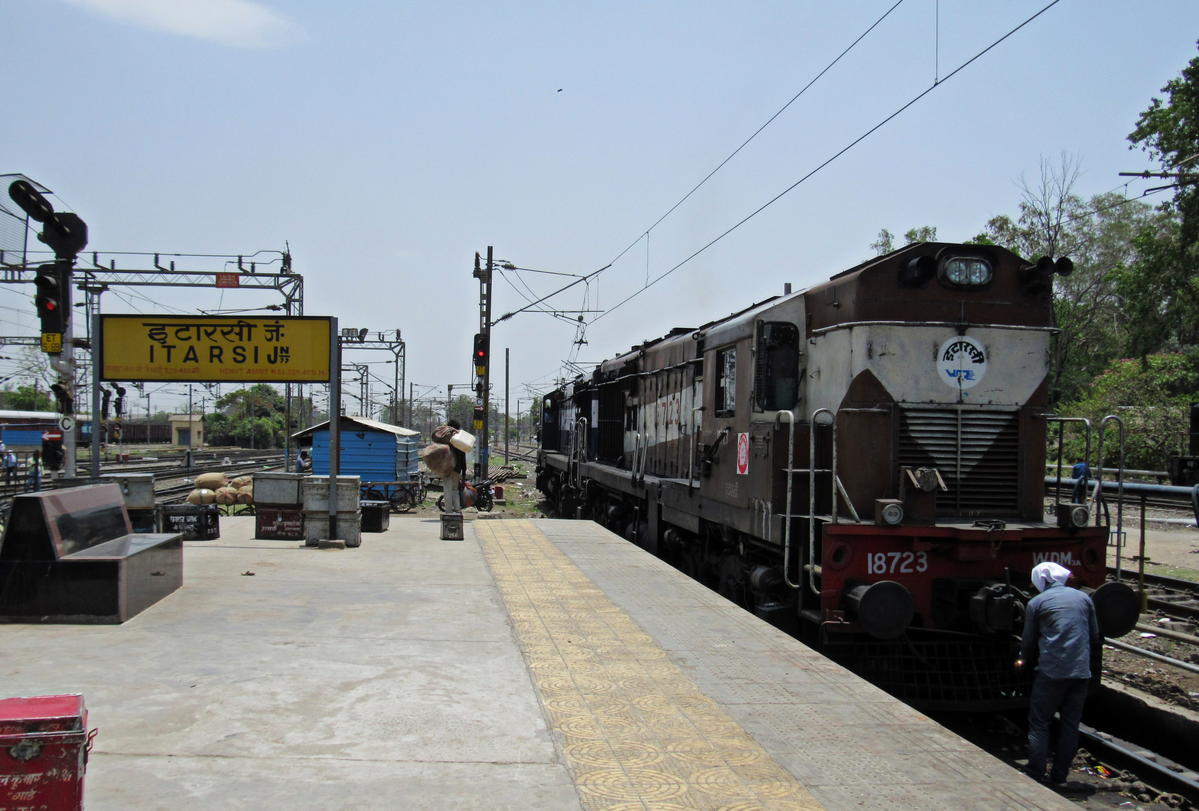
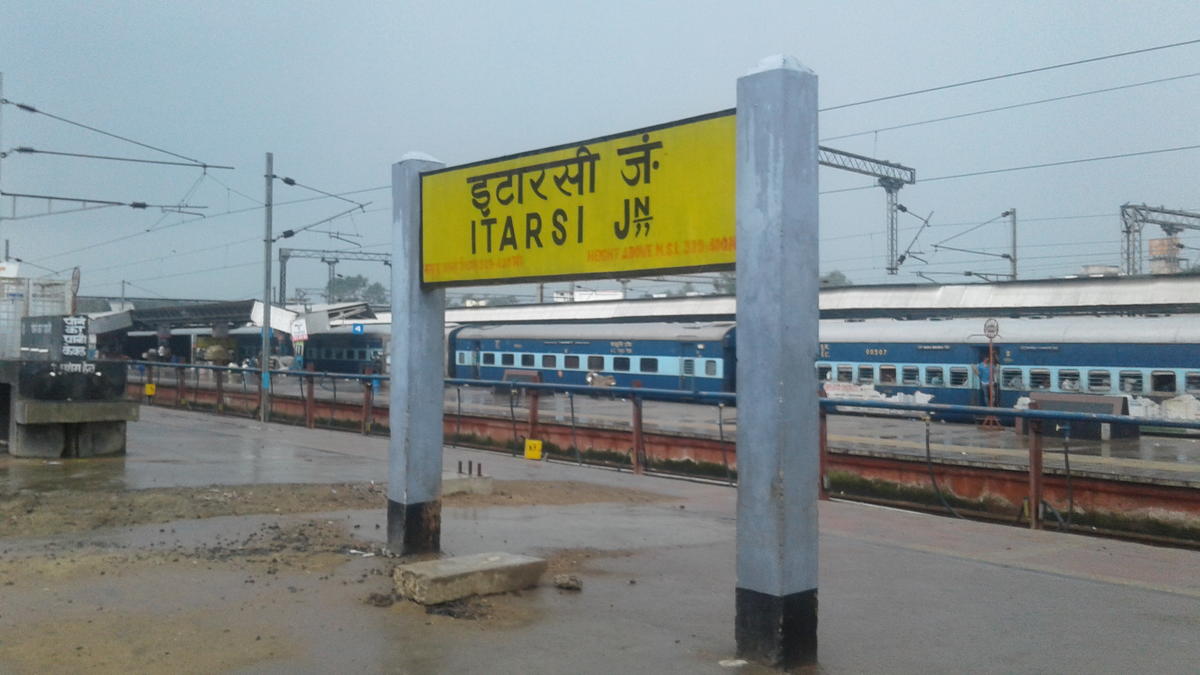
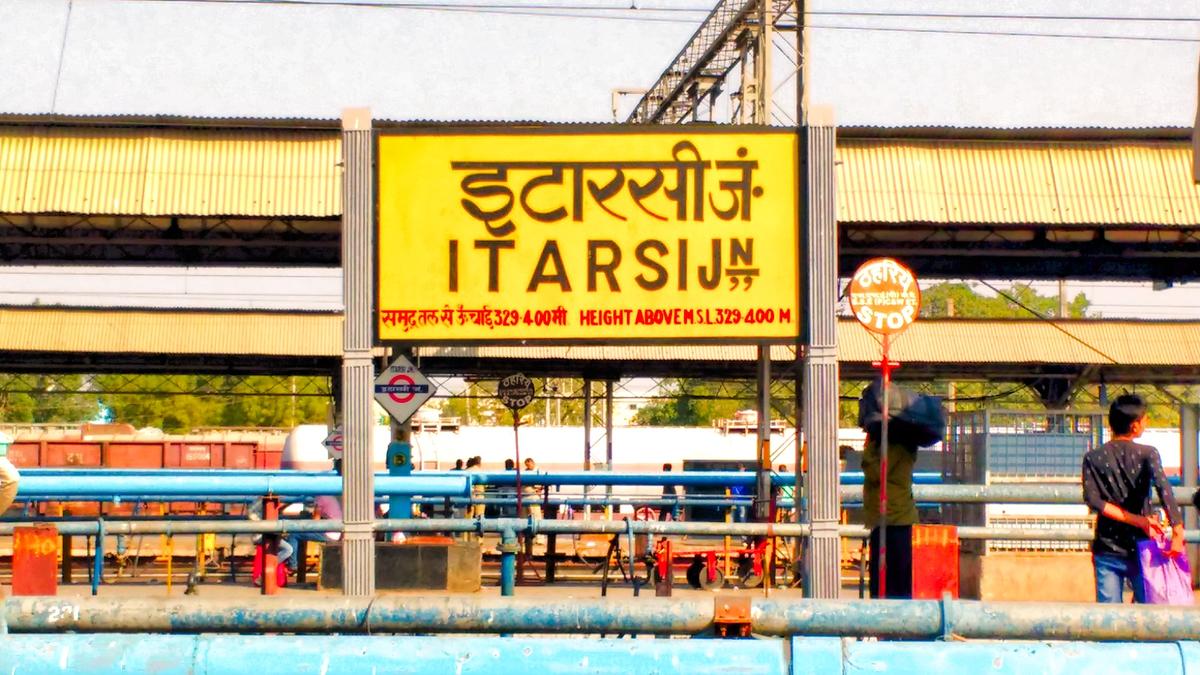
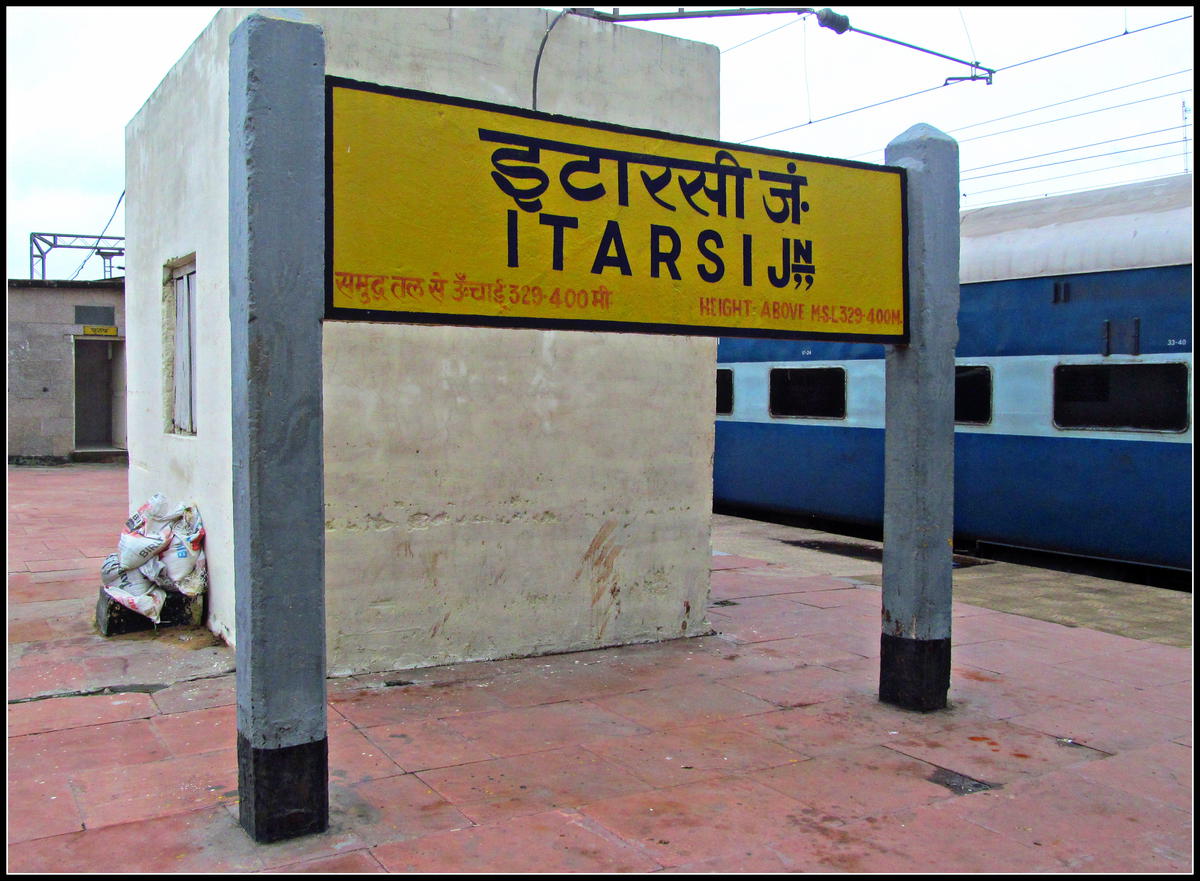
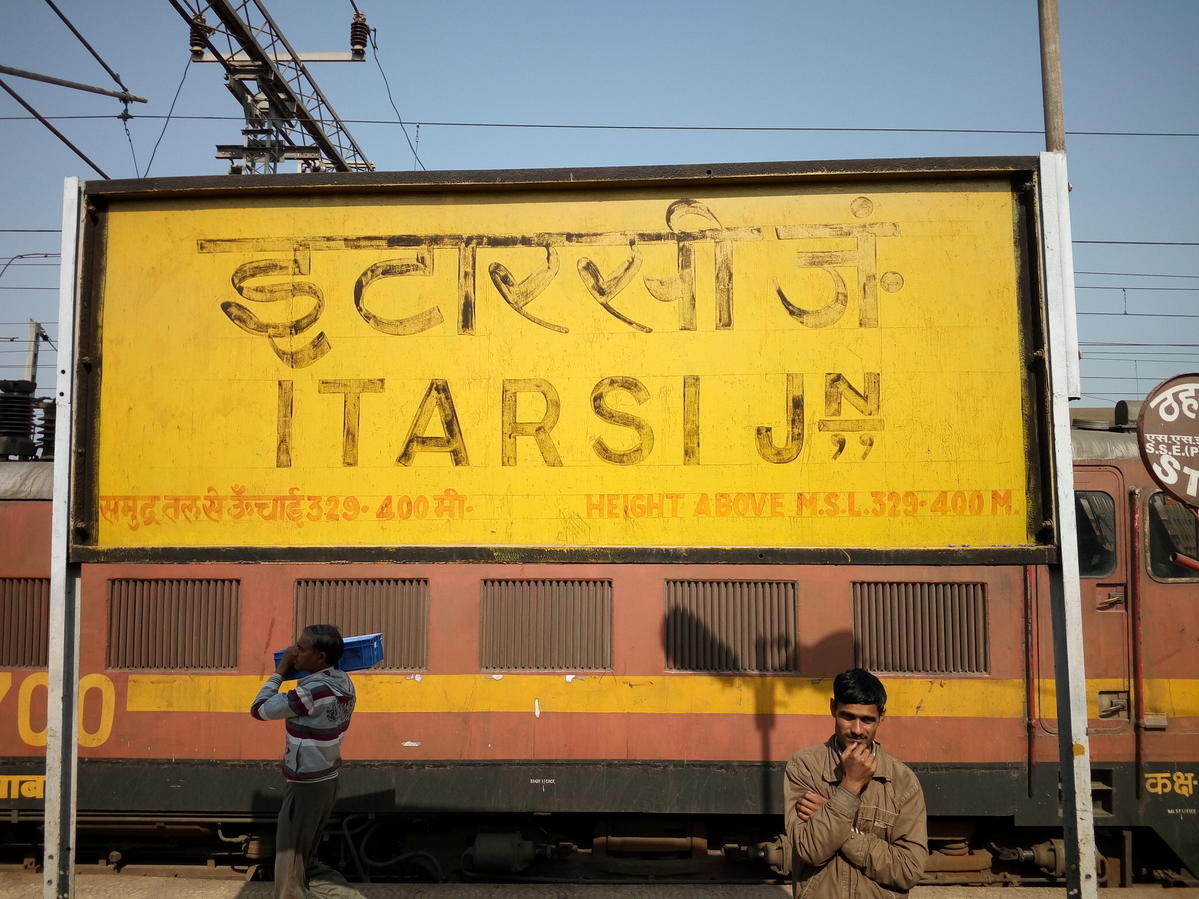
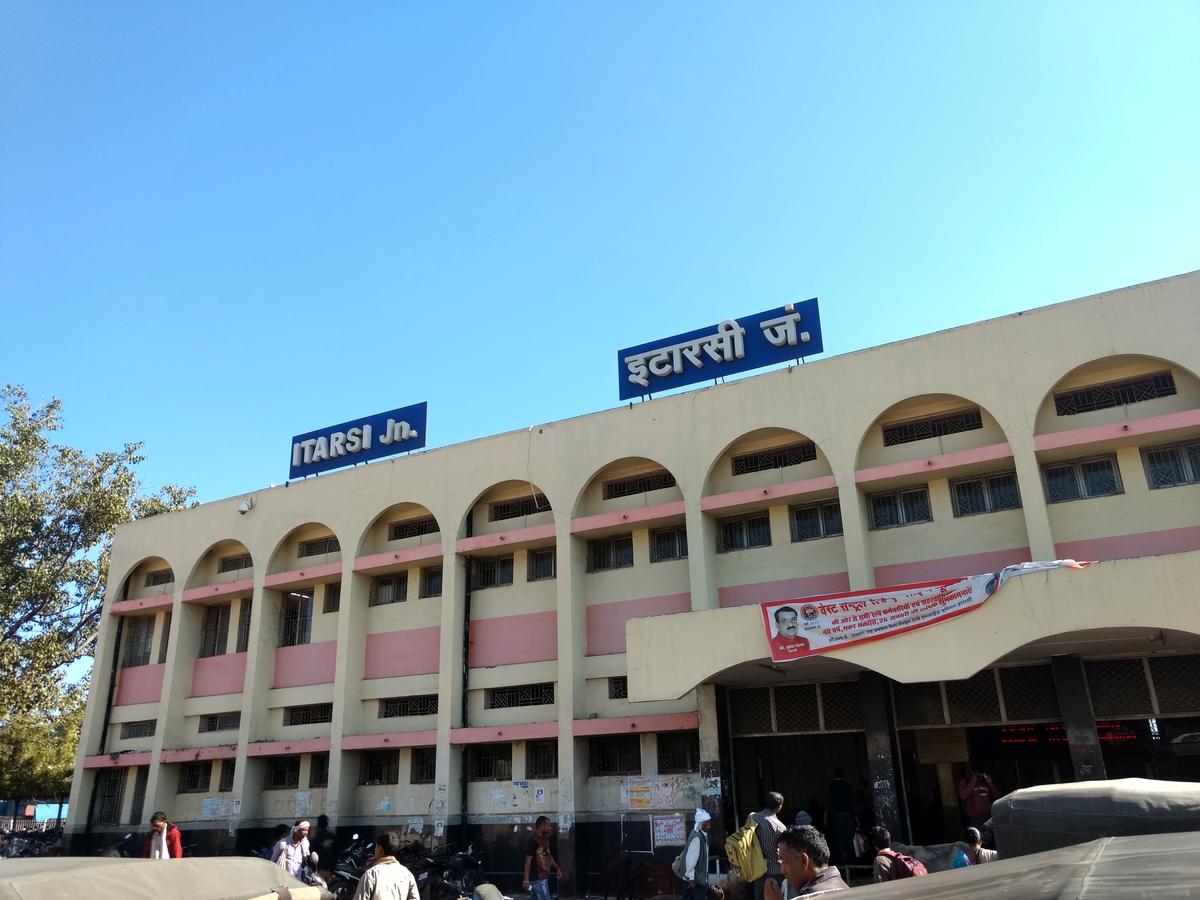
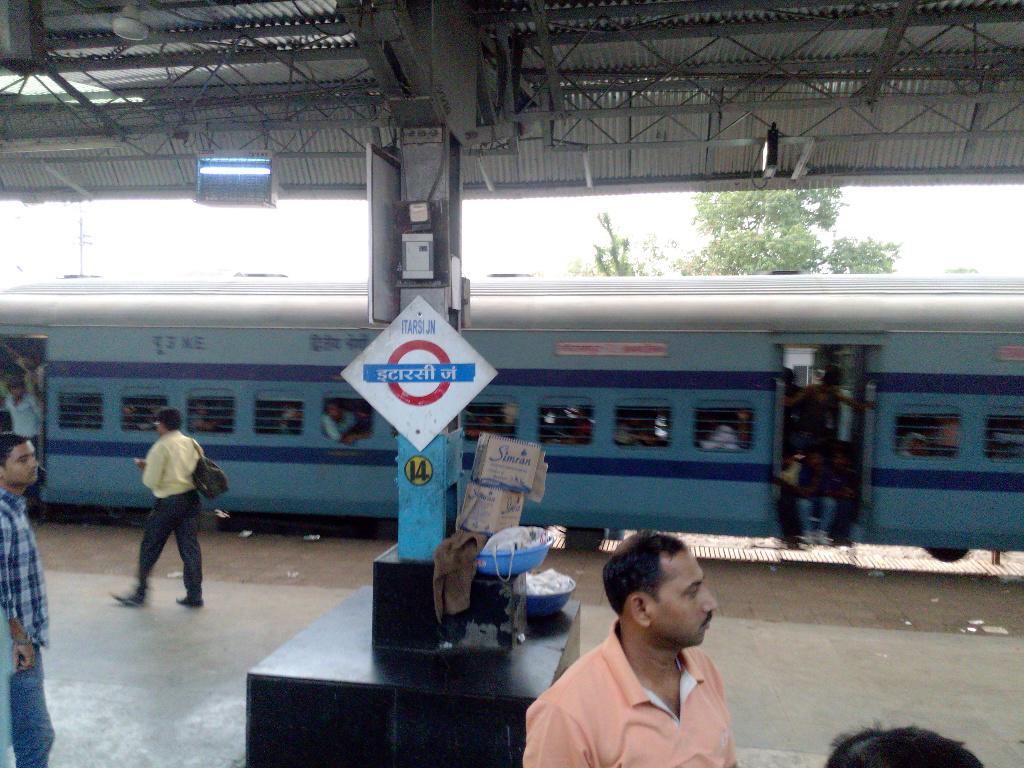
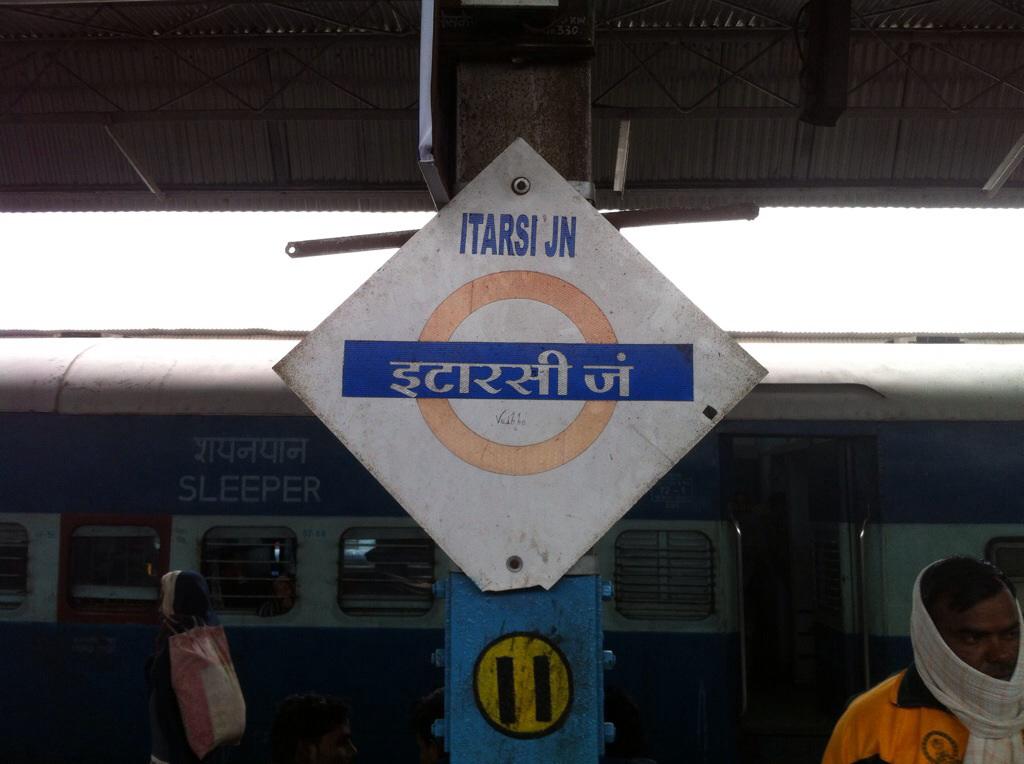
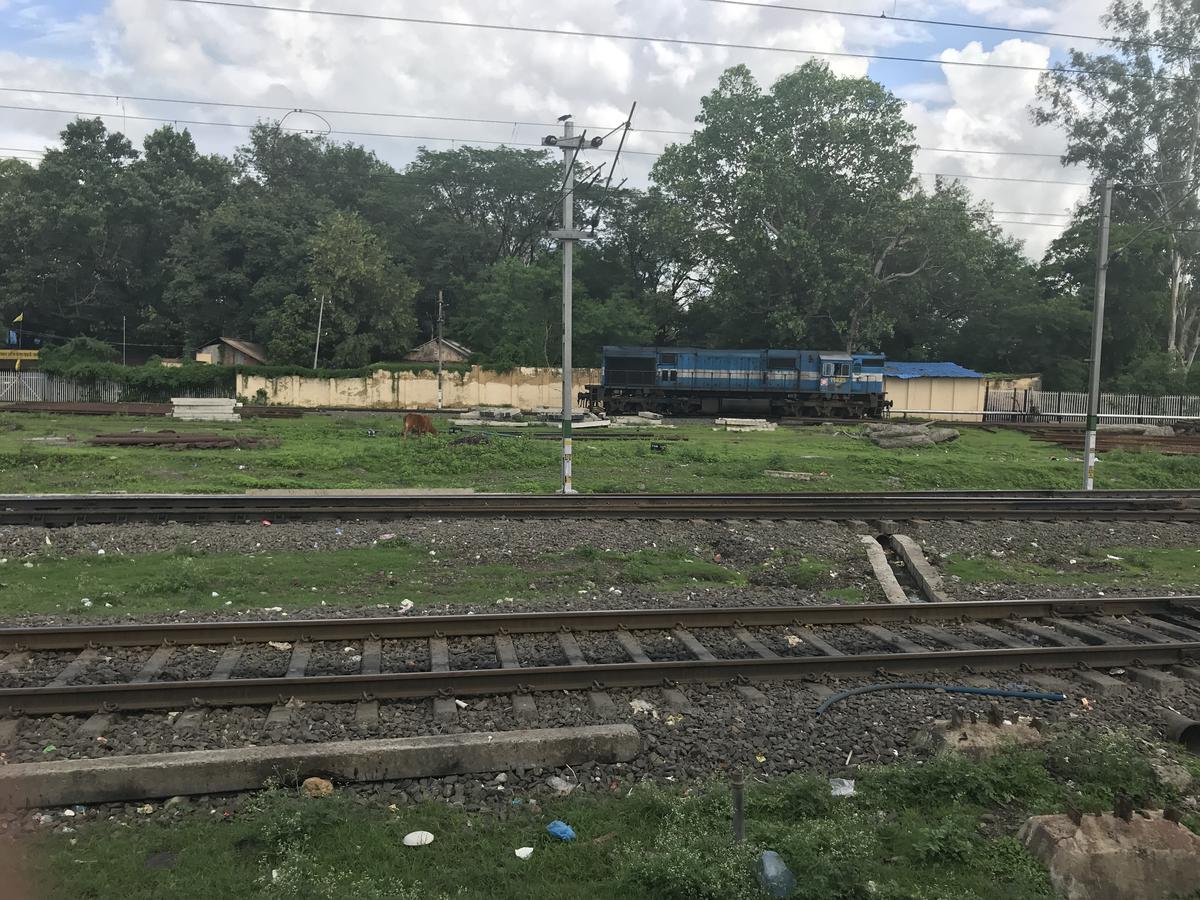
Itarsi Junction railway station is one of those stations most people don’t plan for, but somehow end up passing through. Sitting right in the middle of India, it connects the main rail routes going towards Delhi, Mumbai, Kolkata, and Chennai. That is the real reason why so many long distance trains pass through here every single day.
Itarsi is not about fancy buildings or big city crowds. Its importance comes from how it handles movement. Trains arrive from one direction, switch routes, and continue towards another part of the country. In many ways, it works like a railway crossing point where different journeys quietly intersect.
If you think about it, a delay here does not stay local. It can ripple across multiple routes. That is why, even without much noise, Itarsi plays a serious role in keeping the larger railway network running smoothly.
About Itarsi Junction Railway Station
Itarsi Junction railway station is one of those stations that most people don’t plan for, but still end up passing through. It doesn’t try to look impressive, and honestly, it doesn’t need to.
Spend a little time here and you’ll notice something simple. Trains are constantly arriving from one side and leaving towards another, almost like the station is quietly redirecting journeys. People step down, check their next platform, and move on. Nobody really lingers unless they have to.
Itarsi works less like a destination and more like a switching point. And once you see that, the whole place starts to make sense.
Geographic Position and Railway Connectivity
The reason Itarsi matters so much is actually quite straightforward. It sits right in the middle of some of India’s busiest railway routes.
From here, trains head towards Bhopal and Delhi on one side, Jabalpur and Howrah on another, Mumbai through Bhusawal on the west, and Nagpur down towards Chennai in the south. These are not minor routes. These are some of the main corridors that carry long-distance traffic across the country.
Because of this, Itarsi ends up being a place where very different journeys cross each other. Someone heading to Kolkata and someone going to Mumbai might be on the same platform for a few minutes, and then they go in completely different directions.
That is what makes this junction important. Not size, not crowd, but position.
How Itarsi Became Important
Itarsi did not suddenly become a major junction. Its importance grew over time as railway lines expanded across India.
When the main trunk routes were being developed, especially those connecting east to west and north to south, Itarsi naturally became a meeting point. It was already in the right location, so instead of building a new hub, the network grew around it.
Even today, that same logic holds. The station is important because of where it is, not because it was designed to be famous.
Station Layout and How It Actually Works
The station layout at Itarsi is built for function. There are multiple platforms, but what really matters is how they are used.
Some platforms handle long-distance trains that stop briefly. Others are used for passenger or local services. At the same time, there are tracks where trains pass without stopping at all.
If you are expecting something confusing because of the traffic, it’s surprisingly not. After a few minutes, you start understanding the flow. Trains come in, pause, and leave in a predictable pattern.
It’s not perfect, but it’s practical, and that’s what keeps things moving.
Passenger Facilities and What You Can Expect
Facilities at Itarsi are simple and do the job.
You’ll find waiting areas, basic seating, food stalls, and drinking water. There are announcement systems and display boards that help you track trains. It is not the kind of station where you expect premium lounges or fancy interiors.
But for most travelers, especially those in transit, it works fine. You get what you need, and you move on.
Train Movement and Daily Pressure
A large number of trains pass through Itarsi every day, including long-distance express and superfast services.
Because this junction connects major routes, trains often arrive close to each other. Managing that without constant delays is not easy. This is where Itarsi quietly does its job.
Most passengers won’t notice it, but timing here matters a lot. A delay at this junction can affect trains going in completely different directions.
That’s the kind of pressure this station handles daily.
Why Itarsi Matters in the Bigger Picture
Under Indian Railways, Itarsi plays a role that goes beyond a regular station.
Some stations are important because they serve big cities. Itarsi is important because it connects those cities. It acts like a midpoint where routes split and continue.
If you remove a station like this from the network, things don’t just slow down locally. They start affecting routes across regions.
That’s the difference.
Moving Around the Station
For a junction of this scale, getting around is not as difficult as you might expect.
The platforms are connected in a straightforward way, and you can usually figure out where to go without too much confusion. You don’t feel like you are walking endlessly or searching for directions every few minutes.
In many ways, the experience feels more manageable compared to larger stations like Daund Junction, where movement can sometimes feel a bit more spread out.
Most of the time, you just follow the signs or the crowd, and you get there.
The 2015 Fire Incident
In June 2015, a fire damaged the signaling system at Itarsi, specifically the Route Relay Interlocking system that controls train movements.
The impact was serious. Many trains had to be cancelled, diverted, or short terminated for several weeks. This wasn’t just a local issue. Because Itarsi connects major routes, the disruption affected train schedules across different parts of India.
Repairs were completed and normal operations were restored, but the incident made one thing very clear. When Itarsi stops, a lot of the network feels it.
Future Improvements
Work at Itarsi usually focuses on improving how the station functions rather than changing how it looks.
Upgrades in signaling, better handling of train traffic, and gradual improvements in passenger facilities are part of this process. The aim is simple. Keep things running smoothly even as traffic increases.
3 thoughts on “Itarsi Junction Railway Station (ET) – Train Timings, Routes & Booking”