

Station Rd, Sambasiva Pet,
Guntur, District – Guntur,
Pincode – 522001,
Andhra Pradesh, India
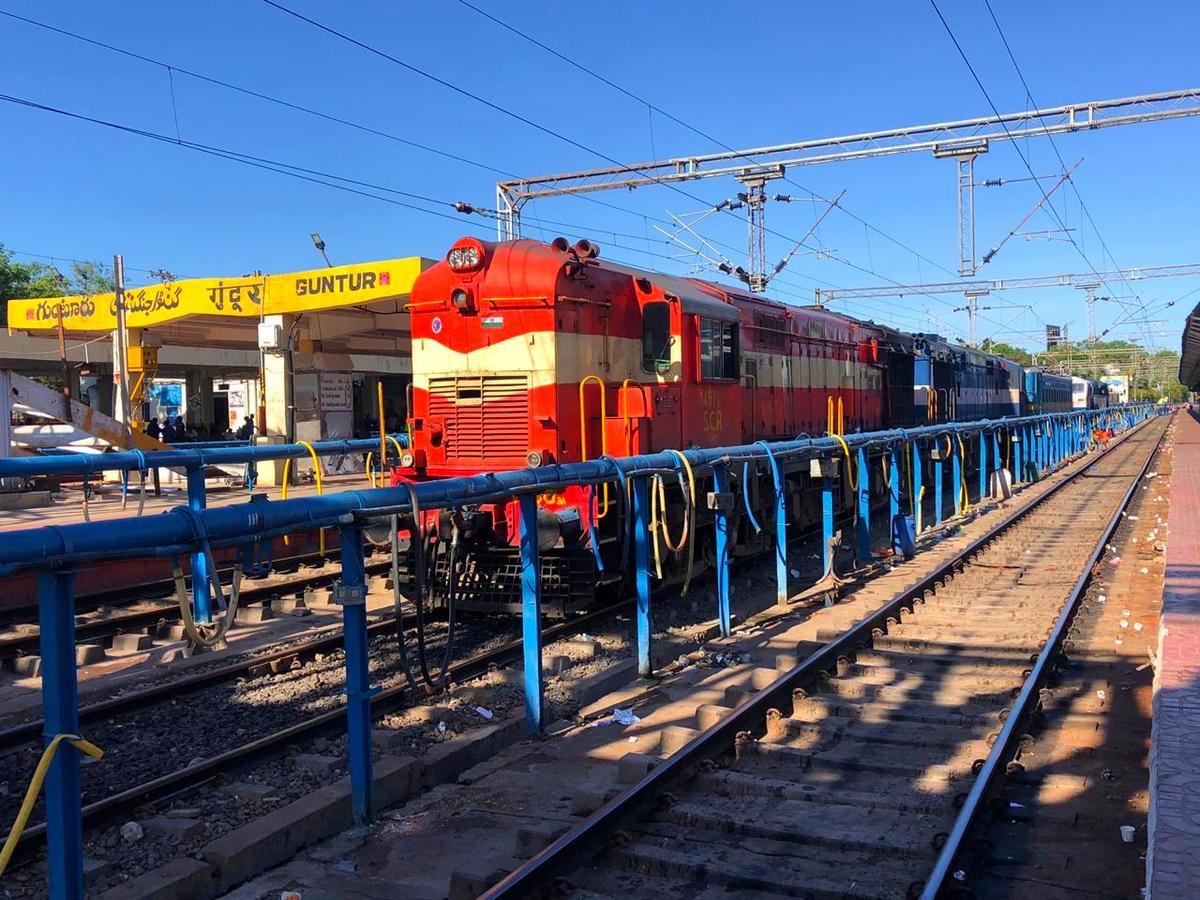
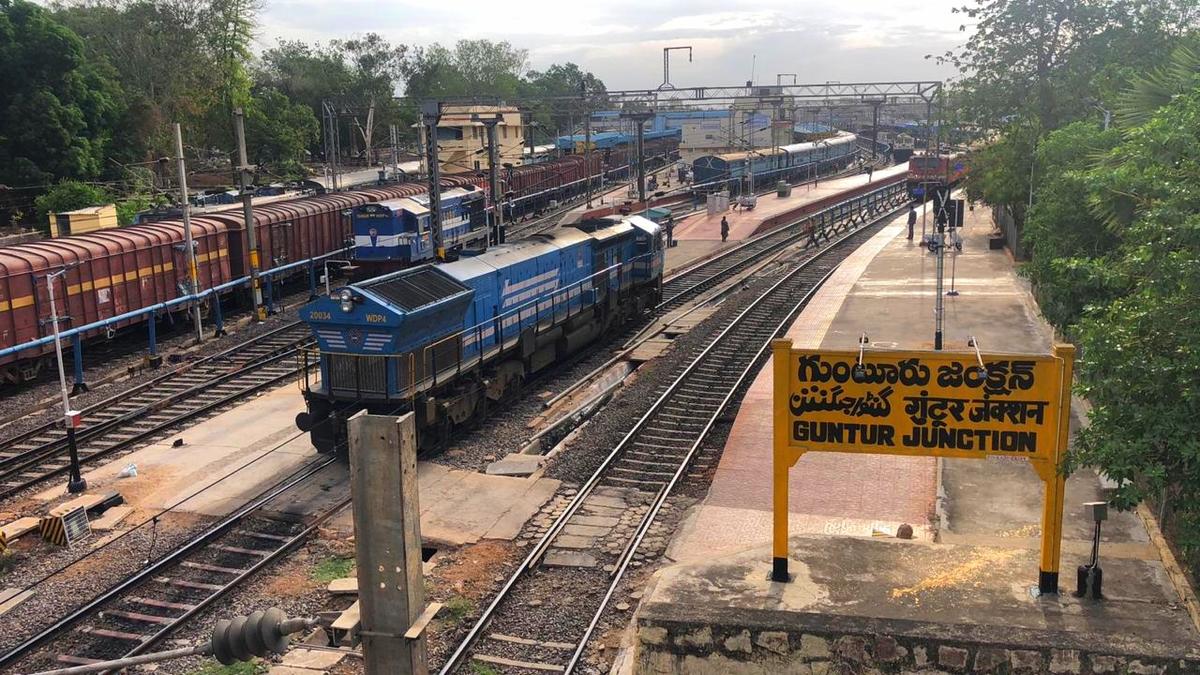
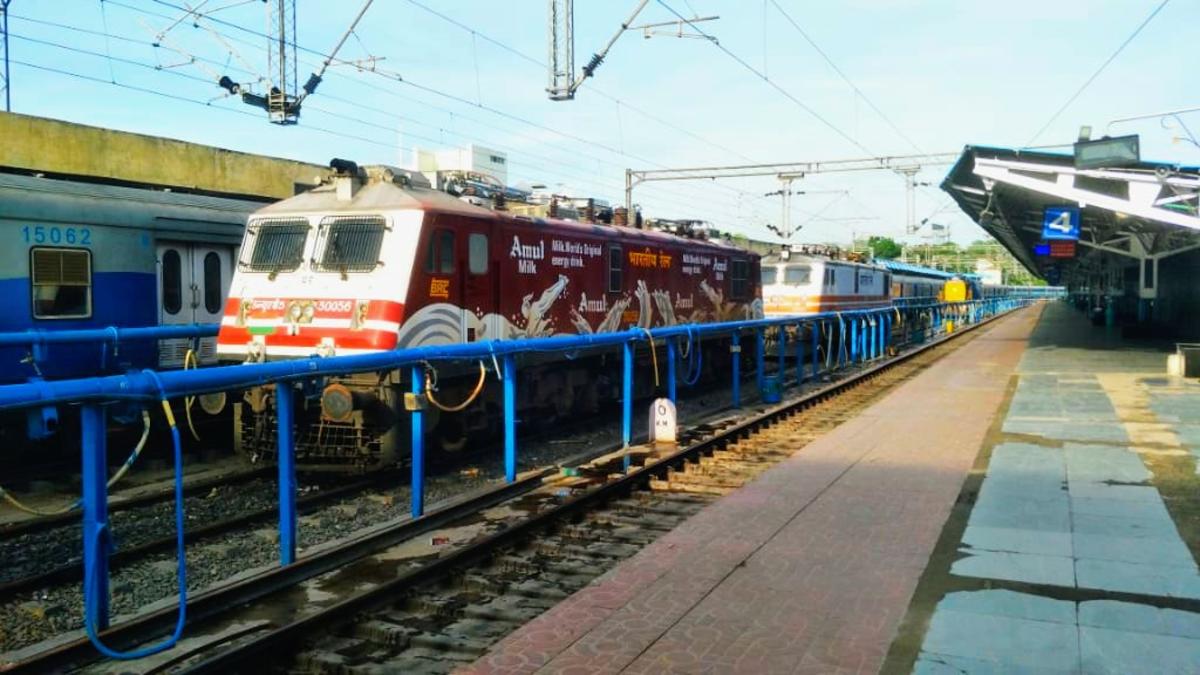
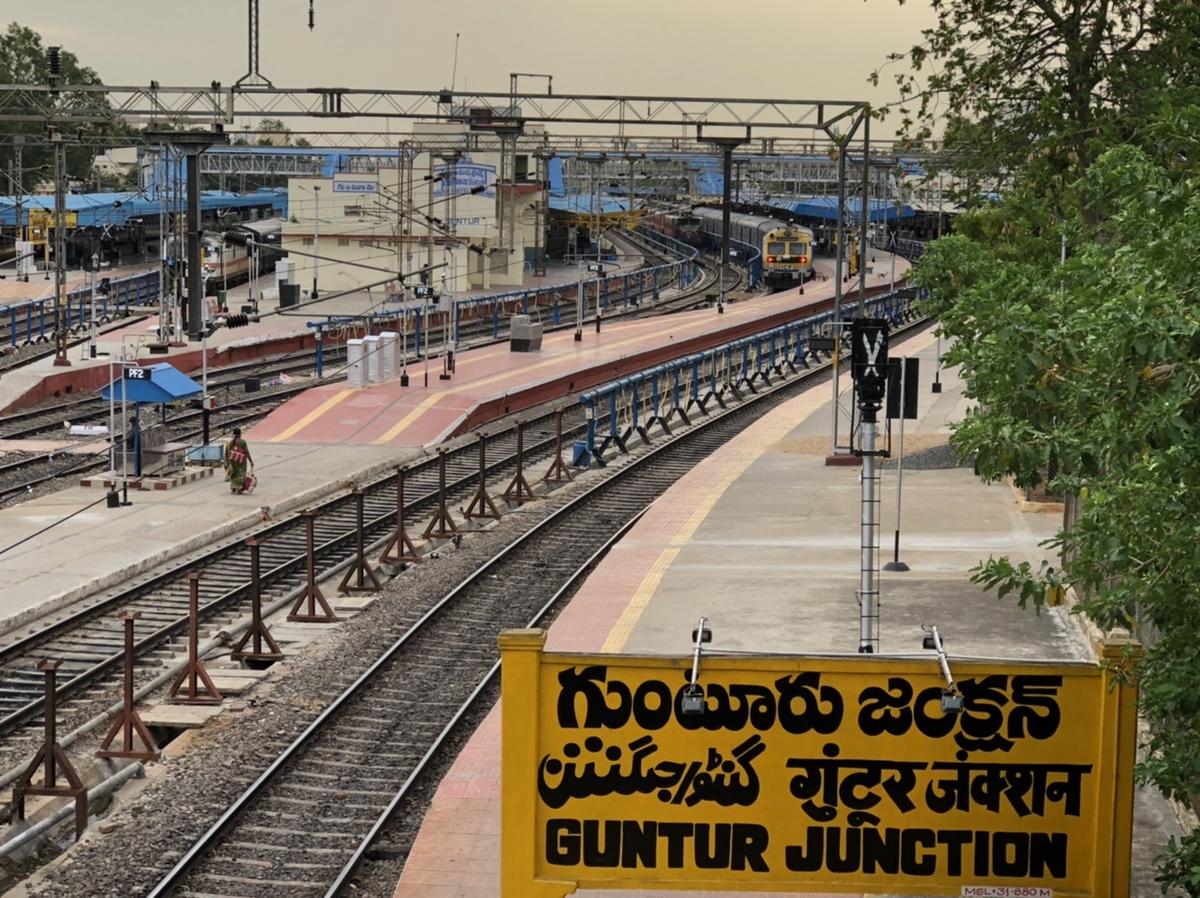
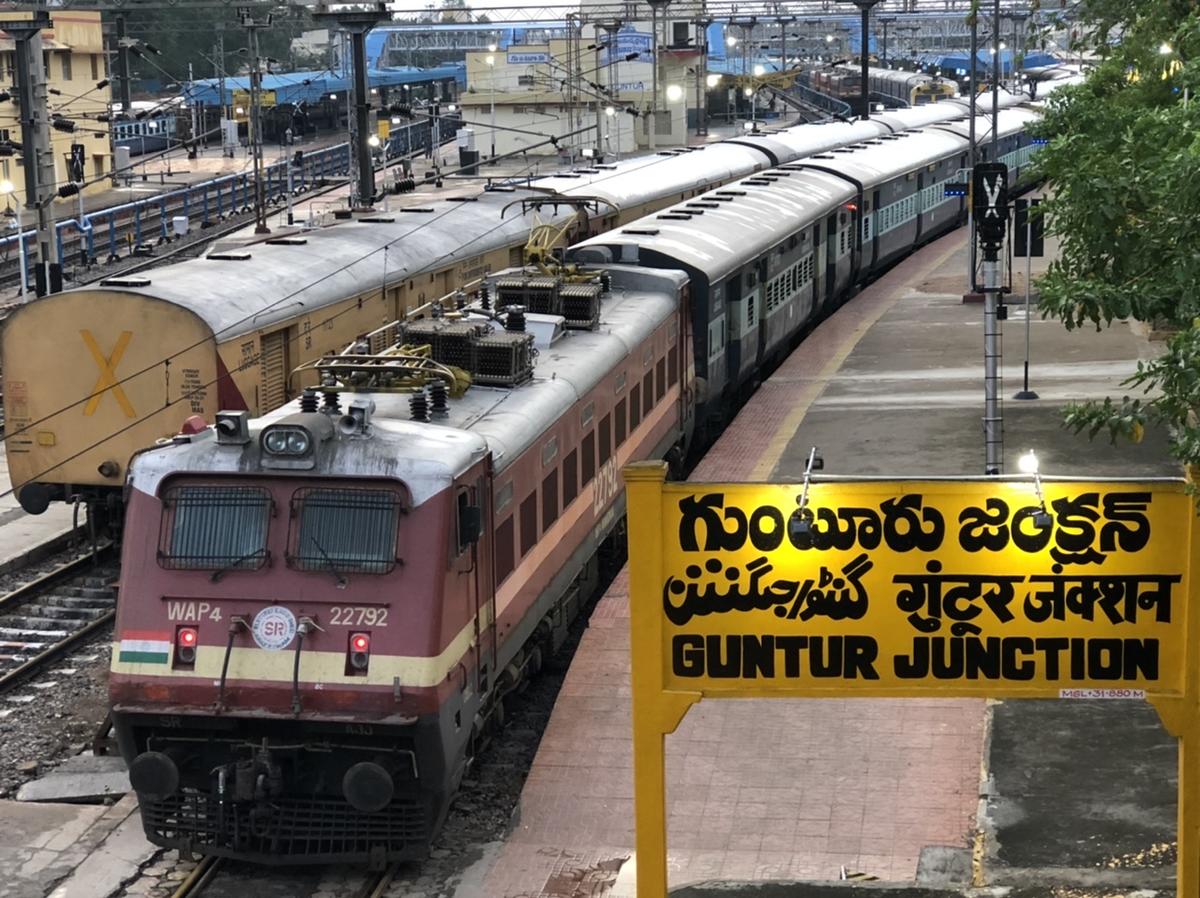
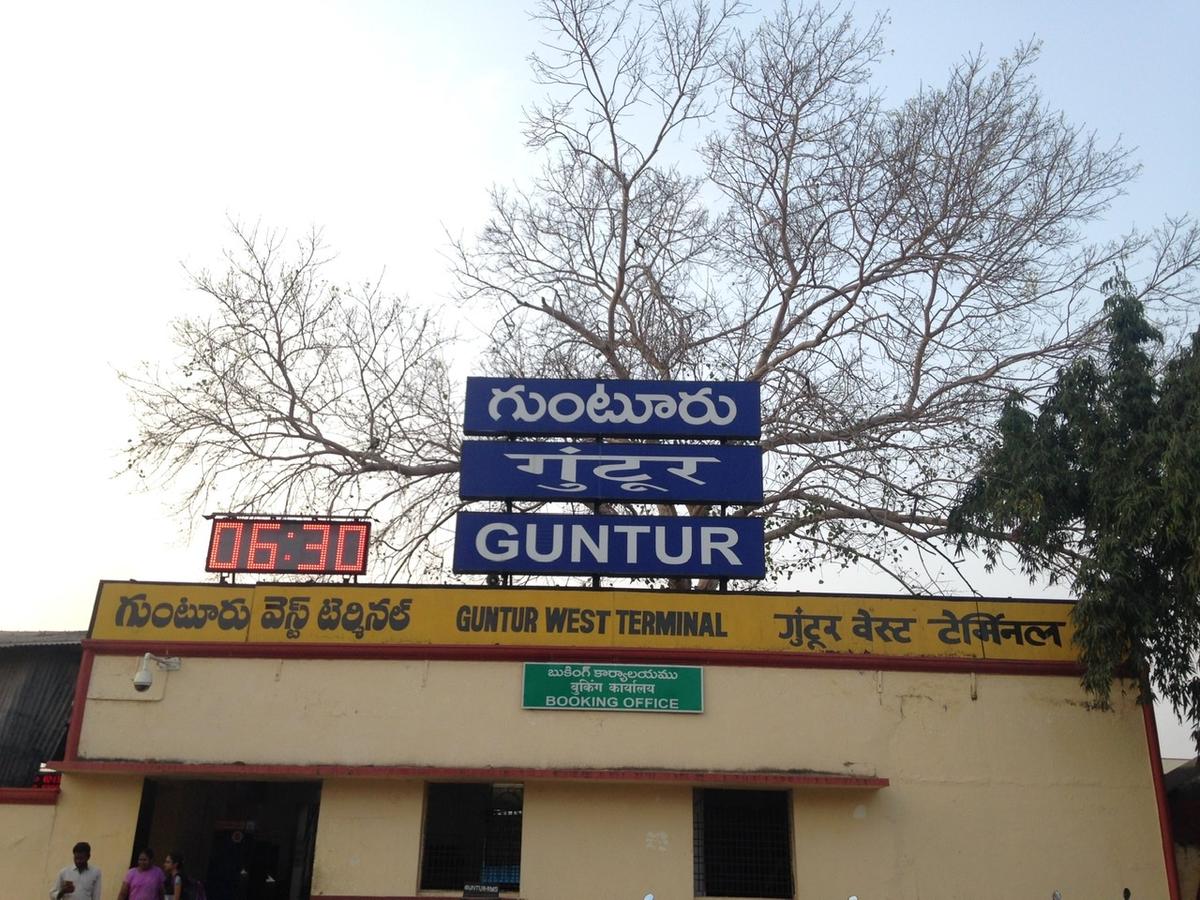
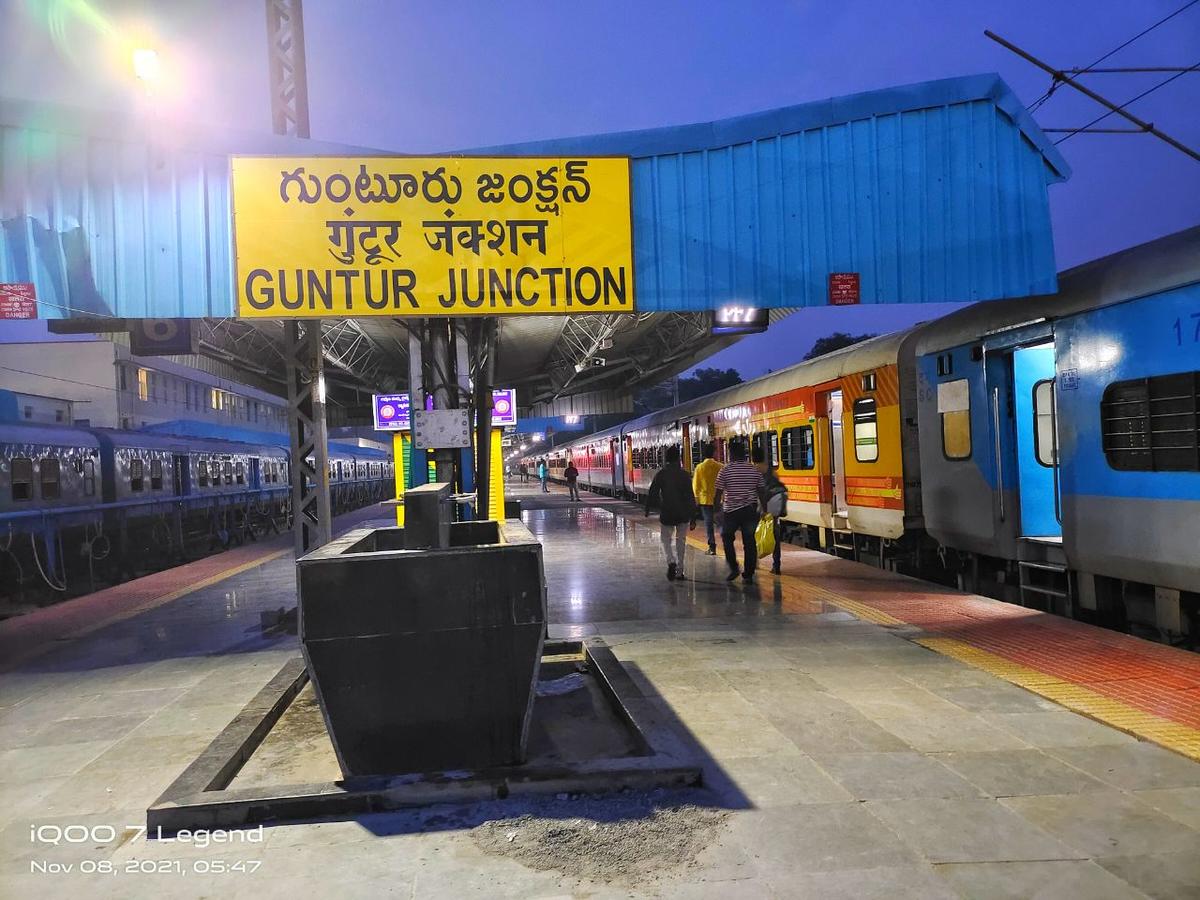
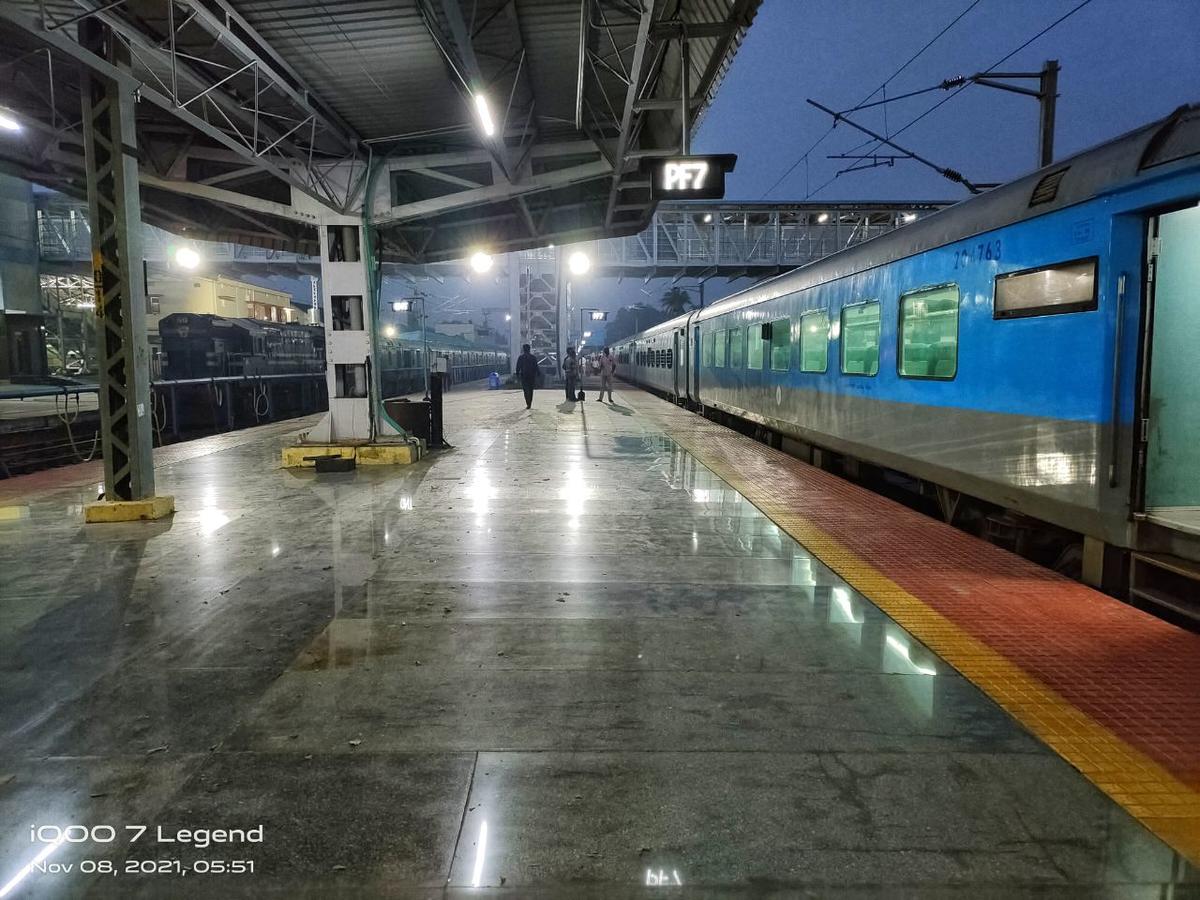
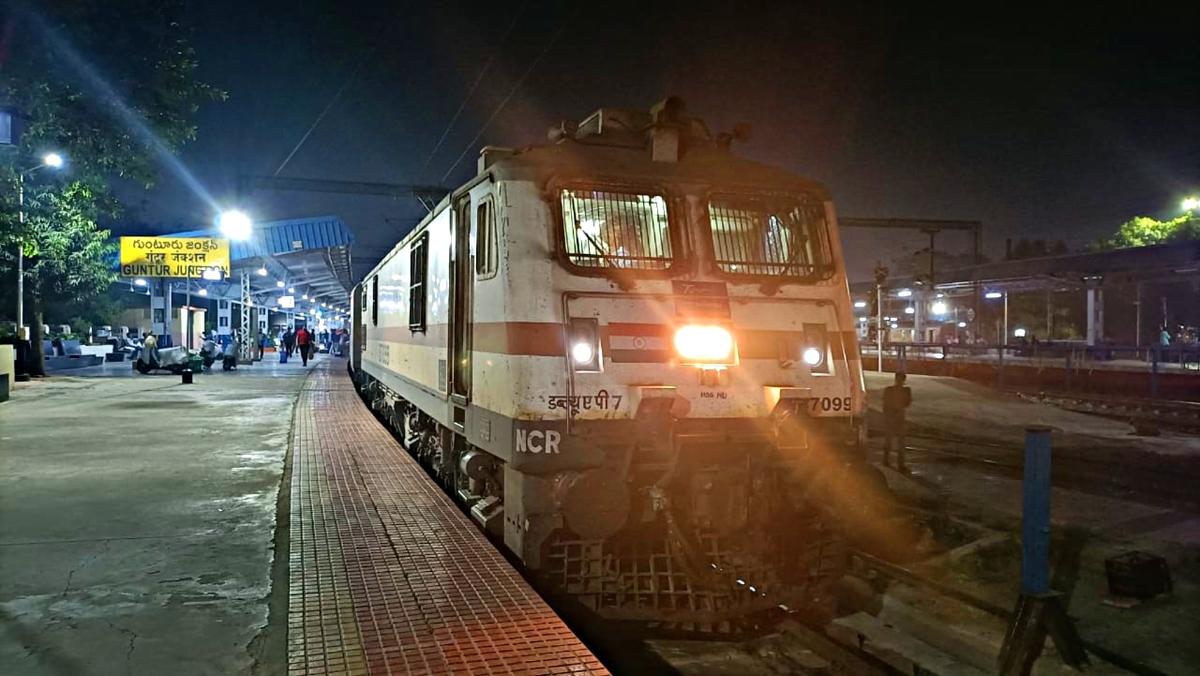
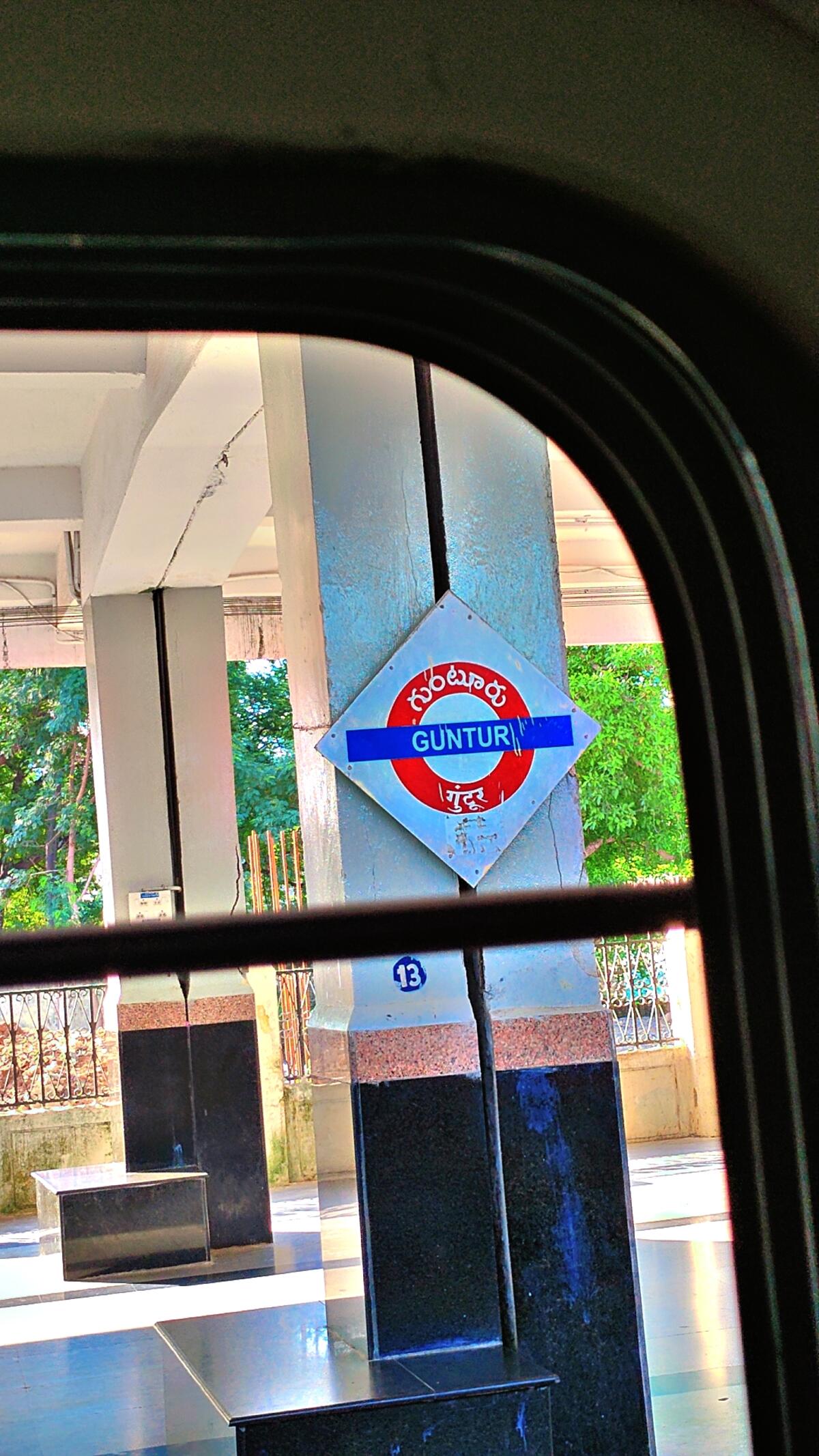
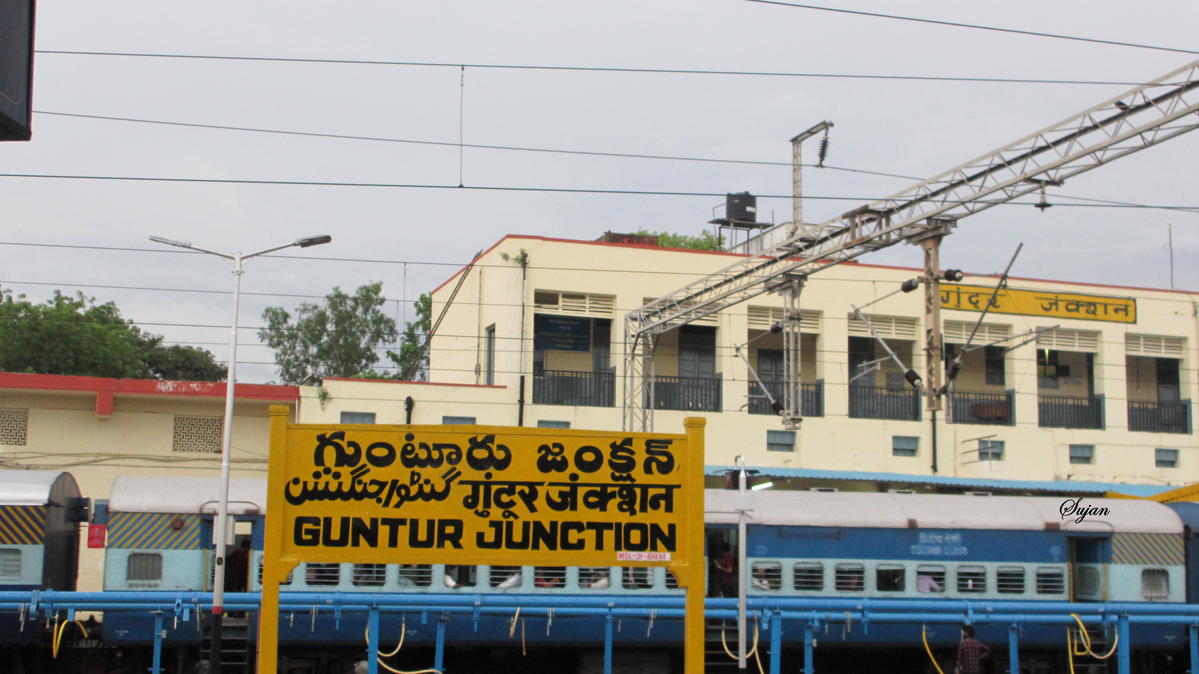
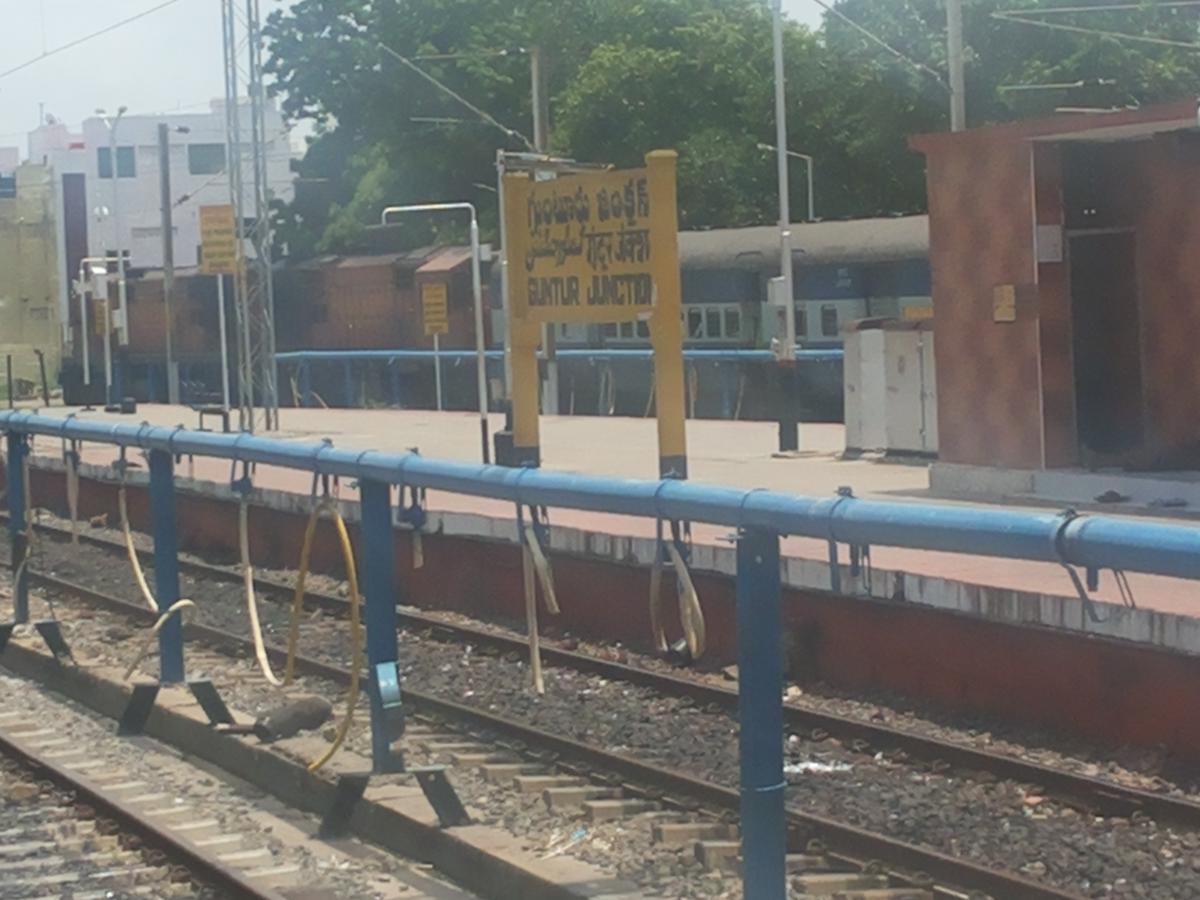
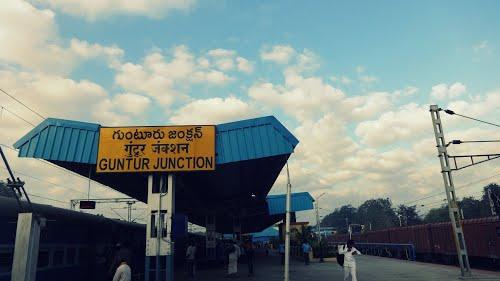
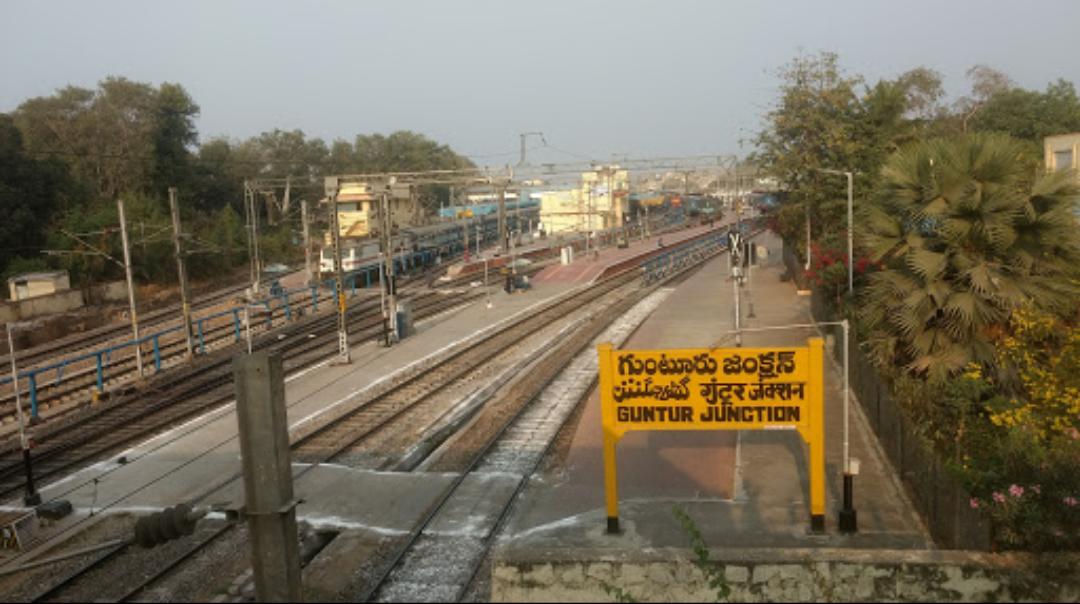
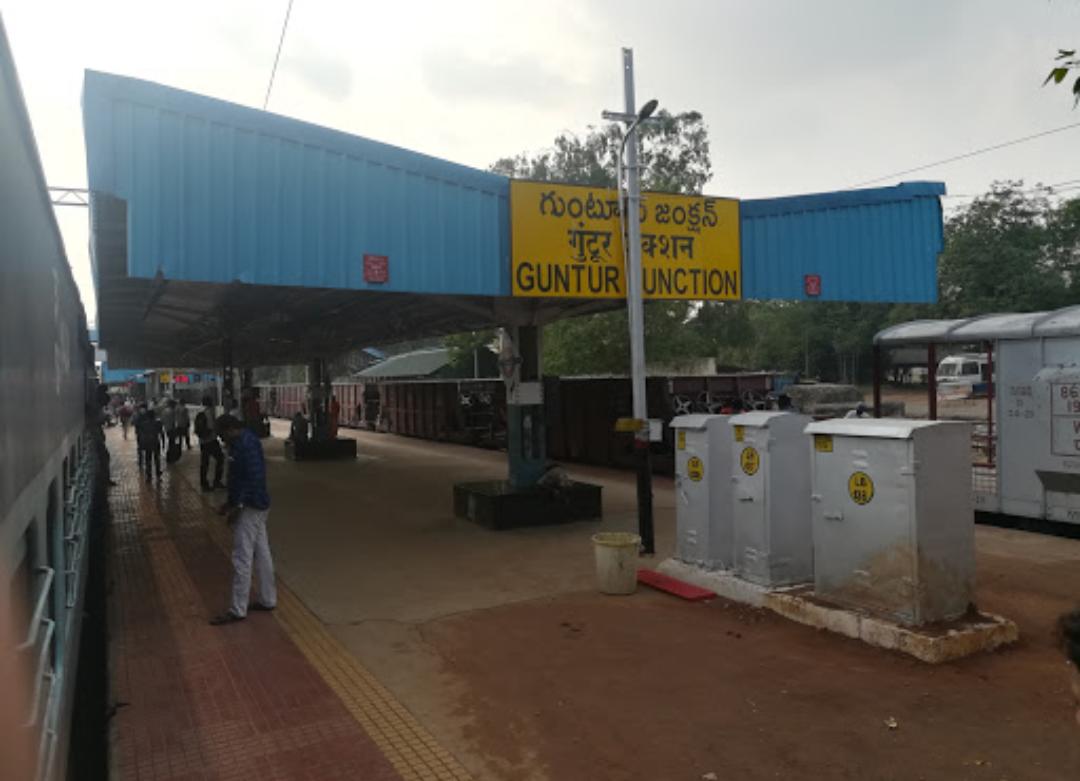
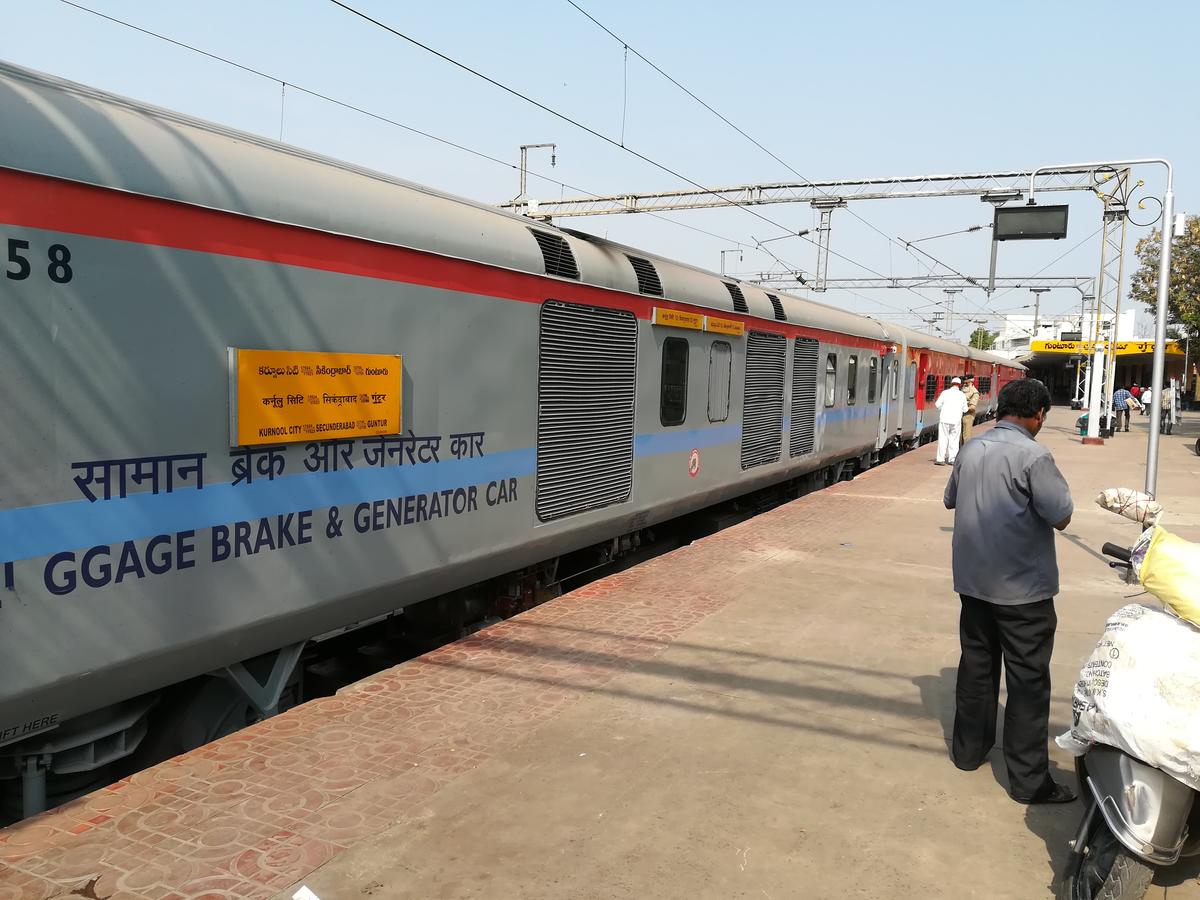
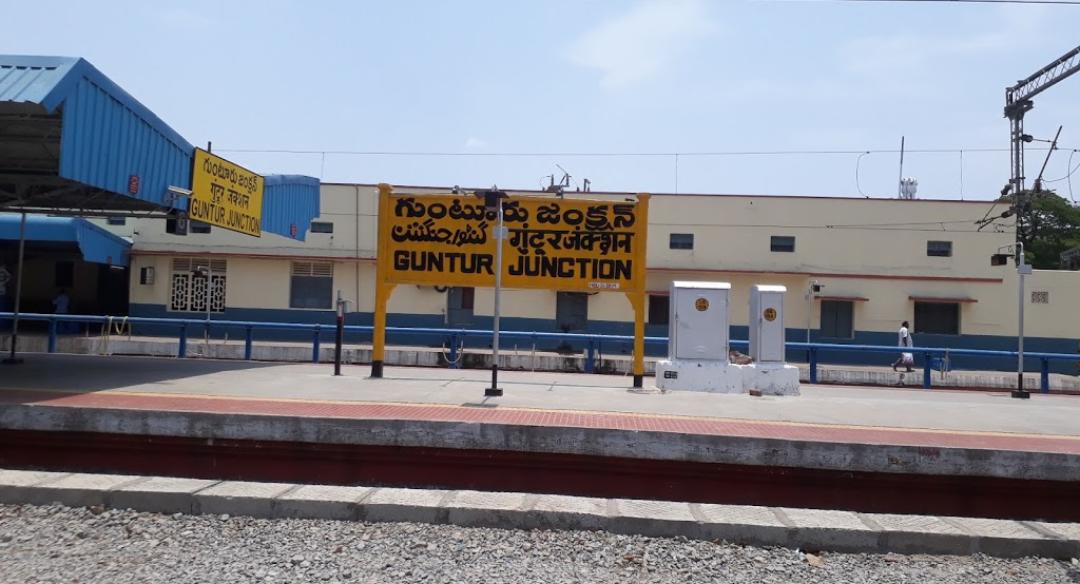
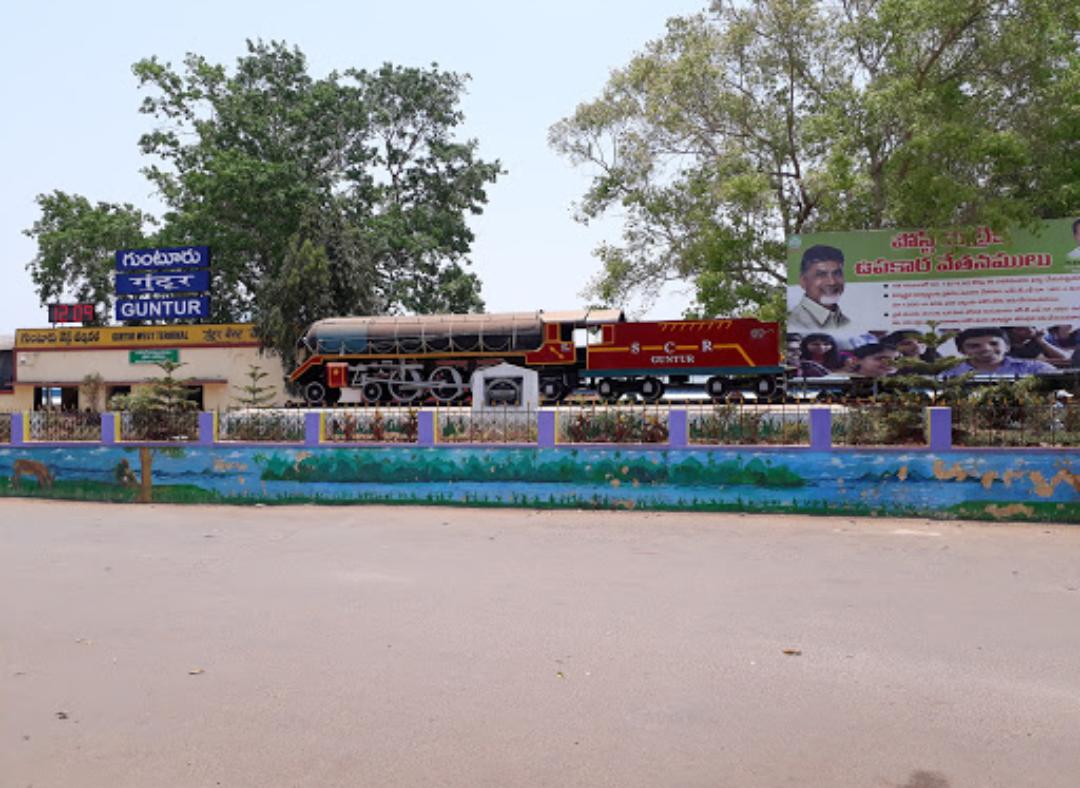
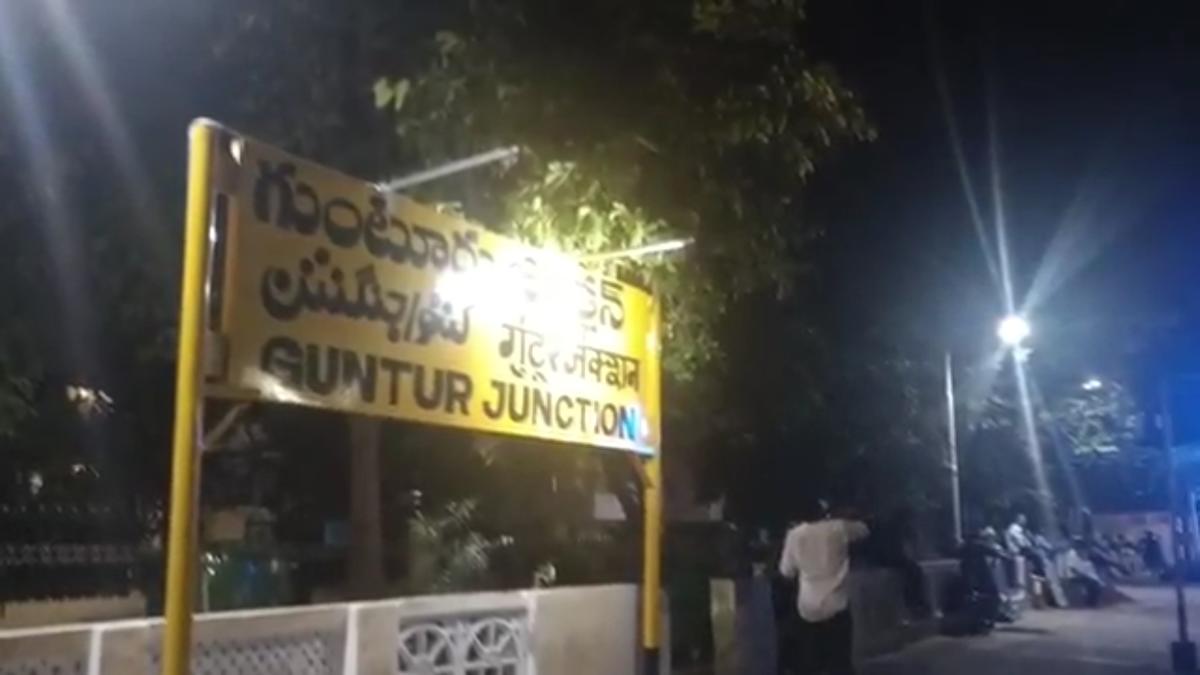
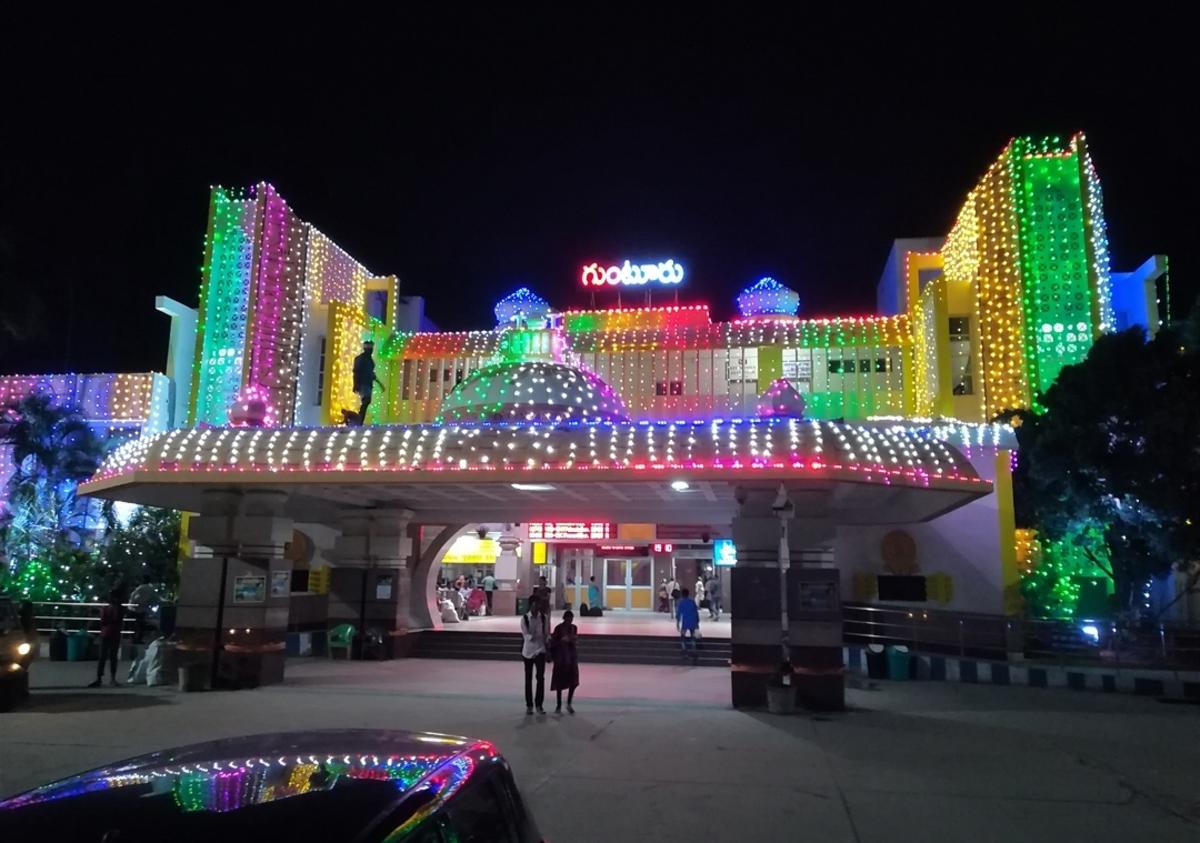
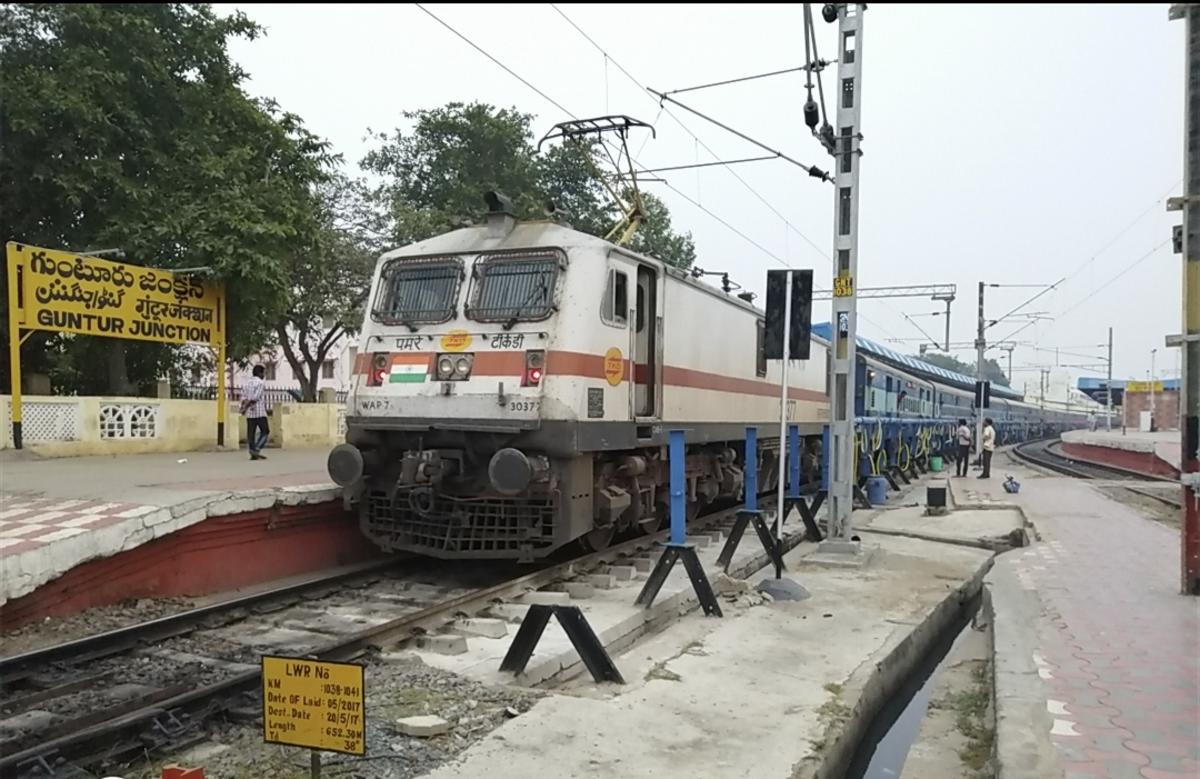
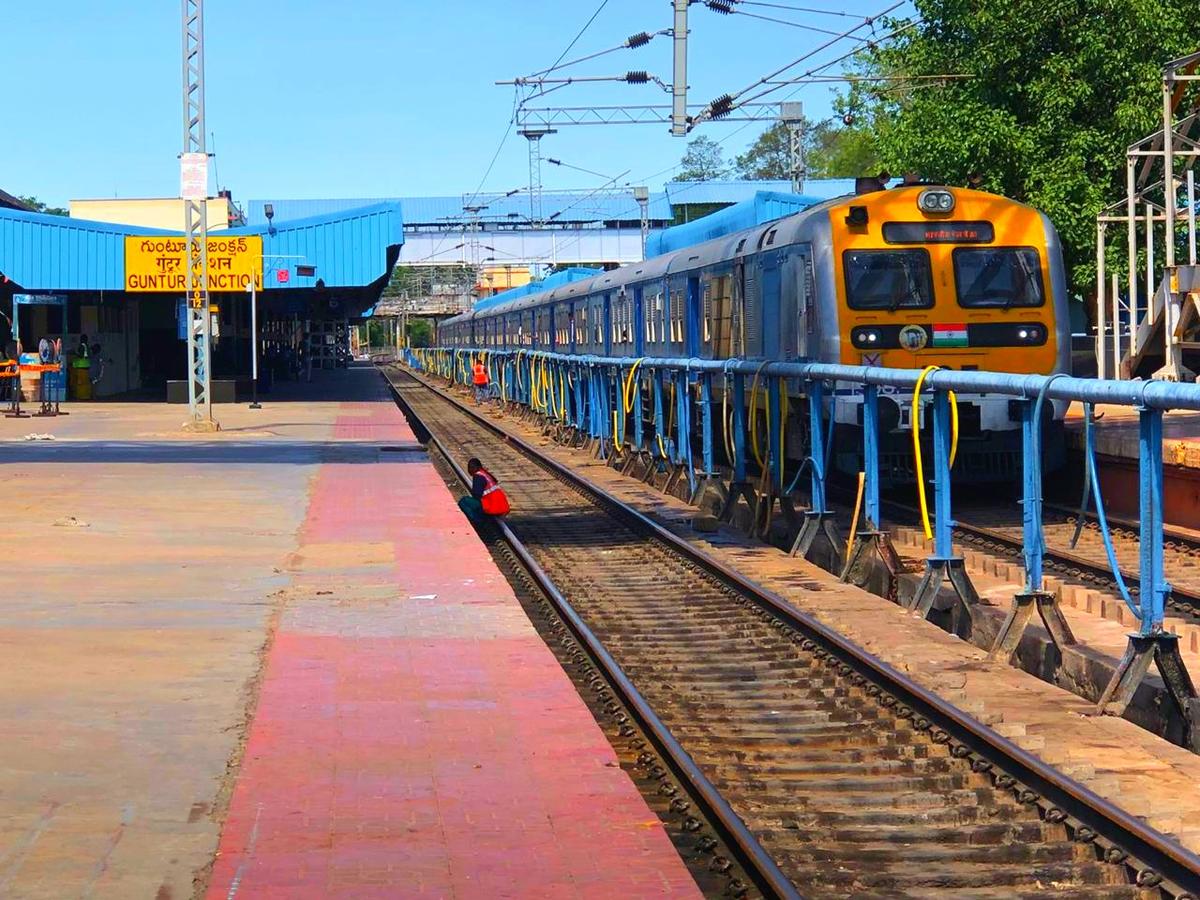
Guntur Junction, or simply GNT if you have ever booked a ticket, is one of those stations that quietly does a lot more work than people notice. Sitting in the middle of Guntur city, it connects important routes like Vijayawada, Tenali, and Guntakal, making it a key junction in the South Central Railway network.
Every day, tens of thousands of passengers pass through, yet the station manages to keep things moving without too much confusion. It has seven platforms, two main entry sides, and clear sign systems that actually help you find your way without feeling lost.
The station dates back to 1916 when metre gauge lines first reached here, and over time it has grown into a major NSG-1 category station. It is not flashy, but it is reliable, and sometimes that is exactly what travelers need.
1. About Guntur Junction Railway Station
Guntur Junction railway station is not the kind of place people usually talk about like a big city terminal. There is no grand architecture or “wow” factor when you first see it. But spend a little time here, and you realize how important it actually is.
This station works like a connector more than a destination. Trains don’t just stop here, they pass through, change directions, and move people across regions. That is what gives Guntur its real value in the railway network.
2. Location and Railway Connectivity
The station sits right in Guntur and comes under the South Central Railway. On paper, that might sound like basic information, but the real story is in the routes it connects.
Guntur links multiple important lines that spread out in different directions. Because of this, it acts like a middle point where trains can be routed efficiently. If you are traveling across Andhra Pradesh or even beyond, there is a good chance your train will either pass through Guntur or connect via it.
It is one of those stations that quietly makes travel easier without you even noticing.
3. History of Guntur Railway Station
The railway story here began in 1916, when a metre gauge line connected Guntur to Repalle. Back then, the goal was simple, improve regional movement.
Over time, things changed in a big way.
As railways expanded, broader connections were added, especially after infrastructure improvements like the Prakasam Barrage. The older metre gauge lines were gradually replaced with broad gauge, allowing faster and longer trains.
By the time we reached the late 20th century, Guntur was no longer just a stop on a line. It had turned into a proper junction with multiple routes crossing through it. That early foundation is exactly why the station is still relevant today.
4. Station Layout and Platform Details
One thing Guntur Junction gets right is movement. It is not perfect, but it is far from chaotic compared to many busy stations.
There are seven platforms, and they are connected through subways and foot over bridges. More importantly, the station has two main sides, one from the Railpet area and another from Arundalpet. Regular travelers often choose their entry based on which platform they need, which saves time.
What really helps is the guidance system. Gates are numbered, direction boards are clear, and there are references to nearby city landmarks. It may sound like a small detail, but if you have ever been lost in a big station, you know how valuable this is.
If you are visiting Guntur Junction for the first time, a little planning can make your journey much smoother. The station has two main entry sides, and choosing the right one can save both time and effort. The Railpet side is generally more active and closer to key areas, while the Arundalpet side can be less crowded depending on the time of day.
One common mistake many travelers make is entering from the wrong side and then having to walk across platforms. It may not seem like a big deal at first, but during busy hours, it can slow you down. Checking your platform in advance and using the correct entry point helps avoid unnecessary movement.
Timing also plays an important role. Early mornings and late evenings usually see smoother movement, while peak hours can get crowded due to daily commuters and multiple train arrivals. If your schedule allows, arriving a little earlier than usual gives you enough buffer without feeling rushed.
For a better experience, keep a few simple things in mind. Always confirm your train and platform details before entering. Keep some cash or digital payment options ready for autos. And if you are new to the station, follow the direction boards instead of guessing your way around.
5. Passenger Facilities and Amenities
Guntur Junction is not trying to impress you with luxury, and that is actually a good thing.
You will find retiring rooms if you need rest, dormitories for budget stays, drinking water, food stalls, and booking counters that handle both passengers and parcels. There are ramps for differently-abled passengers and enough parking space for autos and cars.
It is not fancy, but it is functional. And most of the time, that is exactly what travelers need after a long journey.
6. Passenger Traffic and Train Operations
On an average day, around 43,000 people pass through this station. That is not a small number.
You have long-distance travelers, office commuters, students, and people just moving between nearby towns. Add to that the mix of express trains, passenger trains, and MEMU services, and you get a very active station.
And yet, it usually does not feel completely overwhelming. The multiple entry and exit points play a big role here. People are not forced through one narrow gate, which reduces crowd pressure.
7. Station Classification and Importance
Guntur Junction is classified as an NSG-1 category station. Instead of sounding technical, let’s keep it simple.
It means the station handles a lot of passengers and generates significant revenue. Because of that, it gets priority when it comes to upgrades and maintenance.
It is also part of programs like the Model Station scheme and Adarsh Station initiative. These are basically efforts by Indian Railways to improve passenger experience step by step, not all at once.
8. Navigation and Passenger Movement System
There is one thing many people don’t notice until they actually need it, the station’s navigation system.
Numbered gates, clear signage, and directional boards might not sound exciting, but they reduce confusion in a big way. Especially if you are new to the station or in a hurry.
It is one of those silent improvements that you appreciate only when you compare it with a more confusing station.
9. Future Developments and Expansion Plans
The station is still evolving. Plans are in place to expand platform capacity and handle more trains in the future.
As passenger numbers grow, these upgrades will become even more important. The idea is simple, keep things moving without turning the station into a crowded mess.
3 thoughts on “Guntur Junction Railway Station (GNT) Trains & Booking”