

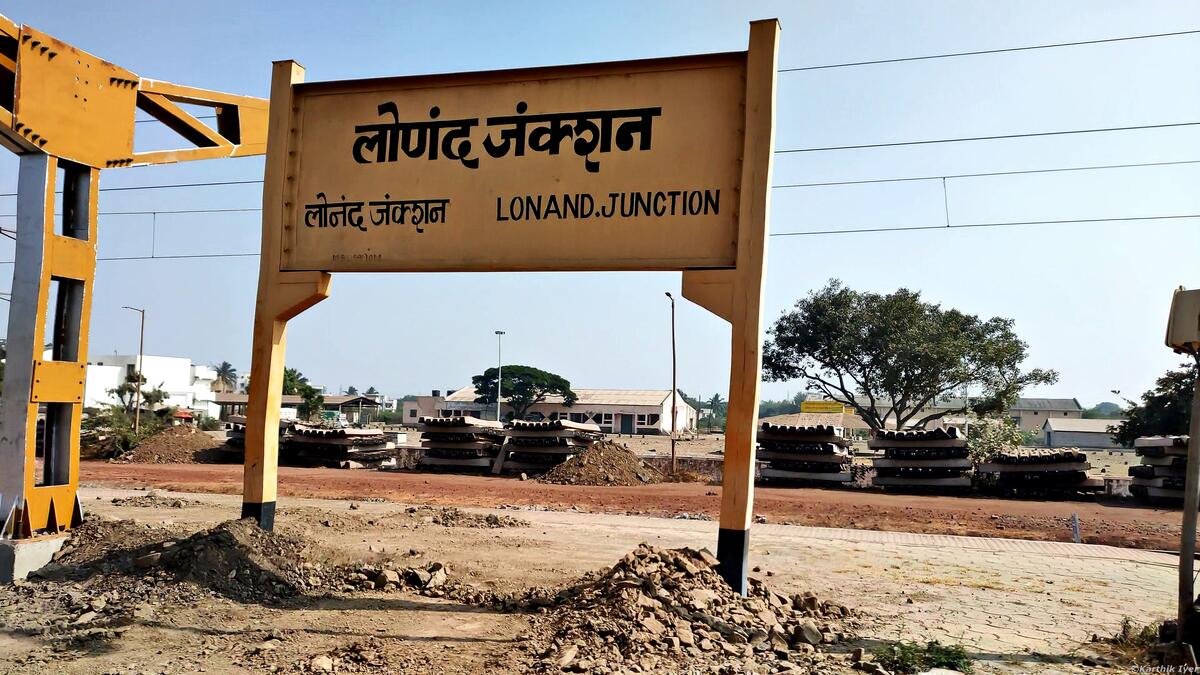
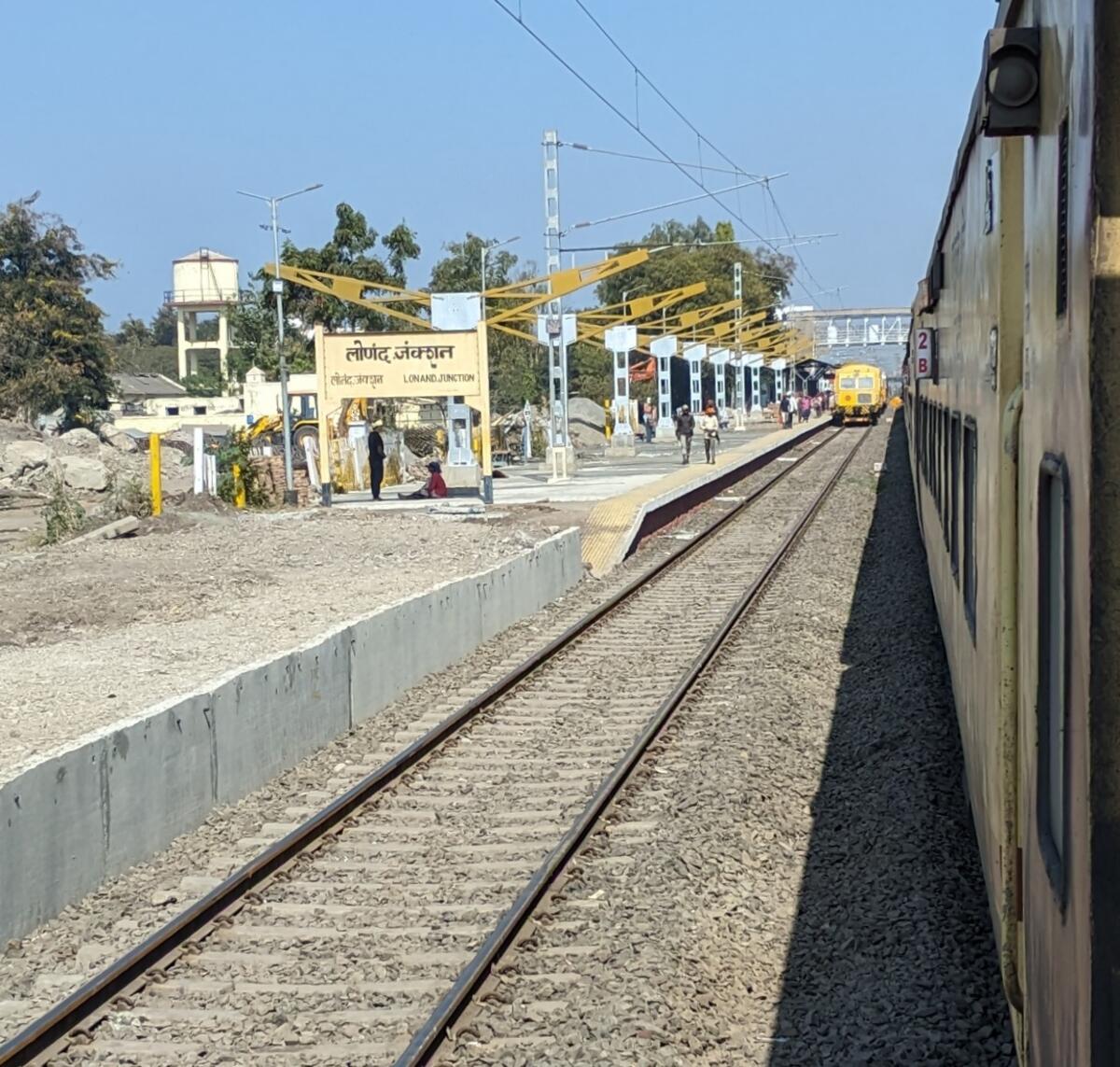
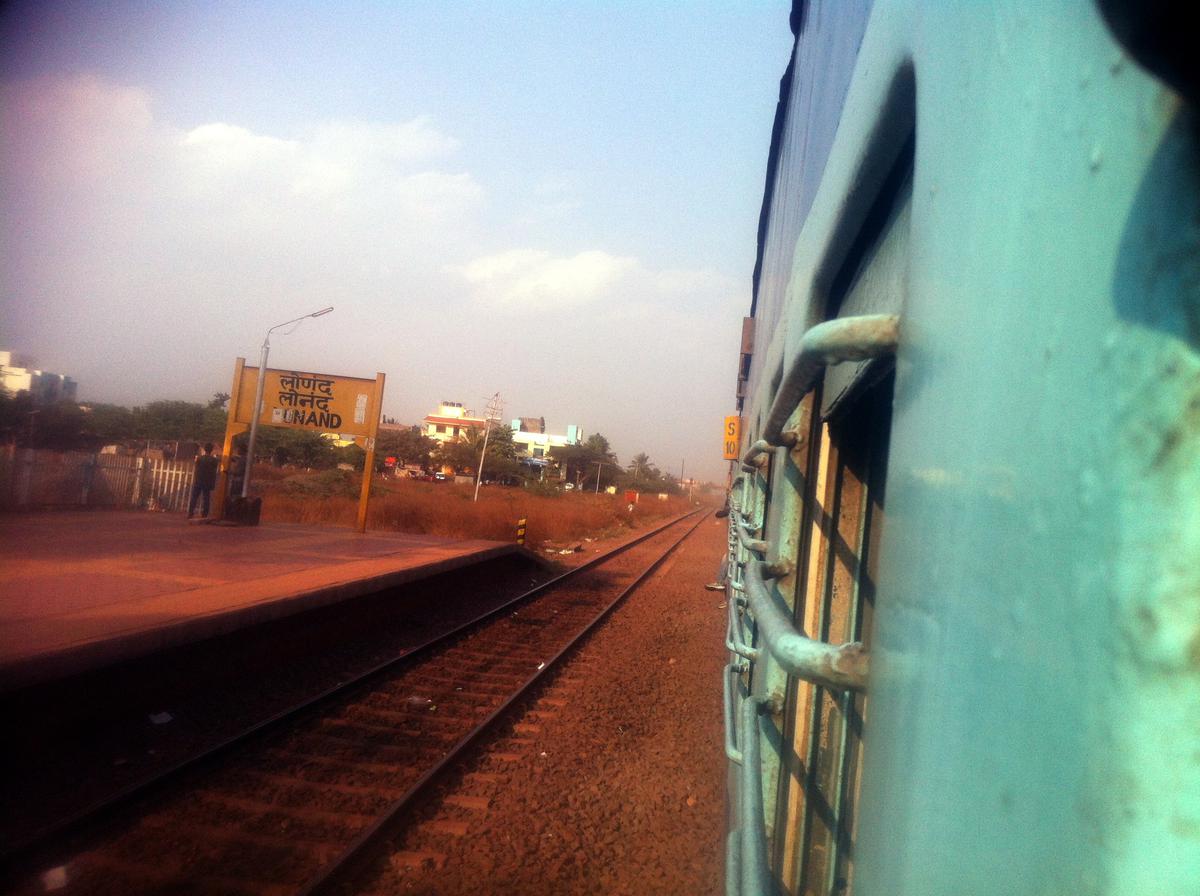
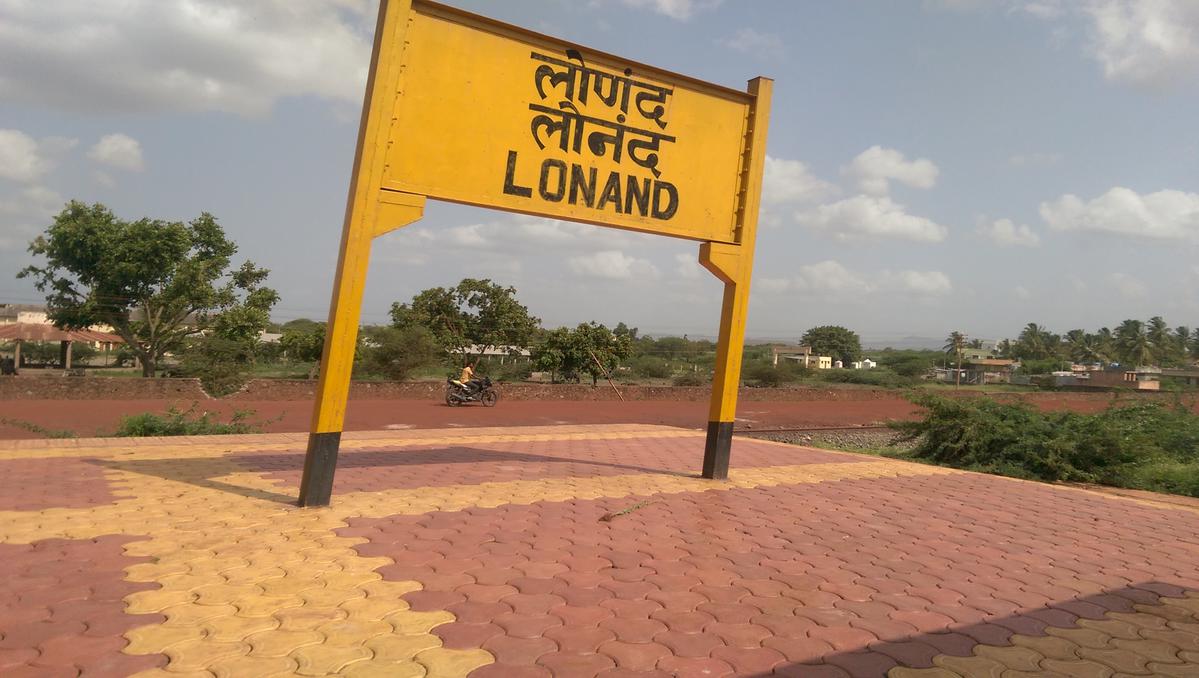
Lonand Junction Railway Station may not be the kind of station that appears in Bollywood movie scenes, but it quietly handles an important role in Maharashtra’s railway network every single day. Located in Satara district, this station connects the busy Pune Miraj railway route with the Phaltan branch line, which is why the word “Junction” actually matters here. The station serves daily commuters, students, long distance passengers and plenty of travelers carrying more luggage than they can comfortably manage on Indian Railways stairs.
What makes Lonand interesting is how normal and real it feels. You will still find chai vendors shouting louder than the train announcements and passengers confidently giving travel advice even when nobody asked for it. Despite its modest size, the station handles regular express and passenger train movement under Central Railway. With railway upgrades and route modernization happening across this corridor, Lonand Junction is becoming more important than most travelers realize.
Location and Railway Connectivity
Lonand Junction Railway Station is located in the Satara district of Maharashtra and operates under the Pune Division of Central Railway. The station lies on the important Pune Miraj railway corridor, a route that connects western Maharashtra with several major cities and railway networks across southern India.
Its railway station code is LNN, and while the station itself is not massive in size, the route passing through it is extremely active. Trains moving toward Pune, Satara, Sangli, Miraj and Kolhapur regularly use this corridor, making Lonand an important operational point rather than just a local railway stop.
The station gained additional importance because of the Lonand Phaltan branch line. That single connection changed the station’s role completely. A normal station handles movement. A junction handles direction. That difference matters a lot in railway operations even if passengers barely notice it while searching for their coach position at the last minute.
For nearby towns and villages, Lonand Junction acts as a practical railway gateway. Many passengers use the station for education, office travel, medical visits and long distance journeys toward larger cities like Pune and Mumbai.
Historical Development of Lonand Junction
The railway history of Lonand is closely connected to the development of the Pune Miraj railway section during the British era. This route became part of the expanding railway infrastructure that helped connect commercial and agricultural regions across western India.
Like many stations in Maharashtra, Lonand originally developed around operational necessity rather than urban planning. Railways were built to move people, goods and agricultural produce efficiently across the region, and stations such as Lonand slowly became local growth centers over time.
The station later became more important after the development of the branch line toward Phaltan. That addition transformed Lonand from a regular transit stop into a railway junction with greater operational relevance inside the Central Railway network.
Even today, you can feel traces of that older railway atmosphere here. The station still carries the personality of a traditional Indian railway junction where practicality matters more than presentation. It feels functional first and modern second, which honestly makes it more relatable for everyday passengers.
Station Layout and Platform Infrastructure
Lonand Junction has a relatively straightforward station layout that passengers usually find easy to navigate. Unlike major metropolitan stations where finding the correct platform can feel like participating in a treasure hunt, Lonand remains manageable and simple.
The station currently has multiple platforms connected for passenger movement and train operations. The tracks support both main line traffic and branch line connectivity, which keeps railway activity consistent throughout the day.
The overall infrastructure focuses on utility rather than scale. There are platform shelters, seating spaces, railway display boards and standard passenger movement areas. Foot movement across the station is generally smooth because the station does not suffer from the overcrowded complexity seen at larger junctions.
One interesting thing about smaller junction stations is how passengers naturally create their own system. Regular travelers already know where certain coaches usually stop, where tea vendors stand and which staircase somehow becomes crowded even when the entire platform is half empty. Lonand has that exact kind of experienced traveler energy.
The station also benefits from electrified railway tracks on the Pune Miraj route, which has improved train handling efficiency and operational reliability over the years.
Passenger Facilities and On Station Experience
Lonand Junction is the kind of railway station that focuses more on usefulness than appearance. It may not have giant lounges or flashy interiors, but it covers the facilities most passengers actually need during daily and long distance travel. The station has ticket booking counters, waiting areas, drinking water facilities, seating spaces on platforms and sheltered sections that become especially valuable during Maharashtra’s unpredictable monsoon season.
Small food stalls and tea vendors are also part of the station experience. And honestly, no matter how modern Indian Railways becomes, a railway platform without chai would probably start a national emotional crisis.
The atmosphere at Lonand changes throughout the day. Early mornings are usually filled with office commuters, students and passengers trying to board trains while balancing bags, phones and somehow still managing to drink tea at the same time. Evenings feel busier in a different way, with returning travelers, families waiting for relatives and long distance passengers checking reservation charts repeatedly as if the seat number might change out of fear.
What makes the station memorable is not luxury but familiarity. People casually start conversations while waiting for trains. Someone will confidently announce that the train is “only five minutes late” without any official source. Another passenger immediately believes them. This kind of unofficial railway communication system somehow exists at almost every Indian station.
Despite ongoing modernization across Indian Railways, Lonand Junction still carries that old railway culture where travel feels social, slightly chaotic and strangely comforting at the same time.
Train Operations and Traffic Movement
Lonand Junction handles a steady movement of passenger trains, express services and regional rail traffic throughout the day. Since it sits on the busy Pune Miraj railway corridor, the station remains operationally active even if it does not always appear crowded.
Several important trains either pass through or stop at the station, connecting passengers toward Pune, Kolhapur, Satara, Sangli and Miraj. DEMU services and passenger trains also play an important role in regional mobility across this section of Maharashtra.
Railway operations around Lonand have improved significantly after route electrification and infrastructure upgrades on the Pune Miraj line. These developments increased operational efficiency and reduced dependency on older railway systems.
The junction status of the station also means train management here is more important than passengers may realize. Railway scheduling, crossings and route coordination all become more sensitive when branch line connectivity is involved.
For railway enthusiasts, stations like Lonand are actually more interesting than giant terminals because you can observe real operational movement without the chaos of extremely high passenger density.
Importance Within the Central Railway Network
Lonand Junction may not receive the same public attention as larger stations in Maharashtra, but its importance inside the Central Railway system continues to grow steadily.
The station supports regional connectivity across western Maharashtra and helps maintain smooth rail movement on one of the state’s active railway corridors. It also plays an important role for smaller towns that depend heavily on railway transport for daily travel and economic activity. In many ways, stations like Lonand and Valliyur Railway Station show how medium sized railway stations quietly keep regional travel functioning without needing the scale or chaos of massive metro junctions.
With railway expansion projects increasing across India, junction stations like Lonand are becoming strategically valuable because they support network flexibility and future route development. Infrastructure improvements on the Pune Miraj section have already increased the long term significance of stations across this corridor.
There is also a practical advantage to stations like Lonand that larger railway hubs sometimes lose. The station still feels approachable. Passengers are not overwhelmed by endless platforms, giant concourses or confusing navigation systems. In many ways, it represents the balance between traditional railway travel and modern railway operations.
Future Development and Railway Modernization
Indian Railways has been actively modernizing important stations and railway corridors across the country, and routes connected to Lonand Junction are also seeing continuous upgrades.
Track doubling projects, electrification improvements and passenger facility enhancements on the Pune Miraj railway corridor are gradually improving train movement capacity and operational efficiency. These projects indirectly increase the importance of Lonand Junction inside the network.
The station is expected to benefit from broader modernization efforts focused on passenger convenience, safety systems and railway infrastructure development. Improved station access, better waiting facilities and upgraded operational systems are part of the larger direction Indian Railways is moving toward.
At the same time, stations like Lonand face an interesting challenge. They need modernization without losing their local railway identity. Because once every station starts looking exactly the same, Indian railway travel loses part of its personality.
Thankfully, Lonand Junction still feels like a real working railway station rather than a polished transport showroom. That authenticity is probably its most underrated feature.