
Samakhiali, District Kachchh – 370145
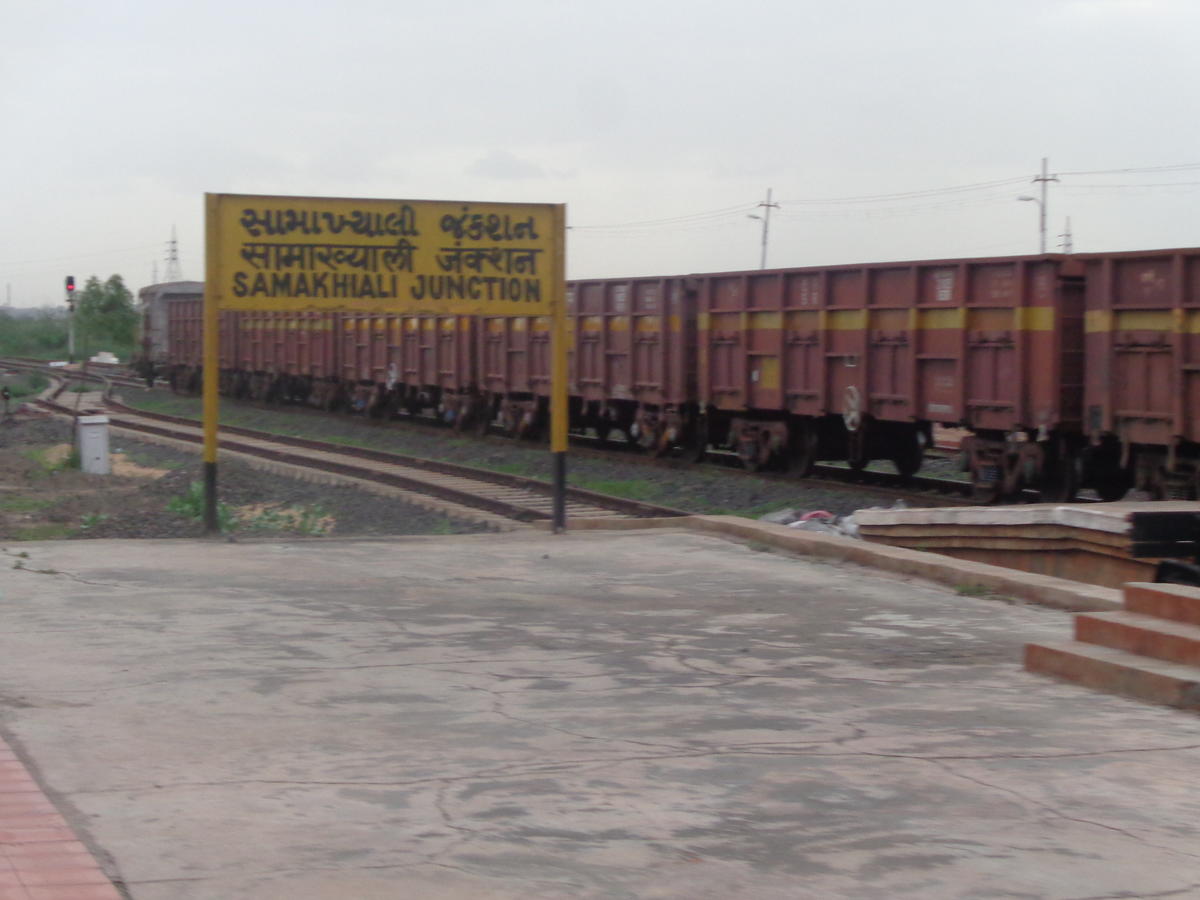
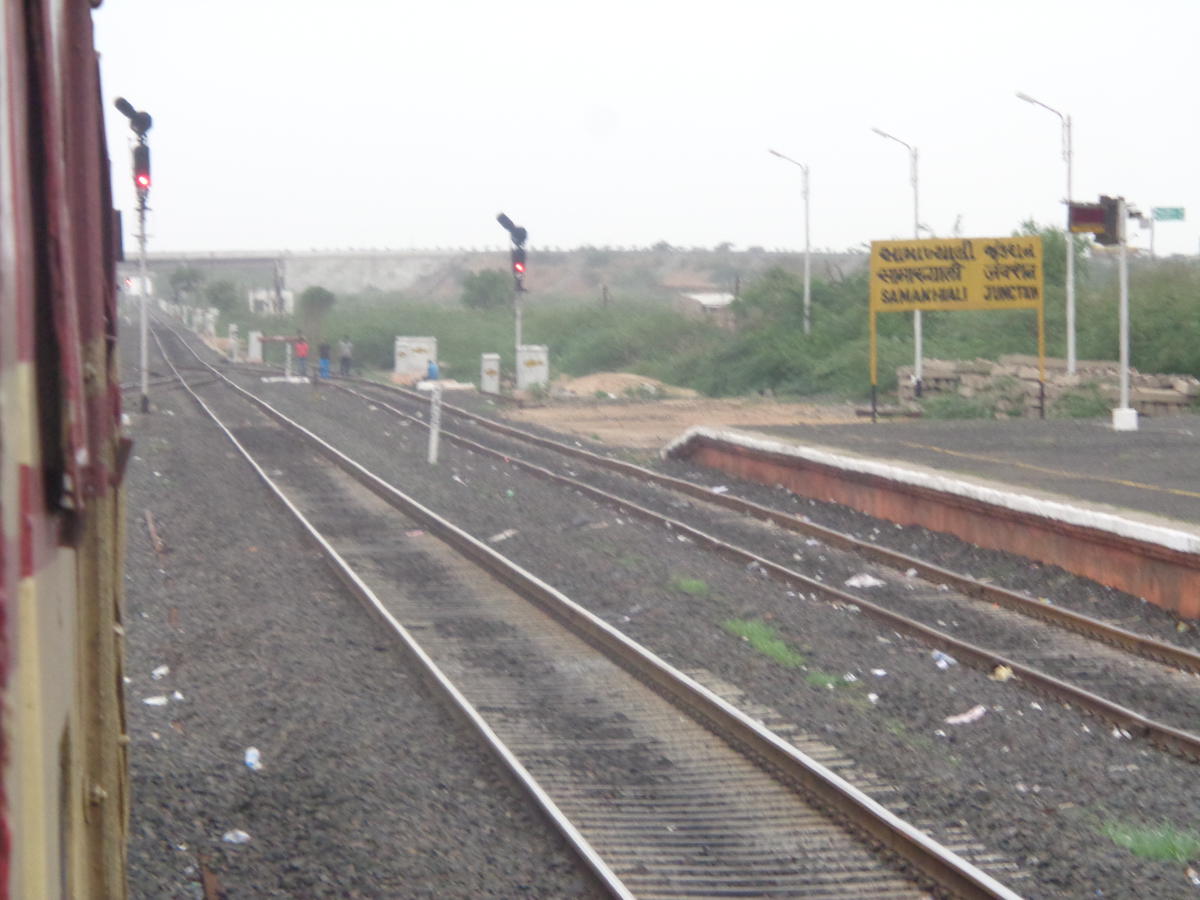
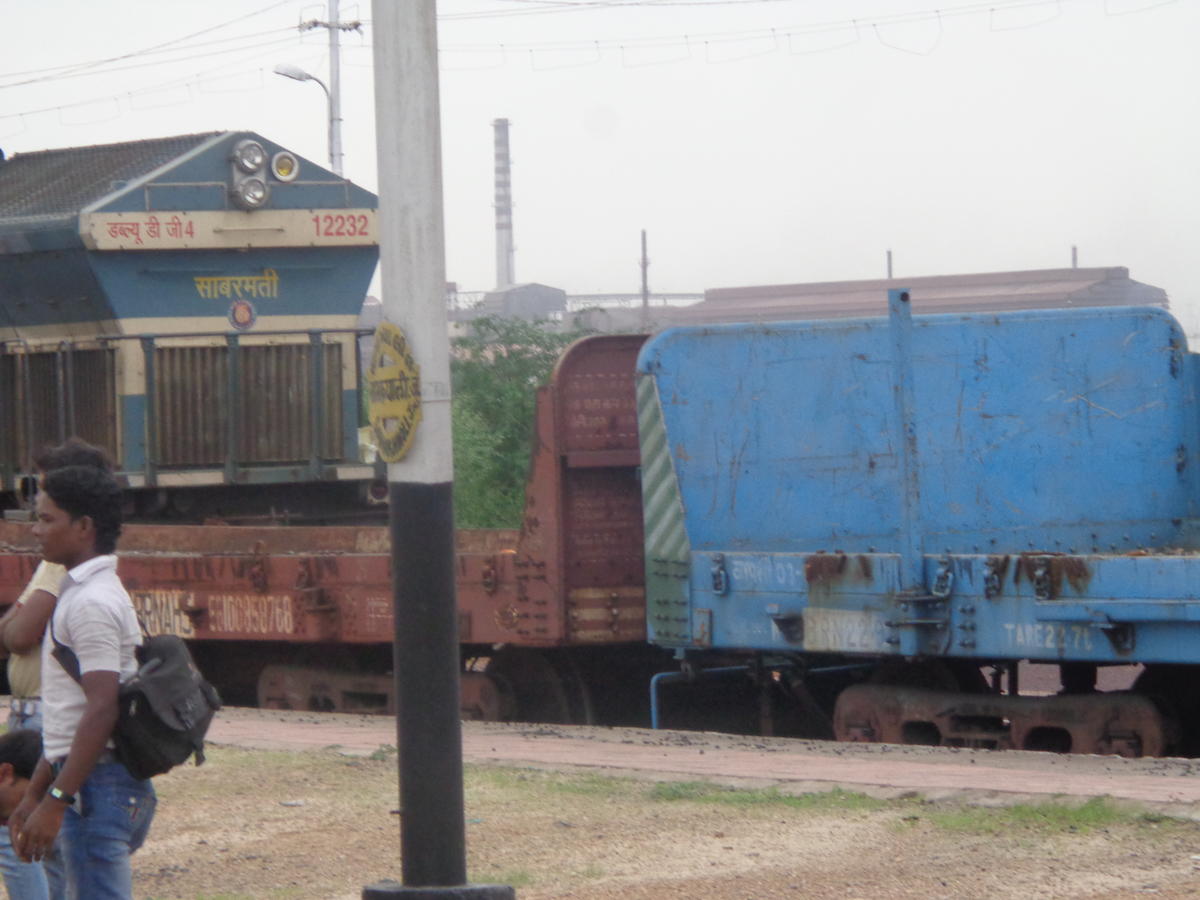
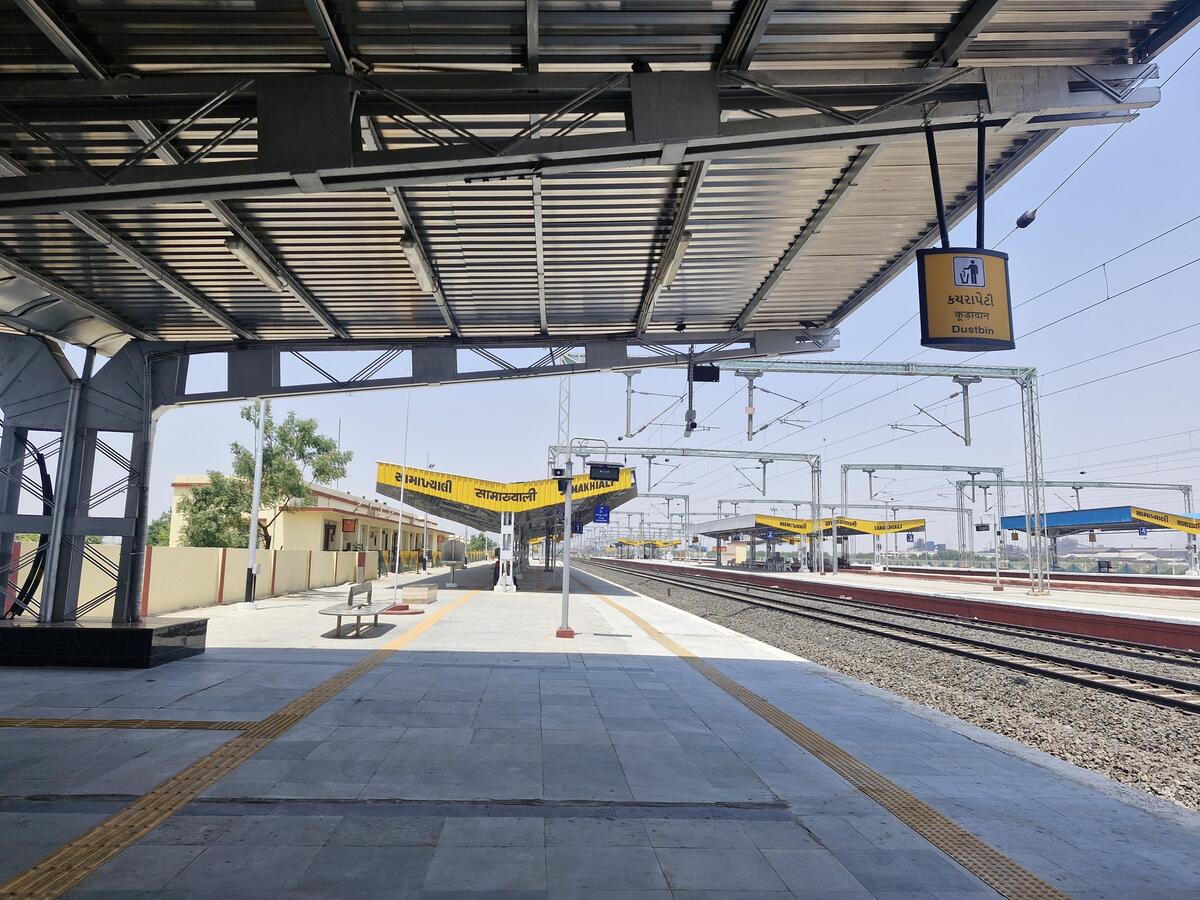
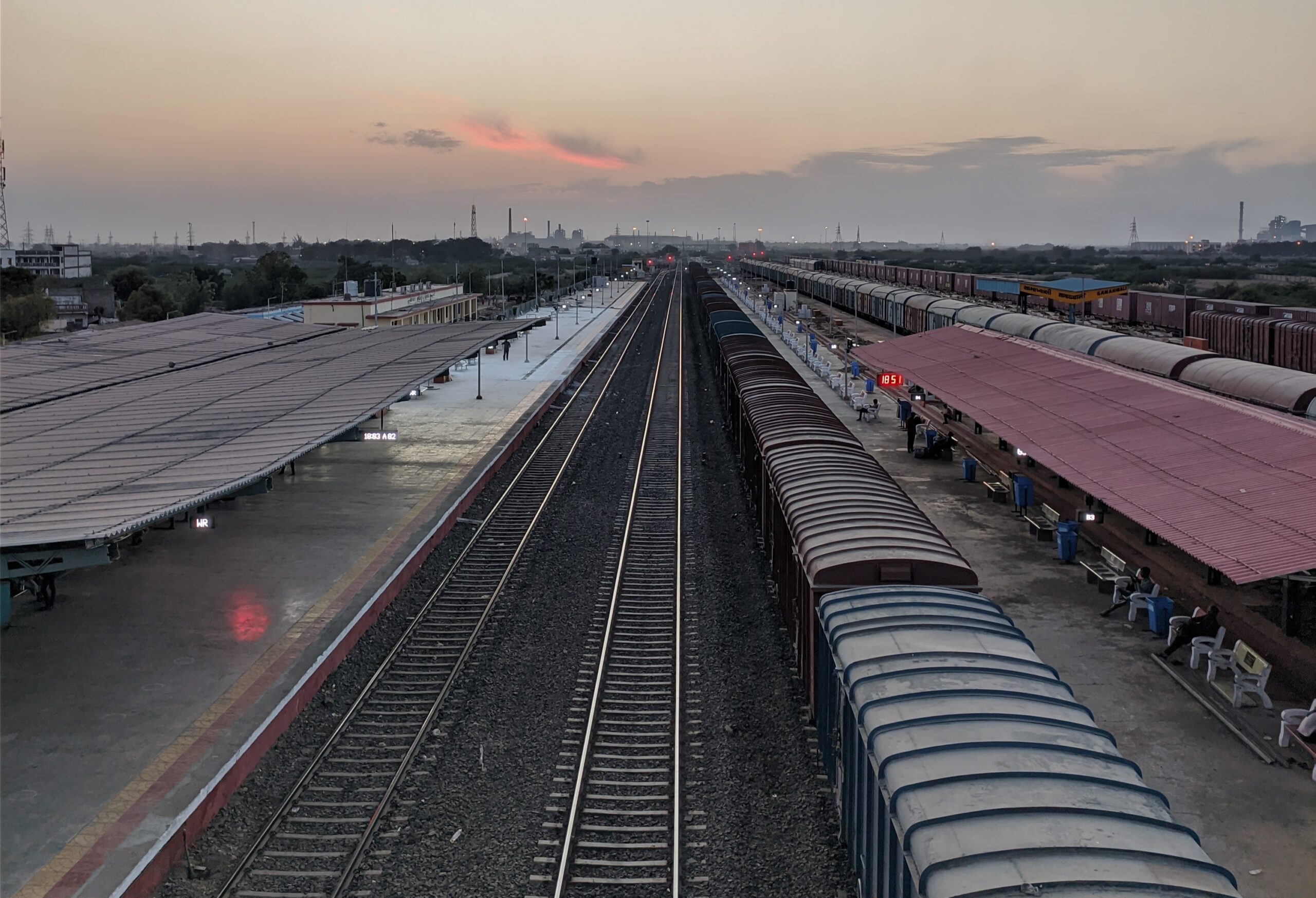
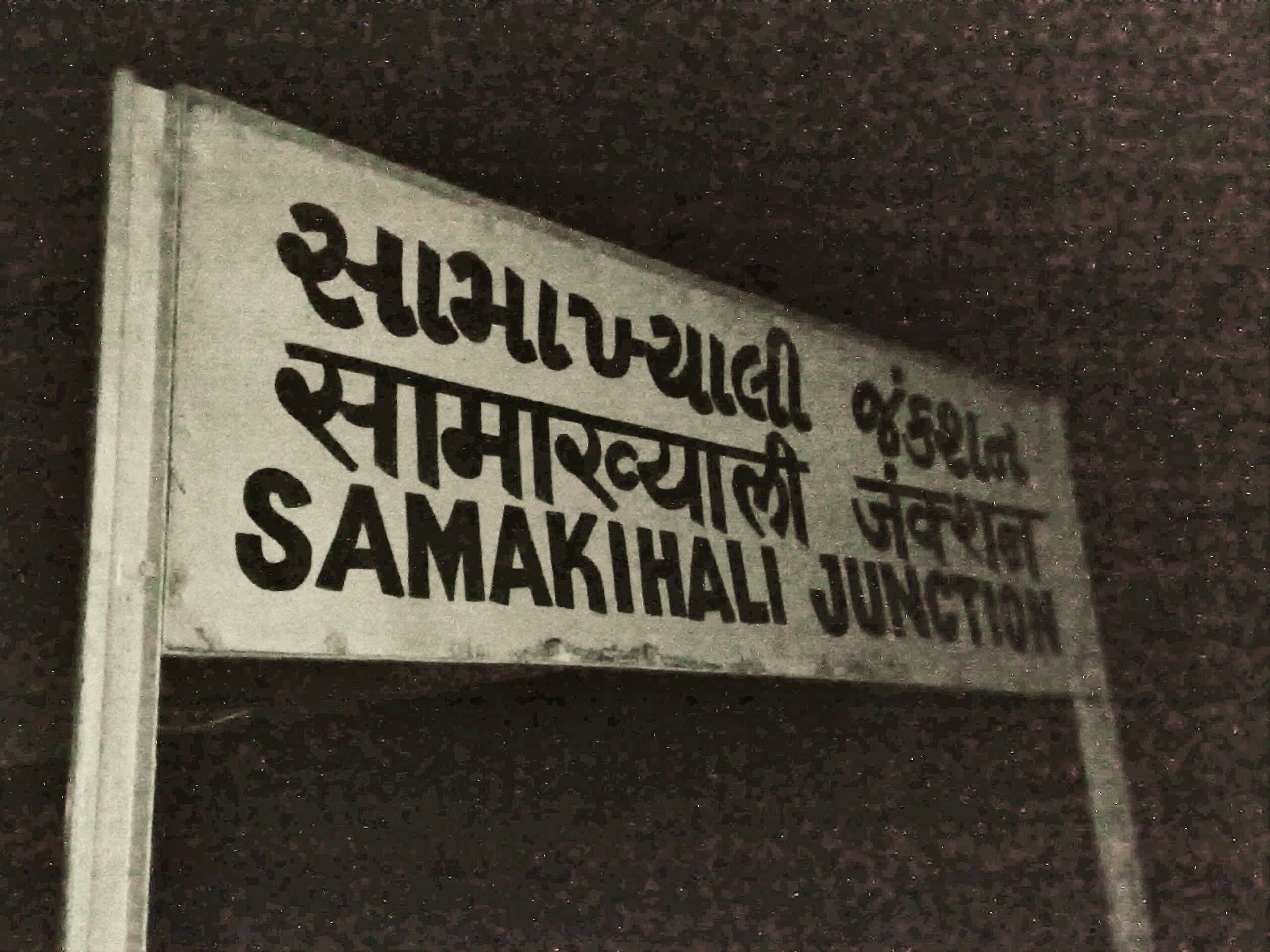
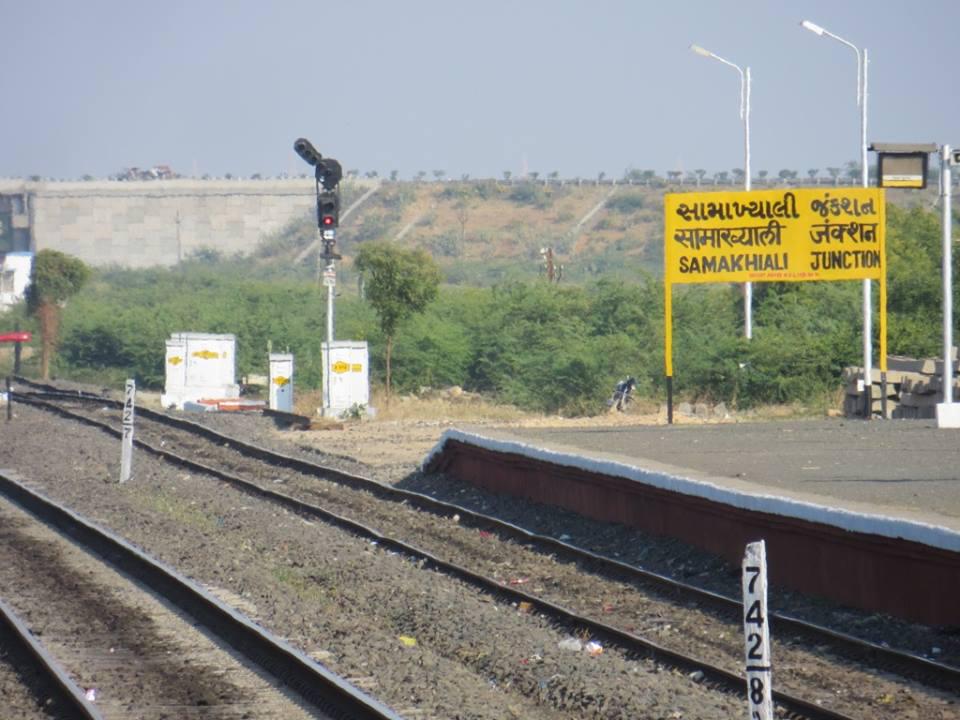
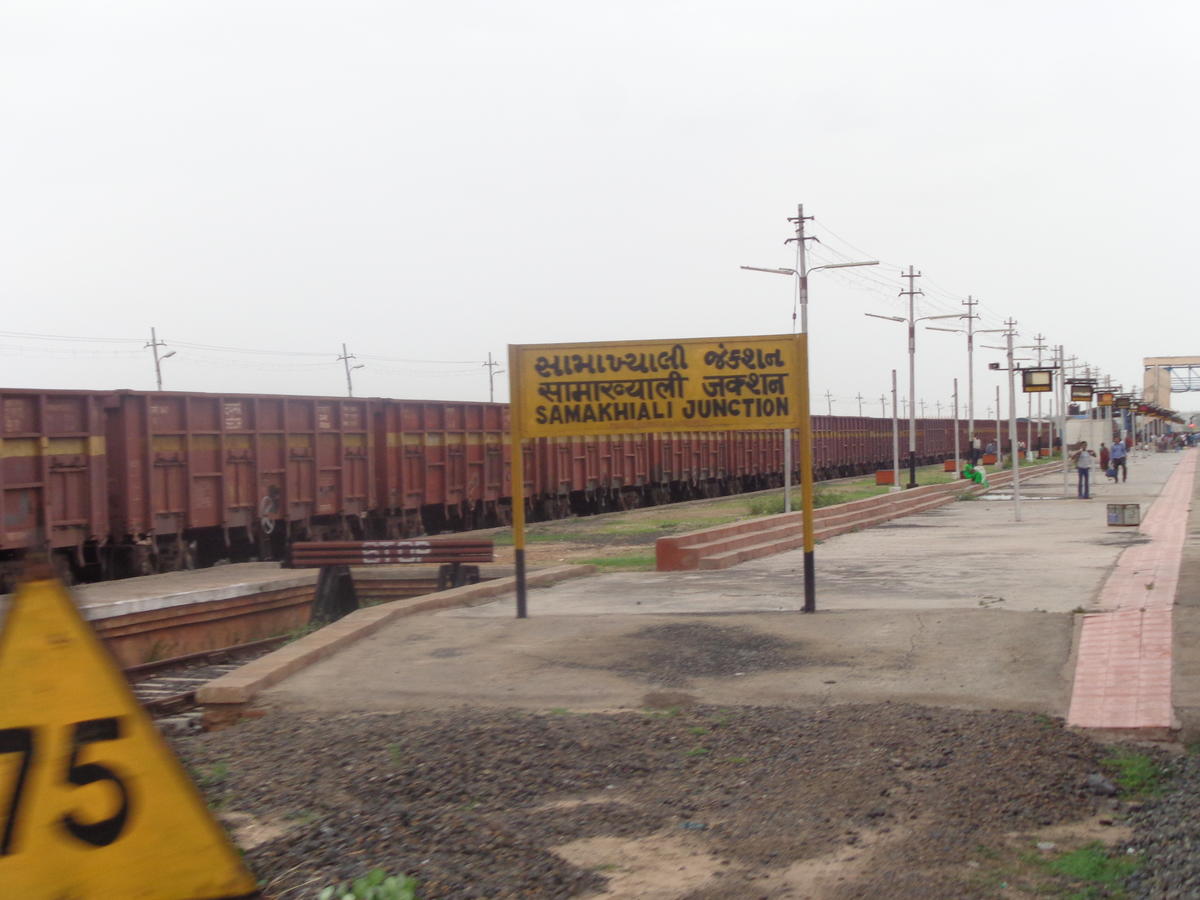
In reality, this station sits at a point where a few important railway lines come together in Gujarat’s Kutch region. Trains from Gandhidham and Bhuj pass through here and move onward towards Palanpur and Ahmedabad. Because of that, many trains depend on this junction to stay on the right route without delays or confusion.
There’s also the freight side, which most passengers don’t notice. The nearby Kandla port sends and receives a large amount of goods by rail, and routes through Samakhiali are part of that system. So even when the station feels quiet, the tracks are being used constantly.
The station itself comes from the old Kutch State Railway network built in the early 1900s. After 1951, it became part of Indian Railways, and later upgrades like gauge conversion made these lines more efficient and better connected.
Samakhiali Junction doesn’t try to stand out, and maybe that’s why people overlook it. But it does exactly what a junction is supposed to do keep trains moving in the right direction without making a big show of it.
About Samakhiali Junction Railway Station
If you watch carefully at Samakhiali Junction, you’ll notice something interesting. A train comes in, pauses for a bit, and then leaves in a direction you didn’t expect. It’s not random. That small moment is exactly what this station is meant to handle.
Samakhiali works as a proper junction in the Western Railway zone under the Ahmedabad division. Its job is not to look busy or impress anyone. Its job is to keep trains moving on the correct routes, especially where lines from different directions meet.
Most of the movement here revolves around trains coming from Gandhidham and Bhuj and continuing towards Palanpur or Ahmedabad, and the other way around. Because these routes connect the Kutch region with the rest of the country, this junction becomes an important decision point in the journey.
From a passenger’s point of view, it may feel like a short halt. From the railway’s point of view, it is where routes are managed, crossings are handled, and timing is kept under control. It’s not loud about what it does, but it’s doing something important almost all the time.
Location and Railway Connectivity
Samakhiali Junction is not placed on a simple straight railway line where trains just pass through and move on. It sits at a point where routes split and reconnect, which is exactly why it matters.
From here, one side moves towards Gandhidham, which further links to port areas like Kandla. Another direction goes towards Bhuj, covering the interior of the Kutch region. Then there is the line that connects to Palanpur, opening up routes towards North and West India, including connections to major cities beyond Gujarat.
Because of this setup, trains don’t just pass through Samakhiali without purpose. Many of them rely on this junction to stay on the correct route. Some continue in the same direction, some switch tracks, and others wait briefly while another train clears the line ahead.
If you are standing on the platform, it may all look quite normal. A train comes in, another leaves, nothing unusual. But behind that, there is a lot of coordination happening to make sure everything runs on time and in the right direction. That is what makes this location more important than it first appears.
Historical Background of the Station
Samakhiali Junction did not become important overnight. Its role comes from how railways slowly grew across the Kutch region.
In the early 1900s, the network here was developed under the Kutch State Railway. The main idea was simple connect ports with inland towns so movement of goods and people becomes easier. The first lines ran from Tuna port towards Anjar around 1905, and then extended further to Bhuj by 1908. Over time, more sections were added to strengthen these connections across the region.
After independence, this entire system became part of Indian Railways in 1951, bringing it under the Western Railway zone. That shift helped in better planning and expansion beyond the local network.
One major change came later with gauge conversion. Earlier metre gauge lines were gradually converted to broad gauge, especially between the 1980s and early 2000s, including key sections like Palanpur to Gandhidham. This allowed longer, faster, and more efficient trains to run on these routes.
Since Samakhiali sits where multiple lines meet, every upgrade around it increased its importance. It naturally became a point where routes connected more smoothly, rather than just another stop on the line.
Station Layout and Platform Details
The layout at Samakhiali Junction is easy to understand the moment you step in. There is no complicated structure or endless walking involved. Everything is arranged with one purpose in mind, to keep trains moving without confusion. In that sense, it feels more straightforward compared to busier stations like Krishnanagar City Junction, where passenger flow can be a bit more layered.
Because it is a junction, you will see more than one track running alongside the platforms. These are not just for show. Different lines are used depending on where a train is coming from and where it needs to go next. Some trains stop for a short time, while others pass through without halting, especially express services.
You might also notice freight trains standing on loop lines. This is quite normal here since routes connected to Gandhidham and nearby port areas handle a good amount of goods traffic. Passenger and freight movement both use this station, so the track layout is designed to manage both without getting in each other’s way.
From a passenger’s point of view, things feel simple. You can see most of the station without trying too hard, and finding your platform does not turn into a long search. It may not look impressive, but it works in a way that avoids unnecessary stress.
Passenger Facilities and Amenities
Samakhiali Junction is not the kind of station where you expect lounges or high end services, and honestly, it doesn’t try to be. What it offers is the kind of setup most travelers actually need for a short or medium halt.
There are waiting areas where you can sit without feeling rushed, along with basic seating on the platforms. Drinking water is available, and ticket counters handle regular bookings without much complication. Moving between platforms is simple thanks to a foot overbridge, so you are not guessing how to cross tracks or searching for hidden routes.
Food options are there, but they are simple and depend a lot on train timings. When long distance trains arrive, small vendors usually show up, so you can grab something quickly. It’s not a place for variety, but you won’t be stuck without options either.
Overall, the station gives you what you need to get through your journey comfortably. Nothing extra, nothing missing.
Passenger Traffic and Train Operations
Samakhiali Junction does not feel crowded in the way big city stations do, but that doesn’t mean it is quiet. There is a steady flow of trains passing through, many of them covering long distances and connecting the Kutch region with cities across India.
You will see a mix of express trains, mail trains, and a few passenger services using this route. Some stop briefly, others move through without halting, depending on their schedule. Because this junction links different directions, timing becomes important. Trains are often held for a short while to allow another one to pass or clear the line ahead.
If you spend a bit of time on the platform, you start to notice the pattern. One train arrives, another crosses, then the tracks open up again. It might look slow from the outside, but it is actually a controlled way of keeping everything on track.
So even when the station doesn’t look busy every minute, there is always coordination happening in the background to make sure trains move without conflict or delay.
Station Importance and Classification
Samakhiali Junction is not a big terminal where journeys begin or end for thousands of people, but that’s not really its job. Its importance comes from how it fits into the larger railway network rather than how it looks on the surface.
This station works as a routing point for trains moving across western India, especially those connecting the Kutch region with the rest of the country. It also plays a part in freight movement, with routes linked to port activity around Gandhidham and Kandla. That alone makes it important beyond regular passenger travel.
At the same time, it connects smaller regional routes with long distance lines, allowing trains to move between local and national networks without unnecessary detours. This kind of role doesn’t always stand out to passengers, but it is essential for keeping the system efficient.
Samakhiali Junction shows that a station does not need to be large or crowded to matter. Its value comes from what it does every day, keeping trains moving in the right direction without slowing everything down.
Navigation and Passenger Movement
Getting around Samakhiali Junction is fairly straightforward, which is something you appreciate more after visiting bigger, more crowded stations. You don’t have to keep checking signs every few steps or second guess where you’re going.
The platforms are connected by a foot overbridge, and once you get a quick sense of the layout, moving from one side to another feels easy. The station isn’t spread out, so you’re not walking long distances or rushing to catch your train.
Most of the time, a quick look around is enough to understand where your platform is. Even during busier moments, movement stays manageable. It’s the kind of place where you spend less time figuring things out and more time just waiting for your train.
Future Developments and Expansion
In this part of Gujarat, railway changes usually happen step by step rather than all at once. Samakhiali Junction follows the same pattern. Its role is already defined, so the focus is more on improving how smoothly things run rather than turning it into a large, busy terminal.
With steady freight movement linked to areas like Gandhidham and Kandla, the pressure on these routes is not going away. Because of that, upgrades around track capacity, signaling systems, and train handling are the kind of improvements that make the most sense here. These changes don’t always stand out to passengers, but they help reduce delays and keep traffic flowing better.
Passenger facilities may also see gradual improvements over time, depending on demand. Nothing overly dramatic, but small changes that make waiting and movement a bit more comfortable.
Samakhiali is not a station that needs a complete transformation. It just needs to keep getting a little better at what it already does well.
2 thoughts on “Samakhiali Junction (SIOB) Railway Station – Train Schedule, Booking, Routes & Station Info”