
If you’ve ever opened IRCTC with full confidence and closed it five minutes later staring at WL 142, you already know this problem is real. Some trains in India are almost always full, not because people love stress, but because these routes carry the country’s daily movement. Think workers travelling home, students heading back to college, families visiting during festivals, and millions moving between cities like Delhi, Mumbai, and Kolkata.
Add to that faster trains with fewer seats and a handful of routes where options are limited, and the demand quietly builds every single day. This article looks at seven trains where getting a confirmed ticket feels like a small victory, and more importantly, explains the real, practical reasons behind that rush so you are not guessing next time you book.
1. Patna – New Delhi Rajdhani Express
This train is always under pressure.
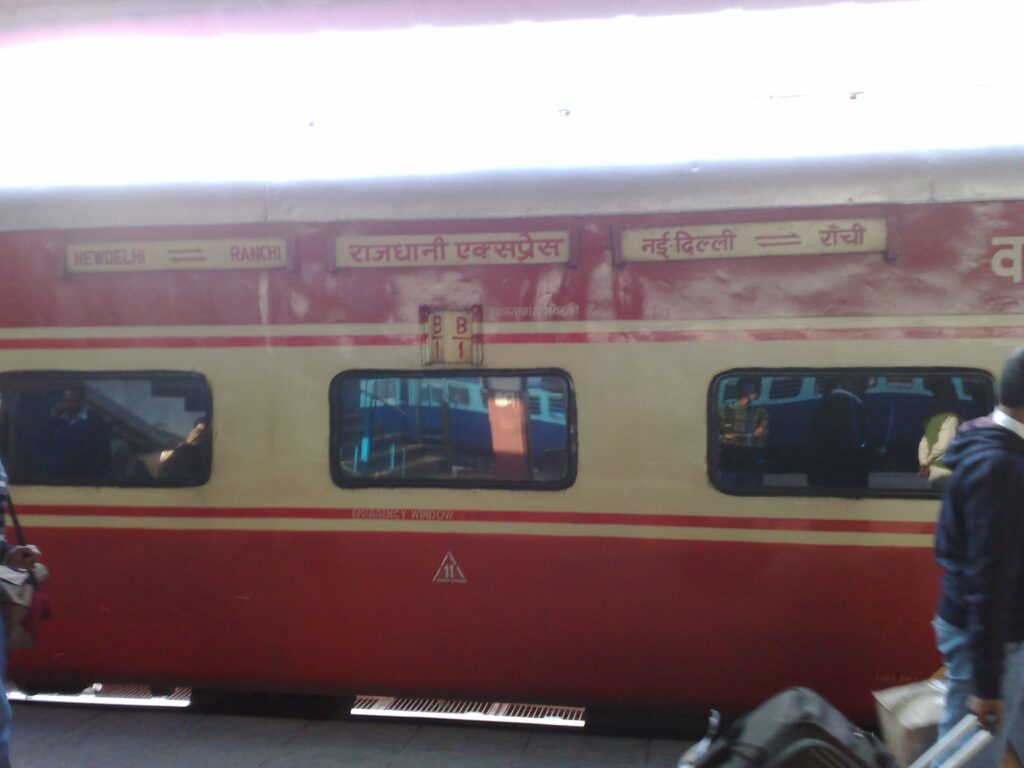
It connects Bihar to Delhi, and that route sees constant travel. People are moving for jobs, exams, government work, or just going home. Rajdhani trains are faster and usually more punctual, so naturally, they become the first choice.
But here’s the catch. Fewer stops and limited coaches mean fewer seats compared to regular trains.
So demand stays high almost all the time. During Chhath or Diwali, tickets disappear so fast it feels like they were never there.
2. Mumbai – Varanasi Kamayani Express
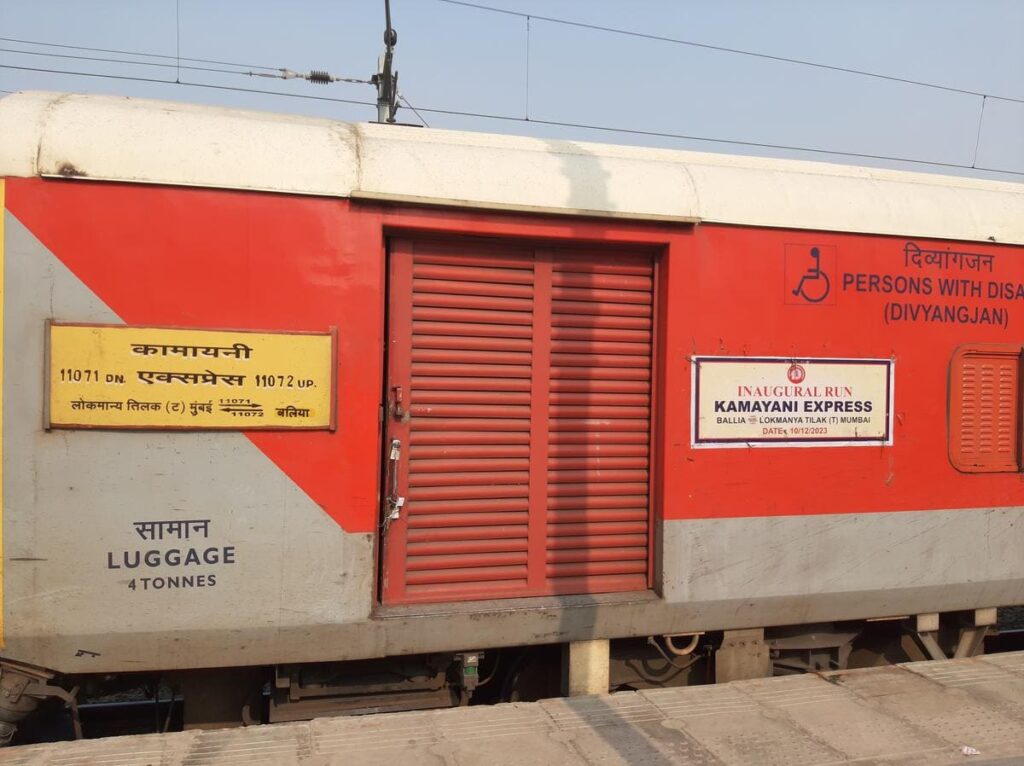
This one carries a different kind of rush.
It connects Mumbai with eastern UP and nearby regions where a large number of migrant workers travel back and forth. This isn’t luxury travel. This is necessity.
The train is affordable, which is exactly why it stays full.
People depend on it regularly, not occasionally. That’s what keeps the demand steady instead of seasonal.
3. Howrah – New Delhi Rajdhani Express
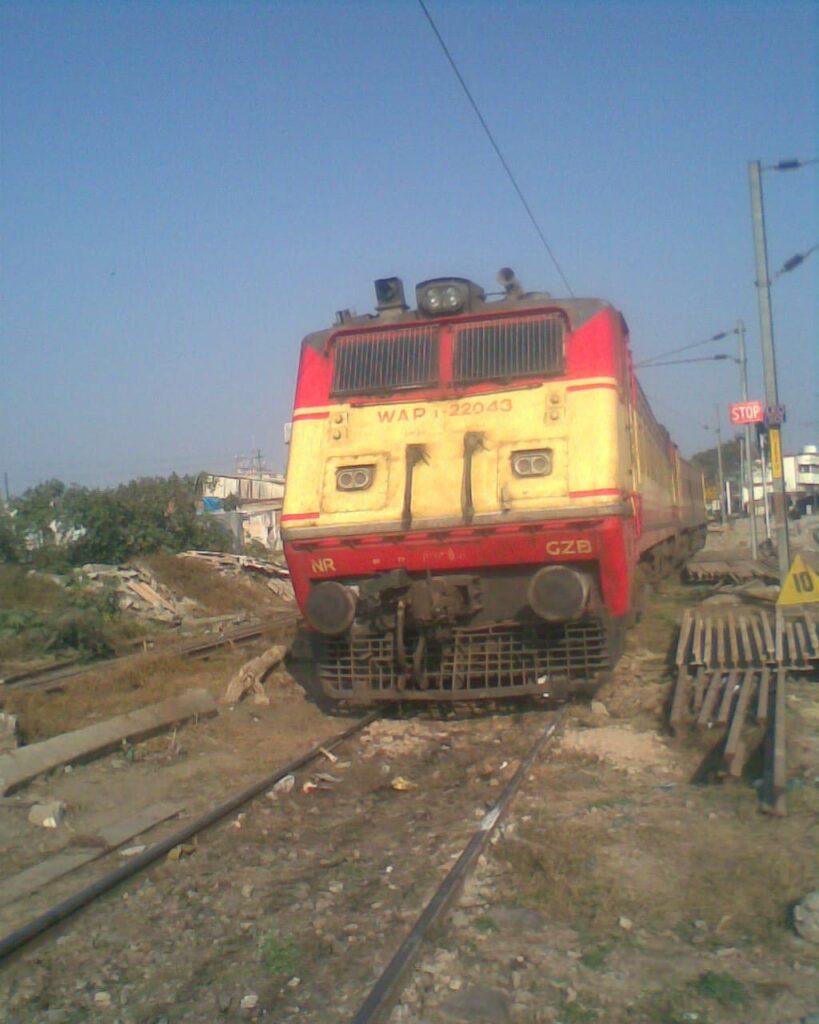
If two major cities are connected by a fast train, you can already guess what happens.
Kolkata to Delhi is a busy route for business, education, and official travel. Rajdhani trains add speed and reliability, which makes them the preferred option over others.
And since there are only so many seats, bookings fill up very quickly.
This is one of those trains where even “booking early” sometimes feels like you’re already late.
4. Secunderabad – Tirupati Express
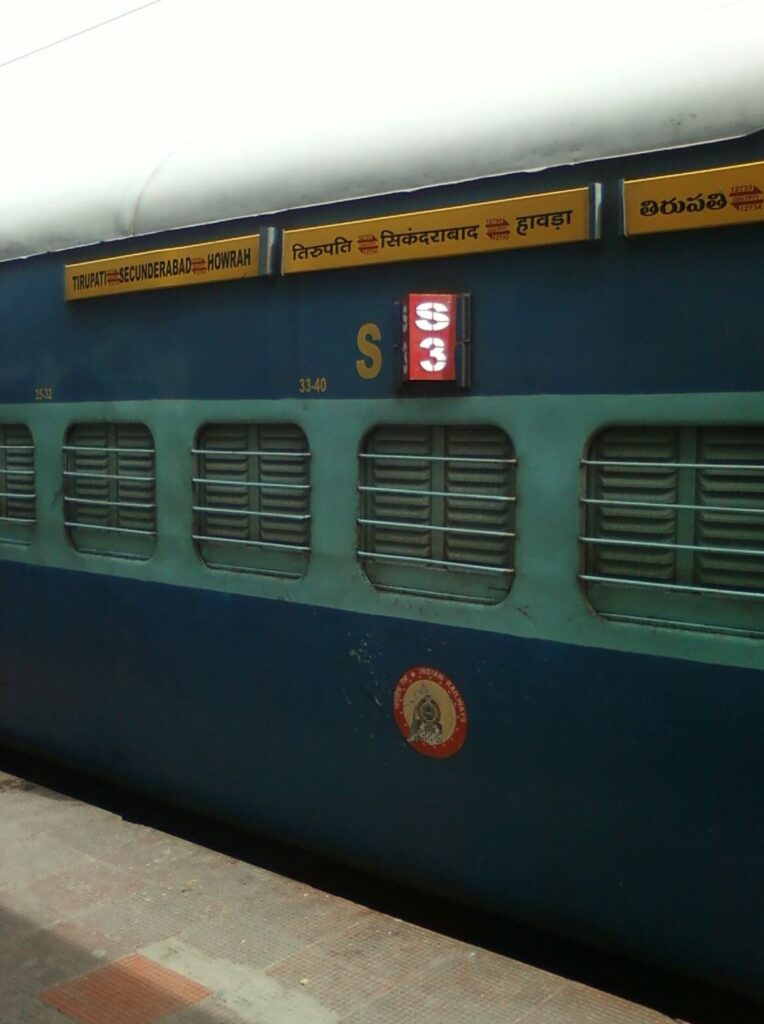
This one is driven by something different.
Tirupati sees a huge number of visitors throughout the year. Not just during festivals. Every week.
This train connects a major city directly to that route, which makes it a go-to option for many travellers.
Weekends and special days push demand even higher. It’s not about speed here. It’s about a constant flow of people.
5. New Delhi – Dibrugarh Rajdhani Express
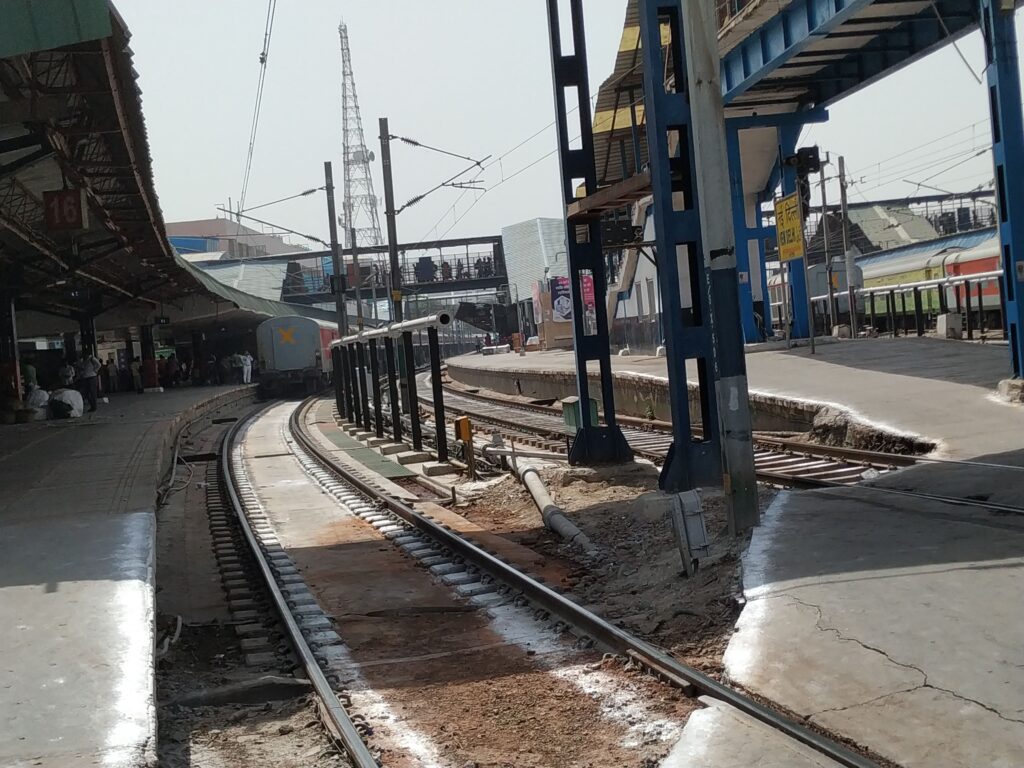
Long distance plus limited options equals high demand.
This train connects Delhi with Assam and parts of the Northeast. There are not many fast, direct trains on this route, so this one becomes extremely important.
People plan their journeys well in advance, but even then, tickets don’t stay available for long.
When a train covers such a long route efficiently, everyone tries to get on it.
6. Chennai – Coimbatore Vande Bharat Express
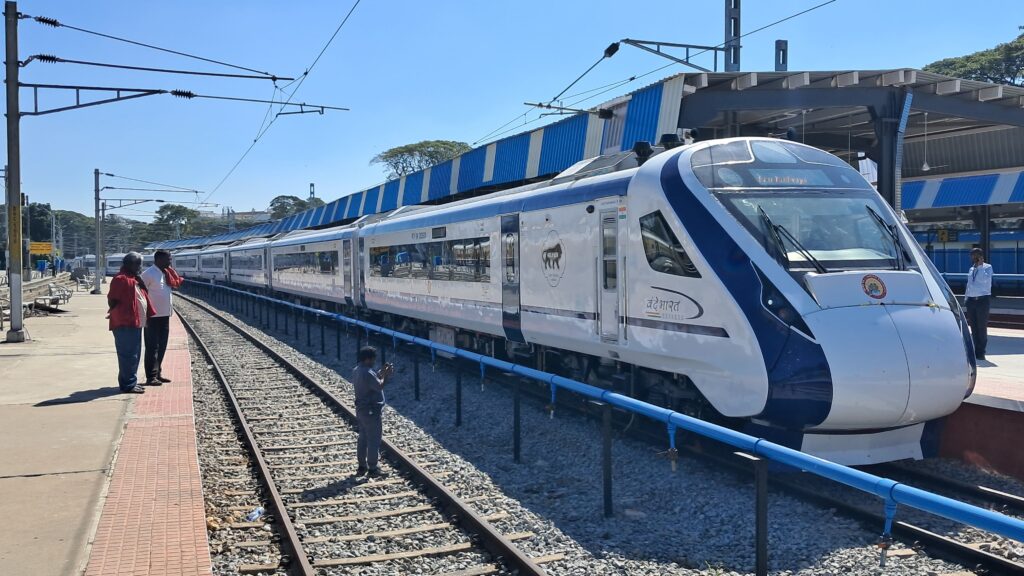
New train, same old problem.
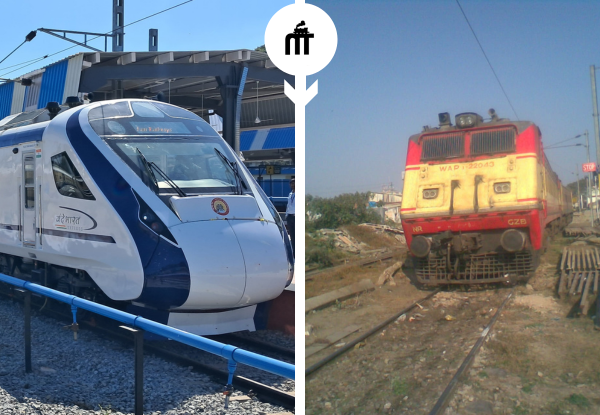
Vande Bharat is faster, cleaner, and more comfortable. Naturally, people prefer it over regular trains, and it’s often seen as one of the Stylish Trains in India Worth Experiencing.
Vande Bharat is faster, cleaner, and more comfortable. Naturally, people prefer it over regular trains.
But it runs with fewer coaches.
So even though the demand is high between Chennai and Coimbatore, the number of available seats is limited. That gap fills up quickly.
It’s a classic case of “everyone wants it, but not everyone gets it.”
7. Gorakhpur – Mumbai LTT Express
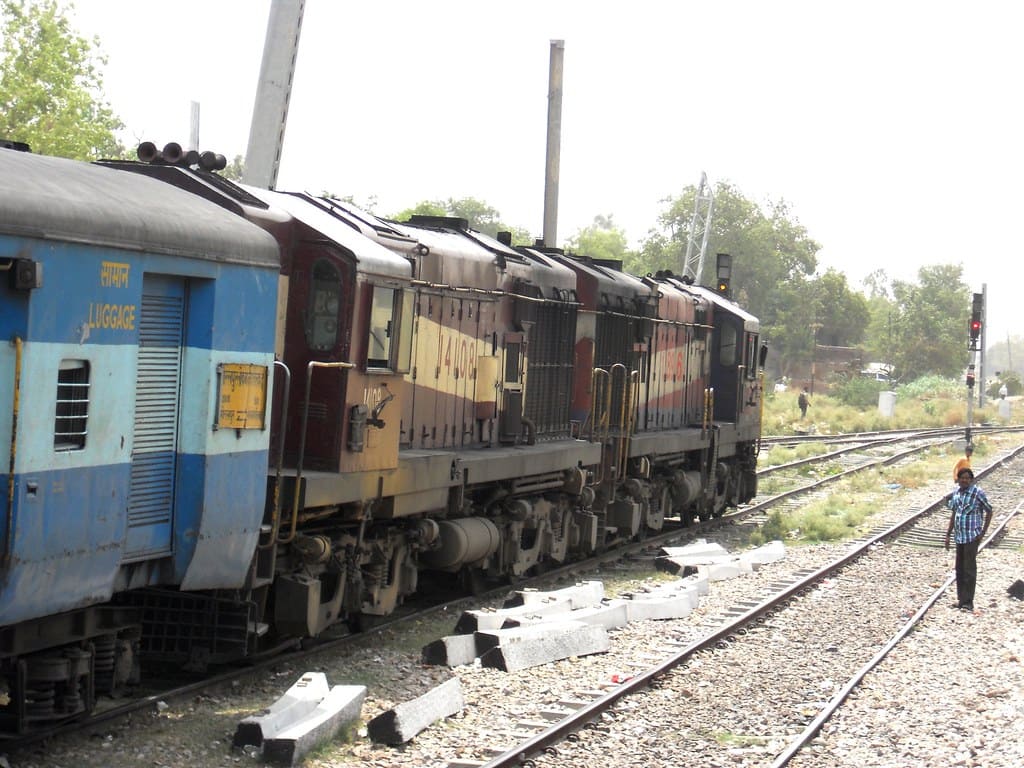
Another route where demand never really drops.
This train connects eastern UP with Mumbai, and it’s heavily used by workers and families travelling long distances.
It’s not about one season or one festival. Movement on this route is continuous.
That’s why even on a normal day, availability can be tight.