

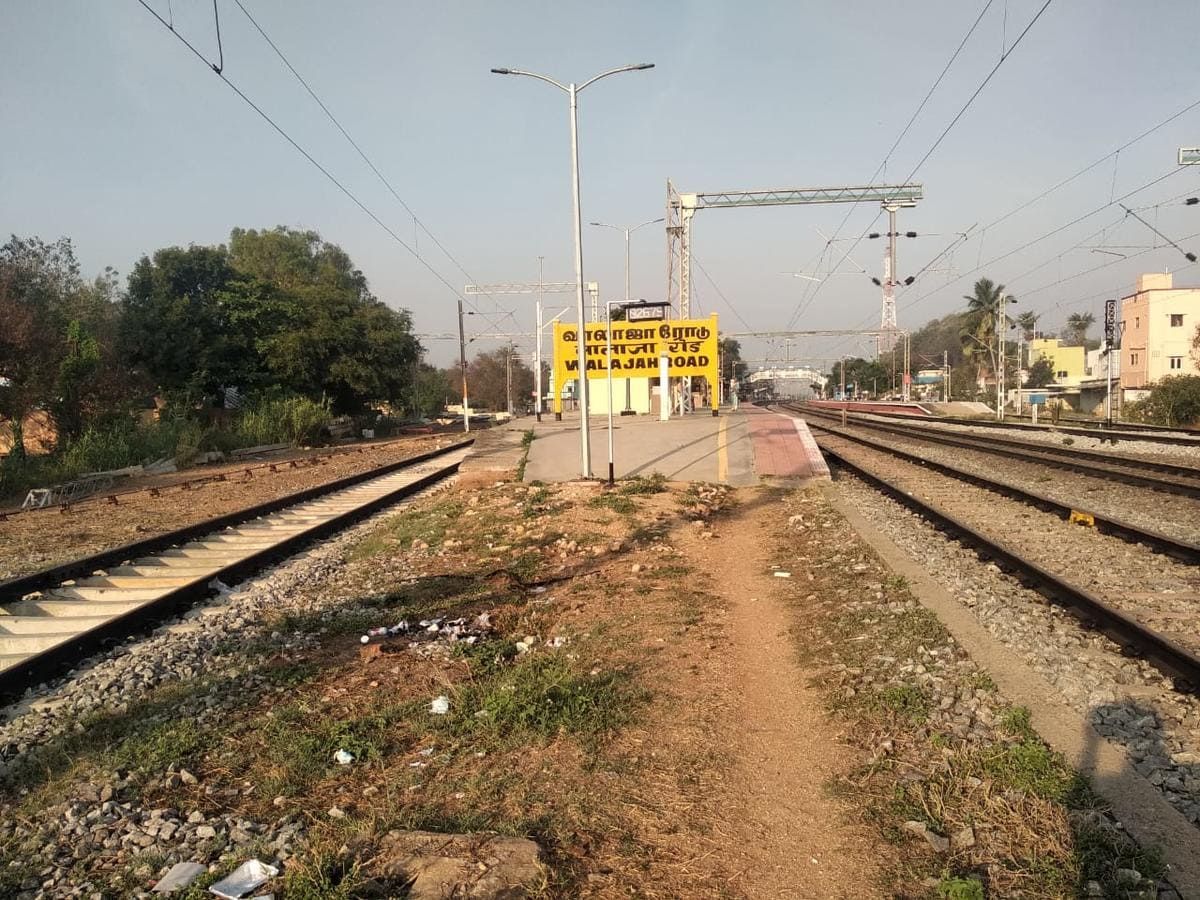
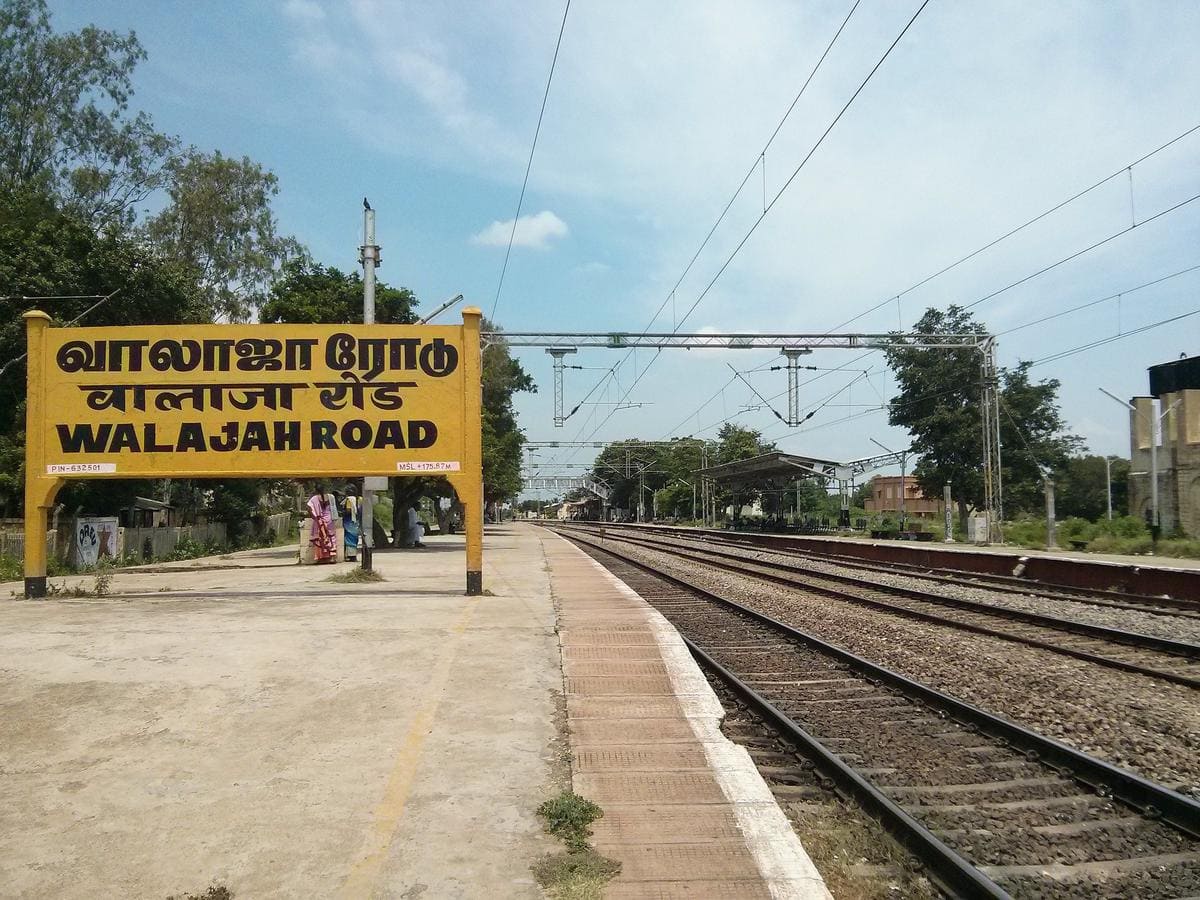
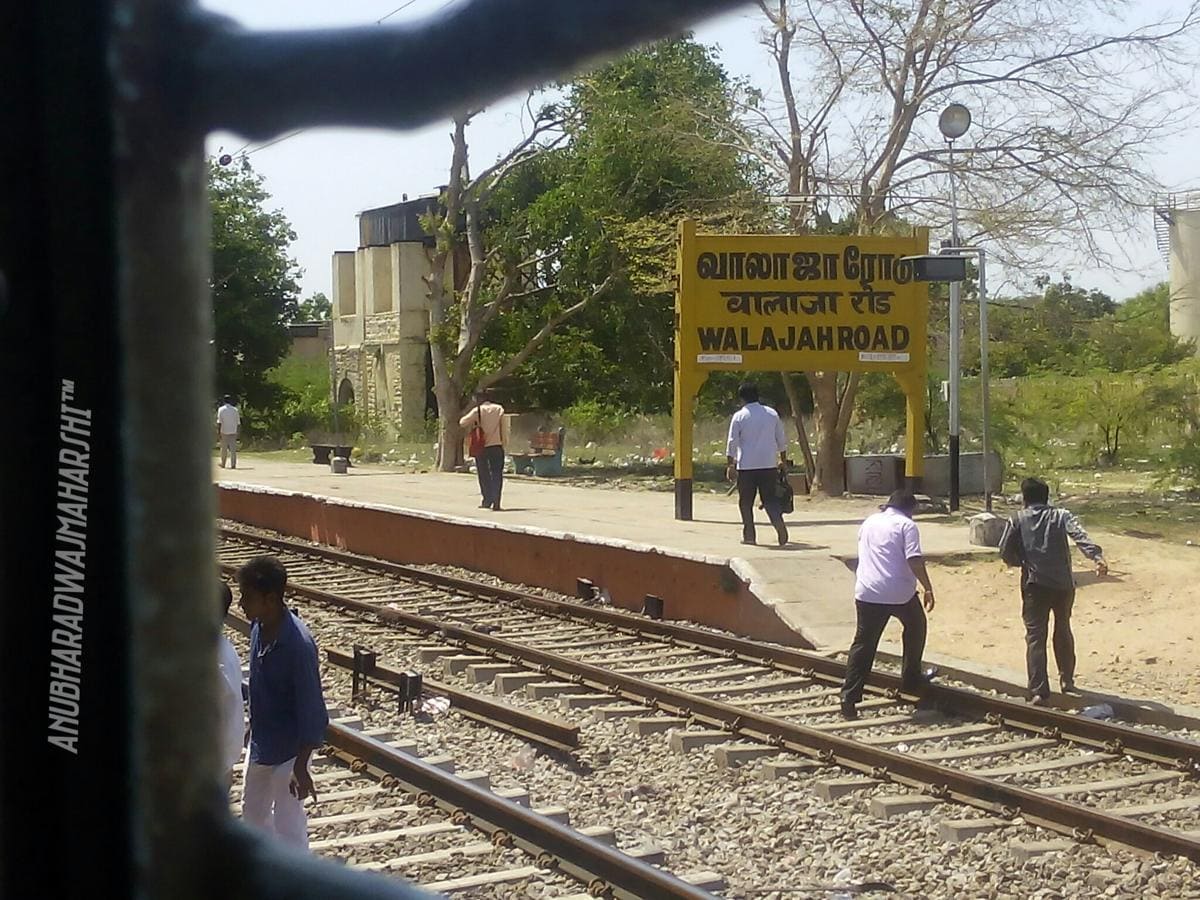
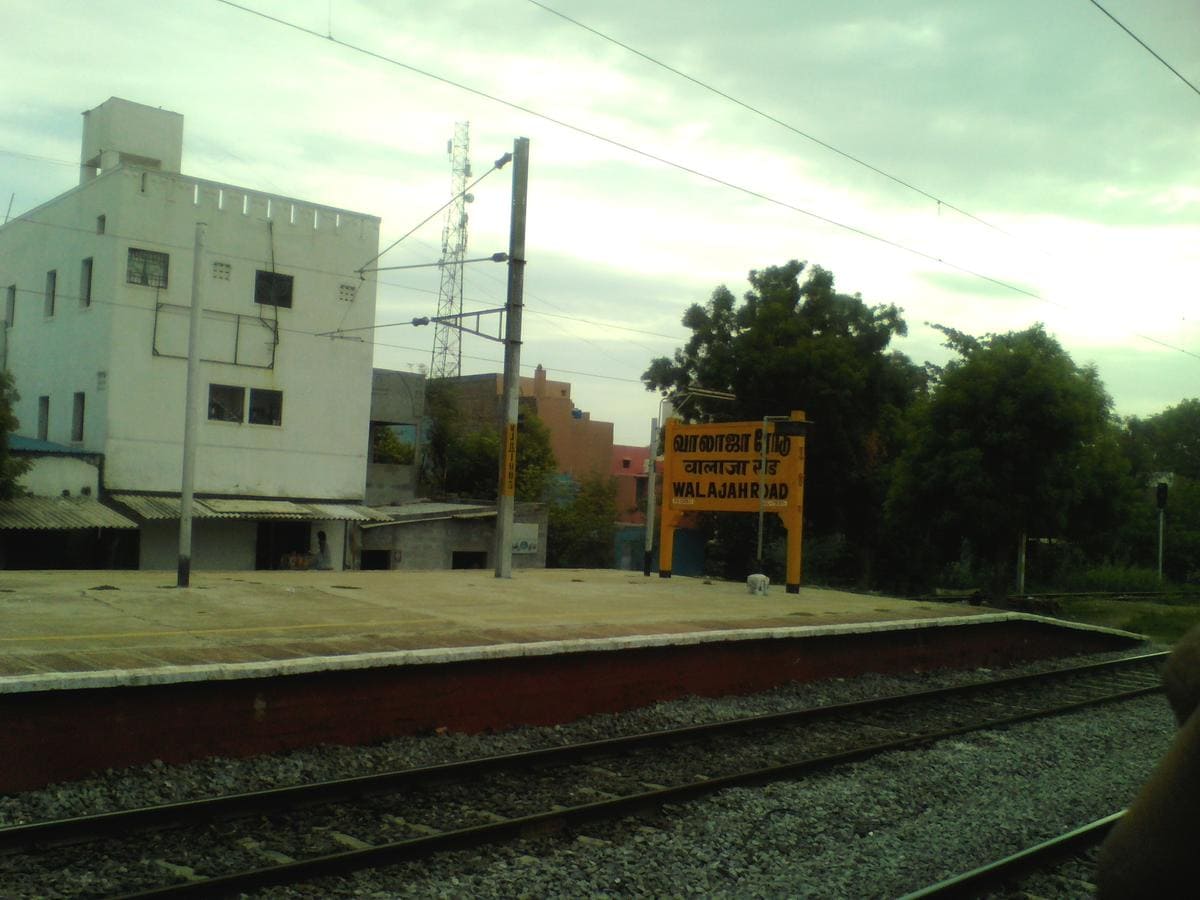
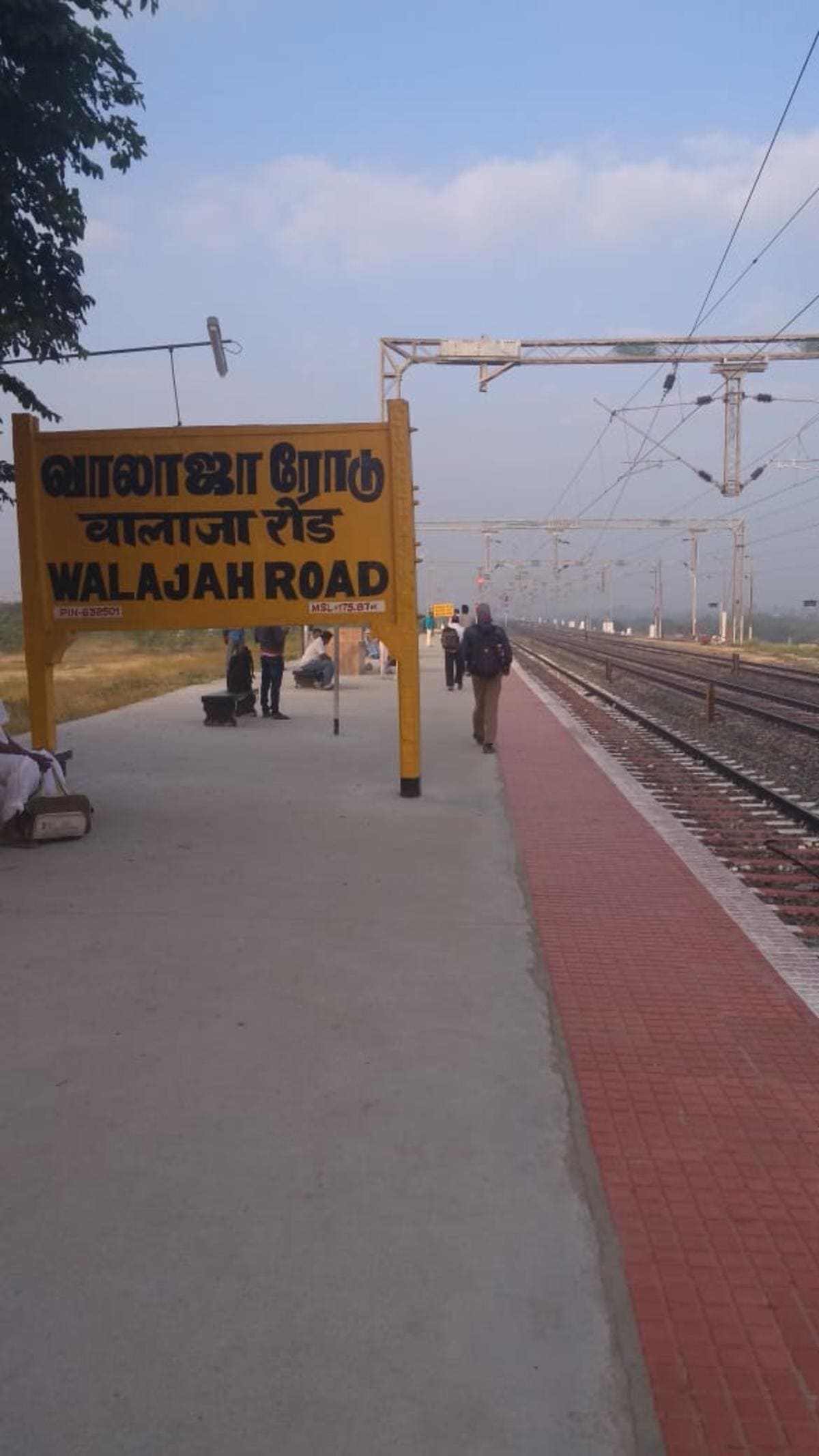
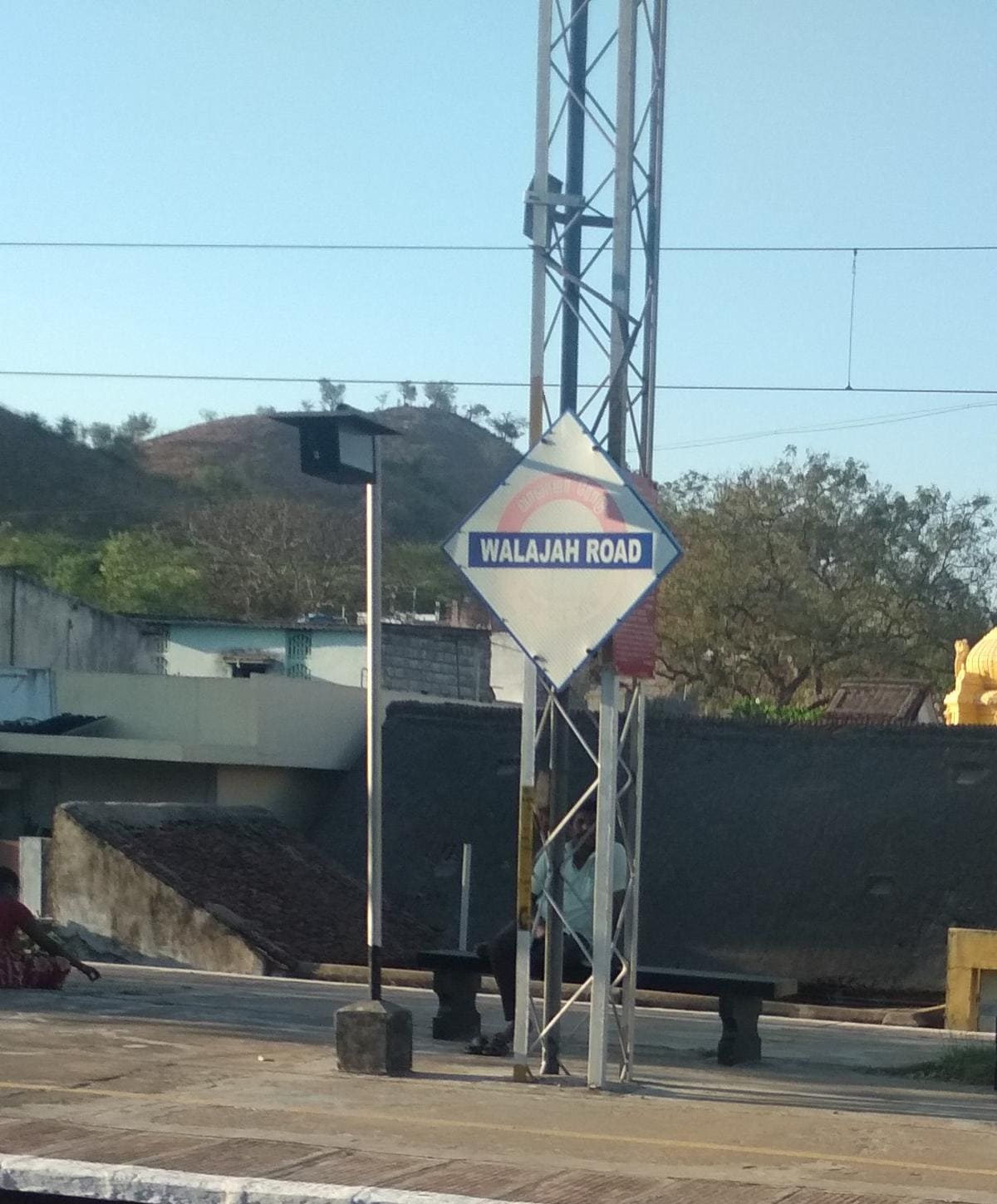
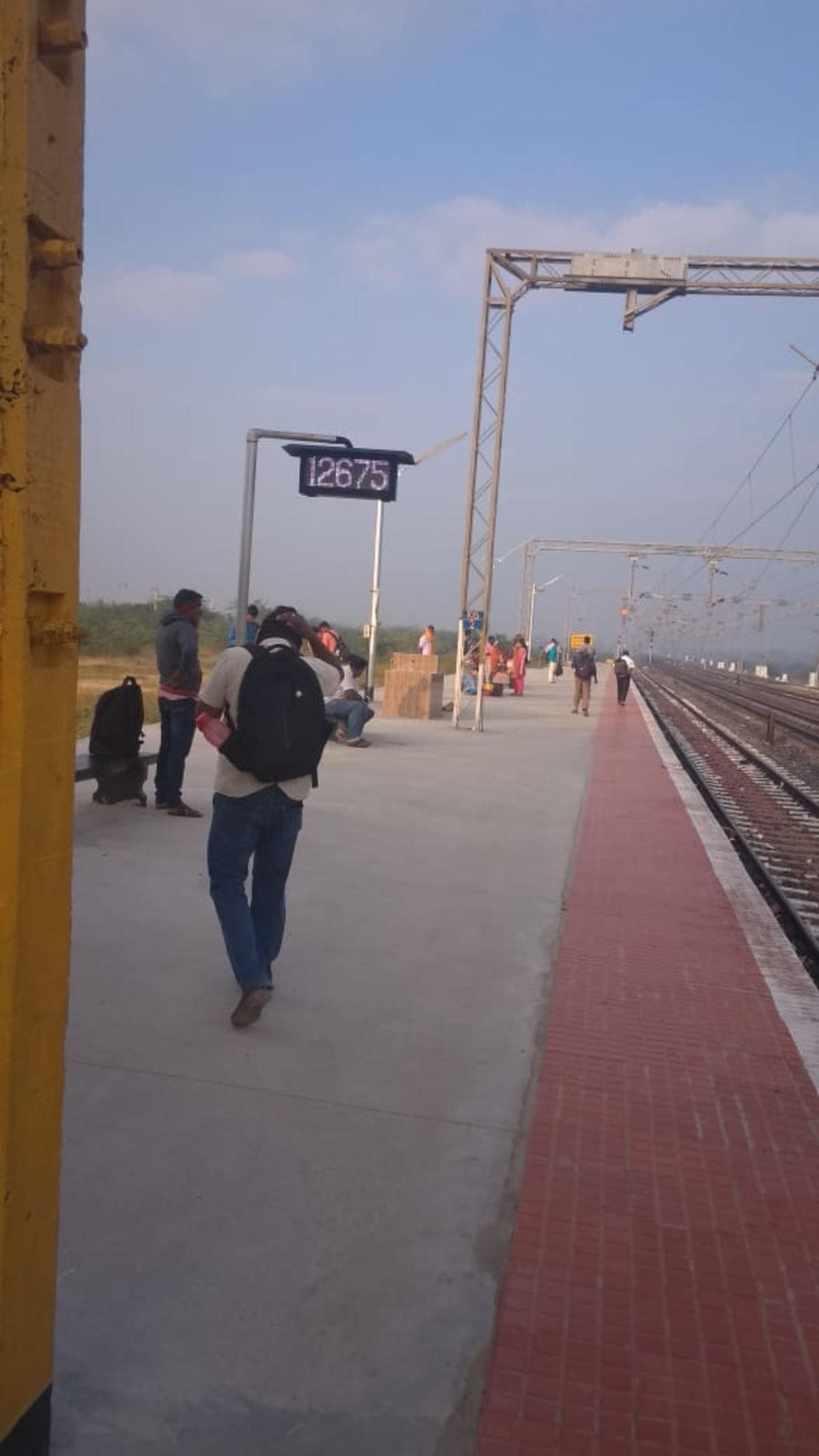
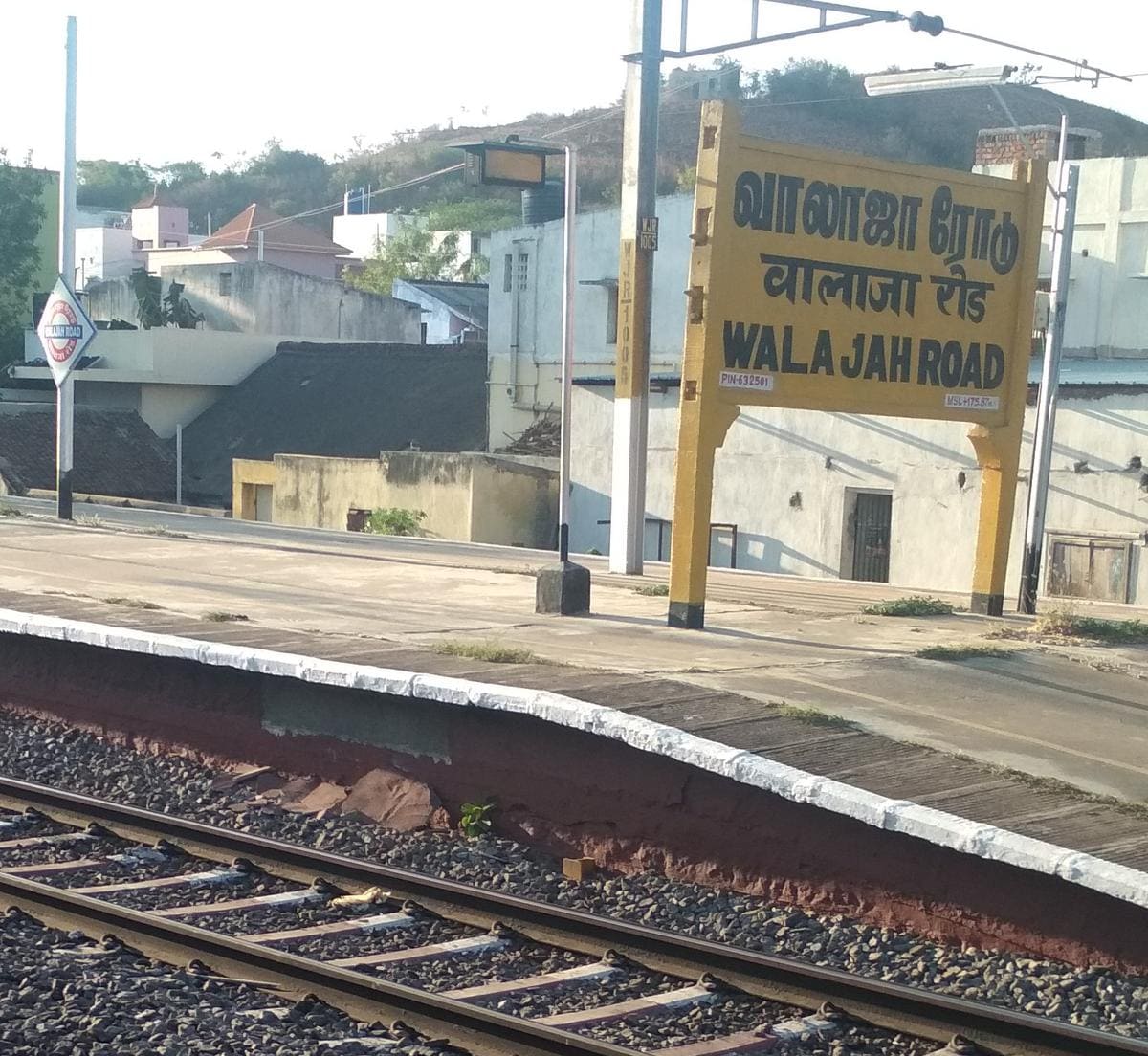
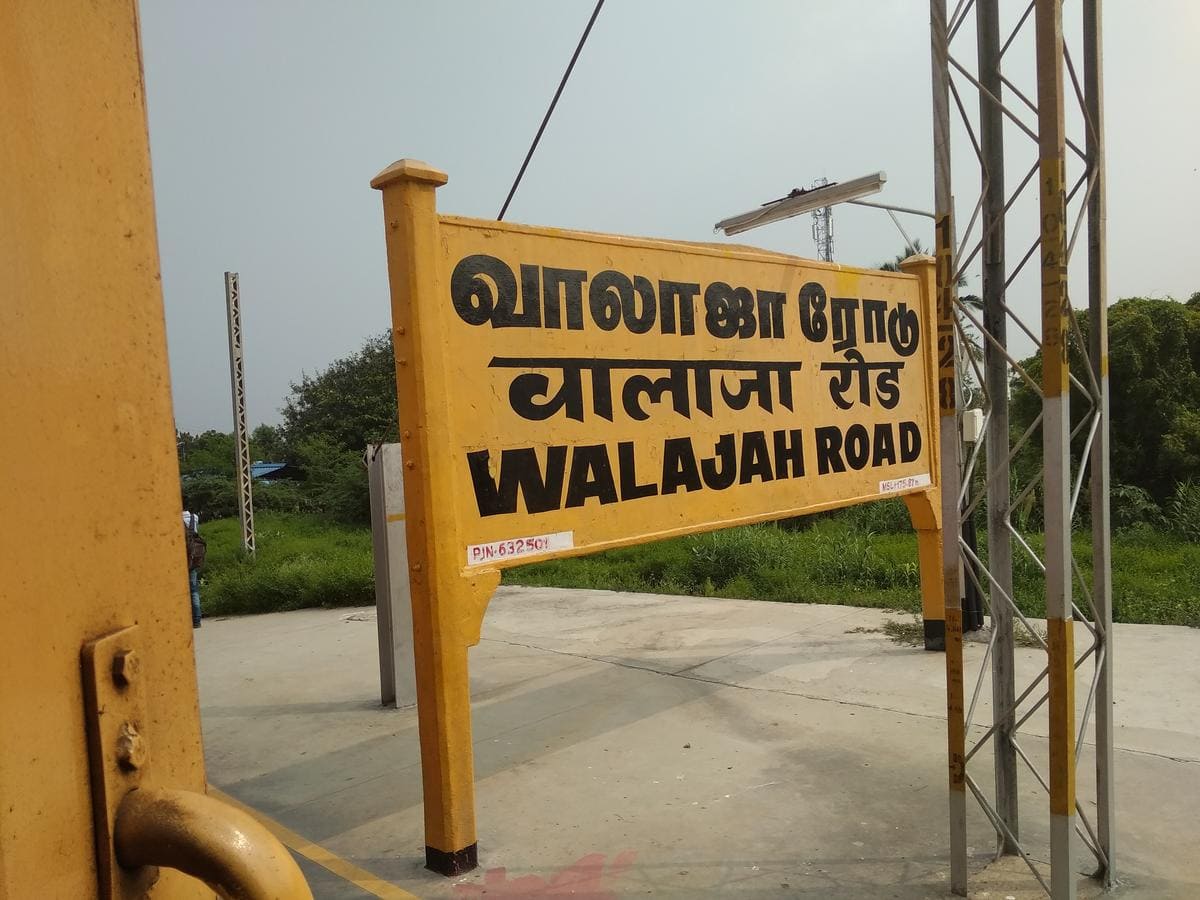
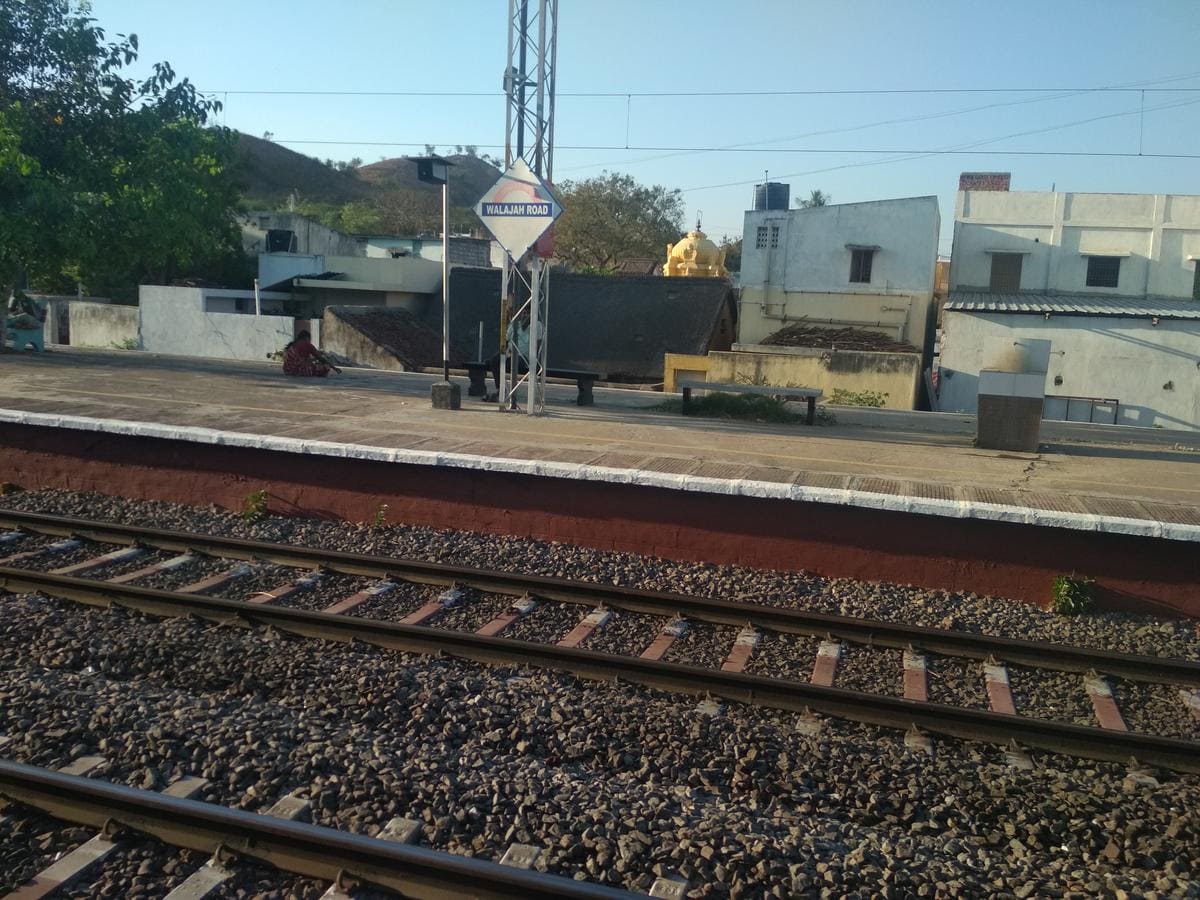
Most people don’t plan a journey to Walajah Road Junction. They just pass through it. And that’s exactly what this station is about.
It’s located near Ammoor in Ranipet district, right on the Chennai to Bengaluru railway line. That route is one of the busiest in South India, so even a small station like this ends up seeing a steady flow of trains every day. Express trains, passenger trains, everything moves through here at its own pace.
The interesting part is its background. This railway line is one of the older ones in the region, so Walajah Road has been around for a long time, quietly doing the same job while everything else kept changing.
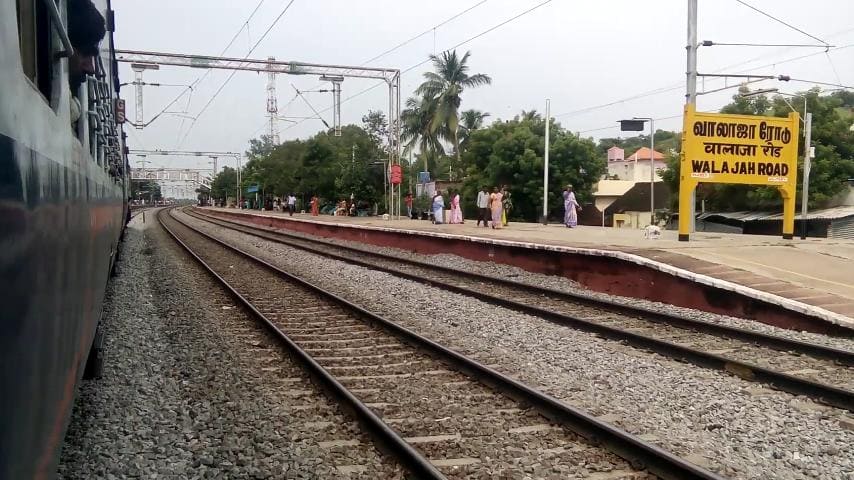
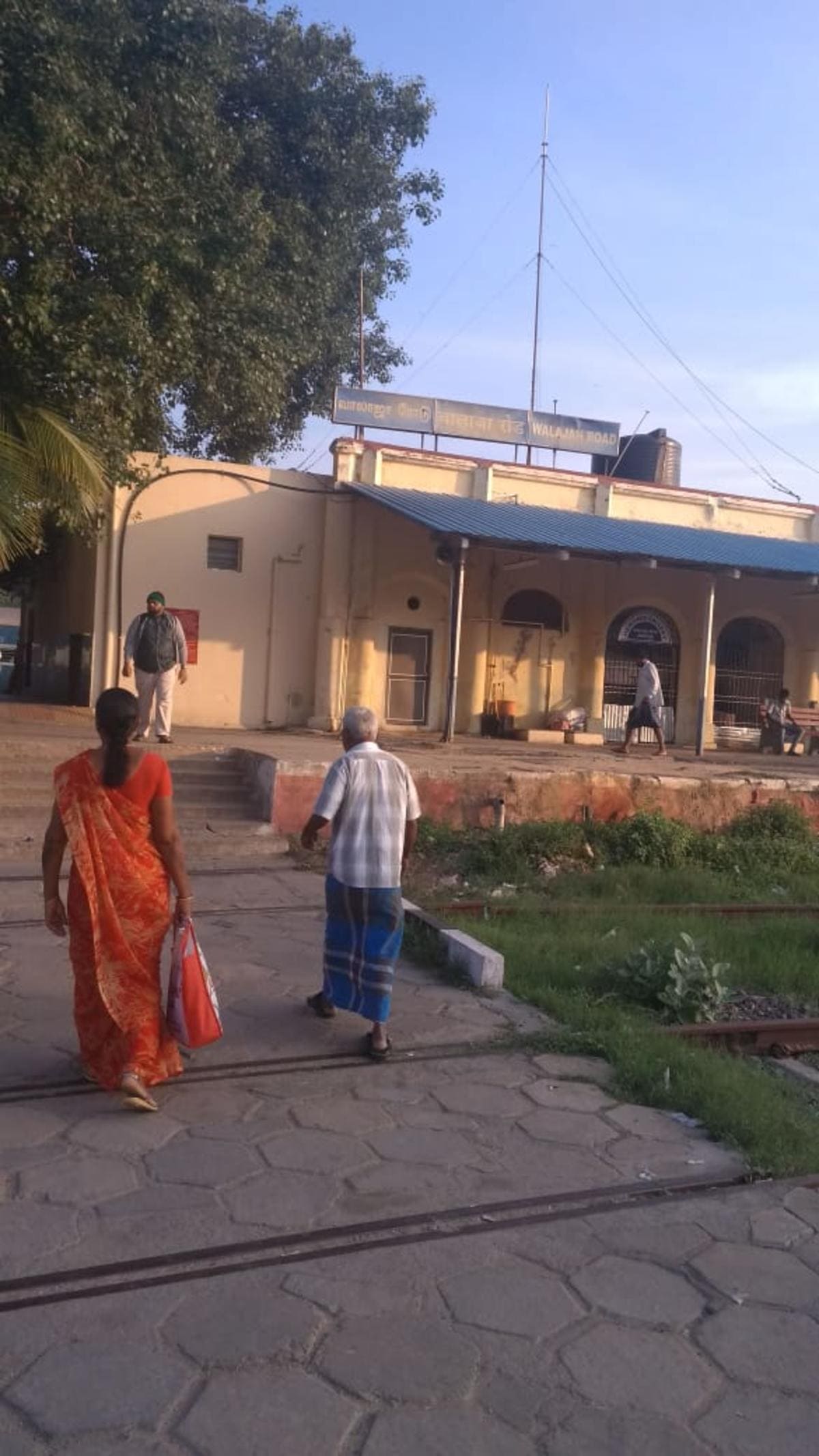
The station itself is simple. A few platforms, basic facilities, no unnecessary rush.
You might not remember the station after your journey, but it definitely played its part in getting you where you needed to go.
Overview of Walajah Road Junction Railway Station
Walajah Road Junction, or simply WJR if you’ve seen it on a ticket, is one of those stations that doesn’t try too hard to stand out. It’s not massive, not crowded, and definitely not the kind of place people take photos of. But it sits quietly on a very important railway line, which makes it more relevant than it first appears.
The station comes under the Chennai division of Southern Railway and mainly serves the areas around Walajah and Ammoor in Ranipet district. For locals, this is the station they depend on. For everyone else, it’s usually just a brief stop or a passing name on the route.
Strategic Location and Rail Network Connectivity
If you look at a railway map, Walajah Road Junction is placed right between Arakkonam and Katpadi. That’s actually a big deal, because both of those are major junctions. Being in between means this station is part of one of the busiest rail corridors in Tamil Nadu.
This is the same line that connects Chennai with Bengaluru, and also carries trains heading towards Coimbatore and further down south. So even if a train doesn’t stop here, it almost certainly passes through.
That’s the thing about this station. It’s always in the middle of movement, even if it doesn’t look busy all the time.
Historical Background and Early Railway Significance
Long before modern stations and high-speed upgrades, this route was already in use. The railway line connecting Chennai to Walajah Road was opened in the 19th century by the Madras Railway Company, making it one of the earlier rail links in South India.
At one point, Walajah Road was actually an important end point before the network expanded further inland. Over time, bigger stations developed and routes extended, but this station stayed right where it was, continuing to serve the same line.
So when a train passes through today, it’s running on a track that has been active for generations. Not many stations can casually claim that kind of continuity.
Passenger Amenities and On-Station Facilities
The layout here is simple, and honestly, that’s a relief.
Walajah Road Junction has three platforms, connected by a foot overbridge. The tracks are broad gauge and fully electrified, which is standard for this route now. There are multiple lines running through the station, allowing trains to pass, cross, or wait when needed.
You won’t find long, confusing platform numbers or endless walking like in big city stations. Here, everything is within reach. You get down, you look around once, and you already know where to go.
• Chennai – Bengaluru Express
• Katpadi – Chennai MEMU
• Vellore – Arakkonam Passenger
Operational Role and Station Classification
This isn’t a station that tries to impress with fancy features. What it offers is basic, but it works. Unlike larger hubs such as Guntur Junction Railway Station, which handle heavier passenger traffic and offer more facilities, Walajah Road Junction keeps things simple and functional.
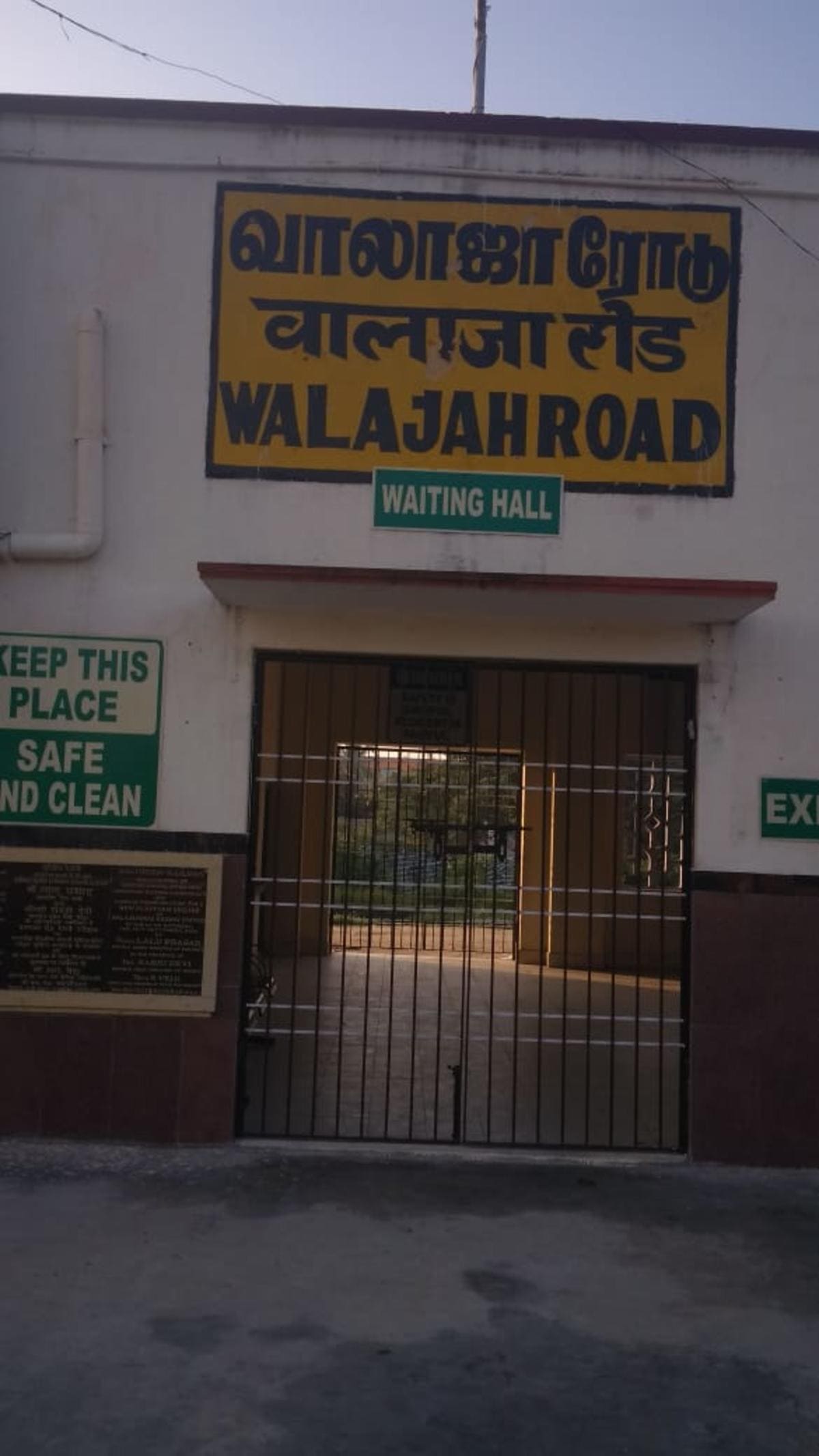
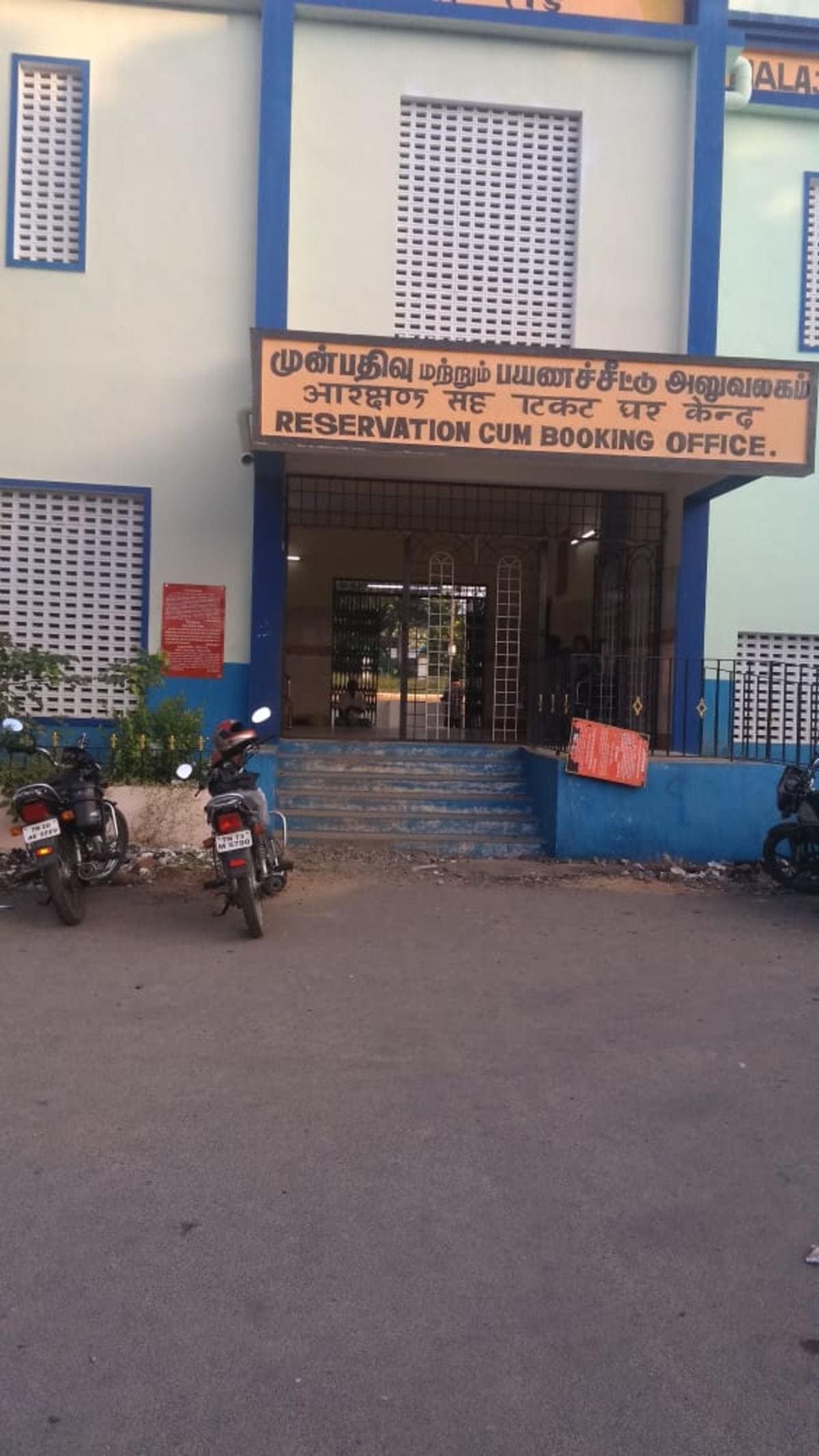
There are ticket counters, seating areas, drinking water, and shelters on the platforms. Enough to make waiting manageable, especially during the hotter parts of the day. Cleanliness is generally maintained at a functional level, though it depends on timing and usage.
You won’t find big food courts or premium waiting rooms here, but most people using this station aren’t expecting that anyway. It’s more of a get in, catch your train, and move on kind of place.
Train Movement and Daily Activity
The station sees a steady flow of trains throughout the day. Passenger trains are quite common, especially for people commuting between nearby towns. A few express trains stop here, while many others pass through without halting.
Because it sits between two major junctions, it often works like a balancing point. Trains slow down, adjust timings, or pass each other along this stretch. It may not look busy from the platform, but the tracks are almost always active.
Station Classification and Why It Still Matters
Walajah Road Junction is categorized as an NSG-5 station by Indian Railways. In simple terms, that means it handles moderate passenger traffic and revenue.
But numbers don’t always tell the full story. Its real importance comes from its location on a major trunk route. Stations like this help keep the entire system running smoothly, even if they don’t get much attention.
Less crowded compared to major junctions
Easy platform access and simple layout
Good for short-distance and daily travel
Located on a major Chennai–Bengaluru route
Limited express train halts
Basic facilities only, no premium amenities
Fewer long-distance boarding options
Nearby major stations offer better connectivity
Getting Around the Station
One thing you’ll notice immediately is how easy it is to move around. There’s no rush of crowds pushing you from all sides, no confusing entry and exit points.
You walk in, check your platform, and you’re pretty much set. For regular passengers, this simplicity makes a big difference. It saves time and avoids the usual stress that comes with bigger stations.
Final Perspective on Walajah Road Junction
There are no major transformation plans publicly highlighted for this station, but that doesn’t mean nothing is happening.
Indian Railways has already electrified this route and continues to improve track capacity and signaling systems. Any future changes here will likely focus on small upgrades that make travel a bit more comfortable and operations a bit smoother.
Nothing dramatic, just steady improvement over time.
1 thought on “Walajah Road Junction Railway Station (WJR) – Trains, Timings & Station Details”