

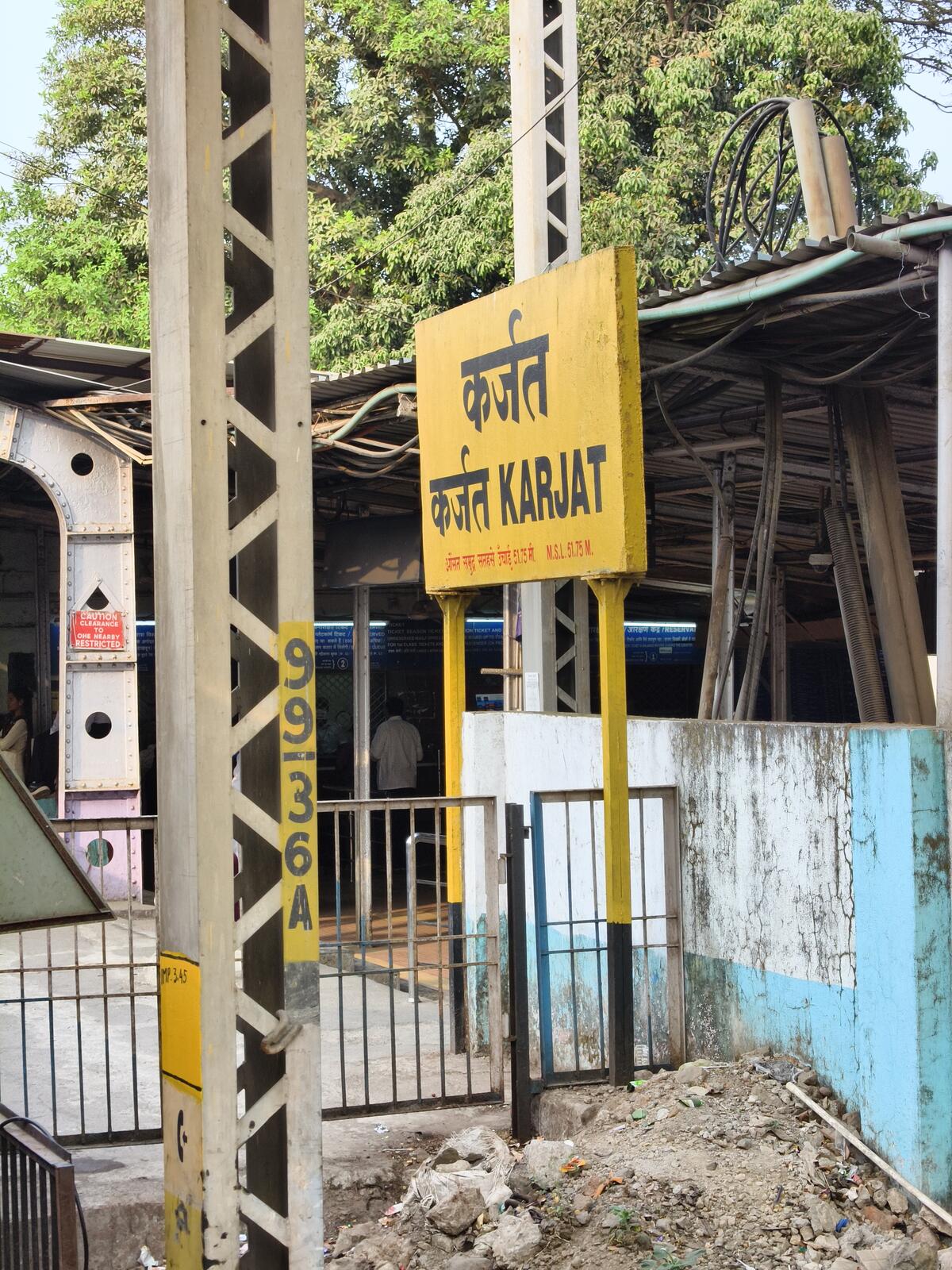
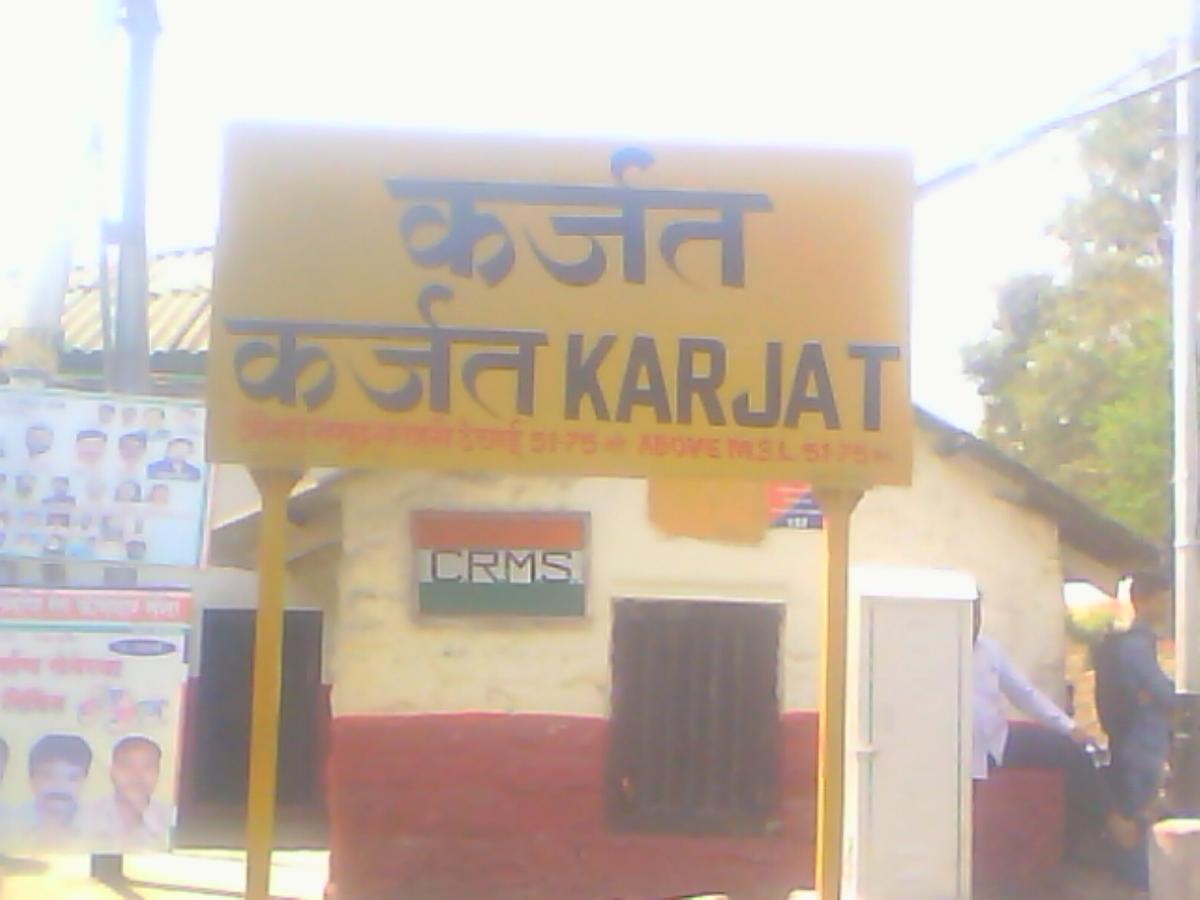
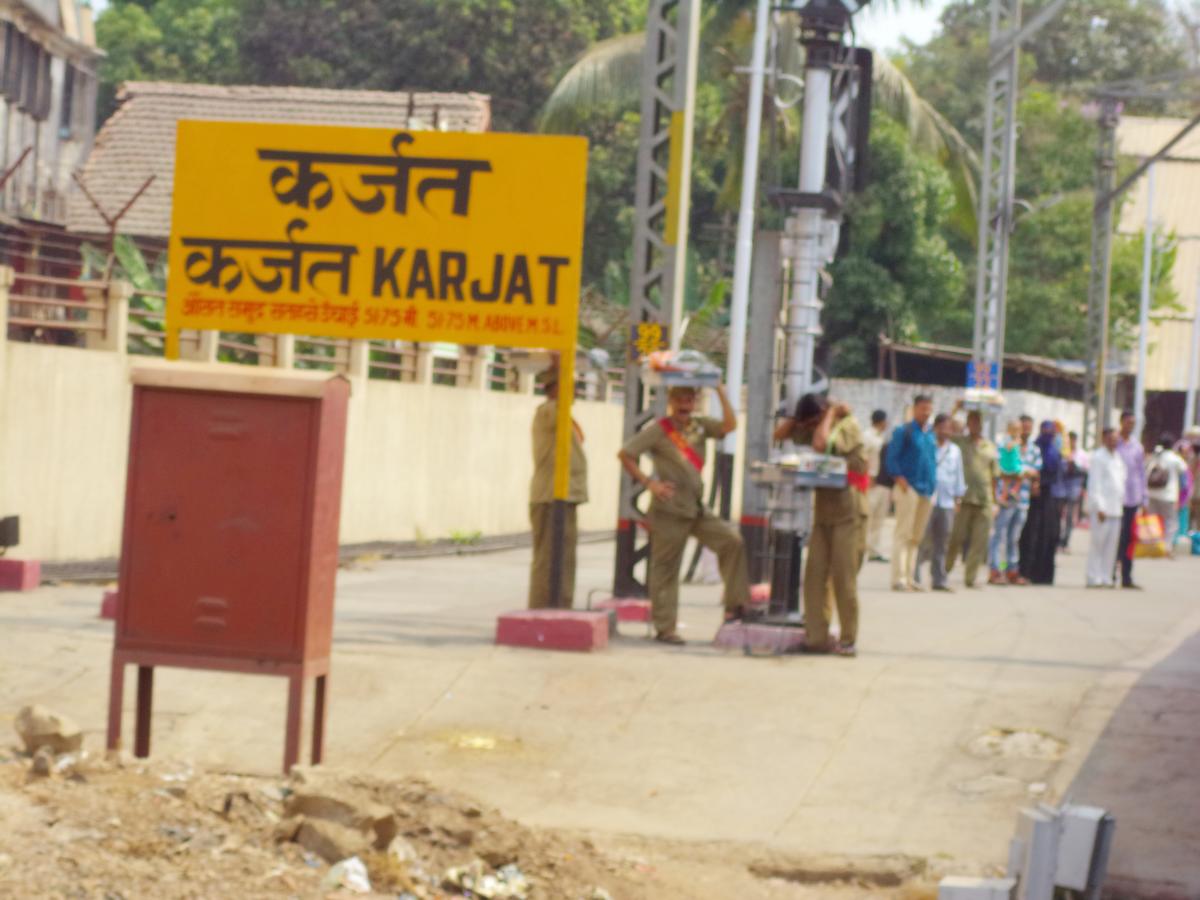
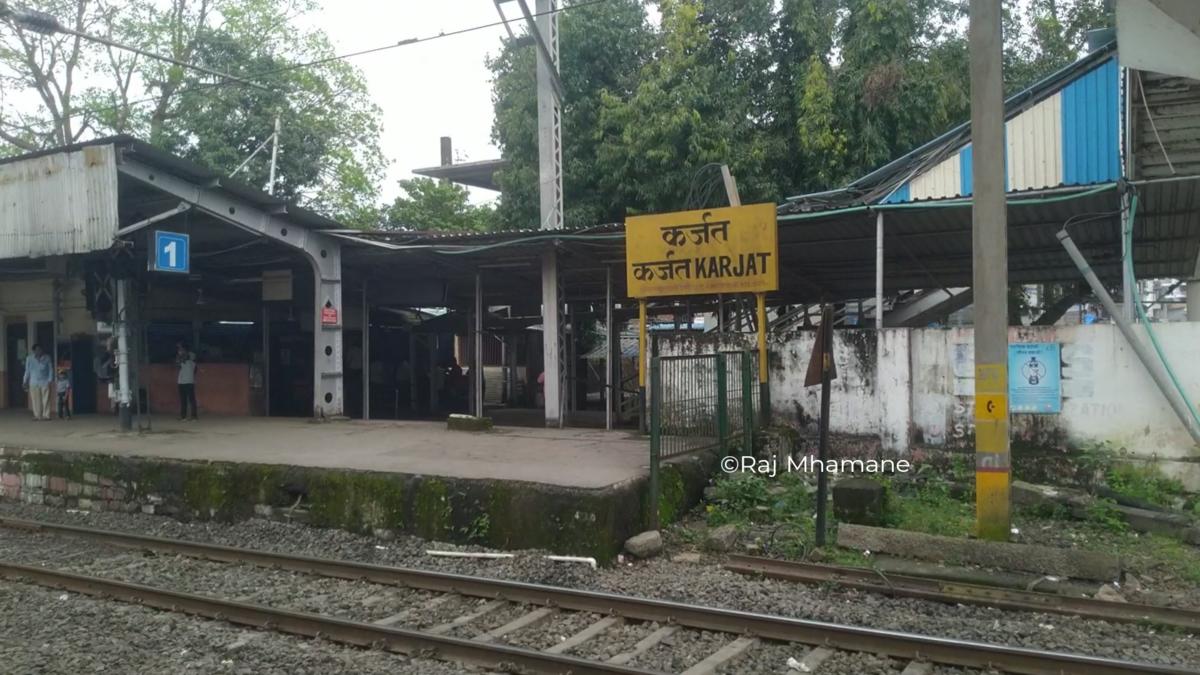
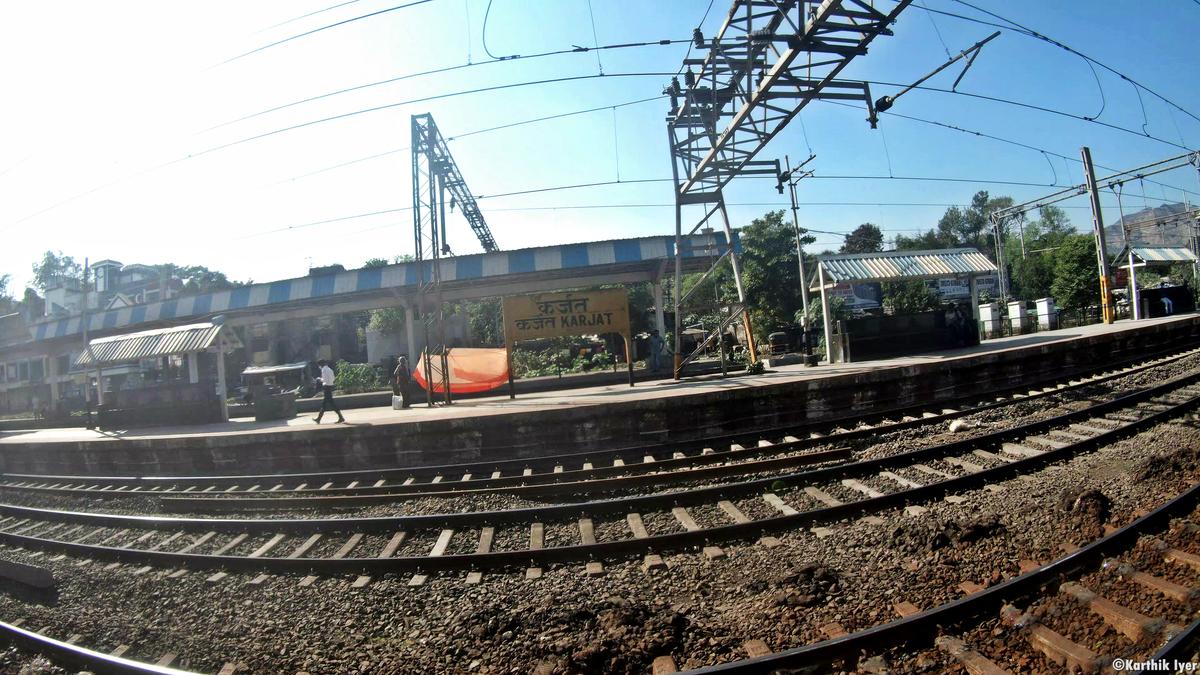
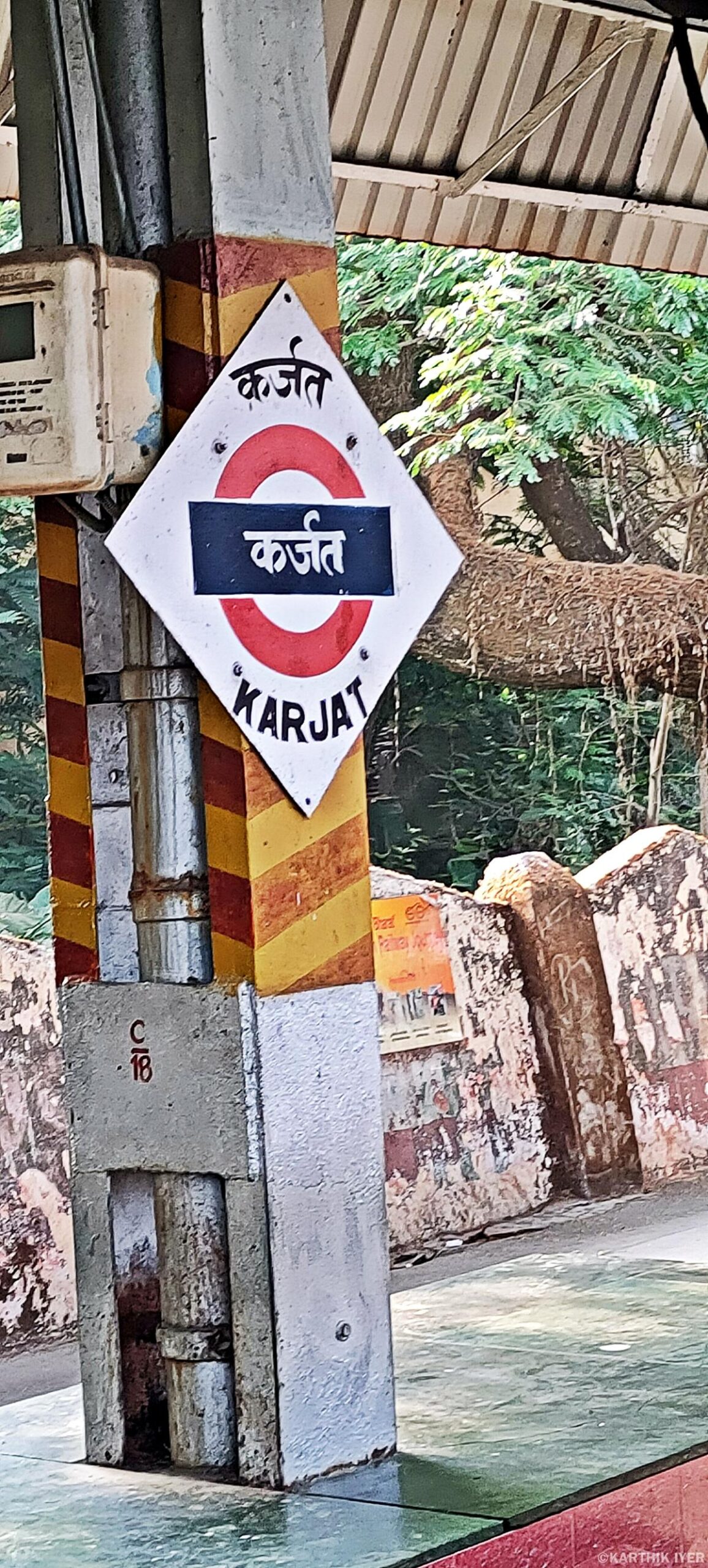
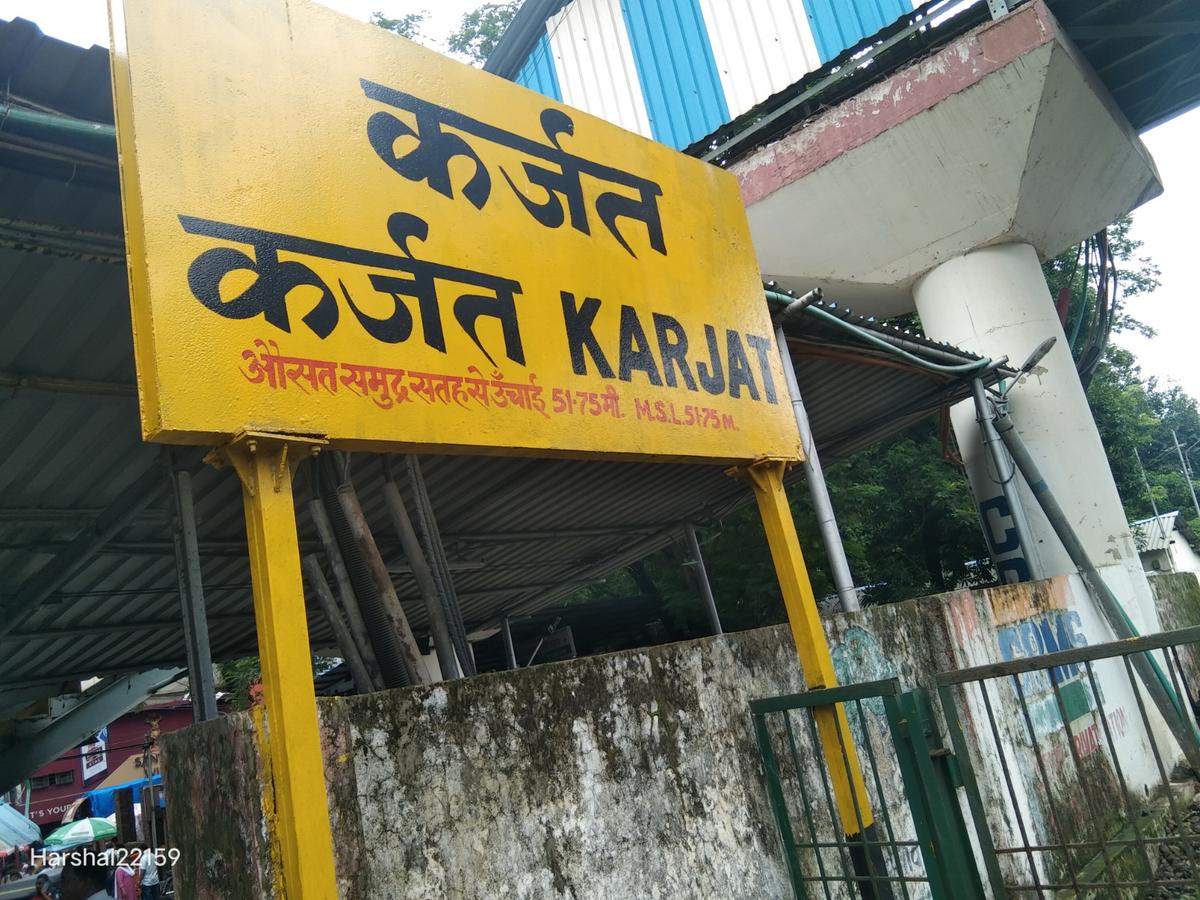
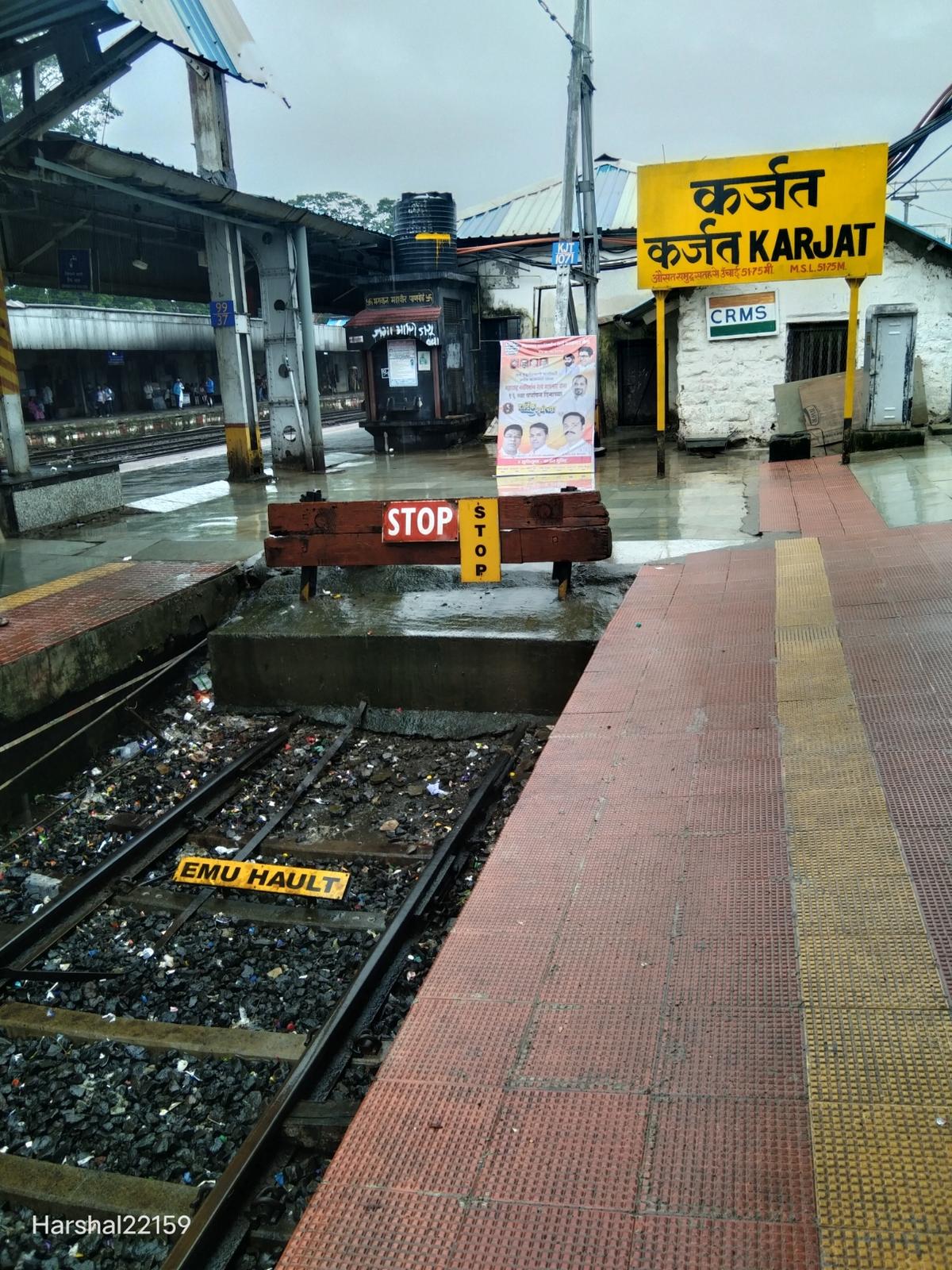
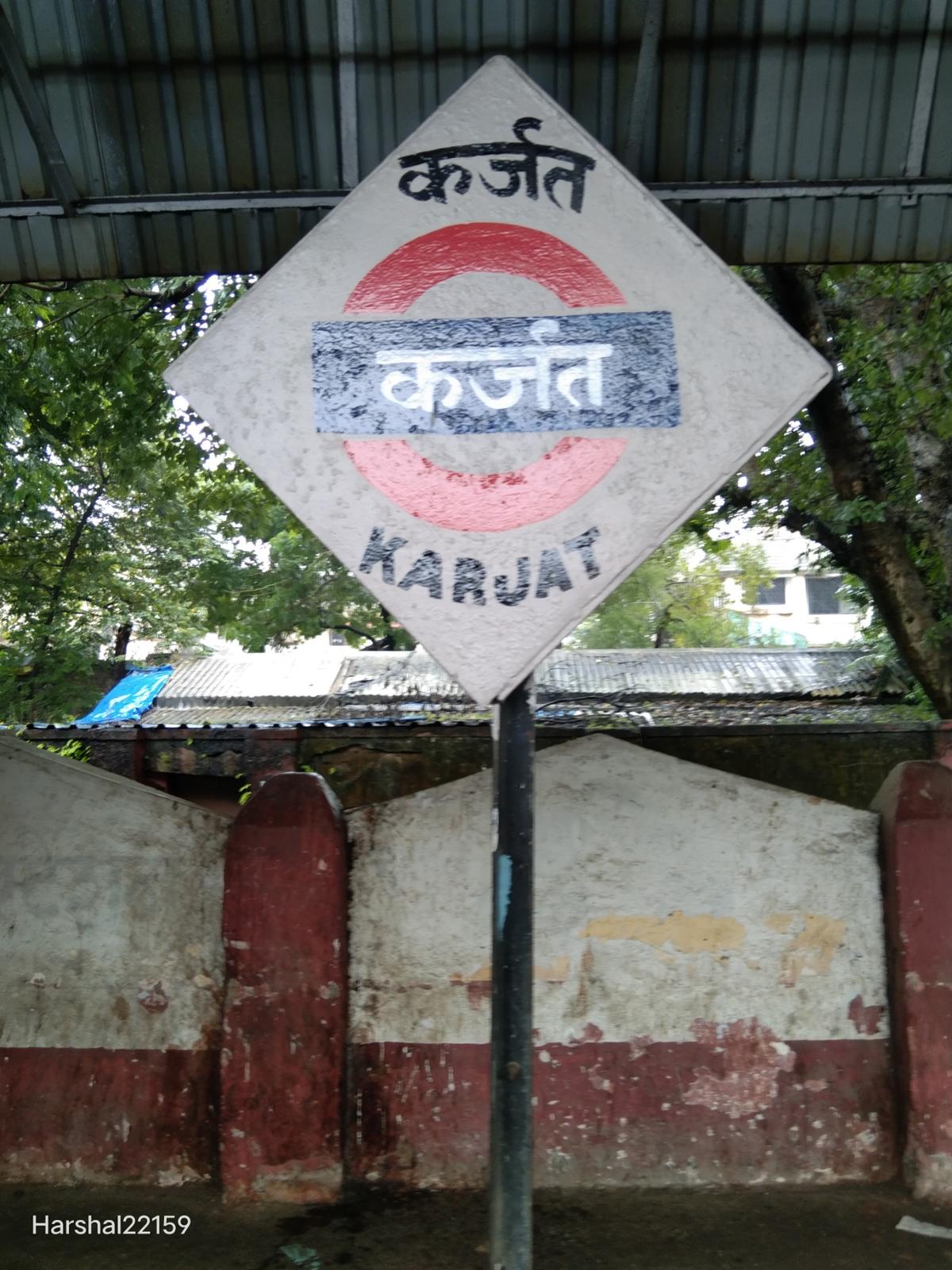
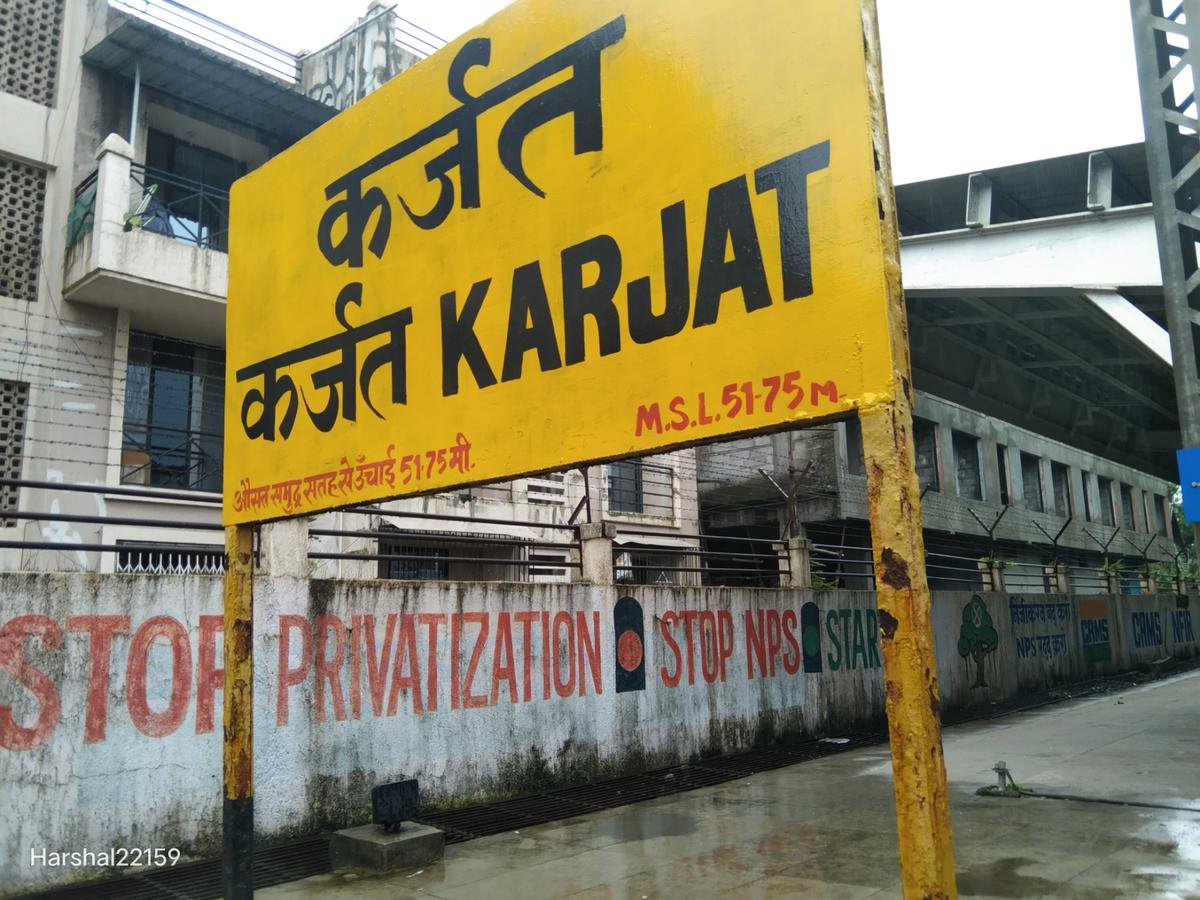
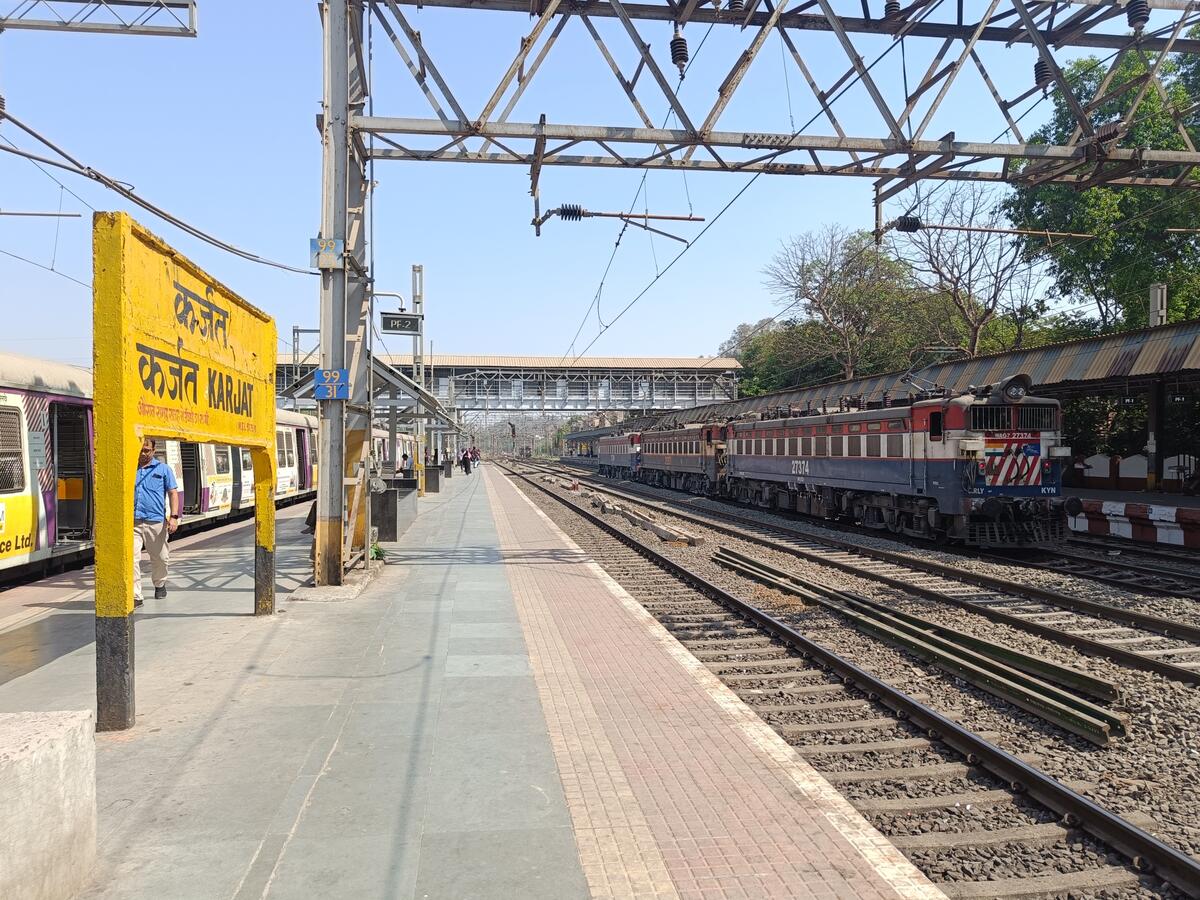
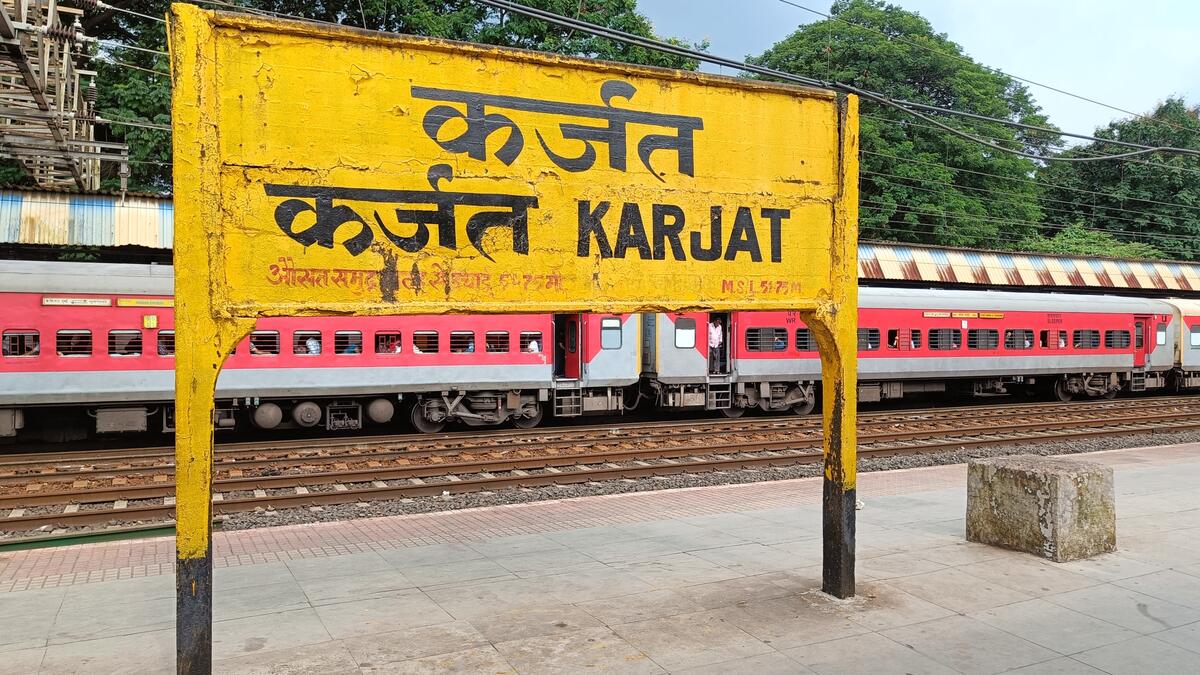
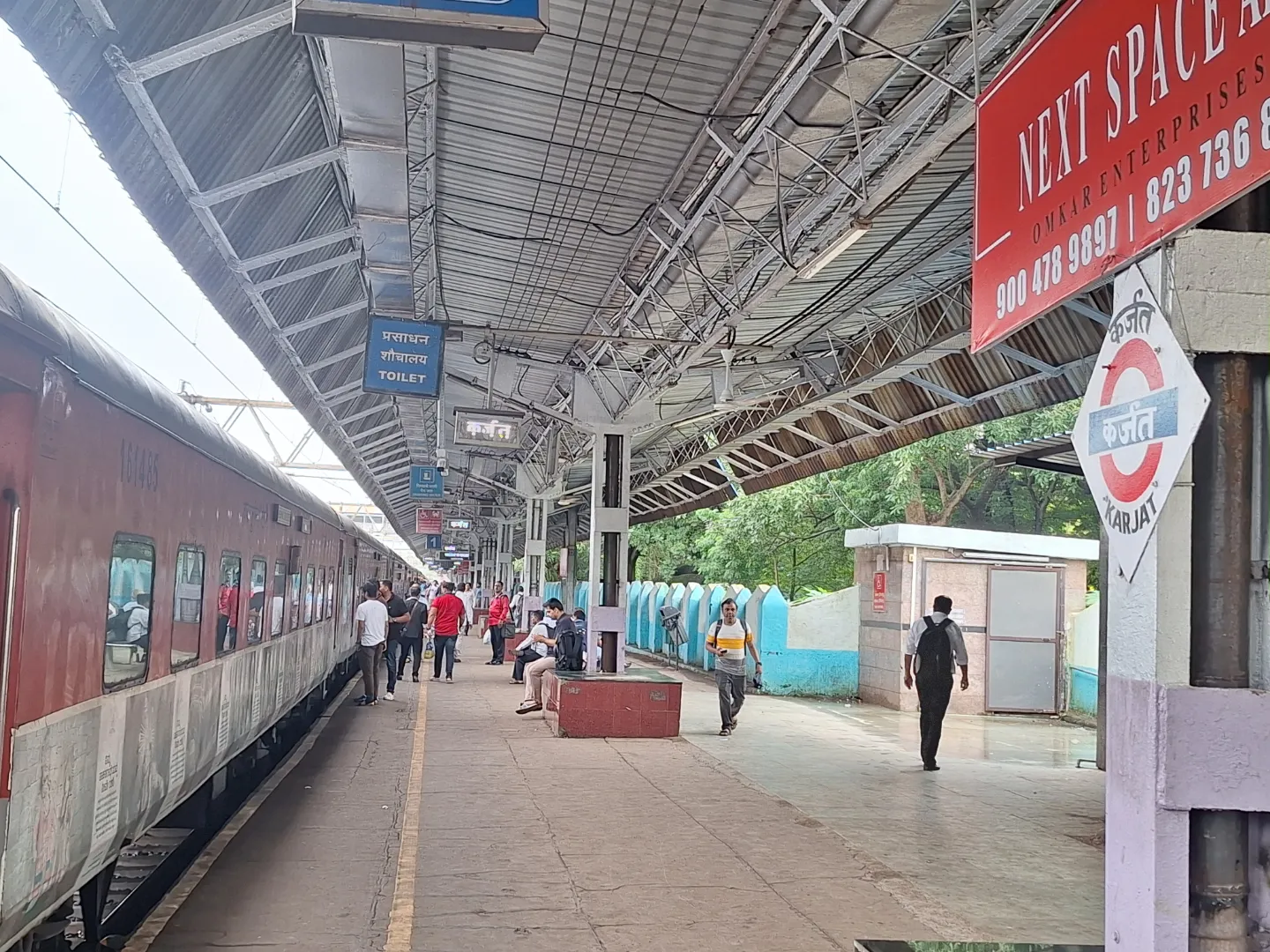
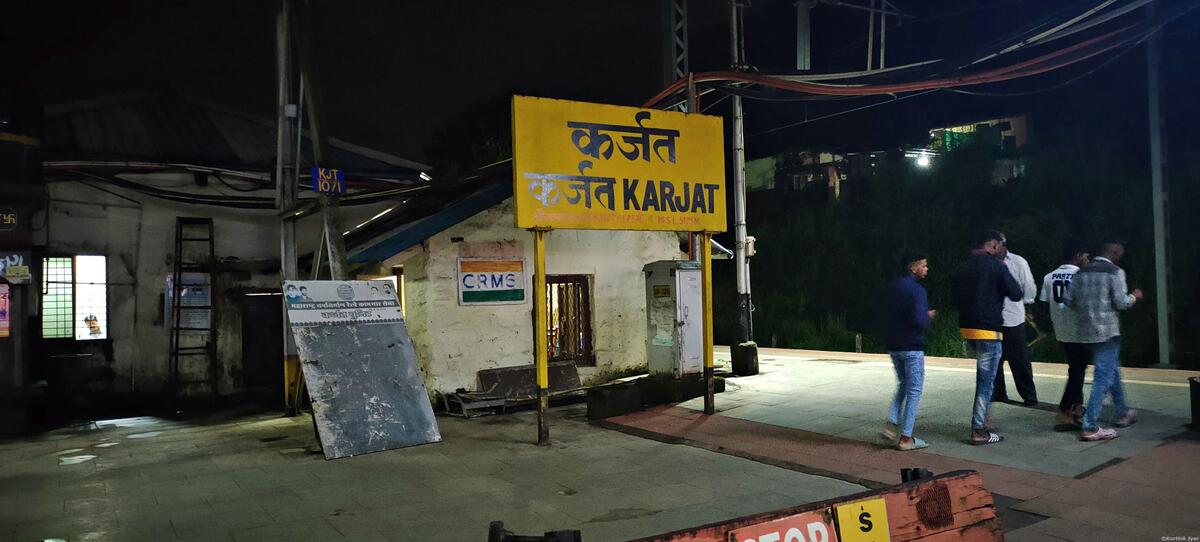
Karjat Railway Station is one of those places that quietly does a lot more than it looks. Located in Maharashtra’s Raigad district, about 60 km from Mumbai on the Central Railway line, it works as both a suburban terminal and an important stop for long-distance trains heading towards Pune and beyond. Many Mumbai local trains start or end here, which makes it a daily touchpoint for thousands of commuters. But the real twist is its role in railway operations.
Trains heading into the steep Bhor Ghat section often get extra banker locomotives attached at Karjat to help them climb safely. So while passengers grab tea or vada pav, behind the scenes the railway is preparing for one of the toughest stretches in the region. It is this mix of routine travel and quiet technical importance that makes Karjat more interesting than it first appears.
About Karjat Railway Station
Karjat Railway Station holds strategic importance due to its position on the Central Railway network.
At first glance, it feels like a calm suburban station where local trains come and go. But stay a little longer and you start noticing something different. There is a steady mix of people here. Office commuters rushing for Mumbai locals, travelers waiting for long-distance trains, and weekend trekkers who look a bit too excited for early mornings.
What makes Karjat interesting is that it serves all of them without feeling chaotic. It is not oversized, not overly crowded all the time, and yet it handles a surprising amount of movement every single day.
Location and Railway Connectivity
Karjat’s importance mostly comes from where it is placed.
It sits on the Central Railway line between Mumbai and Pune, roughly about 60 kilometers from Mumbai and close to 100 kilometers from Pune. This is right before trains enter the Western Ghats section, which is where things get a bit serious for trains.
Because of this location, Karjat naturally becomes a meeting point of different kinds of journeys, much like how stations such as Walajah Road Junction serve as key connectors in their regions. Mumbai local trains regularly start and end here, which makes it part of everyday city life. At the same time, many express and passenger trains stop here briefly, connecting it to cities far beyond Maharashtra.
It is one of those stations where short daily trips and long-distance travel overlap without getting in each other’s way.
History and Railway Significance
Karjat did not grow into importance because of development around it. It became important because trains needed it.
When railway lines were built through the Western Ghats, engineers had to deal with steep gradients, especially in the Bhor Ghat section towards Lonavala. Trains cannot just climb those slopes easily, especially heavy ones.
So Karjat became the point where trains prepare for that climb.
Even today, this role continues. Extra locomotives, known as banker engines, are attached to trains here to help push them uphill. It is a small detail most passengers never notice, but it is one of the reasons trains can safely cross this section.
While passengers sip tea on the platform, the railway is quietly getting ready for one of the toughest stretches on the route.
Station Layout and Platform Experience
Karjat is not the kind of station where you feel lost.
It has four platforms, and the layout is simple enough that even a first-time visitor can figure things out without asking five different people. Foot overbridges connect the platforms, and movement is generally smooth.
During peak hours, especially when multiple local trains arrive, it does get busy. But it rarely feels overwhelming. The station manages its crowd in a way that feels natural rather than forced.
You will also notice that things are not rushed here. Trains come, people move, and everything settles back quickly.
Facilities and What to Expect
Karjat focuses on getting the basics right.
You will find ticket counters, waiting areas, drinking water points, and small food stalls. It is not a station with premium lounges or fancy setups, but it is comfortable enough for most journeys.
And then there is the food.
If you have ever waited at an Indian railway station, you already know this part matters. A hot cup of tea and a vada pav somehow feel more satisfying when your train is due in five minutes. Karjat does not disappoint on that front.
Passenger Movement and Daily Life
The rhythm of Karjat changes throughout the day.
Mornings and evenings are dominated by commuters heading to and from Mumbai. It feels quick, purposeful, and a little rushed. Then weekends bring a different crowd altogether. Trekkers, tourists, and people escaping city life pass through here on their way to nearby hills and forts.
In between all this, long-distance trains arrive, pause briefly, and move on.
And quietly, in the background, locomotives are attached or detached for trains heading towards the ghat section. Most people do not notice it, but it is happening almost like clockwork.
Why Karjat Actually Matters
Karjat may not look like a major junction, but its role is bigger than it appears.
It supports Mumbai’s suburban network, connects long-distance routes, and plays a technical role in train operations before the Western Ghats climb. That combination is not very common.
If Karjat stops functioning smoothly, it does not just affect one route. It impacts movement between Mumbai and Pune in a noticeable way.
Navigation and Ease of Use
One of the best things about Karjat is how easy it is to use.
The signage is clear, the layout makes sense, and you do not have to walk endlessly to find your platform. Even during busier hours, people move without too much confusion.
It is the kind of station where you do not feel stressed about missing your train, which is honestly a big win.
Future Outlook
Karjat is expected to grow, but not in a dramatic or flashy way.
With ongoing improvements in Mumbai’s suburban rail network and broader railway upgrades, the station will likely become more efficient over time. Better frequency, improved facilities, and smoother operations are the kind of changes that fit a station like this.
It will still feel like Karjat, just a slightly better version of it.