

Rajkot – 360360
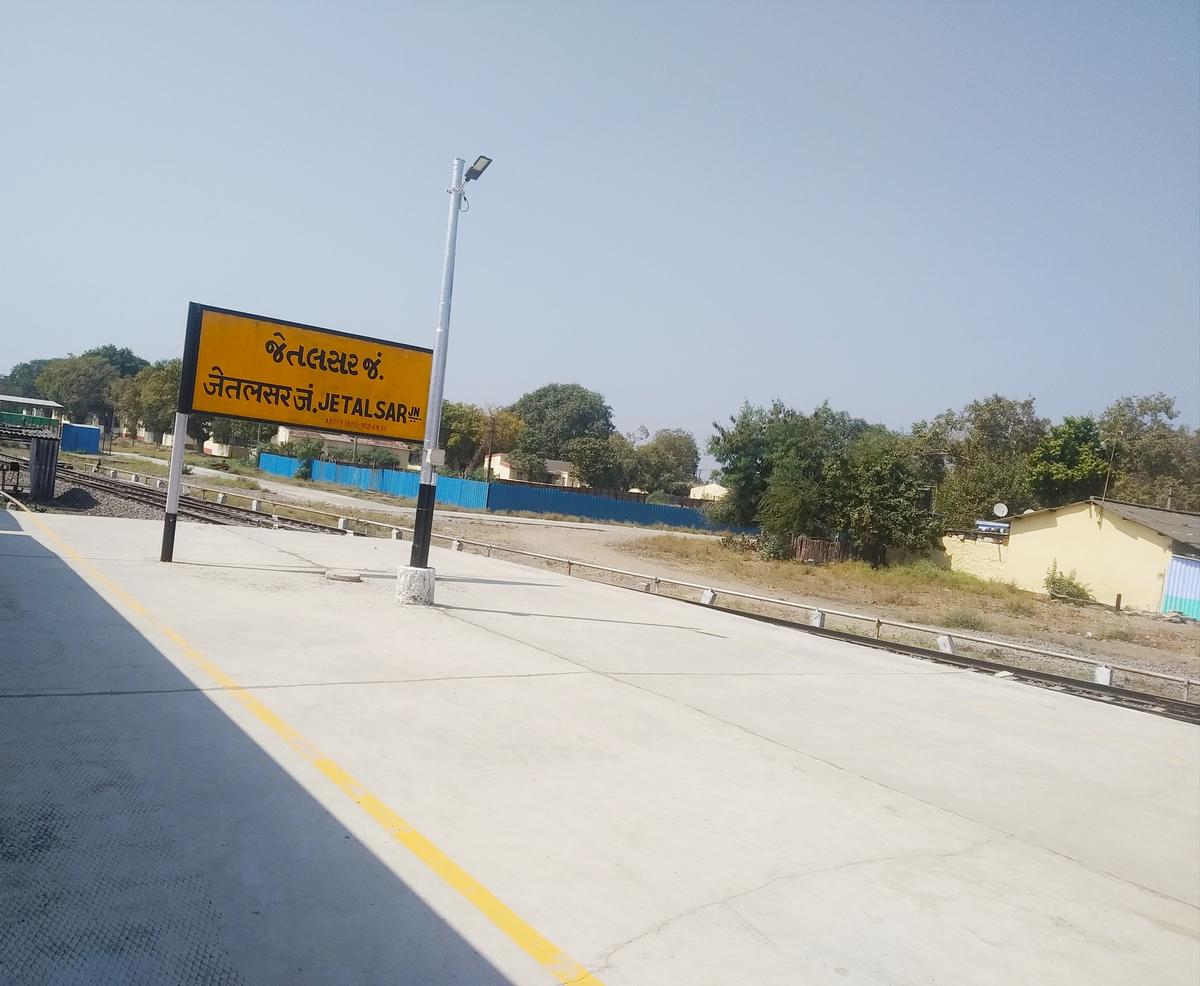
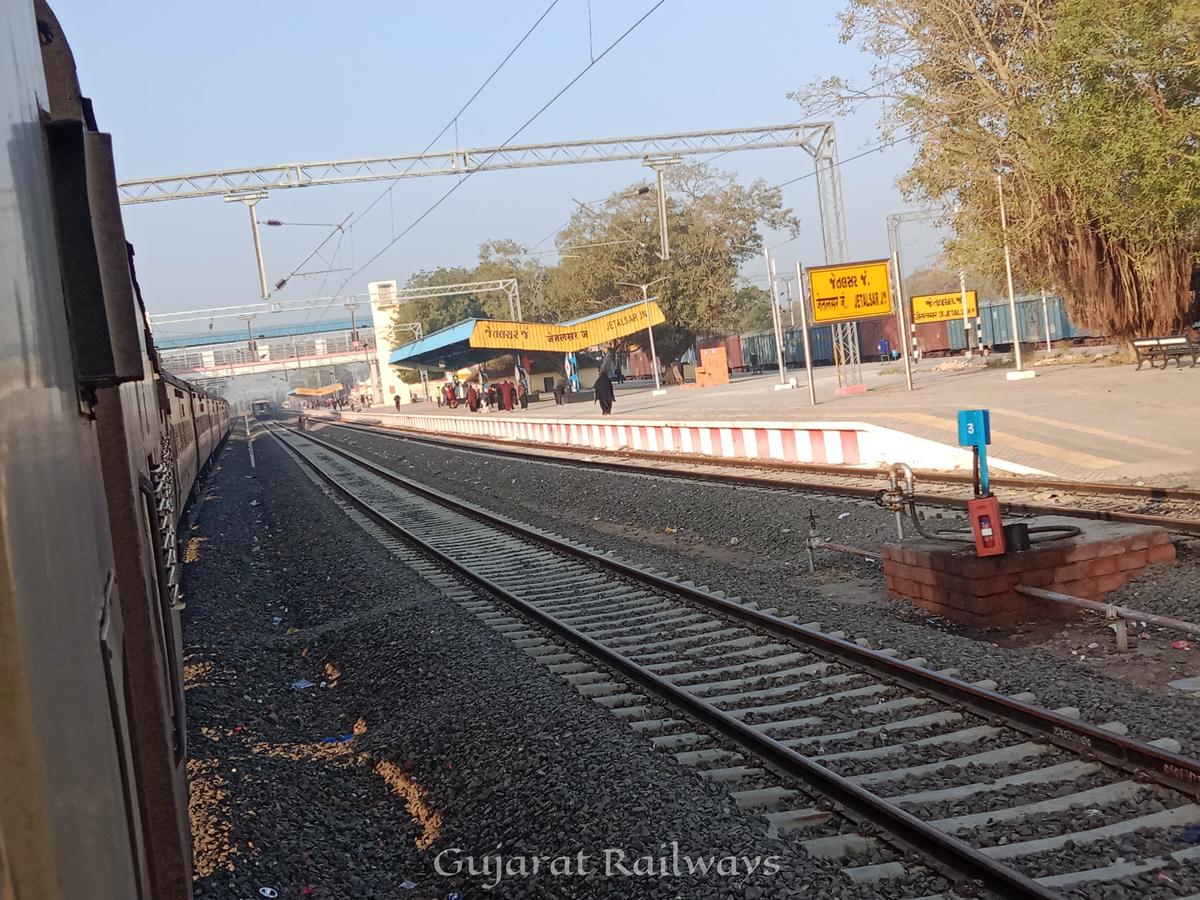
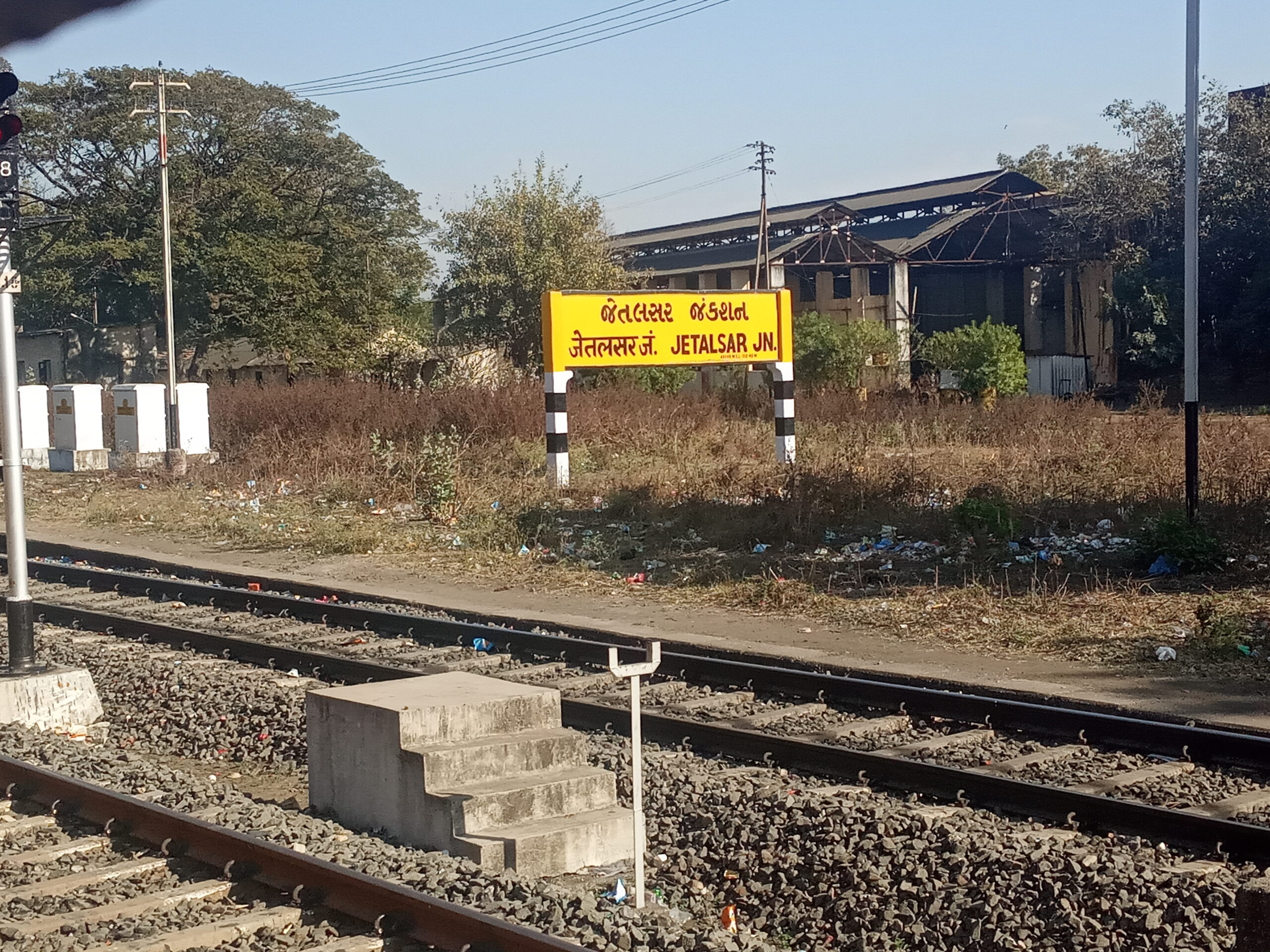
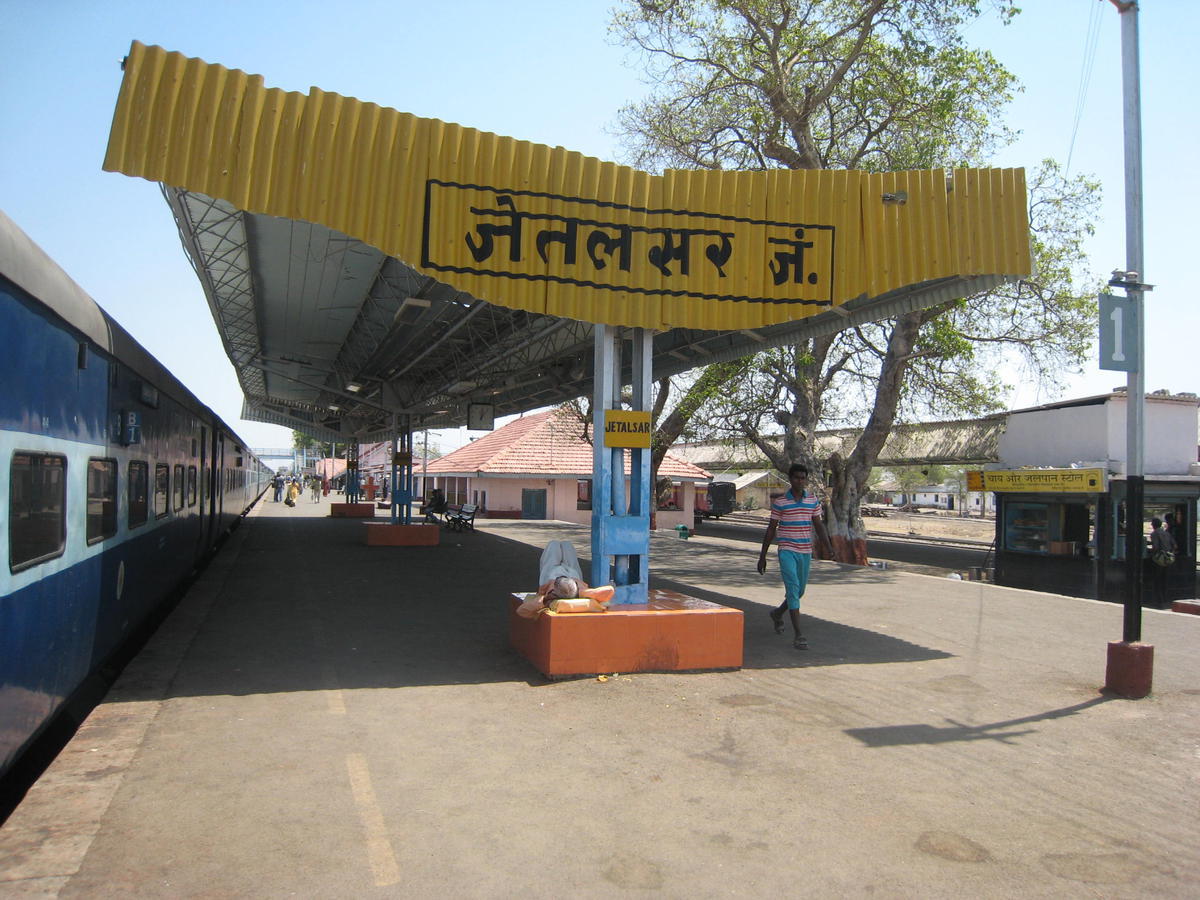
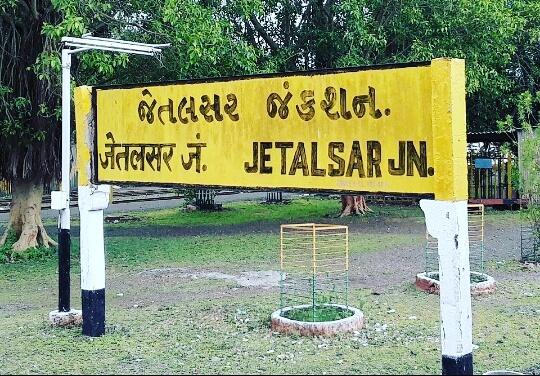
You usually don’t plan your journey around Jetalsar Junction, but there is a good chance your train will pass through it if you are travelling across Saurashtra. The station sits in Gujarat under Western Railway and connects routes toward Rajkot, Junagadh, Veraval, Porbandar, and Dhola. Because of this position, it works as a meeting point where trains continue in different directions, especially those heading toward Somnath and nearby coastal areas.
On the ground, the station feels simple and easy to handle. You are not dealing with long distances between platforms or confusing layouts. Most passengers can figure things out quickly without asking around too much. At the same time, train movement remains steady, with a mix of express and passenger services stopping or passing through during the day.
After a while, you realise why this station matters. It is one of those places where routes come together, split again, and keep the entire region moving without delay.
About Jetalsar Junction Railway Station
Jetalsar Junction Railway Station comes under the Western Railway zone and is managed by the Bhavnagar division. It is not the kind of station that tries to look modern or oversized, but it has a very clear job, and it does that job well.
The reason this station matters is simple. It is a junction in the true sense. Trains don’t just pass through in one direction and disappear. Many of them arrive here and then move toward a completely different route, depending on where they are headed. This is especially common for trains going toward Junagadh, Veraval, or Porbandar, where the line splits after this point.
If you stand on the platform for a while, you can actually notice this pattern. A train comes in, pauses, and then leaves on another line. It may not look dramatic, but this small shift is what keeps multiple routes connected across the region.
For passengers, this usually means the station feels active without being crowded. Trains stop long enough for people to get down, stretch a bit, maybe grab something to eat, and then continue their journey. It is less about staying here and more about smoothly moving through it.
Location and Railway Connectivity
Jetalsar Junction is located in Gujarat’s Rajkot district, right in the middle of the Saurashtra region. And honestly, that location is the whole story behind its importance. It sits at a point where railway lines don’t just continue, they split and spread out in different directions.
From here, trains move toward Rajkot on one side, while another line goes down toward Junagadh and further to Veraval near the Somnath coast. There is also a route that heads toward Porbandar, and another that connects toward Dhola and the Bhavnagar side. Because all these directions meet at one place, Jetalsar naturally becomes a point where routes are decided.
If you look at how trains run in this region, you will notice a pattern. Many services heading toward coastal destinations pass through this station, not because it is big, but because it is perfectly placed. Instead of sending all traffic through one major city, the network spreads out from here, which keeps movement smoother for both trains and passengers.
Historical Background and Growth
Jetalsar Junction did not suddenly become important overnight. Its role goes back to the time when railways were still expanding across the Saurashtra region in the late 19th and early 20th centuries. Back then, different princely states in this part of Gujarat were building their own railway lines to connect towns, ports, and trade routes.
As these separate lines started linking up, certain locations naturally turned into meeting points, and Jetalsar was one of them. It sat in just the right place between inland routes and lines heading toward the coast, especially toward Veraval and Porbandar. Because of that, it slowly grew into a junction where trains could be routed in different directions without adding extra distance.
What is interesting is that its role has stayed almost the same over time. While many stations expanded into large commercial hubs, Jetalsar continued doing what it was originally meant to do, support movement across the region. It may not have grown in size dramatically, but its importance has remained steady because the routes around it still depend on that same connection point.
Station Layout and Platform Details
The first thing you notice at Jetalsar Junction is how easy it is to understand. You don’t need a few minutes to “figure out” the station. One look around and you already have a fair idea of where things are.
The station has multiple platforms, but they are not spread out in a confusing way. Everything feels close enough to manage without rushing or second-guessing yourself. You are not climbing endless stairs or walking long distances just to reach the right spot.
What really matters here is how the tracks are arranged. Since this is a junction, trains don’t always continue straight. Some of them arrive and then move onto a different line depending on their route. The track layout is designed to handle this smoothly, so trains can switch directions without causing delays or chaos on the platforms.
From a passenger’s point of view, this makes a big difference. Even when trains are coming and going, the station doesn’t feel messy or overwhelming. It just works in a way that feels natural once you a
Passenger Facilities and Amenities
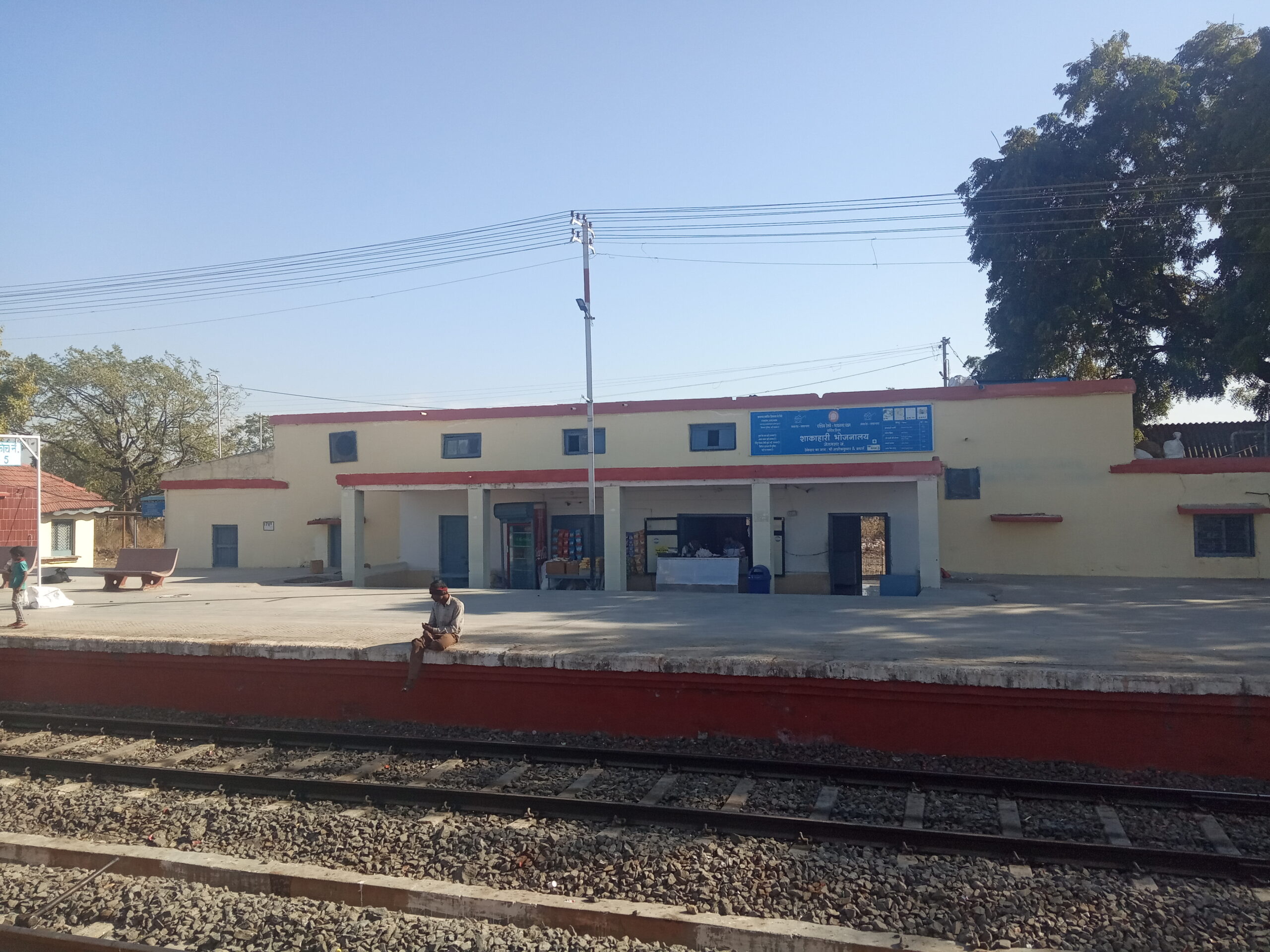
Jetalsar Junction keeps things simple when it comes to facilities. You get what you actually need while waiting for a train, nothing flashy, nothing overdone. There are ticket counters for bookings and basic inquiries, waiting areas where you can sit for a while, and drinking water available on the platforms. It is the kind of setup that works without trying too hard.
What stands out a bit more is the food scene on the platform. During longer halts, passengers often step down not just to stretch, but to grab something quick to eat. Local vendors sell snacks like bhajiya and samosa, and over time, this has become part of the station’s everyday rhythm. If your train stops for a few minutes, you will usually see people walking straight toward these stalls without even thinking twice.
It is not a place filled with options, but it covers the basics well, and sometimes that is exactly what makes the wait easier.
Train Operations and Passenger Traffic
Jetalsar Junction does not feel rushed, but it stays active throughout the day. Trains keep coming and going at regular intervals, so the station rarely feels empty. At the same time, it never reaches the kind of crowd you see at major city junctions, which makes the experience a bit more relaxed for passengers.
The station handles a mix of services. Long-distance express and superfast trains pass through on their way to bigger cities, while passenger trains connect smaller towns across the region. Because of its junction role, some trains pause here briefly before continuing in a different direction, especially those moving toward coastal routes.
You will come across well-known trains like the Somnath Superfast Express, Ahmedabad–Somnath Intercity Express, Rajkot–Veraval Express, Somnath–Jabalpur Express, and the Kavi Guru Express. Their stops may be short, but they keep the station in constant use. Over time, this steady movement becomes the station’s normal rhythm, not too fast, not too slow, just consistent enough to keep everything connected.
Station Classification and Importance
Jetalsar Junction is officially classified as a junction station, which simply means more than one railway line meets here. But in practical terms, it does a lot more than that. It helps decide how trains move across this part of Gujarat.
Unlike big city stations that are known for crowds and long waiting times, Jetalsar works more behind the scenes. Its main role is to keep trains moving in the right direction. A train can arrive from one side and leave toward another without creating confusion or delay, and that is where the station quietly proves its value.
You might not notice it as a passenger, especially if your halt is short. But this is the kind of place that keeps routes organised. It spreads train traffic across different lines, connects local services with long-distance ones, and prevents unnecessary pressure on larger junctions nearby. In many ways, it plays a similar supporting role to stations like Mayiladuthurai Junction, where smooth connections matter more than size or crowd.
It may not look busy in the usual sense, but without stations like this, the network would not run as smoothly as it does.
Navigation and Passenger Movement
Getting around Jetalsar Junction is fairly straightforward, and that is something you notice almost immediately after entering. The platforms are arranged in a way that feels natural, so you are not stopping every few steps to check signs or ask for directions.
You also do not have to deal with long walks or multiple levels just to reach your train. Everything is close enough that even if your platform changes, it does not turn into a stressful situation. The signage is simple, but it does the job, and most passengers manage without much effort.
Even when a train arrives and there is some movement on the platforms, things stay under control. The station does not get overcrowded, so you can move at your own pace instead of being pushed along by a crowd. It is one of those places where navigation feels easy without you having to think about it too much.
Future Scope and Development
Jetalsar Junction is not the kind of station where you hear about massive redevelopment plans or big commercial upgrades. And honestly, it does not really need that kind of change. Its role in the railway network is already clear, and it continues to do that job without major disruption.
What usually happens instead is gradual improvement. Platforms get better maintenance over time, basic facilities are upgraded when needed, and small changes are made to keep things running smoothly. These updates may not be very noticeable at once, but regular passengers can see the difference over time.
The focus here is not on turning the station into a large, busy hub filled with shops or modern structures. It is more about keeping the existing system efficient and reliable. As long as trains continue to move smoothly through this junction and passengers can manage their journey without difficulty, the station is doing exactly what it is meant to do.