

Near Station Road, Jharsuguda
District Jharsuguda – 768201
Connects Sambalpur, Rourkela & Bilaspur routes
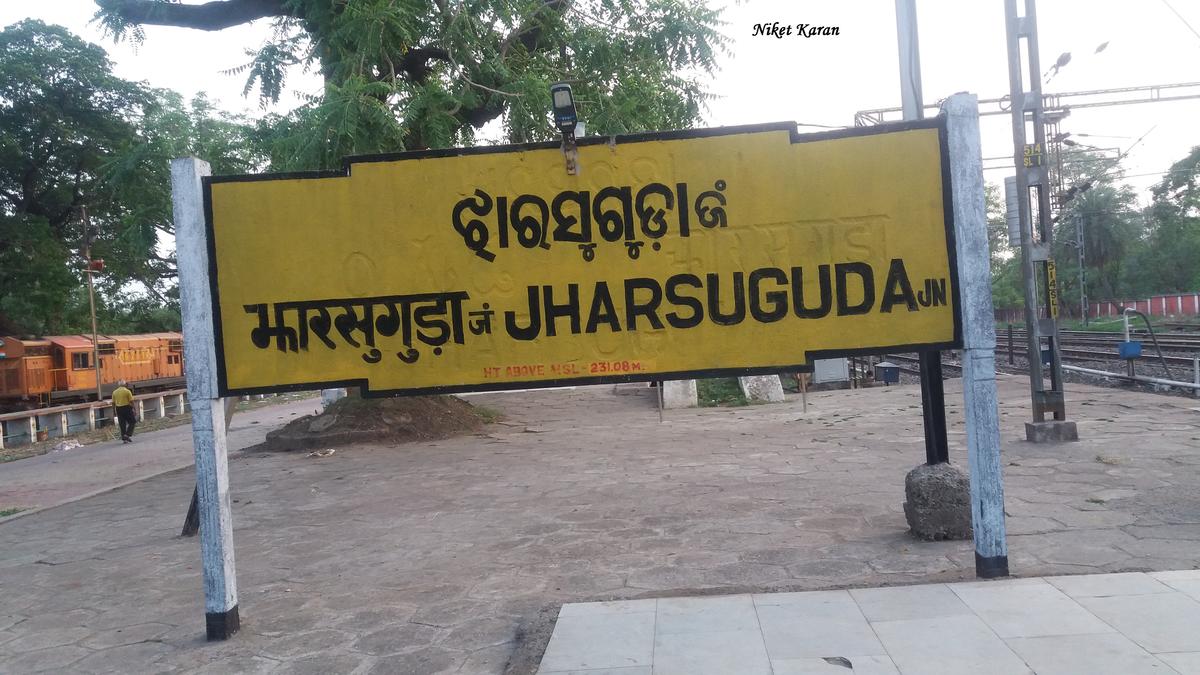
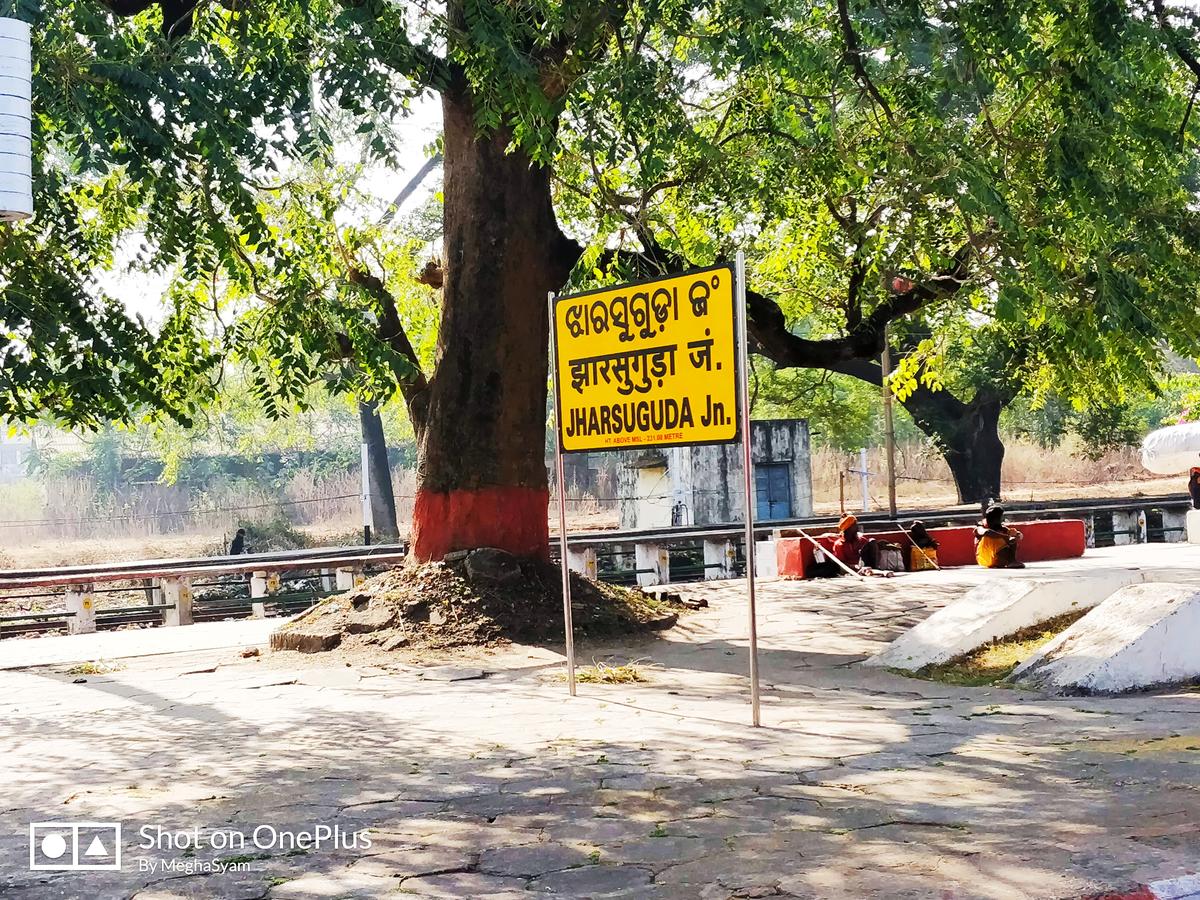
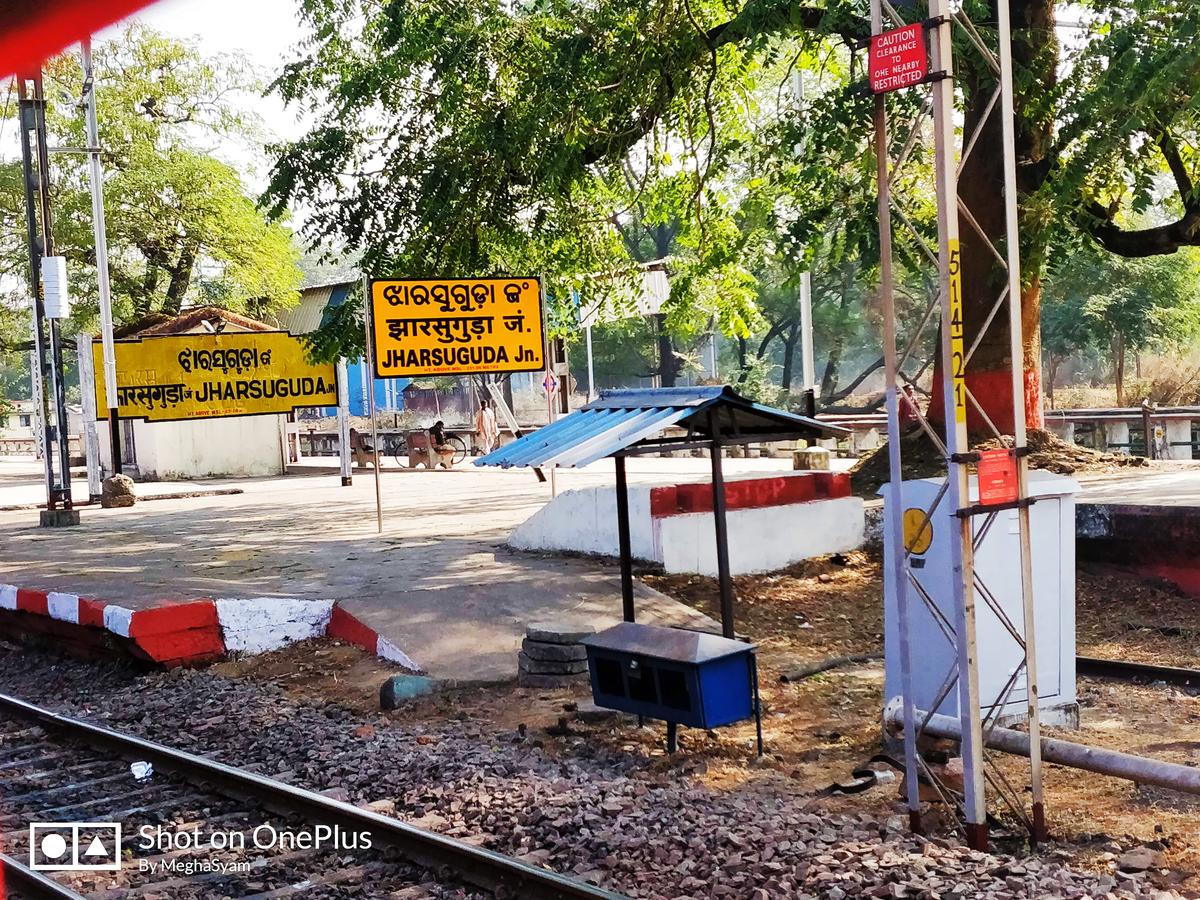
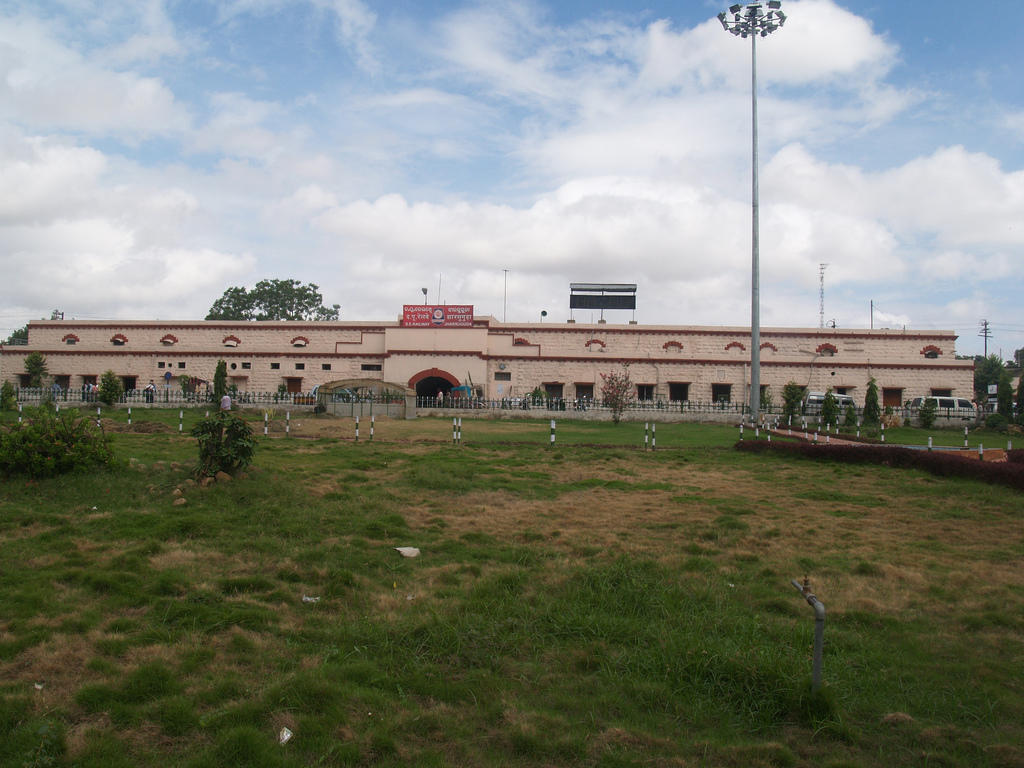
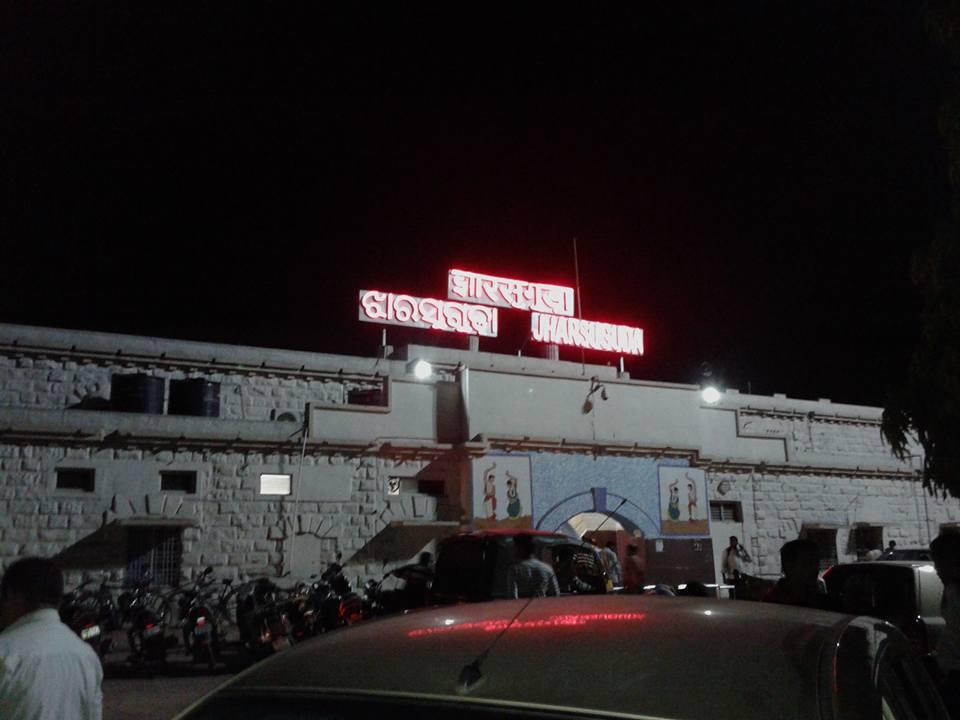
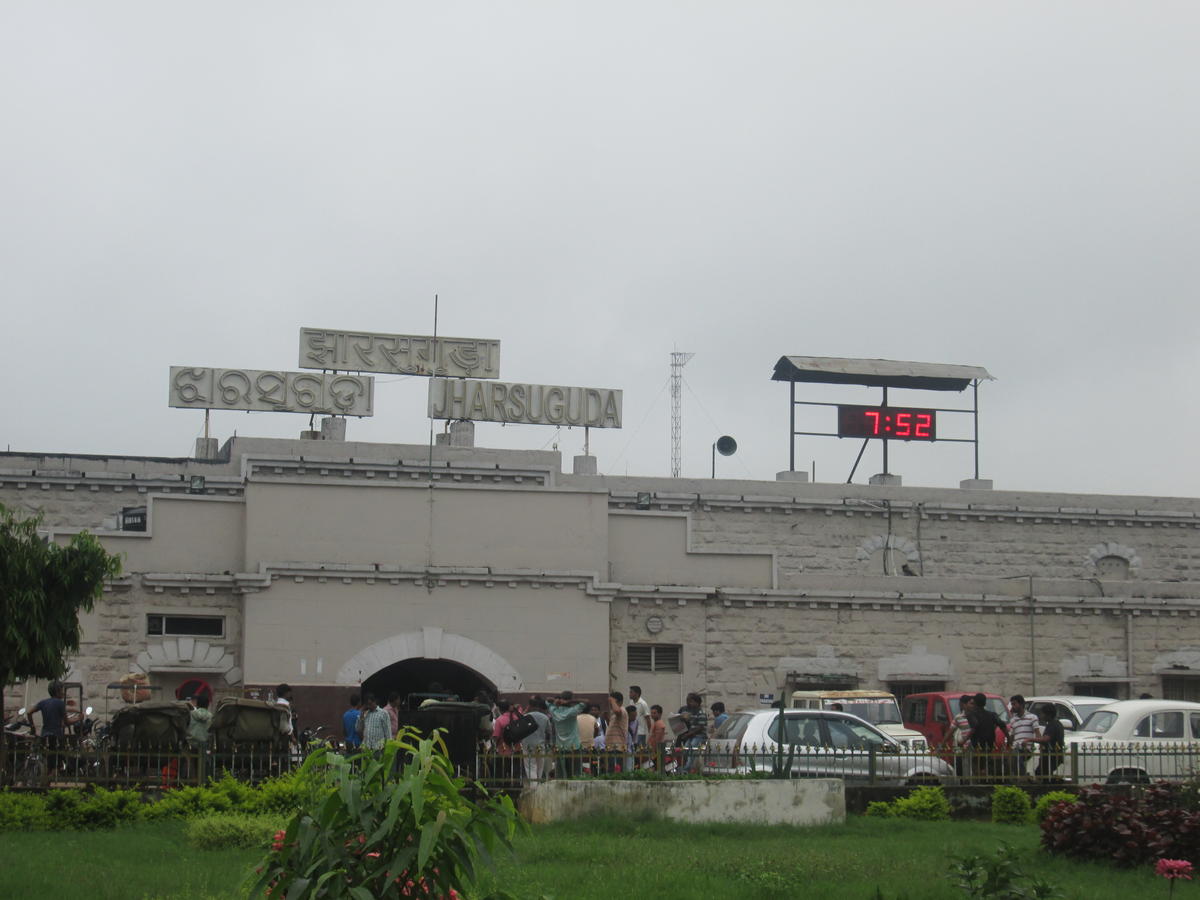
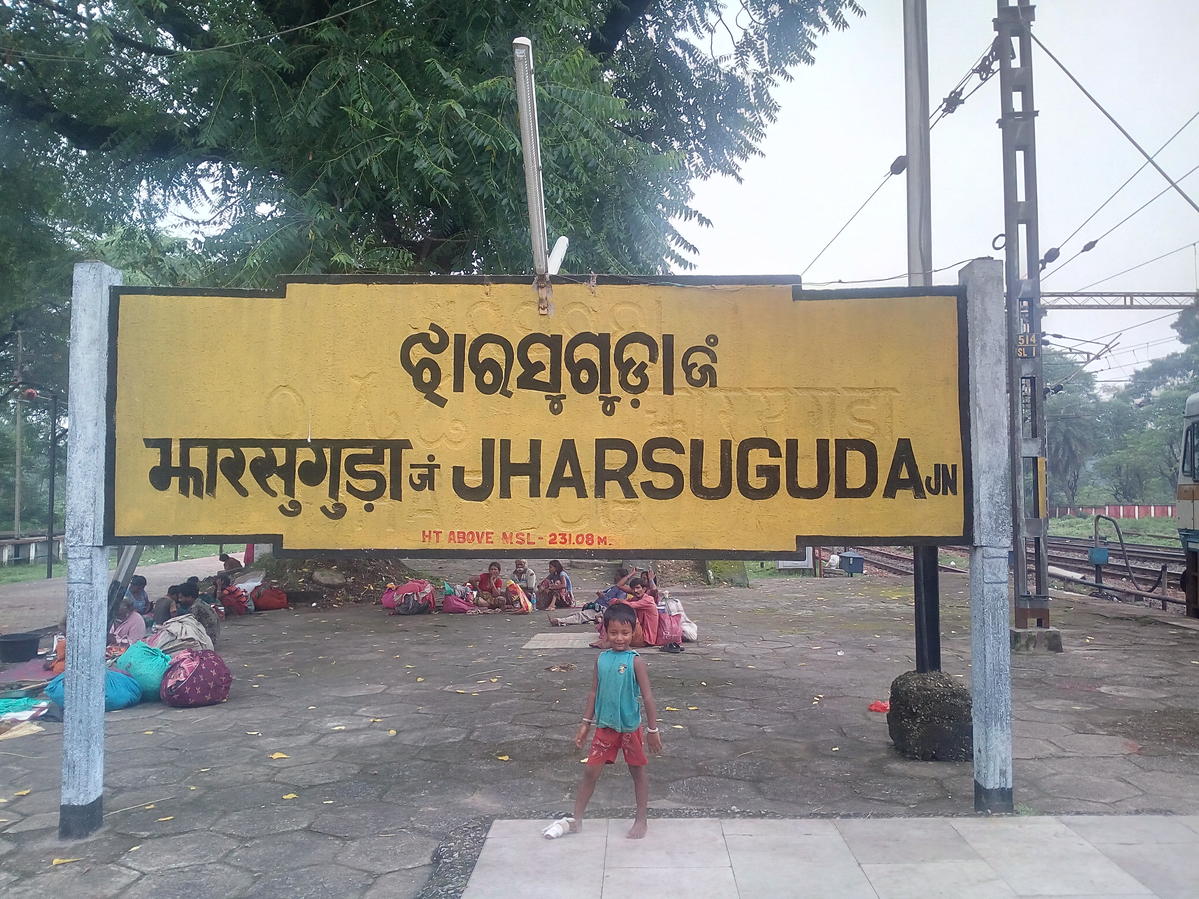
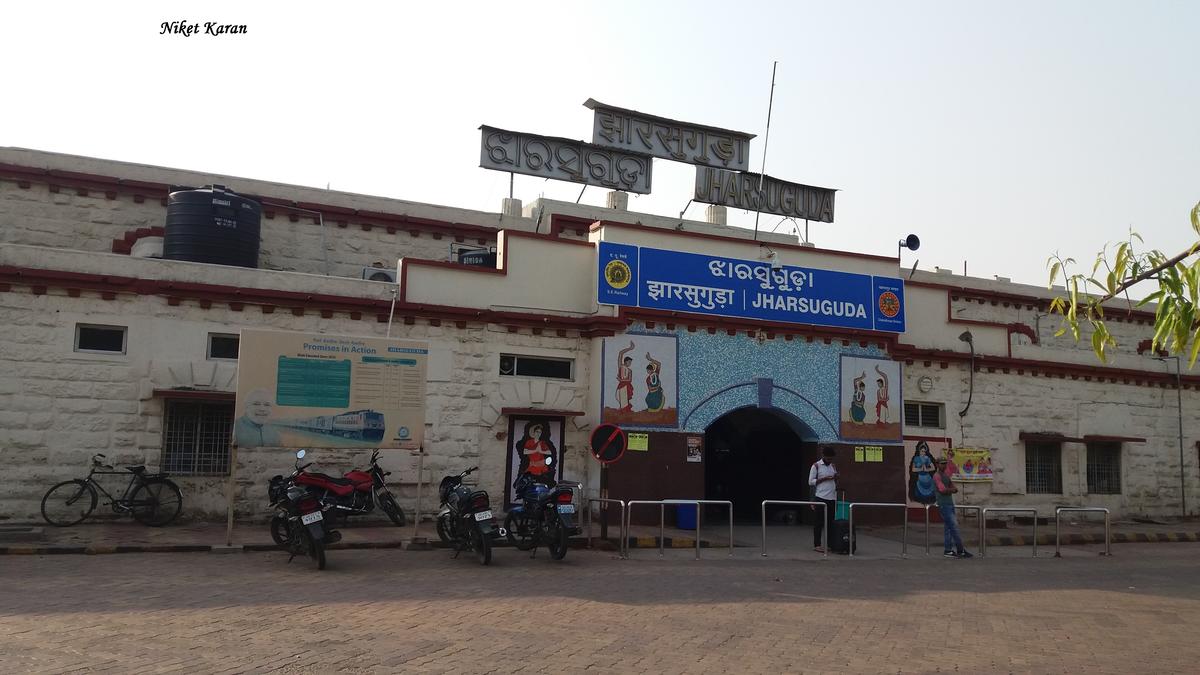
If you ever look at a railway map of eastern India, Jharsuguda Junction railway station stands out not because it is flashy, but because everything seems to pass through it. This station sits right on the busy Howrah to Mumbai main line and quietly connects routes heading towards Nagpur, Rourkela, Sambalpur and beyond. In simple terms, it is one of those places where trains don’t just stop, they reorganize.
Its story goes back to 1891 when it became part of the Nagpur Asansol line under the Bengal Nagpur Railway, long before the surrounding region turned into an industrial hub. Over time, with coalfields nearby and industries growing, the station naturally became busier. Today, under Indian Railways, it handles both heavy freight and a steady flow of long distance trains, proving that sometimes the most important stations are the ones that simply keep everything moving without making noise about it.
Strategic Importance of Jharsuguda Junction Railway Station
When you look at Jharsuguda Junction railway station on a railway map, one thing becomes clear very quickly. It is placed right on the Howrah–Nagpur–Mumbai main line, which is one of the busiest and most important rail corridors in the country. That alone gives it weight, but the real importance comes from how different routes meet here.
Trains coming from Sambalpur, Rourkela and Bilaspur use this junction to move across regions without having to take longer or indirect paths. In practical terms, this means a train can pass through Jharsuguda and continue towards a completely different direction without wasting time. For passengers, it simply feels like a smooth journey. For the railway system, it is a way to keep long-distance traffic moving without creating congestion.
If you spend some time at the station, you will notice that it is not about how many trains are standing still, but how many are constantly moving through. That steady flow is what quietly makes Jharsuguda an important junction, even if it does not look overwhelming at first glance.
Geographical Advantage and Industrial Linkages
The role of Jharsuguda Junction railway station makes more sense when you look at what surrounds it, not just what happens on the platforms. The station lies close to the Ib River valley and serves the Ib Valley Coalfield, which is one of the key coal-producing areas in this part of India.
Because of this, rail activity here is not limited to passengers. A large part of the movement is freight, especially coal being transported to power plants and industrial zones in different states. It is common to see long goods trains passing through at regular intervals, often as frequently as passenger services.
If you are waiting on a platform, you might notice that even when passenger crowds are light, the tracks are rarely idle. That steady movement of freight, combined with regular passenger trains, is what keeps Jharsuguda busy throughout the day without making it feel overcrowded.
Historical Development and Railway Evolution
The story of Jharsuguda Junction railway station goes back to the early expansion of the Bengal Nagpur Railway, at a time when railway lines were being laid to connect distant parts of the country.
In 1891, the Nagpur–Asansol line was opened, and Jharsuguda became part of this important route. A few years later, by 1900, it was included in the larger Howrah–Nagpur–Mumbai corridor, which made it a key point between eastern and western India.
What makes this timeline interesting is that the railway came first, before the region developed into an industrial belt. As coal mining expanded and industries started growing nearby, the station did not need a complete reinvention. It simply became busier over time, adapting to the increasing demand.
Electrification during 1969–70 made a noticeable difference, improving speed and efficiency on this route and strengthening Jharsuguda’s role as a dependable junction.
Station Layout and Platform Experience
At Jharsuguda Junction railway station, the layout is built with practicality in mind, and you notice that almost immediately after entering.
There are multiple platforms, but they are arranged in a way that supports both passing trains and those that stop for a while. Since this is a junction, tracks are set up to allow trains from different directions to move through without complicated manoeuvres or long halts.
For passengers, this makes a real difference. You check your platform once, and most of the time that is enough. Moving from the entrance to your train does not feel like a task. You are not walking long distances or constantly looking around to confirm if you are going the right way. It is a simple setup, and in many ways, it feels easier to navigate than smaller stations like Lar Road Railway Station where limited space can sometimes create confusion.
Passenger Facilities and On-Ground Reality
The station offers the usual facilities provided under Indian Railways, including waiting areas, food stalls, drinking water and reservation services.
What stands out is not luxury, but predictability. Things are where you expect them to be. Announcements are clear, display boards are visible, and basic needs are covered without making the experience complicated.
It is the kind of station where you spend less time figuring things out and more time simply waiting for your train.
Train Operations and Traffic Pattern
Train movement at Jharsuguda Junction follows a steady rhythm rather than sudden rushes.
Being on a major corridor, the station sees long-distance express trains, regional services and a continuous flow of freight trains. Instead of overcrowded peaks, activity is spread across the day. There is almost always something arriving, departing or passing through.
This balance is important. It allows the station to handle heavy traffic without feeling chaotic for passengers.
Role in Supporting Regional Economy
Beyond passengers, Jharsuguda Junction railway station plays a key role in supporting the surrounding economy.
The nearby coalfields and industrial zones depend heavily on rail transport. Large volumes of coal are moved through this route, making the station an important link in the supply chain for energy production and manufacturing.
So while it may look like a regular junction from the platform, it is also part of a much larger system that keeps industries running.
Passenger Navigation and Movement
Moving around the station is relatively simple, even for first-time visitors.
Platforms are connected in a practical way, and most people rely on signboards or follow the general flow of passengers. The design avoids unnecessary complexity, which is not always the case at busy junctions.
You do not feel rushed or lost, which is often half the battle when travelling through major railway stations.
Future Scope and Gradual Improvements
At Jharsuguda Junction railway station, changes usually happen quietly, just like everything else here. With traffic on the Howrah–Mumbai corridor remaining high and industrial activity around the region continuing to grow, upgrades are more of a necessity than a choice.
You can expect improvements that focus on making daily travel smoother rather than turning the station into something unrecognizable. This usually means better platform conditions, clearer information systems, and small upgrades in passenger amenities. On the operational side, handling freight more efficiently is equally important, especially because coal movement through this region is unlikely to slow down anytime soon.
So instead of sudden transformations, the station evolves step by step. It keeps pace with demand without losing the straightforward experience that passengers are already used to.