

District Vijayapura (Bijapur)
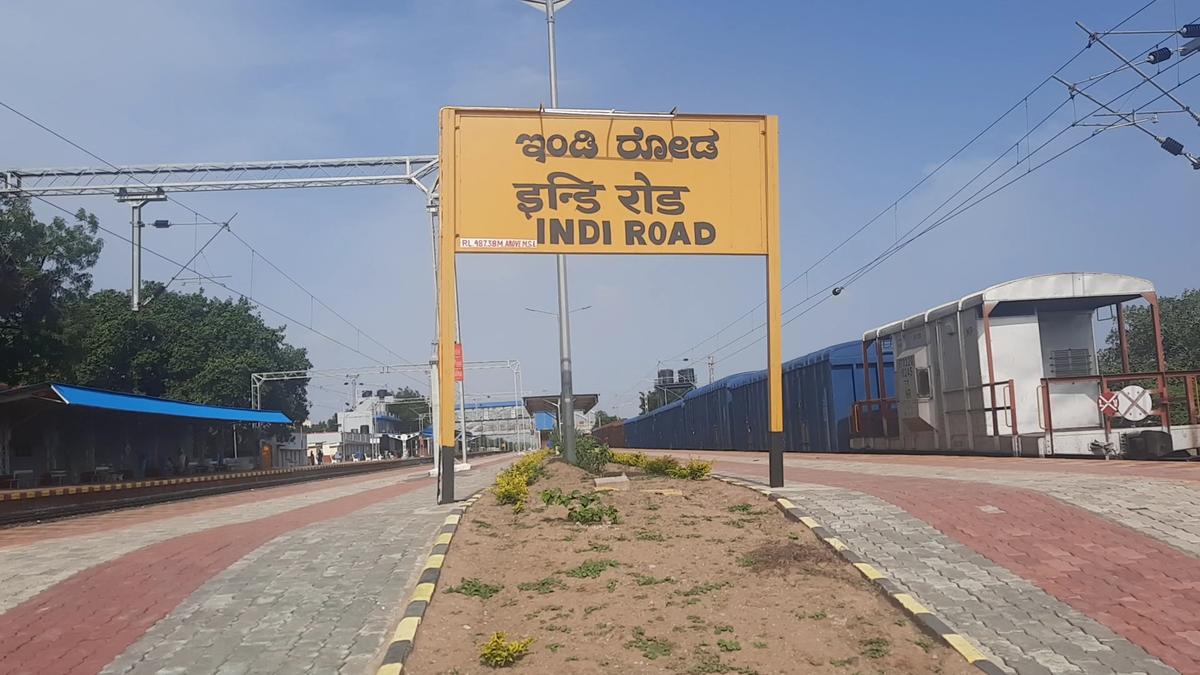
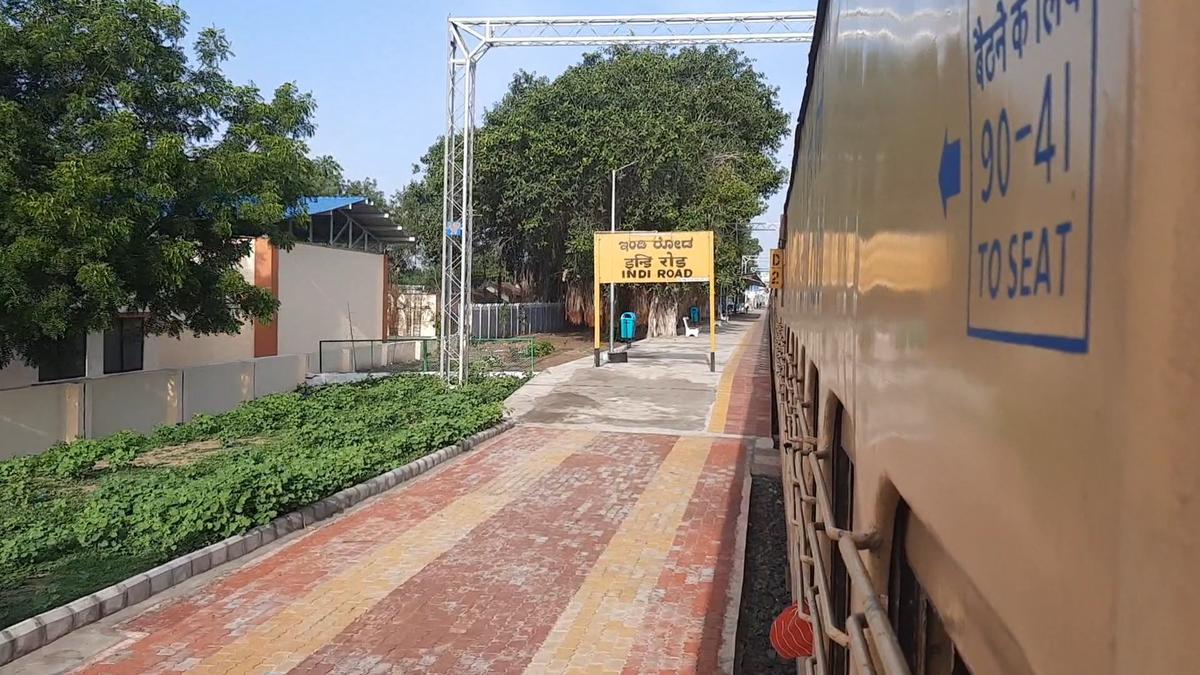
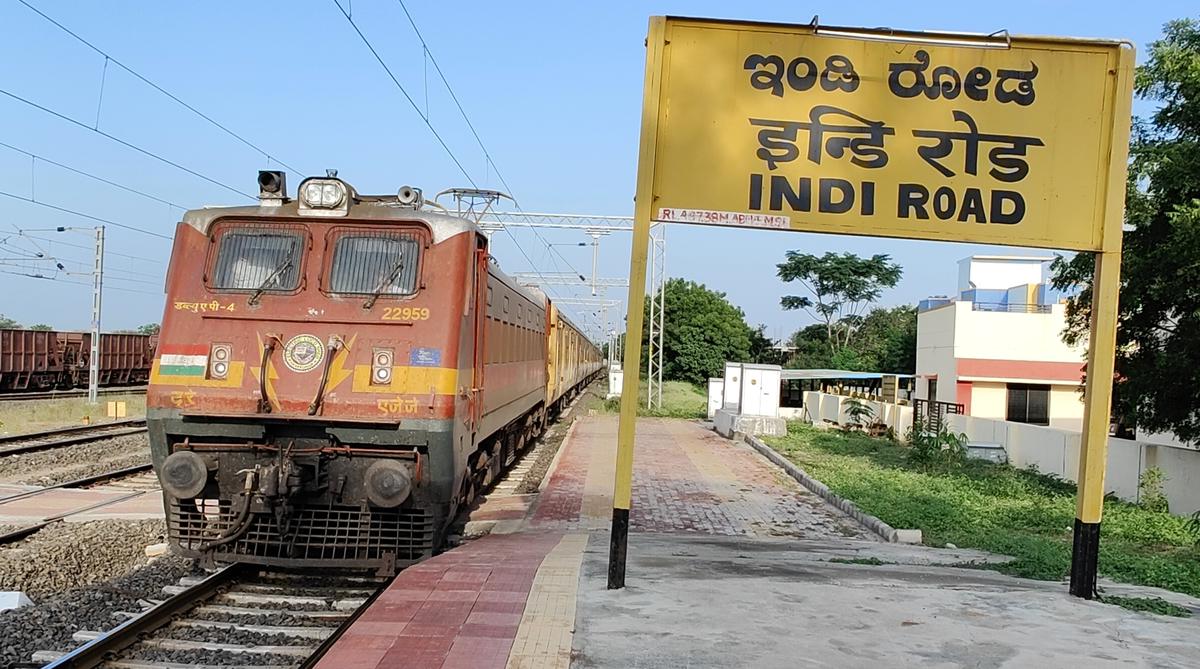
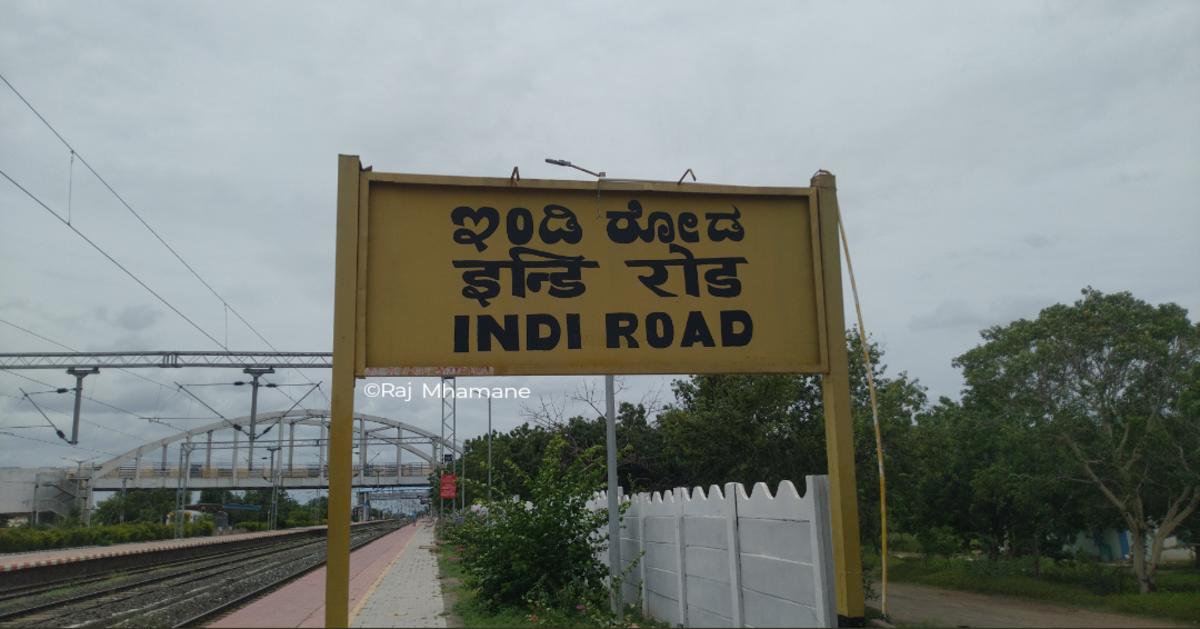
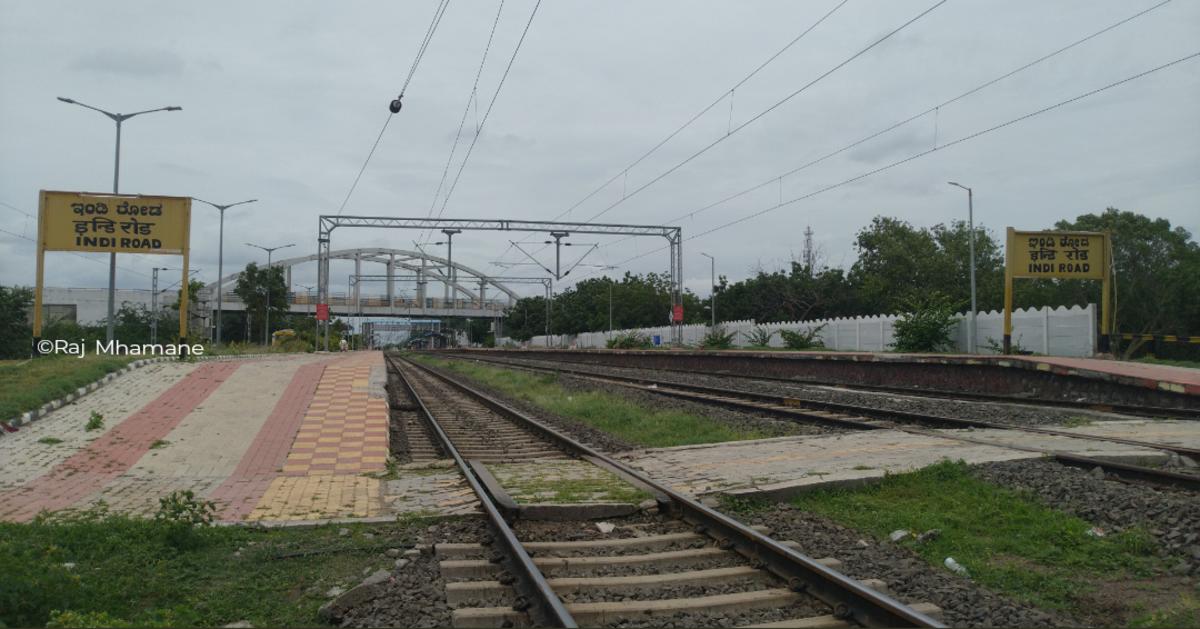
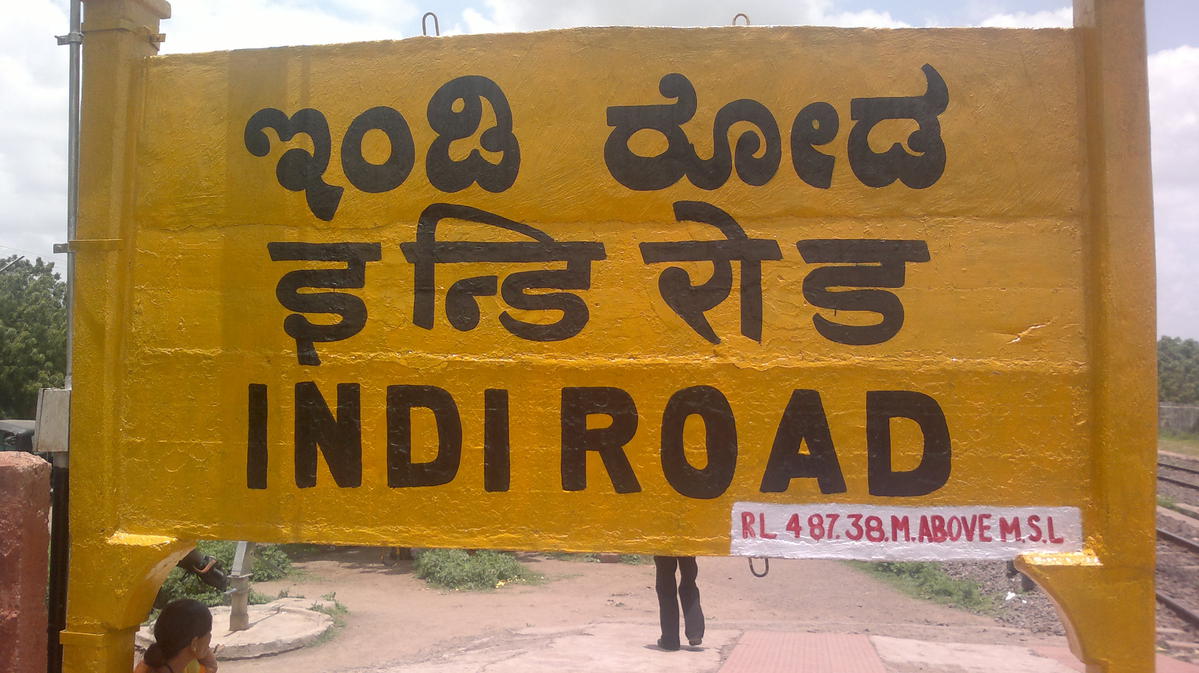
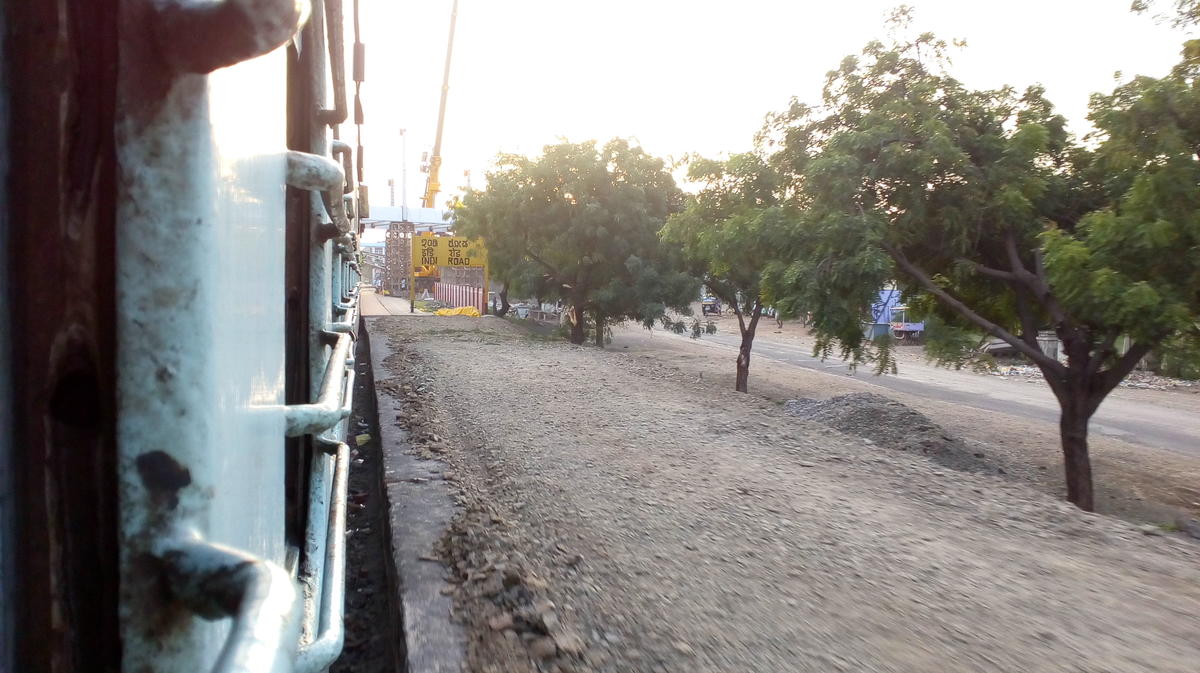
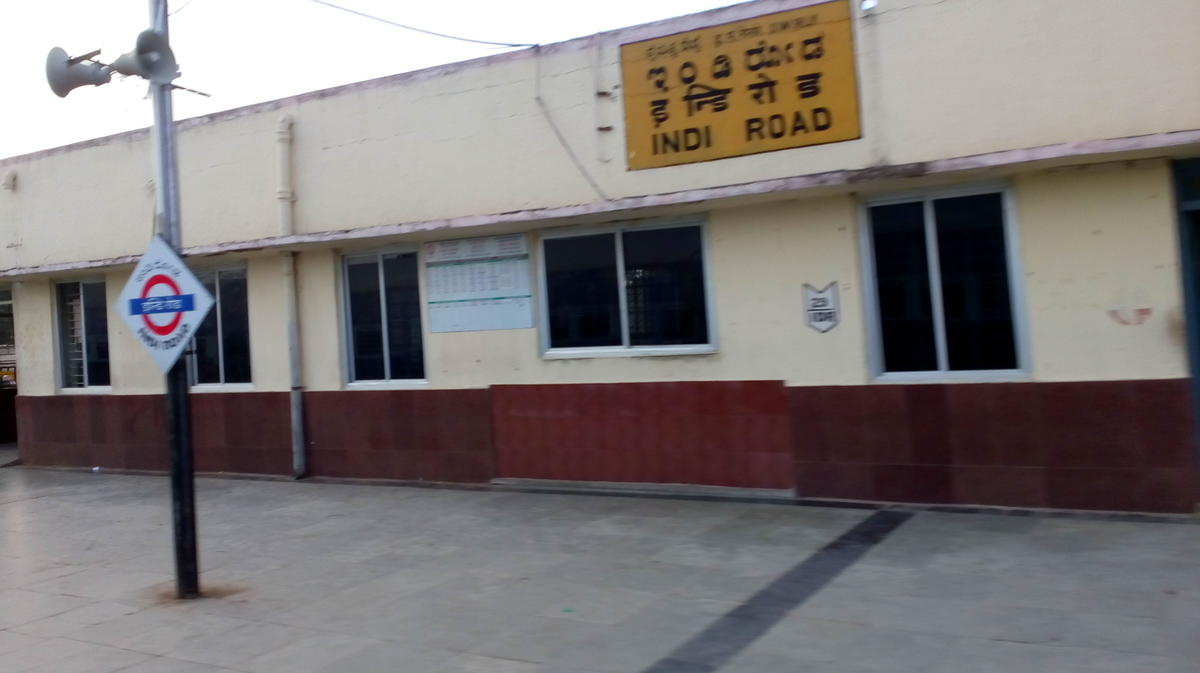
Indi Road Railway Station is a railway stop that most people use without thinking twice about it, and that is exactly what makes it work. It sits in the Vijayapura district of Karnataka and comes under the South Western Railway zone. The station code is IDR.
There are 2 platforms here, and on an average day, close to 35 to 40 trains pass through. These include regular passenger trains and a few long distance services that link this area with cities like Hubballi, Hyderabad, and Yesvantpur.
The experience is simple. You get down, look around once, and you already know where to go. There is no rush pushing you from behind and no confusion slowing you down. It feels like a station that understands its role and sticks to it, which honestly makes travel easier than at many bigger stations.
About Indi Road Railway Station
Indi Road Railway Station is not built around scale or crowd capacity. It exists to serve movement, especially for people living in and around Indi and nearby rural areas. For many passengers, this is the closest and most practical boarding point.
The station may look modest at first glance, but it plays a steady role in connecting this part of Karnataka to the wider railway network. You will see a mix of daily commuters, long distance travelers, and occasional passengers who prefer a quieter station over larger, busier junctions.
Location and Railway Connectivity
Indi Road Railway Station sits in the Vijayapura district of Karnataka, a region where railways quietly do most of the heavy lifting when it comes to travel. You are not in a major city here, and that is exactly why this station matters. It gives people in and around Indi direct access to the broader network without needing to travel far just to catch a train.
The line passing through this station links northern Karnataka with parts of Maharashtra and further down toward southern Karnataka. In practical terms, trains from here connect you to places like Hubballi on one side and Solapur on the other, with longer routes extending toward Hyderabad and Yesvantpur. You may not see a long list of platforms or complex track systems, but the connections themselves are reliable and consistent.
It is not a junction where trains change directions dramatically, but it still works as a useful stepping point. Most journeys from Indi Road are part of a larger route, and the station fits into that flow without slowing you down. You get in, board your train, and you are already on your way to somewhere bigger.
Station Layout and Platform Details
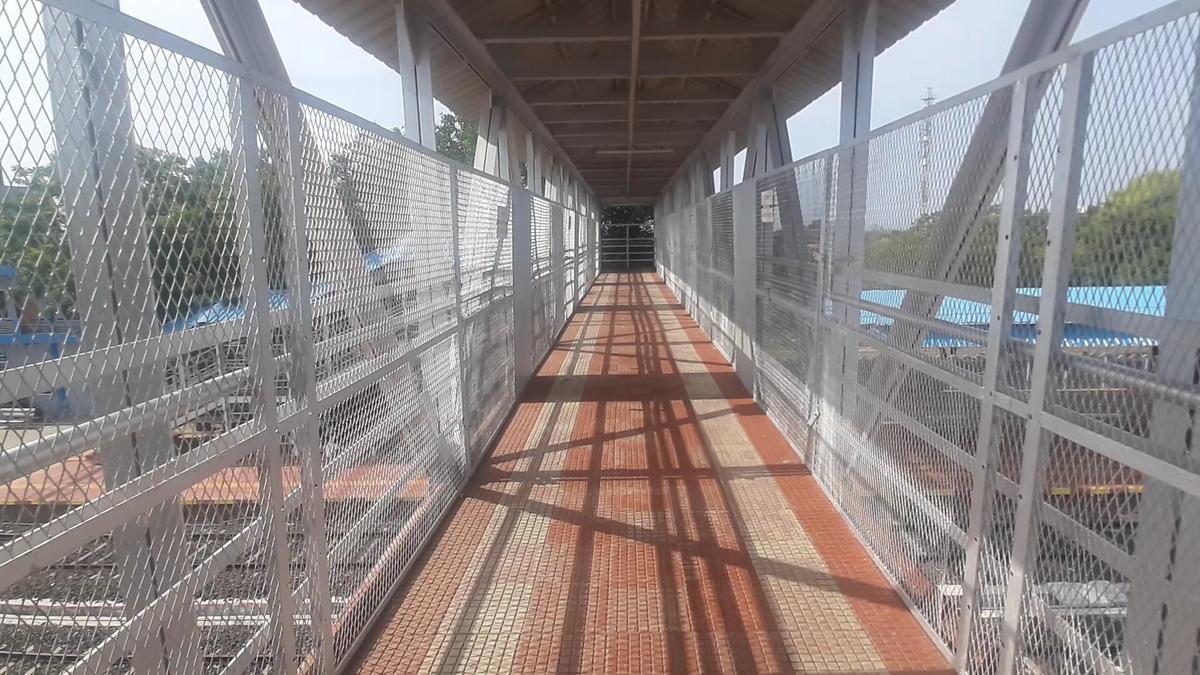
At Indi Road Railway Station, the layout is built around one idea, keep things moving without confusion. There are 2 platforms, and they are arranged in a way that feels easy to understand the moment you step in. You are not dealing with multiple levels, long corridors, or the kind of setup where you need five minutes just to figure out where you are standing.
The tracks are aligned to allow trains to pass and halt without creating unnecessary delays. Since this is not a junction, the movement is more linear, which actually helps passengers. You do not see trains constantly switching directions or platforms being changed at the last minute.
Getting from the entrance to your platform does not feel like a task. Even if you are cutting it close, chances are you will still make it without rushing through a maze. It is the kind of station where your energy goes into the journey itself, not into figuring out the station.
Passenger Facilities and Amenities
Facilities at Indi Road Railway Station are straightforward, and that is something you notice quickly. This is not a station designed to keep you entertained for hours, it is built to make sure your basic needs are covered while you wait for your train.
There are seating arrangements along the platforms where people usually settle in without much hassle. You will also find covered areas that do their job in protecting you from the sun, which, in this part of Karnataka, is honestly more important than anything fancy. Drinking water is available, and ticket counters handle regular bookings without long queues most of the time.
The waiting spaces are simple but usable. Nothing polished, nothing uncomfortable either. You will not come across big food courts or premium lounges here, but you also will not feel stuck without essentials.
In a way, the station keeps things honest. It gives you what you need, skips what you do not, and lets you focus on your journey instead of the surroundings.
Train Operations and Daily Movement
At Indi Road Railway Station, train movement follows a steady rhythm rather than a rush. On most days, you will see around 35 to 40 trains passing through, a mix of passenger services and a few long distance express trains that connect this region to bigger cities.
Not every train stops here, and that is part of how things stay smooth. Some trains halt briefly, pick up or drop off passengers, and move on. Others pass through without stopping, keeping the line active but not overcrowded. You are not constantly hearing announcements every minute, and platforms do not stay packed for long stretches.
This balance makes a noticeable difference. The station stays busy enough to feel connected, but not so busy that it becomes stressful. Compared to larger stations where delays often build up due to heavy traffic, movement here is usually more predictable. You wait, your train arrives, and things move on without much disruption.
Station Classification and Importance
Within the system of Indian Railways, Indi Road Railway Station is considered a smaller station, but that label can be a bit misleading if you only look at size. Its real value shows up in how regularly people depend on it.
For the local population around Indi and nearby areas, this station is not optional, it is part of daily life. It gives direct access to trains without forcing passengers to travel all the way to larger stations like Vijayapura or Solapur just to begin their journey. That alone saves both time and effort, especially for frequent travelers.
It also acts as a link between smaller towns and major railway routes. Even if your final destination is far away, this station gets you onto the network without complications. You board here, and from there, the rest of the journey becomes easier, often connecting through larger hubs such as Itarsi Junction that handle major cross-country routes.
It may not be widely known outside the region, but within it, the station plays a steady and practical role. Quietly, it does exactly what a railway station is supposed to do, keep people moving.
Navigation and Passenger Movement
Getting around Indi Road Railway Station does not feel like something you need to prepare for. You step in, take a quick look, and things start making sense almost immediately.
The entry, platforms, and exit are placed in a way that feels natural rather than planned on paper. You are not walking long stretches trying to find a staircase or wondering if you are on the right side of the station. Even first time visitors usually figure it out within minutes.
There is also a noticeable lack of pressure. You are not constantly checking boards or following crowds just to stay on track. Movement here is calm and predictable. People arrive, wait, and board without that usual rush you see at bigger stations.
In simple terms, the station lets you focus on your train instead of testing your navigation skills, which, honestly, is how it should be.
Future Scope and Development
At Indi Road Railway Station, change is not expected to come in the form of massive redevelopment or big announcements, and that is not really the need here. Stations like this usually improve in smaller, practical ways as part of ongoing upgrades by Indian Railways.
What you are more likely to see over time is better upkeep of platforms, cleaner surroundings, and clearer passenger information systems. These are the kinds of changes that may not grab attention, but they directly improve the travel experience. A clearer display board or a cleaner waiting area can make more difference than adding something flashy that no one really uses.
The core structure of the station is already simple and effective, so there is no strong reason to change it completely. Instead, improvements tend to focus on making what already works feel a little more comfortable and reliable. In a place like this, steady progress matters more than dramatic transformation.