

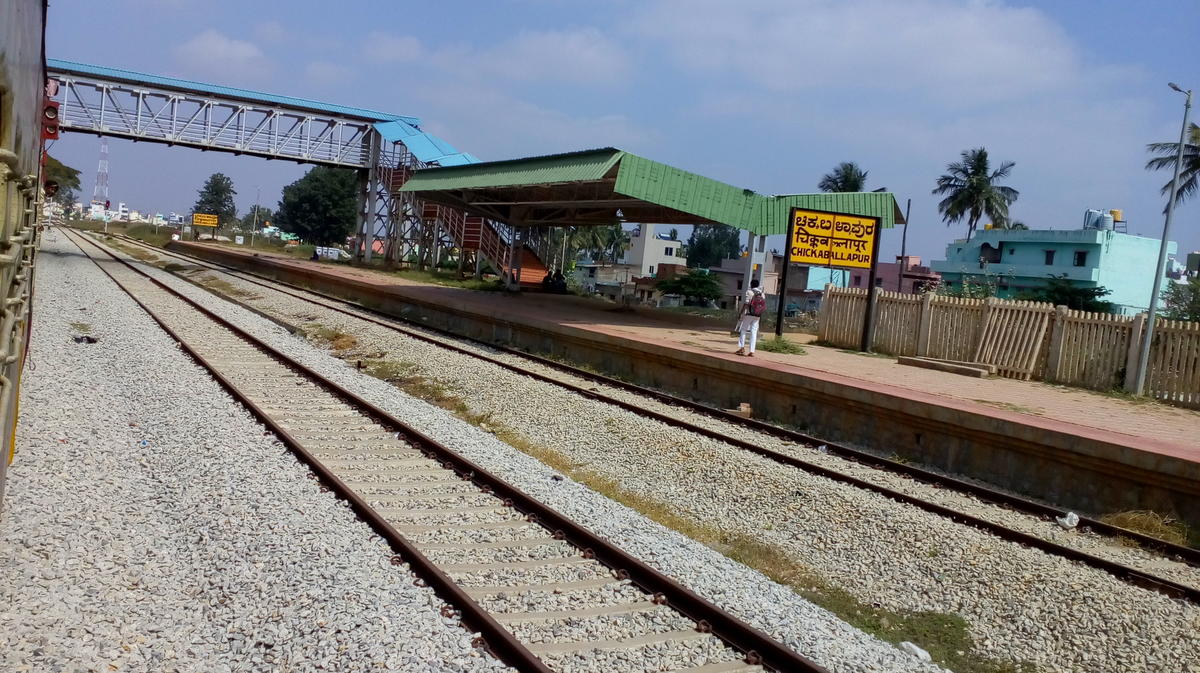
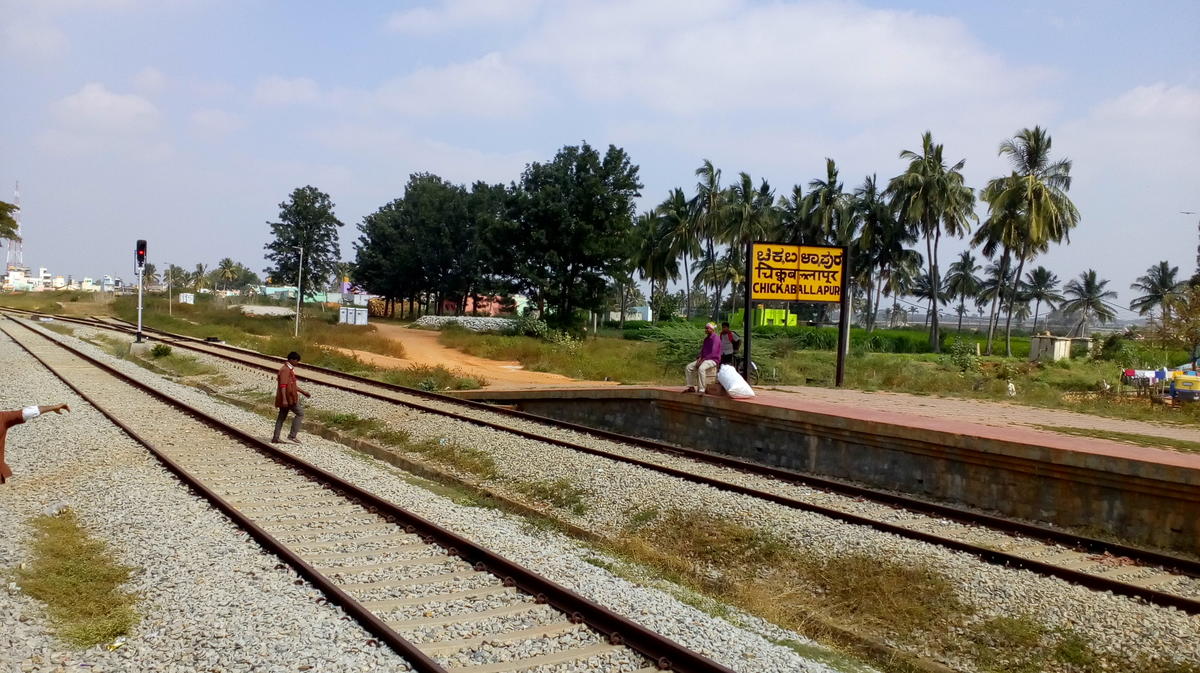
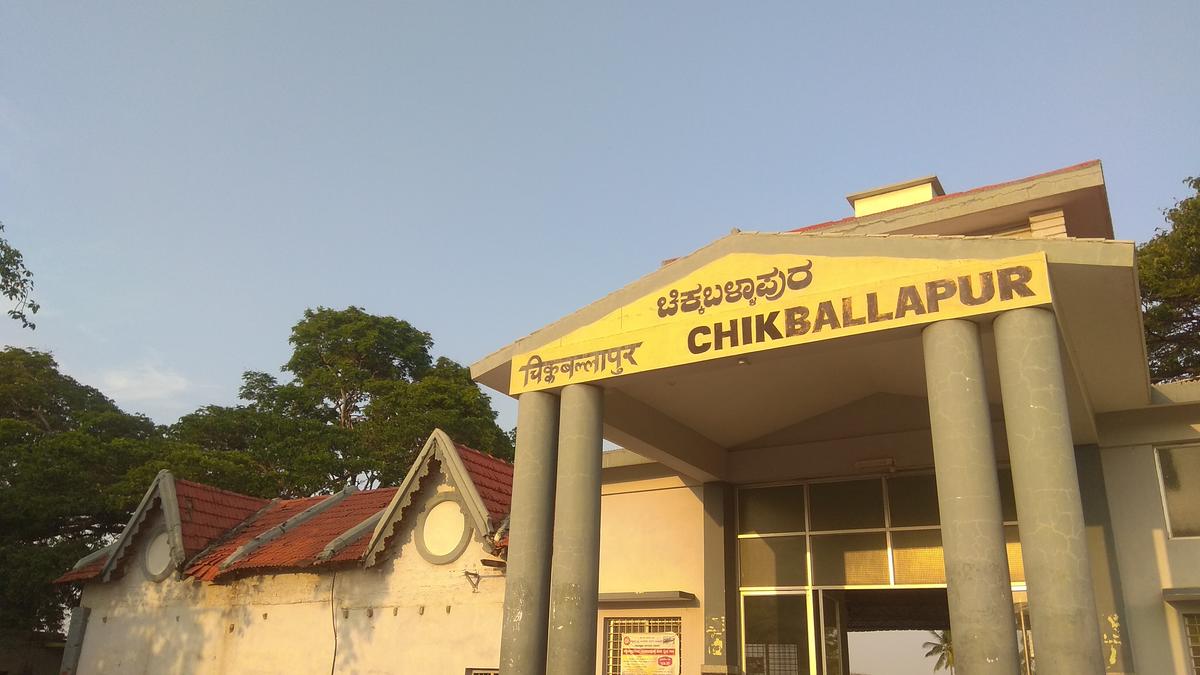
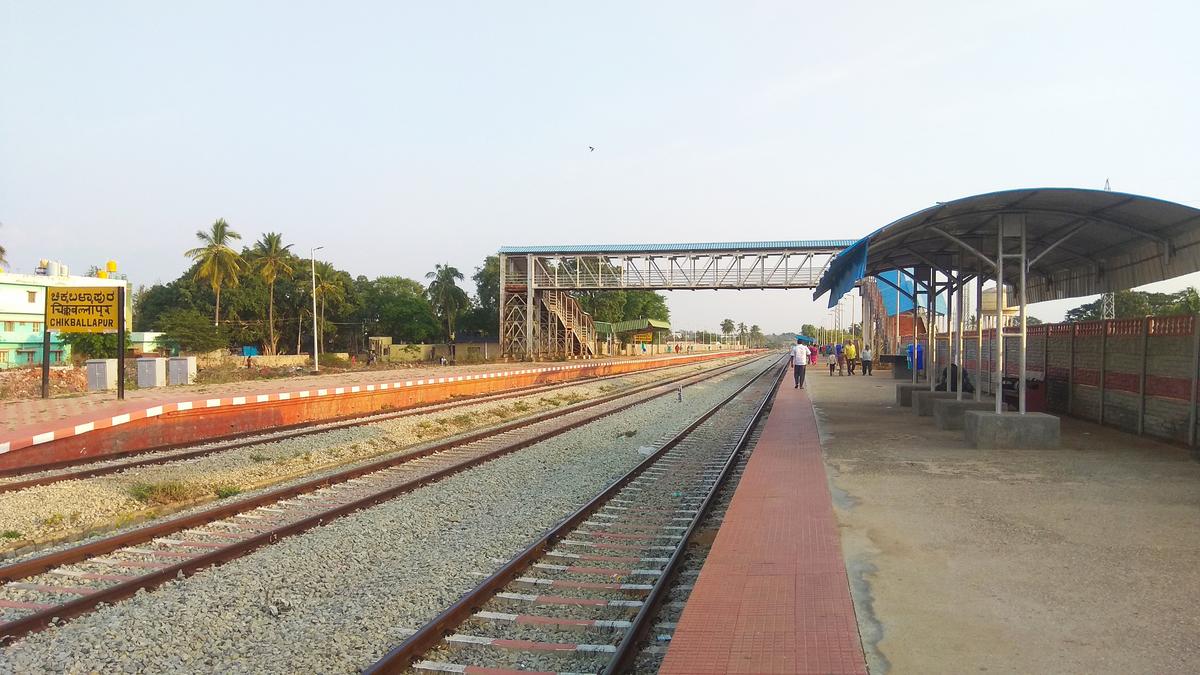
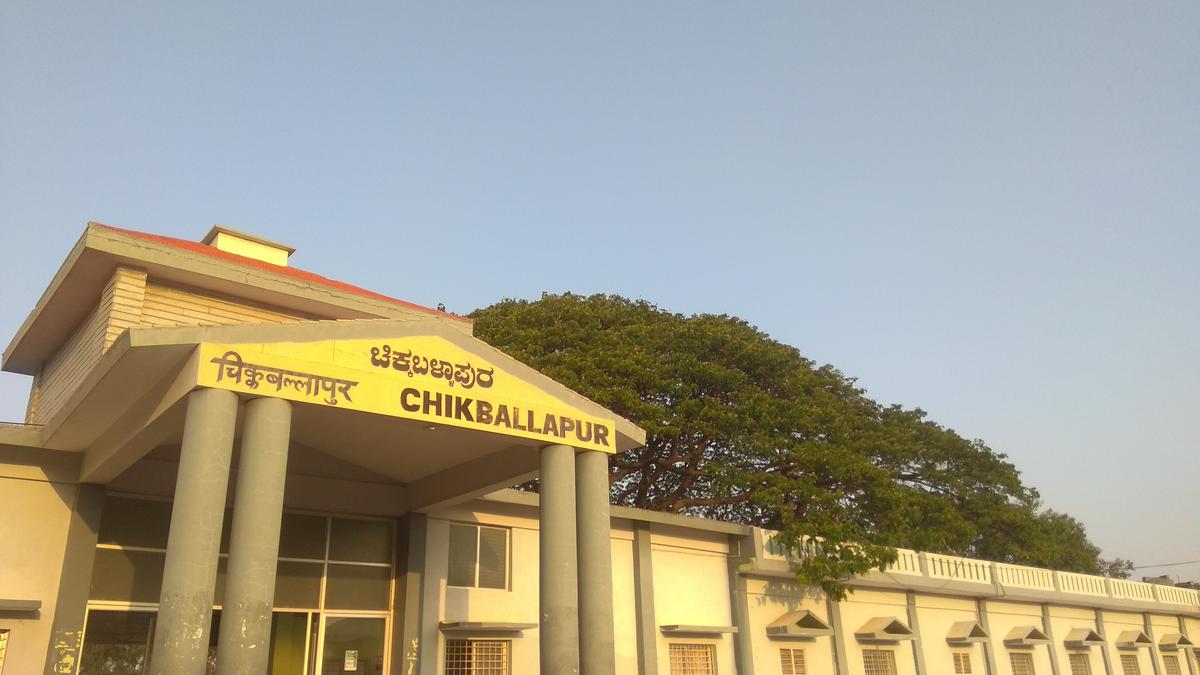
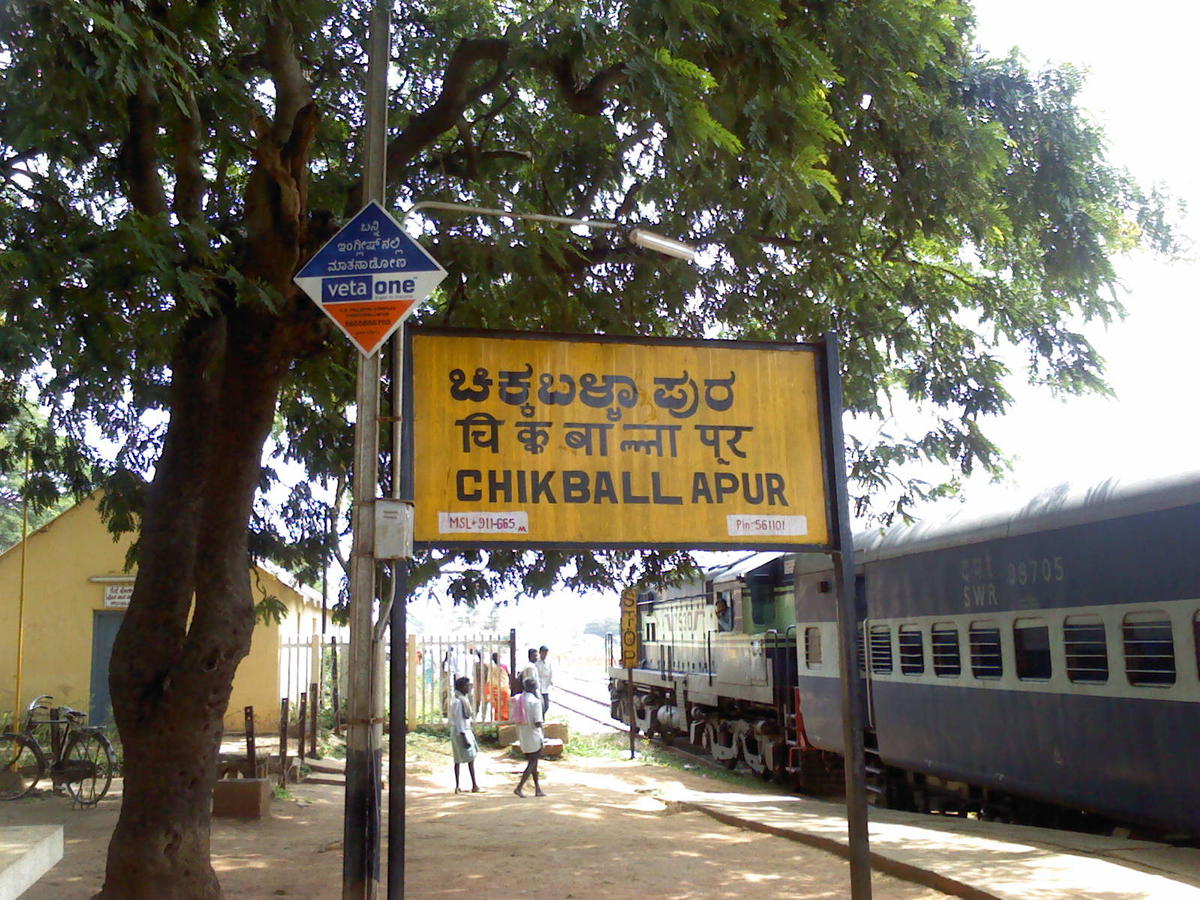
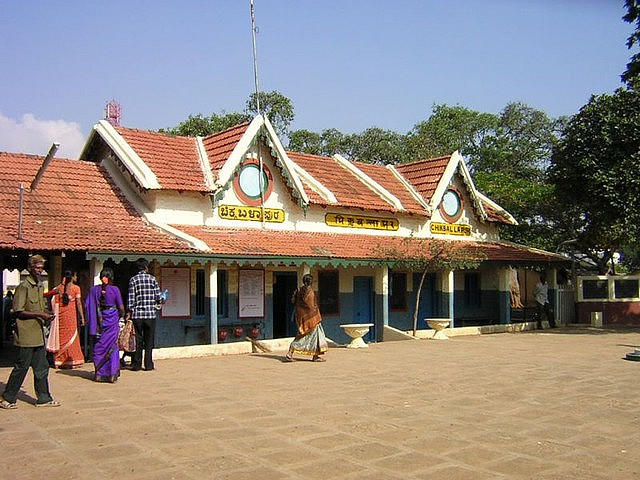
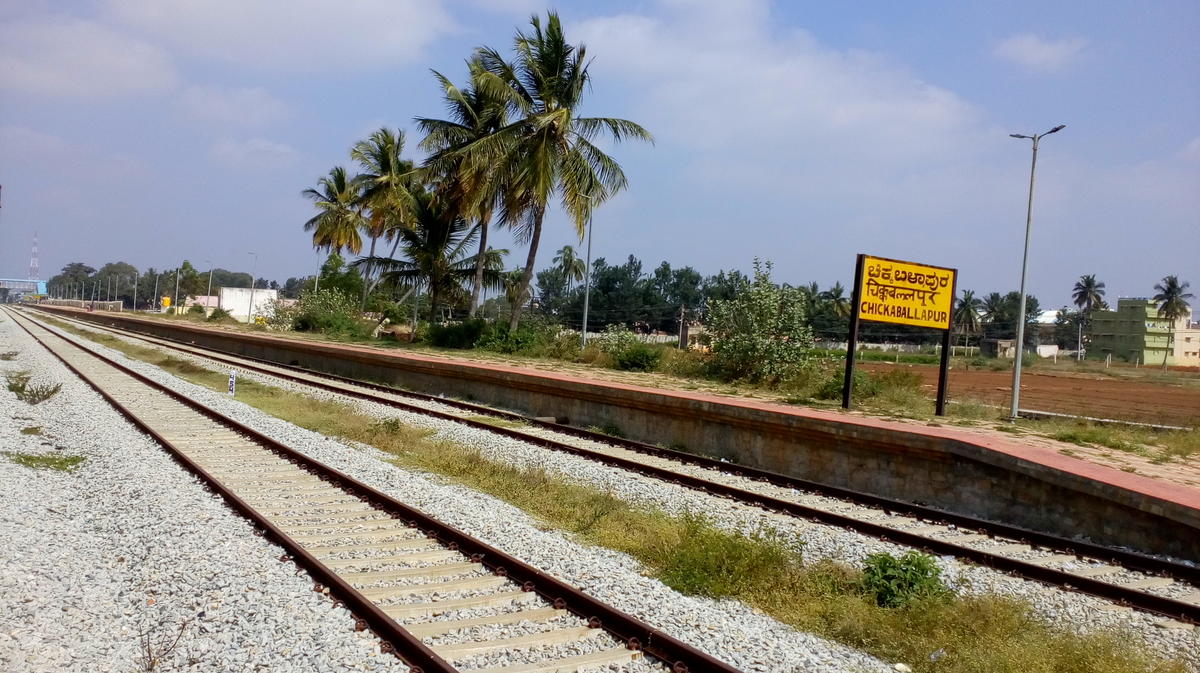
Chikkaballapur Railway Station serves one of Karnataka’s steadily developing districts, where daily life still moves at a more relaxed pace compared to nearby Bengaluru. Located on the Bengaluru to Kolar railway route, the station quietly handles the daily movement of students, office workers, local traders, and families traveling across Karnataka. The station code is CBP, and it comes under the South Western Railway zone.
Unlike the giant stations in Bengaluru where people walk like they are late for a movie climax, Chikkaballapur moves at a calmer pace. You will still hear vendors calling out for tea, passengers checking platform boards every two minutes, and that one traveler asking everyone if the train has already left even when it is clearly standing there.
The station has basic facilities, two platforms, and regular passenger train connectivity. More than a transport point, it acts like a small everyday bridge between Chikkaballapur district and the growing influence of Bengaluru.
About Chikkaballapur Railway Station
Chikkaballapur Railway Station is an important regional station in Karnataka that mainly serves the people of Chikkaballapur district and nearby towns. While it is not designed as a major long distance railway hub, its role in everyday passenger movement is much bigger than the station size suggests.
The station falls under the Bengaluru Division of South Western Railway and carries the station code CBP. It is positioned on the Yelahanka to Kolar railway section, which helps connect smaller Karnataka towns with Bengaluru’s larger transport network.
For local residents, the station is less about tourism and more about routine life. Some passengers use it to reach colleges and offices in Bengaluru, while others depend on it for business trips, local travel, or visiting nearby districts. That is why the station stays active even without heavy express train traffic.
Interestingly, stations like Chikkaballapur often reveal a different side of Indian Railways. Bigger stations usually show the scale of the railway system, but smaller stations show how deeply railways are woven into normal daily life.
Railway Route and Connectivity
The importance of Chikkaballapur Railway Station becomes easier to understand once you look at where the line actually goes. The station is part of the Bengaluru to Kolar railway corridor, a route that connects several growing towns across Karnataka while also giving people an option beyond crowded highways and long bus journeys.
Through this line, Chikkaballapur stays connected with places like Bengaluru, Yelahanka, Kolar, and nearby regional towns. Most of the trains operating here are passenger and DEMU services, which means the station mainly supports daily and medium distance travel rather than glamorous long distance routes with fancy names and waiting lists longer than movie ticket queues.
The Bengaluru connection is especially important. Over the years, many people from Chikkaballapur district have started traveling regularly toward Bengaluru for jobs, education, business, and government work. Because of that, the railway line has slowly become part of everyday routine life rather than just occasional travel.
What makes this route interesting is that it works quietly in the background. It may not appear often in tourism promotions or railway documentaries, but every day it carries students rushing to classes, office workers trying to beat Bengaluru traffic, traders moving between towns, and families visiting relatives across the region.
In simple terms, this is not a railway corridor built for headlines. It is a railway corridor built for real life.
History Behind the Railway Line
The railway history connected to Chikkaballapur is closely tied to the older rail development projects in the Kolar region. Earlier sections of this route existed as narrow gauge lines before later gauge conversion projects modernized the corridor into broad gauge.
That conversion changed the usefulness of the railway line significantly. Broad gauge tracks allowed better compatibility with the wider Indian Railways network, smoother train movement, and improved passenger services.
For towns like Chikkaballapur, railway modernization was not just about trains running faster. It also improved access to education, jobs, markets, and healthcare facilities in larger cities.
Even today, older residents sometimes talk about how railway travel in the region used to feel slower and less connected before modernization projects upgraded the infrastructure. The station may look simple now, but the railway line behind it has gone through decades of transition.
Station Layout and Platform Structure
The layout of Chikkaballapur Railway Station is simple enough that even first time passengers usually understand it within a few minutes. This is not one of those giant junctions where people walk in circles, stare at five different platform boards, and somehow still end up asking the tea vendor where Platform 2 is.
The station currently has two platforms that handle regular passenger train movement on the route. Since most of the traffic here comes from regional passenger and DEMU services, the overall crowd movement stays fairly manageable compared to larger Bengaluru stations.
The track arrangement is designed mainly for smooth train operations between the Bengaluru and Kolar side of the corridor. Because the station does not handle heavy long distance railway traffic throughout the day, arrivals and departures generally feel less chaotic. Stations such as Salempur Junction operate on a much larger movement pattern, while Chikkaballapur stays more focused on regional passenger flow and shorter distance connectivity.
Facilities like ticket counters, seating areas, passenger signboards, and waiting spaces are placed in a practical way rather than an overly complicated one. The station focuses more on functionality than appearance, which honestly works well for the kind of daily travel movement it handles.
Daily Passenger Experience
The atmosphere at Chikkaballapur Railway Station changes noticeably as the day moves forward. The station may look calm from the outside, but its rhythm depends heavily on train timings and commuter movement.
Mornings are usually the busiest part of the day. Students with backpacks, office workers heading toward Bengaluru, and regular passengers waiting for DEMU services create most of the activity during these hours. Around the tea stalls, conversations shift quickly between train delays, cricket matches, local politics, and whether Bengaluru traffic is somehow getting worse every single week.
By afternoon, the station slows down considerably. The platforms become quieter, benches start filling with passengers waiting casually for local trains, and vendors move around selling tea, snacks, and bottled water. Compared to major city stations where announcements seem to continue forever without taking a breath, Chikkaballapur feels far less stressful.
Evenings bring the second busy phase of the day as commuters begin returning from Bengaluru and surrounding towns. You will notice familiar faces appearing again on the platforms, many of whom probably know the train schedule from memory but still check the display board anyway, just in case Indian Railways decides to surprise everyone.
Passenger Facilities and Amenities
Chikkaballapur Railway Station is built around everyday practicality rather than big station luxury. The facilities here are meant to support regular passenger movement efficiently, especially for people making short and medium distance journeys across the Bengaluru and Kolar side of Karnataka.
Passengers at the station have access to basic seating areas, ticket booking counters, sheltered platform sections, and drinking water facilities. The setup is straightforward, which actually makes travel easier because people do not have to spend half their time searching for where things are located.
Passenger information boards and station lighting help travelers navigate the platforms during both early morning and evening hours when commuter traffic is usually higher. Around the station premises, small tea stalls and snack vendors remain an important part of the atmosphere. In fact, for many regular commuters, the morning tea before the train arrives is probably as fixed in the schedule as the train itself.
Since Chikkaballapur mainly handles regional passenger traffic, the station infrastructure reflects that reality. Most travelers are not staying for long waiting hours like they would at a major junction. They arrive, wait for their train, exchange a few conversations, check the platform board at least three unnecessary times, and continue their journey.
You will not find giant food courts, executive lounges, or airport style shopping areas here. But for daily railway travel, the station covers the essentials comfortably and keeps the experience manageable for regular passengers.
Importance of the Station in the Region
On a large Indian Railways map, Chikkaballapur Railway Station might look like a smaller stop placed between bigger and more recognizable destinations. But for the people living in the district, the station plays a much larger role than its size suggests.
For many residents, it provides a dependable travel option beyond highways and bus routes. Students use it to reach colleges and coaching centers, office workers depend on it for regular travel toward Bengaluru, and small business owners often use the railway line for quick movement between nearby towns. In a growing district like Chikkaballapur, that kind of connectivity matters more than people sometimes realize.
The station also supports the district’s gradual economic and social development. Better railway access usually means easier movement of people, stronger links with larger cities, and more opportunities connected to education, employment, and trade. As Bengaluru continues expanding outward, nearby districts like Chikkaballapur have naturally become more connected to the city’s daily flow of work and travel.
What makes stations like this interesting is that they rarely receive major attention despite being deeply important to local life. Indian Railways is not held together only by giant junctions and famous express trains. A large part of the system depends on smaller stations quietly handling ordinary journeys every single day.
And honestly, that is probably the most Indian Railways thing about Chikkaballapur Railway Station. It does an important job without making a big performance out of it.