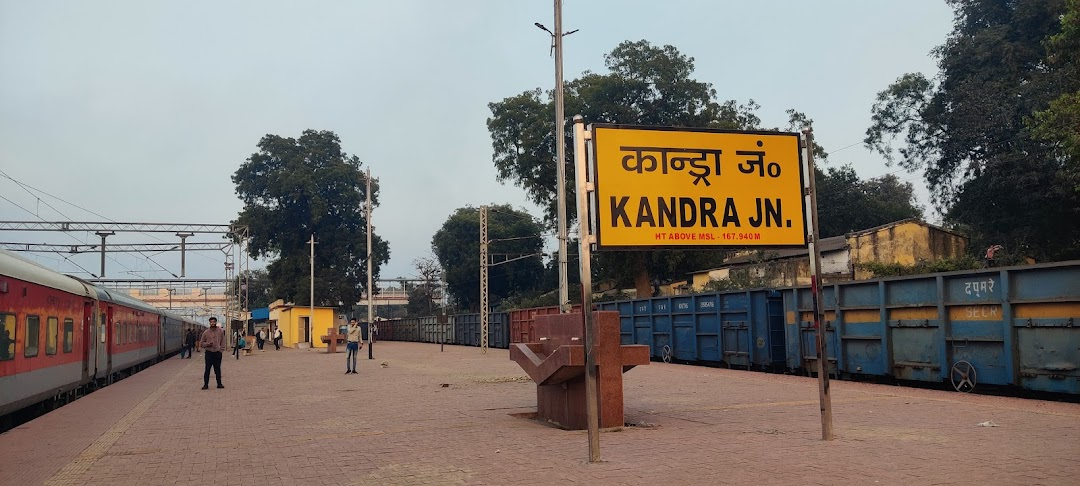
Kandra Junction Railway Station (KND) Facilities, Trains & Ticket Booking
Written By Thomas
Kandra Junction Railway Station
South Eastern Railway Zone
Station Address
Kandra, Saraikela Kharsawan District,
Near Jamshedpur, Pincode 832402
Jharkhand
Important railway station serving the industrial belt near Jamshedpur
Station Activity
Number of Platforms4
Halting Trains23
Originating Trains0
Terminating Trains0
Handles regular passenger and express train movement in the industrial railway region near Jamshedpur
Station Profile
Elevationn/a
TypeJunction
CategoryNSG-6
ZoneSER (South Eastern)
DivisionChakradharpur
Operated under South Eastern Railway serving the Saraikela Kharsawan region of Jharkhand
Kandra Junction Train Schedule
Live arrivals and departures for KND station
KND • Kandra Junction
Train movement at Kandra Junction stays active throughout the day because of its position near the industrial railway routes of Jharkhand. Passenger trains and long distance express services pass regularly, so checking live timings before reaching the station is always the safer move. It also helps avoid that classic railway moment where half the platform suddenly starts walking fast because somebody confidently said, “Train aa gayi.”
Opens live train timing information for Kandra Junction in a new tab
Nearby Transportation & Railway Access
Closest
KZU
Kunki Railway Station
Approx. 3 km
BIRP
Birarajpur Railway Station
Approx. 5 km
MIK
Manikui Railway Station
Approx. 8 km
GMH
Gamharia Junction
Approx. 10 km
SINI
Sini Junction
Approx. 12 km
CNI
Chandil Junction
Approx. 14 km
ADTP
Adityapur Railway Station
Approx. 16 km
TATA
Tatanagar Junction
Approx. 21 km
Kandra Junction Photo Gallery
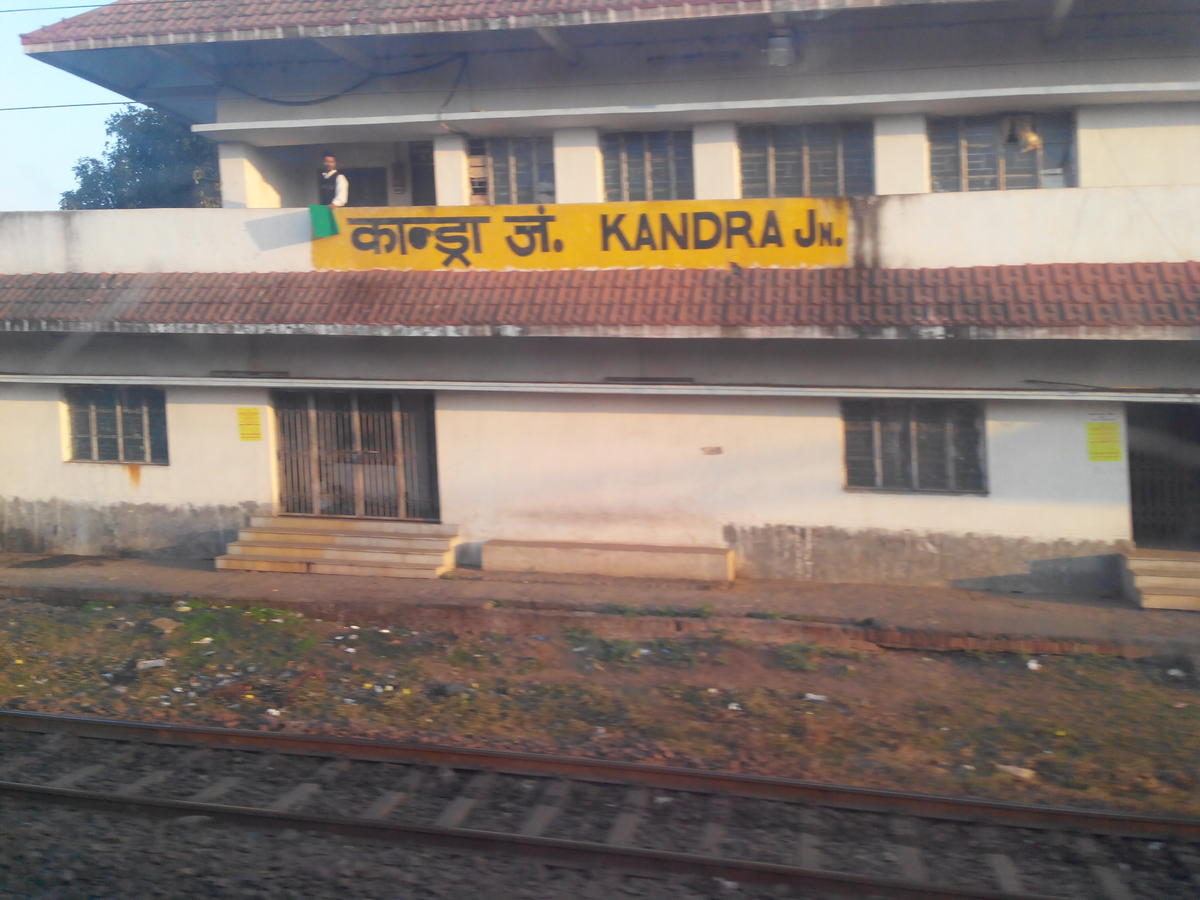
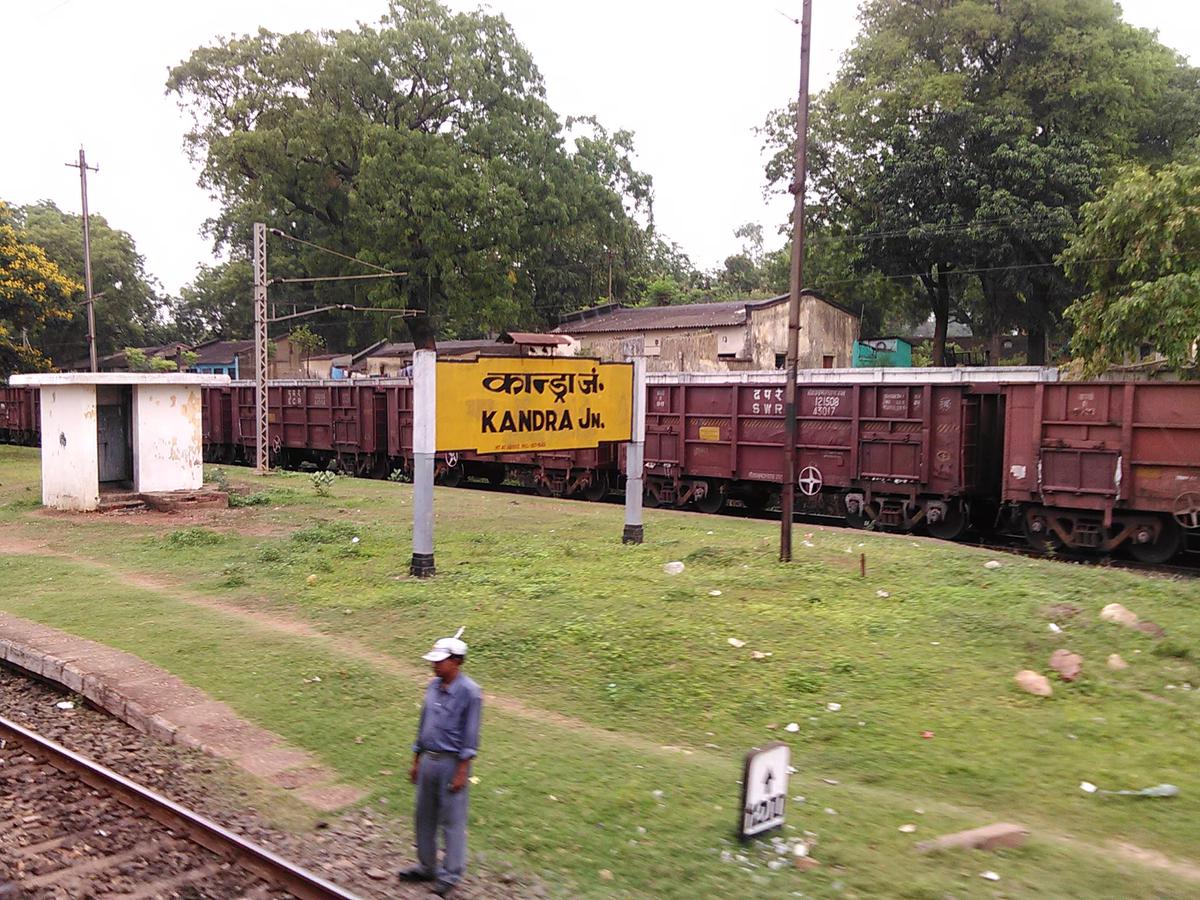
Platforms, railway tracks, station surroundings, and real views from KND station
❮
❯
Platform View
Railway Tracks
Station Area
Train Movement
4 Photos • Real station views from Kandra Junction
×❮❯
Rail Connectivity from Kandra Junction
Tatanagar Junction
Kandra Junction maintains strong rail connectivity with Tatanagar through one of the busiest industrial railway corridors in Jharkhand used by passenger and express trains daily
~35–45 minsMajor Junction
Chandil Junction
Important railway connectivity toward Purulia and Ranchi side routes through Chandil Junction with regular passenger movement across the section
~25–35 minsRegional Link
Sini Junction
Sini Junction acts as a nearby operational railway point connecting routes toward Chakradharpur and important South Eastern Railway sectors
~20–30 minsKey Junction
Ranchi
Passengers traveling toward the capital city of Jharkhand can access connecting trains through nearby junction routes linked from Kandra
~4–6 hrsState Capital
Howrah
Long distance express train routes passing through this railway corridor help connect passengers toward Kolkata and the Howrah railway region
~5–7 hrsMetro Route
Rourkela
Railway connectivity toward Odisha industrial sectors including Rourkela is supported through active South Eastern Railway train movement
~4–5 hrsIndustrial Route
Book Train Tickets from Kandra Junction
Kandra Junction connects passengers with important railway routes across Jharkhand, Odisha and West Bengal including Tatanagar, Chandil, Howrah, Ranchi and Rourkela side connections. Since several passenger and long distance express trains move through KND regularly, checking live schedules and booking early is usually the safer move, especially during festivals when waiting lists start growing faster than the platform chai queue.
Auto rickshaws are commonly available near the station entrance and are one of the fastest ways to reach nearby markets, residential areas, and local parts of Kandra town.
Best for short distance travel
Local Bus Services
Bus routes from the Kandra region connect passengers with Jamshedpur, Adityapur, Gamharia, Chandil, and nearby industrial areas through regular road transport services.
Useful for regional travel
Shared Autos
Shared auto services remain popular among factory workers, students, and daily commuters traveling between nearby railway stations and industrial zones around Kandra.
Budget friendly option
Private Taxi Services
Local taxis and hired vehicles are available for passengers traveling toward Tatanagar, Jamshedpur city areas, Chandil side routes, and longer journeys across Jharkhand.
Better for family or long travel
Highway Connectivity
The station benefits from road connectivity through nearby state and industrial highway routes linking important transport corridors around the Jamshedpur region.
Smooth road connectivity
Station Side Pickup Points
Pickup and drop points near the station remain active during train arrival hours with private vehicles, autos, and local transport operators serving daily passengers.
Active during train arrival hours
Useful Train Tools for Kandra Junction
Kandra Junction handles regular passenger and express train movement across the South Eastern Railway network connecting Jharkhand with important railway routes toward Tatanagar, Howrah, Ranchi, and Odisha sectors. Since train timings on busy industrial routes can change unexpectedly, these tools help passengers check live train status, schedules, seat availability, and station updates before reaching KND station and realizing the platform announcement somehow created more confusion than clarity.
Kandra Junction regularly handles express train services connecting Jharkhand with important railway routes toward Howrah, Tatanagar, Rourkela, Ranchi, and Odisha sectors. These trains form the main long distance passenger movement through the station.
Passenger Trains
+
Passenger trains remain important for daily regional travel around the industrial railway belt near Jamshedpur. These services are commonly used by students, office workers, factory employees, and local passengers traveling between nearby towns and junctions.
Industrial Corridor Services
+
Because Kandra lies near one of the active industrial railway corridors of Jharkhand, several trains moving through the station support connectivity between steel, mining, and manufacturing regions connected under South Eastern Railway.
Long Distance Trains
+
Long distance trains passing through this route help passengers travel toward major cities in eastern India without requiring multiple regional transfers. These services are especially useful for passengers traveling toward Kolkata and Odisha sectors.
Freight Train Movement
+
Along with passenger operations, freight train movement remains highly important around Kandra Junction because of the nearby industrial and mineral transport activity linked with the South Eastern Railway network.
Kandra Junction is one of those stations people cross regularly without realizing how important it actually is. Located in the Saraikela Kharsawan district of Jharkhand, the station has slowly become part of daily life for thousands of passengers traveling through this industrial side of eastern India. The station comes under the South Eastern Railway zone and has four platforms handling passenger movement across this busy industrial region. What makes Kandra interesting is not giant crowds or flashy buildings, but its position near important railway routes connected to Jamshedpur, Sini and Chandil.
Every day, workers, students, traders and long distance passengers move through the station with steel lunch boxes, sleepy faces and last minute chai cups in hand. It is the kind of station where trains stop briefly, conversations happen quickly and life keeps moving before the next whistle arrives. Kandra may look simple, but its railway importance is very real for eastern India’s moving rail network.
Kandra Junction is located in the Saraikela Kharsawan district of Jharkhand and serves as an important railway point within the industrial railway network surrounding Jamshedpur. The station carries the code KND and operates under the Chakradharpur division of South Eastern Railway. Its location gives it practical importance because several active passenger and freight routes pass through this side of the state.
The station connects nearby railway points such as Tatanagar Junction, Chandil Junction and Sini Junction, helping passengers move toward cities across Jharkhand, Odisha and West Bengal. While many travelers use Kandra for short distance commuting, long distance trains also pass through regularly, especially routes connected to industrial and mining regions.
Unlike stations built mainly around tourism traffic, Kandra functions more like a working railway hub. You will notice this immediately from the type of passengers using the station. Factory workers returning home after night shifts, students carrying backpacks larger than their patience level and traders discussing business over paper cups of tea are all part of the station’s daily rhythm.
Historical Background of Kandra Junction
The growth of Kandra Junction is closely connected to the industrial expansion of the region around Jamshedpur and the railway development of eastern India. As railway lines expanded to support mineral transport, steel production and passenger connectivity, stations like Kandra became increasingly important within the South Eastern Railway network.
The station itself was never designed to compete with giant junctions in terms of scale. Instead, its role developed through operational usefulness. Freight movement in this region has historically been significant because Jharkhand remains one of India’s major mineral producing states. Railway corridors passing near Kandra gradually turned the station into a reliable support point for both passenger and rail operations.
Over time, better rail connectivity increased movement between smaller towns and industrial centers. This naturally increased the station’s relevance for daily commuters and regional travelers.
Station Layout and Platform Structure
Kandra Junction currently has four platforms that handle passenger movement and train operations throughout the day. The layout is relatively straightforward, which is honestly good news for anyone who has ever sprinted across a giant junction carrying two bags and a disappearing sense of hope.
The station is designed more for functionality than visual scale. Platforms are connected in a way that allows passengers to move without major confusion, and train announcements remain manageable compared to the nonstop chaos heard at larger city stations.
Because the station handles both local passenger activity and through trains, the tracks remain active for most of the day. You may not see huge crowds every minute, but the station rarely feels completely idle. There is almost always a train approaching, departing or waiting briefly before moving toward another industrial corridor.
Passenger Facilities and Basic Amenities
Kandra Junction provides the essential facilities required for regular railway passengers. Waiting areas, seating arrangements, ticket counters and drinking water facilities are available for travelers using the station daily. Small food stalls and tea vendors also operate around the platforms, especially during busy train timings.
The station does not try to look overly modern, and in some ways that gives it a more grounded atmosphere. Travelers usually come here with one clear goal which is to catch their train without unnecessary drama. Thankfully, the station layout supports that fairly well.
Passengers can also find basic shelter areas for protection during rain and summer heat, which matters a lot in Jharkhand’s changing weather conditions. During peak hours, especially mornings and evenings, the platforms become noticeably busier with office commuters and students traveling toward nearby towns and cities.
Daily Train Flow at Kandra Junction
Morning Hours
+
Early mornings at Kandra Junction usually become active quickly as passenger trains and express services begin moving across the South Eastern Railway corridor near Jamshedpur. Factory workers, office commuters, students, and long distance passengers start arriving around the same time, while tea stalls somehow manage to serve chai before half the station is fully awake.
Midday Period
+
Midday hours are comparatively calmer, although railway movement around Kandra never completely slows down because this industrial corridor remains operational throughout the day. Passenger flow becomes lighter, platforms feel easier to navigate, and this is usually the most comfortable time for boarding without heavy crowd pressure.
Evening Rush
+
Evening activity increases again as passengers return from nearby industrial areas and railway routes connected to Tatanagar, Chandil, and Sini Junction sectors. Platforms become busier, announcements grow more frequent, and suddenly everyone starts looking down the tracks together the moment a distant train horn is heard.
Night Operations
+
Night hours remain quieter compared to daytime activity, but Kandra Junction still handles important long distance passenger movement and regular freight operations linked with the industrial railway network of Jharkhand and neighboring states.
Overall Daily Pattern
+
Kandra Junction follows a mixed railway pattern combining regional passenger movement with industrial corridor train operations. The station may not appear massive at first glance, but its railway rhythm stays active throughout the day because passenger trains, express services, and freight movement continue passing through this route regularly.
Train Movement and Daily Passenger Activity
Kandra Junction handles a steady flow of passenger and express trains throughout the day. Multiple trains moving through the South Eastern Railway network pass via KND, connecting the station to important destinations across eastern India.
The station experiences a mix of short distance daily travelers and long distance passengers. Morning hours often bring local commuters heading toward industrial workplaces, while evening periods see the reverse flow with tired passengers returning home after long work shifts.
One interesting thing about stations like Kandra is how quickly platform scenes change. At one moment, everything looks calm enough to hear distant bird sounds. Ten minutes later, a train arrives and suddenly the platform fills with luggage bags, tea sellers, hurried conversations and at least one person asking strangers if coach S5 is “this side or that side.”
Freight traffic in the surrounding railway region also contributes to the operational importance of the station because this corridor supports industrial transportation linked to steel and mineral industries.
Operational Importance Within South Eastern Railway
Kandra Junction may not rank among India’s biggest railway stations, but within the South Eastern Railway system, it plays a valuable supporting role. Its location near industrial centers increases its operational relevance beyond what casual travelers might initially assume.
Railway stations around the Jamshedpur industrial belt often serve dual responsibilities involving passenger transportation and support for freight corridors. Kandra benefits from being positioned within this network, allowing railway movement to remain distributed efficiently across nearby routes and junctions.
The station also helps reduce travel dependency on larger stations for nearby residents. Instead of traveling all the way to bigger junctions for every journey, many passengers from surrounding areas use Kandra for boarding and local rail access.
Travel Experience and Station Environment
Kandra Junction has a practical atmosphere that reflects the character of the region around it. This is not a station built around tourism aesthetics or oversized infrastructure. It feels more real, more everyday and honestly more relatable for regular Indian railway passengers.
The sounds of vendors calling out for chai, passengers checking train timings repeatedly even after hearing the announcement and the occasional rush toward a slowly moving coach are all part of the station experience here. In many ways, the station carries the same working railway energy that passengers often notice at busy transit points like Itarsi Junction, where movement never fully seems to stop.
During cooler mornings, the platforms often carry a quieter mood before daily activity fully begins. By evening, the station becomes more energetic as commuters return home and long distance passengers wait for overnight trains.
What makes Kandra memorable is not luxury or crowd size. It is the feeling that the station genuinely belongs to the people using it every day.
Future Scope and Railway Development
As railway infrastructure continues improving across eastern India, stations connected to industrial corridors may gradually see further upgrades in passenger amenities and operational systems. Kandra Junction could benefit from modernization efforts aimed at improving passenger convenience and railway efficiency within the region.
Improved digital systems, better waiting infrastructure and enhanced passenger information displays are the kinds of developments that may strengthen the travel experience over time. Since railway movement around Jharkhand’s industrial zones remains economically important, stations like Kandra are likely to remain operationally relevant in the years ahead.
Even today, Kandra Junction continues doing what many reliable railway stations across India quietly do every single day which is keeping people, work, trade and journeys moving without needing much attention for it.
Frequently Asked Questions
Where is Kandra Junction located
+
Kandra Junction is located in the Saraikela Kharsawan district of Jharkhand. The station lies near the industrial railway region connected with Jamshedpur under the South Eastern Railway zone.
What is the station code of Kandra Junction
+
The official station code of Kandra Junction is KND. This code is used while booking tickets, checking train schedules, and tracking live train status online.
How many platforms are available at Kandra Junction
+
Kandra Junction currently has four platforms handling passenger and train movement across this active railway corridor near Jamshedpur.
Which major destinations are connected from Kandra Junction by train
+
Passengers from Kandra Junction can travel toward Tatanagar, Howrah, Ranchi, Rourkela, Chandil, and several other destinations through direct and connecting train services.
Is Kandra Junction considered a busy railway station
+
Yes, the station stays active throughout the day because it lies near an important industrial railway corridor under South Eastern Railway. Passenger activity usually increases during morning and evening train hours.
Are food stalls and passenger facilities available at the station
+
Yes, passengers can find basic railway facilities including waiting areas, ticket counters, seating spaces, drinking water points, and small tea or snack stalls near the platforms.
What transport options are available outside Kandra Junction
+
Auto rickshaws, shared autos, local buses, taxis, and private vehicles are commonly available outside the station for nearby transportation and regional travel around the Jamshedpur area.