
Narwana Town, District Jind
Pincode – 126116
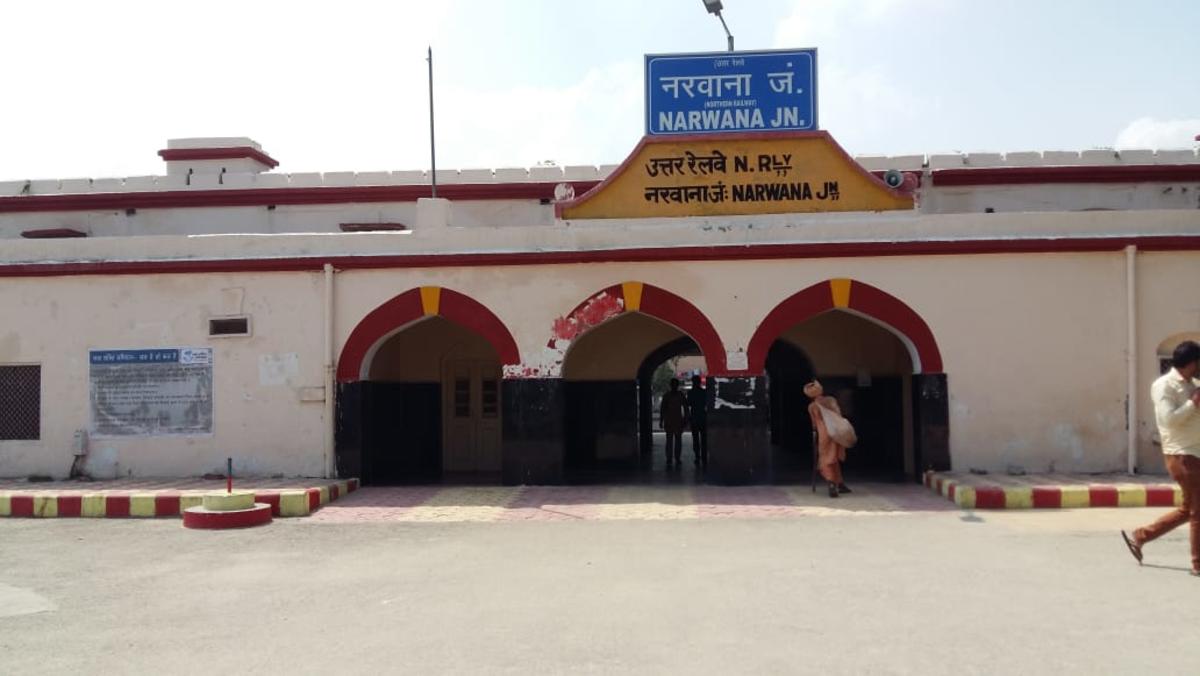
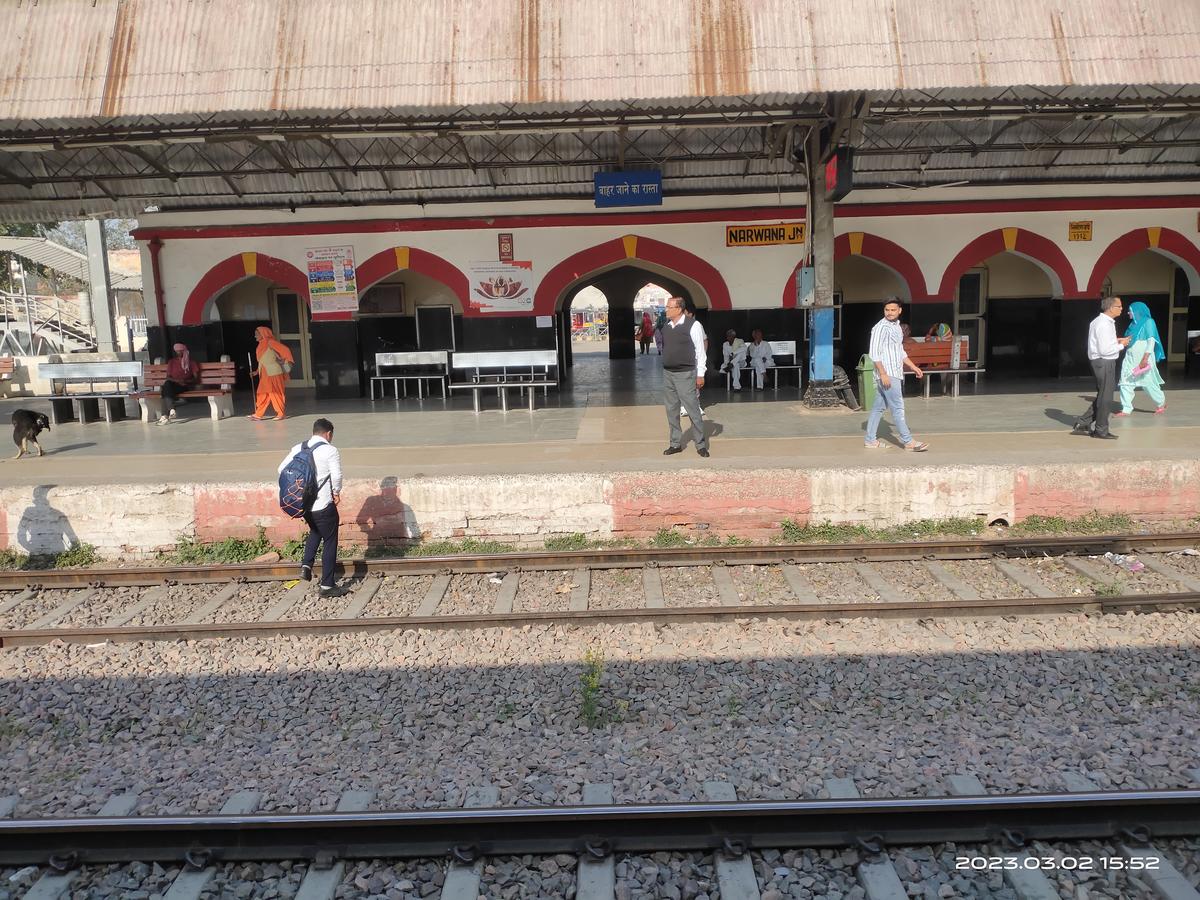
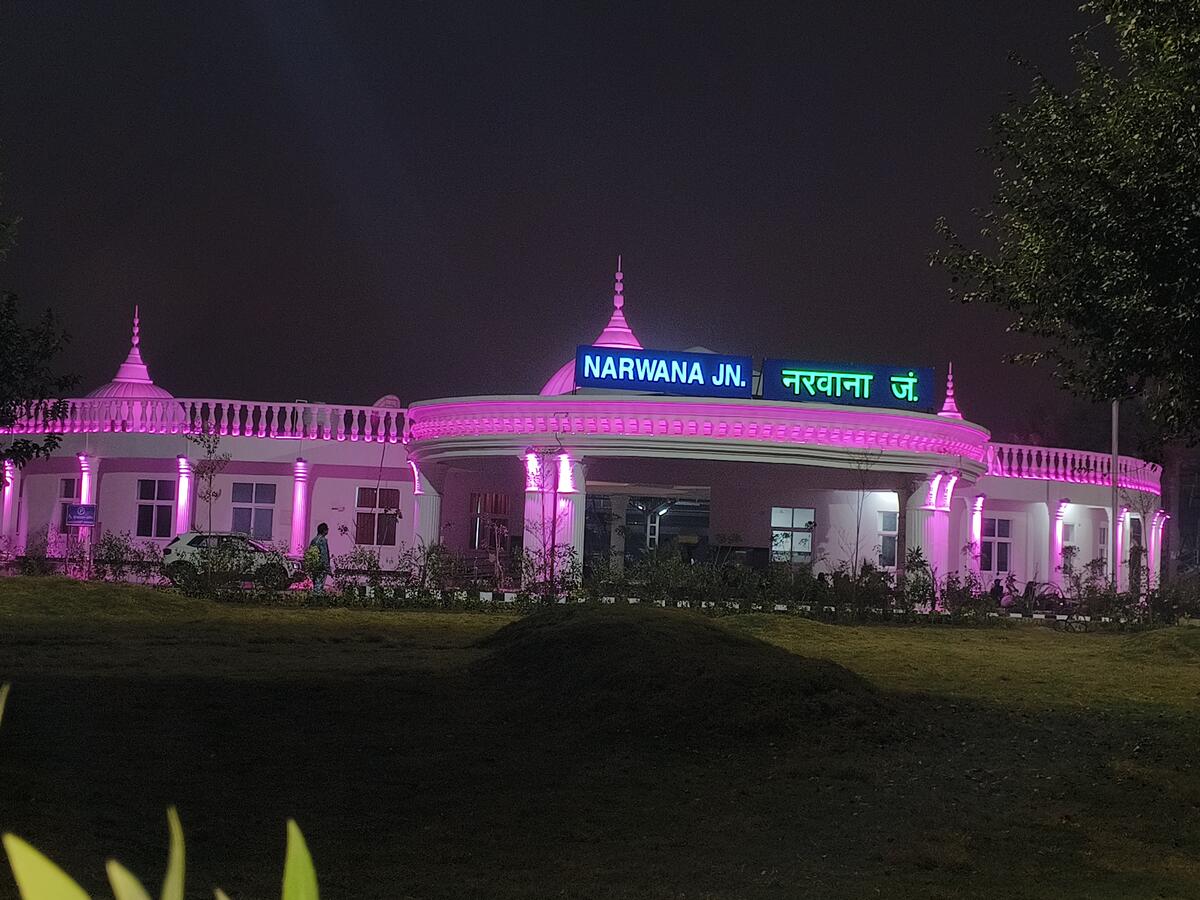
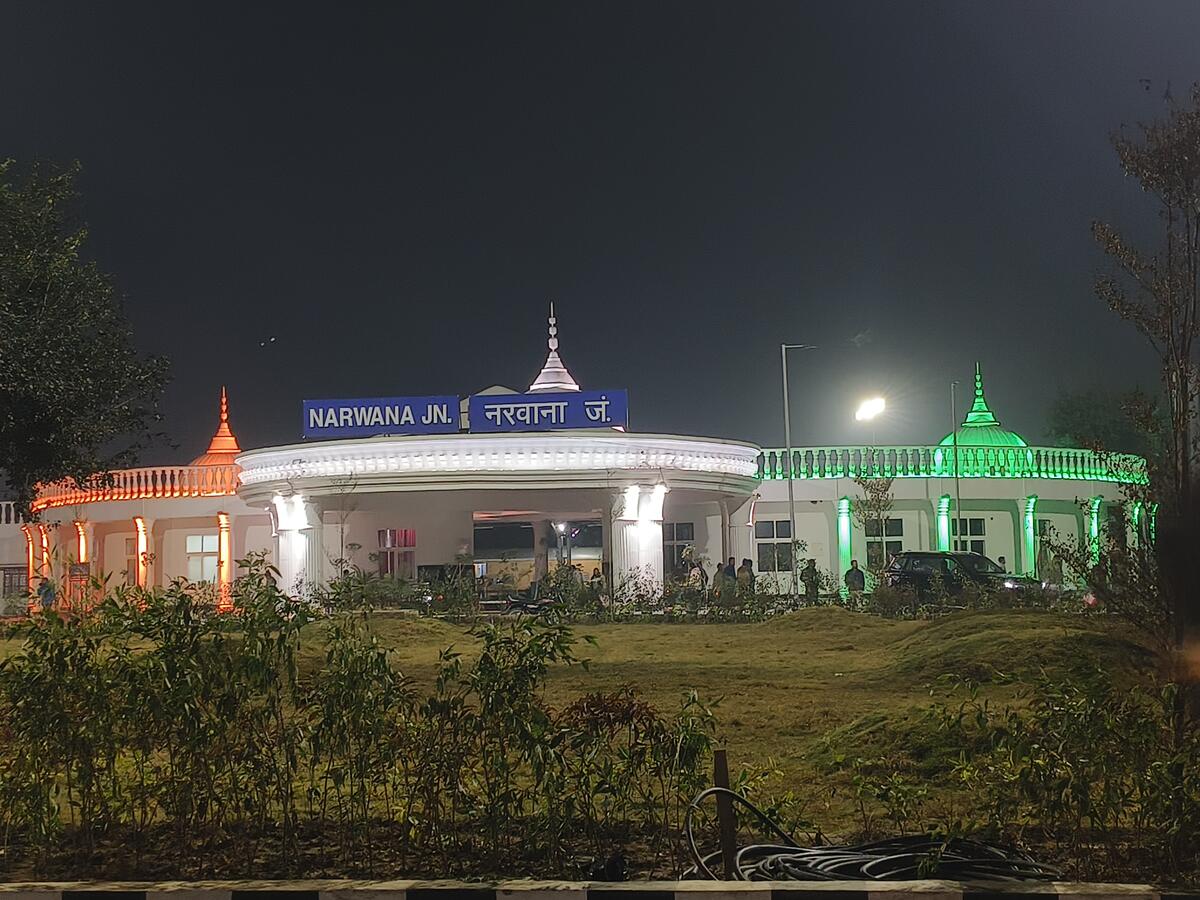
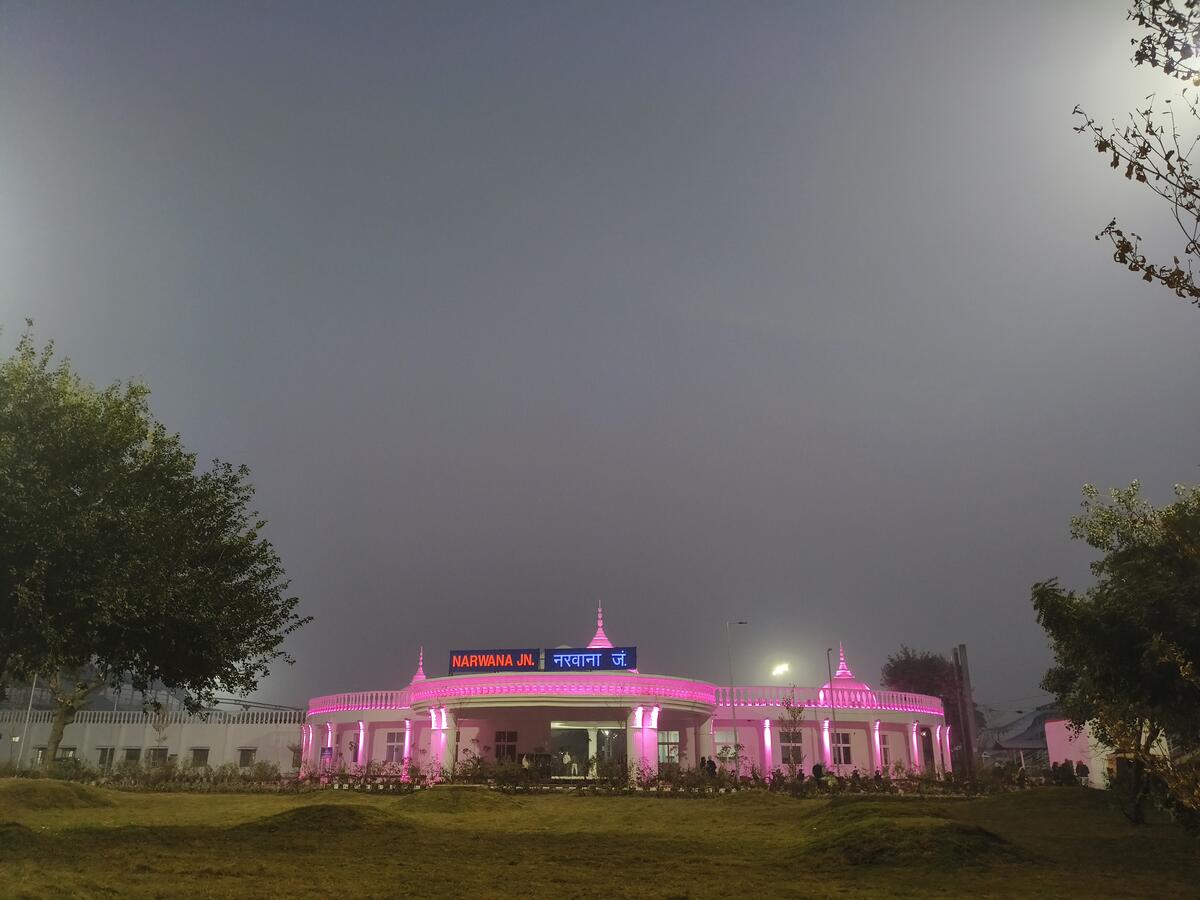
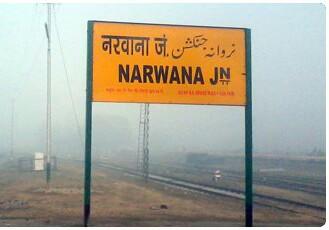
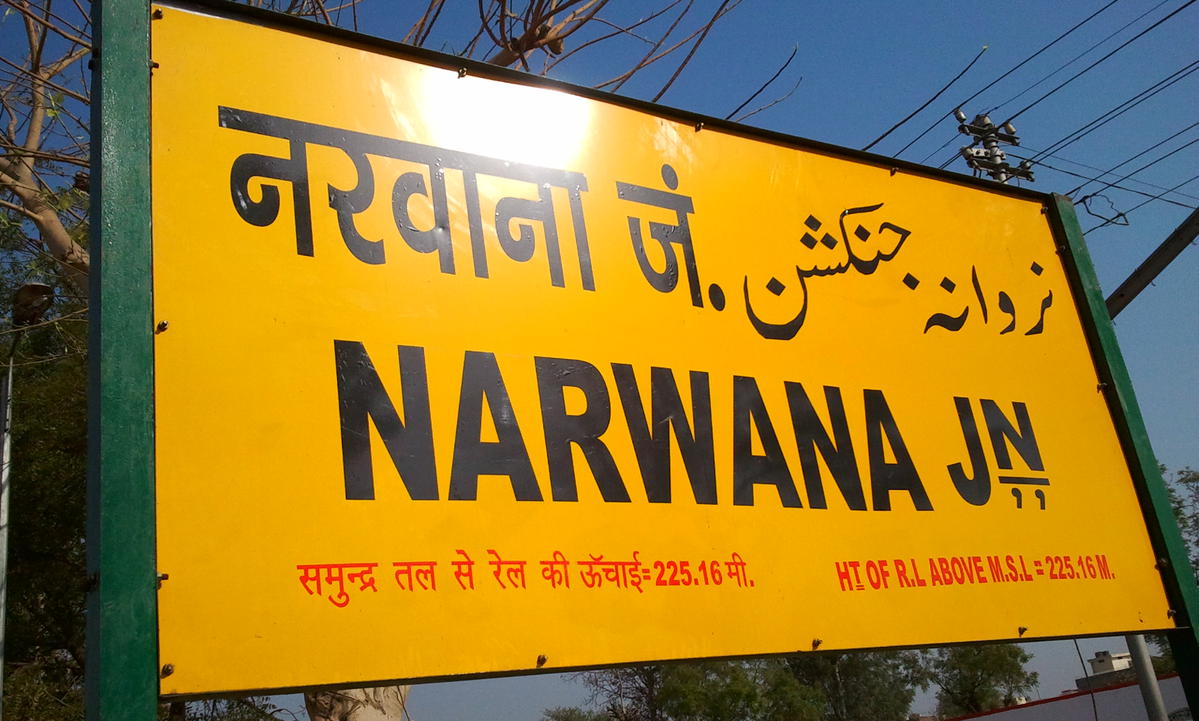
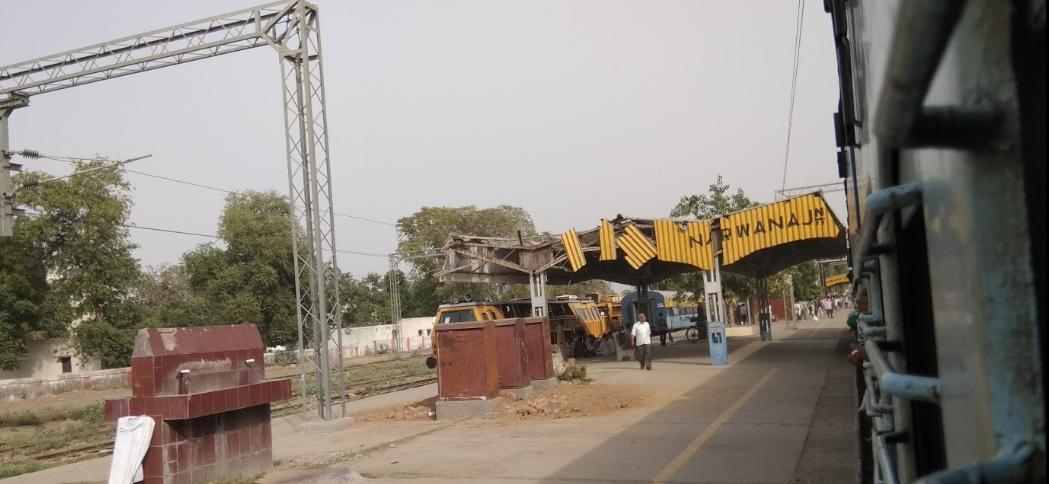
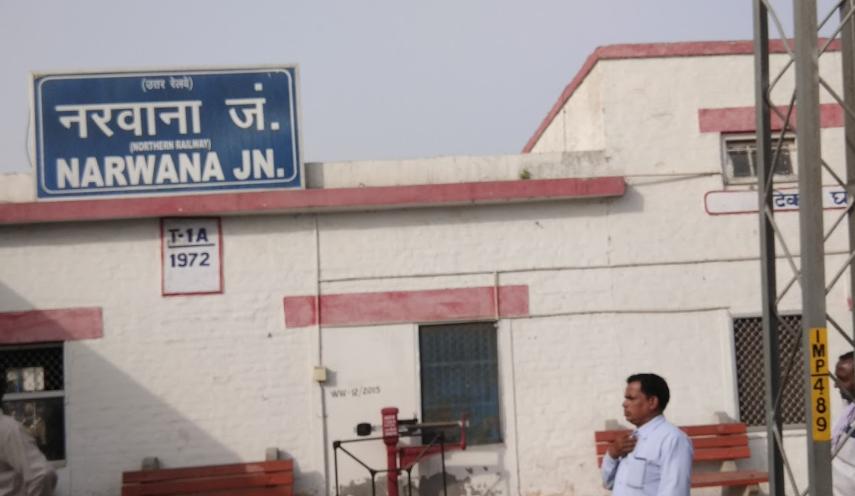
Narwana Junction Railway Station in Haryana is a small but important junction that quietly keeps regional travel moving without unnecessary complexity. With four platforms and station code NRW, it connects key routes linking Delhi, Jind, Rohtak, and Kurukshetra, making it useful for both daily commuters and long distance passengers.
The station is not flashy and does not try to be. What it offers instead is clarity. You can arrive, understand the layout in minutes, and catch your train without confusion. Most trains that stop here are passenger and express services, which keeps the flow steady throughout the day. Its real strength lies in connectivity rather than size. For many travelers, Narwana Junction is less about the station itself and more about where it takes them. It is simple, functional, and does exactly what a junction is supposed to do without making you overthink the journey.
About Narwana Junction Railway Station
Narwana Junction is not the kind of station that tries to impress you with size or modern design. It works in a much simpler way. You arrive, take a quick look around, and within a few minutes you already know where things are.
That is actually its biggest strength.
It serves the town of Narwana in Haryana and holds junction status because multiple railway lines meet here. For daily passengers, especially those travelling between nearby towns, this station is part of routine life rather than something they think about.
Location and Railway Connectivity
The station sits in Jind district, and its real importance comes from how it connects different parts of Haryana and nearby regions.
Trains from here link towards Delhi through Jind, while other routes connect Rohtak and Kurukshetra. Because of this, Narwana is often used as a changing point. Many passengers do not start or end their journey here, they simply pass through it on the way somewhere else.
If you look at it on a railway map, it might seem like a small stop. But in actual travel, it quietly handles a lot of movement between important routes.
History and Development
Narwana Junction did not suddenly become important one day. It grew into that role over time.
The station came up as part of the railway expansion in North India when lines were being laid to connect smaller towns with bigger routes. In a region like Haryana, where agriculture has always been strong, railways were not just about passengers. They were also about moving goods, crops, and supplies efficiently.
As more lines were added and nearby routes became active, Narwana slowly turned into a junction. Not because it was redesigned into something big, but because different routes started meeting here.
What is interesting is that even after becoming a junction, the station never really changed its personality. It still feels simple and a bit old-school. It is the kind of place where functionality clearly mattered more than appearance, and honestly, that is why it still works without confusion.
Station Layout and Platform Details
The station has four platforms, and once you see them, you pretty much understand the whole place.
There is no guessing involved. You are not walking in circles trying to find your train. Most of the layout is visible, and that makes movement easy even for someone visiting for the first time.
Foot overbridges are available for crossing between platforms, but distances are not overwhelming. Compared to bigger junctions where you feel like you are walking through a maze, Narwana feels direct and manageable.
Passenger Facilities and Amenities
Facilities at Narwana Junction are basic, and that is exactly what you should expect from a station of this scale.
There are ticket counters, waiting areas, drinking water points, and small vendors selling snacks and tea. It is not a place with high end waiting lounges or advanced digital displays everywhere, but the essentials are there.
If you are planning a long wait, you may feel the limitations. But for regular travel, short stops, or daily commuting, the station provides what is necessary without complications.
Train Operations and Passenger Movement
Train activity here is steady throughout the day.
You will mostly see passenger and express trains stopping at the station, connecting nearby towns and cities. The presence of multiple routes ensures that the station does not feel empty, but it also does not get overwhelmingly crowded.
The overall experience is quite balanced. You are not rushing through heavy crowds, and you are not standing in silence waiting for hours either. It sits somewhere in the middle, which actually makes travel easier.
Station Importance and Role
Narwana Junction may not be among the biggest stations in India, but its importance is very clear when you look at how people use it.
It connects smaller towns to bigger railway lines and allows passengers to move across routes without having to travel far just to catch a train. For many in this region, it works as a practical link to larger cities, much like how stations such as Lar Road Railway Station serve their surrounding areas without much attention.
Stations like this may not get attention, but they quietly support a large part of the railway network.
Navigation and Passenger Experience
One thing you will notice quickly is that Narwana Junction does not confuse you.
You are not checking signboards every few minutes. You are not asking multiple people for directions. Most of the time, you can figure things out on your own just by looking around.
And that makes a difference.
In many large stations, the stress comes not from the journey but from navigating the station itself. Here, that problem does not really exist.
Future Scope and Development
Narwana Junction is not the kind of station where you expect sudden transformation overnight, and that is completely fine.
Improvements here are likely to be gradual. Things like better seating, cleaner platforms, and clearer train information systems can make a noticeable difference for passengers. These are the kinds of upgrades that actually matter in day-to-day travel.
At the same time, there is no real need to turn it into a complex, overbuilt station. Its biggest strength right now is how easy it is to use. You do not feel lost, and you do not waste time figuring things out.
So even if modernization happens, the best version of Narwana Junction would be one that improves comfort without disturbing its simplicity. Because once a station becomes complicated, you start missing the kind of place Narwana already is.